Milk Thistle for Liver Support
- Why Milk Thistle Matters
- What the Research Actually Suggests
- Choosing a Product and Reading Labels
- Safety, Side Effects, and Interactions
- Using It in a Realistic Wellness Plan
Why Milk Thistle Matters
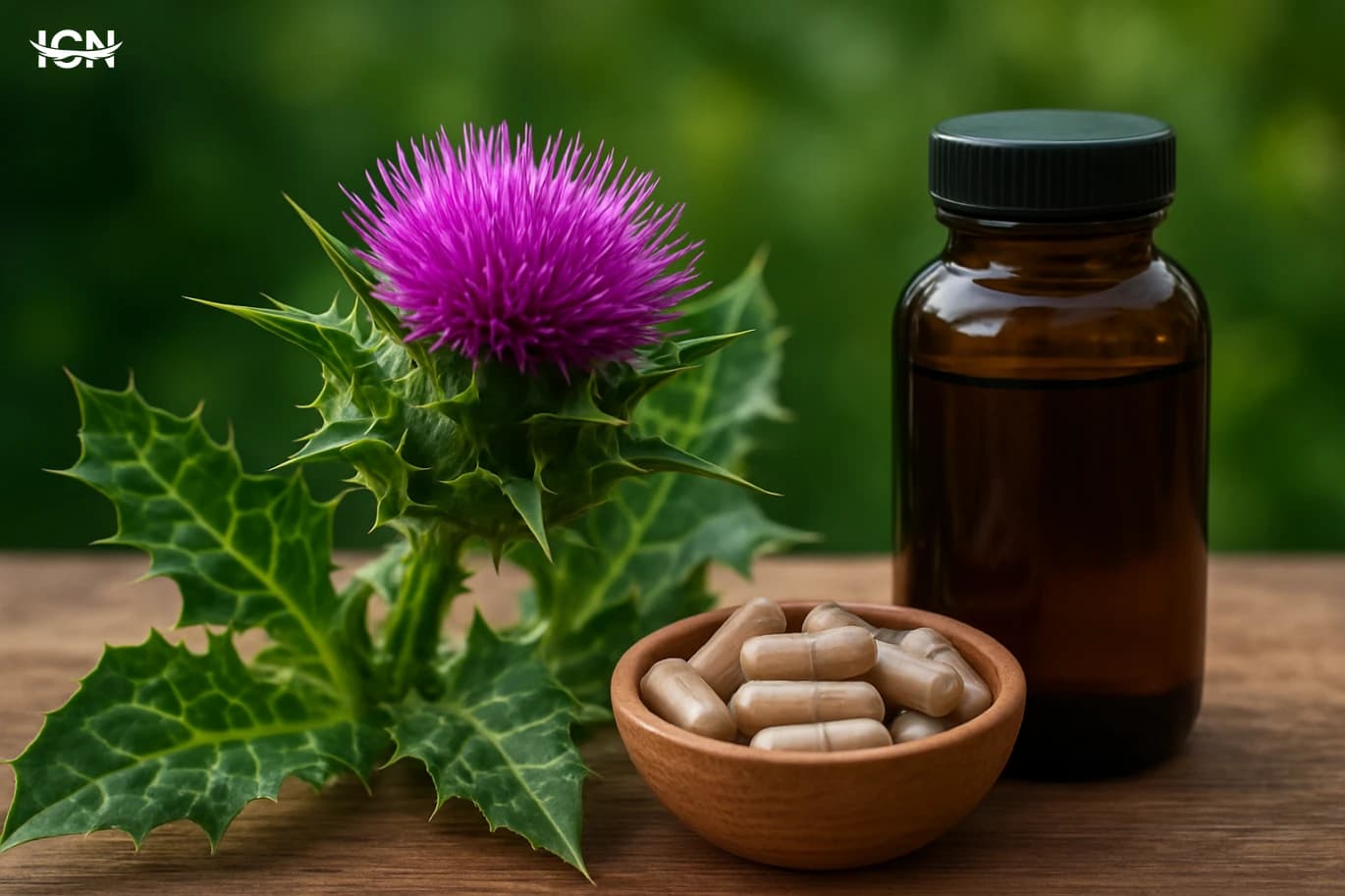
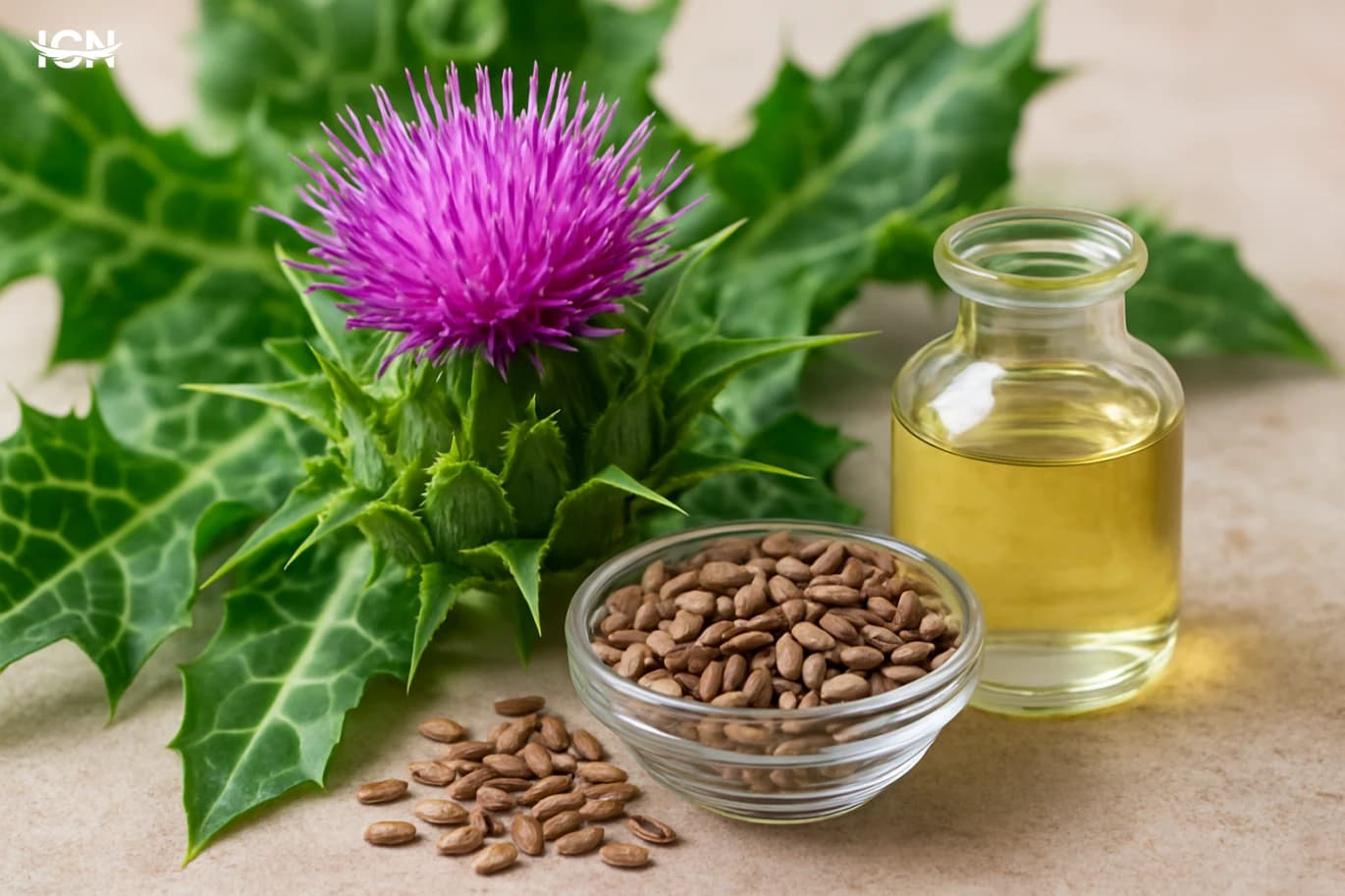
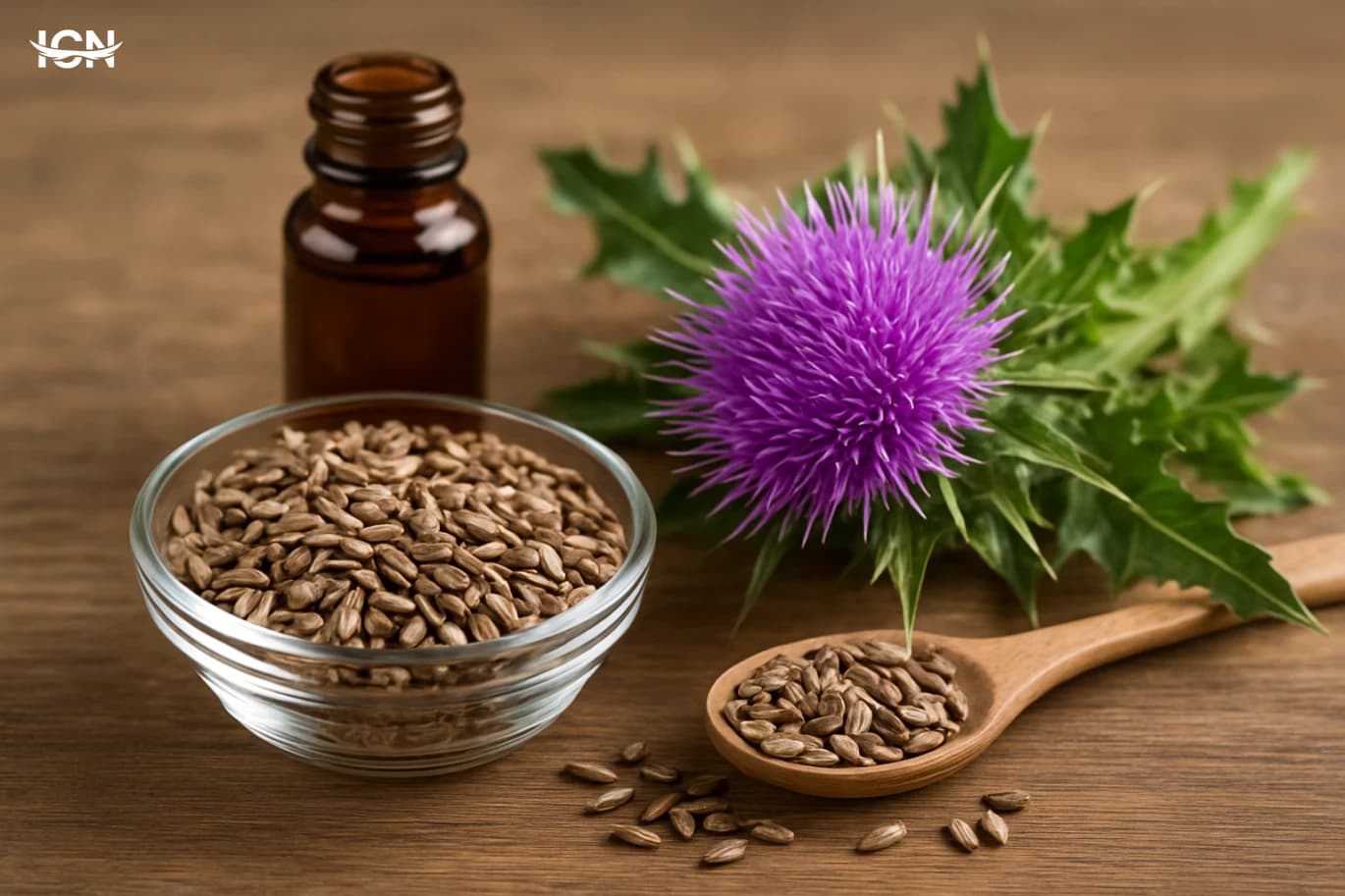
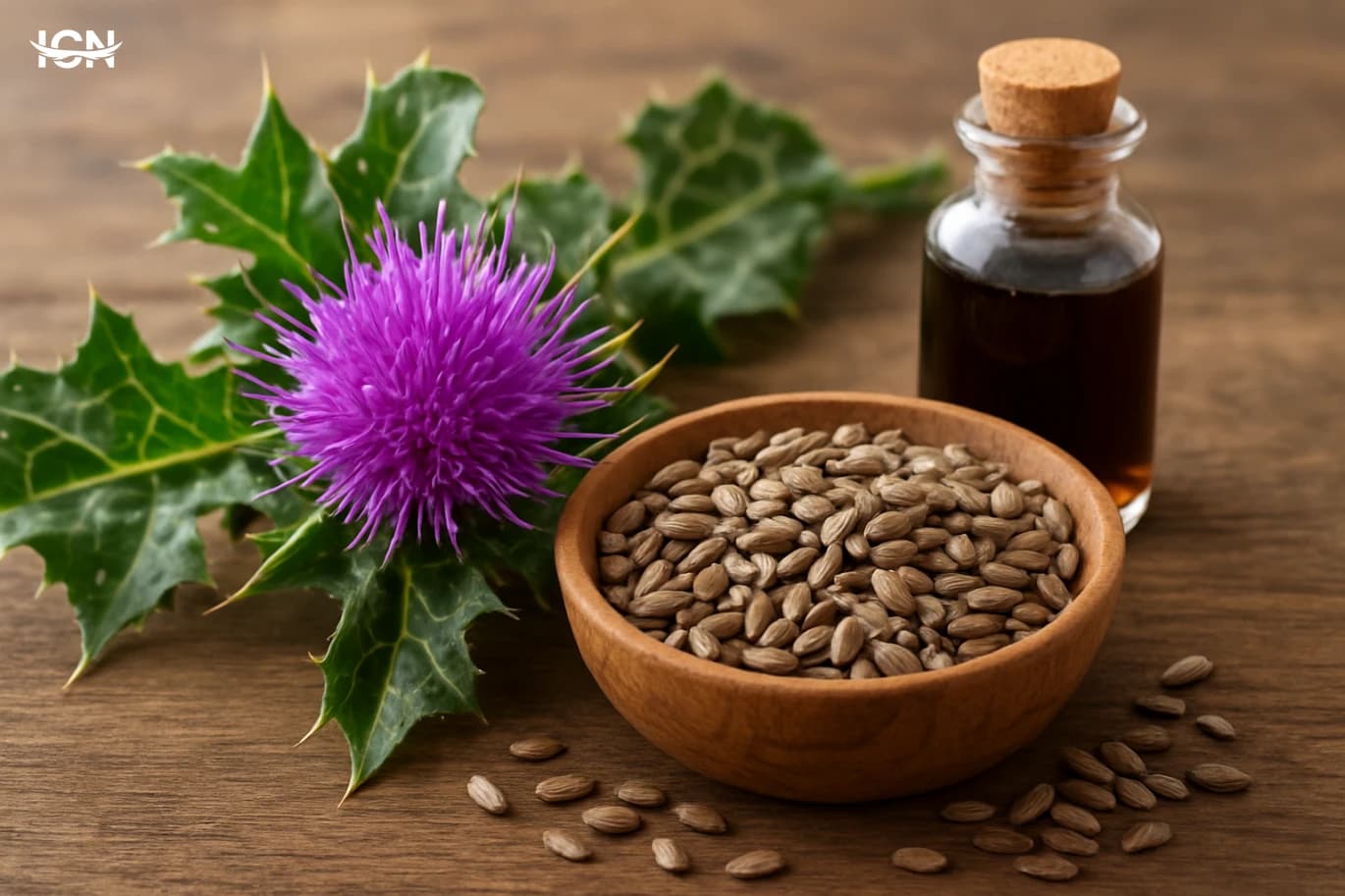
Milk thistle (Silybum marianum) is one of the most discussed medicinal plants for liver support, largely because its seeds contain a group of compounds known as silymarin. In everyday wellness conversations, it is often described as a “liver herb,” but the real story is more specific: silymarin has been studied for antioxidant activity and for its potential to influence inflammatory pathways and cellular repair processes in liver tissue. That combination is why it appears in many herbal products aimed at people who want to support normal liver function. The liver’s workload is constant. It processes nutrients, helps regulate cholesterol, supports bile production for digestion, and participates in the breakdown and clearance of many substances the body encounters. Lifestyle factors such as alcohol intake, high-calorie diets, and exposure to certain medications can add strain. Milk thistle is not a substitute for medical care, but it is widely used as a complementary option by people who are trying to make practical changes—improving diet, reducing alcohol, and paying attention to metabolic health—while also using a plant-based supplement with a long history of use. A serious look at milk thistle starts with realistic expectations. It is not a “detox” shortcut, and it does not erase the effects of ongoing harmful habits. The most useful way to approach it is as one component in a broader plan that includes evidence-based lifestyle steps and appropriate medical evaluation when symptoms or abnormal lab results are present.
What the Research Actually Suggests
Research on milk thistle is extensive, but the results are not uniform. Studies vary in the form used (whole seed, standardized extract, or specific silymarin fractions), the dose, the duration, and the health condition being studied. This makes it difficult to generalize a single “proven” outcome for everyone. What can be said with more confidence is that milk thistle has been investigated in contexts such as elevated liver enzymes, non-alcoholic fatty liver disease, and liver stress related to certain exposures, with mixed findings across trials. Some clinical studies report improvements in laboratory markers like ALT and AST in certain groups, while others show minimal or no difference compared with placebo. Differences in baseline health, concurrent lifestyle changes, and the quality of the extract can all influence outcomes. Importantly, changes in liver enzymes do not always translate into long-term clinical benefits, and enzyme levels can fluctuate for reasons unrelated to supplements. A practical takeaway is that milk thistle is best viewed as a supportive option with potential benefits for some people, rather than a guaranteed fix. Anyone considering it for a diagnosed liver condition should treat it as an adjunct and keep the focus on the fundamentals: weight management when appropriate, limiting alcohol, managing blood sugar and lipids, and following medical guidance. If lab monitoring is part of care, it should be continued rather than replaced by supplement use.
Choosing a Product and Reading Labels
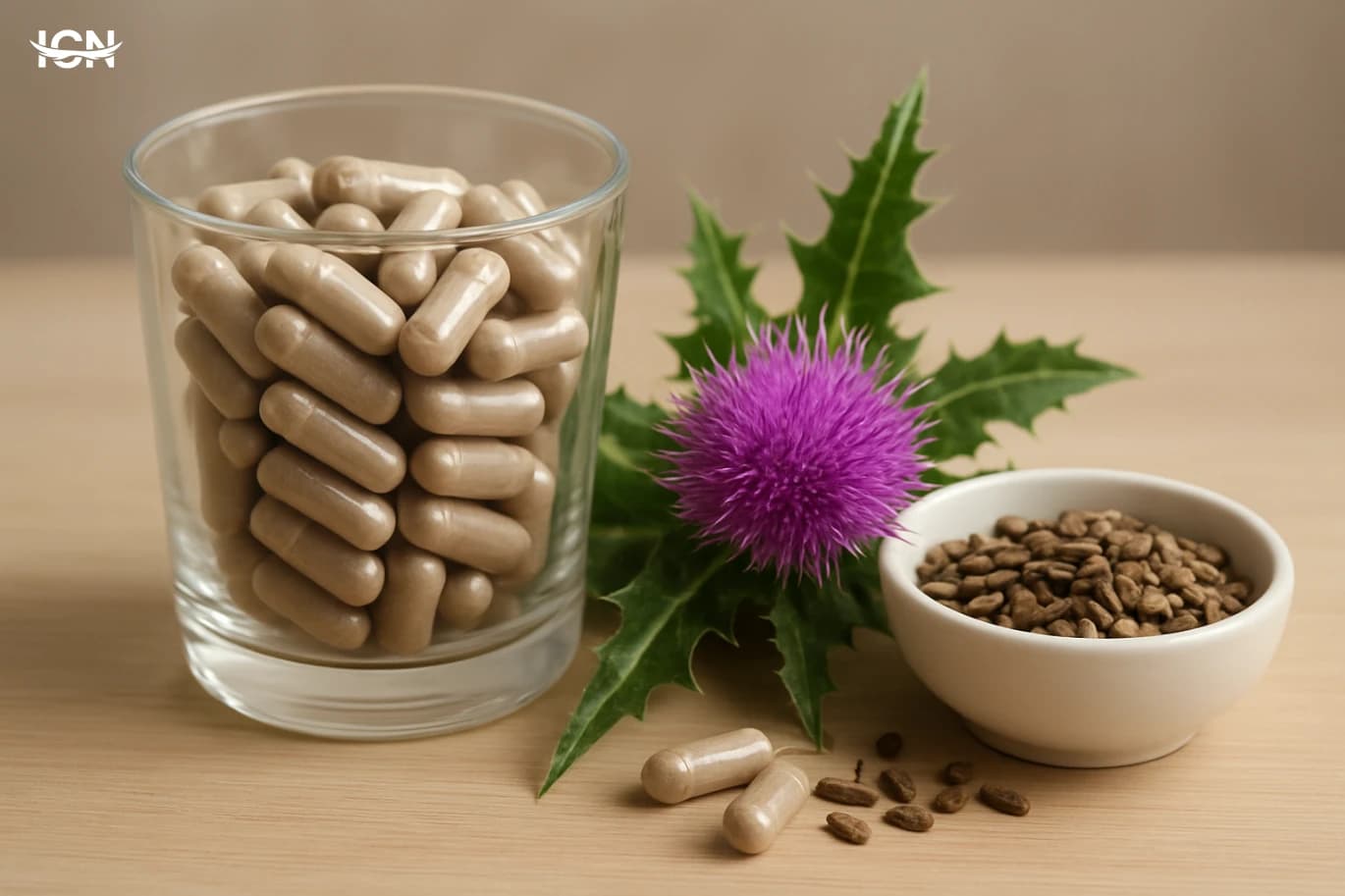
Milk thistle supplements are sold as capsules, tablets, tinctures, and powders. The most common standardized products list silymarin content, often expressed as a percentage of the extract. This matters because “milk thistle” on the front label can refer to very different preparations. A standardized extract provides more consistency than a non-standardized powder, but it is still important to check what the standardization refers to and whether the manufacturer provides third-party testing. When comparing products, look for clear information on the amount per serving, the form (seed extract vs. whole seed), and any added ingredients. Some formulas combine milk thistle with other botanicals marketed for liver support, such as dandelion or artichoke. Combination products can make it harder to know what is driving any effect and may increase the chance of interactions. Quality signals include batch testing, contaminant screening (for heavy metals and microbial contamination), and transparent sourcing. Because herbal supplements are agricultural products, variability in growing conditions and processing can affect the final composition. If a product makes sweeping claims like “cures liver disease” or “detoxes in days,” that is a red flag. A more credible label focuses on supporting normal function and provides measurable, verifiable details.
Safety, Side Effects, and Interactions
Milk thistle is generally well tolerated for many adults when used as directed, but “natural” does not mean risk-free. Reported side effects can include gastrointestinal discomfort, nausea, or changes in bowel habits. Allergic reactions are possible, particularly in people sensitive to plants in the Asteraceae family. Because individual responses vary, starting with a conservative dose and monitoring how you feel is a sensible approach. Interactions are a key consideration. Milk thistle has been studied for potential effects on certain liver enzymes involved in drug metabolism, which means it could theoretically influence how the body processes some medications. People taking prescription drugs—especially those with narrow therapeutic ranges—should consult a clinician or pharmacist before starting. This is particularly relevant for individuals managing chronic conditions such as diabetes, where changes in blood sugar control can have practical consequences. Certain groups should be extra cautious, including pregnant or breastfeeding individuals and those with complex medical histories. Anyone with persistent symptoms such as jaundice, unexplained fatigue, abdominal pain, or dark urine should seek medical evaluation rather than self-treating with supplements. Milk thistle can be part of a wellness plan, but it should not delay diagnosis or replace appropriate care.
Using It in a Realistic Wellness Plan
If you decide to use milk thistle, it helps to define what “success” looks like. For some people, that may mean supporting healthy habits during a period of lifestyle change, such as reducing alcohol, improving diet quality, or increasing physical activity. For others, it may mean using it under medical supervision while monitoring liver-related lab work. In either case, the supplement should not be the main strategy. A realistic plan prioritizes measurable steps: limiting alcohol intake, aiming for gradual weight loss if advised, choosing higher-fiber foods, and reducing ultra-processed foods and sugary drinks. Hydration, sleep quality, and regular movement also matter because metabolic health and liver health are closely linked. If you have known risk factors—such as insulin resistance or high triglycerides—addressing those with a clinician can have a larger impact than any single herb. Finally, keep records. Note the product, dose, start date, and any changes you observe. If you are doing lab tests, track results over time and interpret them with a professional who can account for the full clinical picture. Milk thistle can be a reasonable addition for some adults, but the best outcomes typically come from consistent, evidence-based habits backed by appropriate medical guidance.