Milk Thistle for Everyday Liver Support
- Why Milk Thistle Gets Attention
- What’s in the Plant and How It’s Prepared
- What Research Suggests and What It Doesn’t
- Choosing a Product and Using It Responsibly
- Everyday Habits That Pair Well With It
Why Milk Thistle Gets Attention
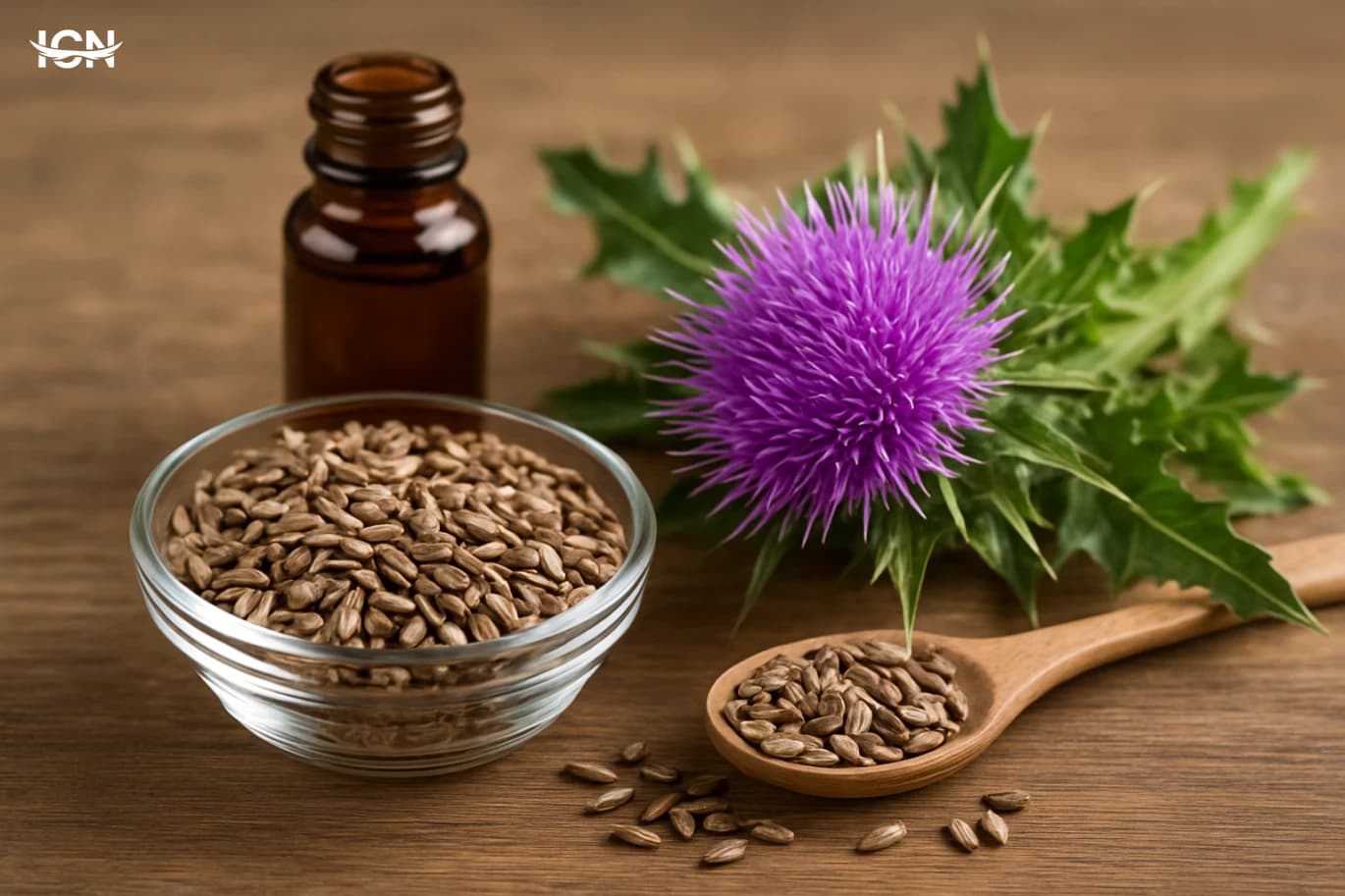
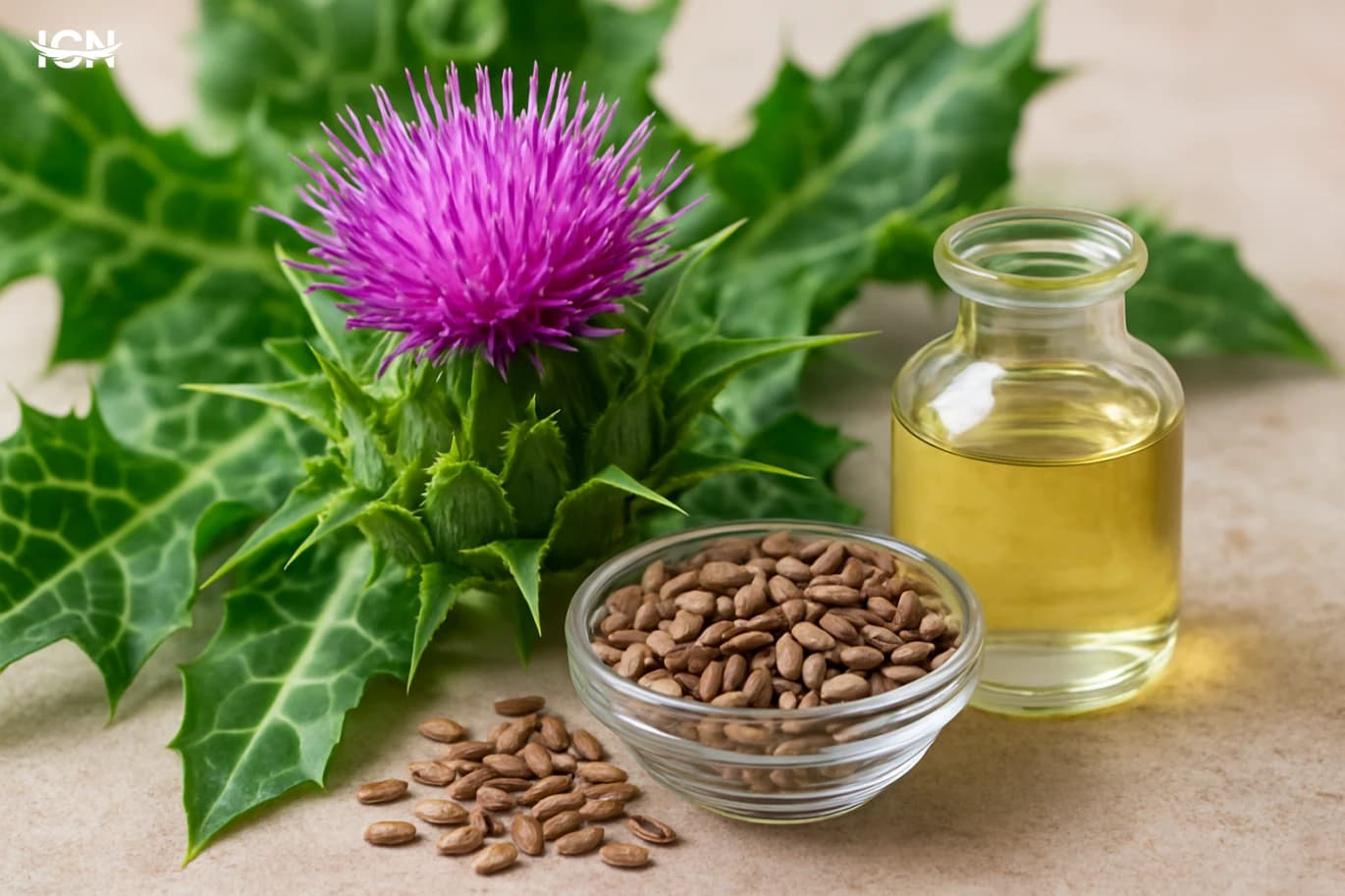
Milk thistle (Silybum marianum) is one of the most talked-about medicinal plants for liver support, largely because its seeds contain a group of compounds known as silymarin. In herbal practice and modern supplement markets, it is positioned as a daily “liver-friendly” option for people who want to support normal liver function, especially when lifestyle factors like irregular meals, high-fat diets, or frequent use of processed foods are common. The plant has a long history of use in European herbal traditions, but today its popularity is driven by standardized extracts and a growing body of research on antioxidant activity and cellular protection. That said, “support” is not the same as “treatment.” Milk thistle is not a substitute for medical care in liver disease, and it is not a detox shortcut. A practical blog topic is how to evaluate milk thistle realistically: what it is, what products actually contain, what evidence suggests, and how to use it responsibly as part of a broader health routine.
What’s in the Plant and How It’s Prepared
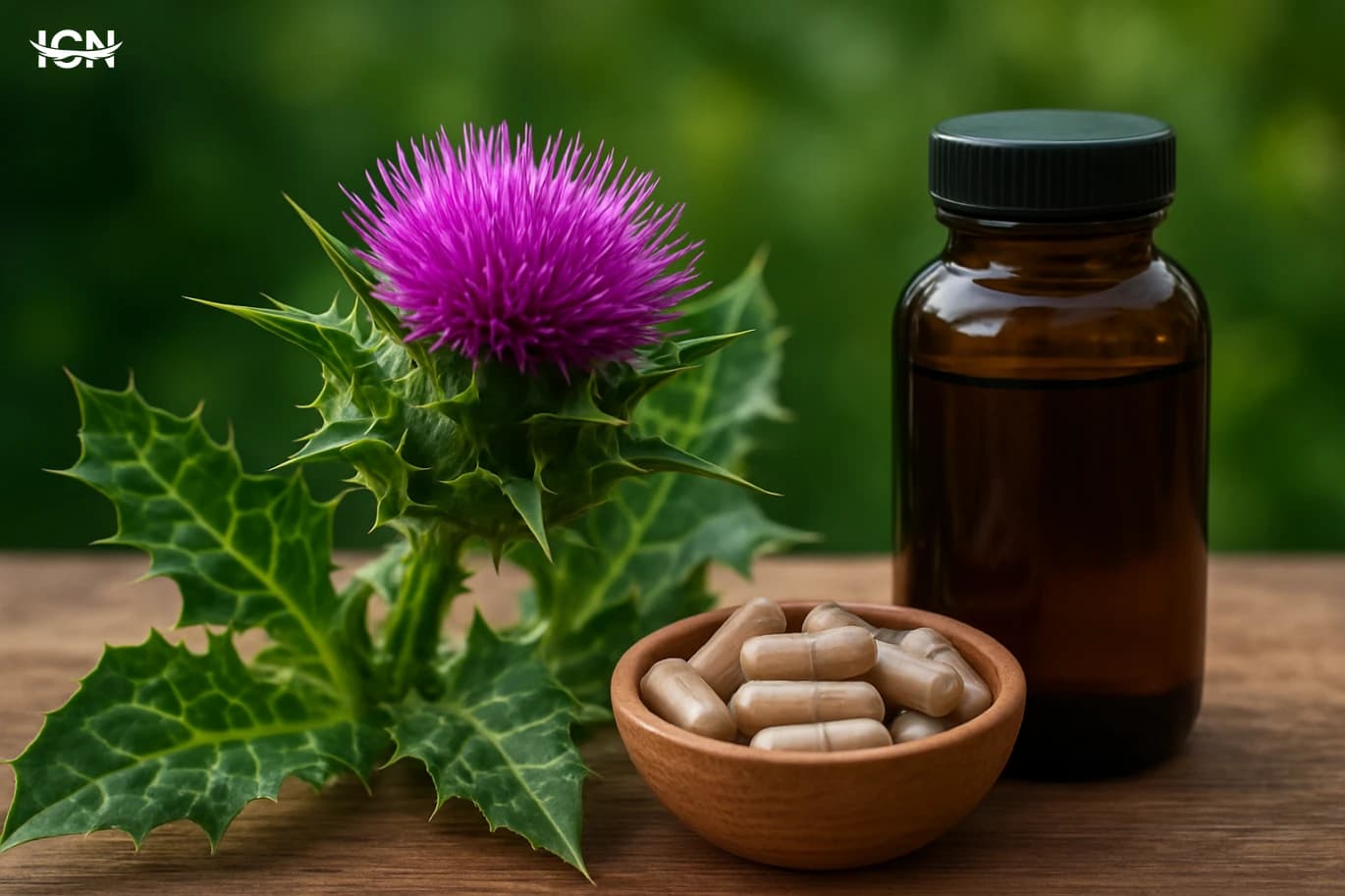
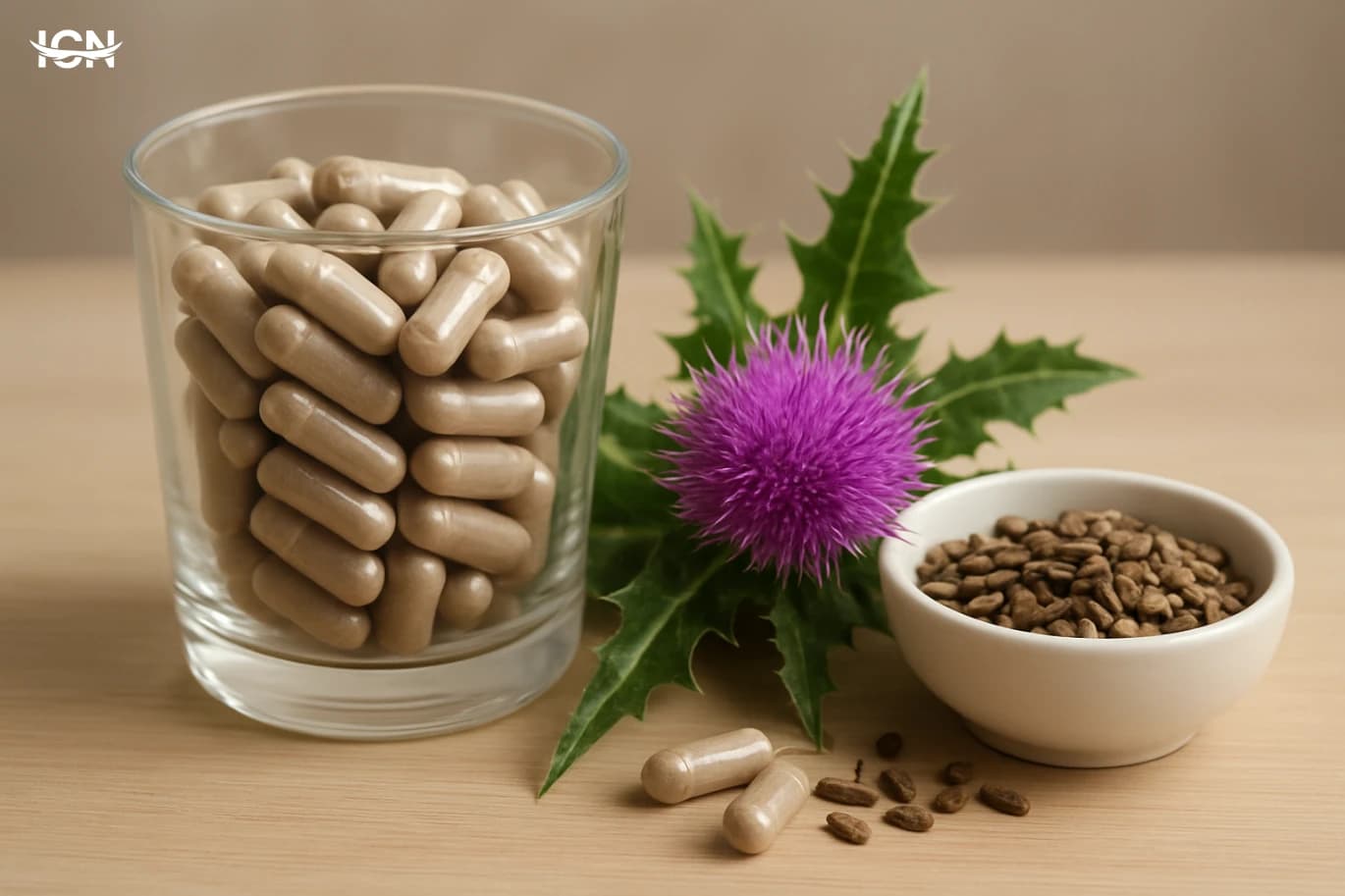
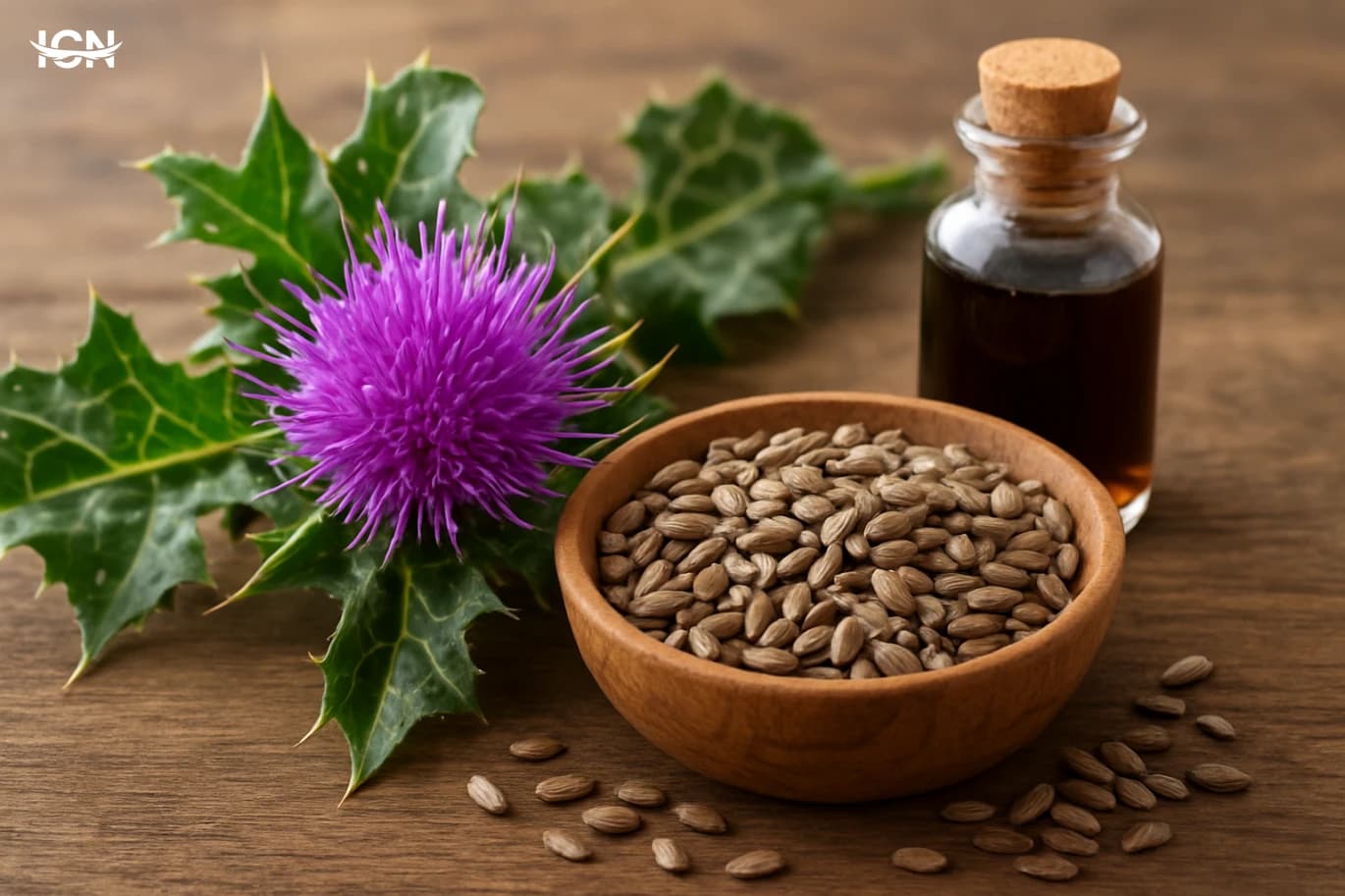
The most valued part of milk thistle is the seed. Silymarin is not a single ingredient but a mixture of flavonolignans, commonly including silybin (also called silibinin), silychristin, and silydianin. Many products label the extract as “standardized to 70–80% silymarin,” which is a key detail because raw seed powder can vary widely in active content. Preparation matters. Traditional use includes teas and ground seeds, but silymarin is not very water-soluble, so teas may deliver relatively low amounts compared with extracts. Capsules and tablets often use concentrated extracts, sometimes paired with phospholipids (such as “phytosome” forms) to improve absorption. When comparing products, it is useful to look for the amount of standardized extract per serving and the stated percentage of silymarin, rather than relying on vague claims like “high potency.” Quality indicators include third-party testing, clear labeling of botanical name and plant part, and avoidance of unnecessary fillers. Because milk thistle is a widely sold supplement, product consistency can differ by brand and region, making label literacy an essential part of responsible use.
What Research Suggests and What It Doesn’t
Research on milk thistle often focuses on antioxidant effects, support for normal inflammatory balance, and protection of liver cells from certain stressors in laboratory settings. Some clinical studies have explored its role in people with liver conditions, but results are mixed, and study designs vary in dose, formulation, and duration. This makes it difficult to draw one simple conclusion that applies to everyone. A balanced interpretation is that milk thistle may help support liver function markers in some contexts, but it is not a guaranteed solution, and it should not be framed as a cure. Claims that it “cleanses toxins” are usually marketing language rather than a precise physiological statement. The liver already performs detoxification through complex enzyme systems; the practical question is whether a supplement supports normal function without creating new risks. For readers, the most useful takeaway is how to evaluate evidence: look for human studies, note the exact extract used, check whether outcomes are clinically meaningful, and be cautious with headlines that overpromise. In everyday wellness content, it is also important to emphasize that sleep, balanced nutrition, hydration, and limiting unnecessary alcohol are more consistently linked with liver health than any single herb.
Choosing a Product and Using It Responsibly
If someone decides to try milk thistle, the first step is selecting a product with transparent labeling. Look for the botanical name (Silybum marianum), the plant part (seed), and a standardized extract with a stated percentage of silymarin. Many supplements list a daily serving in the range of a few hundred milligrams of extract, but the “right” amount depends on the formulation and the individual. Following the manufacturer’s directions and avoiding stacking multiple liver-support products at once is a sensible approach. Timing and consistency matter more than taking large doses. Some people take it with meals to reduce stomach discomfort. Keeping a simple log for two to four weeks—energy levels, digestion, and any unusual symptoms—can help determine whether it fits into a routine. It is also wise to set realistic goals: supporting general wellness is different from trying to correct abnormal lab results. People who are pregnant, breastfeeding, managing chronic conditions, or taking regular medications should consult a qualified clinician or pharmacist before use. Milk thistle may interact with certain medications through effects on liver enzymes, and the risk-benefit decision is personal. Responsible use also includes stopping the supplement and seeking advice if allergic reactions or persistent digestive issues occur.
Everyday Habits That Pair Well With It
Milk thistle is often discussed as a “supportive” herb, but the strongest foundation for liver health is daily behavior. A practical section for readers is how to pair any supplement with habits that reduce liver workload. Prioritizing fiber from vegetables, legumes, and whole grains supports normal digestion and helps manage dietary fat and sugar intake. Choosing unsweetened drinks more often and limiting ultra-processed snacks can make a measurable difference over time. Protein quality also matters. Lean proteins, fish, and plant-based options can fit into a balanced plan without excessive saturated fat. For people who drink alcohol, the most meaningful liver-support step is reducing frequency and quantity, and avoiding binge patterns. Hydration and regular physical activity support metabolic health, which is closely connected to fatty liver risk. Finally, routine checkups are part of responsible wellness. If someone is concerned about liver health, basic lab tests and professional guidance provide clarity that no herb can replace. In that context, milk thistle can be framed as an optional, secondary tool—one that may complement, but not substitute, evidence-based lifestyle and medical care.