App Logo

Download Our App

Shop your way

logologo
Image

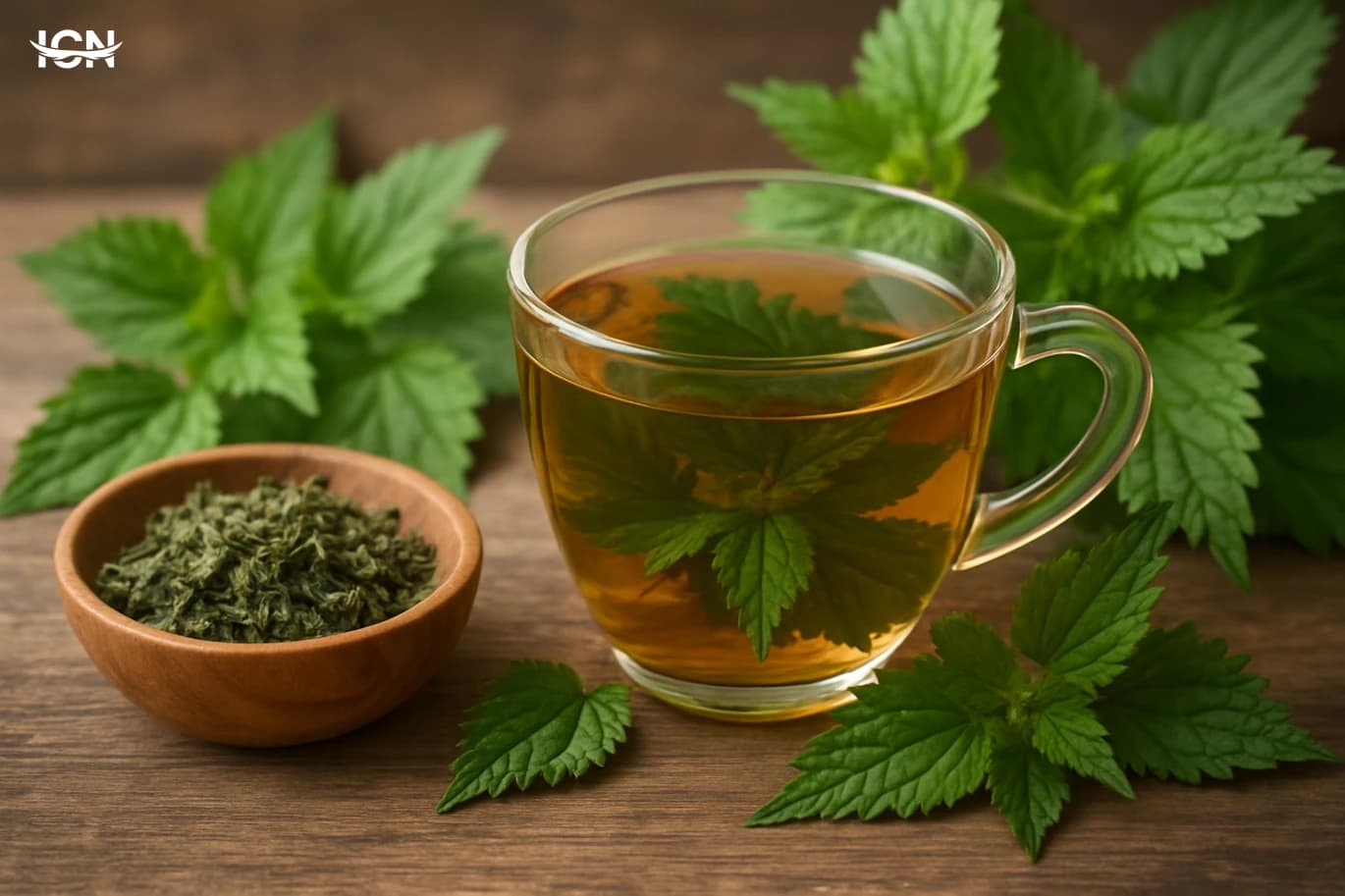
Nettle Tea for Daily Wellness
05/21/2026By: ICN Writer
Nettle Tea for Daily Wellness

Why Nettle Is Back on the Radar

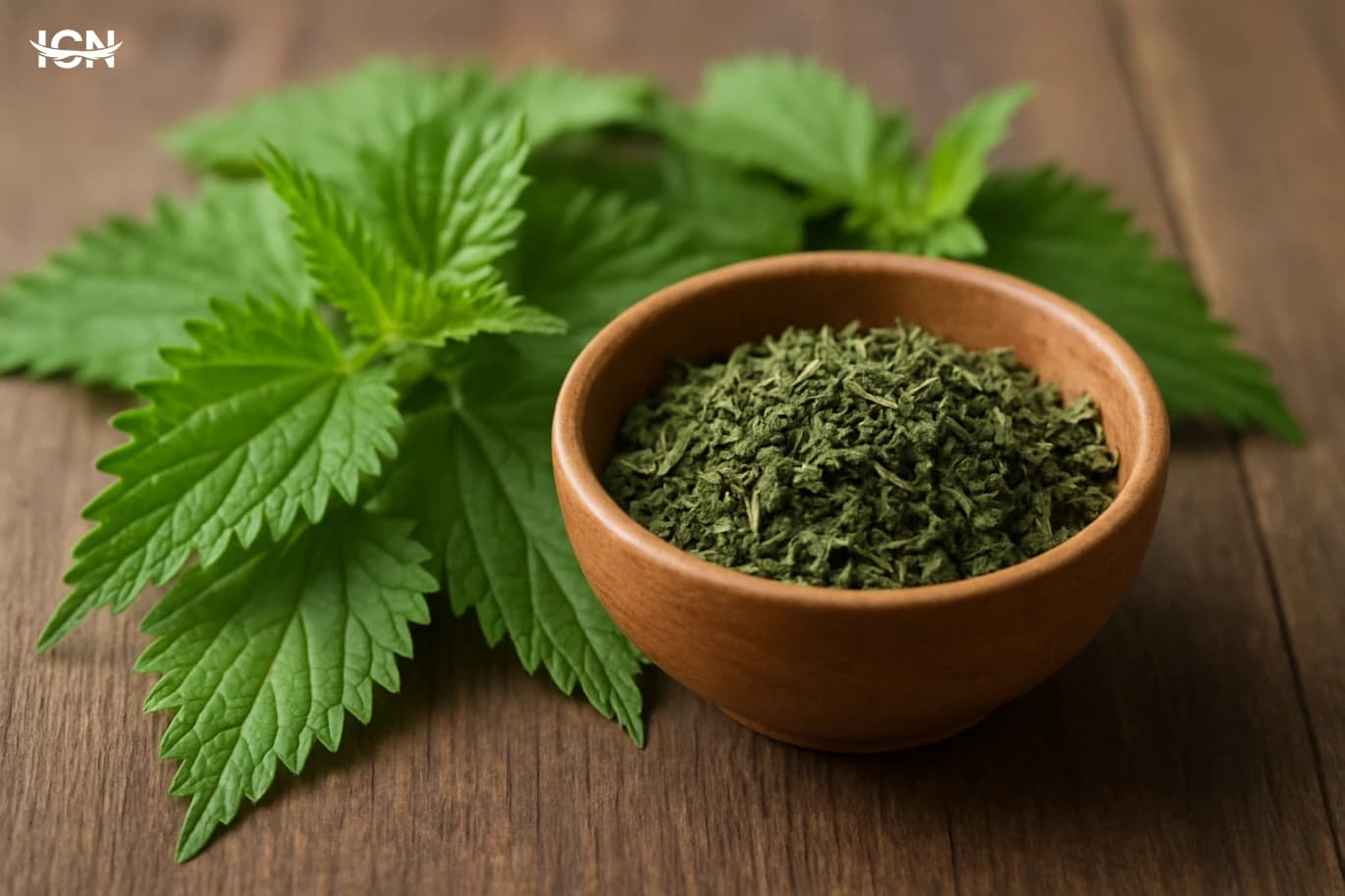
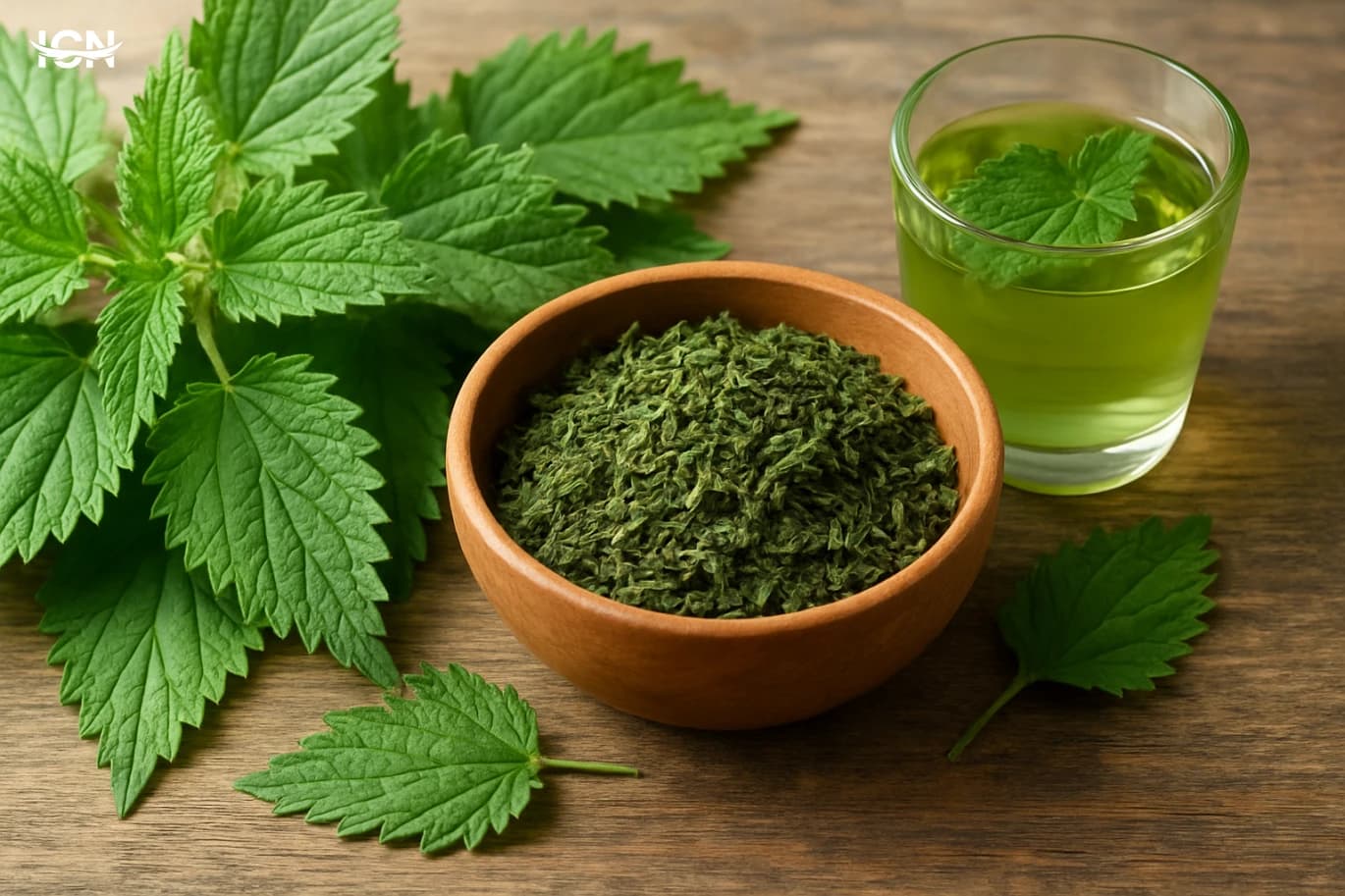
Stinging nettle (Urtica dioica) has moved from “old-fashioned herb” to a modern pantry staple because it fits today’s interest in simple, plant-based routines. It is widely used as a leaf infusion, and it is also found in capsules, tinctures, and blended teas. What makes nettle especially practical is that it offers a mild, green taste and can be used regularly without complicated preparation. Nettle’s reputation is tied to its nutrient density. The leaves naturally contain minerals such as iron, magnesium, and potassium, along with chlorophyll and a range of plant compounds. People often choose nettle tea as a low-calorie beverage that can replace sugary drinks while adding a sense of “nutritional purpose” to a daily habit. In many households, it is treated like a functional alternative to black tea or coffee, especially in the afternoon. This topic is worth a closer look because nettle is both common and misunderstood. The plant’s sting is a handling issue, not a reason to avoid it as a beverage. Once dried or steeped in hot water, the stinging hairs are no longer a concern. The key is learning how to select quality leaf, brew it correctly, and use it in a way that supports overall wellness without exaggerated claims.

What’s in the Leaf

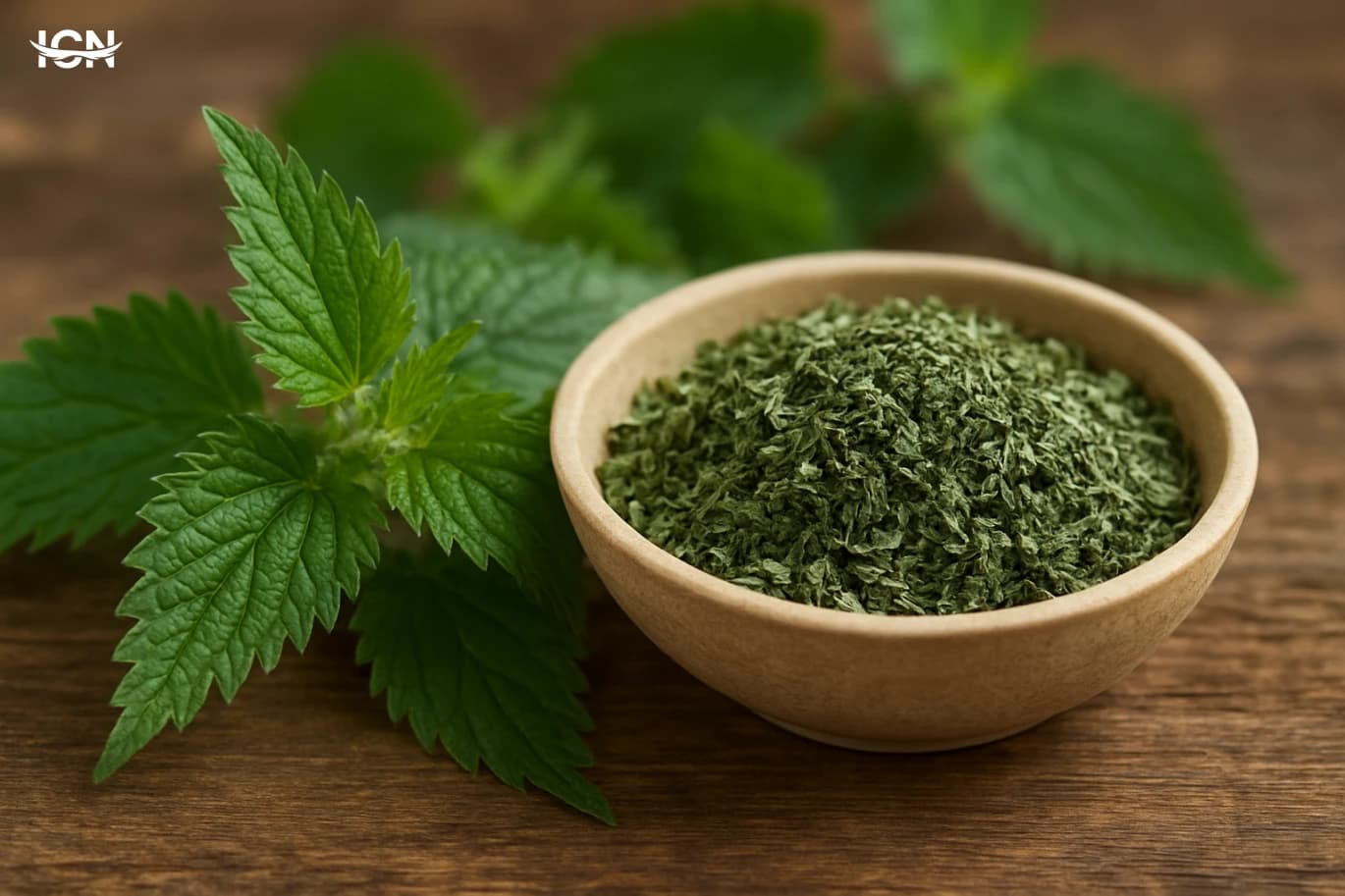
Nettle leaf is often described as “nutritive,” meaning it is valued for its naturally occurring micronutrients rather than for a single standout compound. While exact amounts vary by growing conditions and processing, dried nettle leaf commonly provides minerals and plant pigments that contribute to its deep green color. Many people associate that color with chlorophyll content, which is one reason nettle is frequently included in “green” blends. From a practical perspective, nettle tea is not a replacement for a balanced diet, but it can complement it. Someone who struggles to drink enough water may find that a mild herbal infusion increases daily fluid intake. Others use it as a caffeine-free option in the evening. The leaf also contains various polyphenols, which are common across many herbs and plants and are studied for their role in general wellness. When evaluating nettle products, it helps to know what you are buying: leaf is the standard for tea, while root is used for different purposes and is not interchangeable. Labels should clearly state “nettle leaf” or “Urtica dioica leaf.” If the ingredient list is vague, the product may not deliver the expected taste or consistency. For readers building an herb shelf at home, this distinction is one of the simplest ways to avoid confusion.

How to Brew a Better Cup

A good nettle tea starts with the right ratio and steep time. For loose dried leaf, a common approach is 1 to 2 teaspoons per 250 ml (about one cup) of freshly boiled water. Cover the cup or teapot while steeping to keep aromatic compounds from escaping. A steep time of 7 to 12 minutes usually produces a fuller taste than the quick 3-minute steep used for black tea. Taste is the best guide. If the brew is too grassy or strong, reduce the amount of leaf or shorten the steep. If it tastes thin, add a little more leaf or extend the steep time. Nettle can also be cold-infused in the refrigerator for several hours, producing a lighter, smoother drink that works well in warm weather. Flavor pairing matters. Nettle blends well with lemon peel, peppermint, or a small amount of ginger for a brighter profile. For those who prefer a softer taste, mixing nettle with chamomile can make it more approachable. Sweeteners are optional; if used, a small amount of honey can round out the herbal notes without turning the drink into a dessert. Using filtered water and a clean infuser also makes a noticeable difference in clarity and taste.

Buying and Storing Nettle Safely

Quality begins at purchase. Look for nettle leaf that is clearly labeled, with a harvest or best-by date and a reputable supplier. The dried leaf should appear green rather than brown or gray, which can indicate age or poor storage. A fresh, herbal smell is a good sign; a dusty or flat odor suggests the product has lost potency. Tea bags can be convenient, but loose leaf often provides better aroma and allows you to adjust strength. If buying loose leaf, check that the cut is consistent and not mostly powder, which can make the brew gritty. Organic certification can be a useful signal, but it is not the only indicator of quality; storage and handling matter just as much. At home, store nettle in an airtight container away from heat, light, and moisture. A kitchen cabinet that stays cool and dry is usually sufficient. Avoid keeping the jar next to the stove or above a dishwasher where steam is common. If stored well, dried nettle leaf can maintain good flavor for many months, but it is best used within a year for the most reliable taste and aroma.

Who Should Be Cautious

Even gentle herbs deserve basic caution. Nettle tea is widely used as a beverage, but it is still a plant product that can interact with individual health conditions and medications. Anyone who is pregnant, managing a chronic condition, or taking prescription medicines should check with a qualified healthcare professional before making nettle a daily habit. People with known plant allergies should start with a small amount to assess tolerance. If any unusual symptoms occur, discontinue use and seek medical advice. It is also sensible to avoid combining multiple “functional” herbal products at once, especially those marketed for similar goals, because it becomes harder to identify what is helping or causing side effects. For most healthy adults, moderate intake as part of a varied diet and hydration routine is the most reasonable approach. Treat nettle tea as a supportive beverage rather than a cure-all. The best results typically come from consistency in sleep, nutrition, and activity, with herbs used as an optional complement rather than the foundation of health decisions.

A Simple Two-Week Nettle Routine

If you want to evaluate nettle tea realistically, try a short, structured routine instead of random use. For two weeks, prepare one cup on most days, ideally at the same time, such as mid-morning or mid-afternoon. Keep the recipe consistent: the same brand, similar steep time, and no major changes in sweeteners. Consistency makes it easier to judge whether you enjoy it and whether it fits your schedule. Pair the tea with a practical goal. For example, use it to replace one sugary drink per day, or to build a hydration habit during work hours. Track simple observations: taste preference, how often you actually drink it, and whether it affects your overall fluid intake. Avoid measuring success by vague promises; focus on concrete behaviors you can verify. At the end of two weeks, decide whether nettle tea earns a regular spot in your kitchen. If you like it, you can rotate it with other caffeine-free herbs to keep variety. If you do not, there is no need to force it—there are many other herbal infusions that can support a balanced routine. The point is to make herbs work for your lifestyle, not to build your lifestyle around an herb.
* All articles published on this blog are sourced from various websites and are provided for informational purposes only. They should not be considered as confirmed studies or accurate information. Please verify the information independently before relying on it.

Similar ARTICLES

Nettle Leaf for Daily Wellness
Stinging nettle (Urtica dioica) has moved from being a “weed” to a practical pantry herb in many regions, especially where people want simple, plant-based routines. The renewed interest is not just trend-driven; nettle is easy to grow, widely available as dried leaf, and fits into everyday formats like tea, soups, and pesto-style sauces. Its flavor is mild and green once cooked or steeped, which makes it easier to use than many bitter medicinal plants. From a wellness perspective, nettle leaf is valued because it brings multiple nutrients and plant compounds in one ingredient. Many people choose it as a seasonal staple in spring, when fresh greens are popular, but dried nettle can be used year-round with consistent results. For readers who want a specific, realistic topic, this article focuses on nettle leaf as a daily-use herb: what it contains, how to prepare it safely, what benefits have reasonable evidence, and how to avoid common mistakes when buying and using it.
Nettle Leaf for Everyday Wellness
Stinging nettle (Urtica dioica) has moved from being a “wild weed” to a practical pantry herb in many regions, especially where people are rethinking caffeine-heavy routines and ultra-processed foods. The renewed interest is not only about tradition; it is also about nettle’s straightforward nutritional profile and its versatility as a mild, green-tasting ingredient. Dried nettle leaf is now widely sold as tea, capsules, and culinary herb, while fresh young leaves appear in seasonal markets and foraging guides. What makes nettle relevant for everyday wellness is that it fits into normal habits: a morning infusion, a soup, or a blended pesto. Unlike many trendy botanicals, nettle has a long record of food use in Europe, Western Asia, and North Africa, and it is easy to pair with common flavors like lemon, ginger, mint, and mild broths. This article focuses on practical, safe ways to use nettle leaf at home, what to look for when buying it, and how to set realistic expectations about benefits.
Nettle Leaf Practical Guide for Everyday Wellness
Nettle leaf (Urtica dioica) is often remembered for its sting, but in herbal practice it is valued for its nutrient density and its long history of use in traditional European and Middle Eastern preparations. The leaves naturally contain minerals such as iron, magnesium, and potassium, along with chlorophyll and plant compounds that contribute to its distinctive taste and aroma. In modern wellness routines, nettle is most commonly used as an herbal infusion, a dried-leaf tea blend, or a standardized supplement. This topic focuses on practical, everyday use rather than exaggerated claims. People typically turn to nettle leaf for general nutritional support, seasonal comfort, and as a gentle addition to hydration habits. Because it is widely available and relatively affordable, it is also a good example of how to evaluate an herb: understand what part of the plant is used, how it is prepared, and what quality markers matter when buying it.
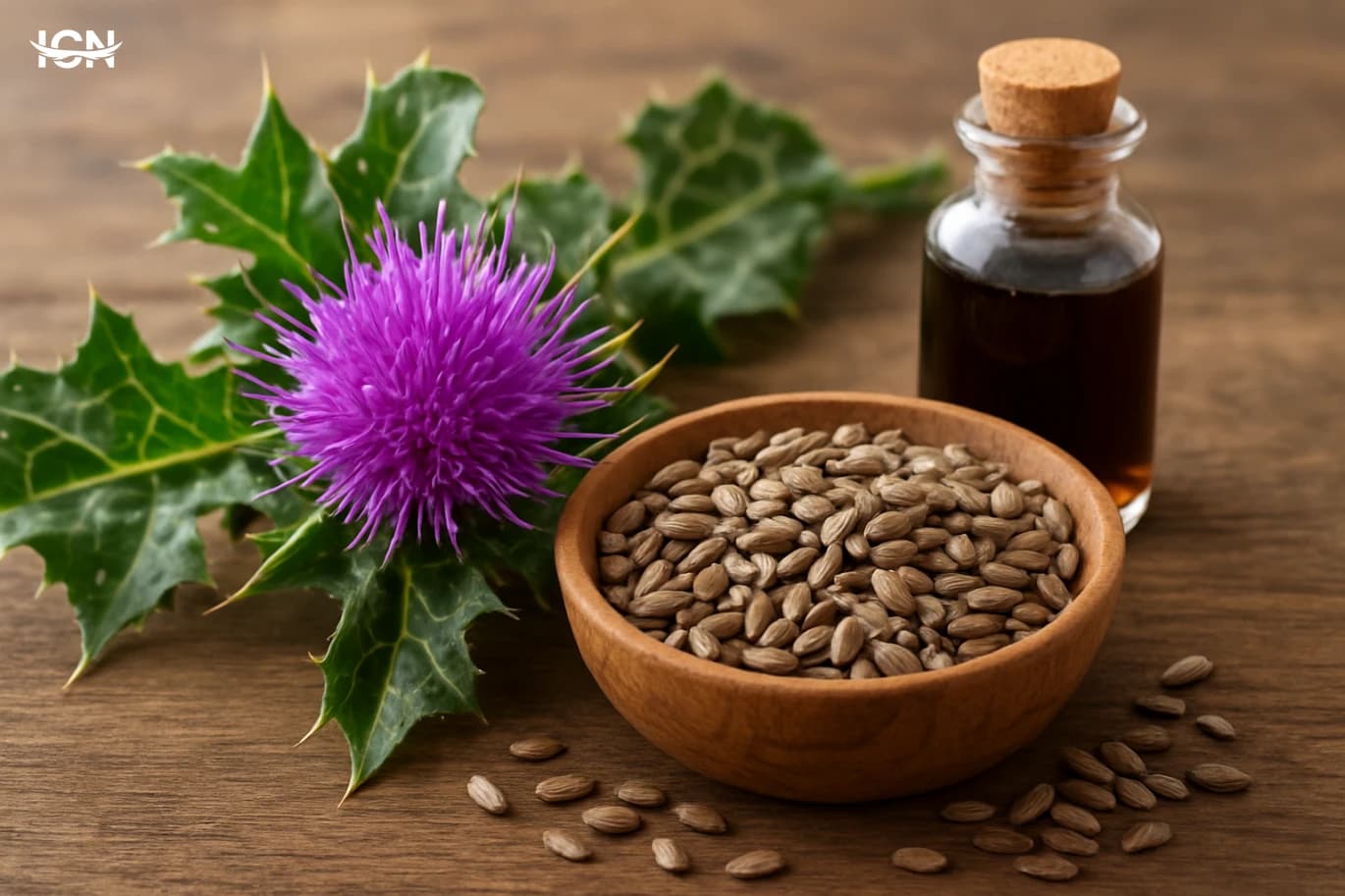
Milk Thistle for Everyday Liver Support
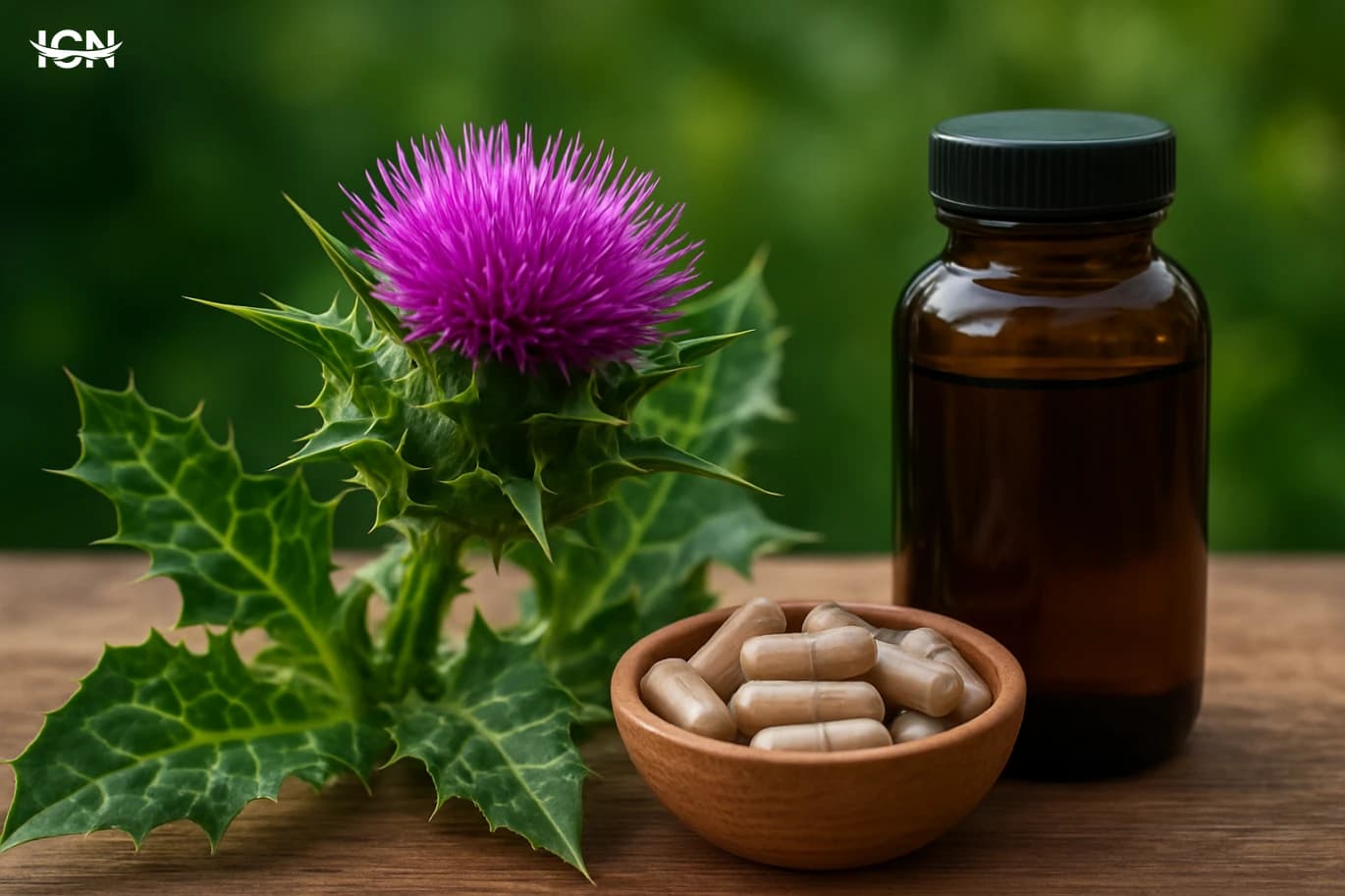
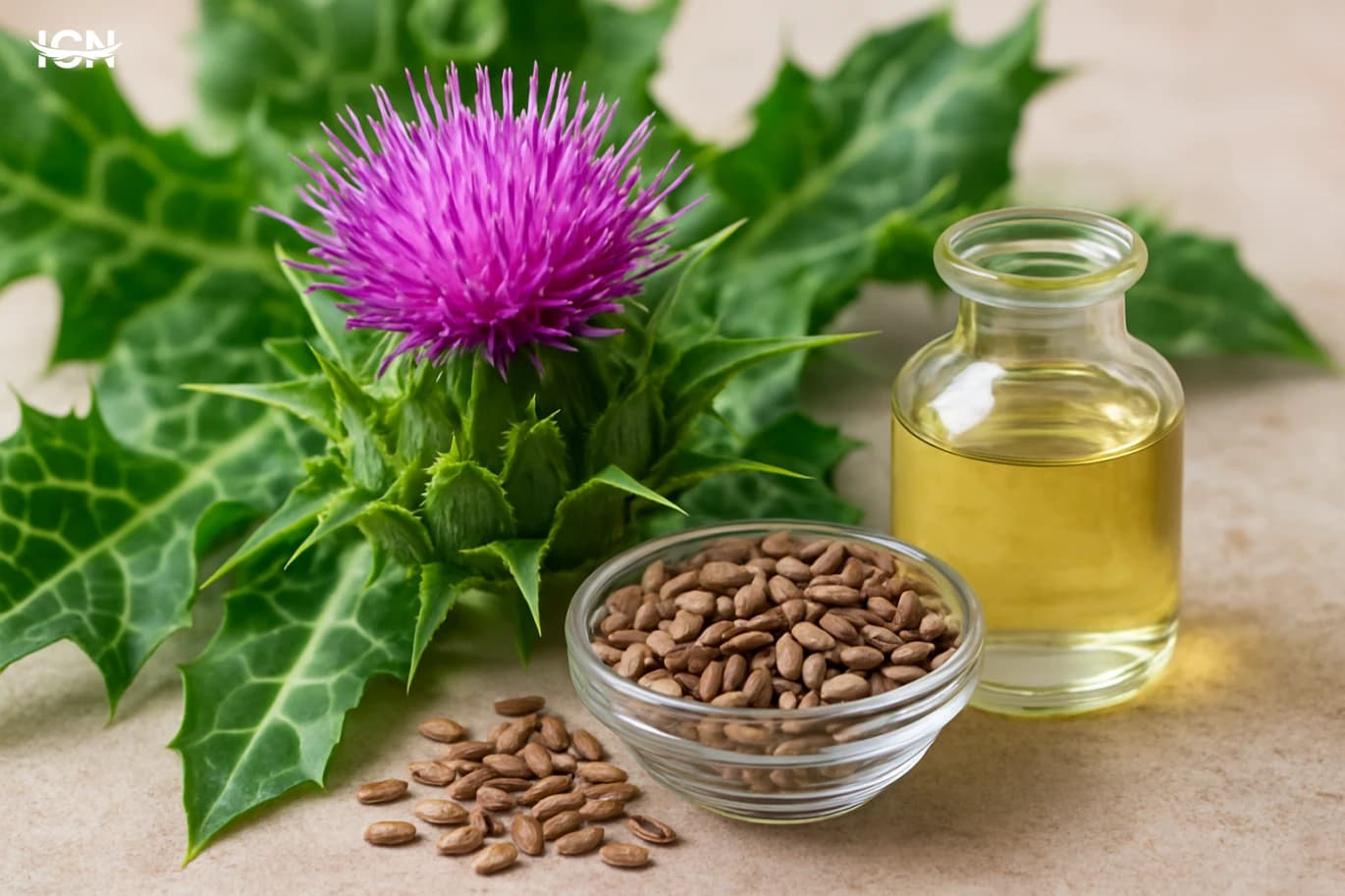
Milk thistle (Silybum marianum) is one of the most discussed medicinal plants for liver-focused wellness. Its seeds contain a group of compounds commonly referred to as silymarin, which has been studied for antioxidant activity and for how it may influence inflammatory pathways in the liver. People often hear about milk thistle in the context of “detox,” but a more practical way to frame it is everyday liver support: helping the body manage routine exposures such as alcohol, high-fat meals, and certain medications. This topic is relevant because liver health is frequently discussed in broad terms, while consumers face very specific decisions: which product to buy, how to take it, and what results are realistic. A serious look at milk thistle means separating traditional use from modern evidence, and understanding that a plant supplement is not a substitute for medical care. It also means paying attention to quality, dosing, and safety, especially for people who take prescription drugs or have diagnosed liver conditions.
Milk Thistle for Everyday Liver Support
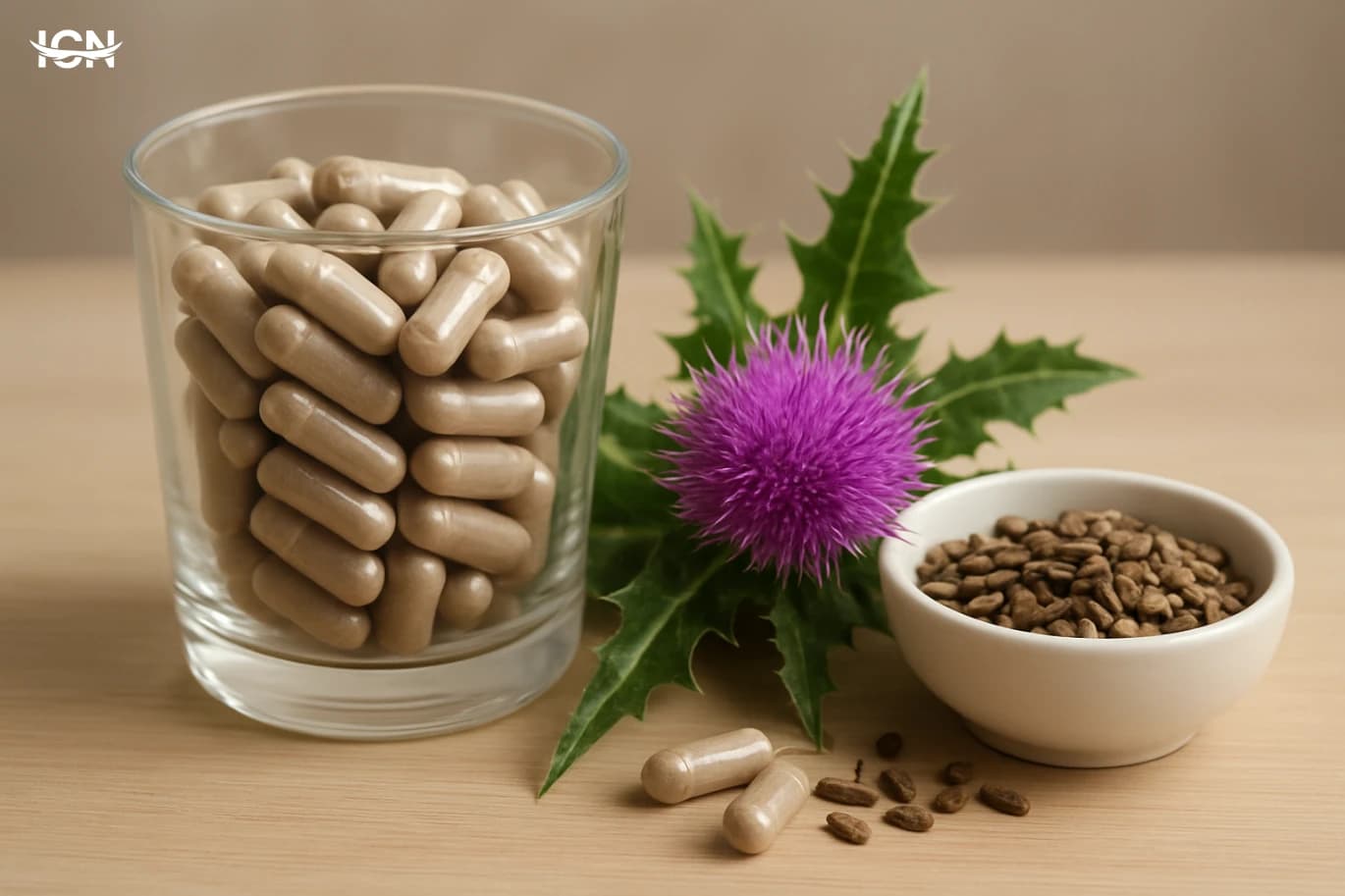
Milk thistle (Silybum marianum) is one of the most talked-about medicinal plants for liver support, largely because its seeds contain a group of compounds known as silymarin. In herbal practice and modern supplement markets, it is positioned as a daily “liver-friendly” option for people who want to support normal liver function, especially when lifestyle factors like irregular meals, high-fat diets, or frequent use of processed foods are common. The plant has a long history of use in European herbal traditions, but today its popularity is driven by standardized extracts and a growing body of research on antioxidant activity and cellular protection. That said, “support” is not the same as “treatment.” Milk thistle is not a substitute for medical care in liver disease, and it is not a detox shortcut. A practical blog topic is how to evaluate milk thistle realistically: what it is, what products actually contain, what evidence suggests, and how to use it responsibly as part of a broader health routine.
Milk Thistle for Modern Liver Support
Milk thistle (Silybum marianum) is one of the most discussed medicinal plants for liver support, and its relevance has grown as everyday exposures have changed. Many people now manage long work hours, irregular meals, frequent use of packaged foods, and routine medications that are processed by the liver. This article topic focuses on how milk thistle fits into that modern context without overpromising results. It explains what the plant is, why it became associated with liver health, and what “support” realistically means in evidence-based wellness writing. The section also sets expectations: milk thistle is not a detox shortcut, and it does not replace medical care for liver disease. Instead, it is best understood as a botanical with a long history of use and a well-studied group of compounds that may help protect liver cells under certain conditions. Readers will learn what questions to ask before buying a supplement, how to evaluate claims on labels, and why lifestyle factors still do most of the heavy lifting for liver health.
Milk Thistle for Liver Support
Milk thistle (Silybum marianum) is one of the most discussed medicinal plants for liver support, largely because its seeds contain a group of compounds known as silymarin. In everyday wellness conversations, it is often described as a “liver herb,” but the real story is more specific: silymarin has been studied for antioxidant activity and for its potential to influence inflammatory pathways and cellular repair processes in liver tissue. That combination is why it appears in many herbal products aimed at people who want to support normal liver function. The liver’s workload is constant. It processes nutrients, helps regulate cholesterol, supports bile production for digestion, and participates in the breakdown and clearance of many substances the body encounters. Lifestyle factors such as alcohol intake, high-calorie diets, and exposure to certain medications can add strain. Milk thistle is not a substitute for medical care, but it is widely used as a complementary option by people who are trying to make practical changes—improving diet, reducing alcohol, and paying attention to metabolic health—while also using a plant-based supplement with a long history of use. A serious look at milk thistle starts with realistic expectations. It is not a “detox” shortcut, and it does not erase the effects of ongoing harmful habits. The most useful way to approach it is as one component in a broader plan that includes evidence-based lifestyle steps and appropriate medical evaluation when symptoms or abnormal lab results are present.
Shabiba Herb
Shabiba Herb
In fact, chibi is not a single plant, but a harmonious blend of several finely ground herbs prepared with great care. It is also known in the Gulf region and Saudi Arabia as part of African beauty secrets. Chibi herb components and its traditional composition usually consist of a unique blend of natural ingredients. This mixture is the secret of its effectiveness in promoting hair growth and preventing breakage. This blend includes ground croton (Croton Zambesicus), known for its hair-strengthening properties. Also, a light percentage of henna and extracts of African lavender, known for their benefits in moisturizing and protecting hair, are added. Sometimes chia or grape seeds are added, and you may also find cloves or roasted rice among the ingredients to increase the effectiveness of this herbal hair composition. This powder is mixed with rich oils like sesame oil, castor oil, or shea butter to create a paste distributed on the hair, which enhances moisturizing and protects the hair from breakage. This traditional composition, part of the Basara tribe traditions in Chad, greatly enhances its effectiveness in natural hair care, helping to lengthen hair and prevent split ends.
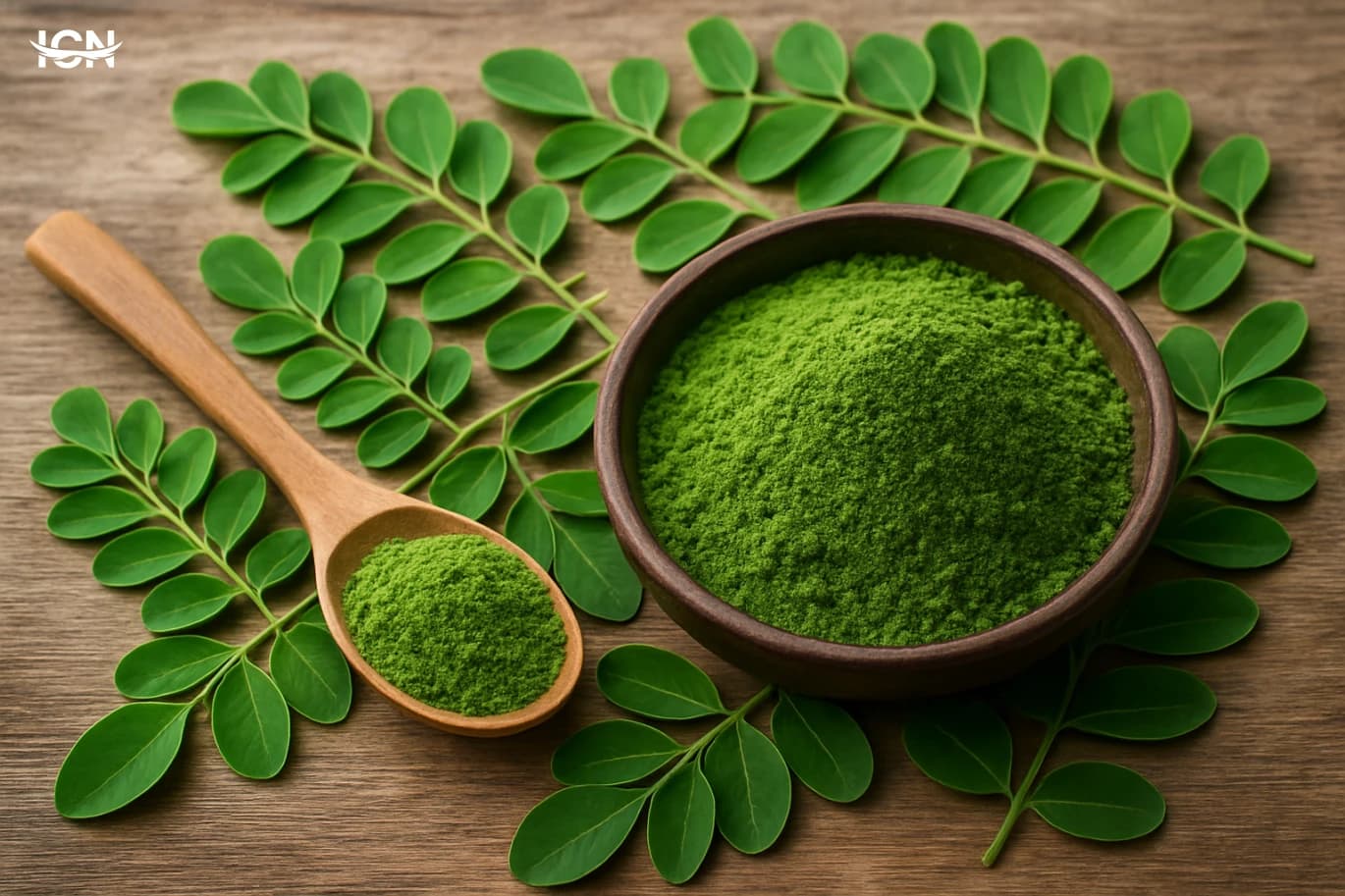
Moringa Leaves for Daily Wellness
Moringa oleifera, often called the drumstick tree, has moved from niche health stores into mainstream grocery aisles because it fits several modern needs at once: it is plant-based, shelf-stable in powder form, and easy to add to everyday foods. Interest is also driven by its long history of use in parts of South Asia and Africa, where the leaves have been cooked like spinach or dried for later use. Today, most consumers encounter moringa as a green powder, capsules, or tea blends, which makes it important to separate traditional culinary use from concentrated supplement habits. From a nutrition standpoint, moringa leaves are known for their density of micronutrients and plant compounds. They naturally contain vitamins and minerals such as vitamin A precursors, vitamin C, calcium, potassium, and iron, along with fiber and protein relative to many leafy plants. They also contain polyphenols and other antioxidants that are widely studied in plant foods. That said, the exact nutrient profile varies by growing conditions, harvest timing, and processing, so labels and third-party testing matter when you buy packaged products.
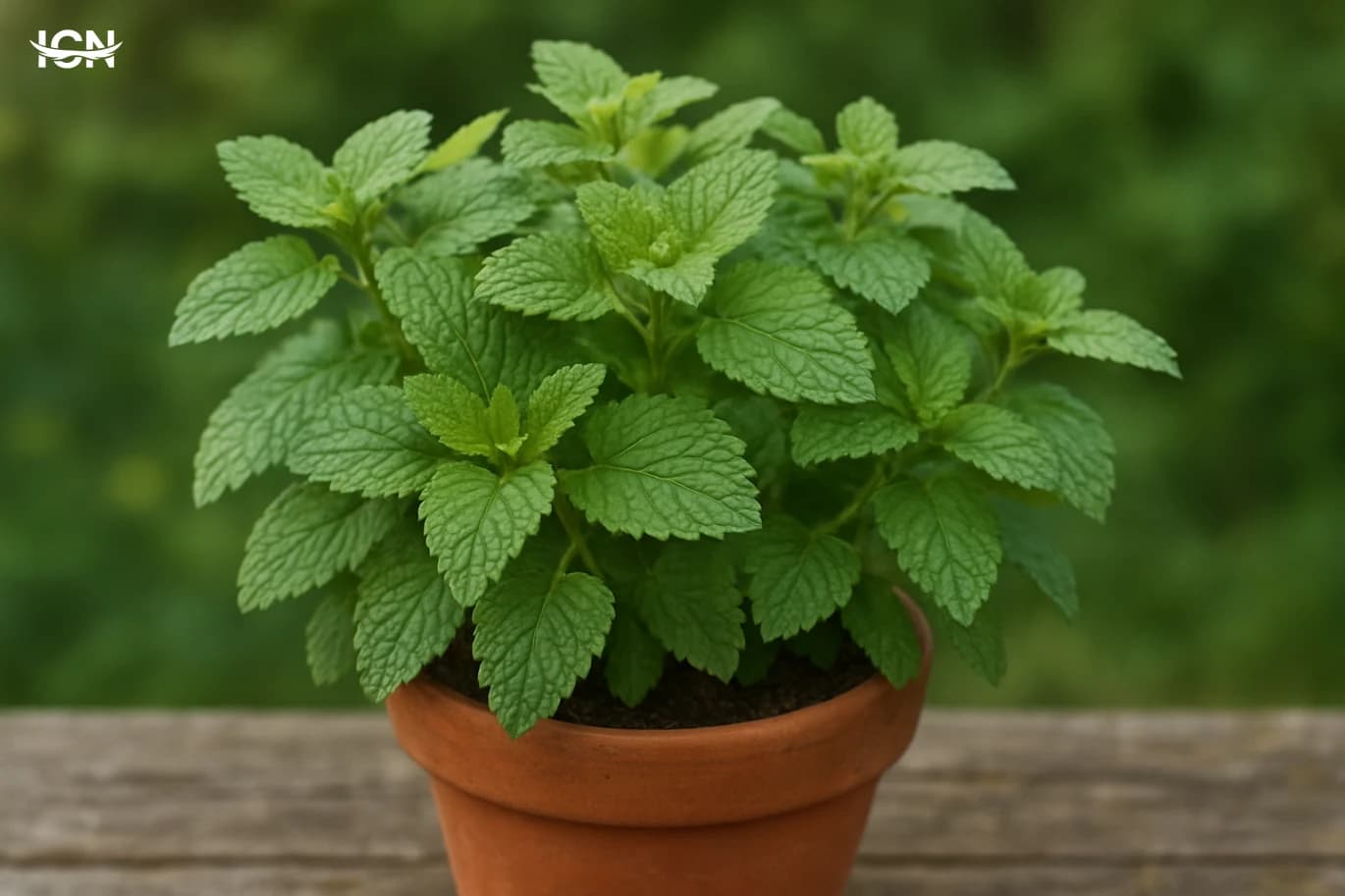
Growing Lemon Balm for Calm and Flavor
Lemon balm (Melissa officinalis) is a mint-family herb valued for its clean citrus scent, gentle taste, and long history in home herbal routines. It is often chosen by people who want a plant that is both practical and easy to maintain: it can be brewed as a simple tea, used fresh in the kitchen, and grown in a small pot on a balcony. Unlike many specialty herbs, lemon balm tolerates a range of conditions and rebounds quickly after harvesting. This topic focuses on how to grow lemon balm responsibly and use it in everyday ways without turning it into a cure-all. The goal is to help readers understand what the plant is, how to keep it healthy, and how to prepare it safely as a food herb. You will also learn how to preserve its aroma, which is the main reason people keep it around, and how to avoid common mistakes that make the leaves lose their fragrance.
Milk Thistle for Liver Support
Milk thistle (Silybum marianum) has moved from niche herbal shops into mainstream conversations about liver health, largely because more people now track liver-related lab results and medication side effects. The plant’s seeds contain a group of compounds commonly referred to as silymarin, which has been studied for antioxidant and anti-inflammatory activity in the liver. In practical terms, this interest is tied to everyday realities: higher rates of fatty liver disease, widespread use of prescription drugs processed by the liver, and growing awareness that alcohol and ultra-processed diets can quietly affect liver enzymes. It is important to separate traditional reputation from clinical evidence. Milk thistle is not a “detox” shortcut, and it does not replace medical evaluation for hepatitis, cirrhosis, or medication-induced injury. What it can offer, based on the best available research, is a plausible supportive role for certain people when used appropriately, alongside lifestyle changes and medical care. The details—product quality, dosing, and who should avoid it—are what determine whether it is a sensible addition or an unnecessary risk.
Everyday Herb Wisdom for Calm, Flavor, and Resilience
Herbs are often treated like small add-ons: a sprinkle of dried leaves, a tea bag, a scented oil. Yet the real value of medicinal plants shows up when you build a living relationship with them, one that includes attention, routine, and respect for their limits. In many homes, the first “herbal lesson” is simple: a warm cup when you feel off, a fragrant leaf when food tastes flat, a soothing aroma when the day feels noisy. These are not dramatic interventions; they are gentle habits that shape how you care for yourself. Thinking of herbs as everyday allies also changes how you shop and store. Fresh bundles can be used quickly and then dried for later, while dried jars should be treated like pantry staples that deserve rotation and protection from heat and light. Even the act of crushing a leaf between your fingers before adding it to a dish can remind you that plants are complex, full of volatile oils and subtle compounds that fade with time. A practical way to start is to choose three “home base” herbs: one for digestion, one for relaxation, and one for respiratory comfort. You do not need a huge collection. A small set used regularly teaches you how your body responds, what tastes you enjoy, and which preparations fit your schedule. Over time, you can expand carefully, learning the difference between culinary herbs used freely and stronger medicinal plants that require more caution. Most importantly, herbs work best when they support the basics: sleep, hydration, balanced meals, movement, and stress management. They are not a replacement for medical care, and they should not be used to ignore persistent symptoms. But as part of daily life, herbs can offer a steady kind of support that feels both ancient and refreshingly practical.
By clicking the SUBSCRIBE button, you are agreeing to our Privacy & Cookie Policy If you want to unsubsribe the marketing email, please proceed to our privacy center.
© 2005-2026 ICN. All Rights Reserved.