Nettle Leaf for Daily Wellness
- Why nettle is back in modern kitchens
- What’s inside nettle leaf
- Evidence-based benefits people actually notice
- How to prepare nettle safely at home
- Who should be cautious and why
- A simple two-week nettle routine
Why nettle is back in modern kitchens
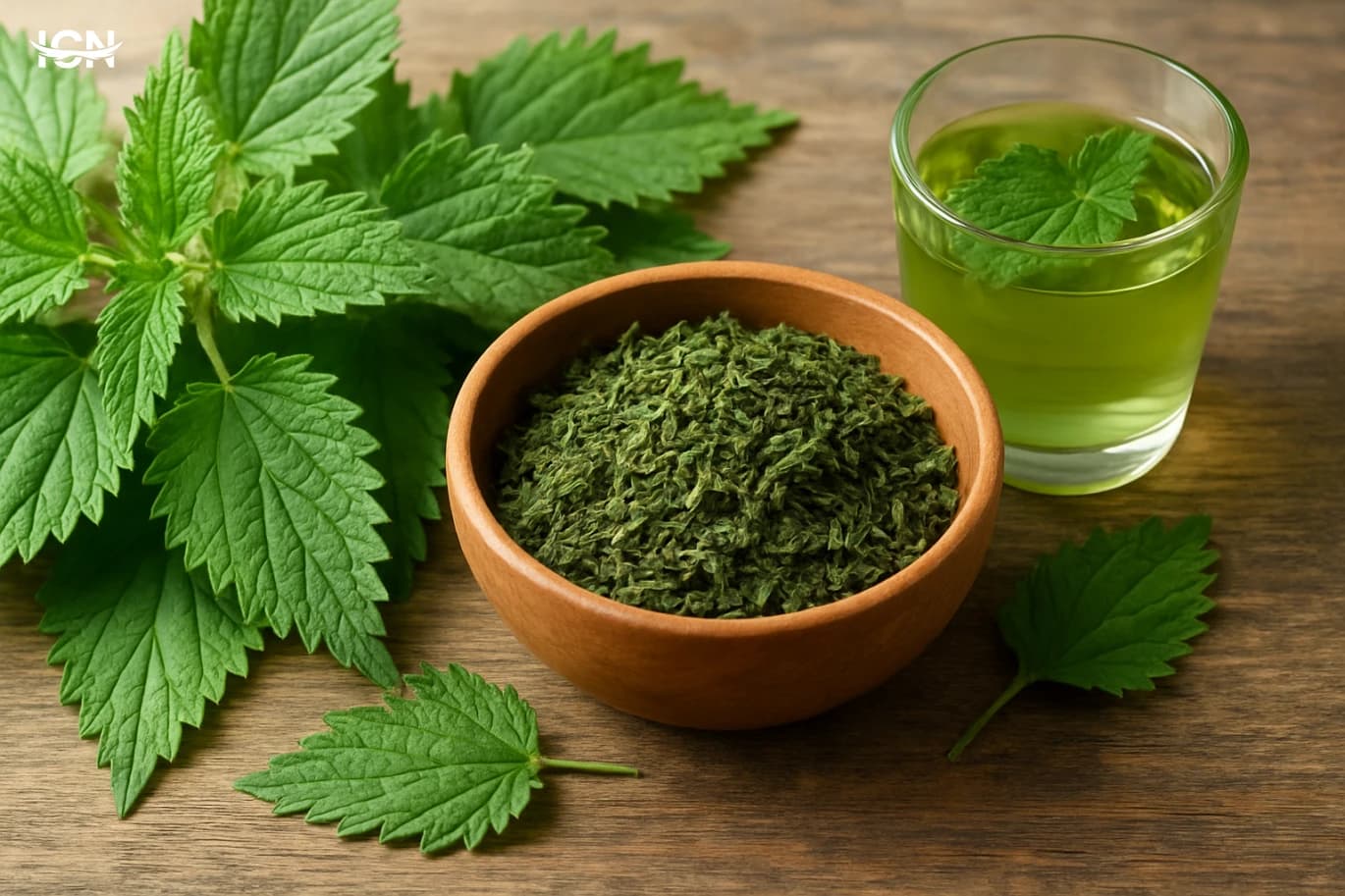
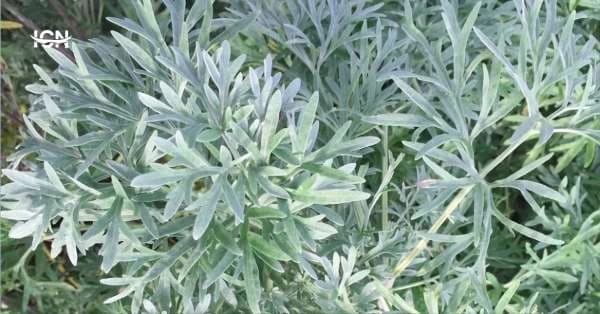
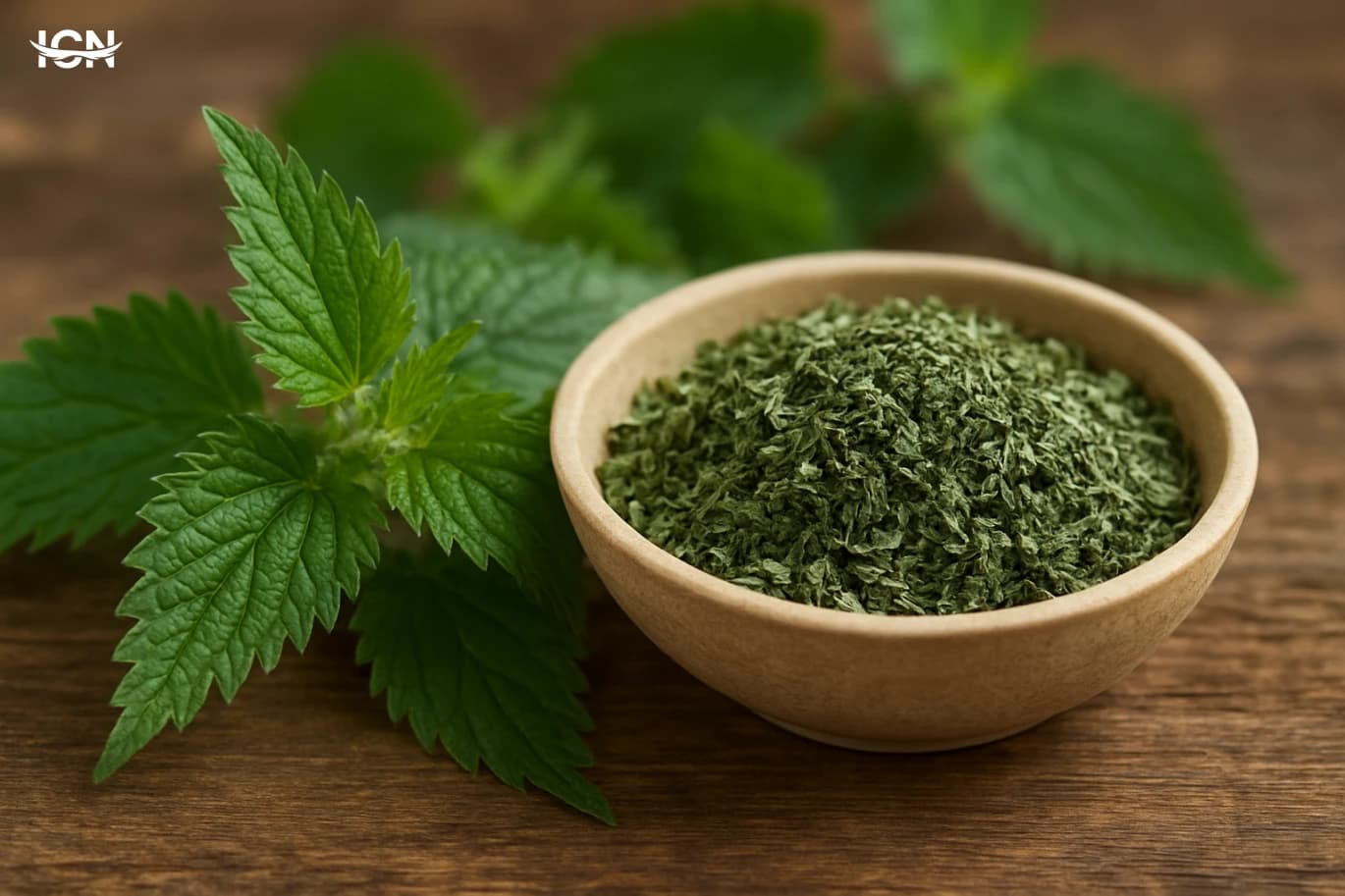
Stinging nettle (Urtica dioica) has moved from being a “weed” to a practical pantry herb in many regions, especially where people want simple, plant-based routines. The renewed interest is not just trend-driven; nettle is easy to grow, widely available as dried leaf, and fits into everyday formats like tea, soups, and pesto-style sauces. Its flavor is mild and green once cooked or steeped, which makes it easier to use than many bitter medicinal plants. From a wellness perspective, nettle leaf is valued because it brings multiple nutrients and plant compounds in one ingredient. Many people choose it as a seasonal staple in spring, when fresh greens are popular, but dried nettle can be used year-round with consistent results. For readers who want a specific, realistic topic, this article focuses on nettle leaf as a daily-use herb: what it contains, how to prepare it safely, what benefits have reasonable evidence, and how to avoid common mistakes when buying and using it.
What’s inside nettle leaf
Nettle leaf is often described as nutrient-dense. While exact values vary by soil, harvest time, and drying method, nettle typically provides minerals such as iron, magnesium, potassium, and calcium, along with vitamins like vitamin C and vitamin K. It also contains chlorophyll and a range of polyphenols, which are plant compounds studied for antioxidant activity. It helps to separate “nutrient contribution” from “medical treatment.” A cup of nettle tea is not the same as a multivitamin tablet, and a small serving of cooked nettle is not a substitute for medical care. However, as a regular herb used in food and beverages, nettle can meaningfully add micronutrients and phytochemicals to a diet that may otherwise rely on processed foods. For people tracking intake, nettle is best viewed as a supportive ingredient: it can complement leafy greens, legumes, and whole grains rather than replace them. When shopping, you may see products labeled as nettle leaf, nettle root, or nettle seed. This article focuses on the leaf. The root is used differently and is commonly discussed in other contexts, while the leaf is the part most people use for teas and cooking.
Evidence-based benefits people actually notice
Nettle leaf is traditionally used for general vitality, and modern research has explored several areas, though results are not uniform across studies. One of the most discussed topics is seasonal comfort. Nettle has been studied for its potential role in supporting comfort during high-pollen seasons, possibly related to its plant compounds and their interaction with inflammatory pathways. Some people report that a daily cup of nettle tea feels soothing during certain months, but it should not be framed as a guaranteed solution. Another practical area is hydration routines. Because nettle tea is caffeine-free, many people use it as a warm beverage that helps them meet fluid goals without relying on sweetened drinks. This is a simple, realistic benefit: swapping soda or heavily sweetened tea for an unsweetened herbal infusion can reduce added sugar intake. Nettle is also used in food-based approaches to micronutrient support. For example, adding cooked nettle to soups or grain bowls can increase the overall mineral and vitamin content of a meal. People who cook with nettle often describe improved variety in their greens, which matters because dietary diversity is linked to better overall nutrient coverage. If you are writing or reading about nettle benefits, the most responsible framing is “supportive” rather than “curative.” The goal is to use nettle as part of a broader routine: balanced meals, adequate sleep, and appropriate medical guidance when needed.
How to prepare nettle safely at home
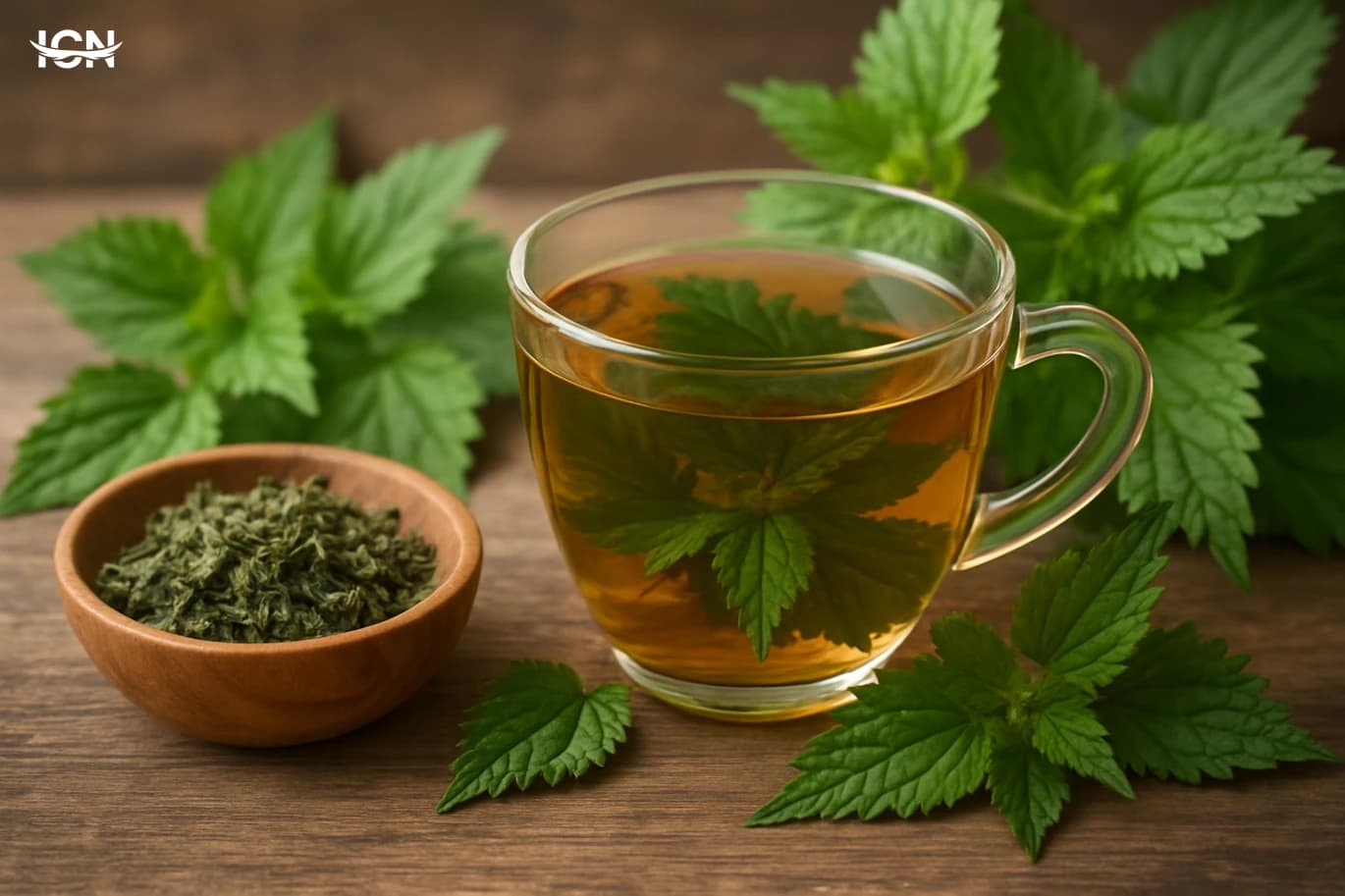
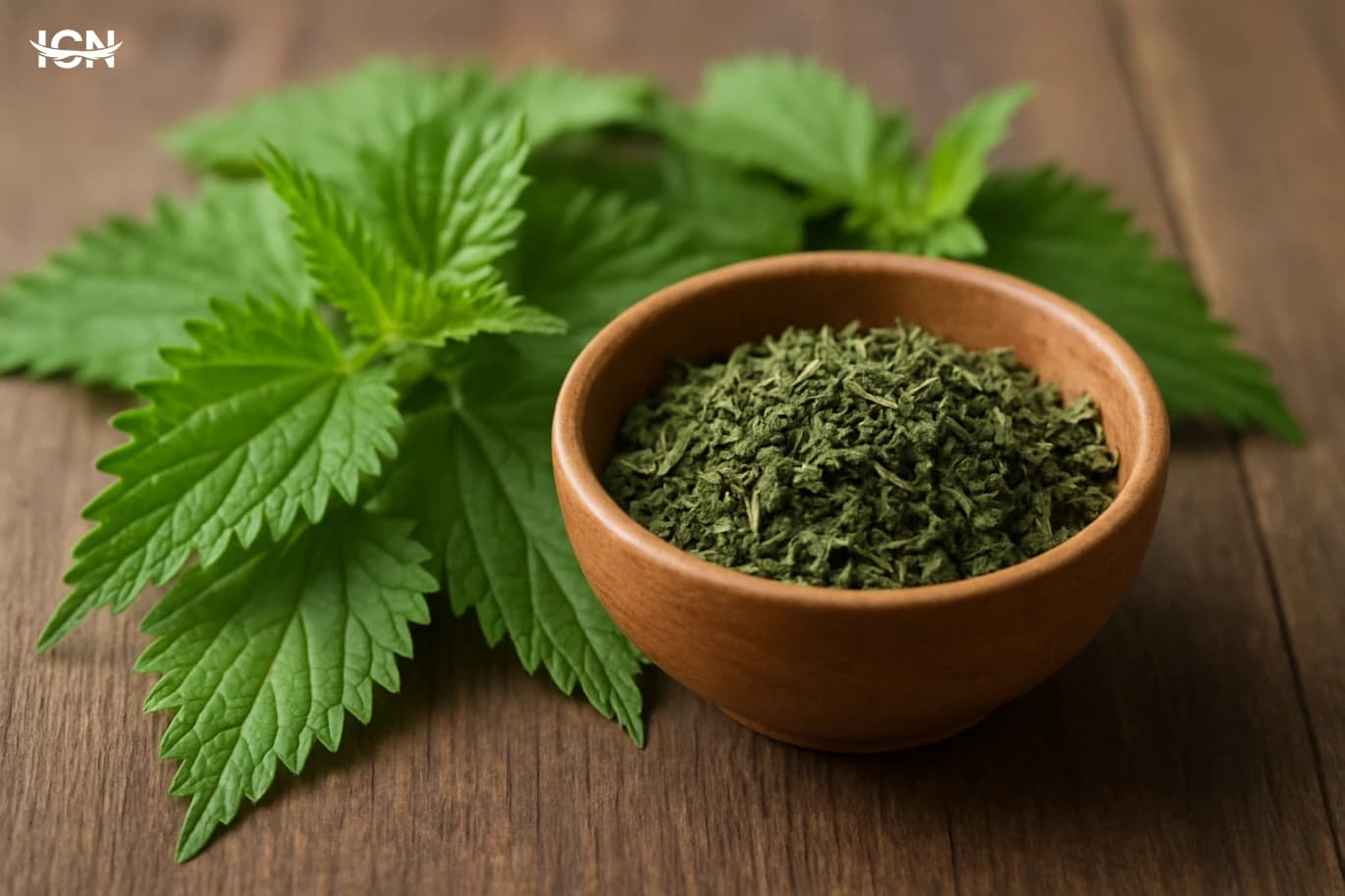
Fresh nettle stings because of tiny hairs on the leaves and stems. The sting is neutralized by heat and by thorough drying. If you harvest fresh nettle, wear gloves, use scissors to cut the top tender leaves, and avoid plants near roadsides or areas that may be sprayed with chemicals. Wash well, then blanch in boiling water for 1–2 minutes. After blanching, the leaves can be chopped and used like spinach. For tea, dried nettle leaf is the easiest option. A common home method is 1–2 teaspoons of dried leaf per cup, steeped for 10–15 minutes, then strained. People who prefer a stronger infusion often steep longer, but the taste can become more grassy. If you are using nettle daily, consistency matters more than extreme strength. In cooking, nettle works well in soups, omelets, savory pancakes, and pasta fillings. Because it has a mild flavor after cooking, it pairs with lemon, garlic, and yogurt-based sauces. If you freeze blanched nettle in small portions, it becomes a convenient ingredient for quick meals. Storage is straightforward: keep dried nettle in an airtight container away from heat and light. Check for a clean, herbal smell; a musty odor can indicate poor storage or moisture exposure.
Who should be cautious and why
Even common herbs can be inappropriate for some people. Nettle leaf may have a mild diuretic effect for certain users, which can be relevant if someone is already managing fluid balance under medical supervision. Because nettle contains vitamin K, people who are on anticoagulant therapy are often advised to keep vitamin K intake consistent; sudden increases from frequent nettle use could be a concern. Anyone with chronic conditions or on regular medication should check with a qualified clinician before making nettle a daily habit. Pregnant or breastfeeding individuals should be especially careful with medicinal herbs unless a healthcare professional confirms safety for their situation. Also, if you have a history of plant allergies, start with a small amount and monitor for any reaction. Quality matters. Choose products that clearly state “nettle leaf” and provide origin or quality testing when possible. Avoid blends that do not list proportions, especially if you are trying to track what you consume. If you harvest wild nettle, correct identification is essential; when in doubt, buy from a reputable supplier. The practical takeaway is to treat nettle like a functional food: useful for many, but not automatically suitable for everyone, and best used with attention to personal health context.
A simple two-week nettle routine
To keep the topic practical, here is a measured two-week approach that emphasizes moderation and observation. Days 1–3: drink one cup of nettle tea every other day, prepared with 1 teaspoon of dried leaf. Note taste, digestion, and any unusual symptoms. Days 4–7: if tolerated, move to one cup daily. Keep the rest of your routine stable so you can judge changes realistically. Week 2: add one food use on three separate days, such as a nettle soup, a small portion mixed into scrambled eggs, or a spoonful blended into a yogurt-herb sauce. This step matters because many people benefit more from using herbs as foods rather than relying only on teas. At the end of two weeks, decide based on clear criteria: Did you enjoy the taste? Was it easy to prepare? Did it help you replace sugary drinks or add greens to meals? If the answer is yes, nettle can become a rotating staple. If not, it is reasonable to stop without forcing the habit. This routine keeps nettle in a realistic role: a supportive herb that fits into daily life without exaggerated promises.