App Logo

Download Our App

Shop your way

logologo
Image

Everyday Herb Wisdom for Calm, Flavor, and Resilience
01/28/2026By: ICN Writer
Everyday Herb Wisdom for Calm, Flavor, and Resilience

A Living Relationship With Plants

Herbs are often treated like small add-ons: a sprinkle of dried leaves, a tea bag, a scented oil. Yet the real value of medicinal plants shows up when you build a living relationship with them, one that includes attention, routine, and respect for their limits. In many homes, the first “herbal lesson” is simple: a warm cup when you feel off, a fragrant leaf when food tastes flat, a soothing aroma when the day feels noisy. These are not dramatic interventions; they are gentle habits that shape how you care for yourself. Thinking of herbs as everyday allies also changes how you shop and store. Fresh bundles can be used quickly and then dried for later, while dried jars should be treated like pantry staples that deserve rotation and protection from heat and light. Even the act of crushing a leaf between your fingers before adding it to a dish can remind you that plants are complex, full of volatile oils and subtle compounds that fade with time. A practical way to start is to choose three “home base” herbs: one for digestion, one for relaxation, and one for respiratory comfort. You do not need a huge collection. A small set used regularly teaches you how your body responds, what tastes you enjoy, and which preparations fit your schedule. Over time, you can expand carefully, learning the difference between culinary herbs used freely and stronger medicinal plants that require more caution. Most importantly, herbs work best when they support the basics: sleep, hydration, balanced meals, movement, and stress management. They are not a replacement for medical care, and they should not be used to ignore persistent symptoms. But as part of daily life, herbs can offer a steady kind of support that feels both ancient and refreshingly practical.

How Herbs Actually Fit Into Daily Health

When people ask whether herbs “work,” the more helpful question is: work for what, in what form, and for whom? Medicinal plants contain families of compounds that can influence the body in mild to moderate ways. Some are aromatic and act through the senses and digestion; some are bitter and stimulate digestive secretions; others are demulcent, coating irritated tissues; some are gently sedating, while others feel warming and circulatory. The same plant can feel different depending on dose, timing, and the person using it. Daily use usually means low-intensity support rather than quick fixes. A cup of peppermint after a heavy meal may ease that tight, overfull feeling. Ginger in food can make winter meals feel more warming and may reduce mild nausea for some people. Chamomile at night can become a cue for winding down, especially when paired with reduced screen time and a consistent bedtime. These are small nudges that accumulate. Preparation matters. Infusions (steeping leaves and flowers) are suited to delicate parts like chamomile, lemon balm, and many mints. Decoctions (simmering roots and bark) are better for tougher materials like ginger or cinnamon. Tinctures can be convenient and potent but require careful dosing and attention to alcohol content. Syrups and honey infusions are soothing for throats and easy for families, though they add sugar and may not suit everyone. Consistency also matters more than novelty. Rotating through dozens of herbs without learning any of them can create confusion. Instead, keep notes: what you took, how you prepared it, and what you noticed. This turns herbal use into a personal practice rather than a guessing game. Finally, daily health includes safety. Herbs can interact with medications, affect blood pressure or blood sugar, and may be inappropriate during pregnancy, breastfeeding, or certain medical conditions. Treat “natural” as a description of origin, not a guarantee of harmlessness. If you take prescription drugs or have chronic illness, it is wise to check interactions with a qualified clinician or pharmacist before making herbs a routine.

A Small Home Apothecary That Makes Sense

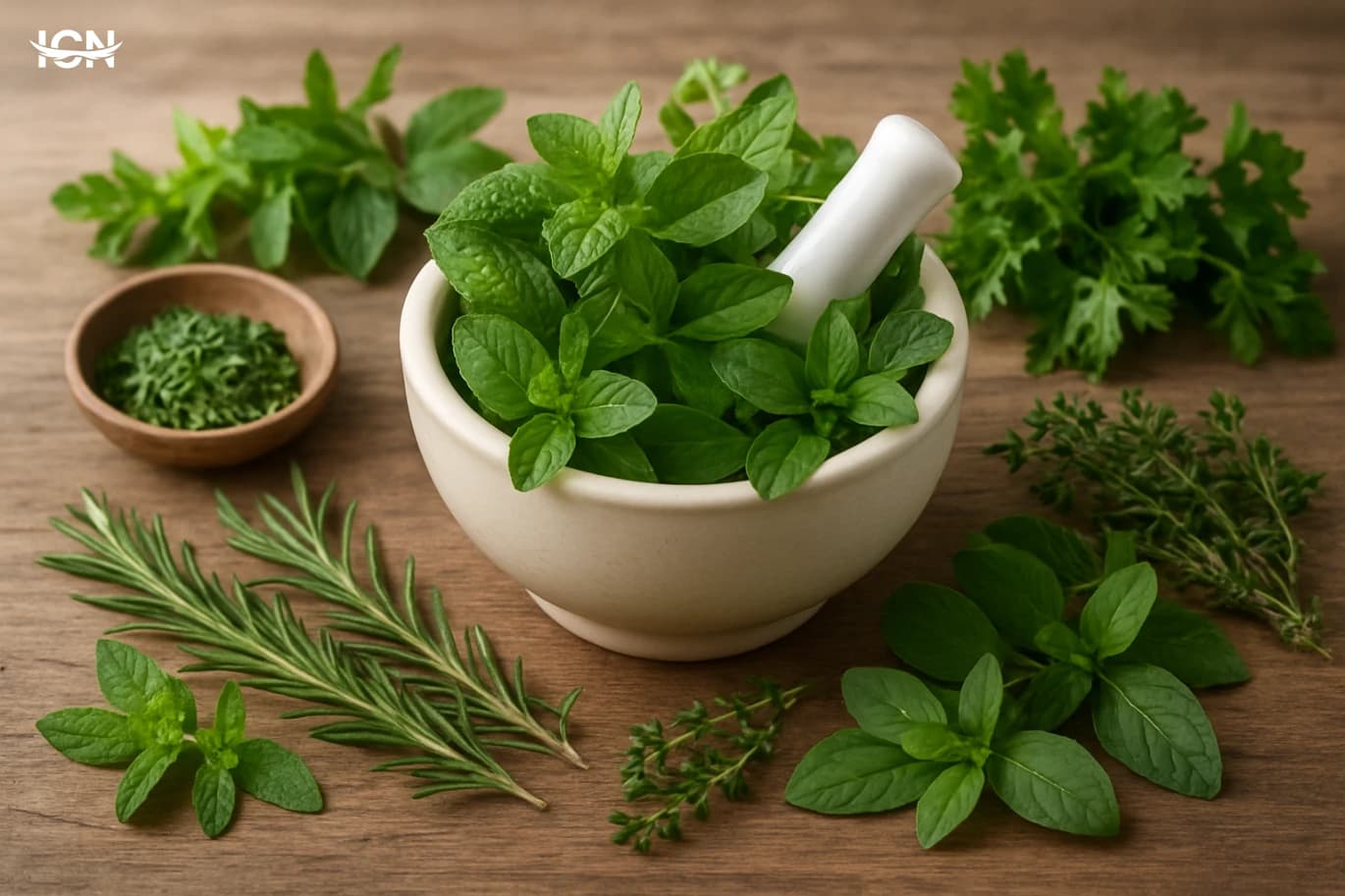
A useful home apothecary is not the largest one; it is the one you can maintain, understand, and use safely. Start with herbs that are widely tolerated, easy to identify, and versatile in food and tea. Many households do well with peppermint or spearmint for digestive comfort, chamomile for evening calm, ginger for warming support, thyme for kitchen use and seasonal throat comfort, and cinnamon for flavor and a sense of warmth. If you prefer a citrusy note, lemon balm can be a gentle companion for stress and restlessness. Quality is the foundation. Buy from reputable suppliers, look for clear labeling with the plant name and part used, and choose herbs that smell alive. Dull, dusty, or faint-smelling herbs are often old. Store dried herbs in airtight containers away from sunlight and the stove. Label jars with purchase dates, and aim to use leafy herbs within about a year for best aroma, while roots and bark may last longer if stored well. Keep basic tools simple: a kettle, a small pot for decoctions, a fine strainer, a glass jar for cold infusions, and measuring spoons. If you want to be more precise, a small kitchen scale helps when following traditional ratios. Build a few reliable preparations. For a standard infusion, steep one to two teaspoons of dried leaf or flower in hot water for 10 to 15 minutes, covered to protect volatile oils. For a decoction, simmer a teaspoon of chopped root in water for 10 to 20 minutes, then rest and strain. For a honey infusion, gently warm honey and add herbs, then let it sit for days to weeks, keeping everything clean to avoid spoilage. Also plan for boundaries. Decide which herbs are “daily friendly” and which are occasional. Strong laxative herbs, highly stimulating products, or concentrated essential oils should not be treated casually. Essential oils in particular are not the same as herbal tea; they are concentrated extracts and can irritate skin and mucous membranes if misused. A small apothecary becomes meaningful when it supports your actual life: quick teas after meals, a calming cup before bed, a warming spice blend for winter soups. The goal is not to collect, but to care.

Rituals for Calm, Focus, and Better Sleep

One of the most common reasons people turn to herbs is the desire to feel calmer without feeling dulled. Herbal rituals can support the nervous system indirectly by creating a predictable pause in the day. The pause itself is powerful: the kettle boiling, the scent rising, the hands warming around a cup. When repeated, these cues teach the body that it is safe to shift gears. For evening calm, chamomile is a classic for good reason. Its gentle bitterness and apple-like aroma can feel comforting, especially when steeped long enough to bring out flavor. Lemon balm offers a brighter, lemony note and is often appreciated when the mind feels busy. Lavender can be used sparingly for aroma, blended with milder herbs so it does not overwhelm the cup. For daytime focus, herbs are less about stimulation and more about steadiness. A mint tea after lunch can clear the palate and signal a fresh start to the afternoon. Rosemary in food, or as a light infusion, can feel clarifying through its aroma. The key is to avoid turning every dip in energy into a strong stimulant habit; sometimes hydration, a short walk, or a balanced snack does more than any herb. Sleep support works best when herbs are paired with sleep hygiene. Dim lights earlier, keep the room cool, and aim for a consistent bedtime. Use an herbal tea as the final step, not the only step. If you wake at night, keep the ritual gentle: a few sips of warm water, slow breathing, and a reminder that wakefulness is temporary. If anxiety or insomnia is persistent, severe, or accompanied by mood changes, it deserves professional attention. Herbs can be supportive, but they should not be used to mask deeper issues. Think of them as part of a wider toolkit that includes therapy, medical evaluation, and lifestyle adjustments when needed. The best ritual is the one you can keep: simple ingredients, a familiar taste, and a moment of quiet that belongs to you.

Kitchen Medicine Through Taste and Aroma

The kitchen is where many medicinal plant traditions quietly live on. Cooking with herbs is not only about flavor; it is also a way to deliver gentle support in forms the body recognizes as food. When herbs are part of meals, they become easier to use consistently, and their effects tend to be milder and safer than concentrated extracts. Bitters and aromatics are especially relevant. Bitter greens and bitter herbs can prime digestion by signaling the body to prepare enzymes and bile. Aromatic herbs like thyme, oregano, and rosemary bring volatile oils that can feel opening and warming, particularly in cold seasons. Garlic and onion, while not always labeled “herbs,” remain classic plant allies in everyday cooking. Try building simple flavor systems. A “warming” blend might include ginger, cinnamon, and a pinch of clove in oatmeal or stewed fruit. A “clearing” blend might include thyme, lemon, and black pepper in soups. A “settling” blend could be fennel seed and mint with roasted vegetables. The point is not to chase a medical outcome at every meal, but to let taste guide you toward balance. Aromatic steam is another kitchen-friendly practice. A bowl of hot water with a few sprigs of thyme or a slice of ginger can create soothing steam for the senses during dry winter days. Keep it gentle, avoid burning hot temperatures, and skip this practice for young children or anyone who is sensitive to steam or strong aromas. As you cook, notice how herbs change. Fresh basil is bright and delicate, best added at the end. Rosemary is sturdy and can simmer longer. Mint can become bitter if boiled too aggressively. Learning these behaviors teaches you to respect the plant and get the best from it. When herbs become part of your cooking identity, they stop feeling like a separate “health project.” They become a daily language of care, spoken through soups, teas, and the simple pleasure of a well-seasoned meal.

Growing, Harvesting, and Using With Care

Growing even a few herbs can deepen your understanding faster than reading labels. A pot of mint on a balcony, a rosemary bush near the door, or a small patch of thyme can turn “herbs” from products into living beings with seasons and needs. You learn when leaves are most fragrant, how rain changes flavor, and how cutting encourages new growth. Harvesting is a skill. For leafy herbs, morning after the dew dries is often ideal, when aroma is strong and the plant is not stressed by midday heat. Cut with clean scissors, never stripping a plant bare. For flowers like chamomile, pick when blossoms are open and vibrant. For roots, harvest in the appropriate season and from plants you have grown or sourced ethically. Drying is where many home growers lose quality. Spread herbs in a single layer in a shaded, airy place, or tie small bundles and hang them away from direct sun. Heat and sunlight can degrade volatile oils. Once fully dry, store in labeled containers and keep batches separate so you can notice differences between harvests. Using with care also means caring for ecosystems and communities. Avoid overharvesting wild plants, especially those that are slow-growing or at risk. If you forage, learn from experienced teachers, confirm identification with multiple references, and respect local regulations. Ethical sourcing supports both biodiversity and the people who cultivate and process herbs. On the personal level, care means listening to your body. Start with small amounts, especially if you have allergies or a sensitive stomach. Introduce one new herb at a time so you can recognize reactions. If something causes discomfort, stop and reassess. And if you are managing a medical condition, treat herbs as part of your health plan, not a secret side experiment. When you grow, harvest, and use herbs thoughtfully, the practice becomes more than wellness. It becomes a way of living attentively, learning from plants while staying grounded in safety and reality.
* All articles published on this blog are sourced from various websites and are provided for informational purposes only. They should not be considered as confirmed studies or accurate information. Please verify the information independently before relying on it.

Similar ARTICLES

Nettle Leaf for Daily Wellness
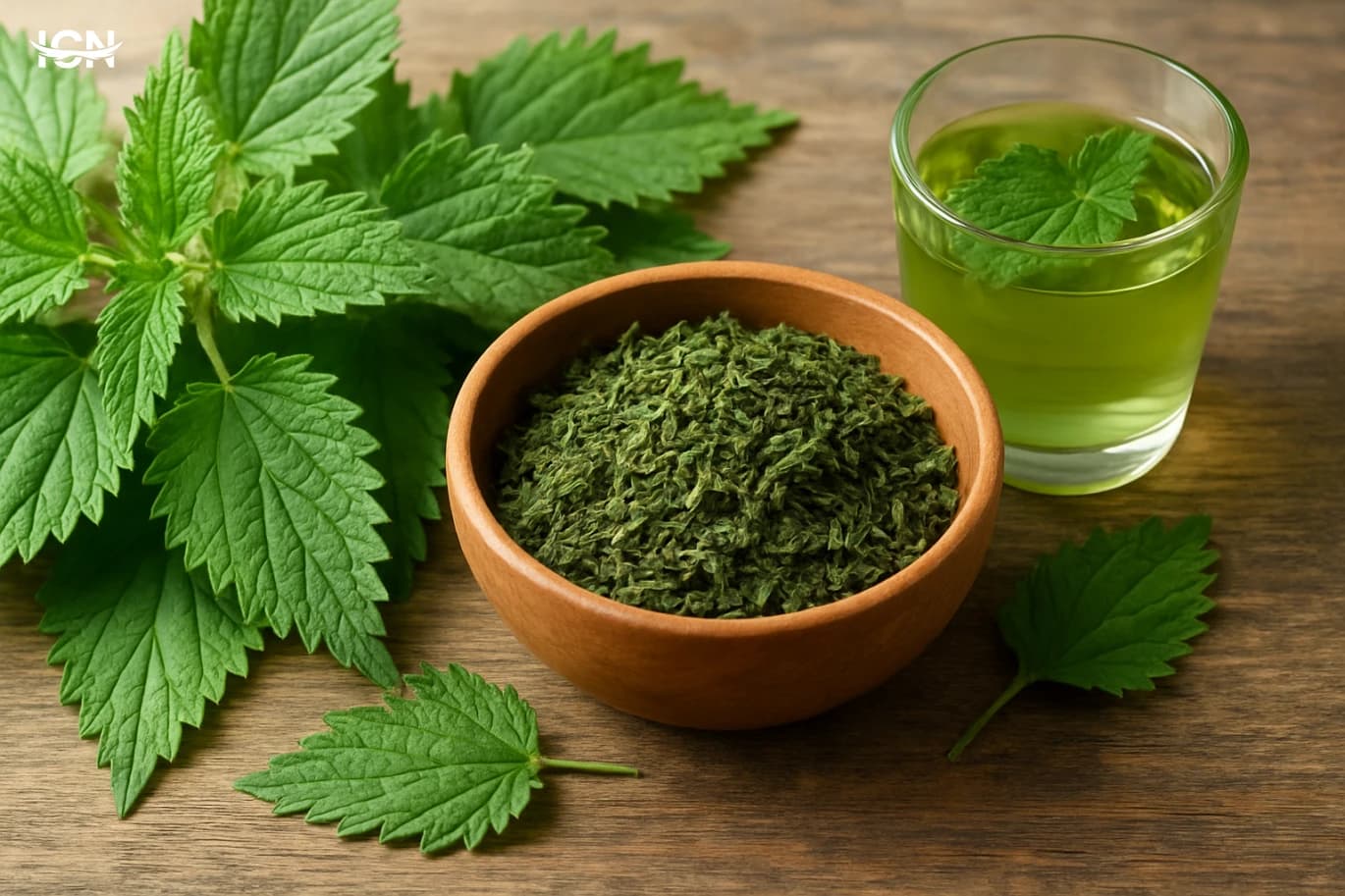
Stinging nettle (Urtica dioica) has moved from being a “weed” to a practical pantry herb in many regions, especially where people want simple, plant-based routines. The renewed interest is not just trend-driven; nettle is easy to grow, widely available as dried leaf, and fits into everyday formats like tea, soups, and pesto-style sauces. Its flavor is mild and green once cooked or steeped, which makes it easier to use than many bitter medicinal plants. From a wellness perspective, nettle leaf is valued because it brings multiple nutrients and plant compounds in one ingredient. Many people choose it as a seasonal staple in spring, when fresh greens are popular, but dried nettle can be used year-round with consistent results. For readers who want a specific, realistic topic, this article focuses on nettle leaf as a daily-use herb: what it contains, how to prepare it safely, what benefits have reasonable evidence, and how to avoid common mistakes when buying and using it.
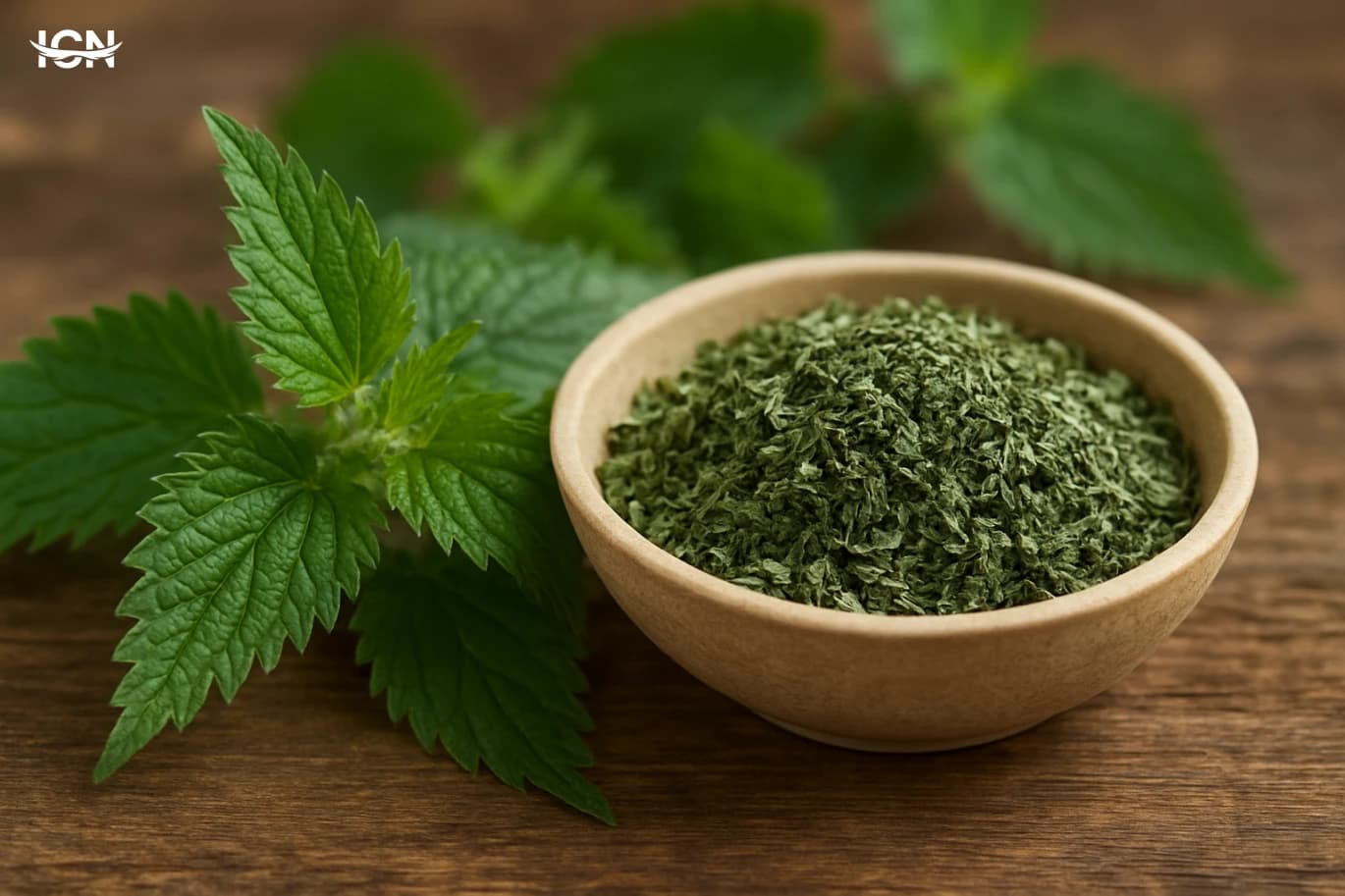
Nettle Leaf for Everyday Wellness
Stinging nettle (Urtica dioica) has moved from being a “wild weed” to a practical pantry herb in many regions, especially where people are rethinking caffeine-heavy routines and ultra-processed foods. The renewed interest is not only about tradition; it is also about nettle’s straightforward nutritional profile and its versatility as a mild, green-tasting ingredient. Dried nettle leaf is now widely sold as tea, capsules, and culinary herb, while fresh young leaves appear in seasonal markets and foraging guides. What makes nettle relevant for everyday wellness is that it fits into normal habits: a morning infusion, a soup, or a blended pesto. Unlike many trendy botanicals, nettle has a long record of food use in Europe, Western Asia, and North Africa, and it is easy to pair with common flavors like lemon, ginger, mint, and mild broths. This article focuses on practical, safe ways to use nettle leaf at home, what to look for when buying it, and how to set realistic expectations about benefits.
Nettle Tea for Daily Wellness
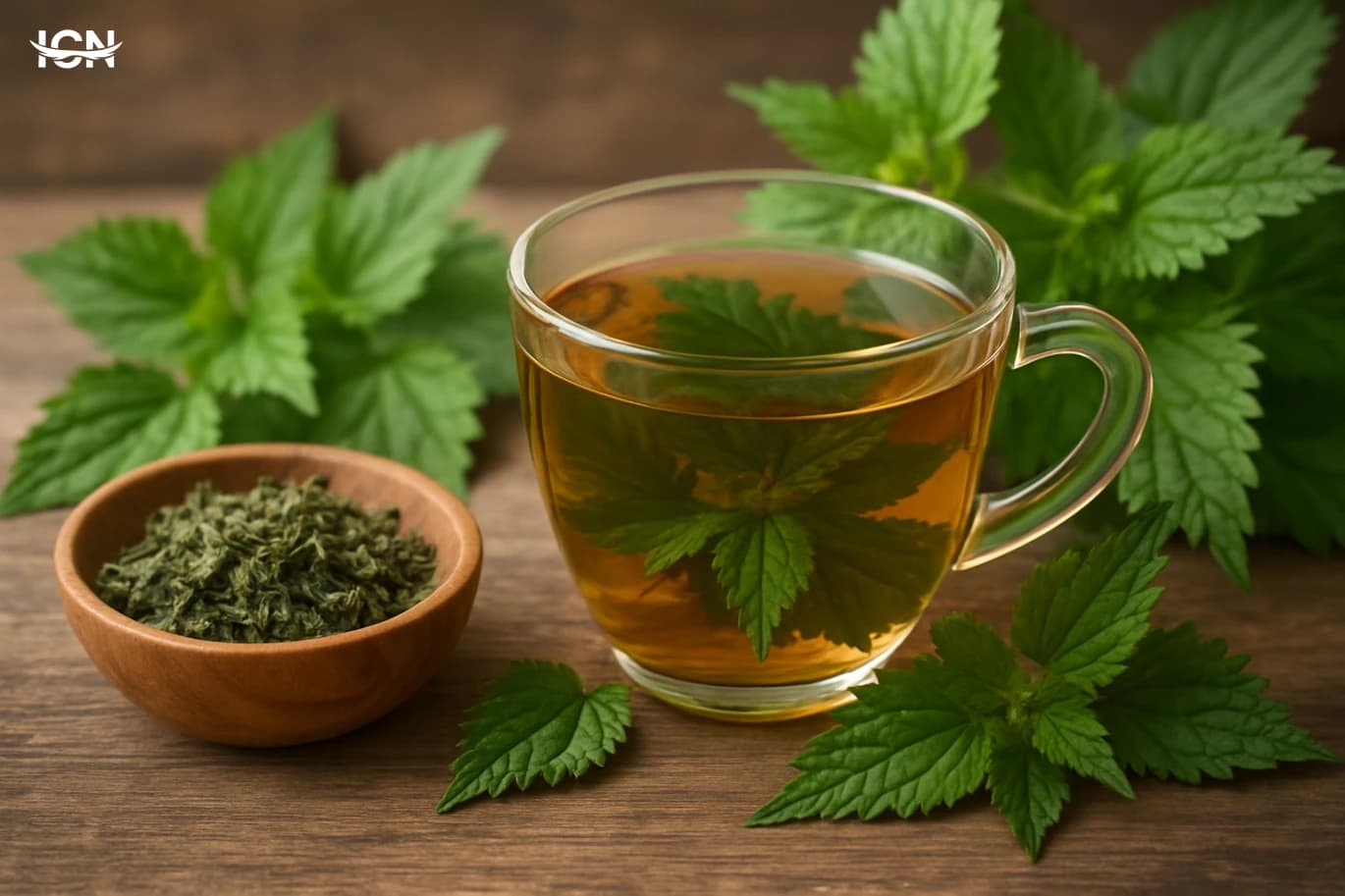
Stinging nettle (Urtica dioica) has moved from “old-fashioned herb” to a modern pantry staple because it fits today’s interest in simple, plant-based routines. It is widely used as a leaf infusion, and it is also found in capsules, tinctures, and blended teas. What makes nettle especially practical is that it offers a mild, green taste and can be used regularly without complicated preparation. Nettle’s reputation is tied to its nutrient density. The leaves naturally contain minerals such as iron, magnesium, and potassium, along with chlorophyll and a range of plant compounds. People often choose nettle tea as a low-calorie beverage that can replace sugary drinks while adding a sense of “nutritional purpose” to a daily habit. In many households, it is treated like a functional alternative to black tea or coffee, especially in the afternoon. This topic is worth a closer look because nettle is both common and misunderstood. The plant’s sting is a handling issue, not a reason to avoid it as a beverage. Once dried or steeped in hot water, the stinging hairs are no longer a concern. The key is learning how to select quality leaf, brew it correctly, and use it in a way that supports overall wellness without exaggerated claims.
Nettle Leaf Practical Guide for Everyday Wellness
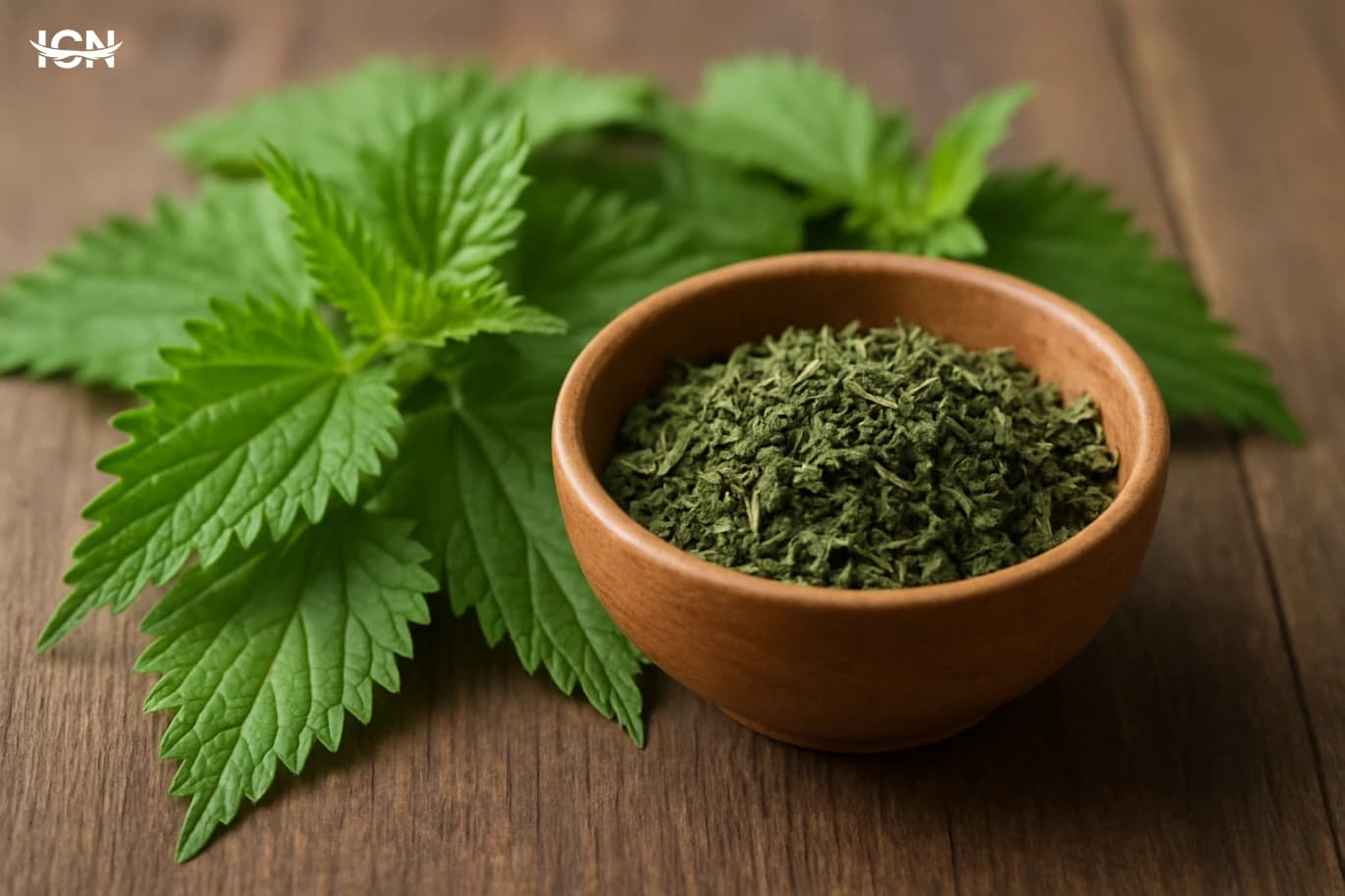
Nettle leaf (Urtica dioica) is often remembered for its sting, but in herbal practice it is valued for its nutrient density and its long history of use in traditional European and Middle Eastern preparations. The leaves naturally contain minerals such as iron, magnesium, and potassium, along with chlorophyll and plant compounds that contribute to its distinctive taste and aroma. In modern wellness routines, nettle is most commonly used as an herbal infusion, a dried-leaf tea blend, or a standardized supplement. This topic focuses on practical, everyday use rather than exaggerated claims. People typically turn to nettle leaf for general nutritional support, seasonal comfort, and as a gentle addition to hydration habits. Because it is widely available and relatively affordable, it is also a good example of how to evaluate an herb: understand what part of the plant is used, how it is prepared, and what quality markers matter when buying it.
Milk Thistle for Everyday Liver Support
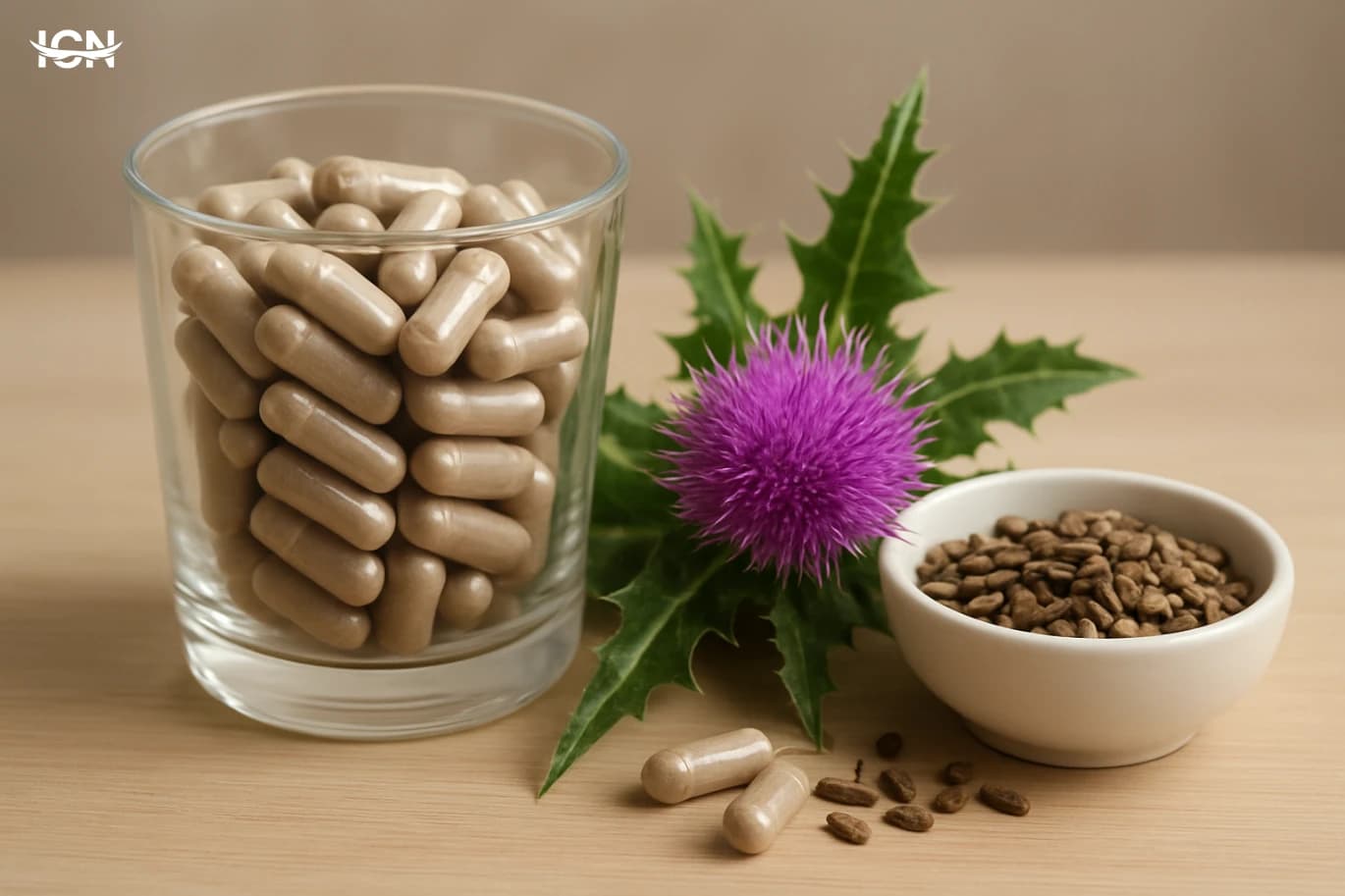
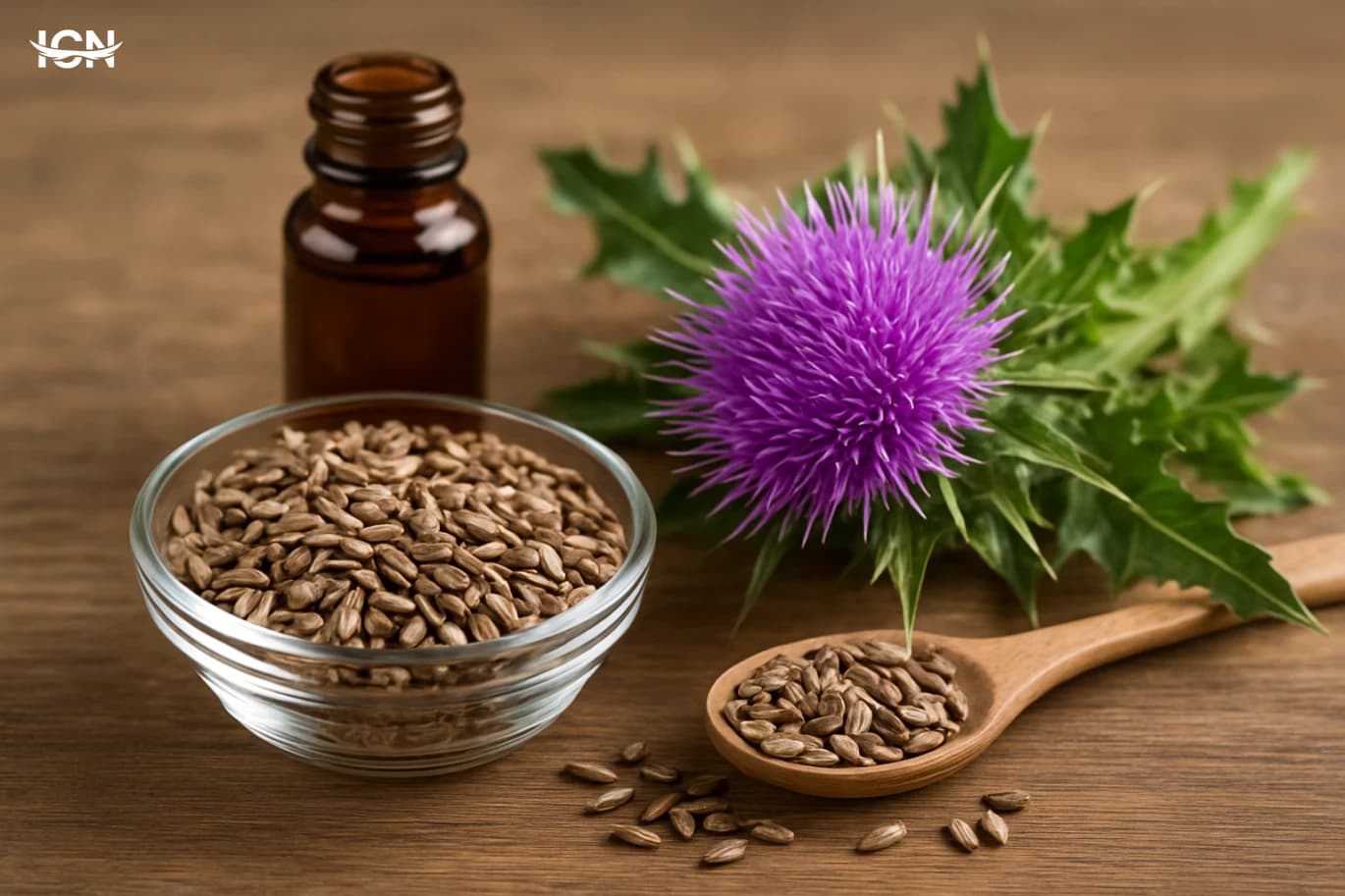
Milk thistle (Silybum marianum) is one of the most discussed medicinal plants for liver-focused wellness. Its seeds contain a group of compounds commonly referred to as silymarin, which has been studied for antioxidant activity and for how it may influence inflammatory pathways in the liver. People often hear about milk thistle in the context of “detox,” but a more practical way to frame it is everyday liver support: helping the body manage routine exposures such as alcohol, high-fat meals, and certain medications. This topic is relevant because liver health is frequently discussed in broad terms, while consumers face very specific decisions: which product to buy, how to take it, and what results are realistic. A serious look at milk thistle means separating traditional use from modern evidence, and understanding that a plant supplement is not a substitute for medical care. It also means paying attention to quality, dosing, and safety, especially for people who take prescription drugs or have diagnosed liver conditions.
Milk Thistle for Everyday Liver Support
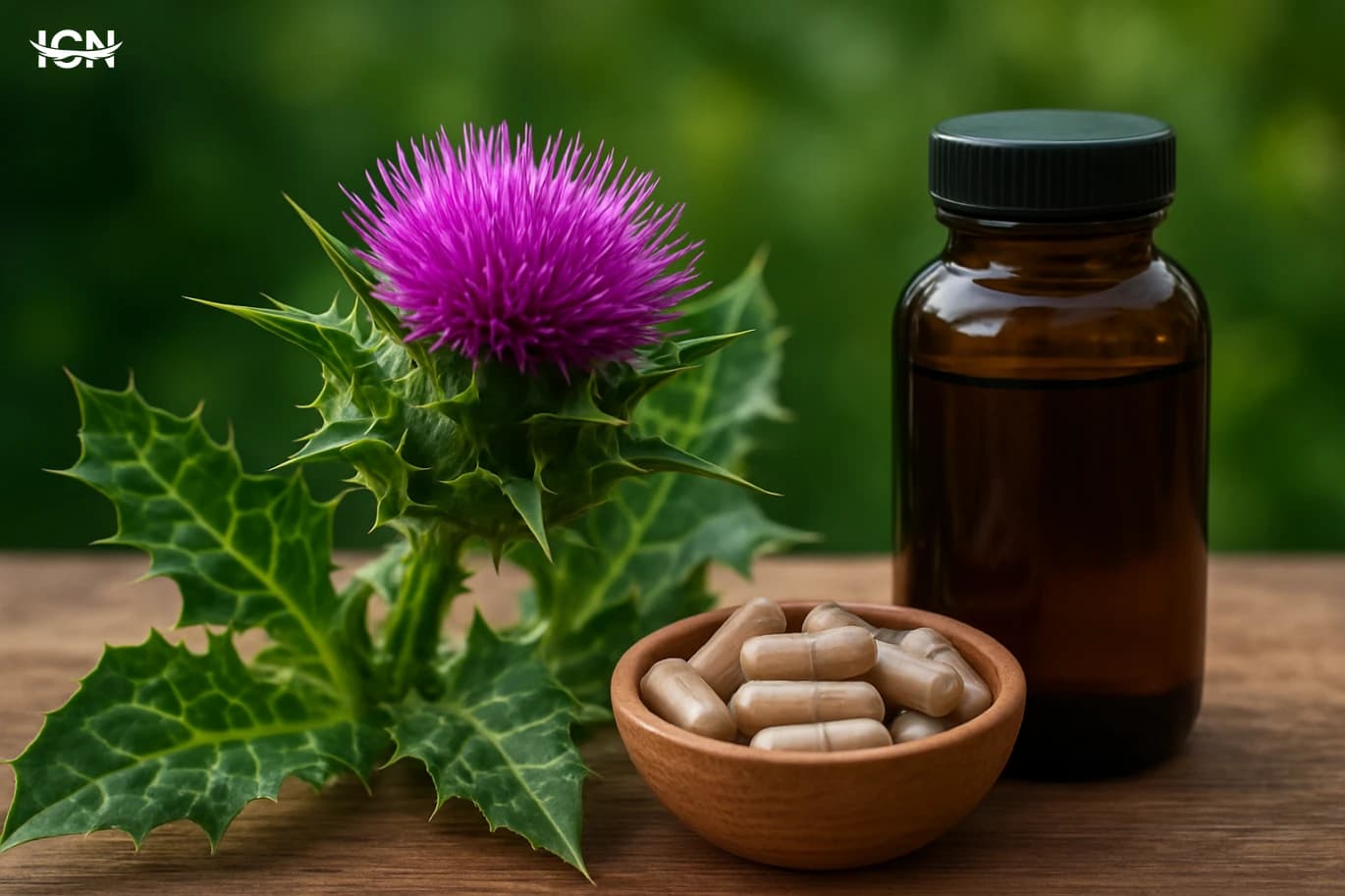
Milk thistle (Silybum marianum) is one of the most talked-about medicinal plants for liver support, largely because its seeds contain a group of compounds known as silymarin. In herbal practice and modern supplement markets, it is positioned as a daily “liver-friendly” option for people who want to support normal liver function, especially when lifestyle factors like irregular meals, high-fat diets, or frequent use of processed foods are common. The plant has a long history of use in European herbal traditions, but today its popularity is driven by standardized extracts and a growing body of research on antioxidant activity and cellular protection. That said, “support” is not the same as “treatment.” Milk thistle is not a substitute for medical care in liver disease, and it is not a detox shortcut. A practical blog topic is how to evaluate milk thistle realistically: what it is, what products actually contain, what evidence suggests, and how to use it responsibly as part of a broader health routine.
Milk Thistle for Modern Liver Support
Milk thistle (Silybum marianum) is one of the most discussed medicinal plants for liver support, and its relevance has grown as everyday exposures have changed. Many people now manage long work hours, irregular meals, frequent use of packaged foods, and routine medications that are processed by the liver. This article topic focuses on how milk thistle fits into that modern context without overpromising results. It explains what the plant is, why it became associated with liver health, and what “support” realistically means in evidence-based wellness writing. The section also sets expectations: milk thistle is not a detox shortcut, and it does not replace medical care for liver disease. Instead, it is best understood as a botanical with a long history of use and a well-studied group of compounds that may help protect liver cells under certain conditions. Readers will learn what questions to ask before buying a supplement, how to evaluate claims on labels, and why lifestyle factors still do most of the heavy lifting for liver health.
Milk Thistle for Liver Support
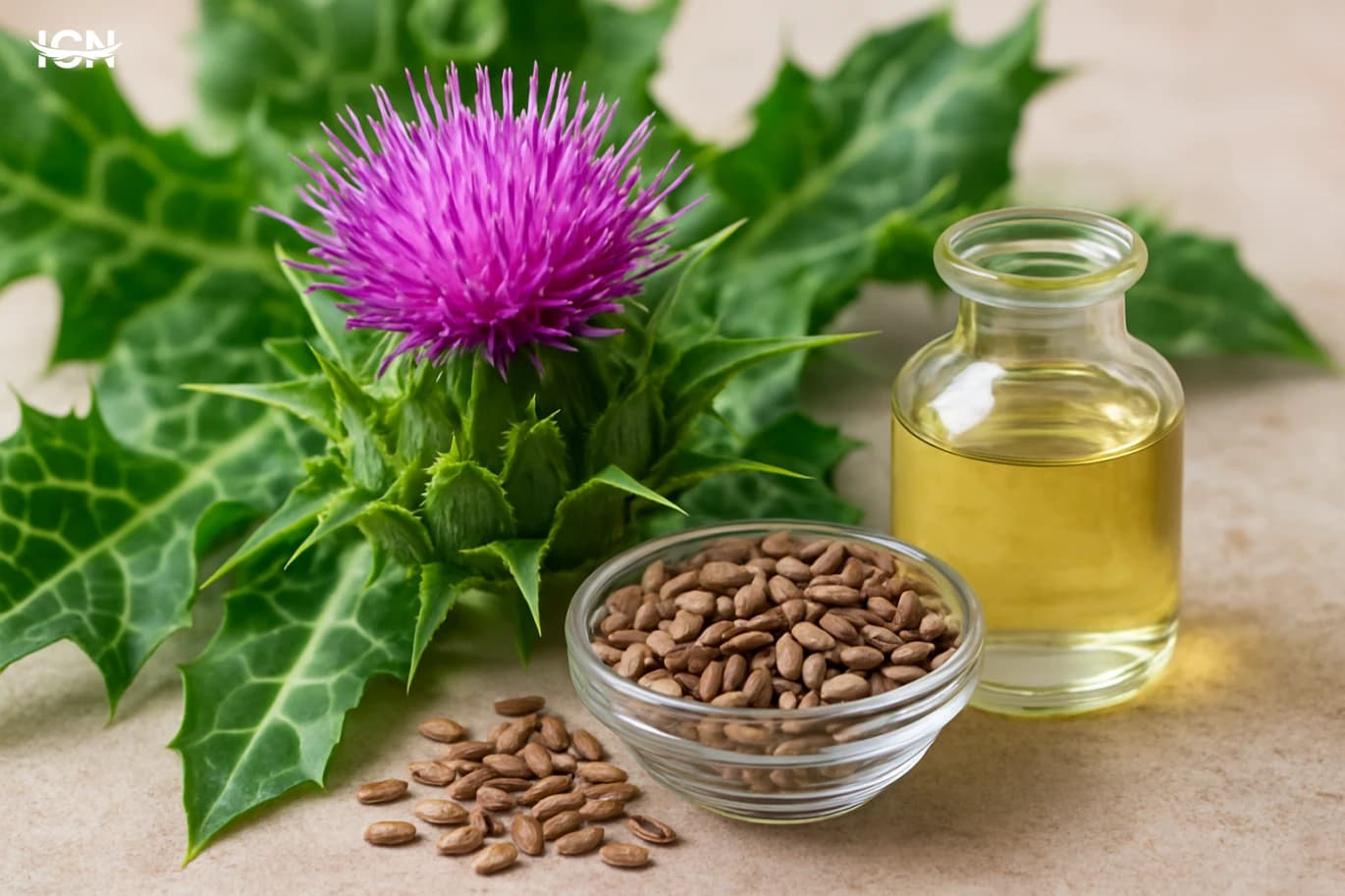
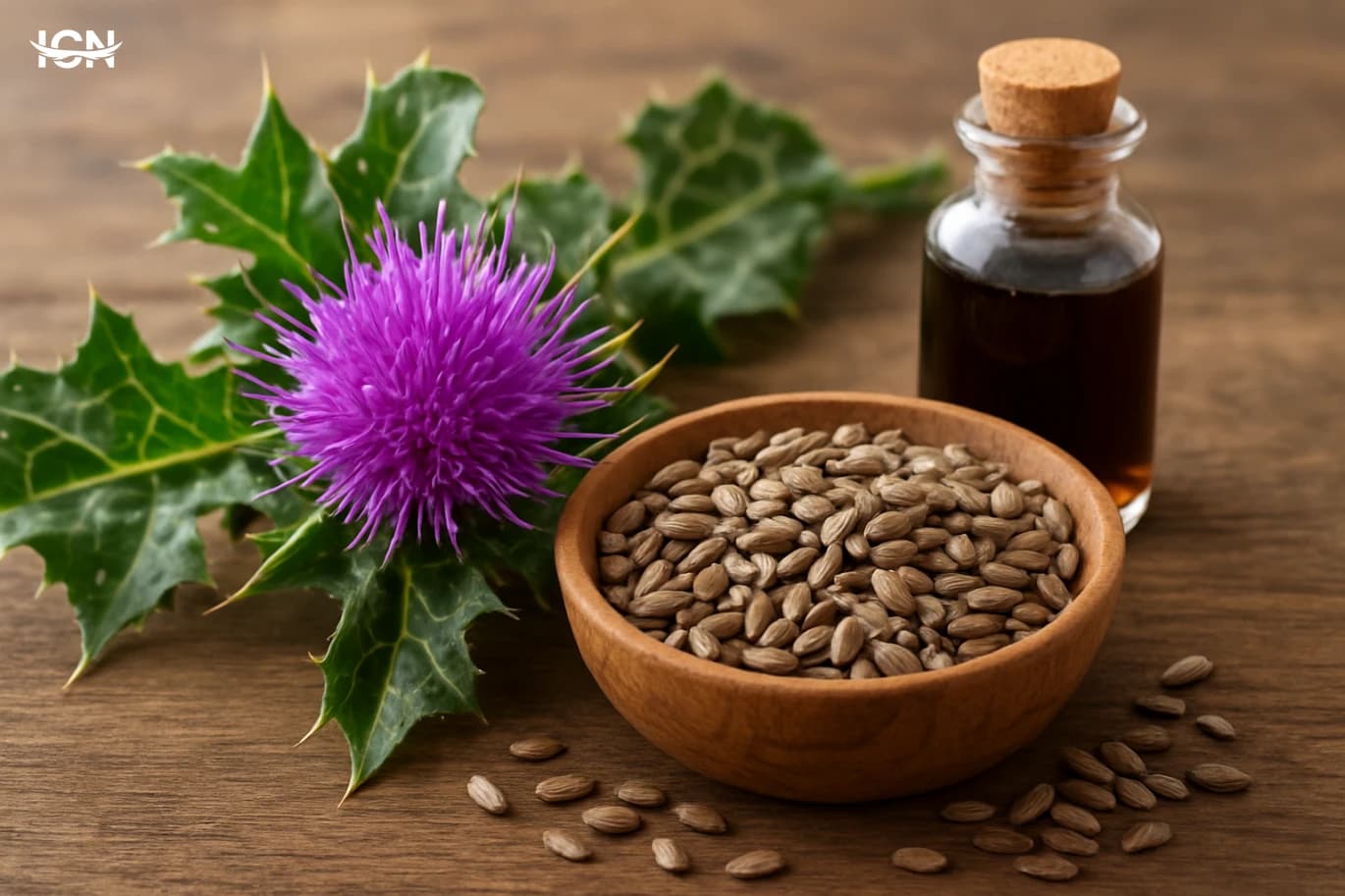
Milk thistle (Silybum marianum) is one of the most discussed medicinal plants for liver support, largely because its seeds contain a group of compounds known as silymarin. In everyday wellness conversations, it is often described as a “liver herb,” but the real story is more specific: silymarin has been studied for antioxidant activity and for its potential to influence inflammatory pathways and cellular repair processes in liver tissue. That combination is why it appears in many herbal products aimed at people who want to support normal liver function. The liver’s workload is constant. It processes nutrients, helps regulate cholesterol, supports bile production for digestion, and participates in the breakdown and clearance of many substances the body encounters. Lifestyle factors such as alcohol intake, high-calorie diets, and exposure to certain medications can add strain. Milk thistle is not a substitute for medical care, but it is widely used as a complementary option by people who are trying to make practical changes—improving diet, reducing alcohol, and paying attention to metabolic health—while also using a plant-based supplement with a long history of use. A serious look at milk thistle starts with realistic expectations. It is not a “detox” shortcut, and it does not erase the effects of ongoing harmful habits. The most useful way to approach it is as one component in a broader plan that includes evidence-based lifestyle steps and appropriate medical evaluation when symptoms or abnormal lab results are present.
Shabiba Herb
Shabiba Herb
In fact, chibi is not a single plant, but a harmonious blend of several finely ground herbs prepared with great care. It is also known in the Gulf region and Saudi Arabia as part of African beauty secrets. Chibi herb components and its traditional composition usually consist of a unique blend of natural ingredients. This mixture is the secret of its effectiveness in promoting hair growth and preventing breakage. This blend includes ground croton (Croton Zambesicus), known for its hair-strengthening properties. Also, a light percentage of henna and extracts of African lavender, known for their benefits in moisturizing and protecting hair, are added. Sometimes chia or grape seeds are added, and you may also find cloves or roasted rice among the ingredients to increase the effectiveness of this herbal hair composition. This powder is mixed with rich oils like sesame oil, castor oil, or shea butter to create a paste distributed on the hair, which enhances moisturizing and protects the hair from breakage. This traditional composition, part of the Basara tribe traditions in Chad, greatly enhances its effectiveness in natural hair care, helping to lengthen hair and prevent split ends.
Moringa Leaves for Daily Wellness
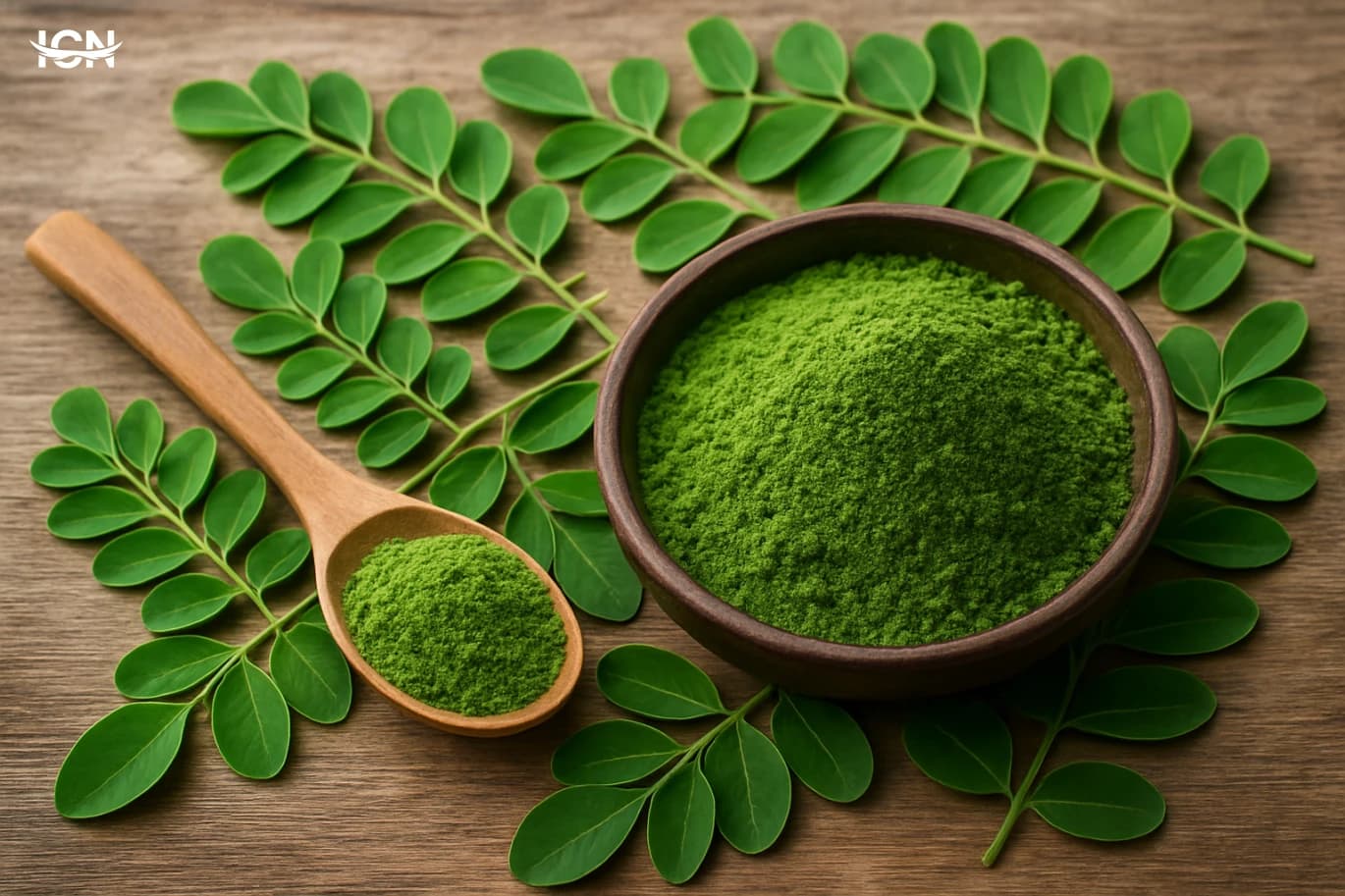
Moringa oleifera, often called the drumstick tree, has moved from niche health stores into mainstream grocery aisles because it fits several modern needs at once: it is plant-based, shelf-stable in powder form, and easy to add to everyday foods. Interest is also driven by its long history of use in parts of South Asia and Africa, where the leaves have been cooked like spinach or dried for later use. Today, most consumers encounter moringa as a green powder, capsules, or tea blends, which makes it important to separate traditional culinary use from concentrated supplement habits. From a nutrition standpoint, moringa leaves are known for their density of micronutrients and plant compounds. They naturally contain vitamins and minerals such as vitamin A precursors, vitamin C, calcium, potassium, and iron, along with fiber and protein relative to many leafy plants. They also contain polyphenols and other antioxidants that are widely studied in plant foods. That said, the exact nutrient profile varies by growing conditions, harvest timing, and processing, so labels and third-party testing matter when you buy packaged products.
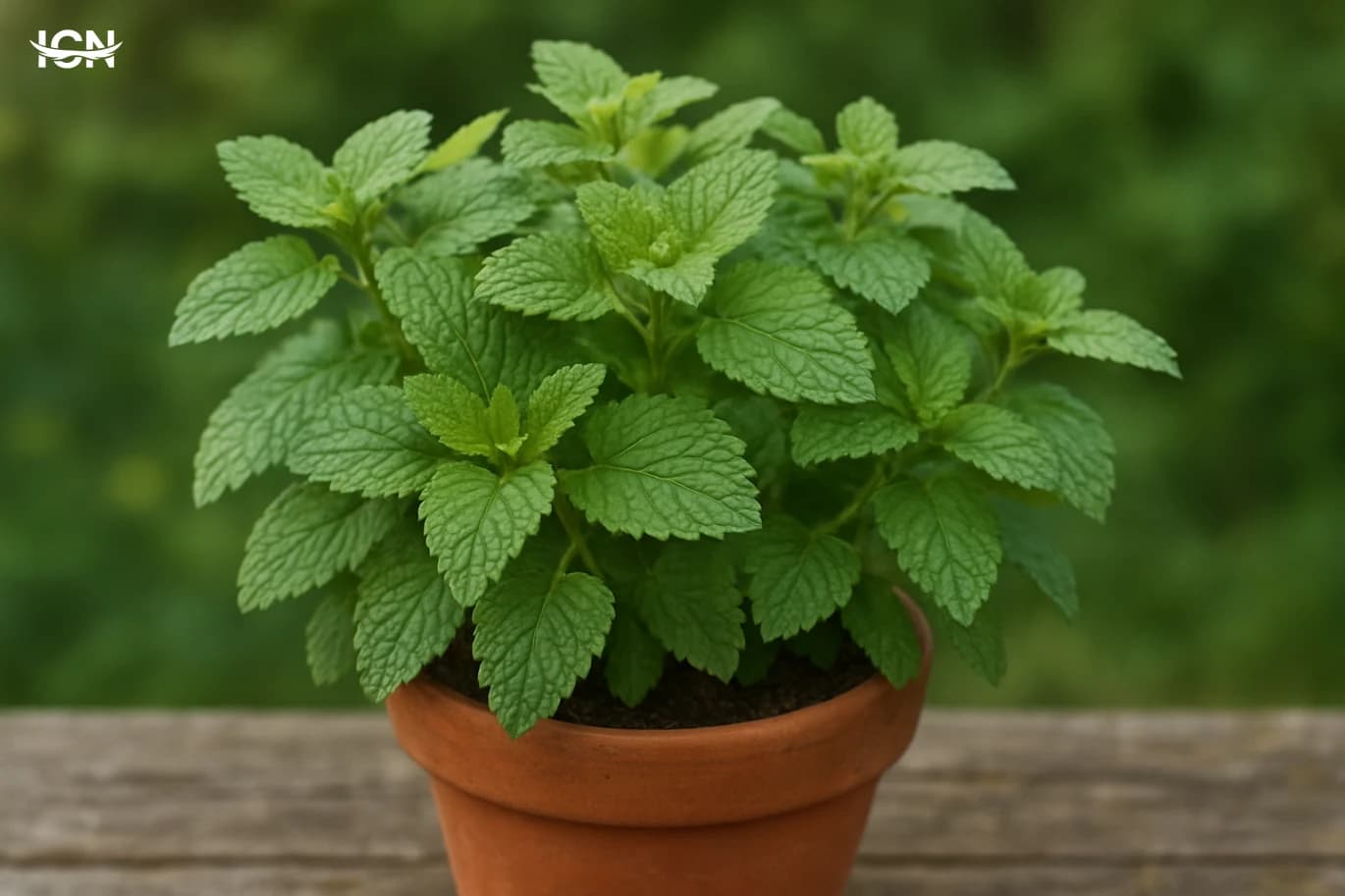
Growing Lemon Balm for Calm and Flavor
Lemon balm (Melissa officinalis) is a mint-family herb valued for its clean citrus scent, gentle taste, and long history in home herbal routines. It is often chosen by people who want a plant that is both practical and easy to maintain: it can be brewed as a simple tea, used fresh in the kitchen, and grown in a small pot on a balcony. Unlike many specialty herbs, lemon balm tolerates a range of conditions and rebounds quickly after harvesting. This topic focuses on how to grow lemon balm responsibly and use it in everyday ways without turning it into a cure-all. The goal is to help readers understand what the plant is, how to keep it healthy, and how to prepare it safely as a food herb. You will also learn how to preserve its aroma, which is the main reason people keep it around, and how to avoid common mistakes that make the leaves lose their fragrance.
Milk Thistle for Liver Support
Milk thistle (Silybum marianum) has moved from niche herbal shops into mainstream conversations about liver health, largely because more people now track liver-related lab results and medication side effects. The plant’s seeds contain a group of compounds commonly referred to as silymarin, which has been studied for antioxidant and anti-inflammatory activity in the liver. In practical terms, this interest is tied to everyday realities: higher rates of fatty liver disease, widespread use of prescription drugs processed by the liver, and growing awareness that alcohol and ultra-processed diets can quietly affect liver enzymes. It is important to separate traditional reputation from clinical evidence. Milk thistle is not a “detox” shortcut, and it does not replace medical evaluation for hepatitis, cirrhosis, or medication-induced injury. What it can offer, based on the best available research, is a plausible supportive role for certain people when used appropriately, alongside lifestyle changes and medical care. The details—product quality, dosing, and who should avoid it—are what determine whether it is a sensible addition or an unnecessary risk.
By clicking the SUBSCRIBE button, you are agreeing to our Privacy & Cookie Policy If you want to unsubsribe the marketing email, please proceed to our privacy center.
© 2005-2026 ICN. All Rights Reserved.