Milk Thistle for Modern Liver Support
- Why Milk Thistle Still Matters
- The Plant and Its Key Compounds
- What Research Suggests About Liver Support
- How to Choose and Use It Responsibly
- Milk Thistle in a Bigger Liver-Health Plan
Why Milk Thistle Still Matters
Milk thistle (Silybum marianum) is one of the most discussed medicinal plants for liver support, and its relevance has grown as everyday exposures have changed. Many people now manage long work hours, irregular meals, frequent use of packaged foods, and routine medications that are processed by the liver. This article topic focuses on how milk thistle fits into that modern context without overpromising results. It explains what the plant is, why it became associated with liver health, and what “support” realistically means in evidence-based wellness writing. The section also sets expectations: milk thistle is not a detox shortcut, and it does not replace medical care for liver disease. Instead, it is best understood as a botanical with a long history of use and a well-studied group of compounds that may help protect liver cells under certain conditions. Readers will learn what questions to ask before buying a supplement, how to evaluate claims on labels, and why lifestyle factors still do most of the heavy lifting for liver health.
The Plant and Its Key Compounds
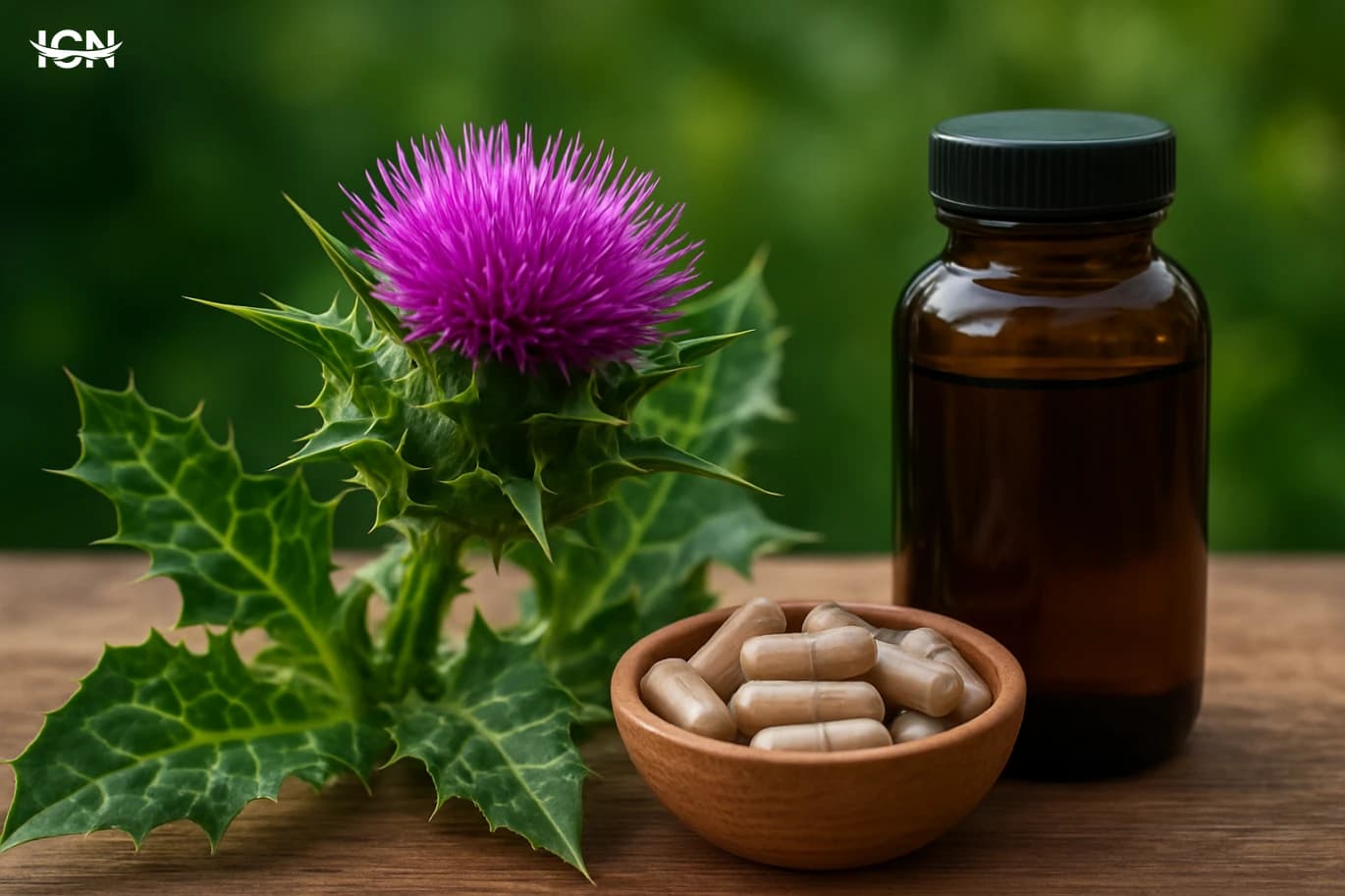
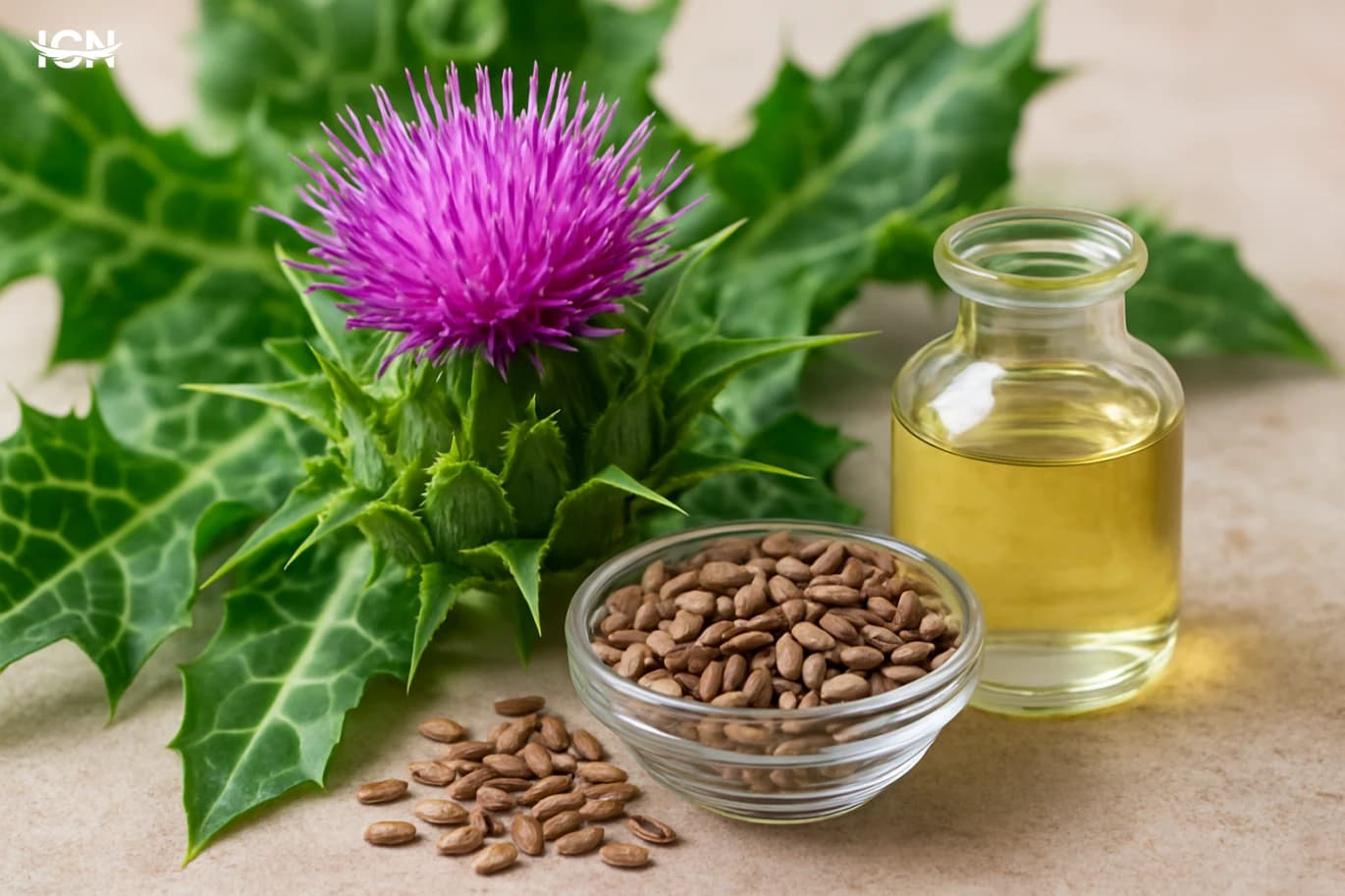
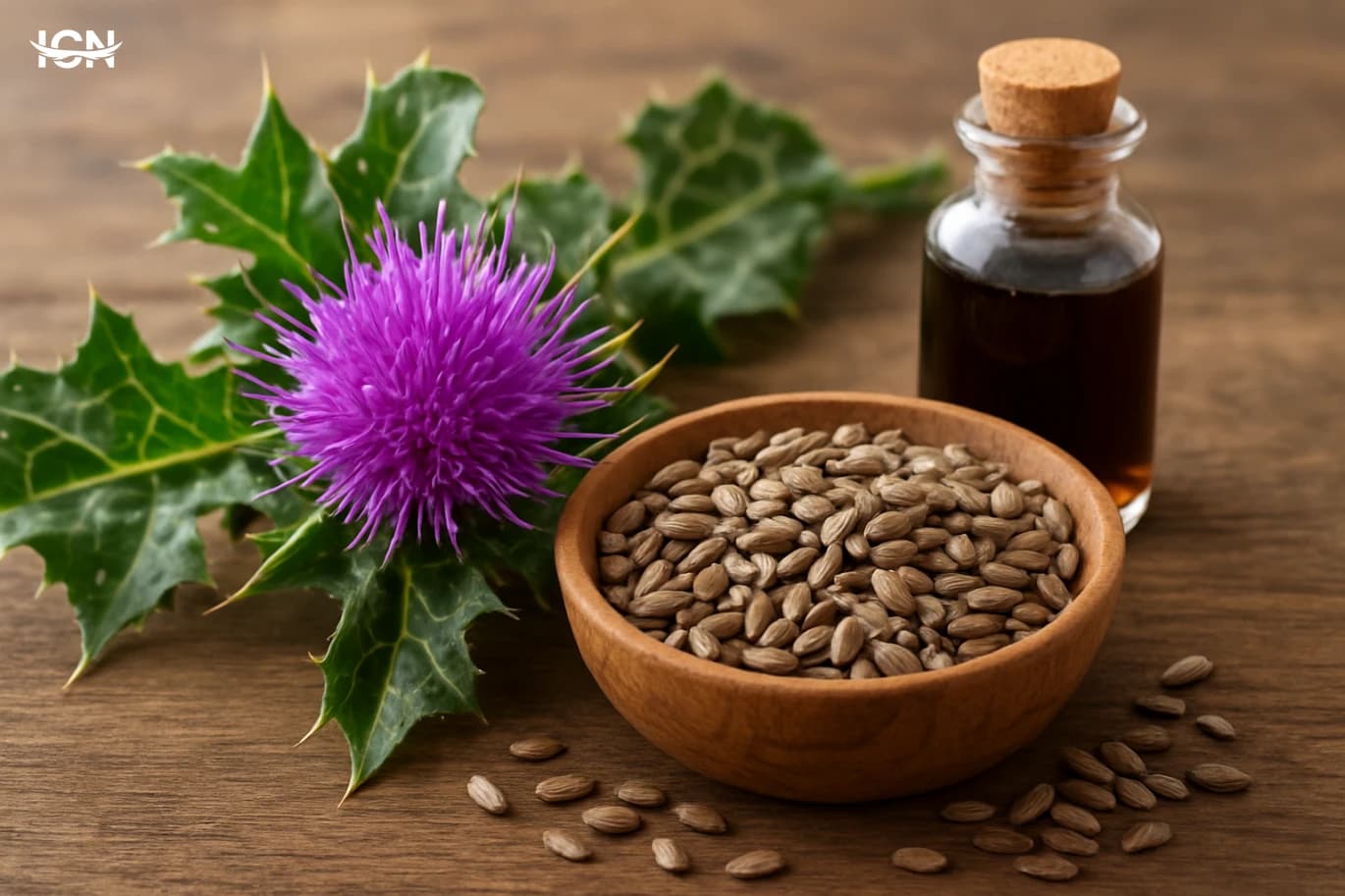
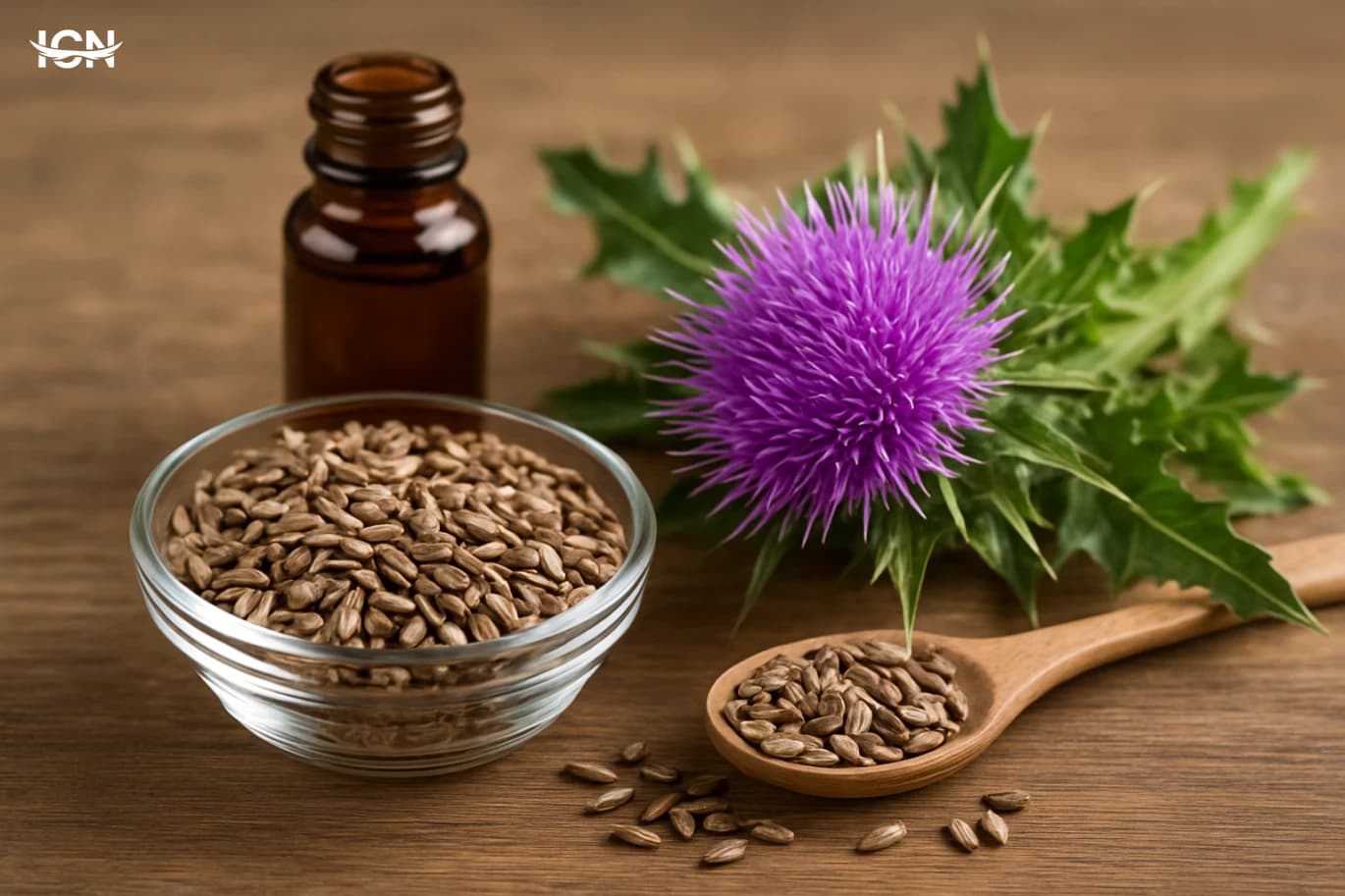
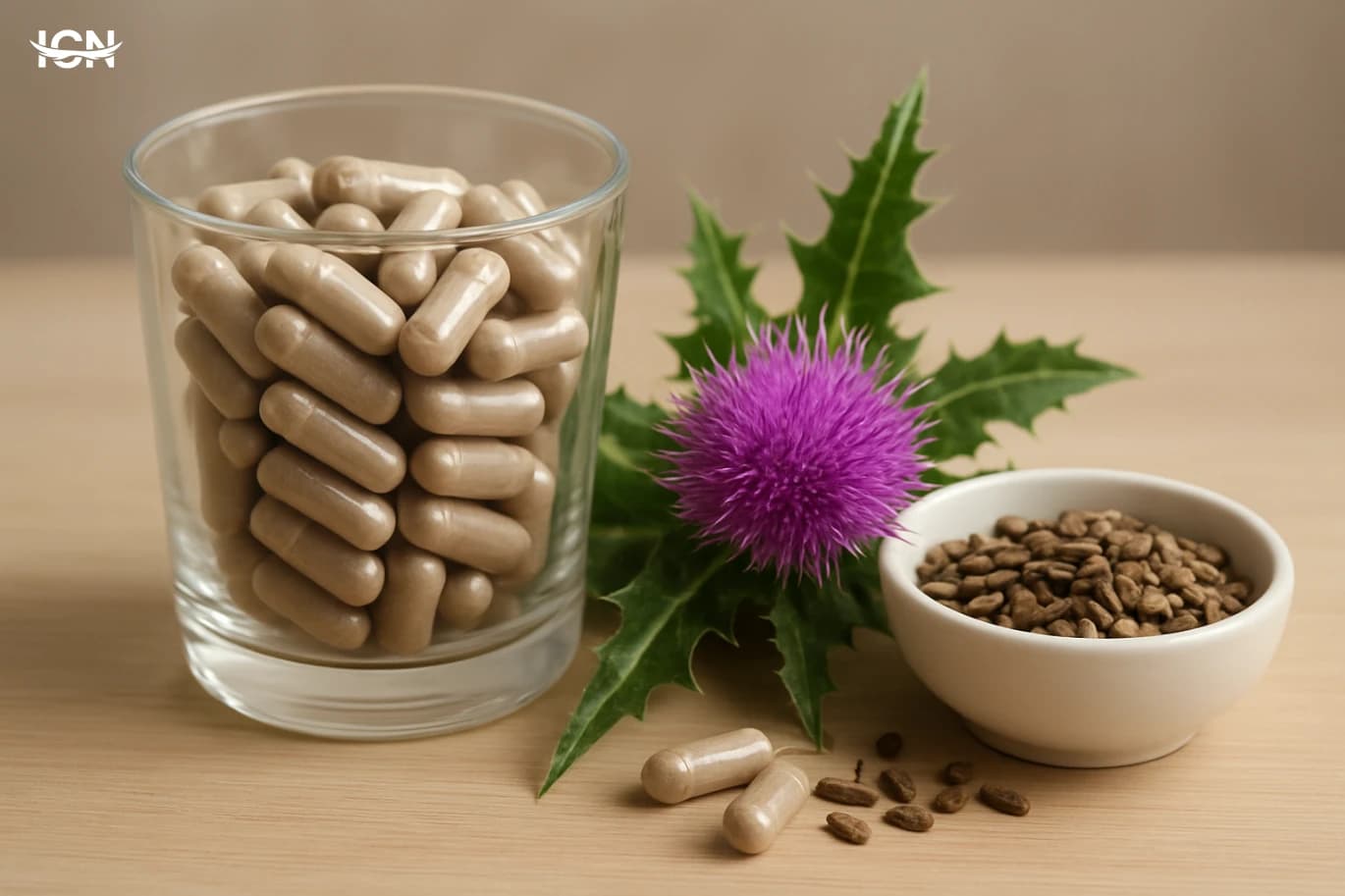
This section introduces the botany in plain language: milk thistle is a spiny flowering plant in the Asteraceae family, with distinctive purple blooms and white-veined leaves. The part most often used in supplements is the seed. From those seeds comes a standardized extract commonly referred to as silymarin, a mixture of flavonolignans. One of the best-known components is silybin (also spelled silibinin), frequently used as a marker compound when manufacturers standardize products. Readers will get a practical explanation of why standardization matters. Whole-seed powders, tinctures, and standardized extracts can differ widely in active compound content. The topic can cover how labels typically express standardization (for example, “standardized to X% silymarin”) and why that number alone does not guarantee quality. It also introduces basic quality signals: third-party testing, clear identification of plant part used, and transparent dosing information. The goal is to help readers understand what they are actually buying, not just the plant’s reputation.
What Research Suggests About Liver Support
Here the topic turns to evidence in a careful, non-sensational way. Milk thistle has been studied for its antioxidant and anti-inflammatory properties and for potential effects on liver enzymes and markers of liver stress. The blog can summarize what clinical research has explored: use in people with elevated liver enzymes, non-alcoholic fatty liver disease, medication-related liver strain, and other conditions where the liver is under metabolic pressure. It should also note that results across studies are mixed, and differences in product type, dose, and study design make comparisons difficult. This section can explain what outcomes matter to clinicians and patients: changes in ALT and AST, imaging findings in fatty liver, symptom reports, and overall safety. It should emphasize that improved lab numbers do not automatically mean a cure, and that underlying causes such as diet quality, weight management, and blood sugar control remain central. The reader should leave with a balanced view: there is enough research to justify interest, but not enough to treat milk thistle as a stand-alone solution.
How to Choose and Use It Responsibly
This section makes the topic highly practical. It can outline common forms: standardized capsules or tablets, seed powder, and liquid extracts. It can explain why many studies use standardized extracts rather than raw powder, and how that affects expectations. The blog can also discuss typical label details readers should look for: the amount per serving, standardization percentage, and whether the product lists silybin content. It can suggest keeping a simple log for a few weeks—energy, digestion comfort, and any side effects—while reminding readers that subjective changes are not a diagnostic tool. It should include clear safety guidance. Milk thistle is generally well tolerated for many adults, but it can cause digestive upset in some people and may trigger allergic reactions in those sensitive to plants in the daisy family. The topic should stress checking with a clinician or pharmacist if someone is pregnant, breastfeeding, managing chronic conditions, or taking multiple medications, because herb–drug interactions are possible. The section can also recommend choosing products with batch testing and avoiding “proprietary blends” that hide exact amounts.
Milk Thistle in a Bigger Liver-Health Plan
To keep the topic grounded, this section places milk thistle alongside the habits that most strongly influence liver health. It can cover dietary patterns associated with better metabolic markers: higher fiber intake, reduced added sugars, and consistent protein and vegetable portions. It can mention the role of hydration, sleep regularity, and physical activity in supporting insulin sensitivity and reducing fatty liver risk. The blog can also address alcohol in a factual way: for people who drink, frequency and quantity matter, and liver recovery depends on sustained reduction rather than short “cleanses.” This section can also suggest when to seek testing and professional advice. Persistent fatigue, unexplained digestive discomfort, or abnormal liver enzymes should prompt medical evaluation rather than self-treatment. The topic can recommend discussing any supplement use before lab work so clinicians can interpret results accurately. The message is practical: milk thistle may be one tool, but it works best when paired with measurable lifestyle changes and appropriate monitoring.