App Logo

Download Our App

Shop your way

logologo
Image

Pancakes

01/29/2025By: ICN
Pancakes

introduction

History of Pancakes Pancakes date back to ancient times, when they were considered a delicacy in various cultures, including the Arab culture. Pancake recipes have been passed down through generations, giving them unique touches that reflect their local ingredients and diverse preparation methods. The importance of pancakes in Arab culture Pancakes are an integral part of the food culture in many Arab countries, where they are served at social and family events. The variety of their flavors and ingredients makes them a favorite choice for everyone, and reflects the spirit of hospitality and family solidarity. Many rely on pancakes as a special breakfast meal or a favorite dessert dish.

Basic ingredients for pancakes

Flour and Milk The basic ingredients for pancakes are very simple, as they require white flour and milk to make them. The flour helps give the pancakes the right texture, while the milk adds moisture and a special deliciousness. This enhances the taste of the pancakes and gives them a fluffy texture. Eggs and Sugar Eggs are the second main ingredient, as they work to bind the ingredients together, giving the pancakes the desired shape. Sugar is also added to add a touch of sweetness that suits all tastes. With the balance of these ingredients, pancakes appear with a delicious taste that suits everyone on different occasions.

Traditional pancake preparation methods

Basic Steps to Make Pancakes Making pancakes requires following simple steps. First, mix flour, milk, eggs, and sugar in a deep bowl until a smooth dough is formed. Then, heat the pan with a little oil and add some of the dough. The pancakes should be cooked until bubbles appear on the surface, then flipped over to cook on the other side. These steps are essential to get the perfect pancake. Different flavors and additions to improve the taste of pancakes The taste of pancakes can be improved by adding flavors such as vanilla or cinnamon. You can also use plant-based milk or add fruits such as bananas or berries. These additions allow you to diversify the flavor and create new options, making pancakes a favorite choice for breakfast or dessert.

Healthy Pancakes and Alternatives

Healthy Pancake Recipes Healthy pancakes can be made using ingredients that are low in sugar and fat. It is recommended to use oat flour or almond flour as an alternative to regular flour, with the addition of eggs and healthy milk alternatives such as almond milk. You can also add chia seeds or flax seeds to increase the nutritional content. Vegan and gluten-free alternatives For those following a vegan or gluten-free diet, you can replace the eggs with mashed bananas or plant-based yogurt. Coconut flour can also be used as an alternative to traditional flour, making pancake recipes suitable for all diets and meeting everyone’s needs.

Pancakes as a breakfast and fast food option

Serving Pancakes as a Healthy Breakfast Pancakes are an excellent breakfast option, as they can be served with fresh fruits such as strawberries or raspberries, which increases their nutritional value. Honey or maple syrup can be used as healthy alternatives to sugars, making this meal suitable for everyone. Ways to serve pancakes as a quick meal for lunch and dinner In addition to breakfast, pancakes can be served as a quick meal for lunch or dinner. Pancakes can be stuffed with grilled vegetables or cheese, or served with a variety of sauces, making them a complete and delicious meal that suits different tastes.
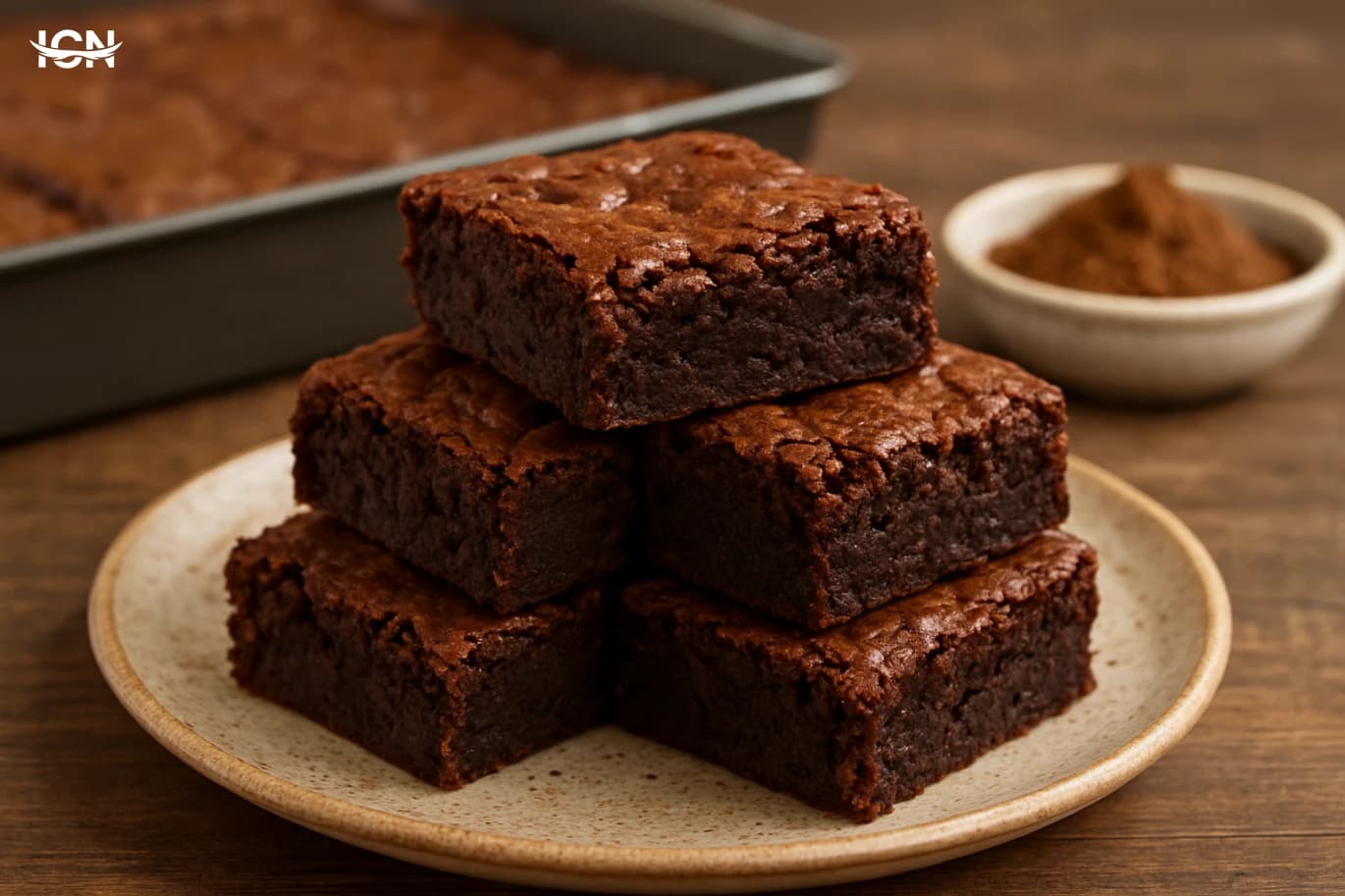
* All articles published on this blog are sourced from various websites and are provided for informational purposes only. They should not be considered as confirmed studies or accurate information. Please verify the information independently before relying on it.

Similar ARTICLES

Better Brownies Without Fancy Equipment
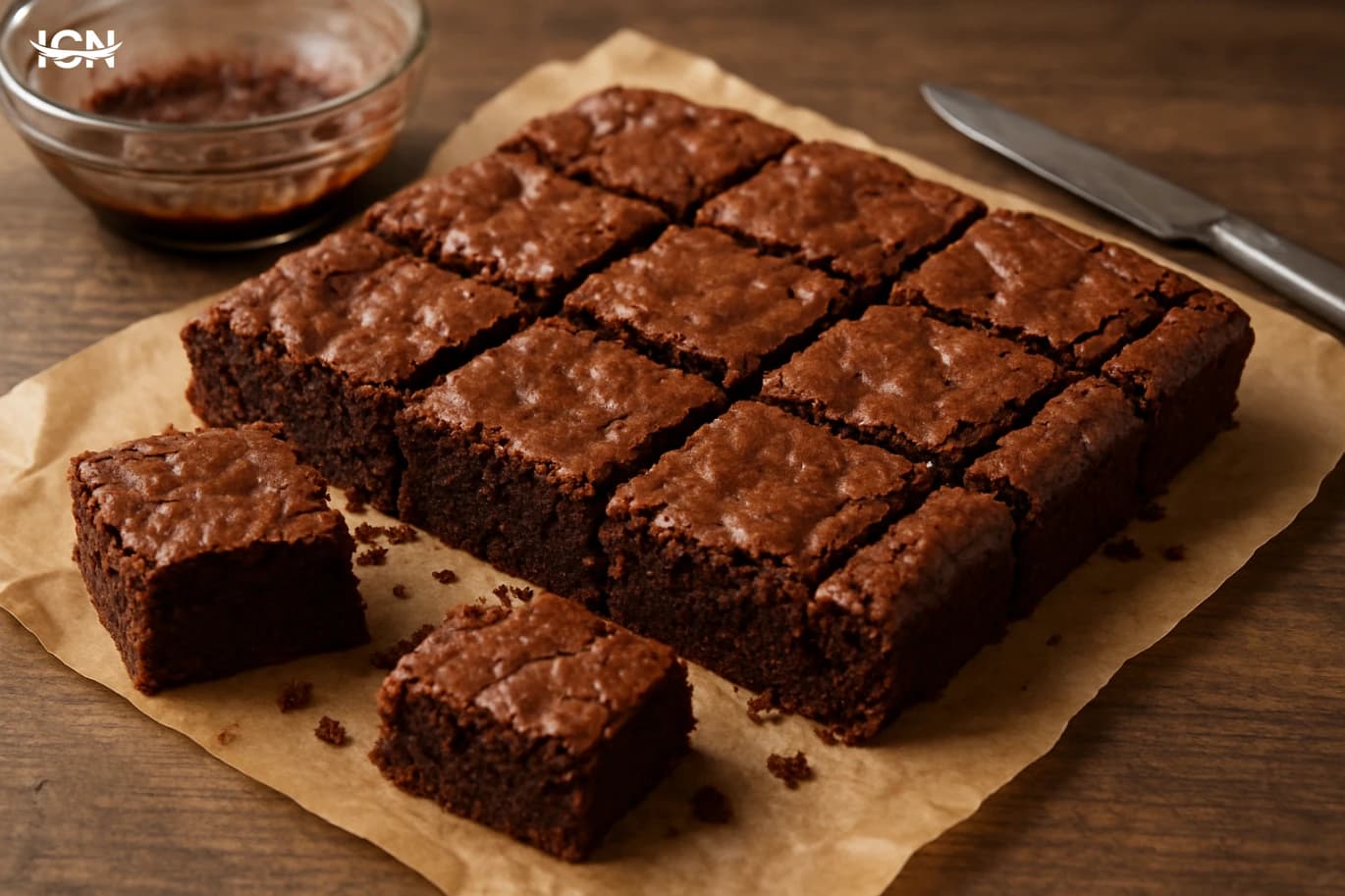
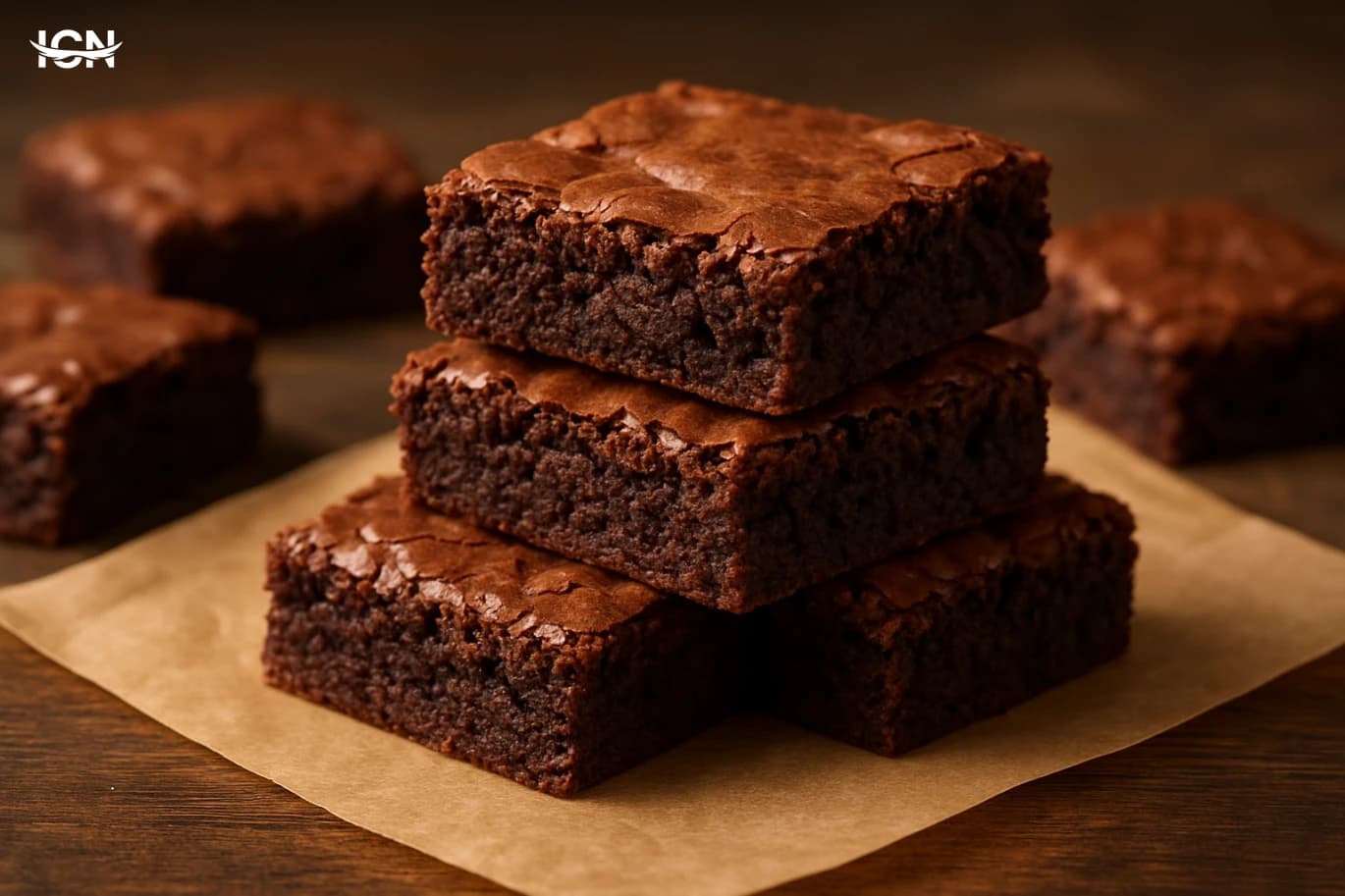
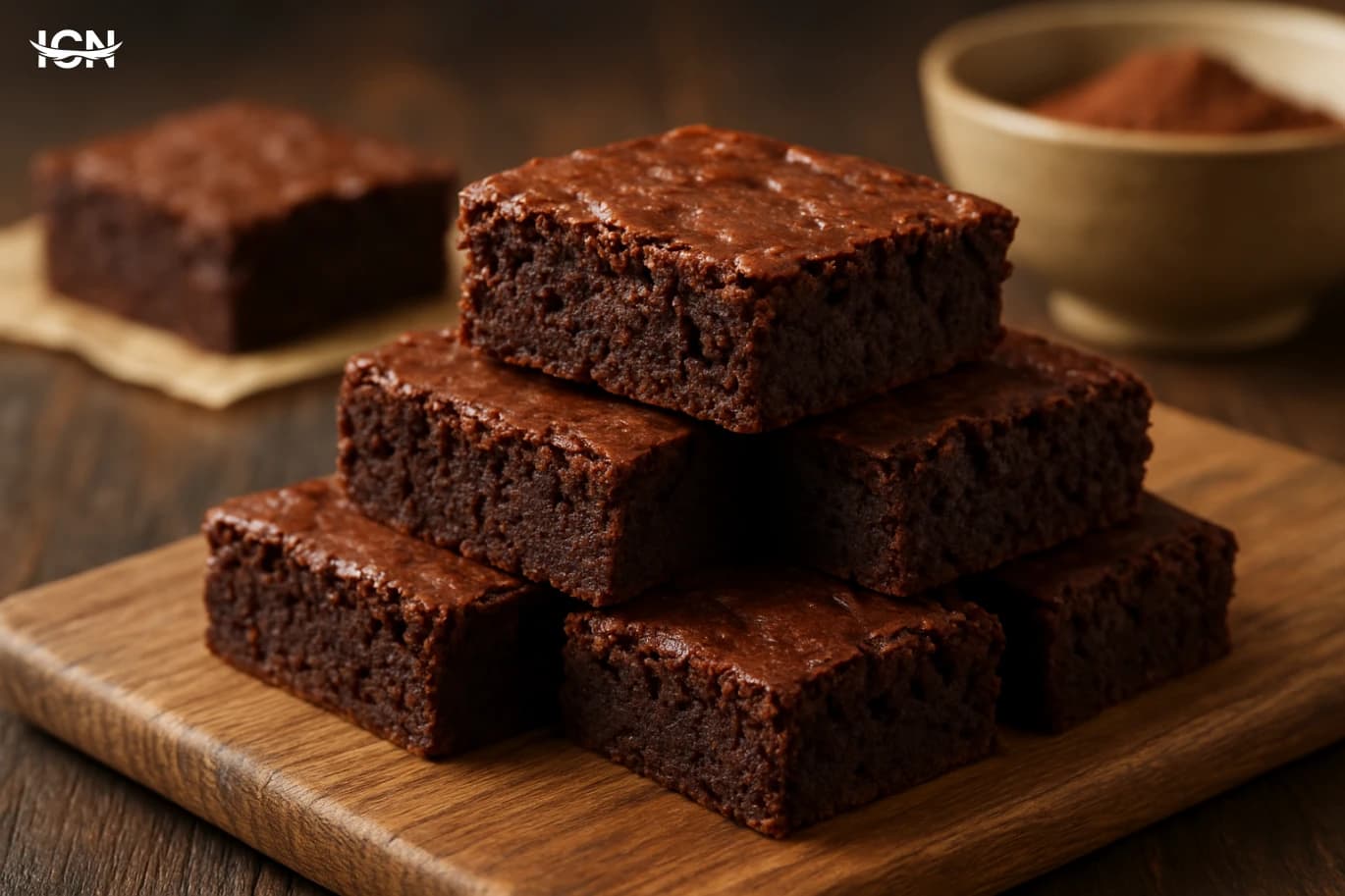
Brownies look simple, but most home batches miss the target because of a few repeat mistakes. The first is treating brownies like cake: overmixing after adding flour builds gluten, which pushes the crumb toward dry and bready instead of dense and fudgy. Another common issue is guessing doneness by time alone. Ovens vary, and brownies keep cooking from residual heat after you pull the pan out, so a “perfect” timer can still produce an overbaked tray. Ingredient choices also matter more than many recipes admit. Cocoa powders differ in fat content and acidity; chocolate bars vary in cocoa solids and sugar. Swapping one for another without adjusting can change texture and sweetness. Even the pan changes outcomes: a dark metal pan browns edges faster, while glass holds heat longer and can overcook the perimeter before the center sets. If you want consistent brownies, you need a method that controls mixing, temperature, and pan behavior rather than relying on luck.
Better Brownies Without Box Mix
Box mixes are convenient, but they lock you into one texture and one flavor profile. Making brownies from scratch gives you control over three things that matter: cocoa intensity, sweetness, and moisture. With a basic pantry list—cocoa powder or dark chocolate, butter, sugar, eggs, flour, and salt—you can build a brownie that tastes fresher and more balanced than most mixes. You also avoid the “one-note” sweetness that often comes from pre-measured blends. Homemade also lets you choose the style you actually want. If you like a glossy, crackly top, you can focus on how you dissolve sugar and whip eggs. If you prefer a fudgy center, you can reduce flour and avoid overbaking. If you want a cakier bite, you can add a little more flour and bake slightly longer. These are small, practical adjustments that change the final result more than any fancy add-in. Finally, scratch brownies are easier to customize for your kitchen. You can use a single bowl, a saucepan, or a mixer depending on what you have. You can scale the recipe for an 8-inch pan for small batches or a 9x13 for gatherings. And you can choose ingredients you trust, from the type of cocoa to the quality of chocolate chips, without paying for packaging and fillers.
The Science of Perfect Basque Cheesecake
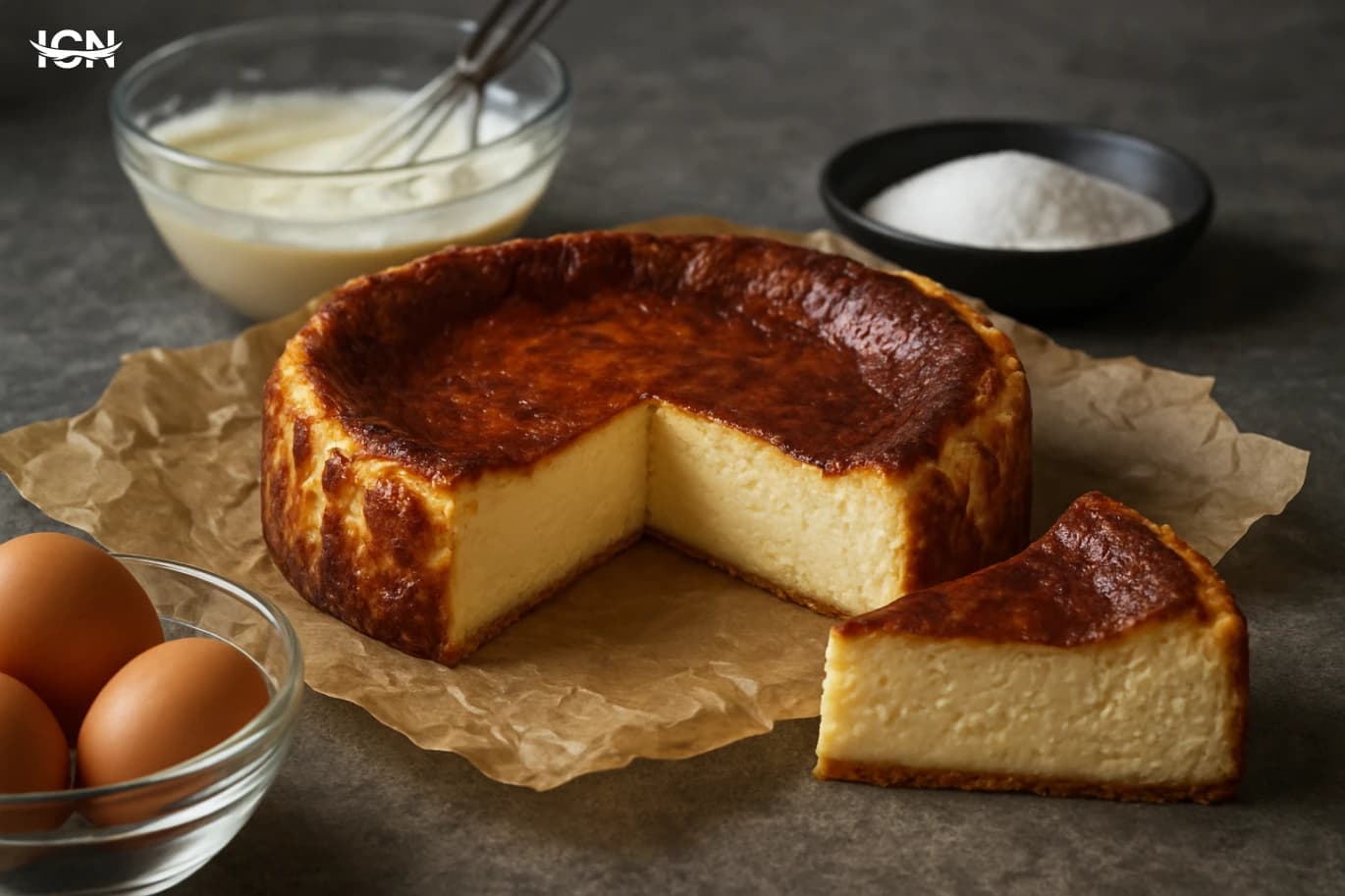
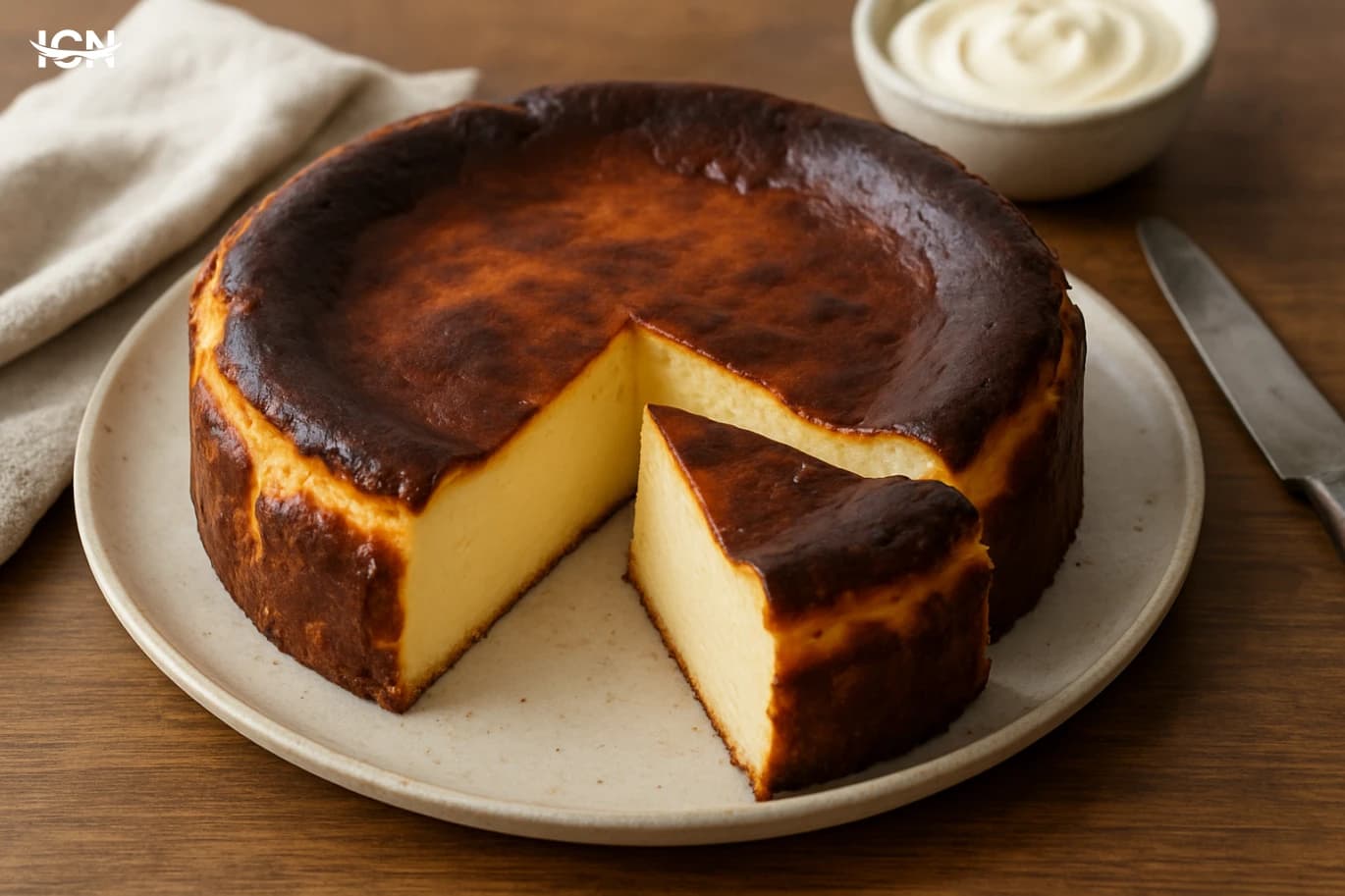
Basque cheesecake stands out because it breaks several “rules” of traditional cheesecake and still delivers a reliable, crowd-pleasing result. It is baked hot, browned deeply on top, and served without a crust, which removes a major source of sogginess and uneven baking. The signature look—dark, caramelized surface with a pale, creamy center—comes from deliberate high heat and a simple batter that can be mixed quickly without specialized equipment. What makes it especially appealing for home bakers is the wide margin for success. Unlike classic New York–style cheesecake that often demands a water bath, careful temperature control, and long cooling to avoid cracks, Basque cheesecake expects a rustic finish. Small surface splits are normal, and the parchment-lined pan makes unmolding straightforward. The dessert also fits modern tastes: it can be served slightly warm for a custardy texture or chilled for clean slices, and it pairs well with fruit, coffee, or a minimal dusting of powdered sugar.
Modern Basque Cheesecake at Home
Basque cheesecake stands out because it breaks the usual “perfectly smooth” cheesecake rules. It is intentionally baked hot so the top turns deeply caramelized while the center stays creamy and slightly custardy. That contrast is the entire point: a bold roasted flavor on the outside and a soft, rich texture inside. Unlike many classic cheesecakes, it typically skips a crust, which makes it faster to assemble and easier to slice cleanly. For home bakers, its popularity is also practical. It does not require a water bath, and it is forgiving about minor surface cracks because the top is meant to look rustic. The key is understanding what “done” looks like: the edges should be set, the center should still wobble, and the cake should finish setting as it cools. When you get that timing right, you can produce a dessert that feels restaurant-level without specialized equipment.
Better Brownies Without Fancy Equipment
Brownies look simple, yet many home batches come out dry, greasy, or oddly cakey. The main reason is that brownies sit in a narrow zone between cake and fudge, and small choices push them to one side. Too much flour or overmixing develops structure and turns the center bready. Too much baking time, even by five minutes, drives off moisture and leaves a crumbly edge. On the other hand, excess butter or underbaking can create a slick layer that feels oily rather than rich. Another common issue is inconsistent oven heat: a hot spot browns the corners while the middle stays underdone. Even the pan matters; dark metal absorbs heat faster and can overcook the perimeter. Understanding these failure points helps you control texture without special tools, just by paying attention to ratios, timing, and a few practical checks.
Saudi Popular Sweets Worth Tasting
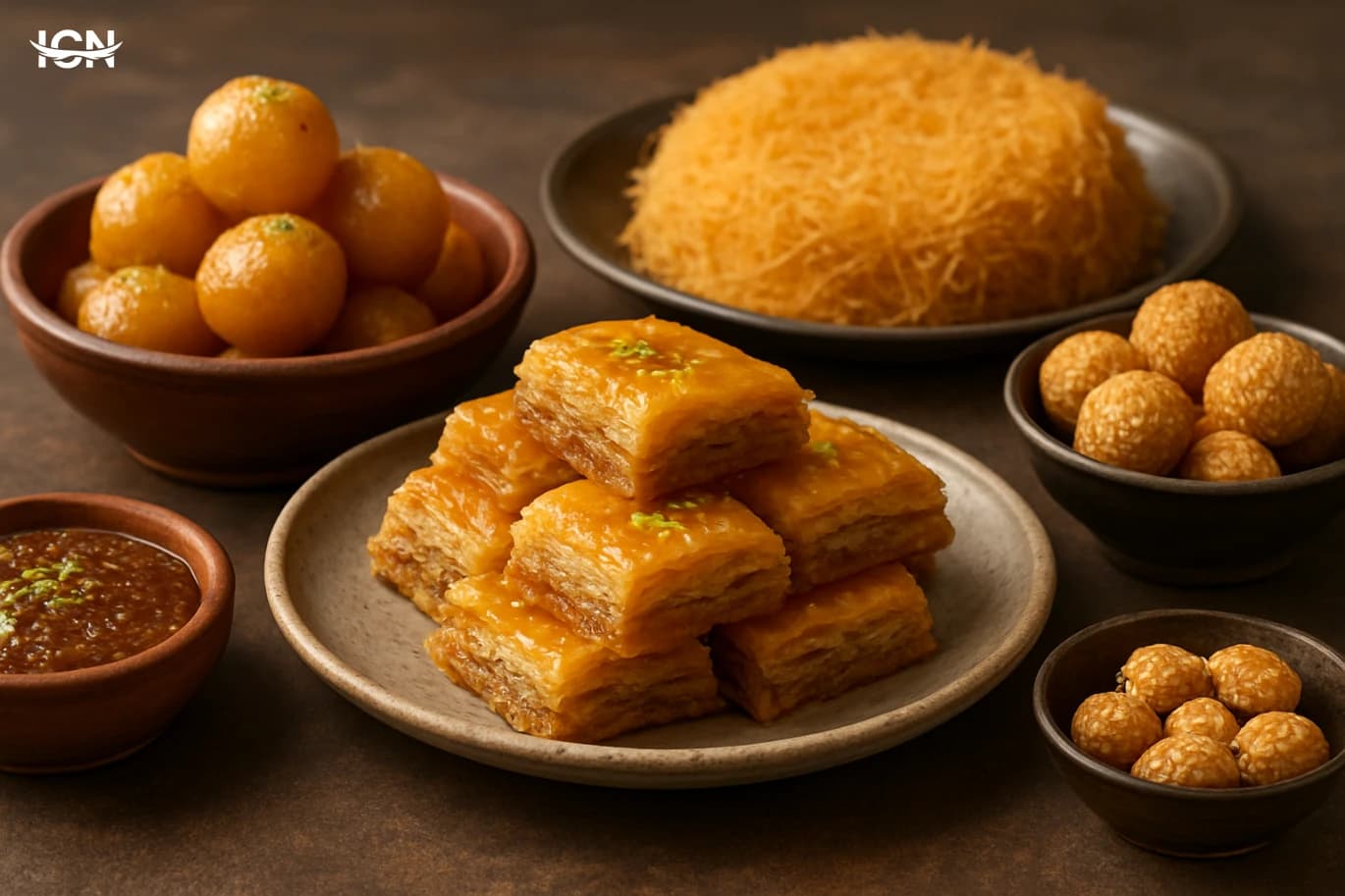
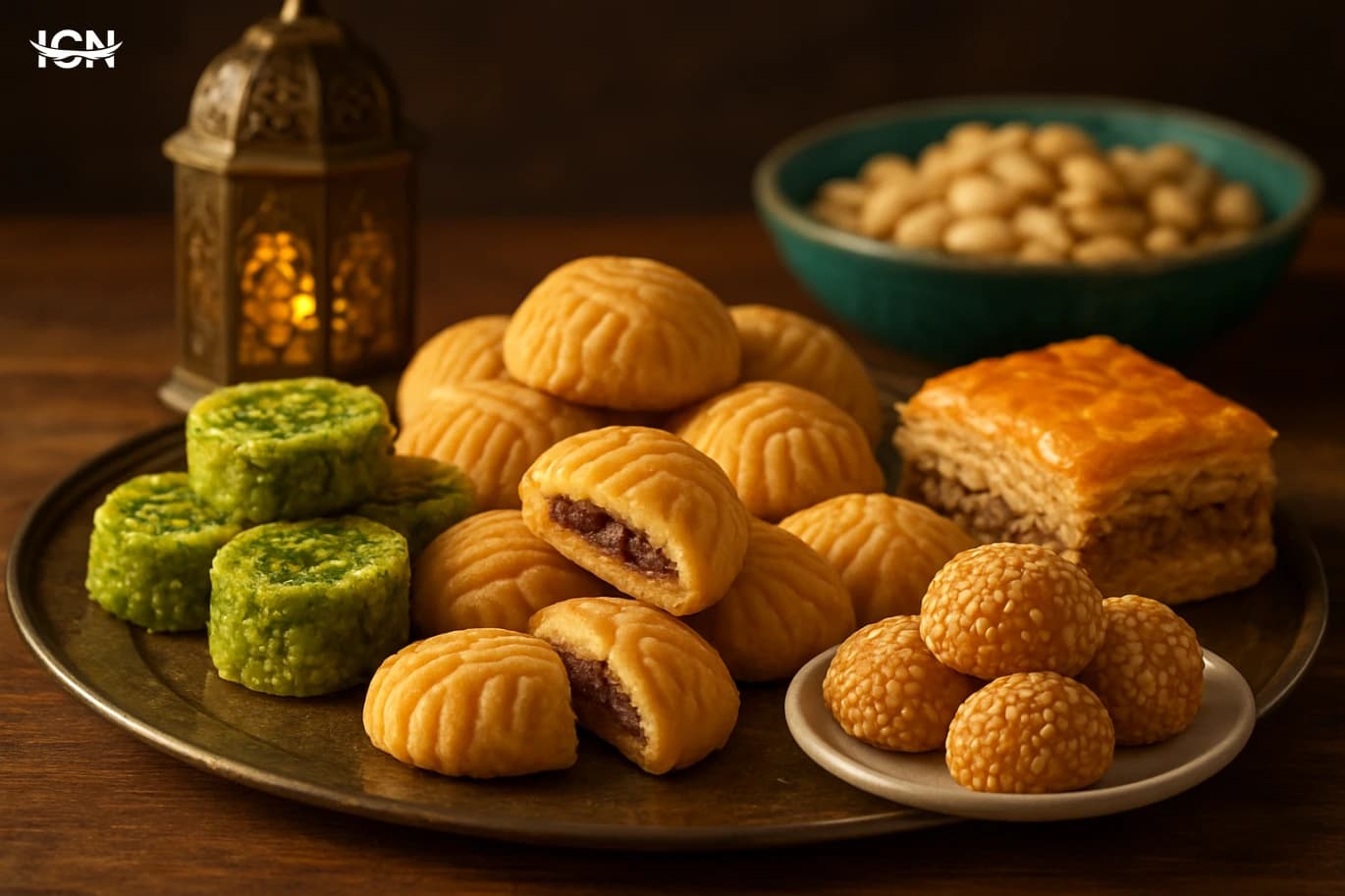
Saudi popular sweets are more than a sugar fix; they reflect local ingredients, hospitality habits, and regional preferences shaped by climate and trade routes. Dates, wheat, clarified butter, cardamom, saffron, and sesame appear repeatedly, but each area uses them differently. In the central region, you often see date-based bites and wheat-forward textures. In the western region, you find sweets influenced by pilgrimage-season markets and a wider spice palette. In the eastern region, sesame and syrupy pastries are common, alongside date products tied to oasis agriculture. These desserts are typically served in social settings: family visits, weddings, Eid gatherings, and weekend coffee sessions. Presentation matters, but practicality matters too. Many items are designed to travel well, stay stable in warm weather, or be made in batches for guests. Understanding Saudi sweets starts with recognizing this balance between taste, shelf life, and the cultural expectation of offering something sweet with Arabic coffee or tea.
Traditional Easter Sweets Around the Table
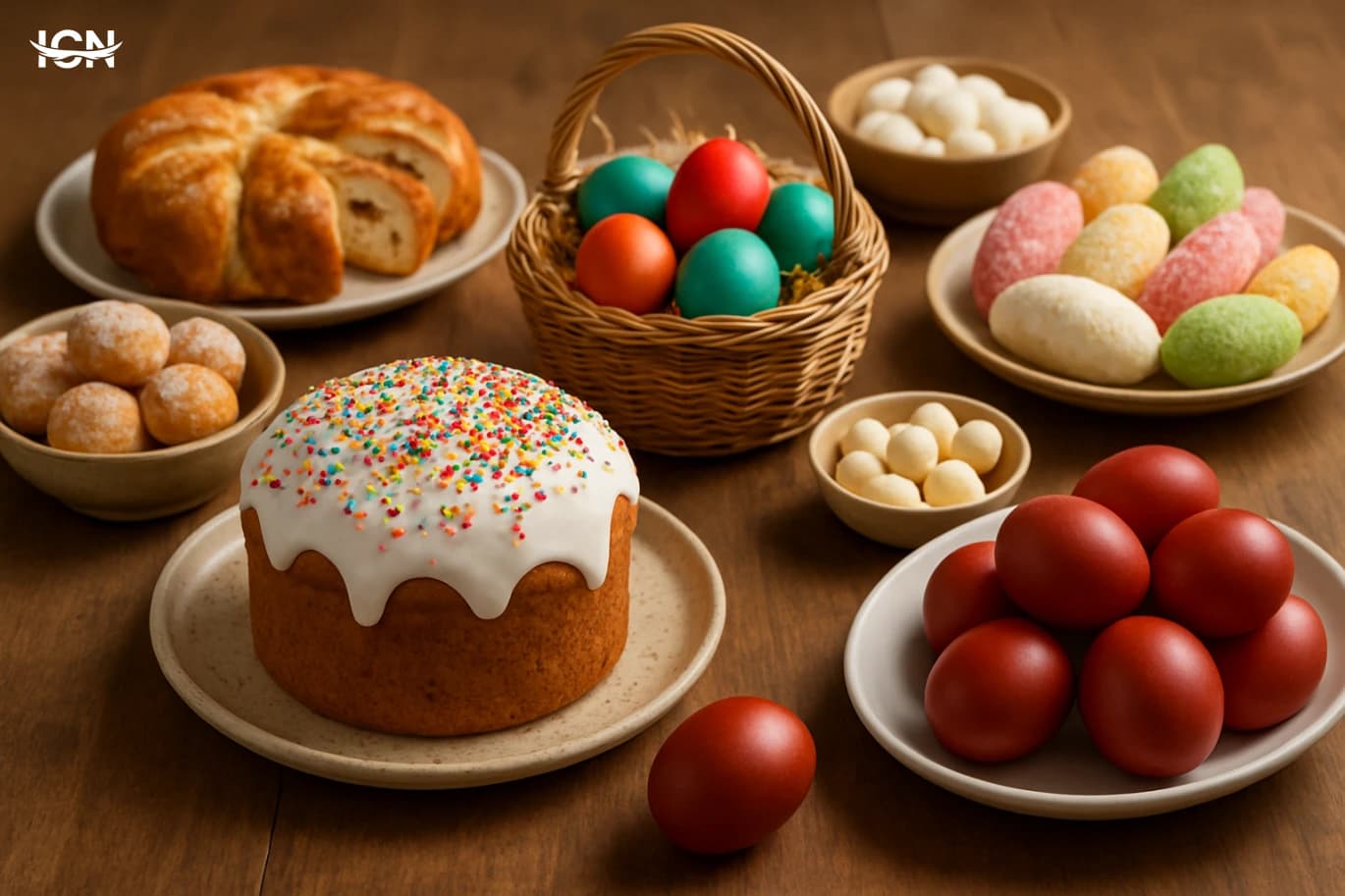
Across many cultures, Easter sweets are more than a dessert course; they are a seasonal marker that signals the end of winter and the start of spring gatherings. Families often plan baking days in advance, because many recipes rely on long resting times, enriched doughs, or careful shaping. In several regions, sweets are prepared to be shared with neighbors and visitors, which makes portioning and packaging part of the tradition. Ingredients also reflect what is practical at this time of year: flour, eggs, butter, citrus zest, dried fruit, and nuts are common, and they keep well for several days of visits. Another reason these sweets endure is their role in family memory. Many households keep handwritten notes for dough hydration, oven behavior, and preferred fillings, because small changes can affect texture and shelf life. Even when people buy bakery versions, they often compare them to a familiar standard: the crumb should be tender but not dry, the glaze should set without cracking, and the aroma should carry vanilla, citrus, or warm spices. In modern kitchens, stand mixers and precise scales make results more consistent, but the core expectation remains the same: a celebratory sweet that is easy to slice, share, and serve with tea or coffee.
Better Brownies Without the Guesswork
Brownies look simple, but most home batches miss the target because a few small choices stack up. The first issue is mismatched expectations: some people want a glossy, crackly top with a chewy center, while others expect a cake-like crumb. Using one generic recipe without adjusting technique often produces a pan that is dry at the edges and underbaked in the middle. Pan size is another common trap. A recipe written for an 8-inch square pan will bake very differently in a 9-inch pan, even if the batter looks similar; the thinner layer loses moisture faster and sets before the center has time to stay fudgy. Temperature and timing errors are just as frequent. Many ovens run hot or cold by 10–20°C, which changes how quickly the edges set and how long the center stays fluid. Pulling brownies based only on a timer usually leads to overbaking. Finally, ingredient handling matters: cocoa varies widely in fat content and acidity, butter can be melted too hot, and chocolate can be overheated and seize. The good news is that brownies respond well to a clear framework. Once you understand what each ingredient and step controls, you can reliably hit the texture you want without trial-and-error every weekend.
Date Maamoul Varieties You Should Know
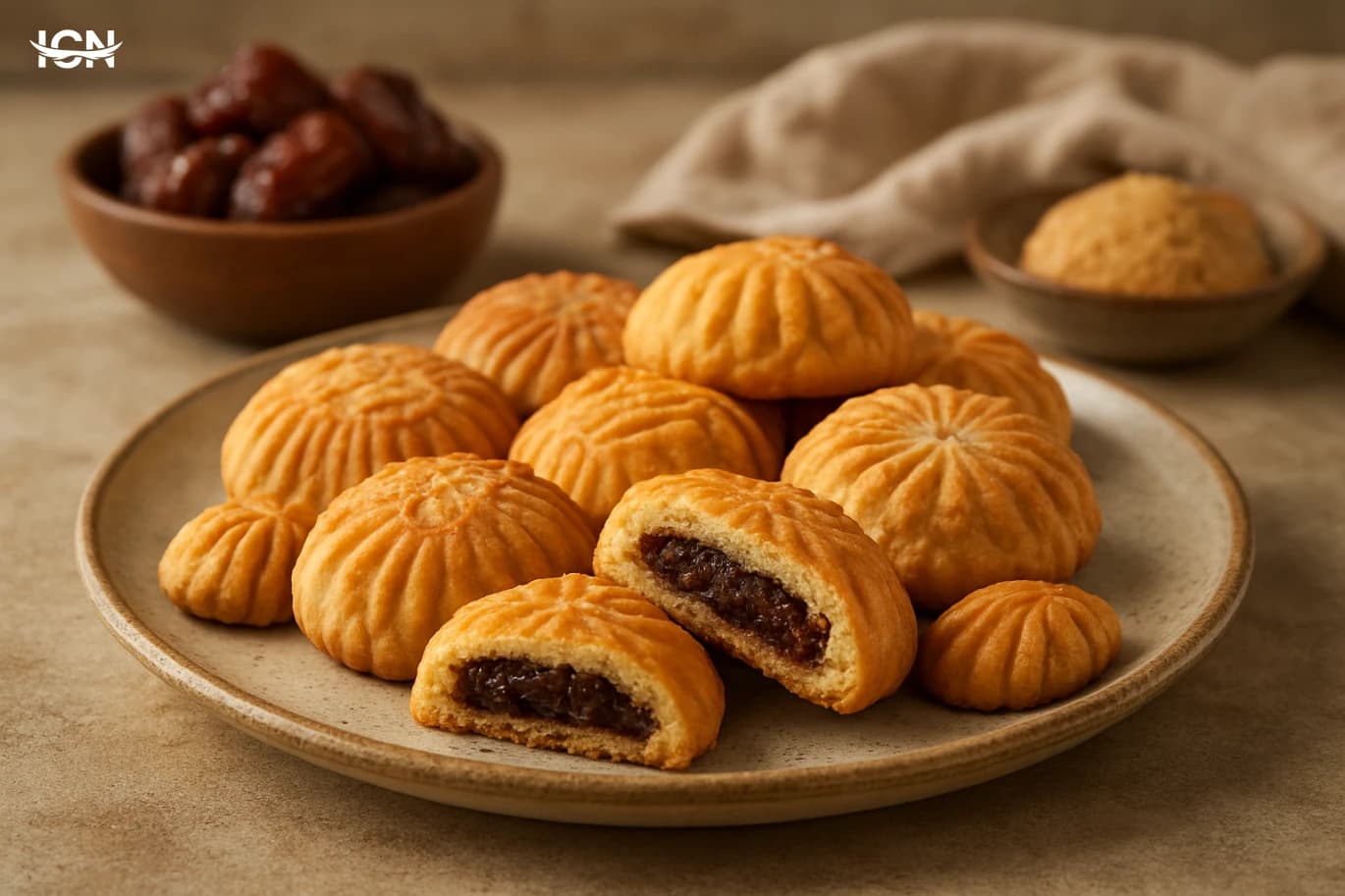
Date maamoul is often described as a simple cookie, but its identity is built on details: the type of date paste, the fat used in the dough, the thickness of the shell, and the mold pattern that signals a region or a household style. In many kitchens, the goal is balance—an outer layer that stays tender without crumbling, and a filling that is sweet yet not sticky or heavy. That balance changes depending on whether the dates are soft and caramel-like or drier and more fibrous, and whether the paste is used plain or blended with spices. Another reason maamoul stands out is how it travels across the Arab world with small but meaningful variations. Some versions lean toward a shortbread-like bite with clarified butter, while others use vegetable ghee or butter for a lighter feel. Even the baking approach matters: a slightly lower temperature can preserve a pale color and delicate texture, while a hotter bake can bring a toasted aroma that pairs well with darker date varieties. Understanding these choices makes it easier to recognize the most famous types and pick the one that matches your taste.
Better Homemade Ice Cream Without a Machine
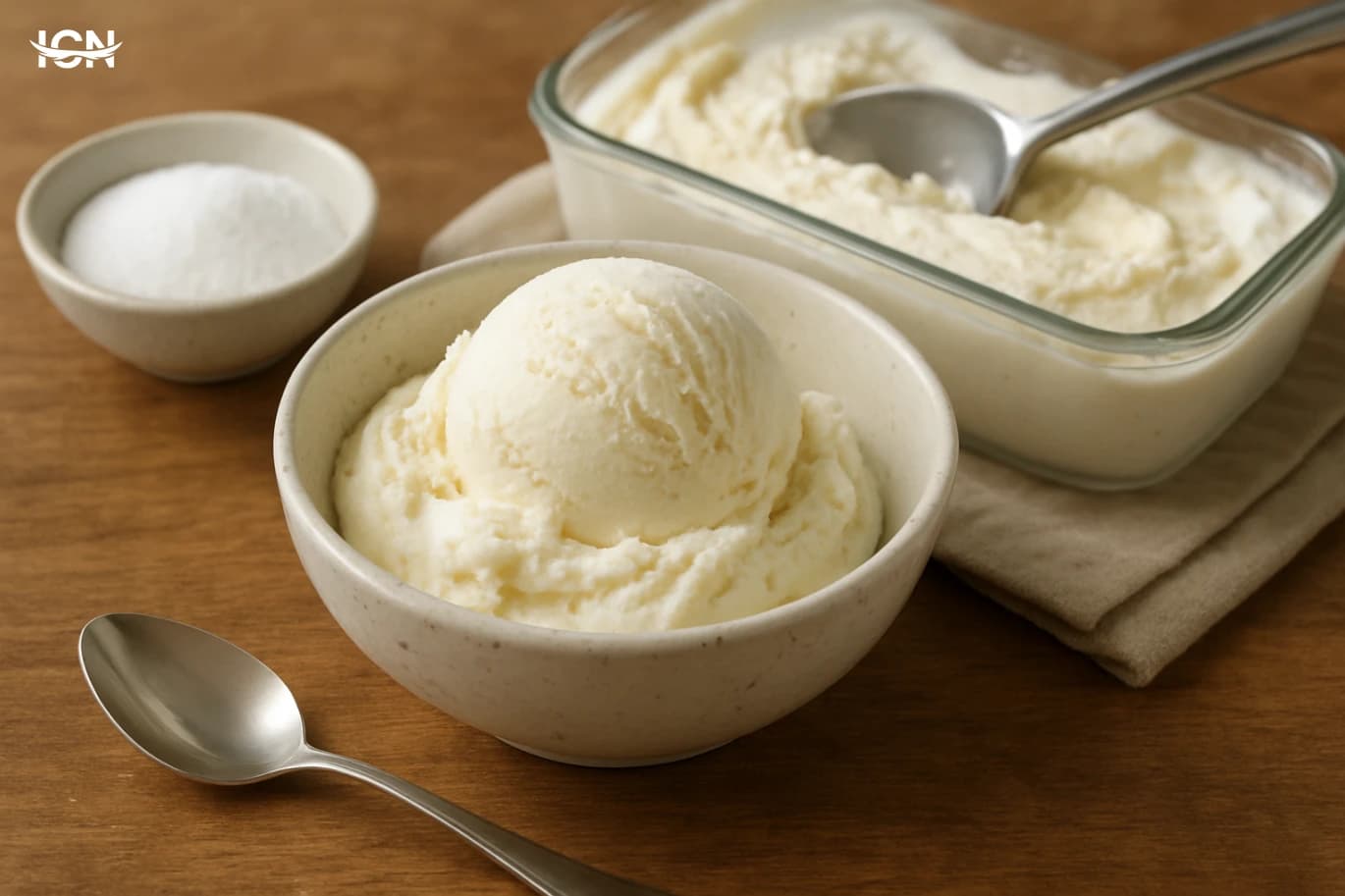
No-churn ice cream succeeds because it replaces the two jobs of an ice-cream maker—incorporating air and limiting ice crystals—with smart ingredient choices and handling. Whipped cream provides structure and tiny air bubbles, while sweetened condensed milk lowers the freezing point and keeps the mixture scoopable. The goal is not to “freeze a bowl of cream,” but to build a stable foam that can survive the freezer. When the base is balanced, you get a texture that is creamy and sliceable, not icy or crumbly. This method also fits real home kitchens. You can make a batch with a whisk or hand mixer, a loaf pan, and a freezer. The trade-off is that you must control a few variables yourself: how far you whip the cream, how quickly you combine ingredients, and how you package the mixture to reduce air exposure. With a clear process, no-churn can deliver consistent results that rival many store-bought pints.
Eid Cookies That Define the Season
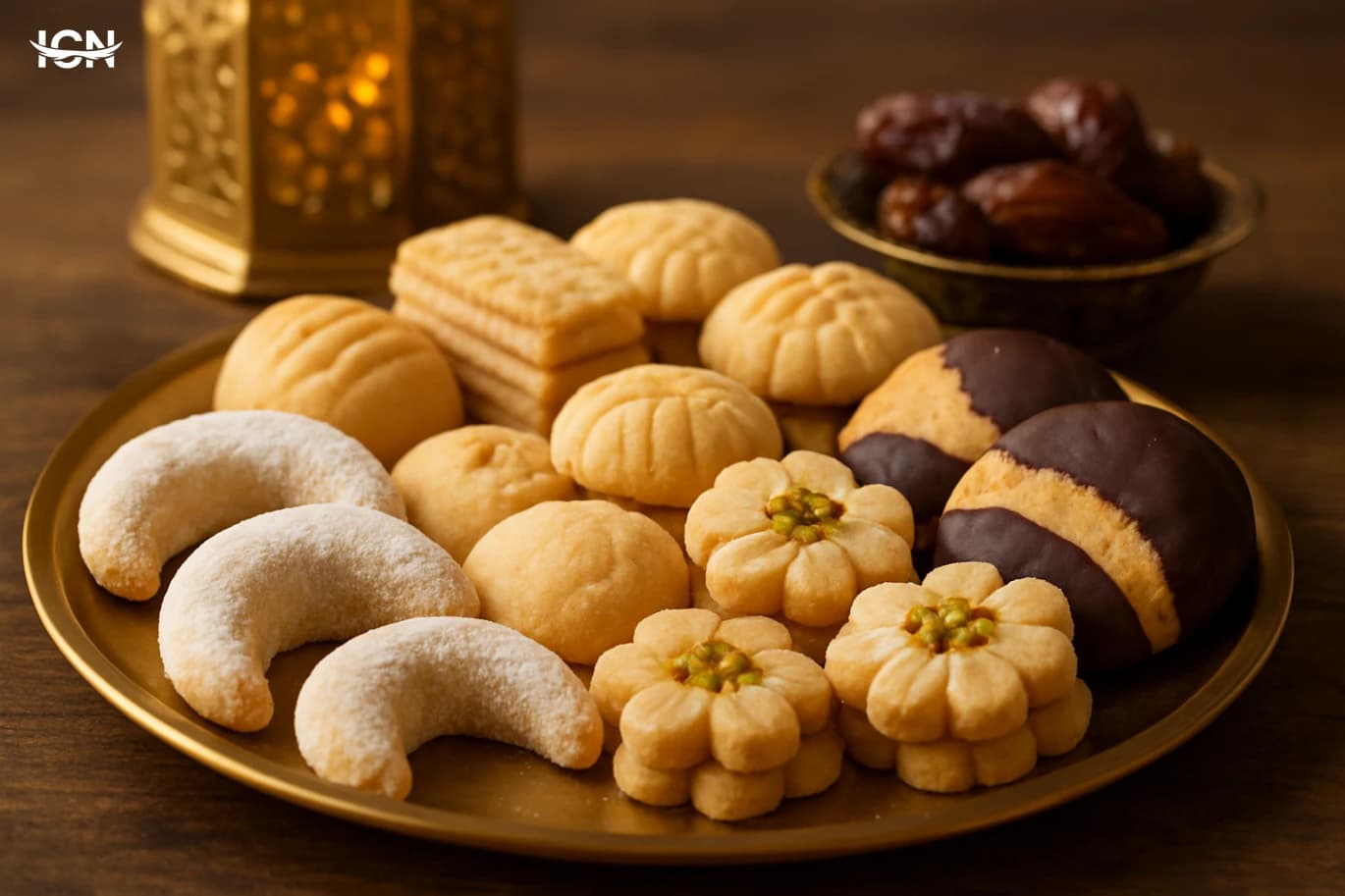
Across many Arab households, Eid cookies are more than a dessert; they are a practical way to prepare for days of visits, hospitality, and long conversations over tea and coffee. Families bake in large batches because guests can arrive at any time, and a tin of cookies is an easy, reliable offering that stays fresh for several days. The timing also matters: baking typically happens in the final days of Ramadan or right before Eid, when kitchens become busy with measuring, shaping, and packaging. Eid cookies also function as a shared routine that connects generations. Older relatives often lead the process, while younger family members learn how to shape pieces evenly, control oven heat, and recognize the right color on the bottom of the cookie. In many neighborhoods, the smell of baking is a seasonal signal that Eid is close. Even when people buy ready-made cookies, they often still keep at least one homemade batch for the sense of identity and familiarity it brings.
Ramadan Sweets and Cultural Memory
Across many Muslim-majority societies, Ramadan desserts are not treated as ordinary sweets. They appear in a specific window of the year, tied to the rhythm of fasting and the social calendar of evenings, visits, and communal meals. This seasonality gives them cultural weight: families anticipate certain flavors, shops prepare special batches, and neighborhoods develop recognizable patterns of buying and sharing. The cultural role of these sweets is also practical. After a day of fasting, households often prefer desserts that deliver quick energy, pair well with tea or coffee, and can be served to guests without extensive last-minute preparation. Over time, these preferences shaped what became “Ramadan sweets” in different regions, turning recipes into markers of local identity and continuity. The same dessert can signal a city, a family lineage, or a migration story, especially when ingredients and techniques travel and adapt.
Qatayef Traditions of Ramadan
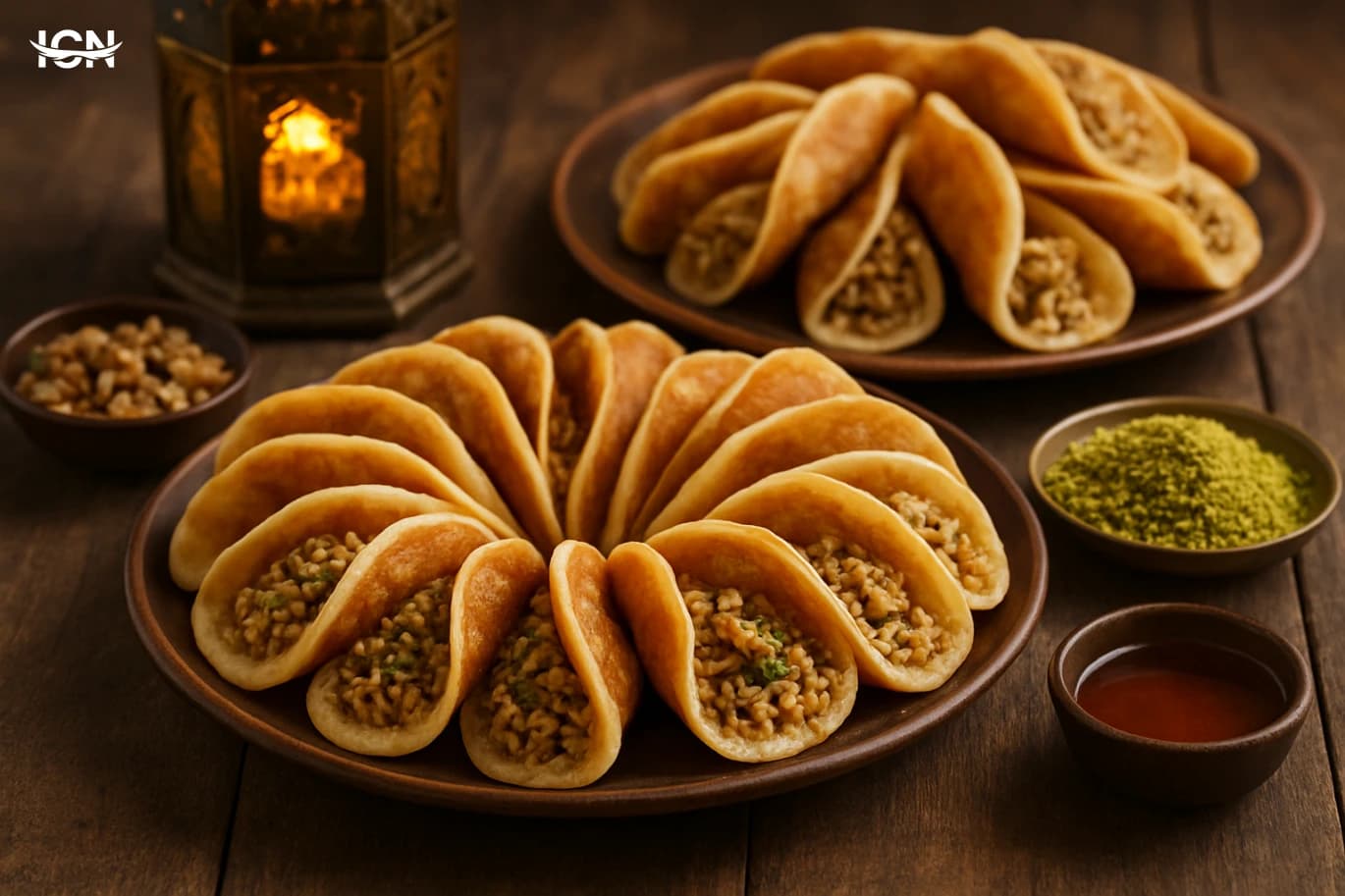
Qatayef is one of the most recognizable desserts of Ramadan in many Arab countries, appearing in homes, bakeries, and street stalls as soon as the month begins. Its appeal comes from a simple idea done well: a soft, pancake-like dough that is cooked on one side, filled, folded, and then either baked or fried before being finished with syrup. Because it can be prepared in batches and filled in different ways, it suits the rhythm of Ramadan evenings, when families want something festive but practical after iftar. In many cities, qatayef becomes part of the seasonal food economy. Bakeries sell fresh shells by the dozen, while dessert shops compete on filling quality, syrup balance, and crispness. Some households prefer buying ready-made shells and focusing on fillings at home; others treat the full process as a Ramadan ritual, especially on weekends. The dessert also travels well for visits, which makes it a common item when families exchange plates with neighbors and relatives during the month.
By clicking the SUBSCRIBE button, you are agreeing to our Privacy & Cookie Policy If you want to unsubsribe the marketing email, please proceed to our privacy center.
© 2005-2026 ICN. All Rights Reserved.