Saudi Popular Sweets Worth Tasting
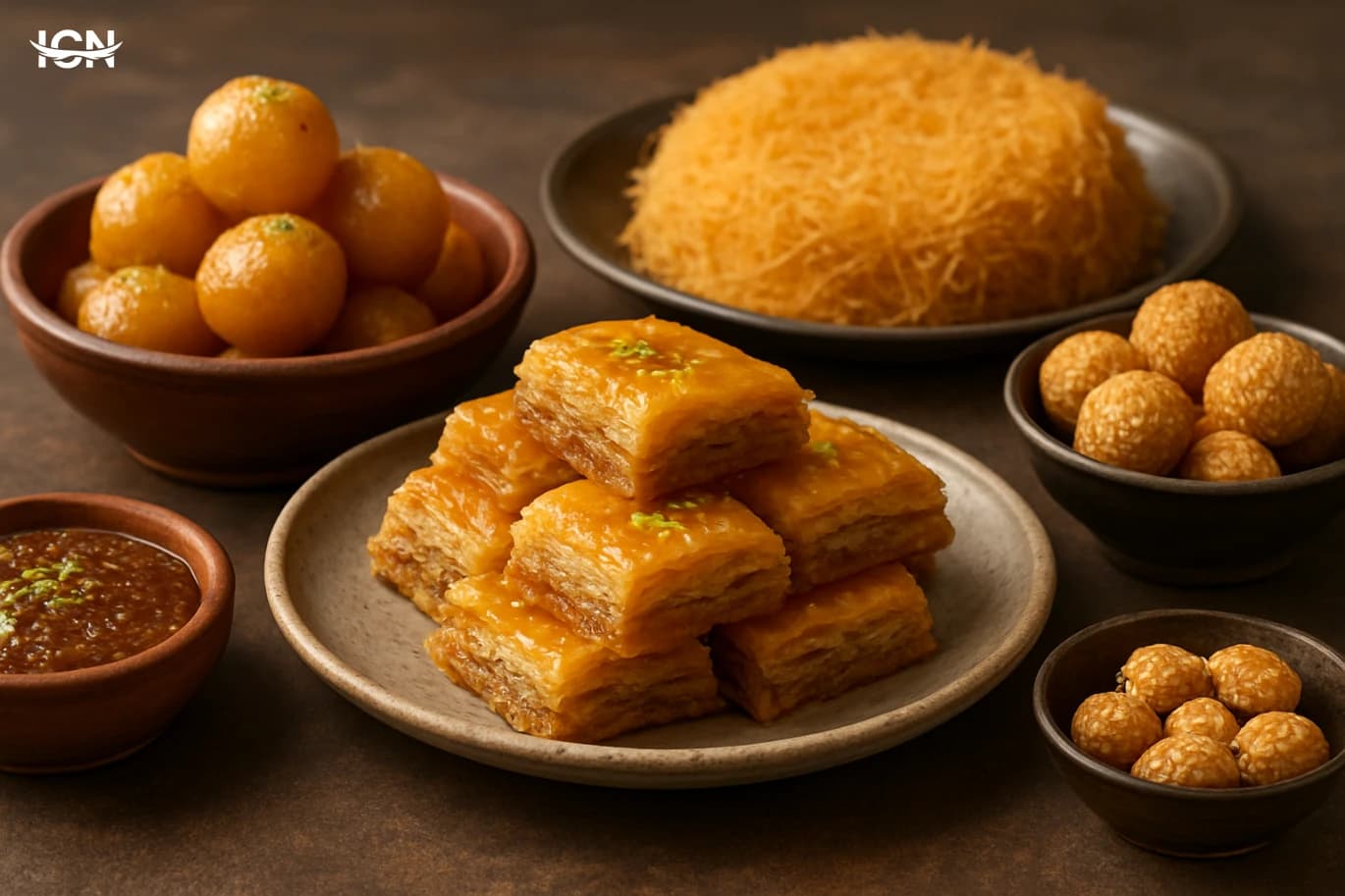
- A living dessert tradition
- Date-based classics
- Fried and syrupy favorites
- Wheat, ghee, and home-style comfort
- What to look for when buying
- bookmark
A living dessert tradition
Saudi popular sweets are more than a sugar fix; they reflect local ingredients, hospitality habits, and regional preferences shaped by climate and trade routes. Dates, wheat, clarified butter, cardamom, saffron, and sesame appear repeatedly, but each area uses them differently. In the central region, you often see date-based bites and wheat-forward textures. In the western region, you find sweets influenced by pilgrimage-season markets and a wider spice palette. In the eastern region, sesame and syrupy pastries are common, alongside date products tied to oasis agriculture. These desserts are typically served in social settings: family visits, weddings, Eid gatherings, and weekend coffee sessions. Presentation matters, but practicality matters too. Many items are designed to travel well, stay stable in warm weather, or be made in batches for guests. Understanding Saudi sweets starts with recognizing this balance between taste, shelf life, and the cultural expectation of offering something sweet with Arabic coffee or tea.
Date-based classics
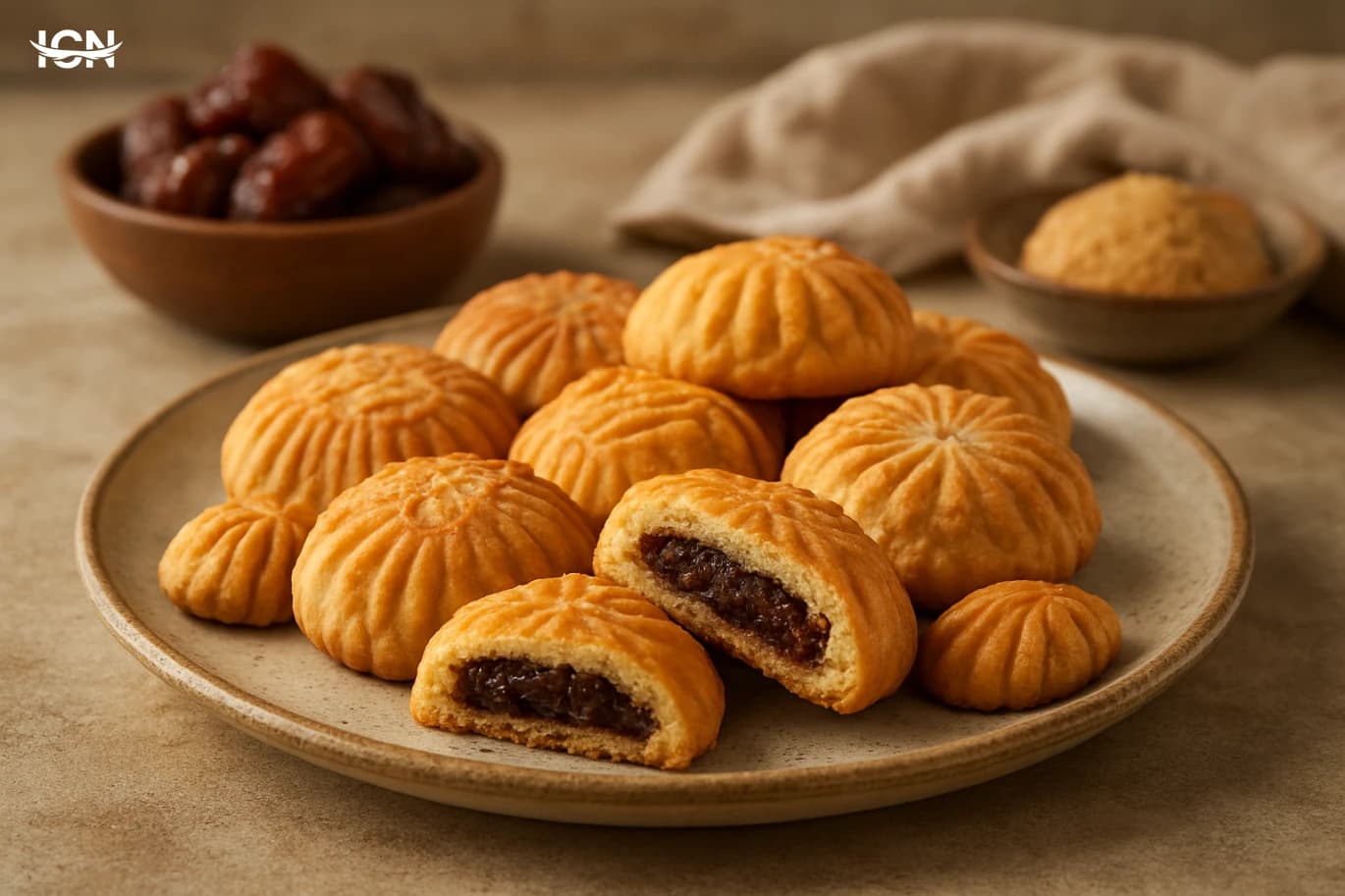
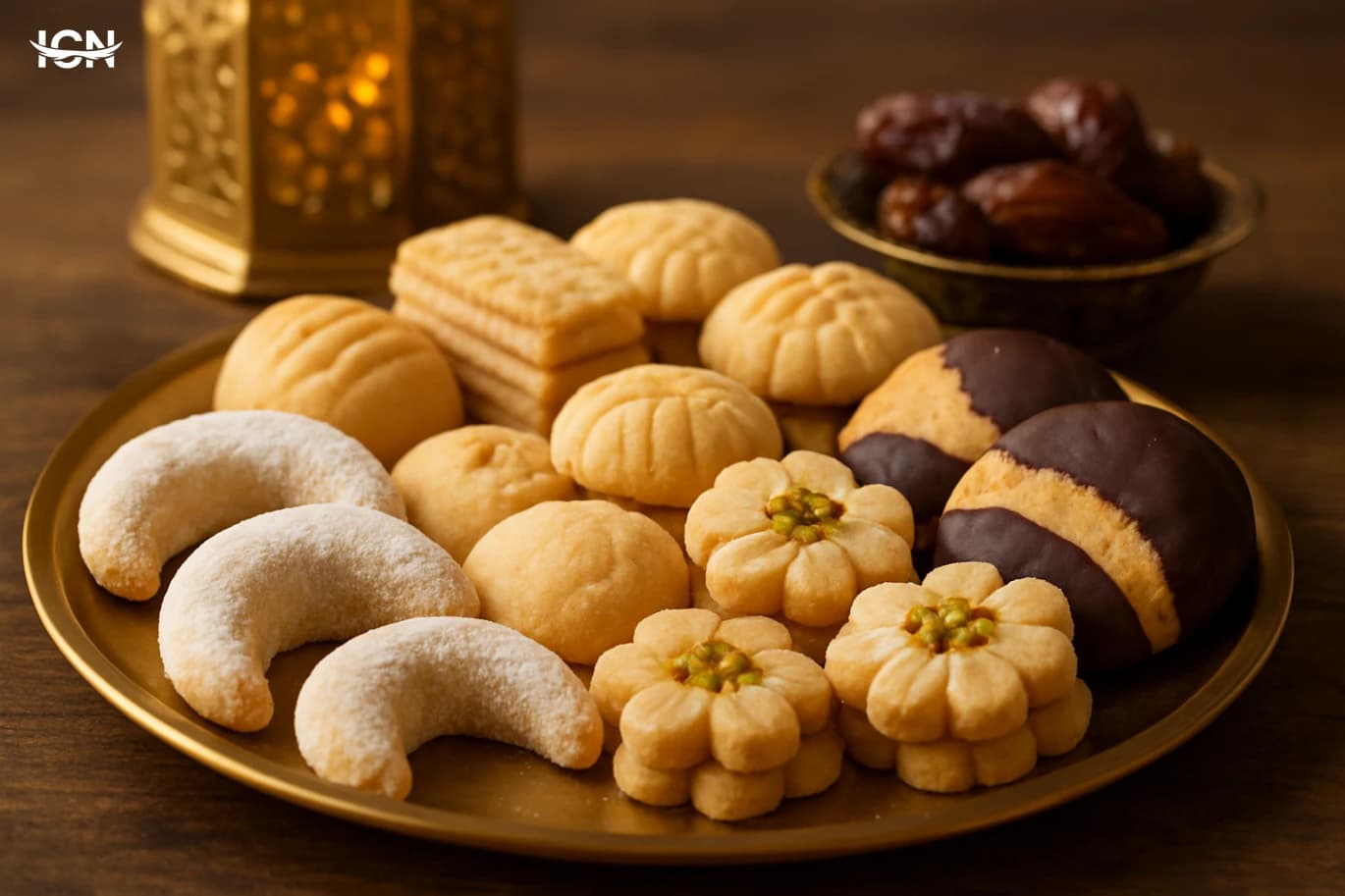
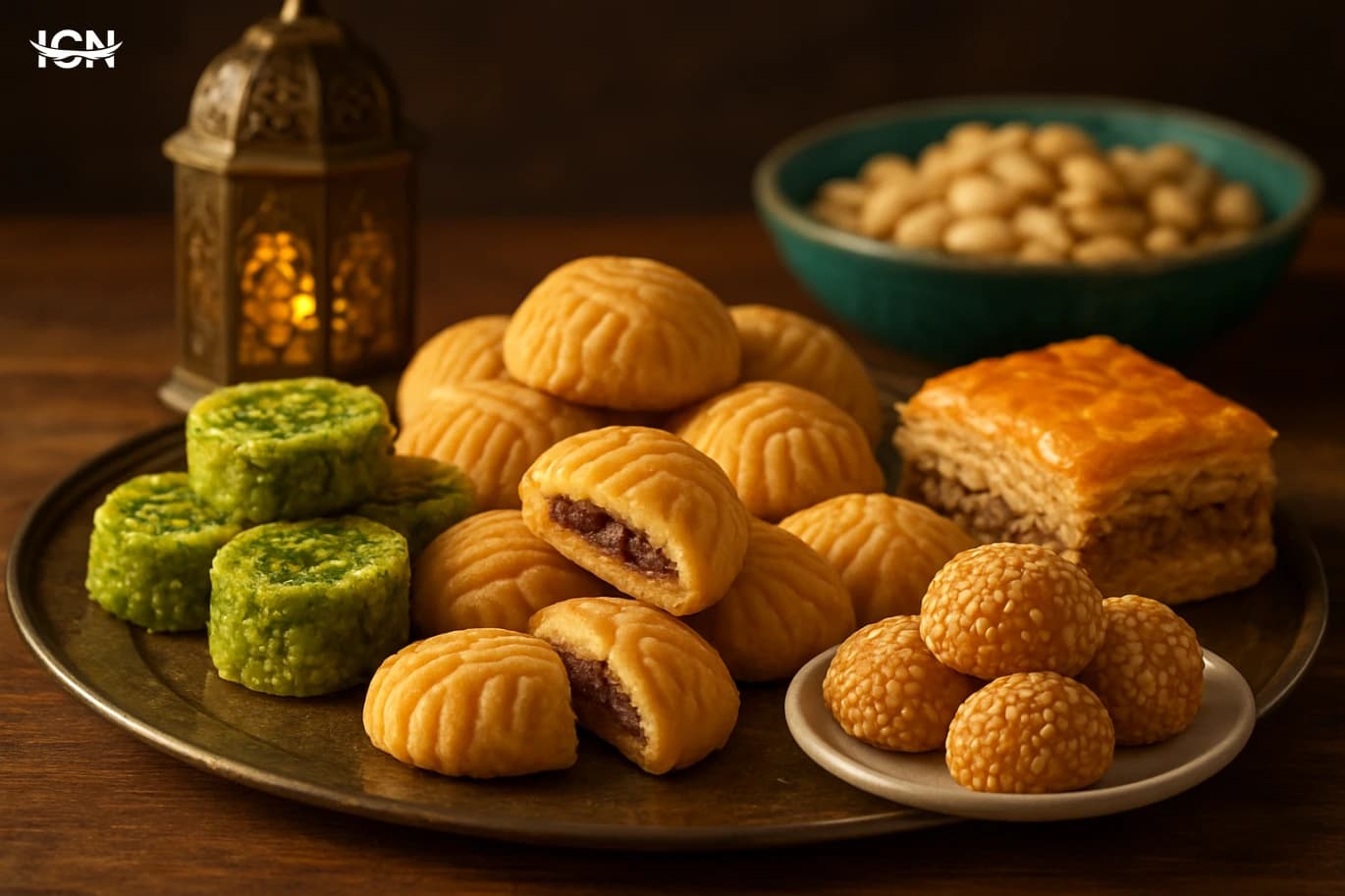
Dates are the backbone of many Saudi sweets, not only as a sweetener but as a texture builder. One widely recognized example is kleija, a filled cookie often shaped in small rounds or ovals. Fillings vary by household, but date paste is a staple, frequently mixed with cinnamon or cardamom. The dough can be soft and tender or slightly crisp, depending on the fat used and baking time. Kleija is common in home baking and also sold in bakeries and gift boxes, especially around holidays. Another date-centered favorite is hanini, associated with the central region. It is typically made by combining dates with browned flour and generous amounts of ghee or butter, then seasoning with cardamom. The result is dense, warm, and aromatic, often served in a communal dish and portioned with a spoon. It is popular in cooler months because it feels substantial and pairs well with hot coffee. You will also encounter maamoul-style date cookies in many Saudi homes, sometimes called by local names. While similar items exist across the region, Saudi versions often emphasize date quality and a spice profile that leans toward cardamom and sometimes saffron. For travelers, date-based sweets are also among the easiest to take home because they hold their shape and flavor for days when stored properly.
Fried and syrupy favorites
Alongside date sweets, Saudi tables feature fried pastries and syrup-soaked bites that are especially popular during gatherings and festive seasons. Luqaimat are small fried dough balls, crisp on the outside and airy inside, typically finished with date molasses or sugar syrup and sometimes sprinkled with sesame. They are served hot, and timing is part of their appeal: the best batches are eaten minutes after frying. Another well-known item is zalabiya, which can appear as spirals, lattices, or small fritters depending on the vendor. The batter is fried until golden and then dipped in syrup. In some places it is lightly flavored with saffron or cardamom, and the syrup concentration determines whether the final bite is light and glossy or deeply sticky. These sweets are common in neighborhood shops and seasonal stalls, and they are also made at home when families want something quick that feels celebratory. For a cleaner flavor and better texture, many cooks focus on oil temperature control and syrup consistency. When done well, the result is not just sweetness but a contrast between crunch and softness that pairs naturally with unsweetened tea or Arabic coffee.
Wheat, ghee, and home-style comfort
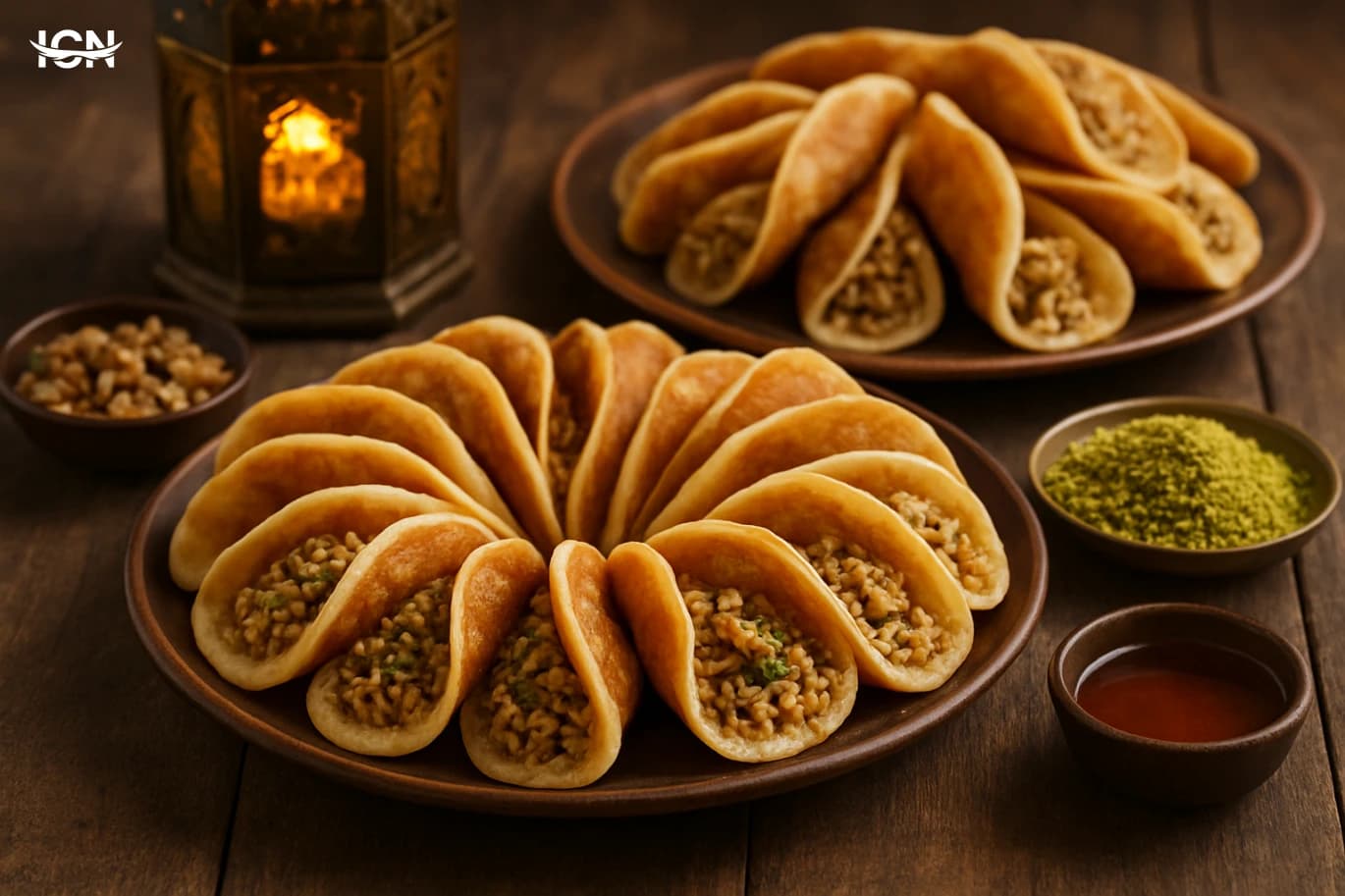
Some of the most distinctive Saudi sweets rely on wheat and ghee for a toasted, nutty profile. Masabeeb, often described as thin pancakes, can be served in sweet form with honey, date syrup, or molasses. Texture is key: they should be tender with lightly browned edges, and they are frequently served stacked for sharing. Families may add cardamom or a touch of saffron to the batter, and toppings can include cream or clotted cream depending on preference. Another comfort-style sweet is asida, a thick wheat-based dish that appears in several regions with local variations. In sweet versions, it is topped with ghee and honey or date syrup, and sometimes garnished with sesame. It is typically served warm and eaten with a spoon, making it a practical dessert for larger gatherings. These wheat-forward sweets highlight a different side of Saudi dessert culture: less about delicate pastry work and more about straightforward, filling dishes that use pantry staples. They also show how sweetness can be layered through toppings rather than baked into the base, allowing each guest to adjust richness and sweetness to taste.
What to look for when buying
If you are buying Saudi popular sweets from a bakery, a market, or a gift shop, a few practical checks help you get better quality. For date-filled items like kleija, look for a balanced ratio of dough to filling; too much dough can taste dry, while too much filling can leak and become overly sticky. Freshness shows in aroma: cardamom and baked notes should be clear without a stale oil smell. For fried sweets such as luqaimat and zalabiya, ask whether they are made to order or held for long periods. Fresh batches should feel light, not greasy, and the syrup should coat rather than soak through completely. If syrup pools heavily at the bottom of the container, the texture may turn soggy. For wheat-and-ghee desserts, quality ghee makes a noticeable difference. The flavor should be clean and nutty, not overly sharp. Also consider portion size and packaging, especially if you are traveling. Many shops offer sealed trays, date-based assortments, and individually wrapped pieces that handle transport better. Finally, pairings matter: if you plan to serve sweets with Arabic coffee, choose items with cardamom, sesame, or date notes that complement coffee’s bitterness rather than competing with it.
bookmark
Use this section as a quick tasting plan. If you want a date-forward sampler, choose kleija plus a small portion of hanini, then add Arabic coffee to keep the sweetness in check. If you prefer crisp textures, prioritize luqaimat made fresh and a piece of zalabiya with a lighter syrup. For a home-style spread, include masabeeb with honey or date syrup and serve it with tea. A practical way to explore variety is to buy small quantities from different places rather than a single large box. Note the spice profile you enjoy most, such as cardamom-heavy, sesame-forward, or saffron-tinted, and use that preference to guide your next purchase. Over time, you will notice how the same dessert name can vary by region and by household, which is part of what makes Saudi popular sweets a diverse and rewarding category to taste.