Modern Basque Cheesecake at Home
- Why Basque Cheesecake Became a Modern Classic
- Ingredients That Control Texture and Flavor
- Step-by-Step Method for a Reliable Bake
- Common Mistakes and How to Fix Them
- Serving Ideas and Flavor Variations That Stay True
Why Basque Cheesecake Became a Modern Classic
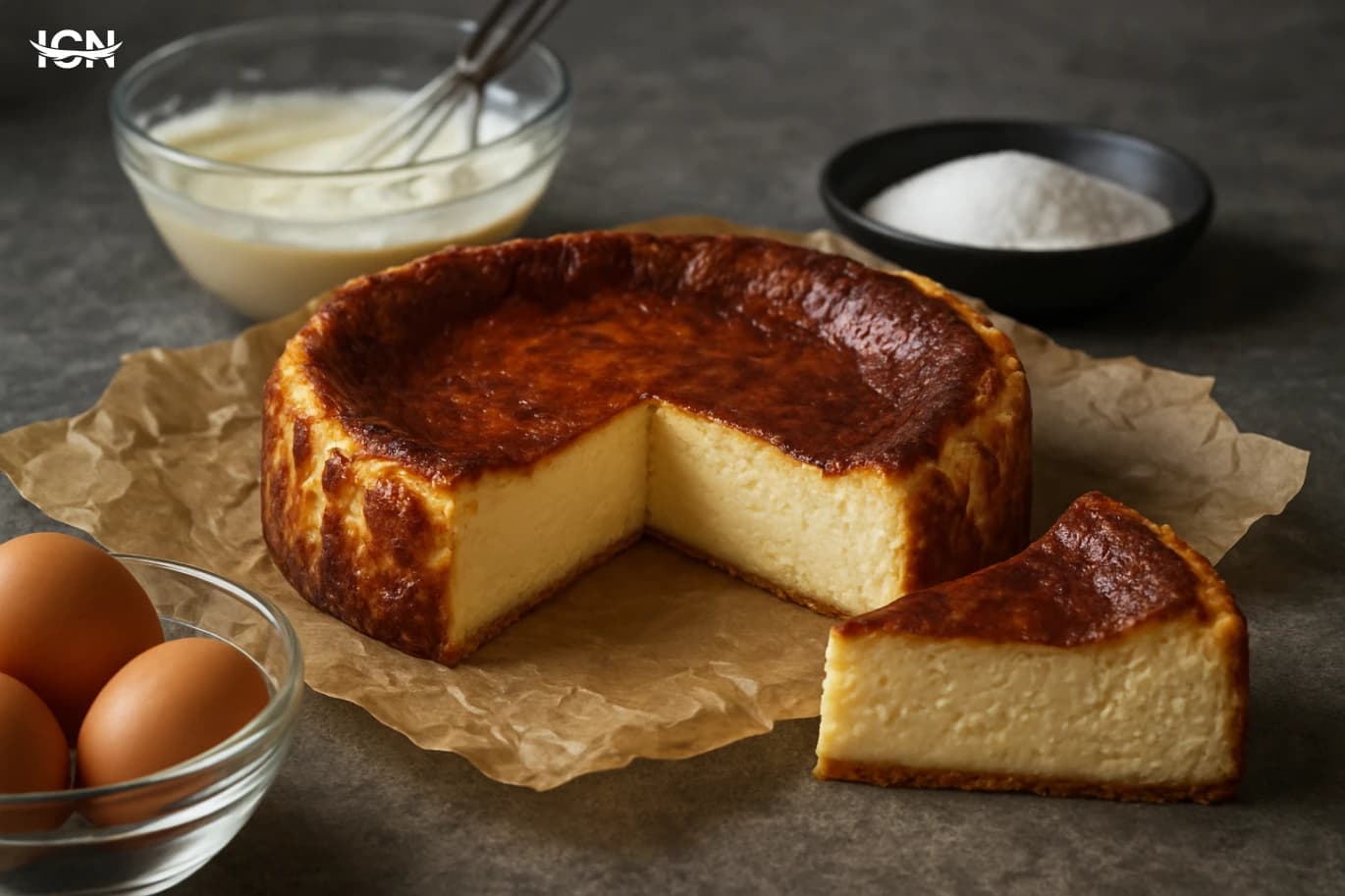
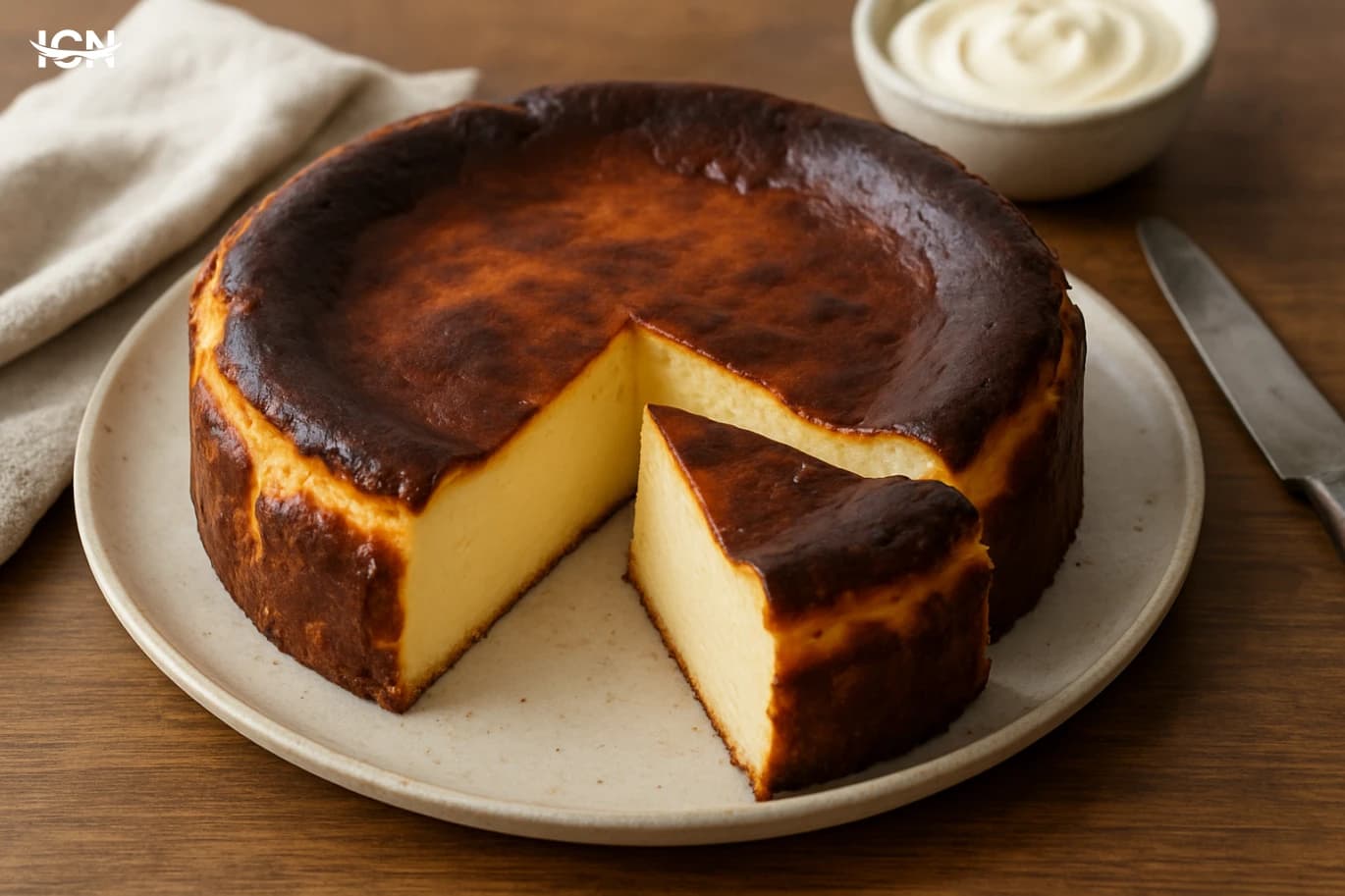
Basque cheesecake stands out because it breaks the usual “perfectly smooth” cheesecake rules. It is intentionally baked hot so the top turns deeply caramelized while the center stays creamy and slightly custardy. That contrast is the entire point: a bold roasted flavor on the outside and a soft, rich texture inside. Unlike many classic cheesecakes, it typically skips a crust, which makes it faster to assemble and easier to slice cleanly. For home bakers, its popularity is also practical. It does not require a water bath, and it is forgiving about minor surface cracks because the top is meant to look rustic. The key is understanding what “done” looks like: the edges should be set, the center should still wobble, and the cake should finish setting as it cools. When you get that timing right, you can produce a dessert that feels restaurant-level without specialized equipment.
Ingredients That Control Texture and Flavor
The ingredient list is short, but each item has a clear job. Cream cheese provides structure and tang, and full-fat versions give a smoother mouthfeel. Eggs set the custard; too many can make the texture rubbery, while too few can leave it overly loose. Sugar does more than sweeten: it supports browning on the top and balances the dairy flavor. Heavy cream softens the body and helps create the signature creamy center. Flour is optional and should be used carefully. A small amount can stabilize slicing and reduce the risk of a runny center, but too much pushes the cake toward a baked pudding texture. Vanilla is common, but it should stay subtle so the roasted dairy notes remain the focus. Salt matters as well; a small pinch makes the caramelized top taste deeper and keeps the sweetness from feeling flat. Temperature is part of the ingredient story. Using room-temperature cream cheese and eggs reduces lumps and prevents overmixing. Overmixing introduces excess air, which can lead to a taller rise and a more dramatic collapse. For a consistent result, aim for a smooth batter that is mixed just until uniform.
Step-by-Step Method for a Reliable Bake
Start with the pan setup. A springform pan is convenient, but any high-sided round pan can work if lined properly. Use two layers of parchment that rise above the rim; Basque cheesecake often climbs high during baking, and the parchment prevents sticking and supports the rustic sides. Preheat the oven fully, because the initial heat is what creates the dark top. Mixing should be controlled. Beat the cream cheese and sugar until smooth, then add eggs one at a time, mixing only until each disappears. Pour in the cream and any flavoring, then finish with a brief mix to combine. If you use flour, sift it in and mix minimally. Strain the batter only if you see lumps; otherwise, straining can be unnecessary. Bake at a high temperature until the top is deeply browned and the center still jiggles. The exact time depends on pan size and oven behavior, so rely on visual cues: the edges should look set and slightly puffed, while the center moves like a soft custard when you gently shake the pan. Cool at room temperature, then chill for several hours. Chilling is not just for serving; it stabilizes the slice and makes the texture feel dense yet creamy.
Common Mistakes and How to Fix Them
A pale top is usually an oven issue. If the cheesecake sets without browning, the oven may be running cool or the rack position may be too low. Use an oven thermometer if possible, and bake on a higher rack to encourage top color. Another cause is low sugar; reducing sugar too aggressively can limit caramelization. A grainy texture often comes from overbaking or using low-fat dairy. Basque cheesecake should not be baked until fully firm in the center. If you wait for a completely set middle, the residual heat will push it past the ideal point. Aim for a pronounced jiggle and trust the chill time. Lumps in the batter are usually from cold cream cheese; letting it soften and mixing patiently at the start prevents this. If the center is too runny even after chilling, the cake likely needed a few more minutes in the oven or a slightly smaller pan. Next time, extend baking in short increments and watch the edge set. If the cake collapses dramatically, it may have been overmixed with too much air or baked too hot for too long. Mix gently and focus on the visual cues rather than a strict timer.
Serving Ideas and Flavor Variations That Stay True
Basque cheesecake is best served in thick slices, slightly cool so the center feels creamy but not liquid. For clean cuts, use a warm knife and wipe between slices. Because the cake has a strong roasted dairy profile, toppings should be simple and not overly sweet. Fresh berries, lightly macerated strawberries, or a spoon of tart berry compote work well because they add acidity and contrast. A dusting of powdered sugar is optional, but it can soften the visual intensity of the dark top. If you want a café-style plate, add a small dollop of unsweetened whipped cream and a few pieces of fruit rather than heavy sauces. For variations, keep the base method and adjust flavor in measured ways. Citrus zest can brighten the batter without changing texture. A small amount of espresso powder deepens the roasted notes. For a nutty angle, serve with toasted almonds on the side rather than mixing nuts into the batter, which can disrupt the custard feel. The goal is to keep the signature contrast: caramelized top, creamy center, and a clean dairy-forward finish.