Ramadan Sweets and Cultural Memory
- A seasonal table with deep roots
- Signature sweets across regions
- Ingredients as cultural markers
- Home kitchens, craft shops, and street stalls
- Hospitality, gifting, and social exchange
- Modern shifts and preserving tradition
A seasonal table with deep roots
Across many Muslim-majority societies, Ramadan desserts are not treated as ordinary sweets. They appear in a specific window of the year, tied to the rhythm of fasting and the social calendar of evenings, visits, and communal meals. This seasonality gives them cultural weight: families anticipate certain flavors, shops prepare special batches, and neighborhoods develop recognizable patterns of buying and sharing. The cultural role of these sweets is also practical. After a day of fasting, households often prefer desserts that deliver quick energy, pair well with tea or coffee, and can be served to guests without extensive last-minute preparation. Over time, these preferences shaped what became “Ramadan sweets” in different regions, turning recipes into markers of local identity and continuity. The same dessert can signal a city, a family lineage, or a migration story, especially when ingredients and techniques travel and adapt.
Signature sweets across regions
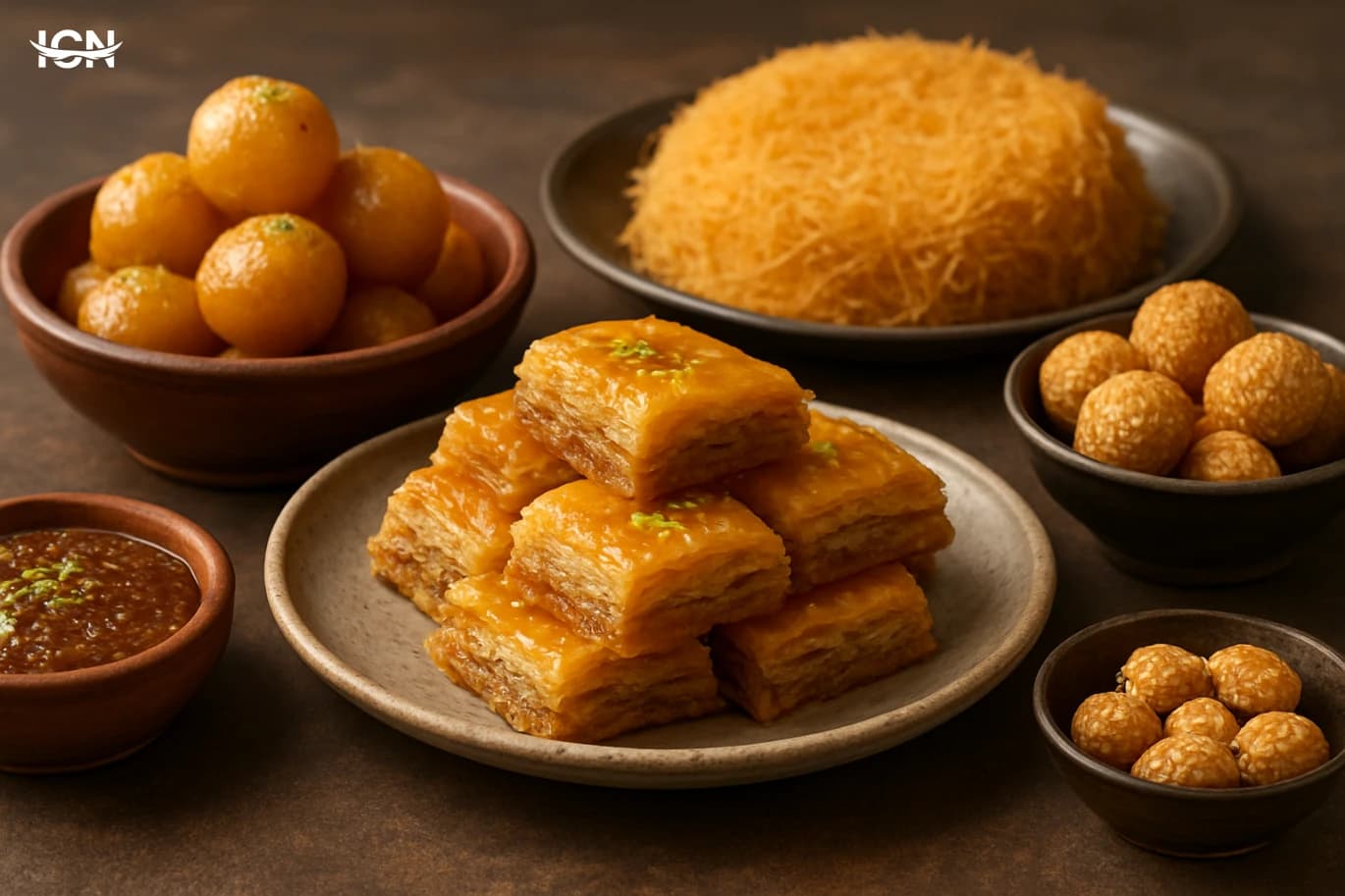
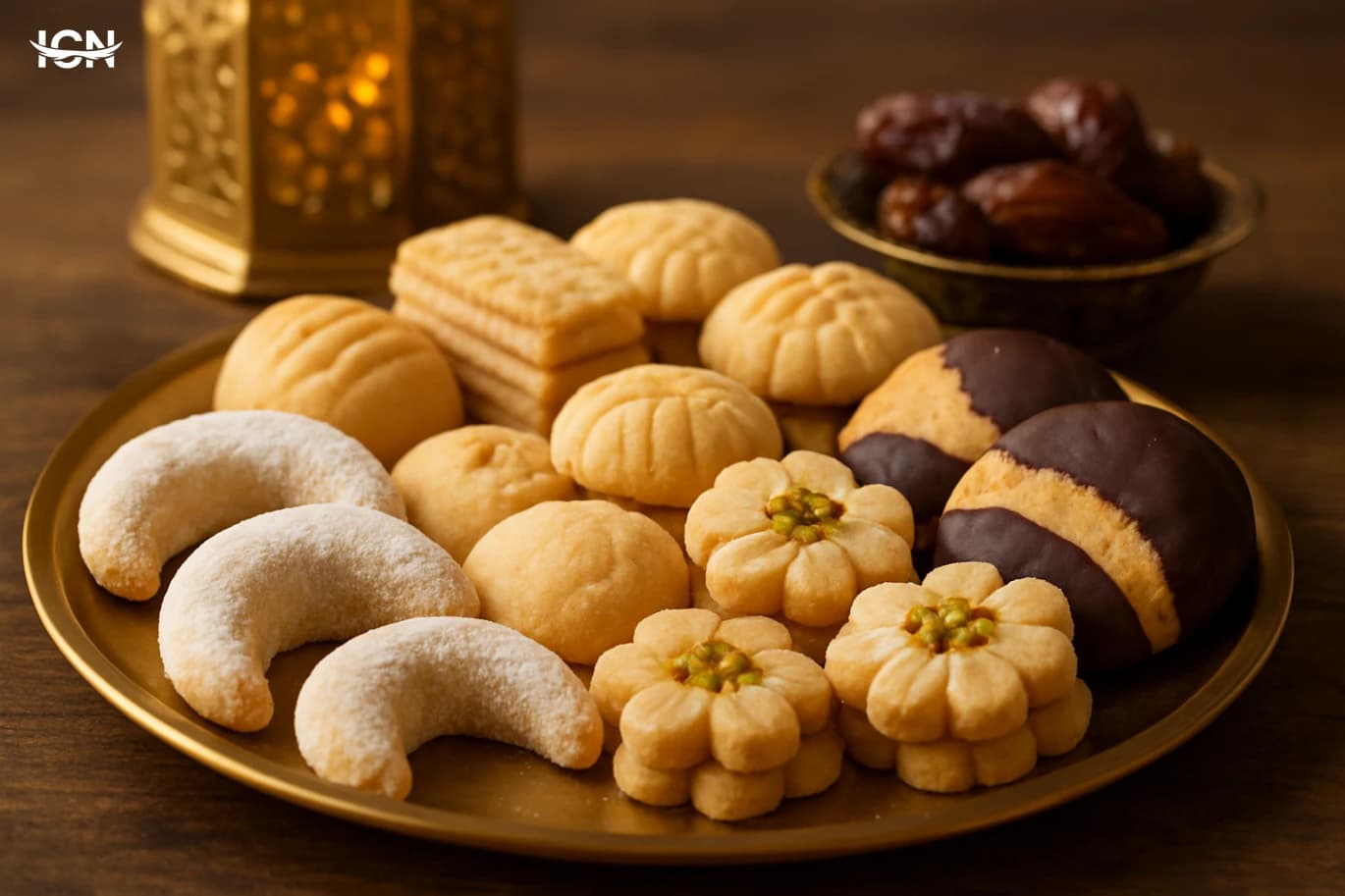
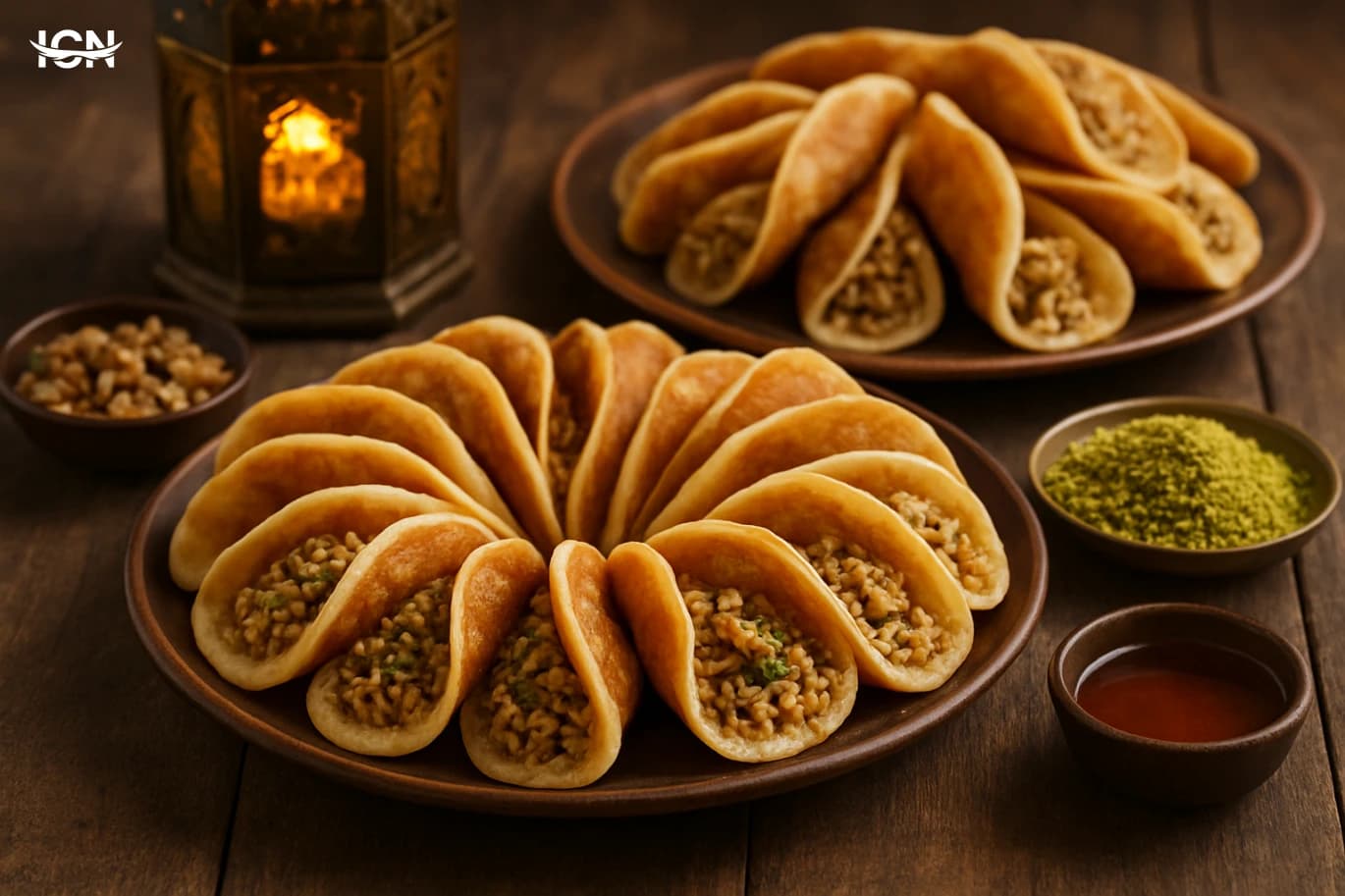
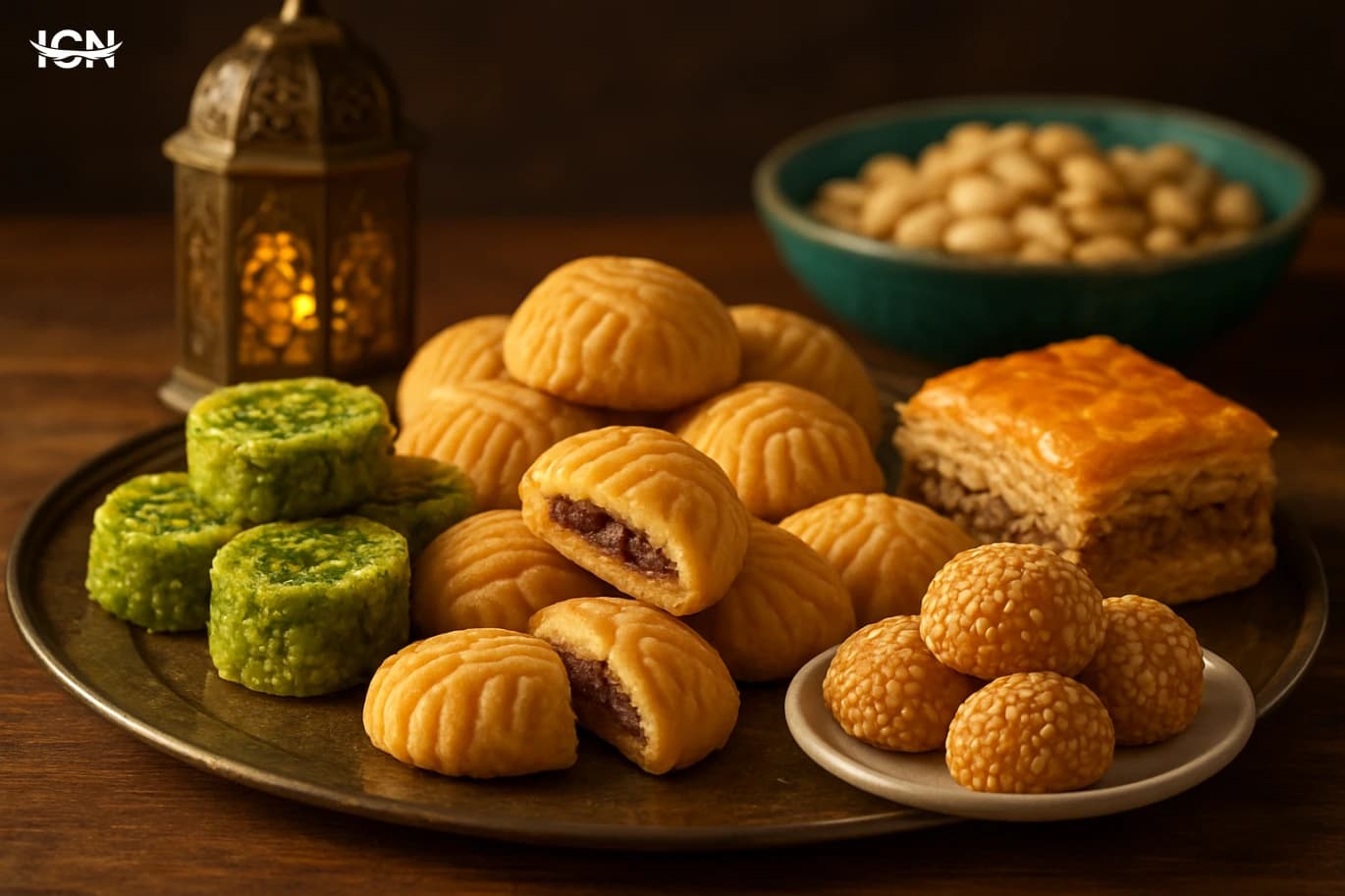
The Ramadan dessert landscape is diverse, but certain categories recur: syrup-soaked pastries, milk-based puddings, fried dough sweets, and nut-filled bites. In the Levant, qatayef becomes a seasonal headline. Its half-moon pancakes are filled with cheese, walnuts, or clotted cream, then either fried and soaked in syrup or served “asafiri” with cream and pistachio. The dessert’s popularity is reinforced by its short production season and the street-side stalls that sell it fresh. In Egypt, kunafa and qatayef share the spotlight, while basbousa and konafa variations appear in both home kitchens and commercial bakeries. The Gulf has a strong tradition of luqaimat, small fried dumplings drizzled with date syrup or honey and often sprinkled with sesame. In North Africa, chebakia in Morocco is closely associated with Ramadan evenings: a sesame-and-anise dough shaped into a flower, fried, then glazed with honey and coated with sesame. In Turkey and parts of the Balkans, güllaç—thin starch sheets softened in sweetened milk and layered with nuts—signals the month with a lighter profile than heavy syrup pastries. These examples show how one month can host multiple dessert identities. The shared idea is not a single recipe, but a seasonal repertoire shaped by local ingredients, climate, and taste preferences.
Ingredients as cultural markers
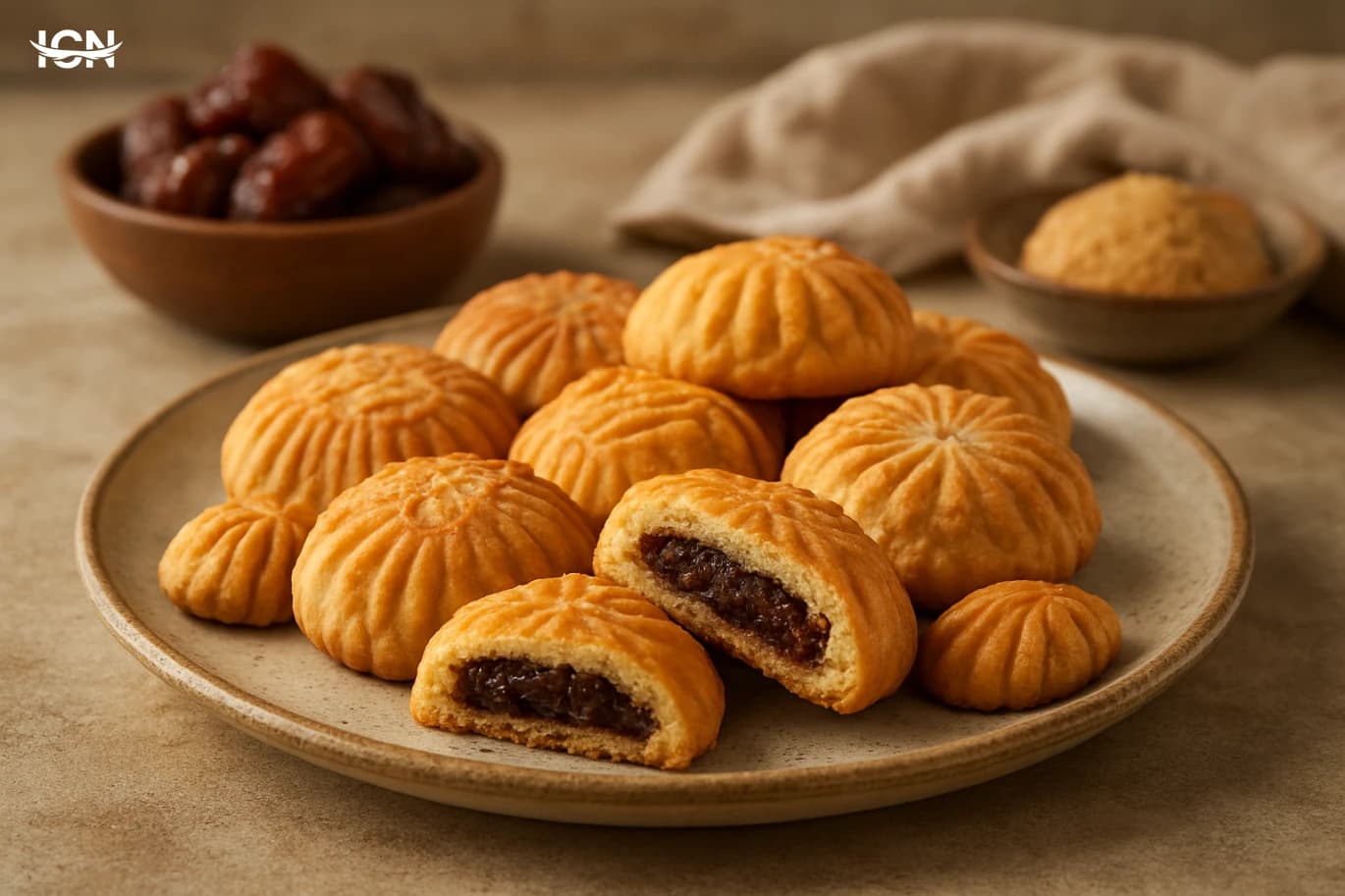
Ramadan sweets highlight ingredients that carry cultural meaning. Dates are a clear example: they are widely consumed at iftar and also appear as syrups, fillings, and sweeteners. In the Gulf, date syrup (dibs) often replaces refined sugar in drizzles and sauces, while in other regions dates are chopped into fillings or paired with tahini. Nuts—pistachios, walnuts, almonds, and hazelnuts—signal both celebration and regional agriculture. Pistachio-heavy toppings are common in parts of the Levant and Turkey, while walnuts are prominent in many Syrian and Palestinian fillings. Dairy is another marker: clotted cream, fresh cheese, and milk puddings reflect local dairy traditions and the availability of fresh products in urban markets. Spices and aromatics provide a recognizable Ramadan profile. Orange blossom water and rose water are used to perfume syrups and creams, while anise, fennel, and mastic appear in specific regional recipes. Even the choice of fat—clarified butter, ghee, or vegetable oils—can indicate a household’s culinary heritage and economic considerations. Together, these ingredients turn desserts into a map of trade routes, farming patterns, and family preferences.
Home kitchens, craft shops, and street stalls
The cultural life of Ramadan sweets is shaped by where they are made. Home kitchens preserve family recipes and techniques: the thickness of qatayef batter, the exact syrup consistency, or the preferred nut blend. These details are often transmitted through practice rather than written instructions, with older relatives supervising the process and younger members learning by repetition. At the same time, professional pastry shops standardize production and expand access. In many cities, bakeries begin preparing kunafa trays, basbousa sheets, and assorted boxes well before the month starts. Their role is not only commercial; they also set visual standards for presentation, portion sizes, and seasonal packaging. Street stalls add another layer, especially for items that are best eaten fresh, such as qatayef or luqaimat. The public nature of these stalls turns dessert-making into a visible craft, reinforcing the idea that Ramadan has arrived. This three-part ecosystem—home, shop, and street—helps explain why the same dessert can exist in multiple versions without losing its identity. Each setting prioritizes different values: nostalgia and control at home, consistency and scale in shops, and immediacy in street service.
Hospitality, gifting, and social exchange
Ramadan sweets function as a social currency. Offering dessert after iftar is a common hospitality practice, and the choice of sweets can communicate effort, generosity, and familiarity with local tastes. Assorted boxes from reputable shops are frequently used when visiting relatives, neighbors, or colleagues, especially in the later part of the month when gatherings increase. In many communities, homemade plates are exchanged between households. A tray of basbousa, a bowl of luqaimat, or a plate of small syrup pastries can circulate within a building or a street, creating a practical network of sharing. This exchange also diversifies what people eat without requiring each household to prepare every item. These practices reinforce cultural continuity. Even when families live far from their original hometowns, they often recreate the gifting rituals with whatever is available, substituting ingredients or buying from local bakeries. The key cultural element is the act of offering and receiving, which keeps desserts tied to social bonds rather than individual consumption.
Modern shifts and preserving tradition
In recent years, Ramadan sweets have been influenced by changing lifestyles and food markets. Many households have less time for multi-step recipes, increasing reliance on ready-made trays and delivery services. Bakeries respond with smaller portions, mixed sampler boxes, and clearer labeling for ingredients such as nuts and dairy. Social media also affects demand by highlighting visually striking versions, encouraging shops to refine decoration and packaging. Health considerations have introduced new approaches without removing traditional favorites. Some producers offer lighter syrups, baked alternatives to fried items, or reduced-sugar options, while still using familiar aromatics like orange blossom water. These changes can be seen as a continuation of the tradition rather than a break, because Ramadan sweets have always adapted to local conditions and available ingredients. Preservation efforts increasingly focus on documentation and teaching. Cooking schools, community workshops, and family-led tutorials record techniques that were once transmitted only within households. The cultural value lies in maintaining recognizable flavors and methods while allowing practical adjustments. This balance helps Ramadan desserts remain a living part of cultural heritage, not a museum artifact.