The Science of Perfect Basque Cheesecake
- Why Basque Cheesecake Became a Modern Classic
- Choosing Ingredients That Control Texture
- Mixing Method and Air Management
- Heat, Browning, and the Custardy Center
- Cooling, Slicing, and Serving Options
- Troubleshooting Common Results at Home
Why Basque Cheesecake Became a Modern Classic
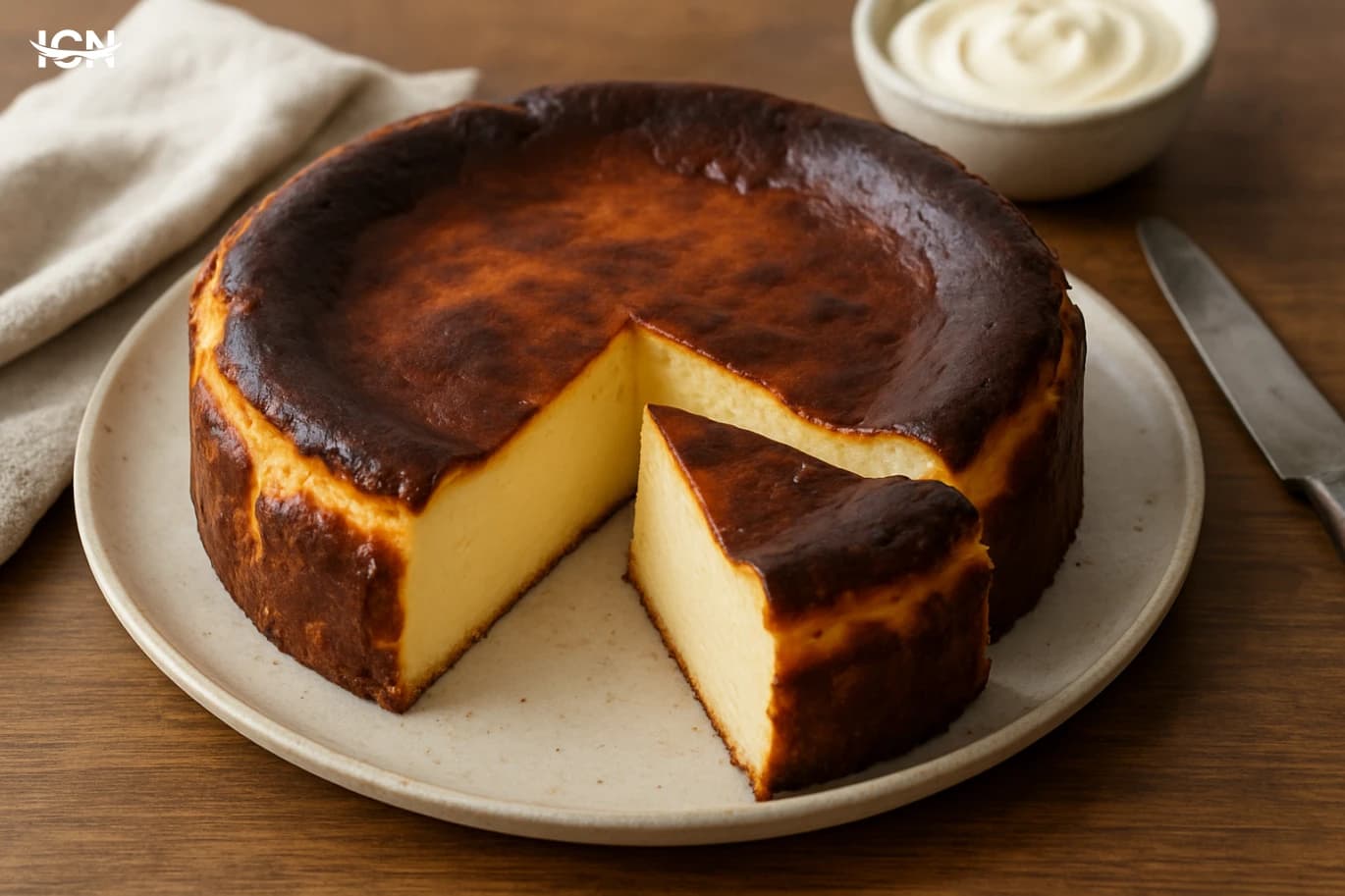
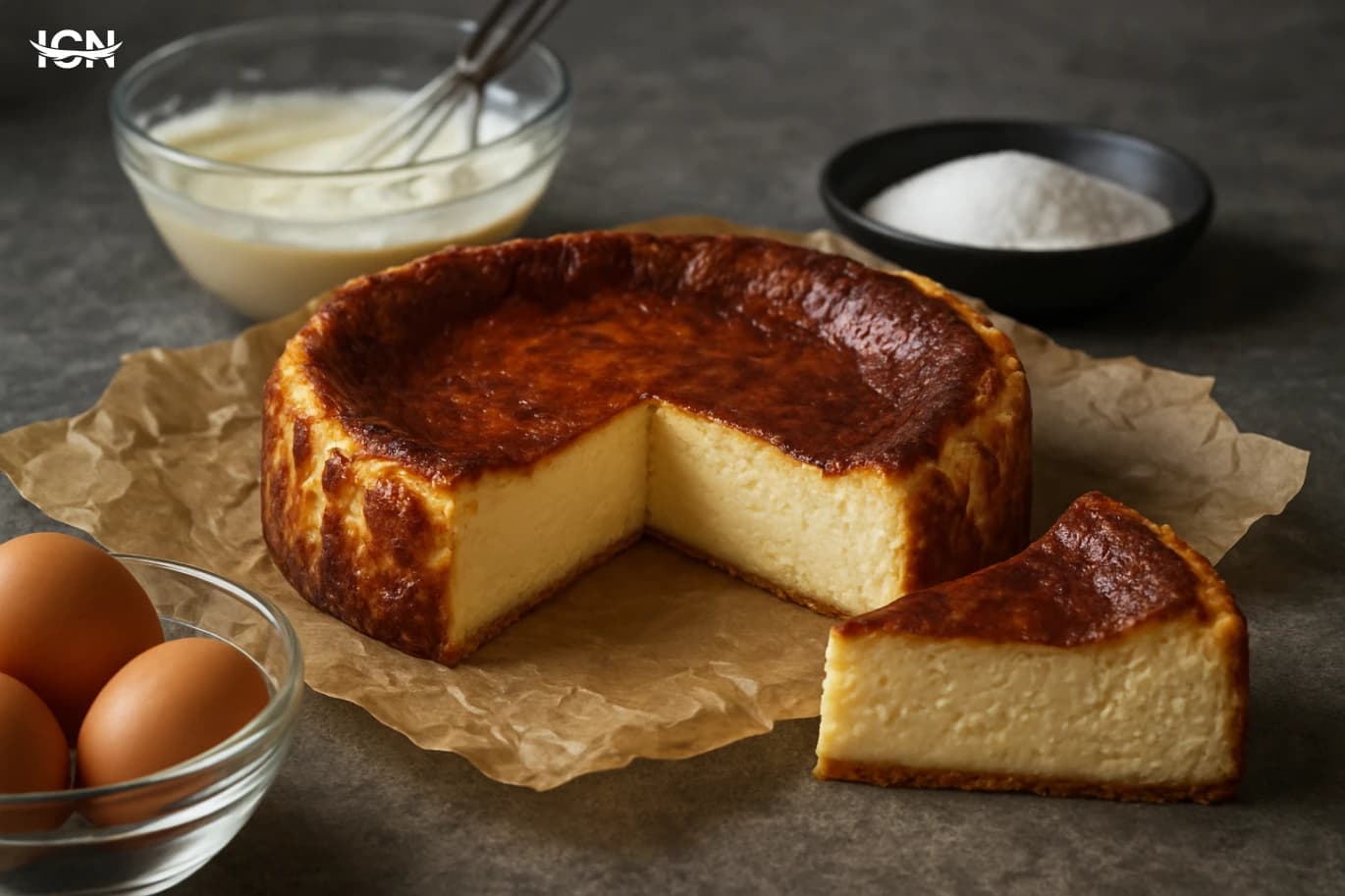
Basque cheesecake stands out because it breaks several “rules” of traditional cheesecake and still delivers a reliable, crowd-pleasing result. It is baked hot, browned deeply on top, and served without a crust, which removes a major source of sogginess and uneven baking. The signature look—dark, caramelized surface with a pale, creamy center—comes from deliberate high heat and a simple batter that can be mixed quickly without specialized equipment. What makes it especially appealing for home bakers is the wide margin for success. Unlike classic New York–style cheesecake that often demands a water bath, careful temperature control, and long cooling to avoid cracks, Basque cheesecake expects a rustic finish. Small surface splits are normal, and the parchment-lined pan makes unmolding straightforward. The dessert also fits modern tastes: it can be served slightly warm for a custardy texture or chilled for clean slices, and it pairs well with fruit, coffee, or a minimal dusting of powdered sugar.
Choosing Ingredients That Control Texture
The core ingredients are cream cheese, eggs, sugar, cream, and a small amount of flour or starch in many recipes. Each one affects the final texture. Full-fat cream cheese provides structure through milk proteins and fat; low-fat versions tend to bake up grainier and can weep liquid after chilling. Eggs are the main setting agent: more eggs or larger eggs push the cake toward a firmer slice, while fewer eggs keep the center looser. Cream (or heavy whipping cream) softens the set by adding fat and water, which is why Basque cheesecake can stay creamy even when baked to a dark top. Sugar does more than sweeten: it delays coagulation of egg proteins, giving the center time to stay custardy while the surface browns. A spoonful of flour or cornstarch can stabilize the batter and reduce the risk of a runny middle, but too much will shift the texture toward a baked cake rather than a cheesecake. Temperature matters before you even start. Room-temperature cream cheese blends smoother, reducing lumps that can create uneven pockets. Cold ingredients can also trap more air during mixing, which later expands and contributes to dramatic rising and collapsing. For consistent results, bring dairy and eggs out of the refrigerator 30–60 minutes ahead, then mix just until smooth.
Mixing Method and Air Management
Basque cheesecake is often described as “easy,” but the mixing method still determines whether the crumb is silky or slightly spongy. The goal is a smooth batter with minimal trapped air. Start by beating cream cheese and sugar until the mixture looks glossy and no visible lumps remain. Add eggs one at a time, mixing just until each disappears. Overbeating at this stage incorporates air, which can cause the cake to puff dramatically, crack more aggressively, and then sink into a dense ring around the edges. After the eggs, pour in cream and any flavorings—vanilla, citrus zest, or a small amount of salt—then mix briefly. If using flour or cornstarch, sift it in and fold or mix on low just until combined. Many bakers strain the batter through a fine sieve to guarantee a uniform texture; it is optional, but it can be helpful if your cream cheese was not fully softened. Pan preparation is part of the method. A springform pan is common, but a deep cake pan also works if you line it well. Use two large sheets of parchment, crumple them first, then press them into the pan so they hug the sides. The crumpling makes the paper flexible and reduces sharp folds that can create channels for batter to leak. Place the pan on a baking sheet to catch any drips and to make moving it safer.
Heat, Browning, and the Custardy Center
The defining feature of Basque cheesecake is the contrast between a dark top and a soft interior, and that contrast is created by high heat. Many recipes bake between 220–240°C (425–465°F). At these temperatures, the surface browns quickly through caramelization and Maillard reactions, while the center sets more slowly. The result is a cake that looks bold on the outside but remains creamy inside. Timing is more important than an exact minute count because ovens vary. A practical indicator is the jiggle: the outer ring should look set and slightly puffed, while the center should still wobble like a thick custard when you gently shake the pan. If you bake until the center is fully firm, you will get a more conventional cheesecake texture and lose the signature softness. Avoiding a water bath is part of the style. Steam would reduce browning and encourage a paler top. Instead, rely on parchment and a sturdy pan. If your top browns too fast while the center is still very loose, move the cake to a lower rack or reduce the temperature slightly for the final minutes. If it stays pale, raise the rack or finish with a short burst of higher heat, watching closely to prevent burning beyond the intended dark caramel color.
Cooling, Slicing, and Serving Options
Cooling is where Basque cheesecake finishes its texture. Right out of the oven, the center is very soft and continues to set as it cools. Let the cake rest in the pan for at least 30–60 minutes so the structure stabilizes. If you slice too early, the middle may flow and the edges can compress. For a custardy, spoonable slice, serve it slightly warm or at room temperature after a short rest. For cleaner wedges, chill it for at least 4 hours, preferably overnight. Chilling firms the fats and makes the interior more uniform. Use a long knife dipped in hot water and wiped dry between cuts to keep slices neat. Serving can stay minimal because the cake already has a complex flavor from the browned top. Fresh berries, a simple fruit compote, or thinly sliced stone fruit work well. If you want a more dessert-table presentation without complicating the recipe, add a lightly sweetened whipped cream on the side rather than on top, so the surface remains visible. Coffee, black tea, or lightly sweetened mint tea are practical pairings that balance the richness without overpowering the caramel notes.
Troubleshooting Common Results at Home
If your cheesecake is too runny in the center after chilling, it was likely underbaked or your oven runs cooler than the dial suggests. Next time, extend baking by 3–7 minutes and look for a more defined set around the edges while keeping a gentle wobble in the middle. Using a small amount of starch can also help if you consistently prefer a slightly firmer slice. If it turns out dry and dense, the most common cause is overbaking or using too much flour. Reduce the bake time and remove the cake when the center still moves. Also check egg size: extra-large eggs can push the texture firmer than expected. If the top is very dark but the inside is not set, your rack may be too high; lower it and consider reducing temperature slightly. If you see large bubbles or a spongy texture, you likely incorporated too much air. Mix on lower speed, stop as soon as the batter is smooth, and tap the pan on the counter a few times before baking to release trapped bubbles. For leakage in a springform pan, wrap the outside with foil and always place it on a baking sheet. These small adjustments keep the recipe simple while making the outcome repeatable, which is the real advantage of Basque cheesecake for home dessert baking.