Better Brownies Without Box Mix
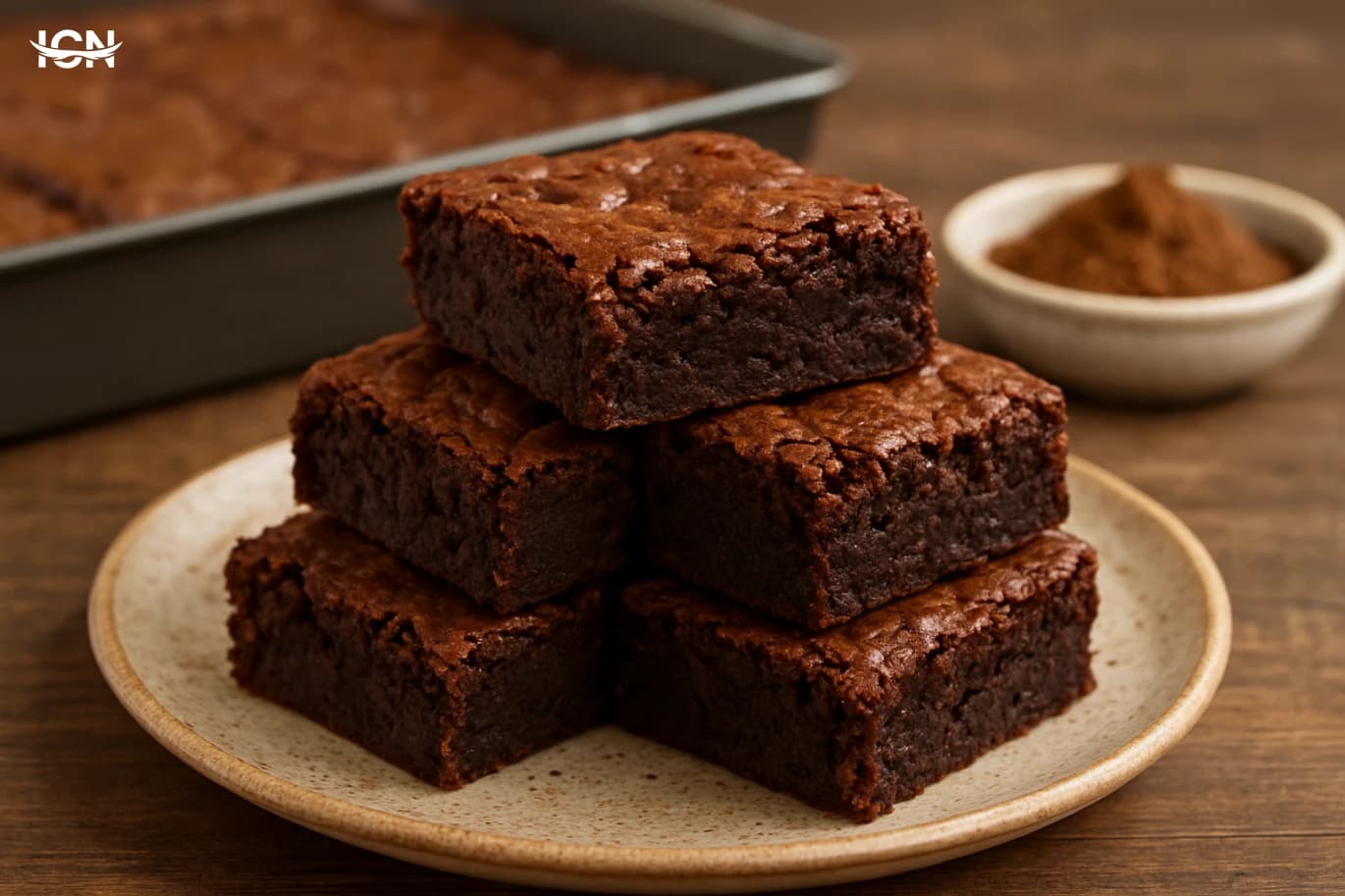
- Why homemade brownies win
- Choosing cocoa and chocolate
- The crackly top explained
- Fudgy vs cakey with simple ratios
- Add-ins that actually improve brownies
- Cooling, slicing, and storing
Why homemade brownies win
Box mixes are convenient, but they lock you into one texture and one flavor profile. Making brownies from scratch gives you control over three things that matter: cocoa intensity, sweetness, and moisture. With a basic pantry list—cocoa powder or dark chocolate, butter, sugar, eggs, flour, and salt—you can build a brownie that tastes fresher and more balanced than most mixes. You also avoid the “one-note” sweetness that often comes from pre-measured blends. Homemade also lets you choose the style you actually want. If you like a glossy, crackly top, you can focus on how you dissolve sugar and whip eggs. If you prefer a fudgy center, you can reduce flour and avoid overbaking. If you want a cakier bite, you can add a little more flour and bake slightly longer. These are small, practical adjustments that change the final result more than any fancy add-in. Finally, scratch brownies are easier to customize for your kitchen. You can use a single bowl, a saucepan, or a mixer depending on what you have. You can scale the recipe for an 8-inch pan for small batches or a 9x13 for gatherings. And you can choose ingredients you trust, from the type of cocoa to the quality of chocolate chips, without paying for packaging and fillers.
Choosing cocoa and chocolate
The biggest flavor decision is whether your base is cocoa powder, melted chocolate, or a mix of both. Cocoa powder gives a clean, direct chocolate taste and makes it easier to control sweetness because cocoa contains no sugar. Melted dark chocolate adds richness and a rounder flavor because it brings cocoa solids plus cocoa butter. Many reliable home recipes use both: cocoa for intensity and chocolate for depth. If you use cocoa powder, pay attention to the label. Natural cocoa is more acidic and often tastes sharper; Dutch-processed cocoa is treated to be less acidic and can taste smoother and darker. For brownies, either works, but Dutch-processed tends to deliver a deeper “bakery-style” chocolate note. If a recipe includes baking soda or baking powder, keep the cocoa type consistent with the recipe’s intent, because acidity affects how leavening behaves. For chocolate bars or chips, choose something you would enjoy eating plain. A 60–70% dark chocolate is a practical range for most palates: it tastes chocolate-forward without becoming bitter for many people. If you prefer very sweet brownies, you can use semi-sweet chips and slightly reduce added sugar. If you want a more grown-up profile, use darker chocolate and keep a pinch of salt to sharpen flavor. Also consider texture: chips hold their shape more than chopped bars, while chopped bars melt into pockets and streaks.
The crackly top explained
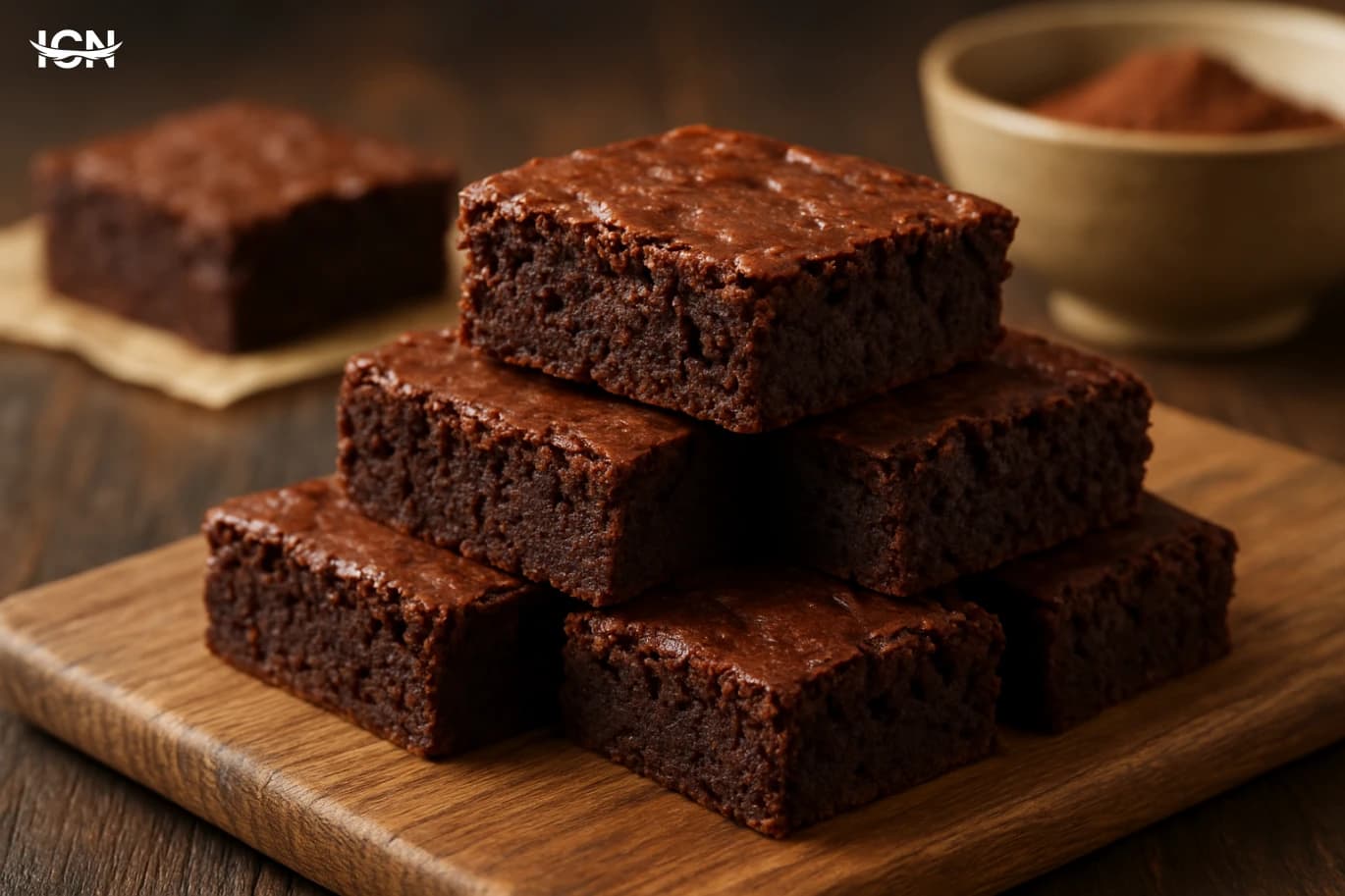
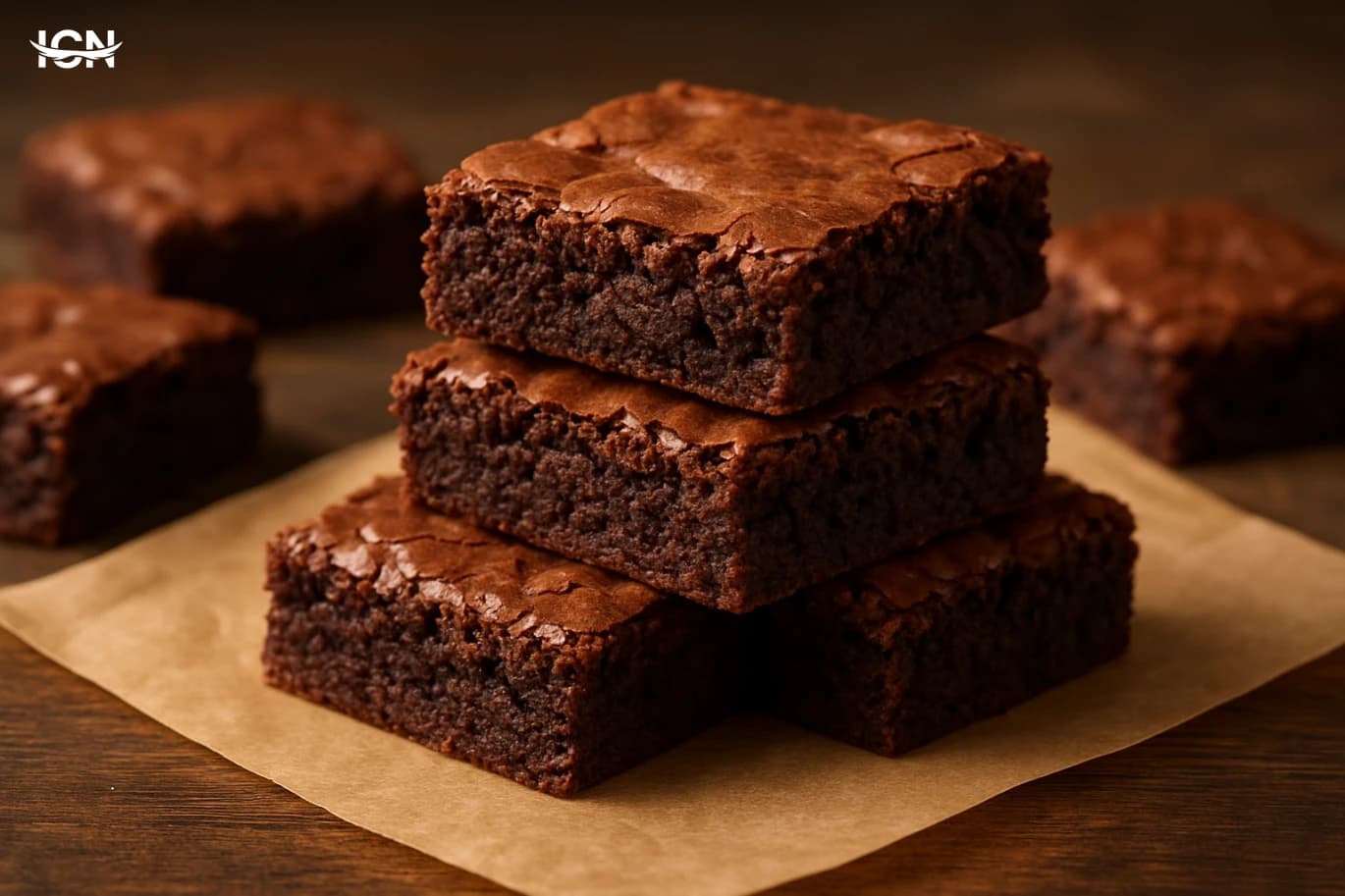
That thin, shiny, crackly top is not luck; it’s technique. It forms when sugar is well dissolved and a stable foam is created with eggs, then baked so the surface dries into a delicate layer. One common method is to warm butter and sugar together until the sugar starts to dissolve, then whisk in cocoa or melted chocolate. Another method is to whisk eggs and sugar vigorously for a minute or two before adding the rest. Both aim for the same result: sugar dispersed and eggs aerated. Temperature matters. If your butter is melted and still warm, it helps dissolve sugar and creates a smoother batter. But if it is too hot when it meets eggs, it can partially cook them and ruin texture. A practical approach is to melt butter, mix in sugar, then let it sit for a minute before adding eggs. You want warm, not hot. Mixing order also affects the top. Add flour last and mix only until you no longer see dry streaks. Overmixing after flour develops gluten and can make brownies tougher and less fudgy. Finally, bake in a fully preheated oven. If the oven is still climbing to temperature, the surface can set too slowly and the top may turn dull instead of glossy.
Fudgy vs cakey with simple ratios
Texture is mostly a ratio game. More fat and chocolate relative to flour pushes brownies toward fudgy. More flour and a bit more aeration pushes them toward cakey. If you want a dense center, keep flour modest and avoid extra leavening. If you want a lighter bite, increase flour slightly and consider a small amount of baking powder, but only if the recipe is designed for it. Eggs are another lever. More eggs can add structure and lift, but too many can make brownies feel more like sponge cake. Many home bakers find that two large eggs for an 8-inch pan is a dependable middle ground. A third egg yolk can add richness without adding as much lift as a whole egg. Sugar does more than sweeten. It holds moisture and affects the shiny top. Cutting sugar drastically can make brownies dry and dull. If you want less sweetness, reduce by a small percentage and compensate with better chocolate and a pinch of salt, rather than making a big cut. Finally, baking time is the last decisive factor. Pulling the pan when a toothpick shows moist crumbs (not wet batter) usually delivers a fudgier result than waiting for a clean toothpick.
Add-ins that actually improve brownies
Add-ins should support the chocolate, not distract from it. Toasted nuts are one of the most effective upgrades because they add crunch and a roasted aroma that pairs naturally with cocoa. Walnuts are classic, but pecans or hazelnuts work well too. Toast them briefly in the oven and cool before mixing in, so they stay crisp. For a cleaner chocolate profile, consider espresso powder. A small amount does not make brownies taste like coffee; it deepens cocoa flavor. Start with a modest pinch and adjust next time. Another practical add-in is a mix of chocolate pieces: chips for structure plus chopped bar for melt. This creates varied texture without changing the base recipe. If you want a more modern finish, use flaky salt on top right after baking. It adds contrast and makes the chocolate taste more defined. Keep it light; the goal is occasional pops of salt, not a salty dessert. Avoid watery add-ins like fresh fruit unless the recipe is designed for it, because extra moisture can lead to gummy centers and uneven baking.
Cooling, slicing, and storing
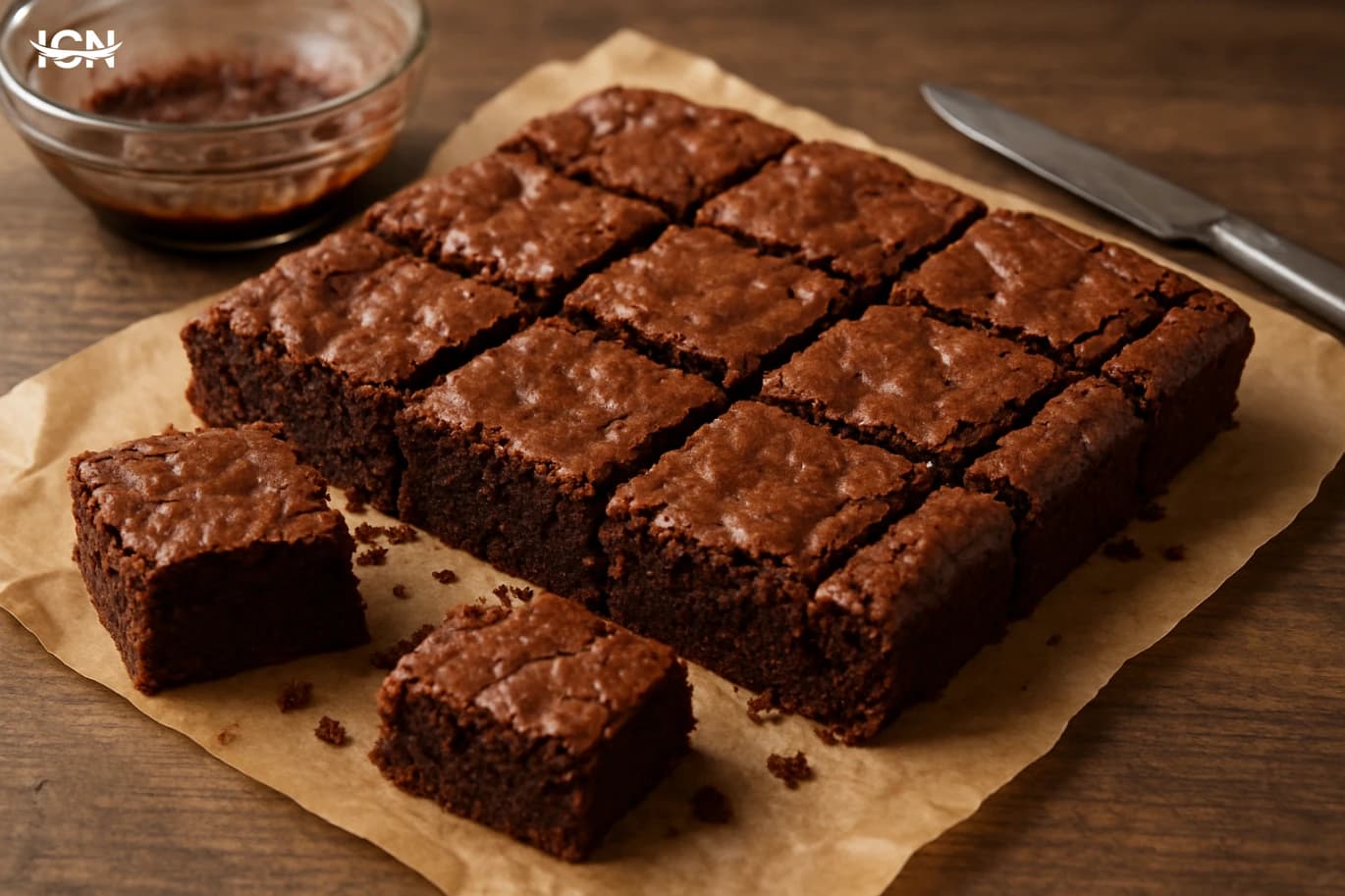
Brownies continue to set after they leave the oven. If you cut them too soon, the center can collapse and smear, and the pieces will look messy even if they taste fine. For clean squares, cool in the pan on a rack until room temperature. If you want very sharp edges, chill the pan for 30–60 minutes before slicing. Use the right tool and technique. A long knife works better than a short one because it makes fewer passes. Wipe the blade between cuts, especially for fudgy brownies. Lining the pan with parchment paper and leaving overhangs makes it easier to lift the slab out and slice on a board. For storage, keep brownies airtight. At room temperature they usually hold quality for a few days, depending on moisture and add-ins. For longer storage, freeze individual squares wrapped well, then place them in a freezer bag. Thaw at room temperature. If you like a warm brownie, reheat briefly, but avoid overheating, which can dry the edges and make the center feel tough.