App Logo

Download Our App

Shop your way

logologo
Image

Invertebrates

01/07/2024By: Tasnim.H
Invertebrates

Main Phyla of Invertebrates:

Invertebrates constitute a large and diverse group of living organisms lacking a vertebral column. Invertebrates are divided into several main phyla based on their general shape and common characteristics. Here are some of the main phyla of invertebrates: 1. Arthropoda: • Includes insects, spiders, ticks, and crustaceans such as crabs and shrimp. • Characterized by a rigid external exoskeleton and jointed legs. 2. Mollusca: • Encompasses mollusks like snails, slugs, and bivalves such as clams. • Characterized by a soft body without an internal skeletal structure. 3. Echinodermata: • Includes echinoderms such as starfish and sea urchins. • Characterized by a system of water tubes and soft bodies with spines. 4. Annelida: • Encompasses segmented worms like earthworms and leeches. • Characterized by bodies divided into rings or segments. 5. Cnidaria: • Includes cnidarians such as jellyfish, hydroids, and sea anemones. • Characterized by stinging cells and a body structure shaped like a disc or network. 6. Porifera: • Encompasses sponges. • Characterized by triangular structures called spicules. These represent some of the main phyla of invertebrates, and each phylum includes a diverse array of species with variations in structures and functions.

Main Features of Invertebrates:

1. Absence of a Vertebral Column: The primary characteristic is the lack of a vertebral column or internal skeletal structure. This means that invertebrates do not possess a bony structure like vertebrates. 2. Diverse External Structures: Invertebrates are characterized by the diversity of their external structures, such as the exoskeleton in insects and crustaceans, and the moist skin in some mollusks. 3. Variety in Shapes and Sizes: There is considerable diversity in the shapes and sizes of invertebrates, ranging from tiny organisms like worms to larger ones like spiders and whales. 4. Diversity in Body Functions: Body functions vary among different invertebrates. Some have specialized structures for movement, while others have structures for defense or absorption. 5. Diversity in Form and Function: Invertebrates exhibit a wide range of forms and functions. Some are adapted for specific modes of movement, while others have structures specialized for defense or absorption. 6. Diversity in Environments: Invertebrates inhabit various environments, including land, sea, and air. This diversity allows them to adapt to a variety of environmental conditions. 7. Adaptation to the Environment: Invertebrates effectively adapt to their environment through the evolution of specialized structures and adaptive mechanisms that aid in survival and reproduction. The immense diversity in invertebrates is crucial for maintaining the balance of ecosystems and enhancing biological diversity in the living world.

The Importance of Invertebrates and Their Role in the Environment:

Invertebrates play a crucial role in the environment and hold significant importance in ecosystems worldwide. Here are some reasons highlighting the importance of invertebrates and their role in the environment: 1. Waste Decomposition and Soil Enhancement: • Worms and insects play a vital role in decomposing organic matter and improving soil quality. • They enhance soil aeration and boost its ability to absorb and retain water. 2. Pollination and Pollen Transfer: • Insects, especially bees and butterflies, contribute to the process of plant pollination, enhancing fruit and seed production. • They assist in transferring pollen between plants, improving genetic diversity. 3. Contribution to the Food Chain: • Invertebrates serve as a significant food source for many other organisms, such as birds and mammals. • They form a crucial part of the food chain, with many animals relying on invertebrates as a primary food source. 4. Improving Nutrient Cycling: • Invertebrates play a role in the environmental nutrient cycle by decomposing organic matter and converting it into nutrients. • They enhance the cycling of organic materials in nature, improving the efficiency of natural resource utilization. 5. Pest Control: • Some invertebrates, such as birds and reptiles, contribute to controlling insect pests by consuming them. • They help maintain ecological balance and reduce the spread of harmful organisms. 6. Scientific Research: • Invertebrates are used as models in scientific research, aiding in understanding processes of growth, development, and adaptation to the environment. In general, the significance of invertebrates lies in achieving the balance of ecosystems and contributing to environmental sustainability.

Challenges and Threats:

Vertebrates, particularly animals with a spinal column, face several challenges and threats in the modern environment. Here are some key challenges and threats that vertebrates encounter: 1. Habitat Loss and Degradation: • Deforestation, conversion of wildlands to agriculture, and habitat degradation lead to the loss of natural habitats for vertebrates. 2. Climate Change: • Rising temperatures, changes in precipitation patterns, and extreme weather events affect the environment, posing threats to vertebrates and ecological balance. 3. Environmental Pollution: • Air, water, and soil pollution directly impact vertebrates or indirectly through the food chain. 4. Unsustainable Hunting: • Overhunting and unsustainable practices impact species balance and may lead to the extinction of certain vertebrates. 5. Species Extinction: • The threat of extinction is a significant challenge, as many vertebrates face the risk of extinction due to habitat loss and disease transmission. 6. Marine Environmental Challenges: • Increasing ocean acidity and marine pollution affect marine life, including fish and marine mammals. 7. Epidemics and Diseases: • The transmission of diseases between animals and humans poses a threat and can lead to the spread of diseases among vertebrates. 8. Illegal Trade: • Illegal trade in wildlife and their products poses a threat to many vertebrates. Confronting these challenges requires international and local efforts to preserve biodiversity and ensure environmental sustainability for future generations.

Species Diversity:

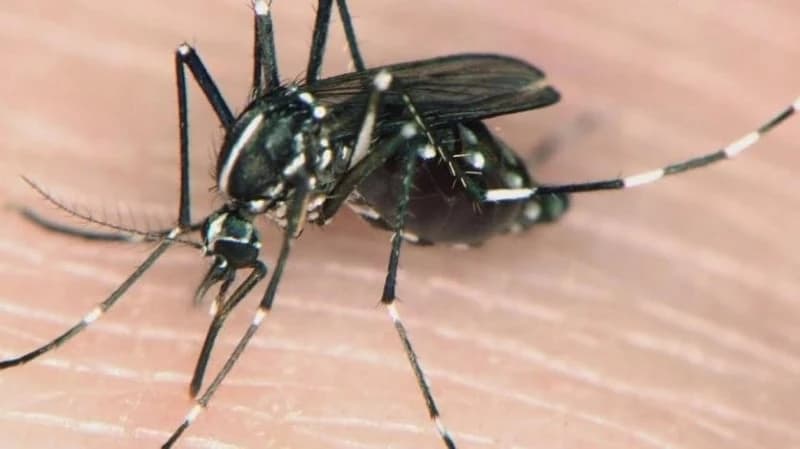
Species Diversity in the Animal Kingdom is evident in specific categories of invertebrates. Here is a description of the diversity in some phyla: Insects: • Represent the largest phylum in the invertebrate kingdom. • Include ants, mosquitoes, butterflies, and others. • Characterized by the presence of a rigid external exoskeleton and jointed legs. Crustaceans: • Include crabs, shrimp, and marine crustaceans. • Distinguished by an external shield called the exoskeleton, which protects the body. Mollusks: • Include snails and slugs. • Characterized by a soft body without an internal skeletal structure. Echinoderms: • Live in water and include starfish and sea urchins. • Known for soft bodies and diverse shapes. These phyla vary in their structures, lifestyles, and adaptation to the surrounding environment. The species diversity within these phyla enhances environmental sustainability and contributes to the balance of ecosystems.

* All articles published on this blog are sourced from various websites and are provided for informational purposes only. They should not be considered as confirmed studies or accurate information. Please verify the information independently before relying on it.

Similar ARTICLES

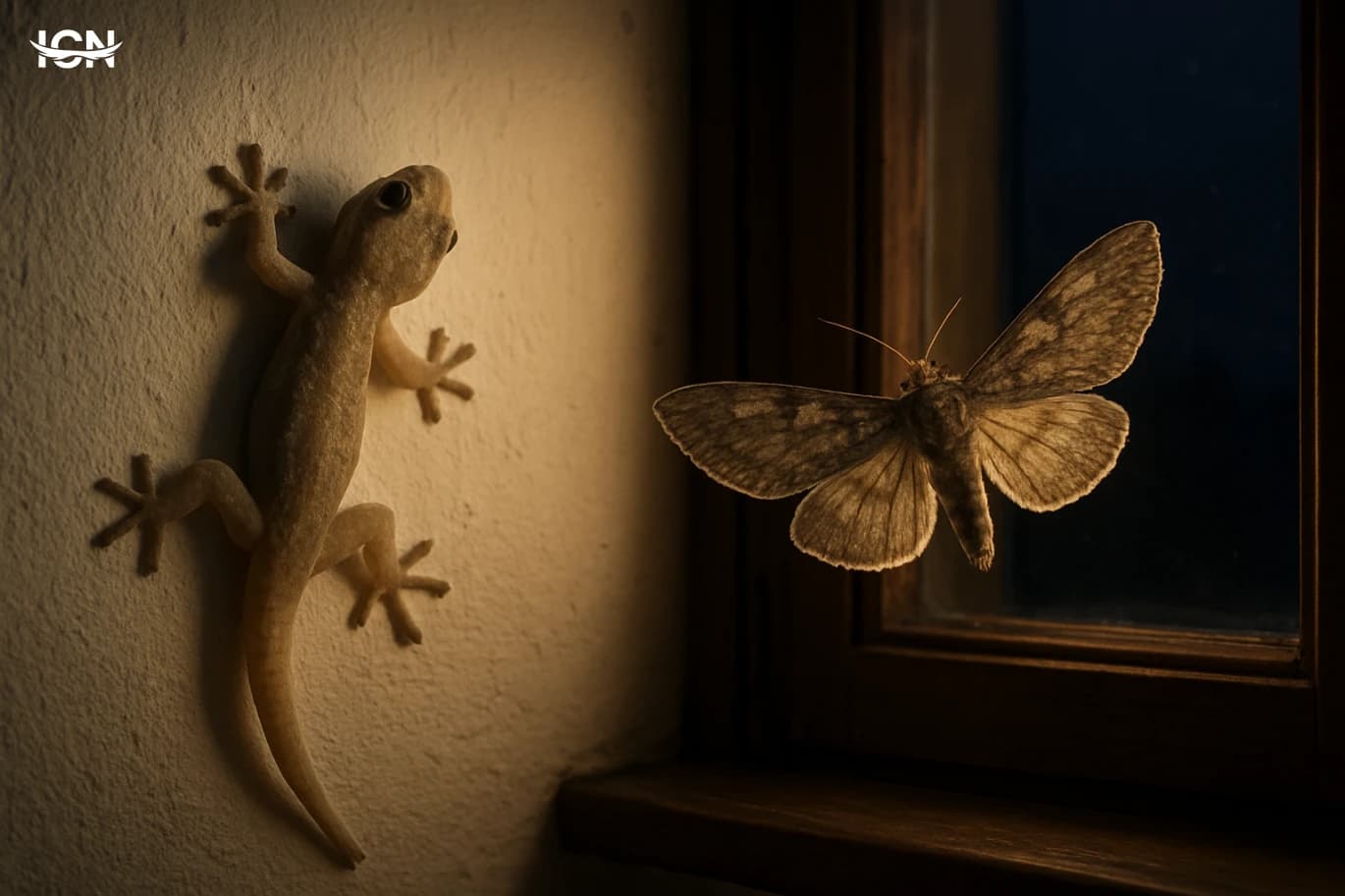
Gecko and Moth Nights on the Balcony
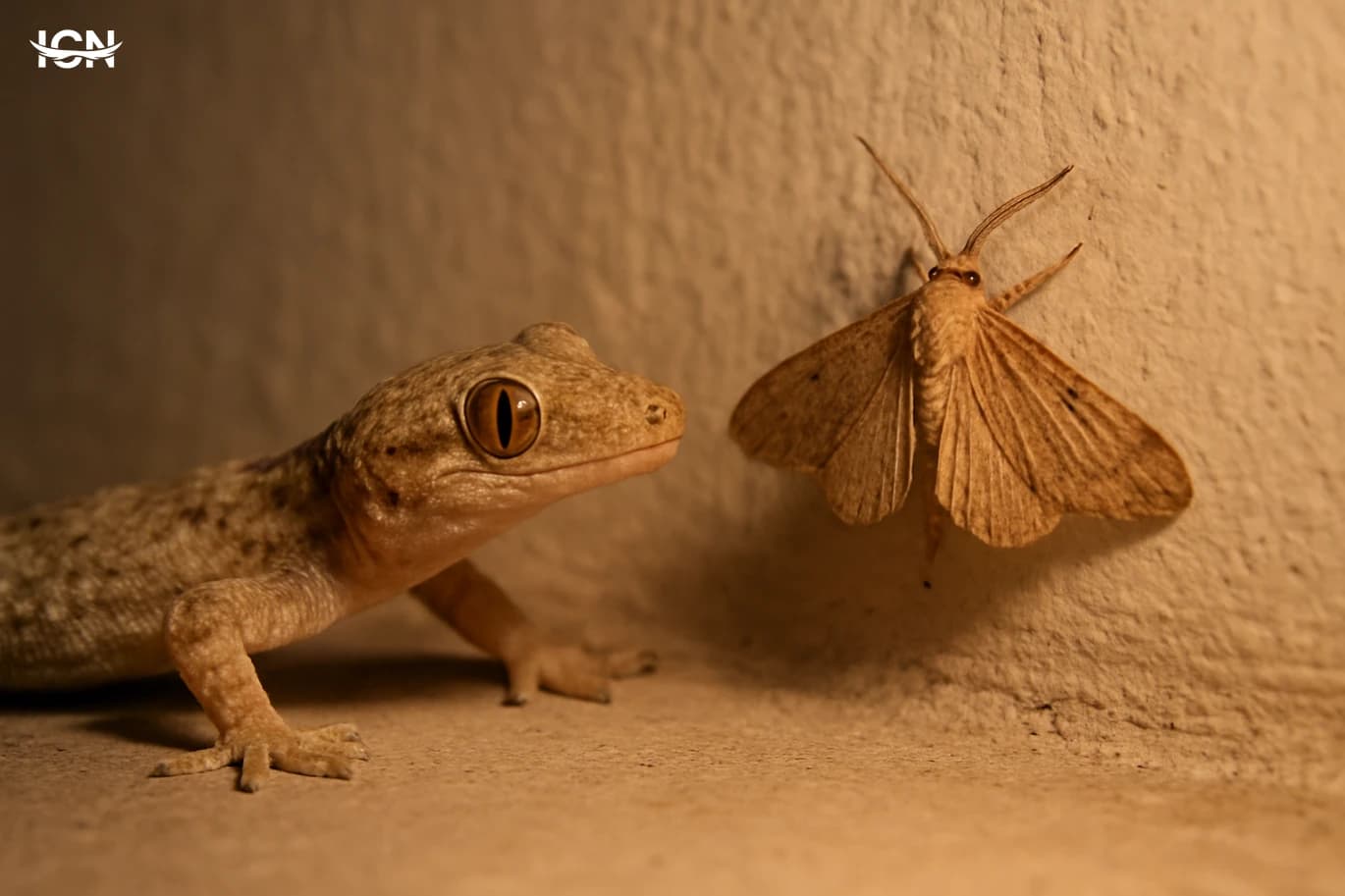
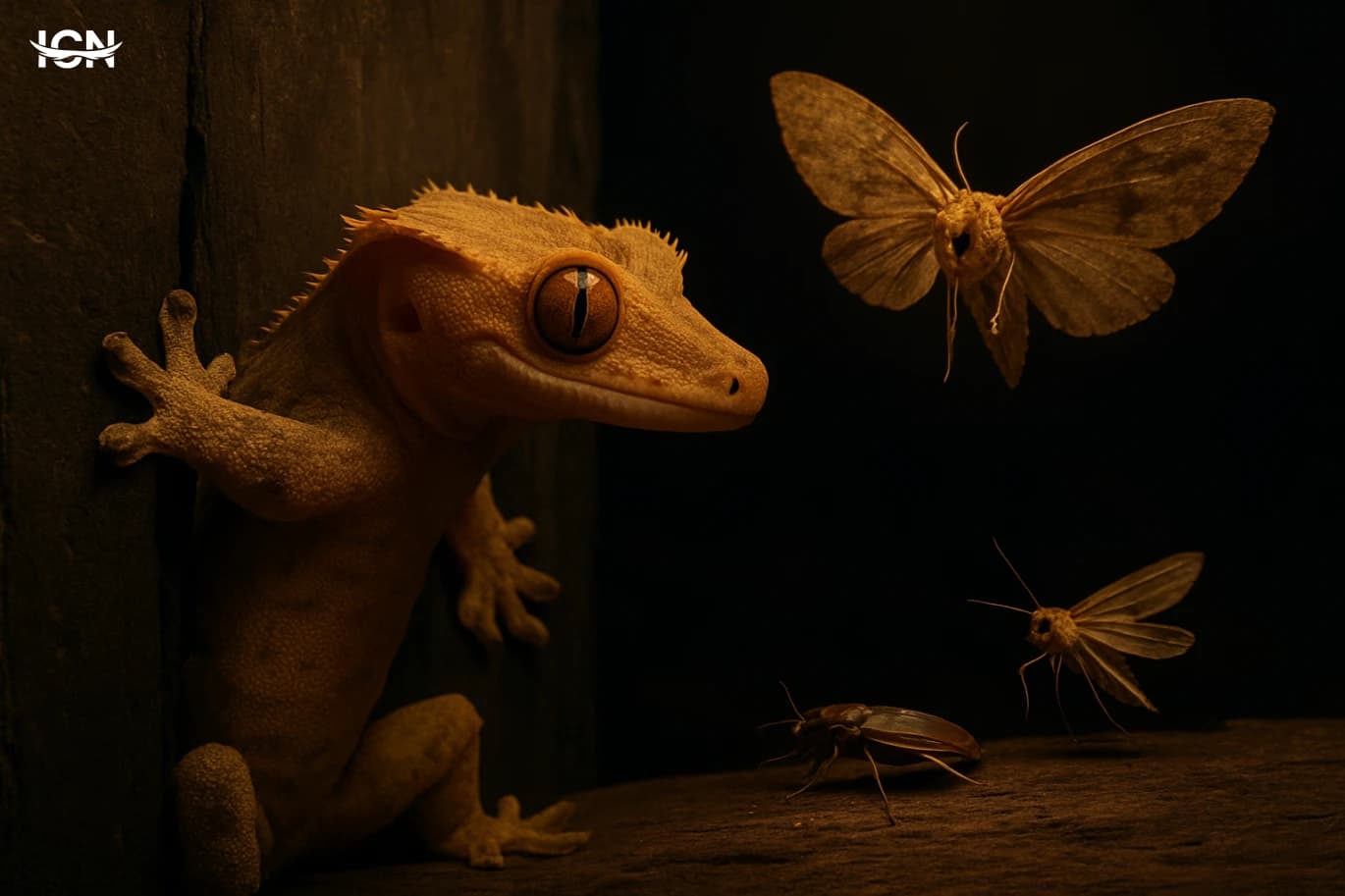
In many warm cities, geckos become most visible at night because their hunting style matches the rhythm of household lighting. A balcony lamp or a bright window creates a small “insect corridor” that attracts moths, midges, and flying ants. Geckos take advantage of this predictable traffic. They can sit still for long periods, then make short, accurate lunges when prey comes within reach. This behavior is not random; it is a practical response to where insects concentrate and where the gecko can hunt with minimal energy. Geckos also benefit from the surfaces around homes. Smooth walls and glass doors hold warmth after sunset, especially in summer. That retained heat helps a cold-blooded reptile stay active longer without searching for a warmer rock or pavement. You may notice geckos choosing the same corner night after night. They are not “taming” themselves; they are returning to a reliable feeding station with stable temperatures and fewer predators than open ground. If you want to observe them responsibly, keep your distance and avoid sudden light changes. Turning a bright light on and off repeatedly can disrupt both the gecko and the insects it is tracking. A steady, moderate light is enough for viewing. The goal is to watch natural behavior, not to force it.
Gecko Homes and Night Insects
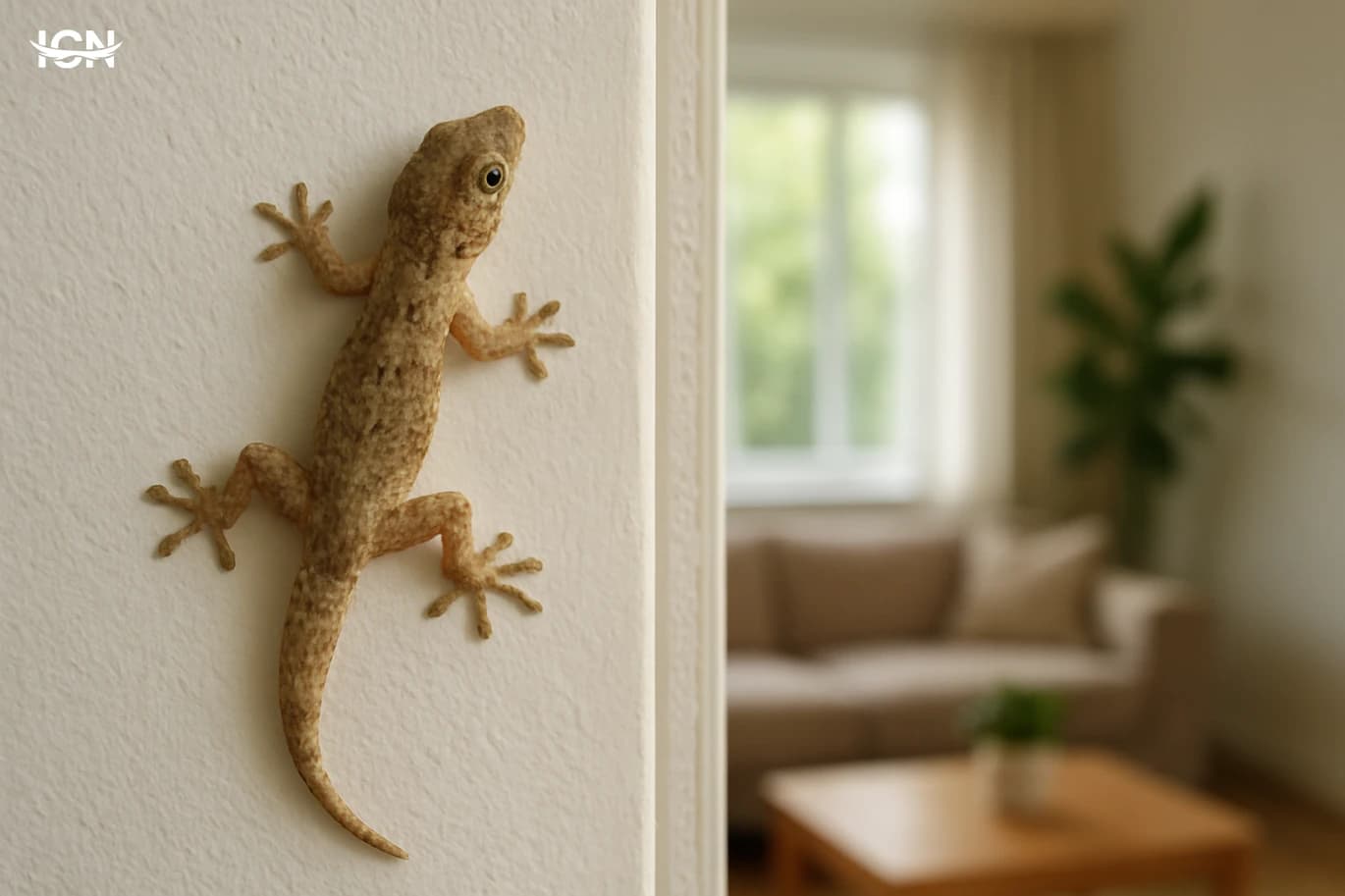
House geckos are not random visitors. They favor buildings because walls, ceilings, and window frames create stable microclimates that stay warmer than outdoor air at night and remain relatively dry after rain. Cracks behind cabinets, gaps around air-conditioner lines, and the space above curtain rails provide narrow shelters that match a gecko’s flattened body and reduce exposure to predators. Many species also benefit from artificial lighting, which concentrates insects in predictable places. In warm regions, geckos can remain active for much of the year, while in cooler areas they use heated interiors and sun-warmed masonry to extend their feeding season. Their toe pads allow them to climb smooth surfaces, so a vertical wall becomes a hunting ground rather than a barrier. Understanding these preferences helps homeowners predict where geckos will appear and why they often return to the same corners night after night.
Geckos and Moths in Nighttime Homes
In many neighborhoods, geckos become most visible at night because their hunting style matches indoor lighting patterns. They are opportunistic insect-eaters that patrol walls, ceilings, and window frames where small flying insects gather. Warm surfaces around light fixtures and electronics can also attract insects, creating a reliable feeding route. Geckos do not need to “move in” to benefit; a single wall near a porch light can provide enough prey for repeated visits. Season and temperature matter. In warmer months, insect activity rises and geckos follow the food supply. In cooler periods, they may retreat to sheltered gaps, then reappear on mild evenings. Their ability to cling to smooth surfaces lets them exploit vertical spaces that many predators cannot. For homeowners, seeing a gecko is often a sign that the building offers easy access points and a steady stream of insects drawn by light, humidity, and indoor warmth.
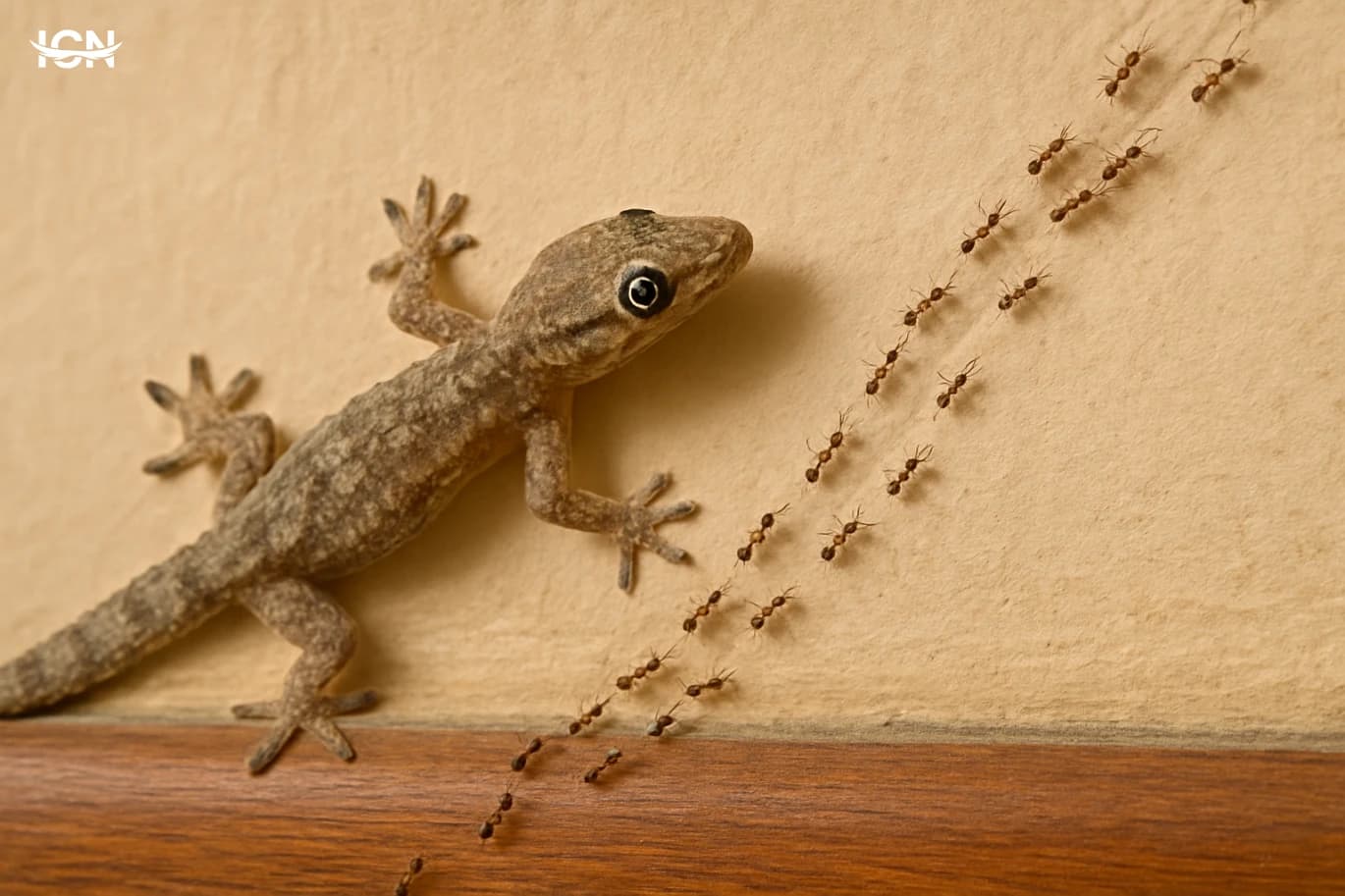
Gecko Homes and Ant Trails Indoors
In many homes, small geckos and persistent ant trails appear in the same rooms for practical reasons: both are responding to food, water, and temperature. Ants establish routes between a nest and a reliable source such as crumbs, pet food, or a sticky spill. Geckos, in turn, follow the insects. A gecko does not need to “hunt” randomly if a wall corner or window frame consistently attracts ants, moths, or flies. In warm climates, geckos also use indoor spaces as stable microhabitats, especially near kitchens, bathrooms, and exterior doors where humidity and insects are higher. Understanding this overlap helps homeowners avoid overreacting. A gecko is usually a sign that insects are available; removing the insect supply often reduces gecko activity without harming the animal. Ant trails are more than a nuisance: they are a map of where food residues or moisture are being accessed. When you read the room like an ecologist—looking at light sources, gaps, and water points—you can predict where trails will form and where geckos will rest. This topic focuses on practical observation and prevention rather than quick fixes.
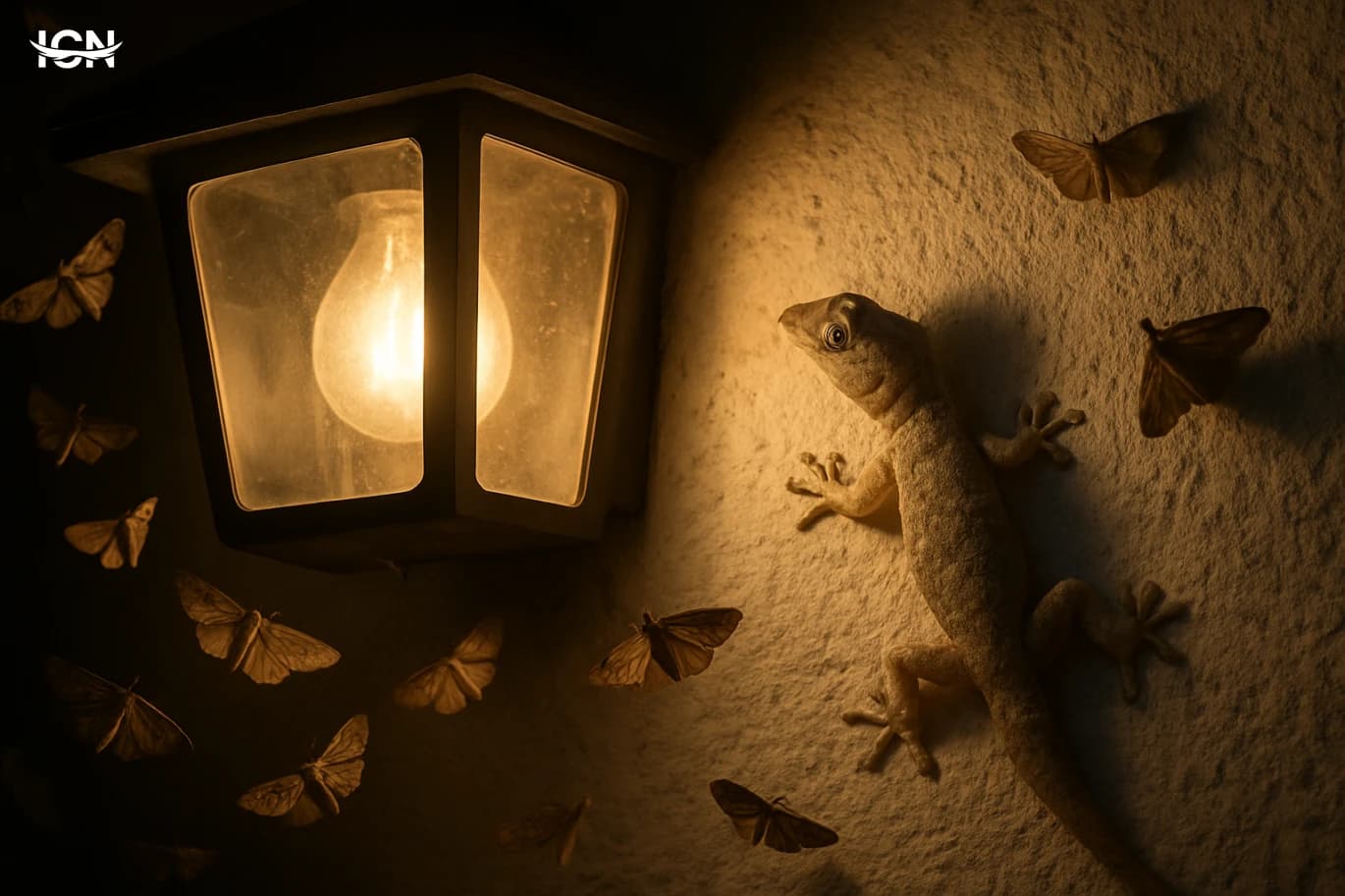
Gecko and Moth Nights Around Porch Lights
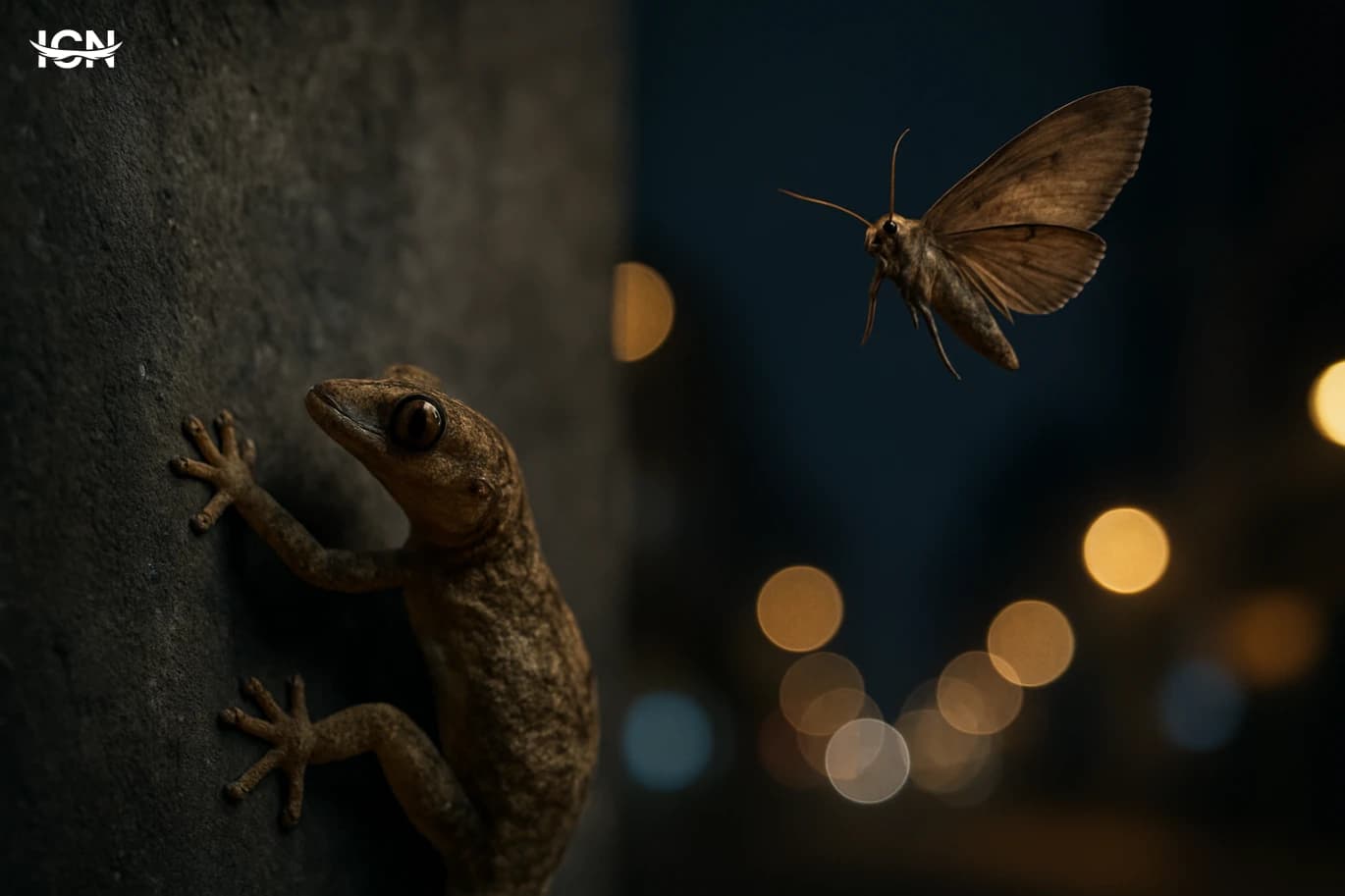
A porch light is more than a convenience; it is a predictable ecological trigger. Many night-flying insects navigate using natural light cues, and a bright bulb can pull them off their usual routes. Within minutes of switching on an outdoor light, you often see moths, small beetles, and flying ants circling, landing, and taking off again. That concentration of insects becomes a food source that can attract insect-eating reptiles, especially geckos that are comfortable around buildings. This small “light zone” can be observed in almost any neighborhood, from humid coastal towns to dry inland suburbs. The exact mix of insects varies by season and weather, but the pattern is consistent: light draws insects, insects draw predators. For homeowners, this can be a practical way to understand local biodiversity without special equipment. It also raises questions about how lighting choices influence insect populations, reptile activity, and even the number of insects that end up indoors.
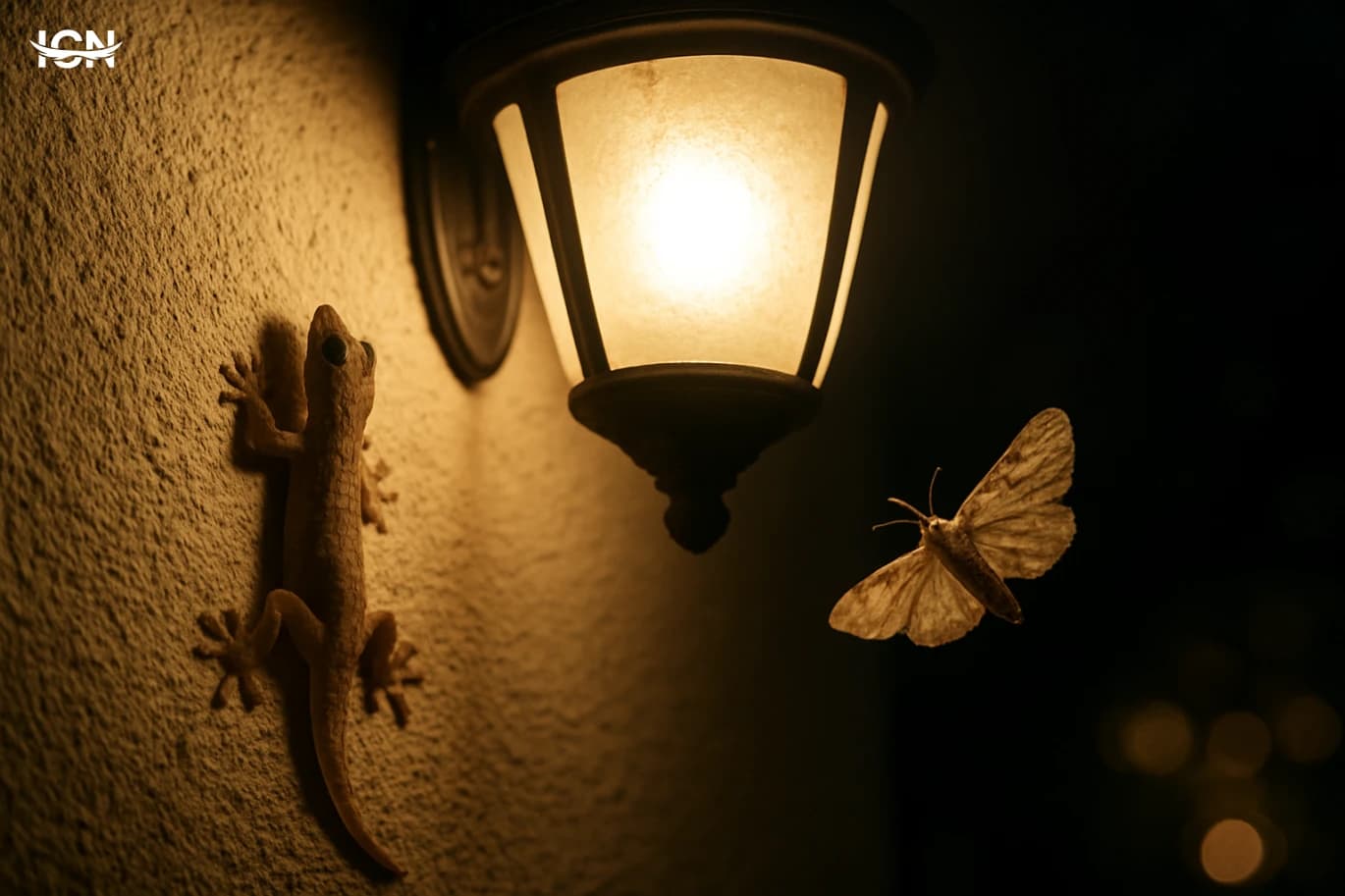
Gecko and Moth Nightlife Around Home Lights
Outdoor bulbs and bright windows do more than illuminate a porch; they reorganize local insect activity and, in turn, the reptiles that feed on them. Many moth species navigate using natural light cues such as the moon and the horizon glow. Strong artificial lights can disrupt that orientation, pulling moths into tight circles or repeated approaches that increase fatigue and exposure. Around a single light, you often get a layered “food chain in miniature”: tiny midges and gnats arrive first, then larger moths and beetles, and finally predators such as geckos that learn the schedule. This topic looks at the nightly interaction between moths and house geckos in a practical, neighborhood setting. It focuses on what actually happens at common light sources—LED porch lamps, wall sconces, garage lights, and bright indoor windows—and why some setups attract far more insects than others. It also sets expectations: the goal is not to turn a home into a wildlife trap, but to understand the patterns so you can reduce nuisance insects while still appreciating the natural behavior playing out a few meters from your door.
Gecko and Moth Nights in City Homes
In many warm regions, house geckos and moths end up sharing the same indoor spaces for a simple reason: light. Porch bulbs, kitchen LEDs, and hallway fixtures pull moths and other small flying insects toward windows and ceilings. Geckos follow that food supply and settle near the same hotspots, often above doors, around curtains, or on tiled walls where they can grip easily. This isn’t a coordinated “hunt,” but a predictable chain of attraction that repeats night after night. The pattern is strongest in apartments and houses where lights stay on late, where windows are left slightly open for ventilation, or where balcony plants create a small outdoor insect habitat right next to the living room. Moths are also drawn to indoor warmth and still air, especially when outdoor temperatures drop after sunset. Once moths begin circling a light source, geckos can conserve energy by waiting in place rather than actively chasing prey. Understanding this indoor meeting is useful because it helps homeowners respond with practical steps instead of guesswork. It also clarifies that geckos are not “appearing from nowhere.” They are using stable routes along walls and ceilings, and they return to reliable feeding zones that are created by everyday lighting choices and small gaps around windows, vents, and door frames.
Gecko-Friendly Homes Without More Insects
House geckos often enter buildings for three practical reasons: stable temperatures, easy hiding places, and reliable food. In many regions, exterior walls hold heat after sunset, and indoor spaces stay warmer than gardens or rooftops. Geckos use that warmth to stay active longer, which improves their chances of finding prey. They also prefer tight shelters such as gaps behind picture frames, curtain rails, air-conditioner conduits, and the edges of cabinets. These spots reduce exposure to predators and make daytime resting safer. Food is the main driver. Geckos follow insect traffic, and insect traffic follows light, moisture, and crumbs. Porch bulbs, hallway fixtures, and bright kitchen lighting attract moths and small flies, especially when windows are open. Bathrooms, laundry areas, and under-sink spaces can support tiny insects if there is condensation or slow leaks. When a home provides both insects and hiding places, geckos can become regular visitors. Understanding these entry and support factors is the basis for managing geckos without accidentally increasing insect problems.
Geckos and Moths in Urban Nightlife
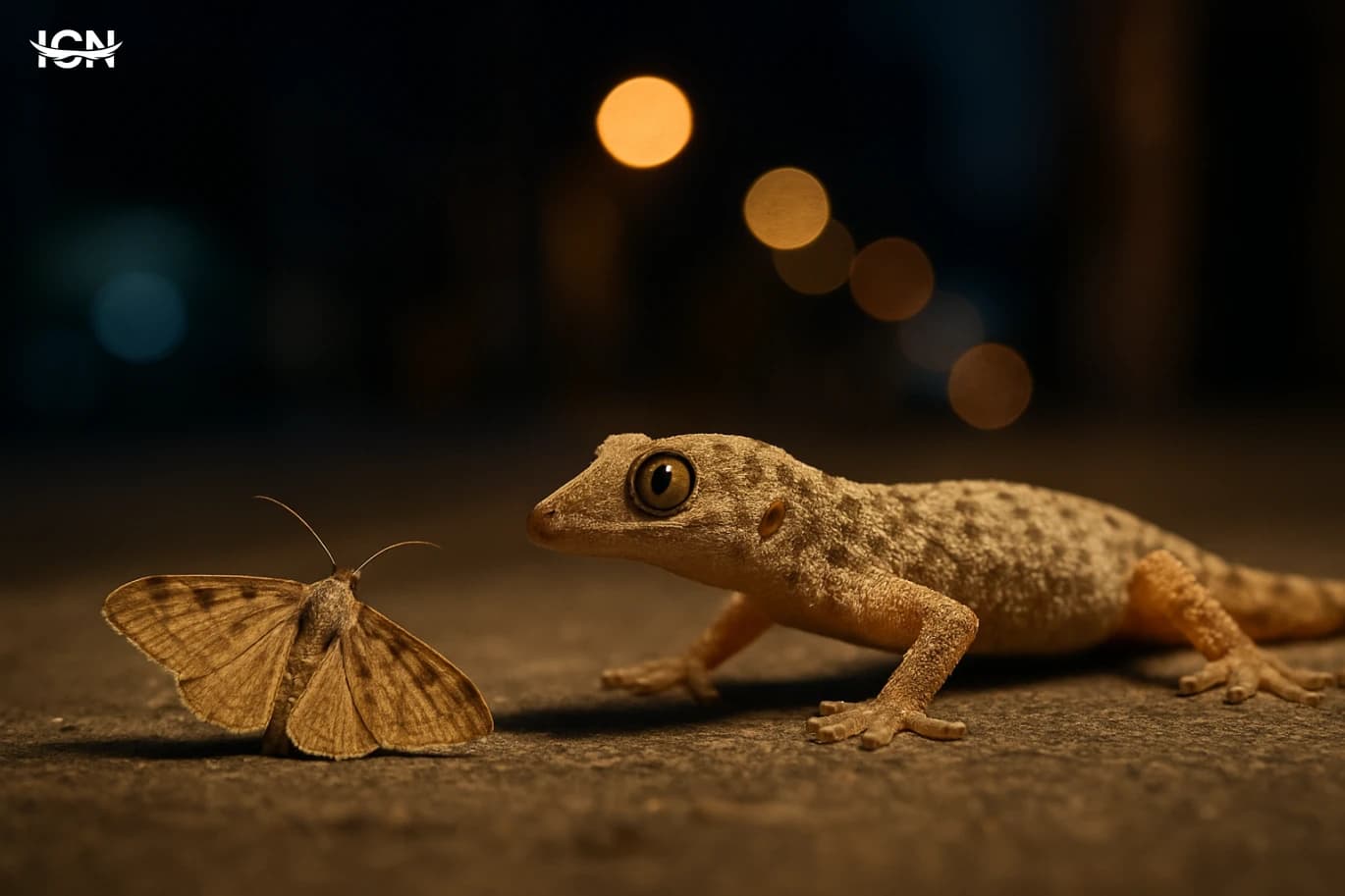
In many warm cities, geckos have become one of the most visible reptiles after dark, especially around apartment corridors, storefronts, and parking lots. The reason is practical: artificial lighting concentrates insects in predictable places, and geckos are efficient sit-and-wait hunters. A single bright wall lamp can draw moths, midges, and small beetles for hours, creating a steady food supply without the gecko needing to roam far. Urban structures also provide the microhabitats geckos need. Cracks in masonry, gaps behind signage, and the sheltered edges of window frames offer daytime hiding spots that stay relatively stable in temperature. Concrete and brick can hold heat into the night, extending the period when geckos can remain active. In neighborhoods with consistent outdoor lighting, geckos often establish small territories around the same fixtures, returning night after night because the hunting conditions are reliable.
Geckos and Moths in Urban Nights
On warm evenings in many cities, a small ecological drama plays out around porch lights, shop signs, and parking-lot lamps. Moths and other night-flying insects gather where light is strongest, and geckos take advantage of the concentration of prey. This is not just a curiosity: it is a measurable interaction between insects and reptiles that can influence local insect numbers, gecko growth and breeding, and even how residents perceive “pests” around their homes. Urban lighting has expanded rapidly over the last few decades, and it changes insect behavior by pulling them away from darker habitats. For geckos—especially species that tolerate buildings—artificial light can function like a predictable hunting ground. The result is a tight link between lighting choices and wildlife activity. Understanding the gecko–moth relationship helps explain why geckos are common on walls near lamps, why some neighborhoods report more moths than others, and how small changes in lighting can shift the balance between nuisance insects and natural predators.
By clicking the SUBSCRIBE button, you are agreeing to our Privacy & Cookie Policy If you want to unsubsribe the marketing email, please proceed to our privacy center.
© 2005-2026 ICN. All Rights Reserved.