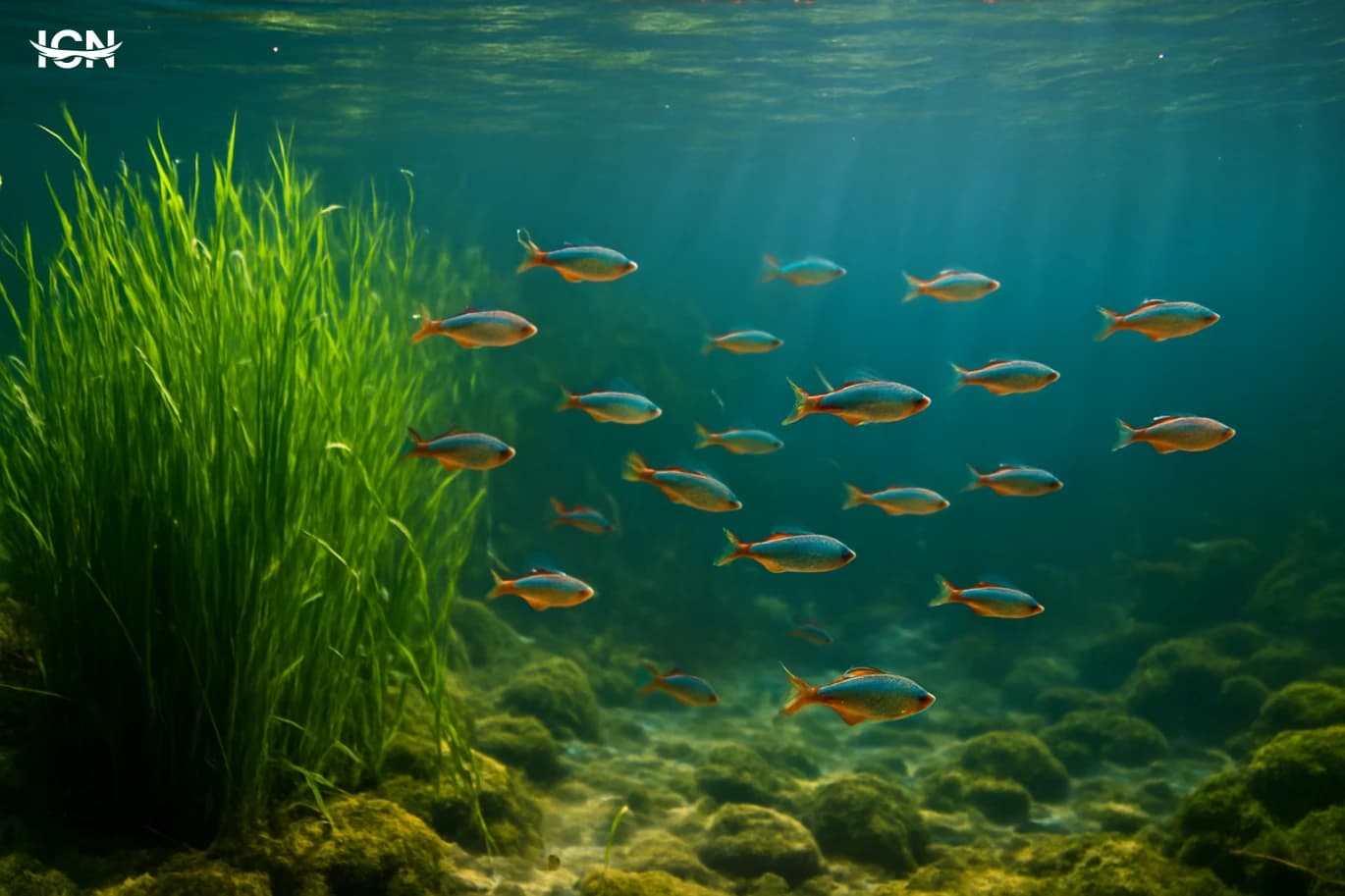
The Wonders of Aquatic Life

- Introduction to Aquatic Life
- Marine Ecosystems
- Freshwater Habitats
- The Impact of Climate Change
- Human Interaction and Conservation
Introduction to Aquatic Life
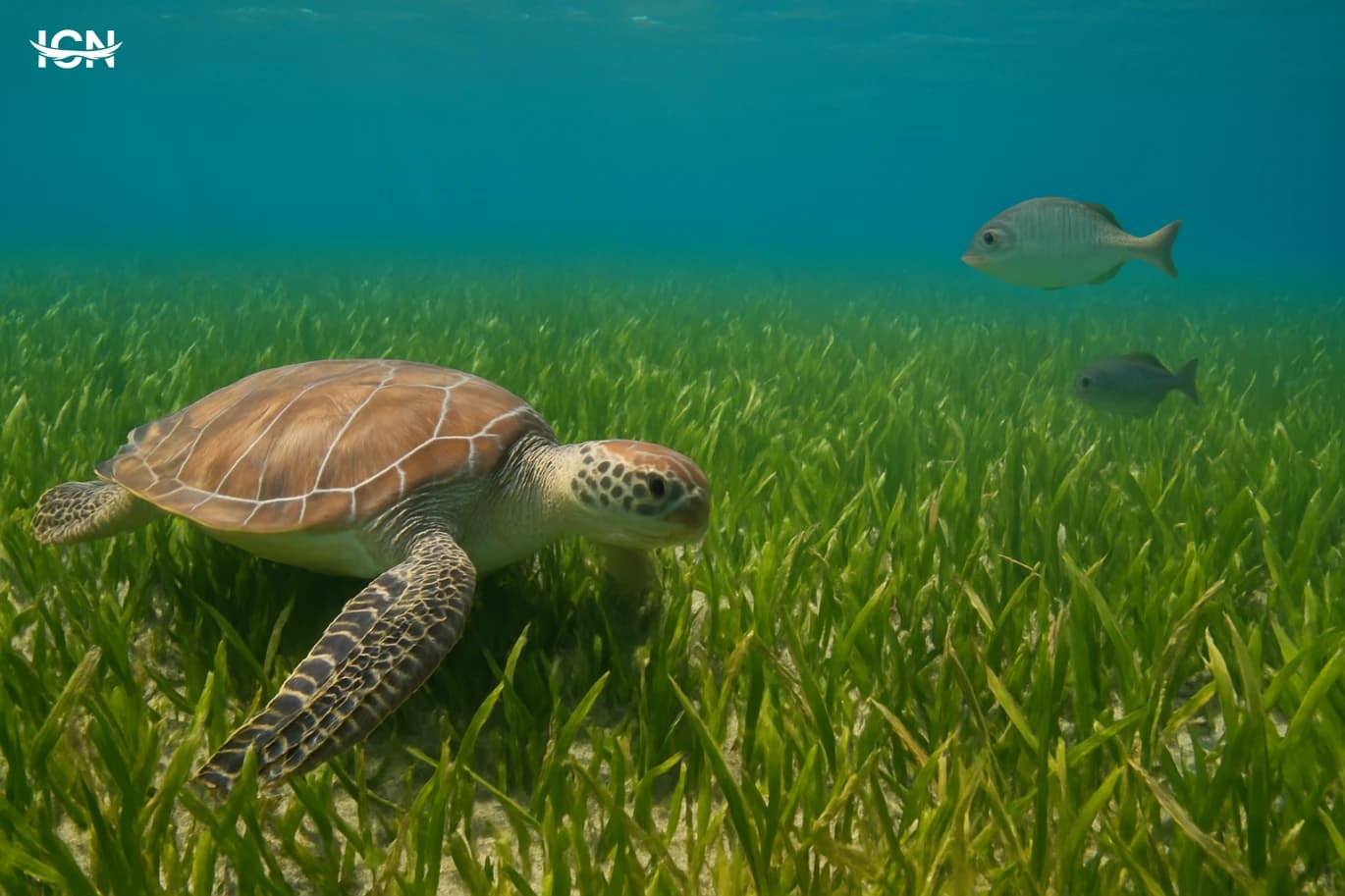
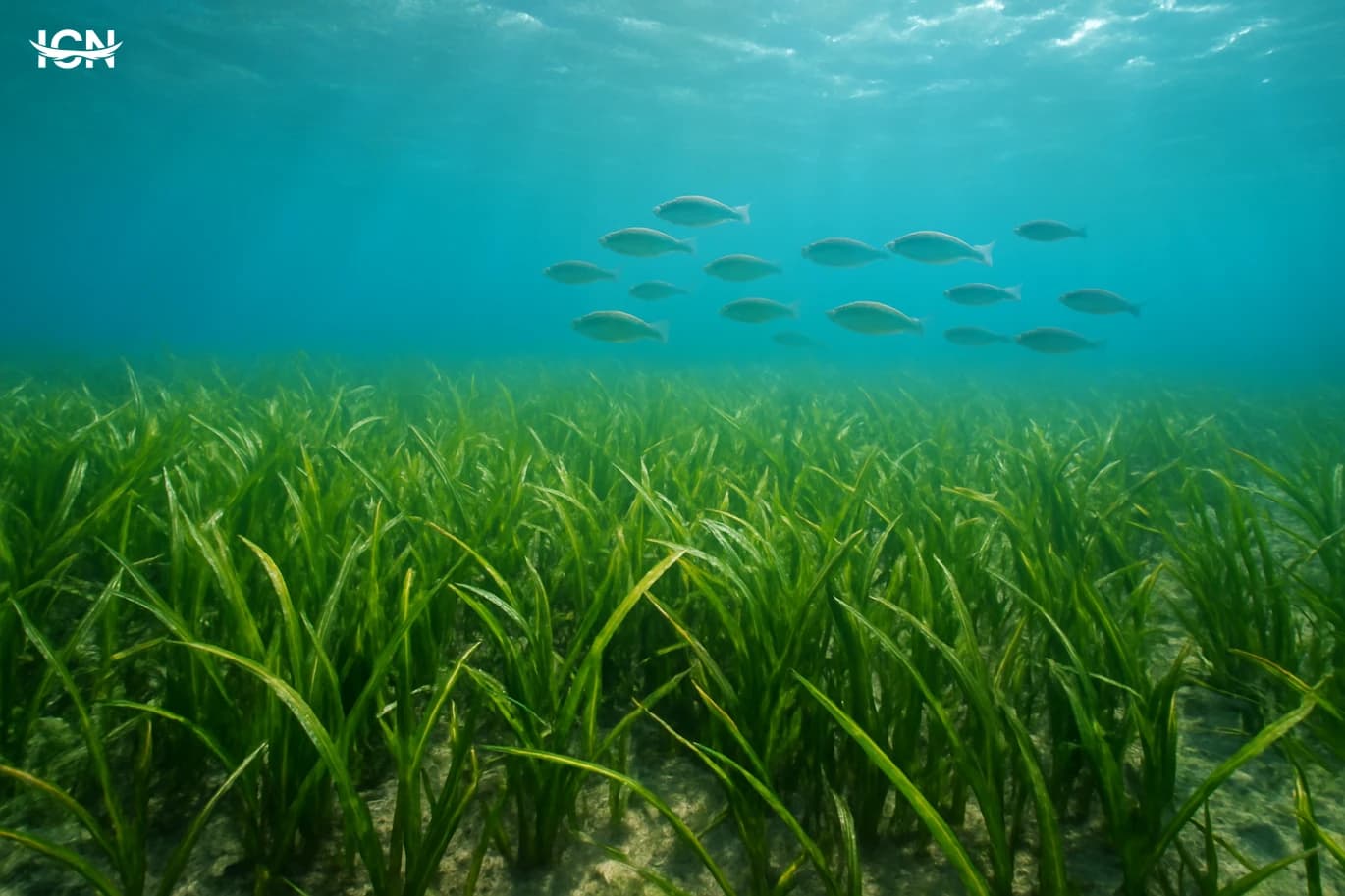
Aquatic life covers an incredible range of biodiversity, from the smallest plankton to the largest whales. The world's oceans, seas, rivers, and lakes are teeming with life, each organism playing a critical role in their ecosystems. Understanding aquatic life is crucial for preserving these environments for future generations.
Marine Ecosystems
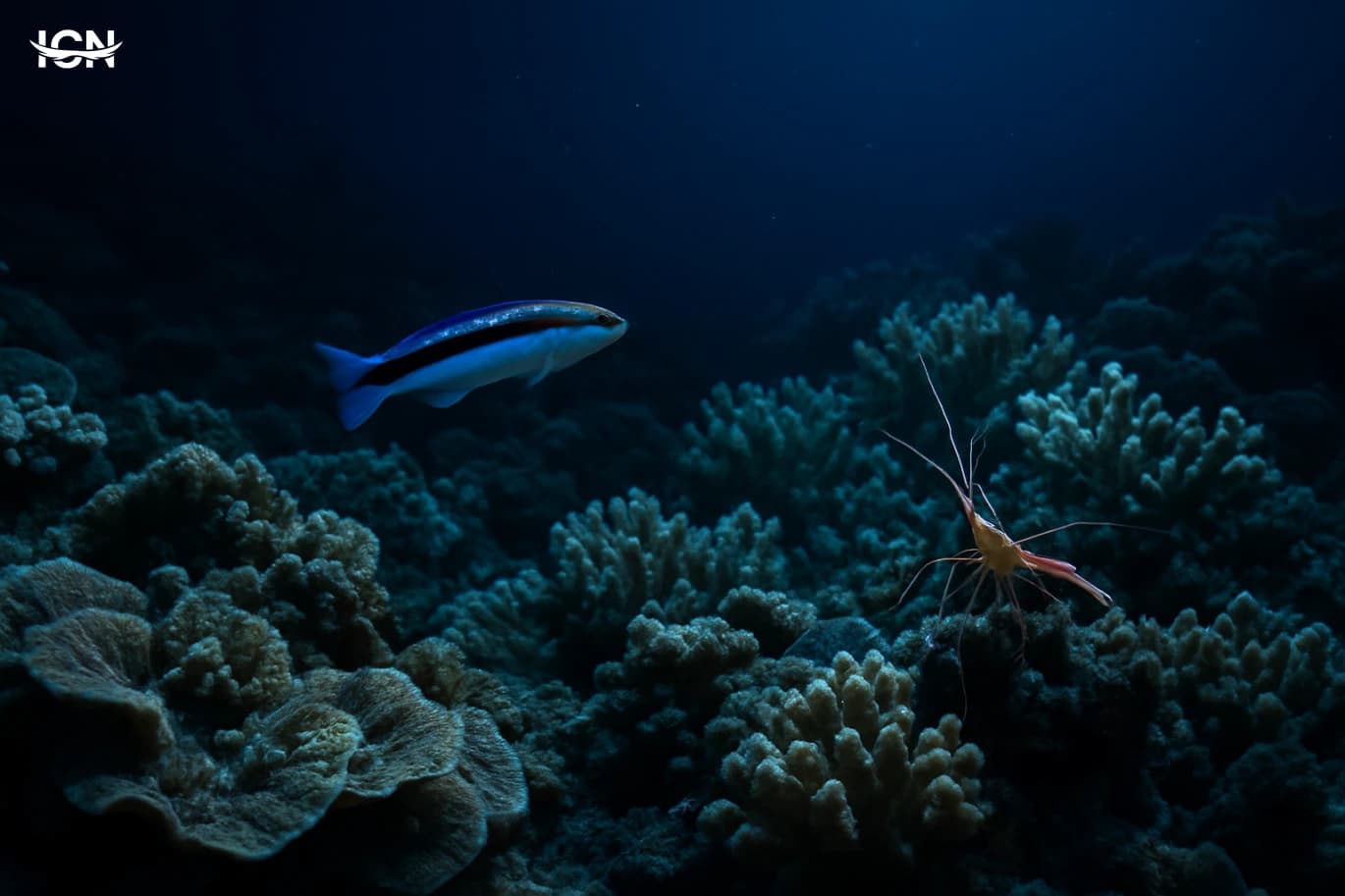
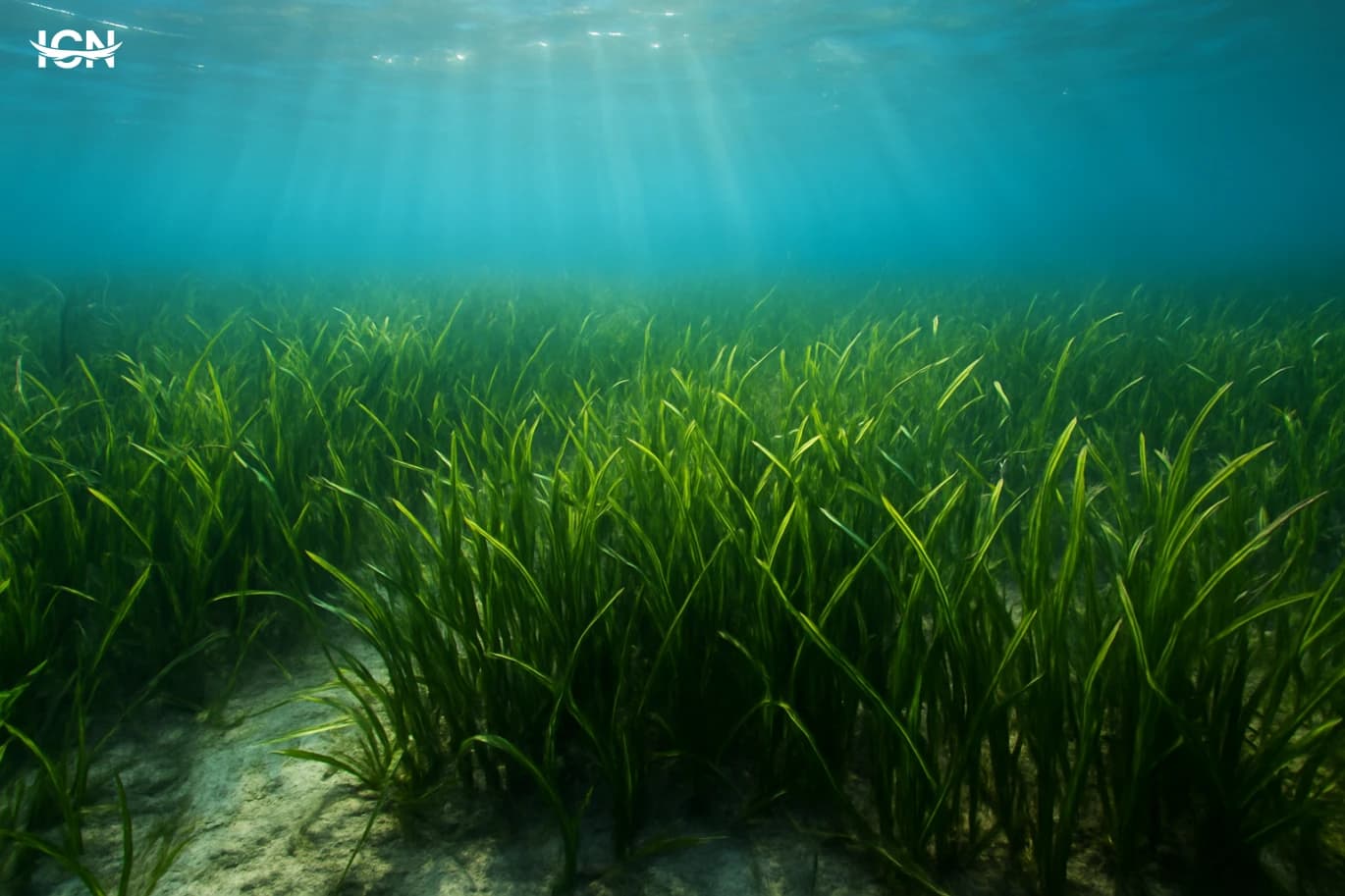
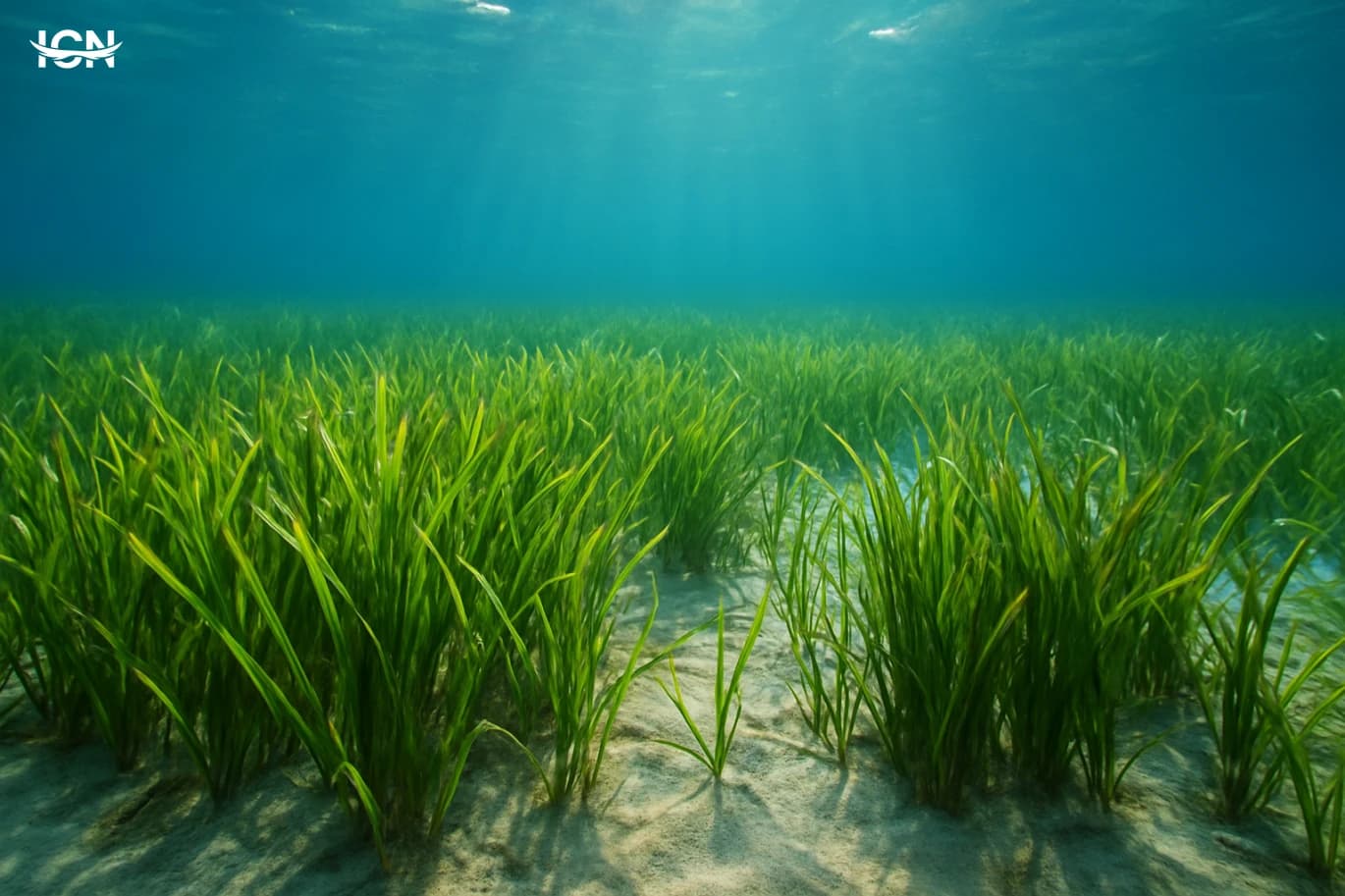
Marine ecosystems are among the most dynamic and diverse on the planet. These environments include coral reefs, estuaries, and deep-sea trenches. Each ecosystem hosts unique species that contribute to the overall health of the ocean, offering services like carbon sequestration, oxygen production, and food resources.
Freshwater Habitats
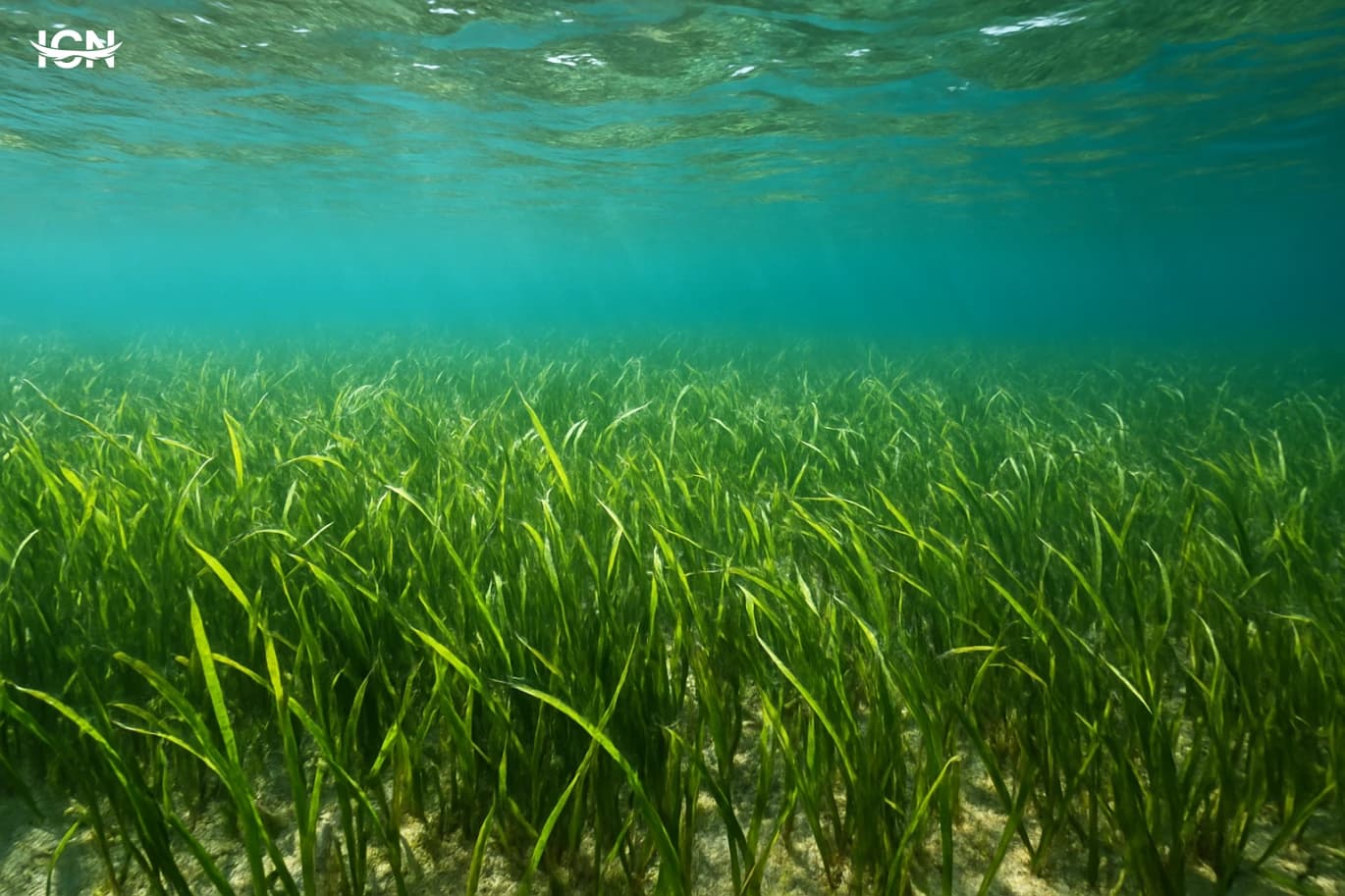
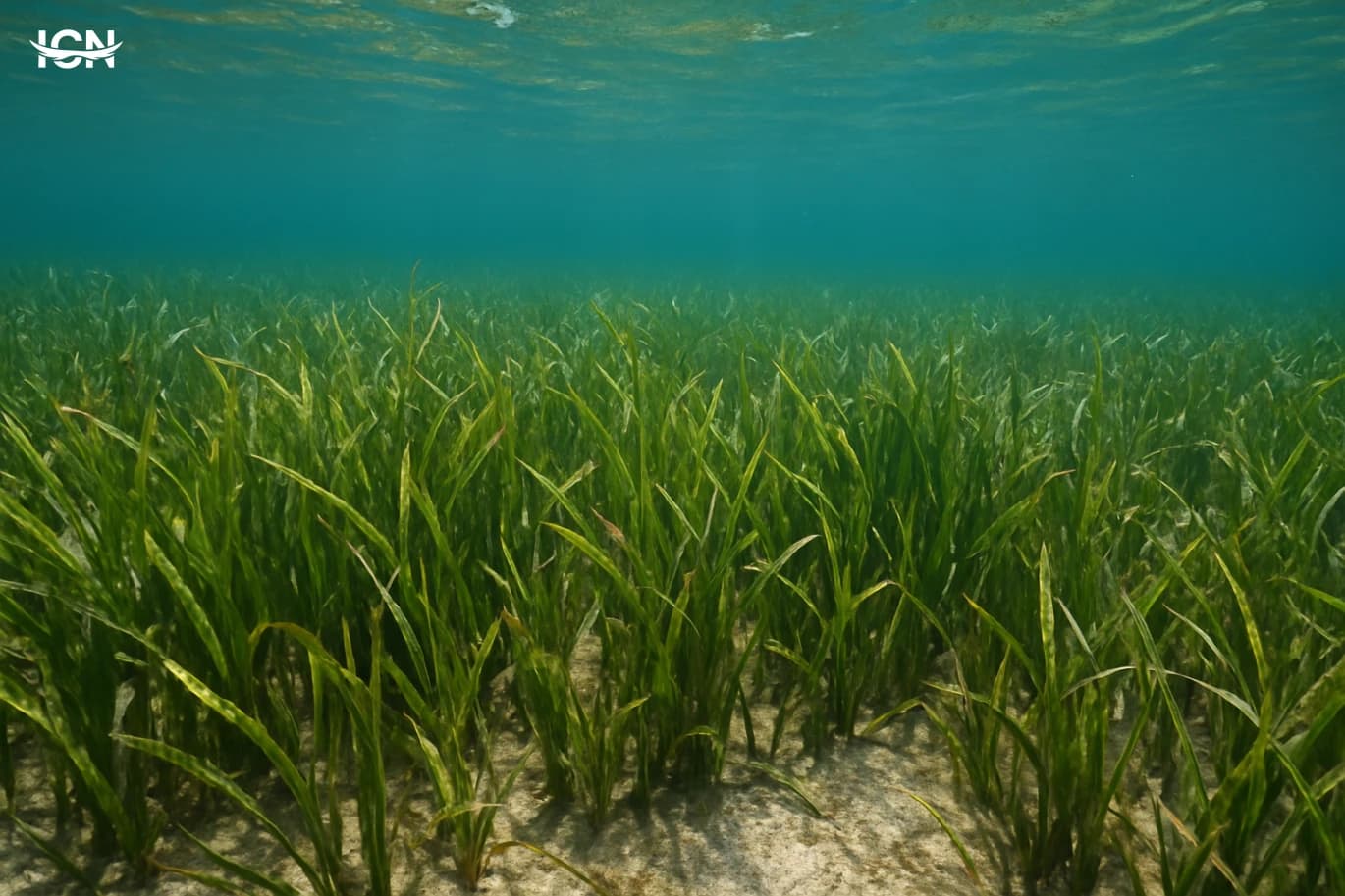
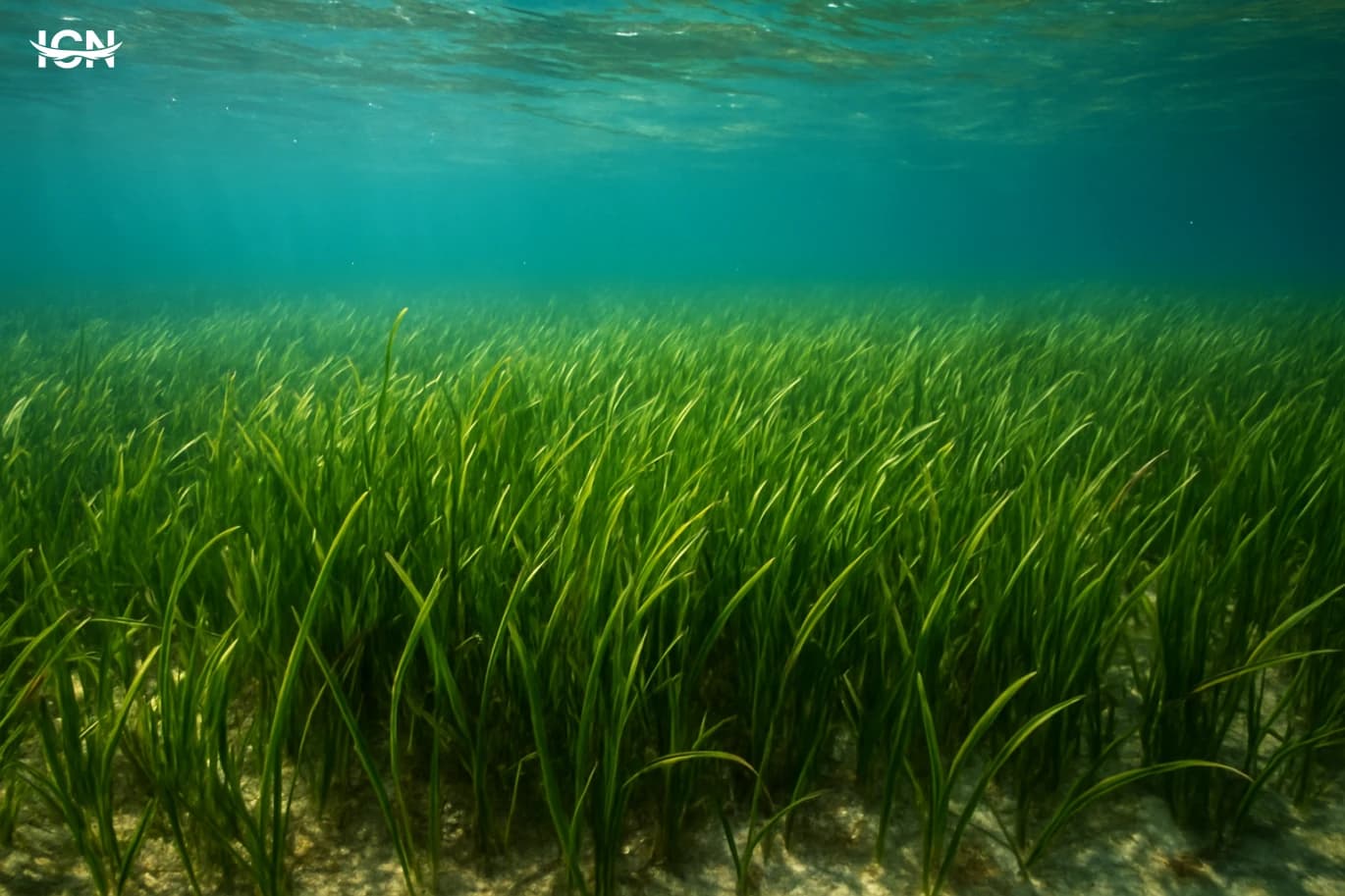
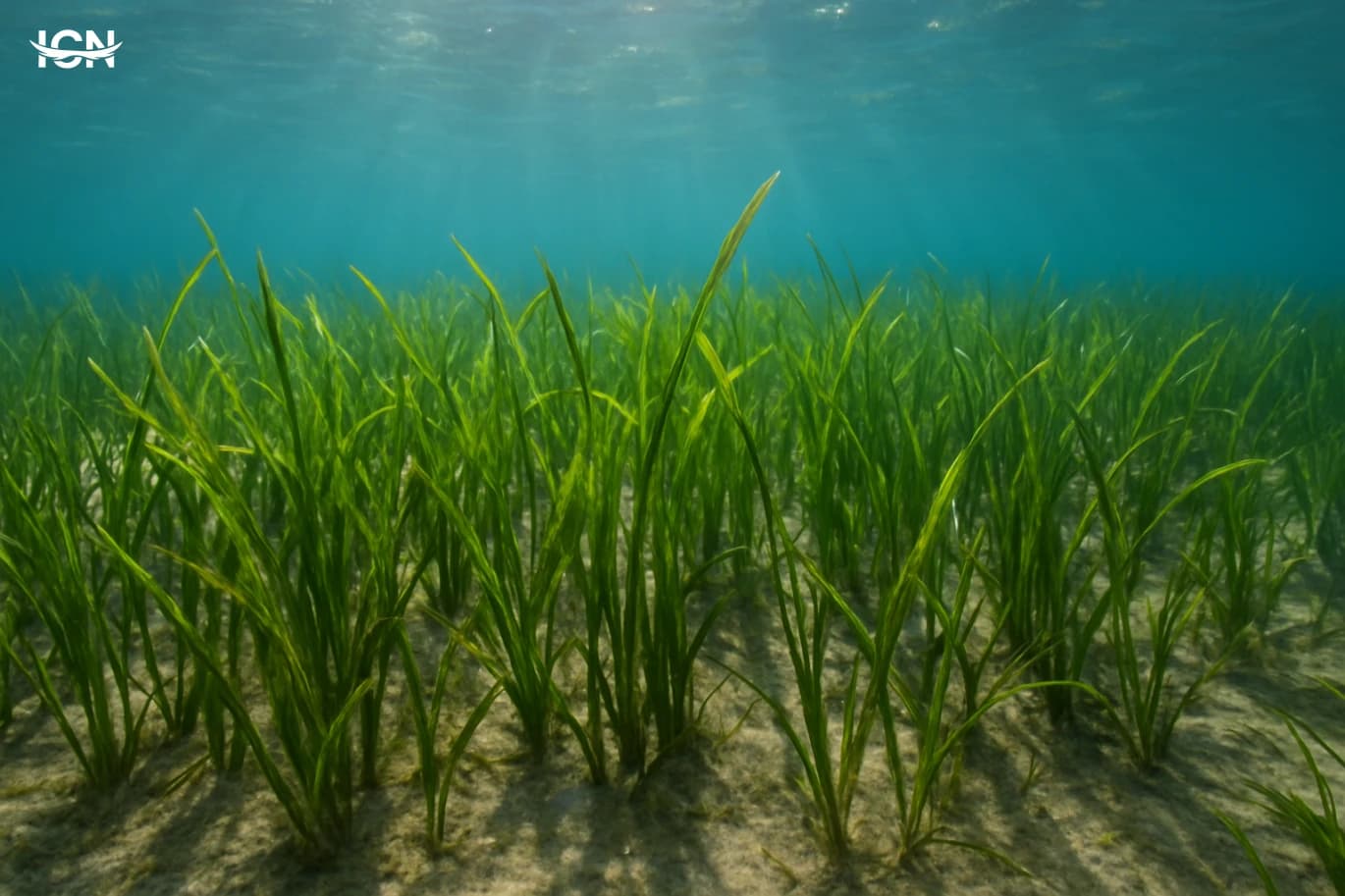
Freshwater habitats, including lakes, rivers, and wetlands, are vital for both aquatic and terrestrial life. These ecosystems support a diverse array of species, providing water and resources that are essential for survival. Conservation efforts are necessary to protect freshwater ecosystems from pollution, overfishing, and habitat destruction.
The Impact of Climate Change
Climate change is having profound effects on aquatic ecosystems. Rising temperatures and ocean acidification threaten coral reefs and alter the distribution of marine species. Freshwater habitats face changes in rainfall patterns and increased evaporation. Adaptation strategies are critical to mitigating these impacts and ensuring the resilience of aquatic life.
Human Interaction and Conservation
Human activities such as fishing, pollution, and tourism have significant impacts on aquatic environments. Sustainable practices and conservation efforts can help protect these vital ecosystems. By promoting marine protected areas and responsible resource management, we can ensure the longevity and health of aquatic life.