How Seagrass Meadows Keep Seas Alive
- Why seagrass matters now
- A hidden engine for biodiversity
- Blue carbon and coastal protection
- What is killing seagrass
- Restoration that actually works
- What you can do locally
Why seagrass matters now
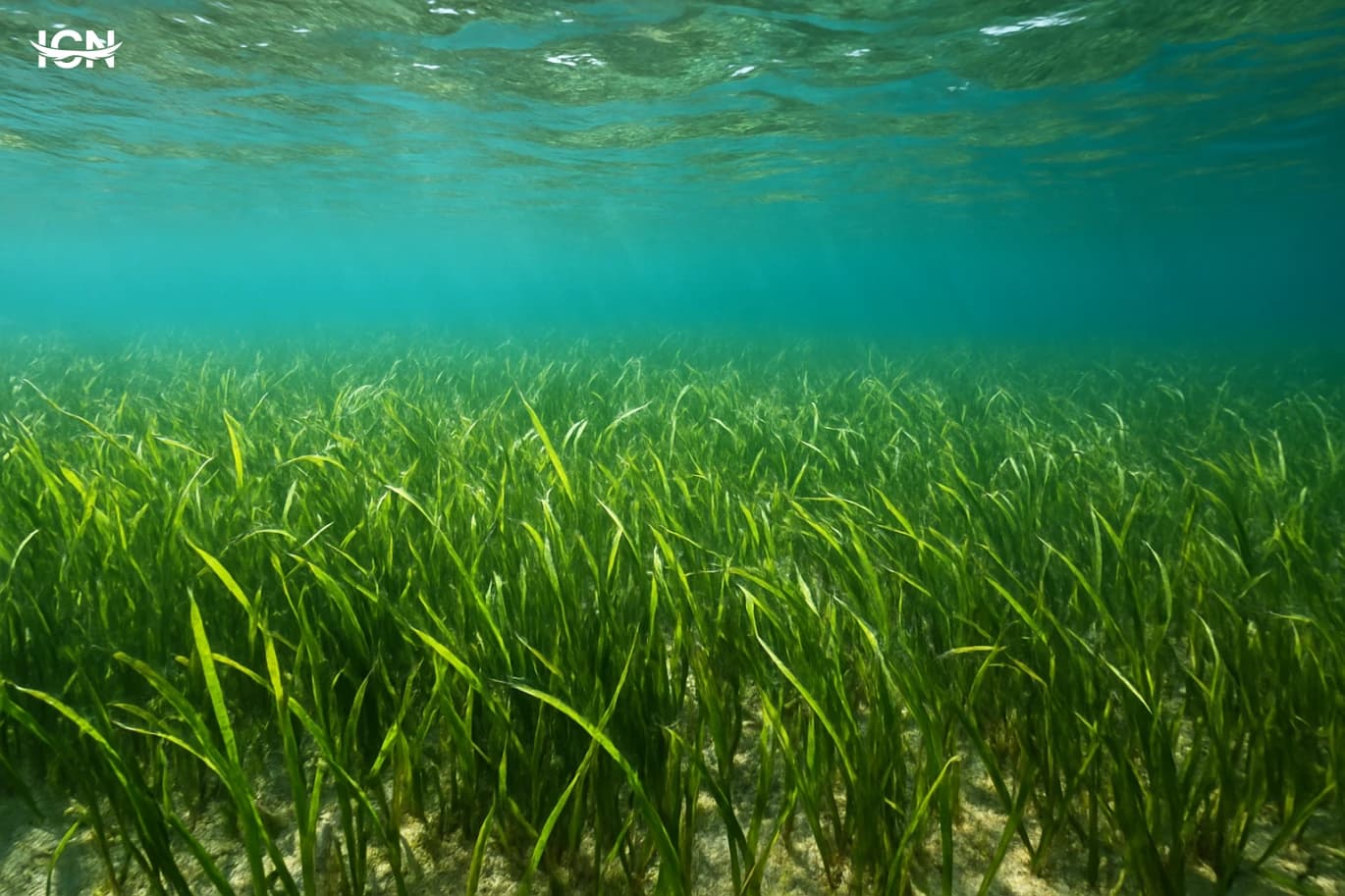
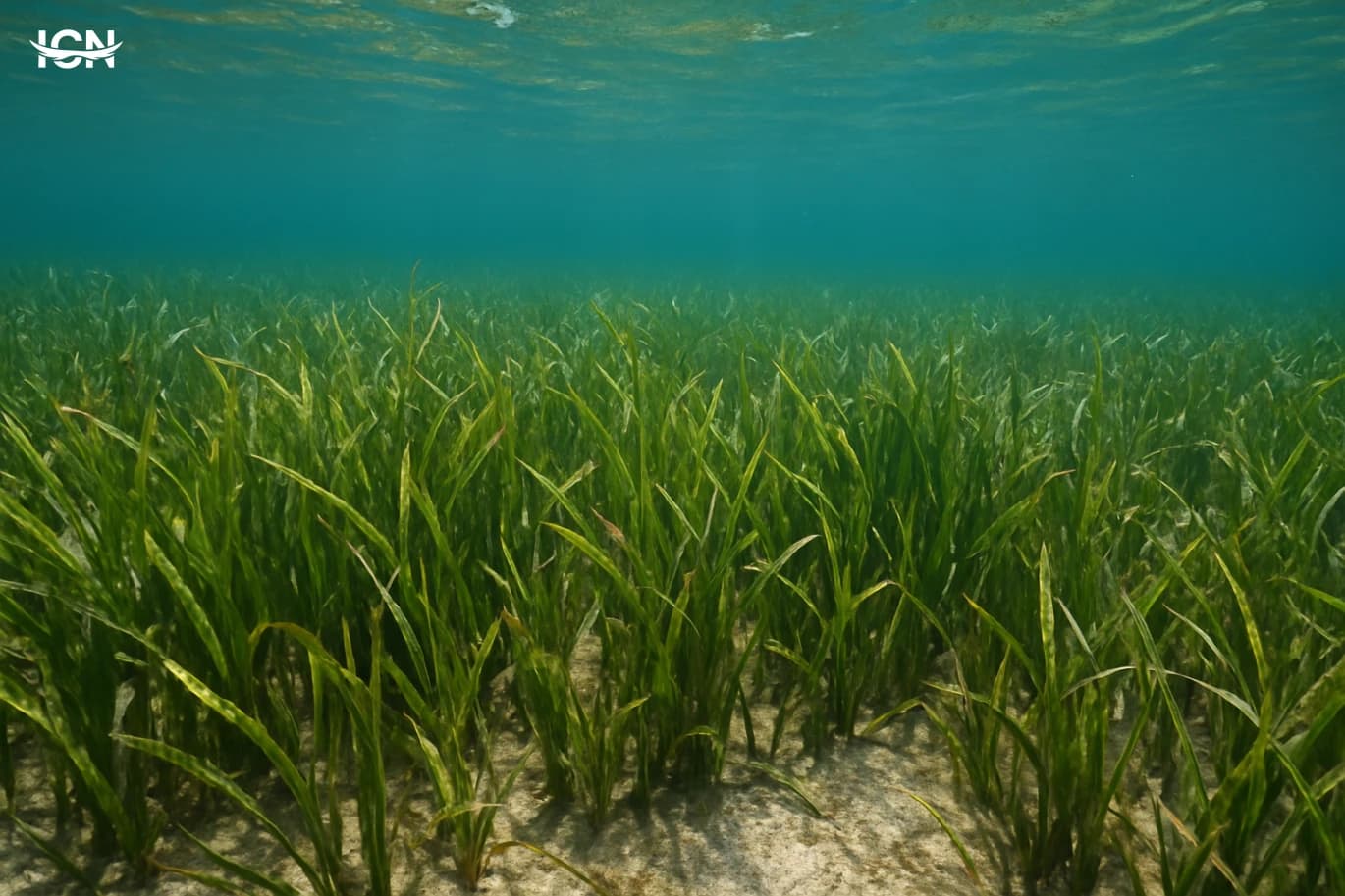
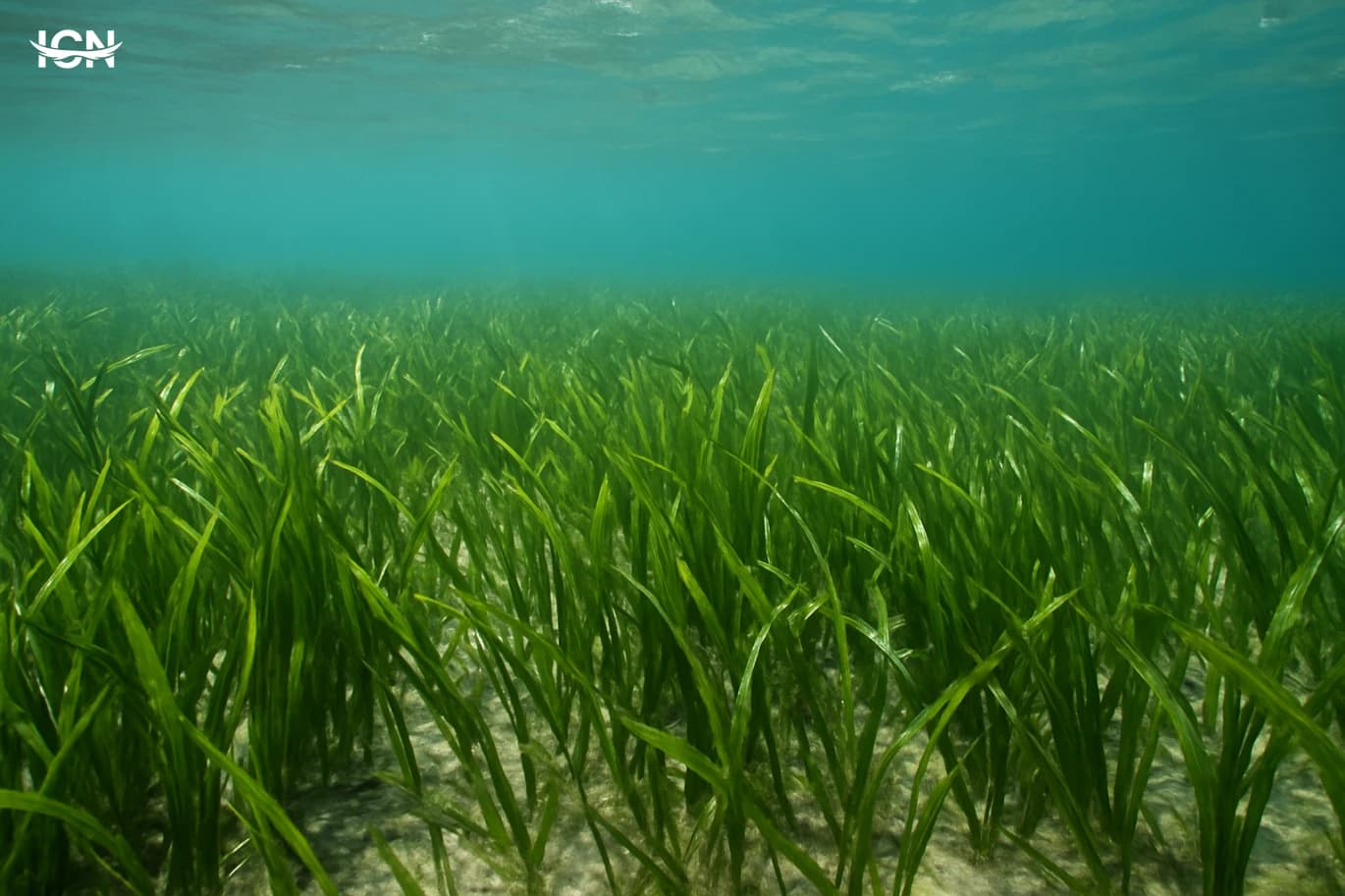
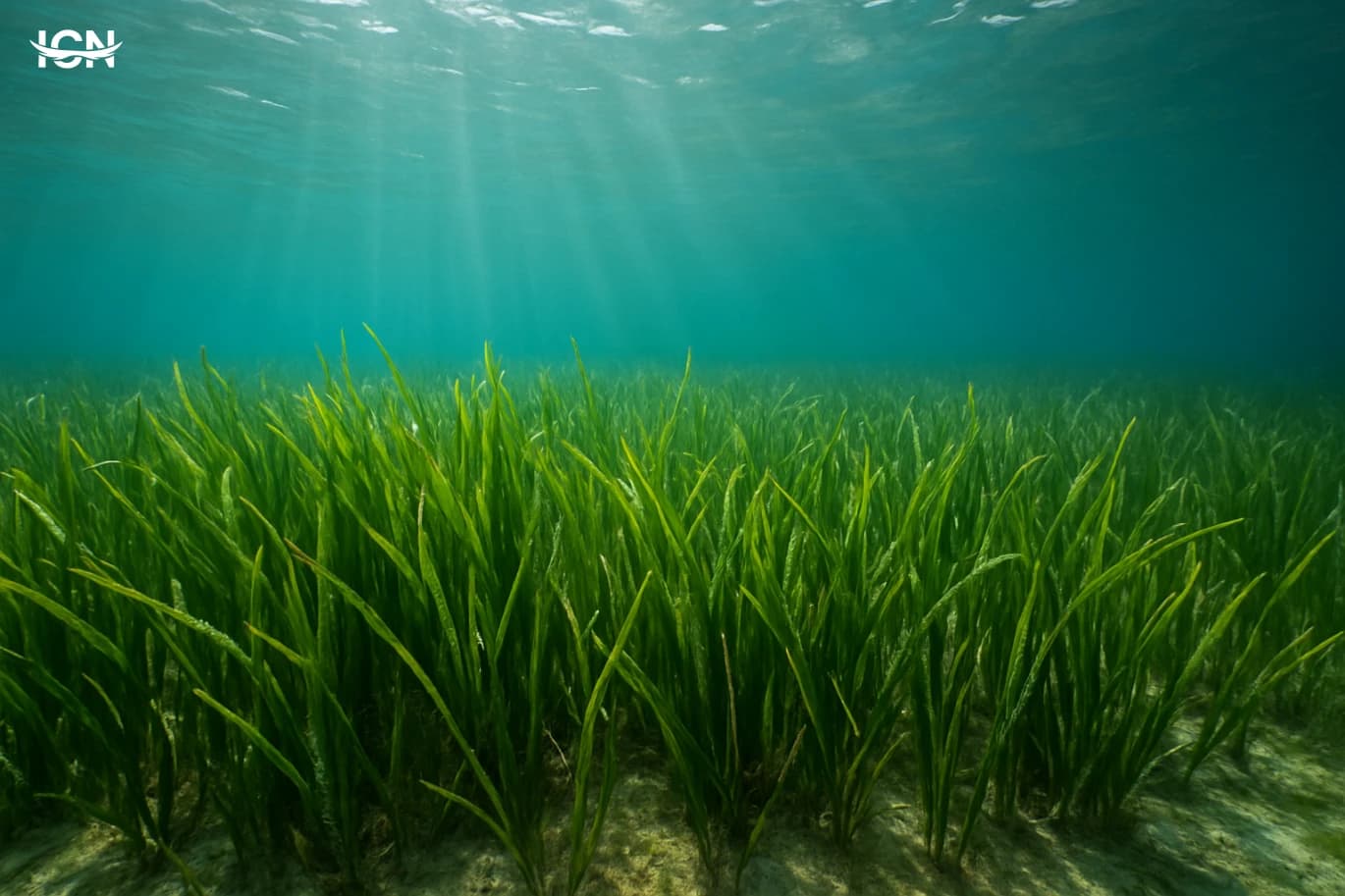
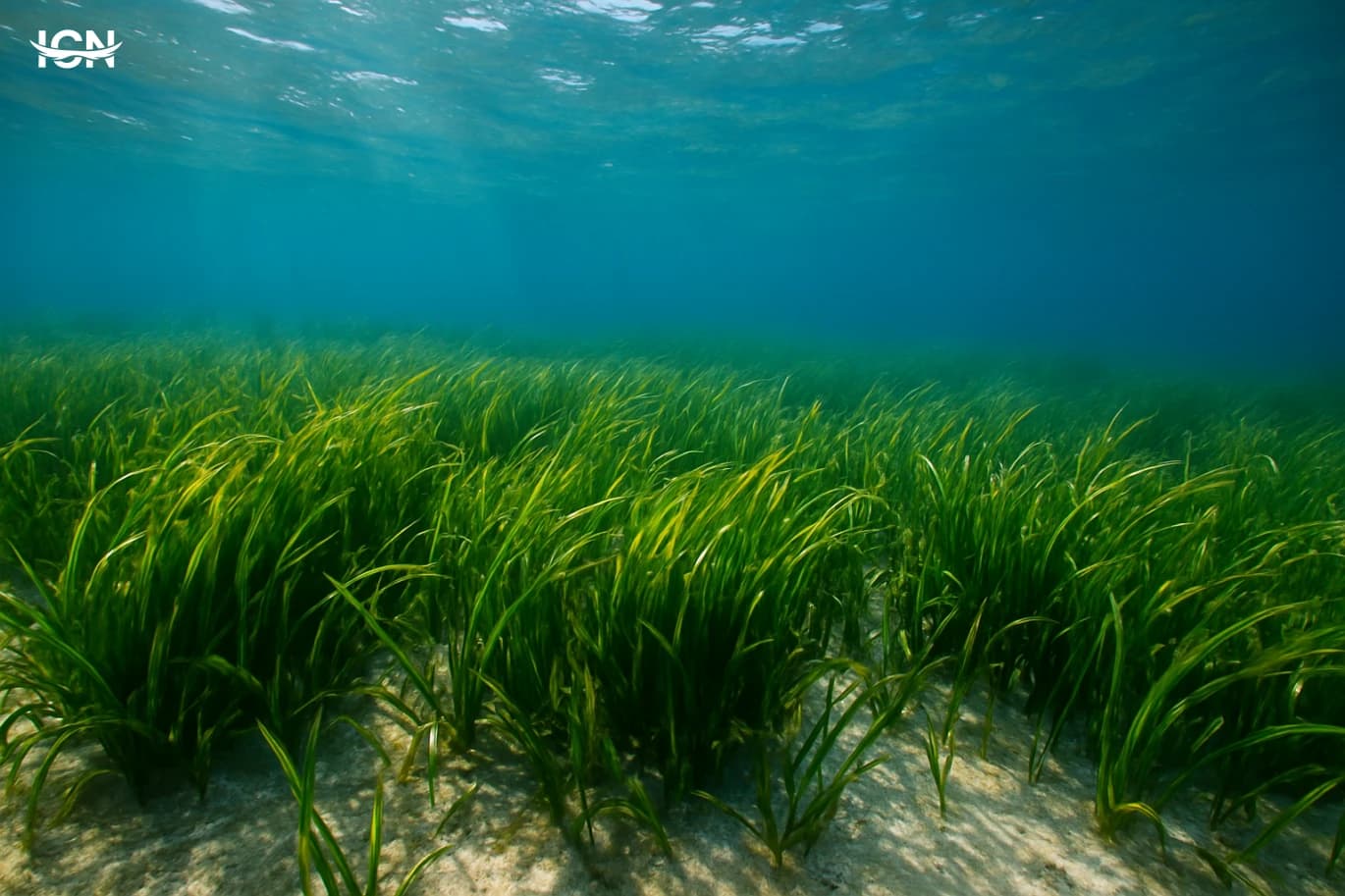
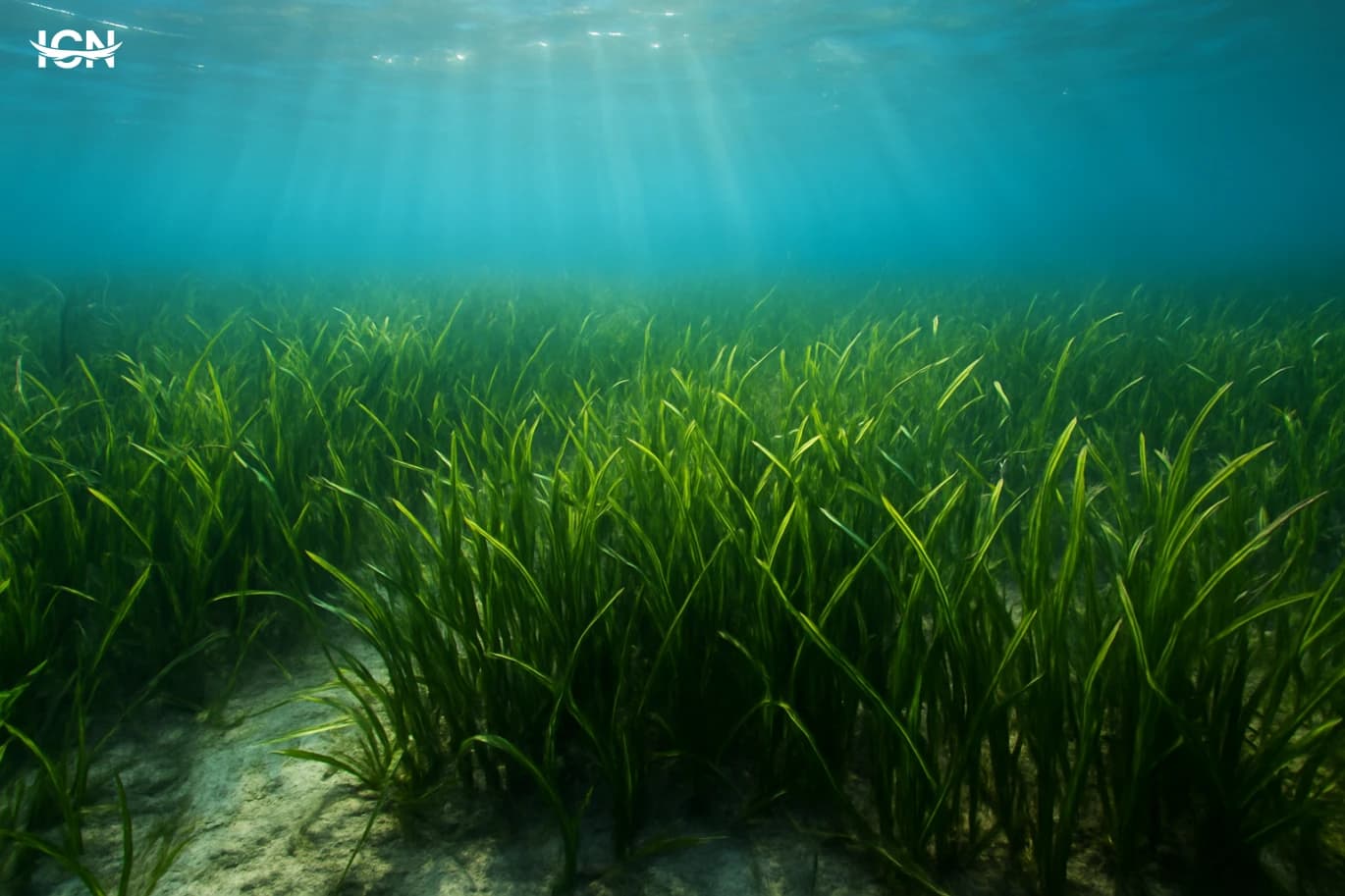
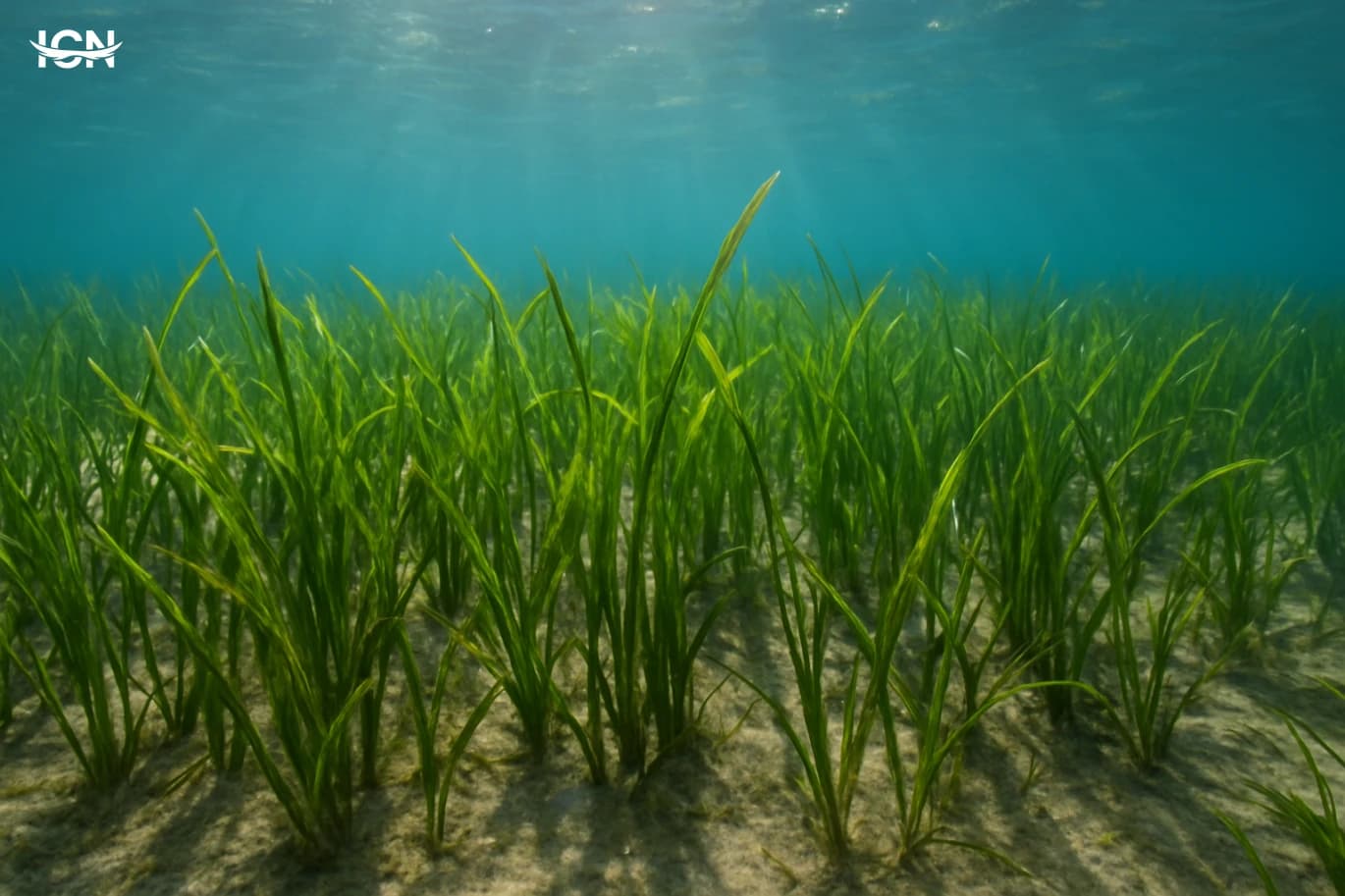
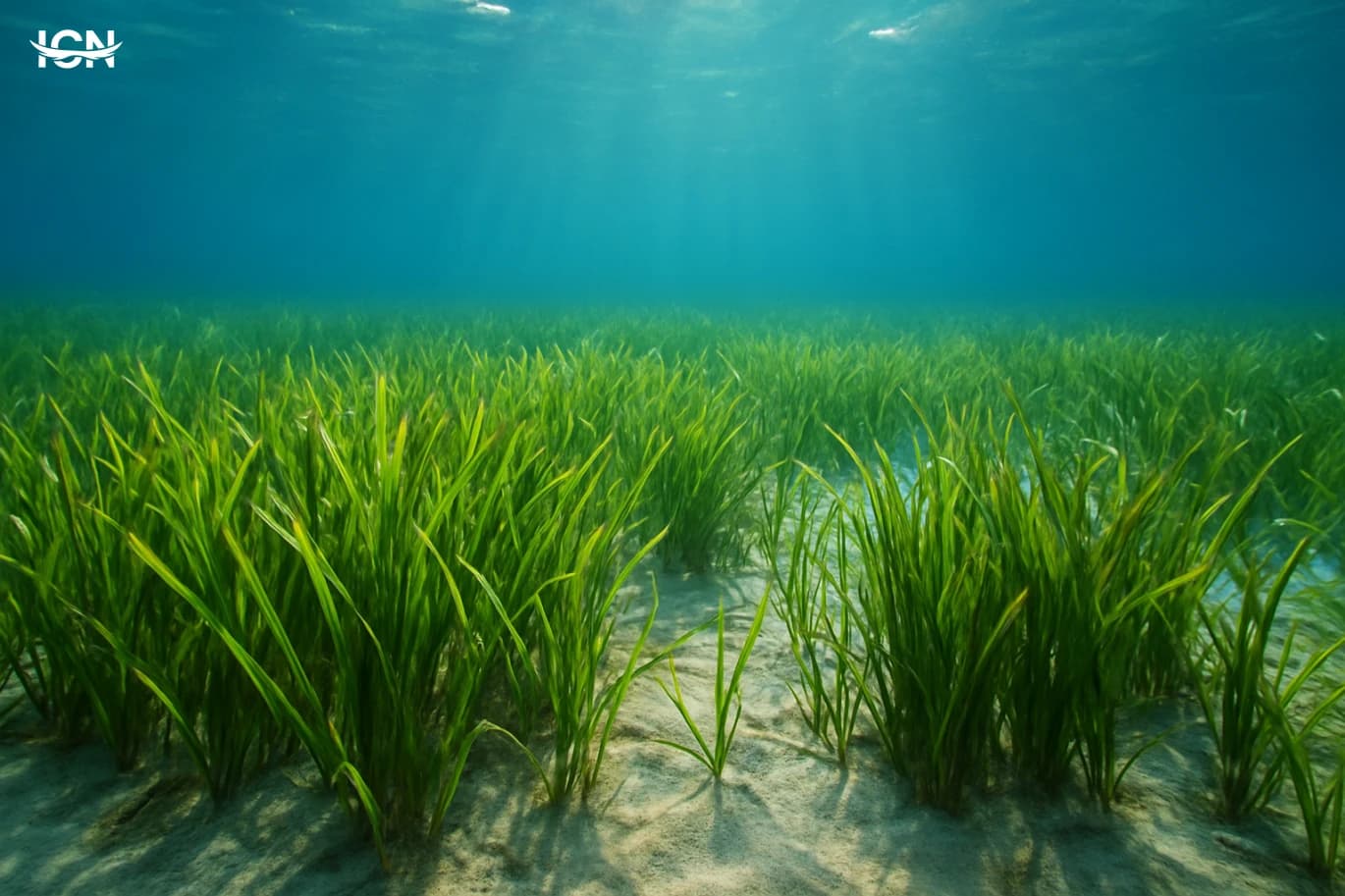
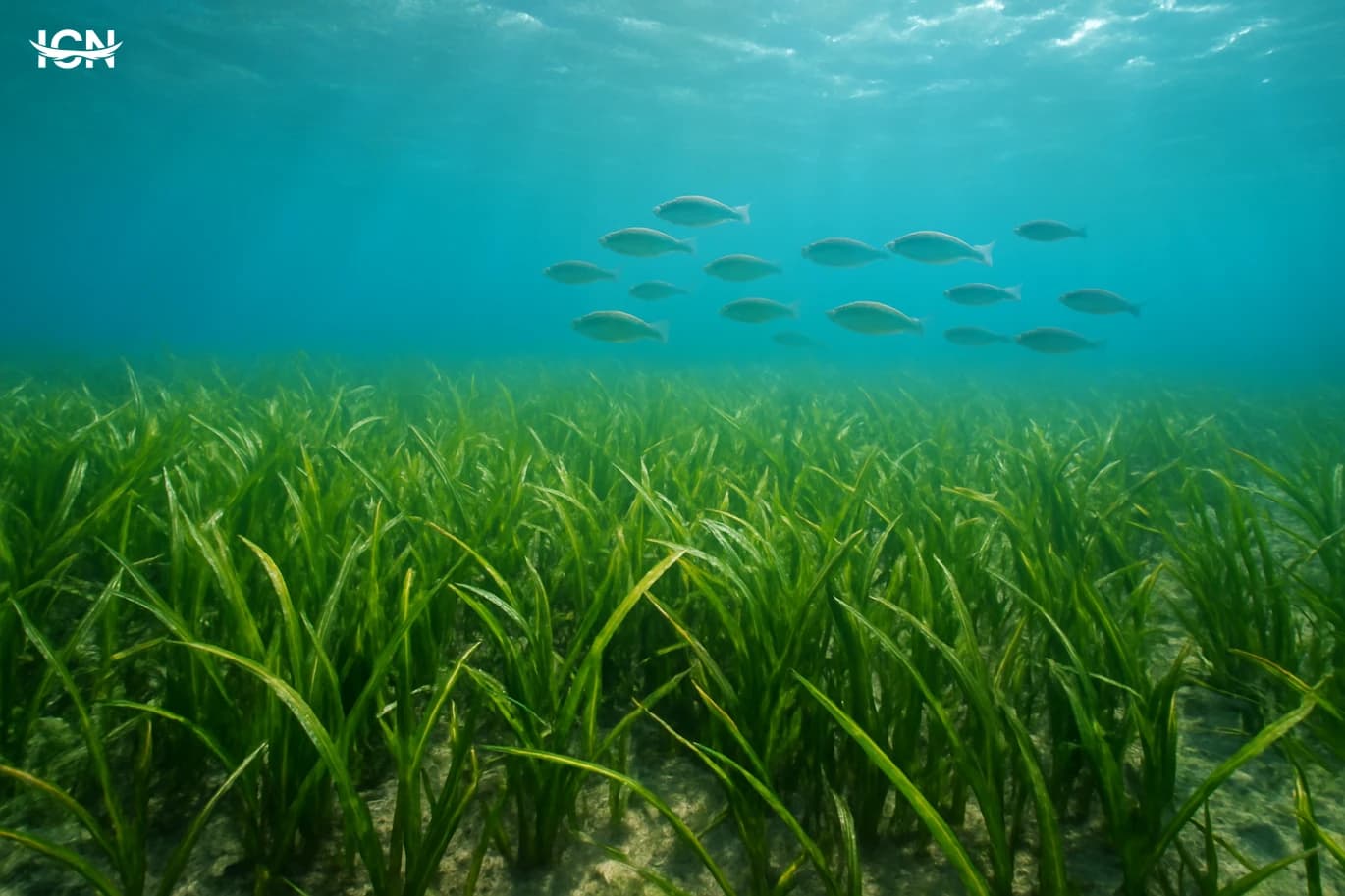
Seagrass meadows are one of the most productive coastal habitats, yet they are often overlooked because they sit underwater and rarely make headlines. These flowering plants form dense underwater fields in shallow, sunlit waters from the Mediterranean to the Caribbean and across the Indo-Pacific. They stabilize seabeds, reduce wave energy near shore, and create nursery grounds where juvenile fish and invertebrates can grow with some protection from predators. In many regions, local fisheries depend on species that spend part of their life cycle in seagrass, including sea bream, groupers, shrimp, and crabs. The urgency comes from the speed of decline. Coastal construction, dredging, and land runoff increase sediment and nutrients, clouding water and fueling algal blooms that block sunlight. Boat anchors and propellers can carve long scars through meadows, fragmenting habitat and slowing recovery. Heatwaves and marine warming add another layer of stress, especially in enclosed seas and shallow bays where temperatures rise quickly. When seagrass disappears, shorelines can erode faster, water clarity can worsen, and nearby coral reefs or kelp forests may face additional pressure from shifting sediments and nutrients.
A hidden engine for biodiversity
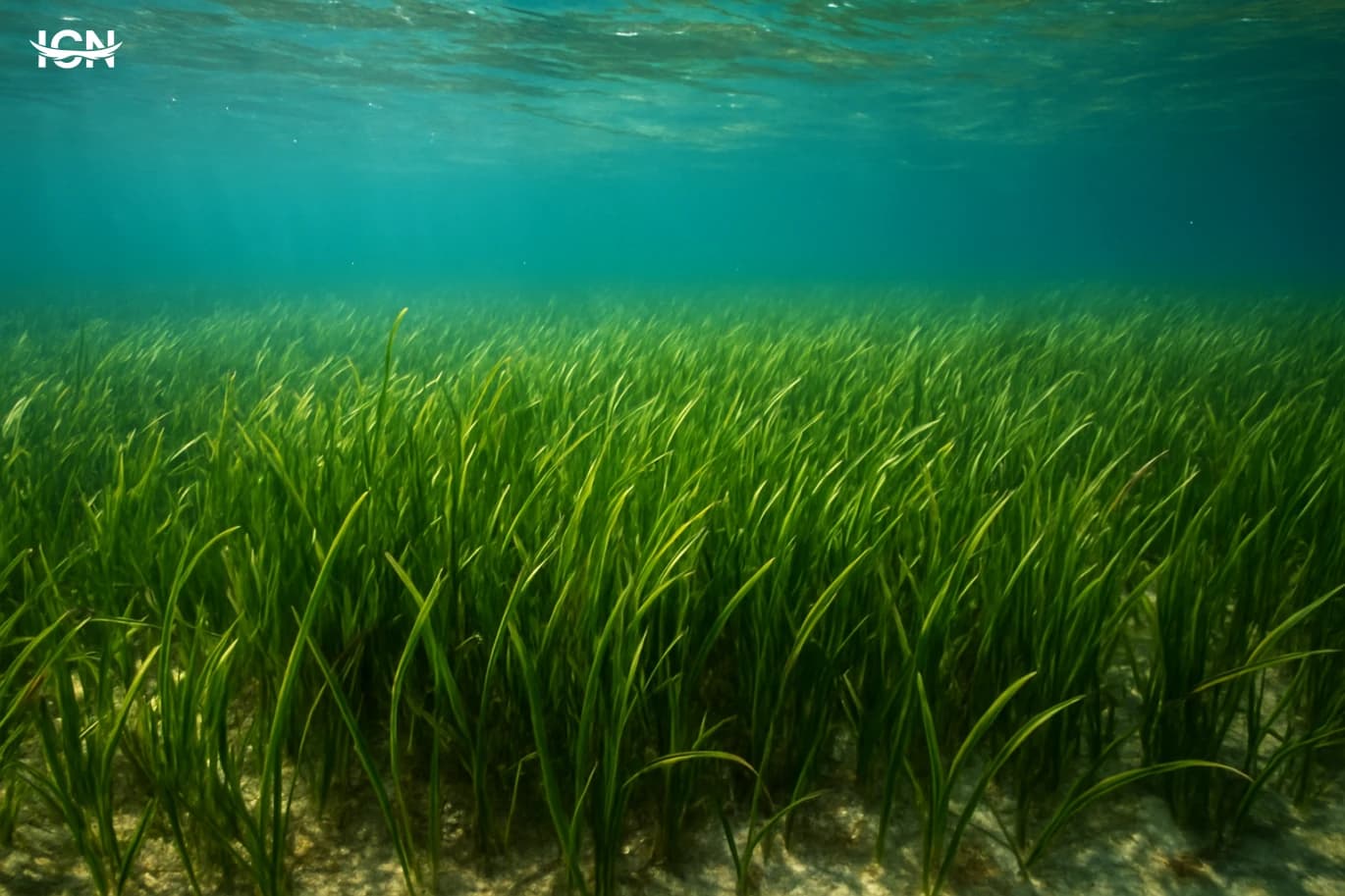
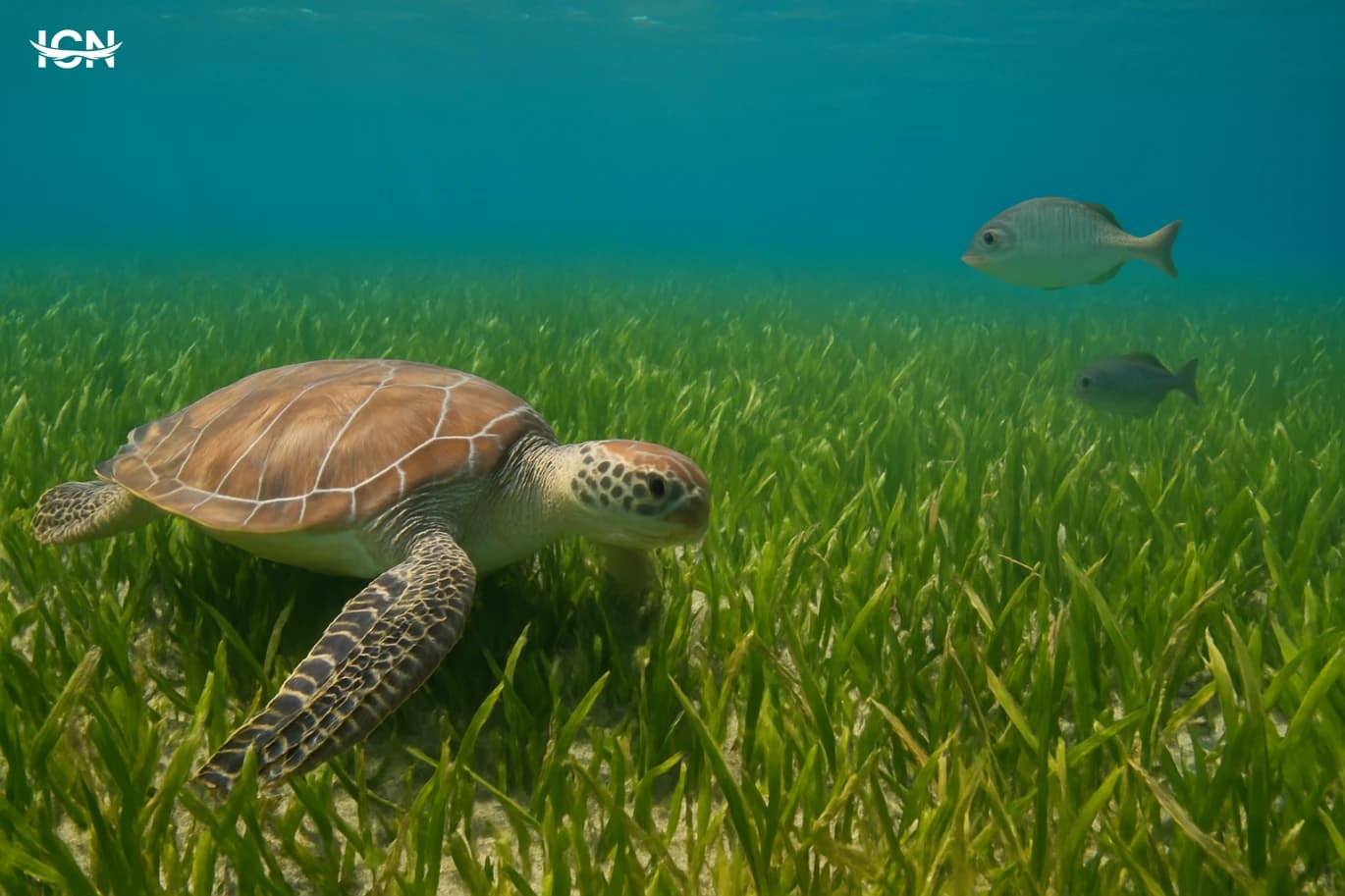
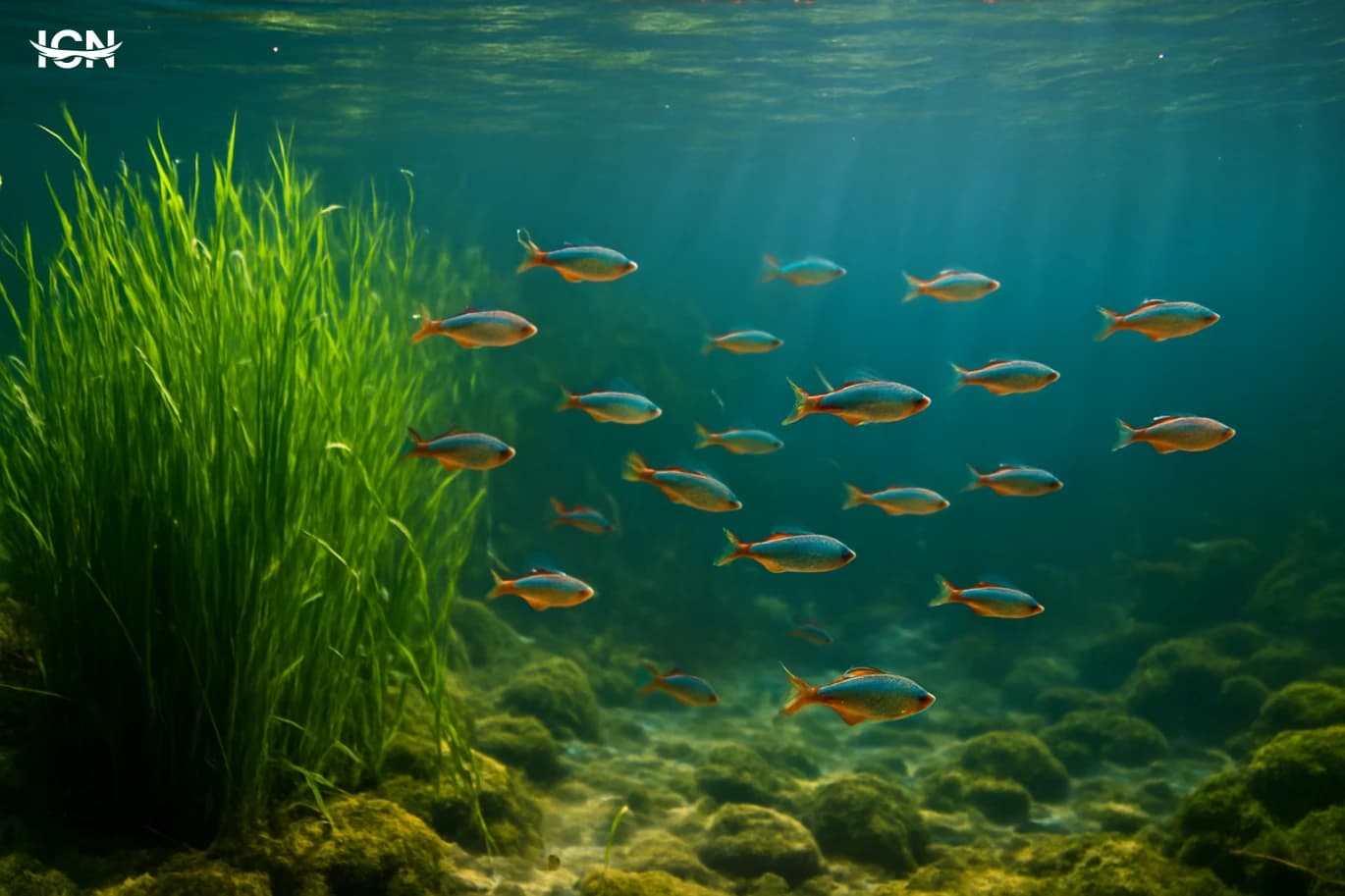
A healthy seagrass meadow functions like a compact city for marine life. The blades slow water flow, allowing tiny organisms to settle and creating a food web that starts with algae and microbes living on the leaves. Small grazers such as snails and amphipods feed there, attracting larger fish. In many coastal surveys, seagrass sites show higher abundance of juvenile fish compared with bare sand, which translates into stronger recruitment for nearby reefs and open-water fisheries. Seagrass also supports iconic species. Green turtles and dugongs feed on certain seagrass species, and their grazing can keep meadows productive when it occurs at natural levels. Seahorses and pipefish use the blades for camouflage and anchoring, while scallops and clams benefit from the calmer sediments. Even migratory birds rely on seagrass-associated invertebrates in intertidal and shallow zones. When meadows fragment, these relationships break down: predators find prey more easily, nursery areas shrink, and the entire coastal food chain becomes less resilient to shocks such as storms or sudden temperature spikes.
Blue carbon and coastal protection
Seagrass is central to the “blue carbon” conversation because it stores carbon not only in living leaves but, more importantly, in the sediments it traps and stabilizes. Over years and decades, organic material accumulates in low-oxygen layers below the meadow, where decomposition is slow. This makes seagrass meadows long-term carbon reservoirs compared with many terrestrial systems where carbon can be released quickly through fire or land-use change. The climate value is tied to local protection. By binding sediments with roots and rhizomes, seagrass reduces resuspension during storms, helping keep water clearer for nearby habitats. Clearer water supports more photosynthesis, which reinforces meadow health in a feedback loop. In practical terms, communities can see benefits in reduced shoreline erosion and improved water quality in lagoons and bays. However, when meadows are damaged and sediments are disturbed by dredging or repeated anchoring, stored carbon can be released back into the water column and potentially into the atmosphere, turning a former sink into a source. This is why restoration and protection are increasingly discussed in climate adaptation plans for coastal cities and island states.
What is killing seagrass
The most common driver is poor water quality. Nutrient pollution from wastewater and agriculture can trigger fast-growing algae that shade seagrass leaves. Fine sediments from construction sites, river modification, and coastal erosion can keep water turbid for long periods, reducing the light seagrass needs. In some tourist-heavy areas, repeated anchoring creates a patchwork of bare sand that expands as edges erode. Physical alteration of coastlines is another major factor. Dredging for ports and navigation channels can remove meadows directly and change currents in ways that prevent regrowth. Land reclamation can eliminate shallow habitat altogether. Add to this the pressure of climate change: marine heatwaves can cause sudden die-offs, and rising sea levels can push meadows deeper into areas where light is insufficient, especially if coastal development blocks their natural landward migration. Invasive species and disease can also play a role. Some regions have seen outbreaks of wasting disease, while invasive algae can smother seagrass or change sediment chemistry. The key point is that these stressors often stack. A meadow weakened by pollution is less able to survive a heatwave, and a fragmented meadow is less able to trap sediments and maintain clear water.
Restoration that actually works
Seagrass restoration is possible, but it is not as simple as planting and walking away. Successful projects start by fixing the cause of decline, especially water quality. If nutrients and turbidity remain high, new shoots are likely to fail. Many programs therefore pair restoration with wastewater upgrades, stormwater management, and stricter controls on coastal construction runoff. On the ground, techniques vary by species and site. Some projects transplant small plugs of seagrass with intact roots; others broadcast seeds collected from healthy meadows. Site selection is critical: depth, light levels, sediment type, and wave exposure determine survival. Protection measures matter just as much as planting. Installing eco-moorings that avoid dragging chains, marking no-anchor zones, and enforcing speed limits in shallow areas can prevent repeated damage. Monitoring is the difference between a photo opportunity and a measurable outcome. Projects that track shoot density, meadow area, water clarity, and biodiversity over multiple seasons can adjust methods and report credible results. Costs can be significant, but the benefits—stronger fisheries habitat, clearer water, carbon storage, and reduced erosion—often justify investment when compared with hard coastal defenses that require constant maintenance.
What you can do locally
Local action is often the fastest lever because many threats are coastal and manageable. If you boat or dive, use designated moorings and avoid anchoring on vegetation; even a single anchor drag can uproot large patches. Support marinas and tour operators that brief visitors on no-anchor zones and shallow-water speed rules. If you live near the coast, pay attention to wastewater connections and septic maintenance, because nutrient leakage is a direct driver of algal overgrowth. Community groups can partner with researchers to map meadows using snorkel surveys, drones in clear shallows, or simple GPS tracking of meadow edges. These maps help authorities plan dredging routes, place moorings, and set protected areas. Citizen reporting also matters: documenting propeller scars, illegal dumping, or sudden discoloration can trigger faster inspections. Policy choices complete the picture. Coastal cities can require sediment controls at construction sites, upgrade treatment plants, and integrate seagrass into marine spatial planning. Fisheries agencies can protect nursery areas and restrict destructive gear in sensitive shallows. The practical message is that seagrass protection is not a niche environmental issue; it is a measurable investment in water quality, shoreline stability, and the long-term productivity of aquatic life.