Seagrass Meadows That Keep Coasts Alive
- Why Seagrass Matters Now
- A Hidden Engine for Fisheries
- Coastal Protection and Cleaner Water
- Carbon Storage and Climate Links
- What’s Driving Seagrass Decline
- Practical Protection and Restoration
Why Seagrass Matters Now
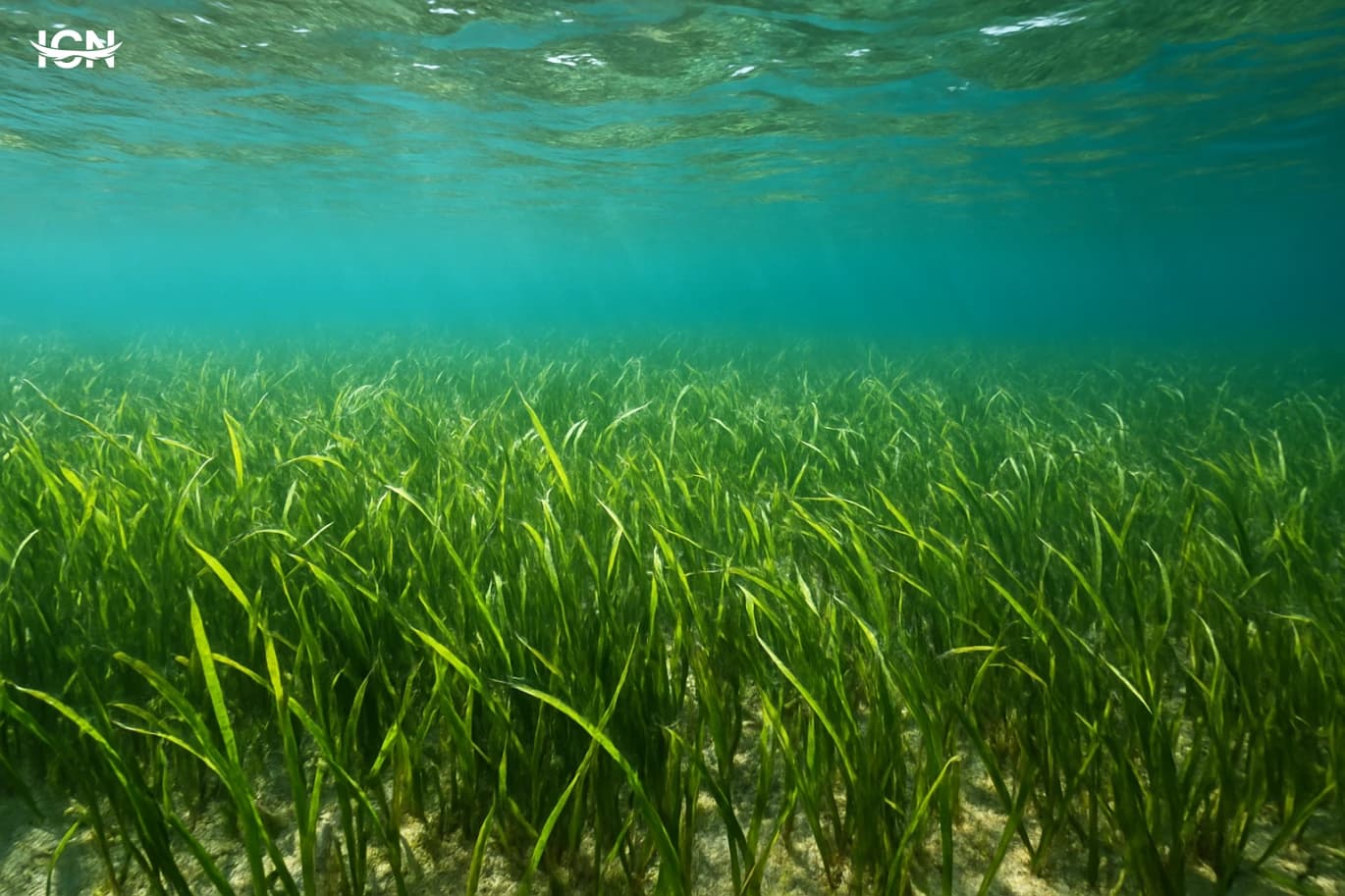
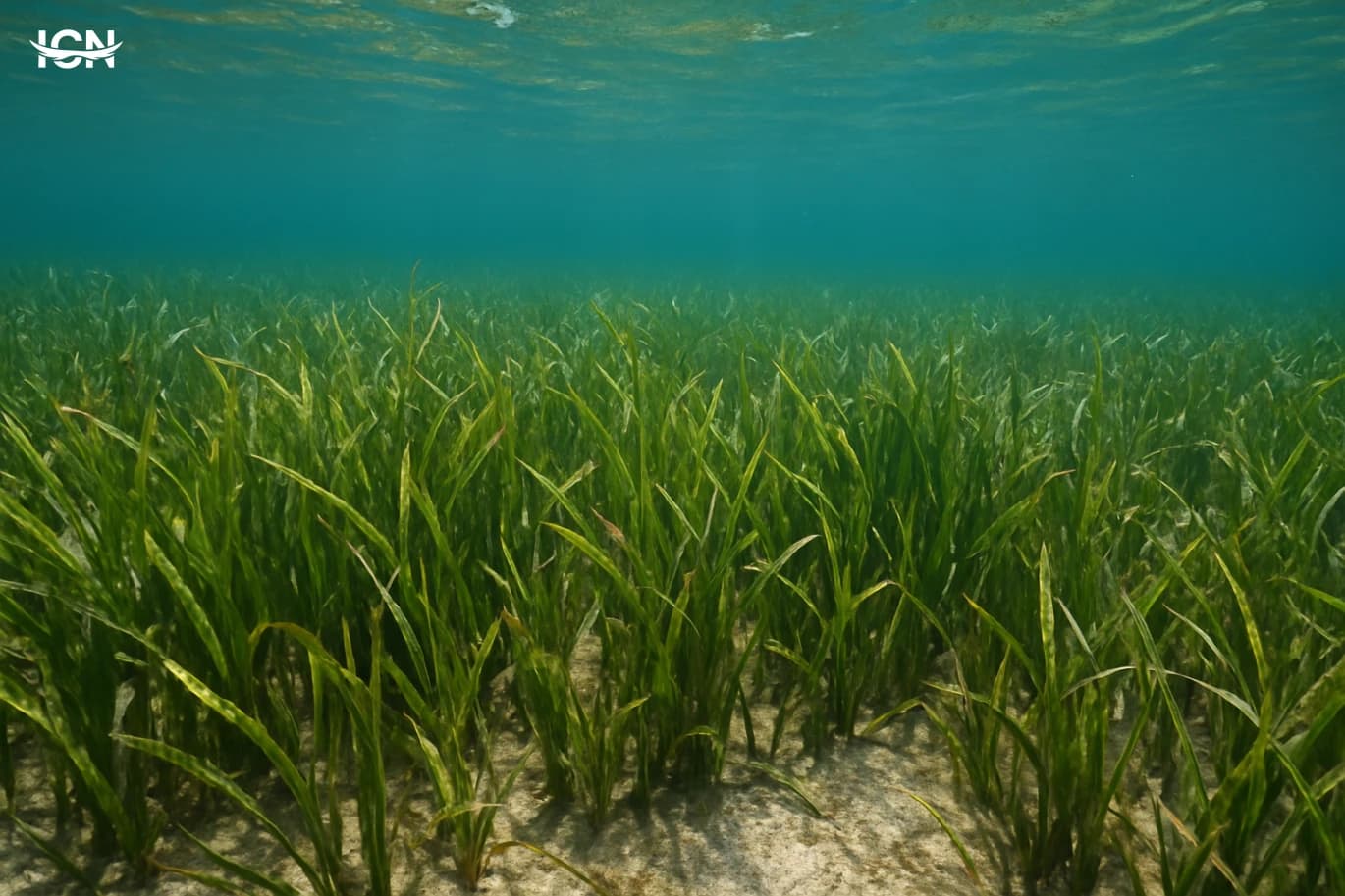
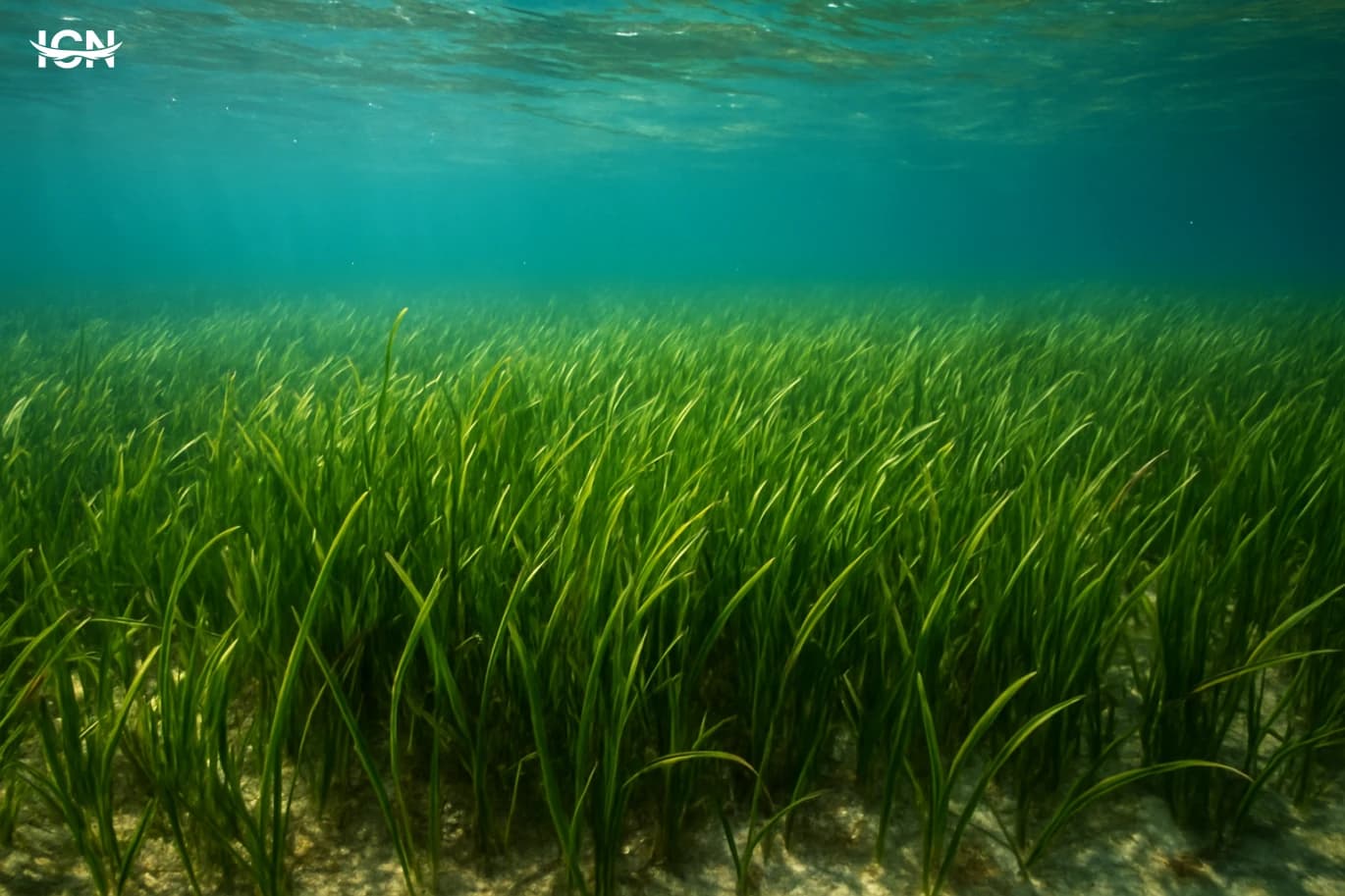
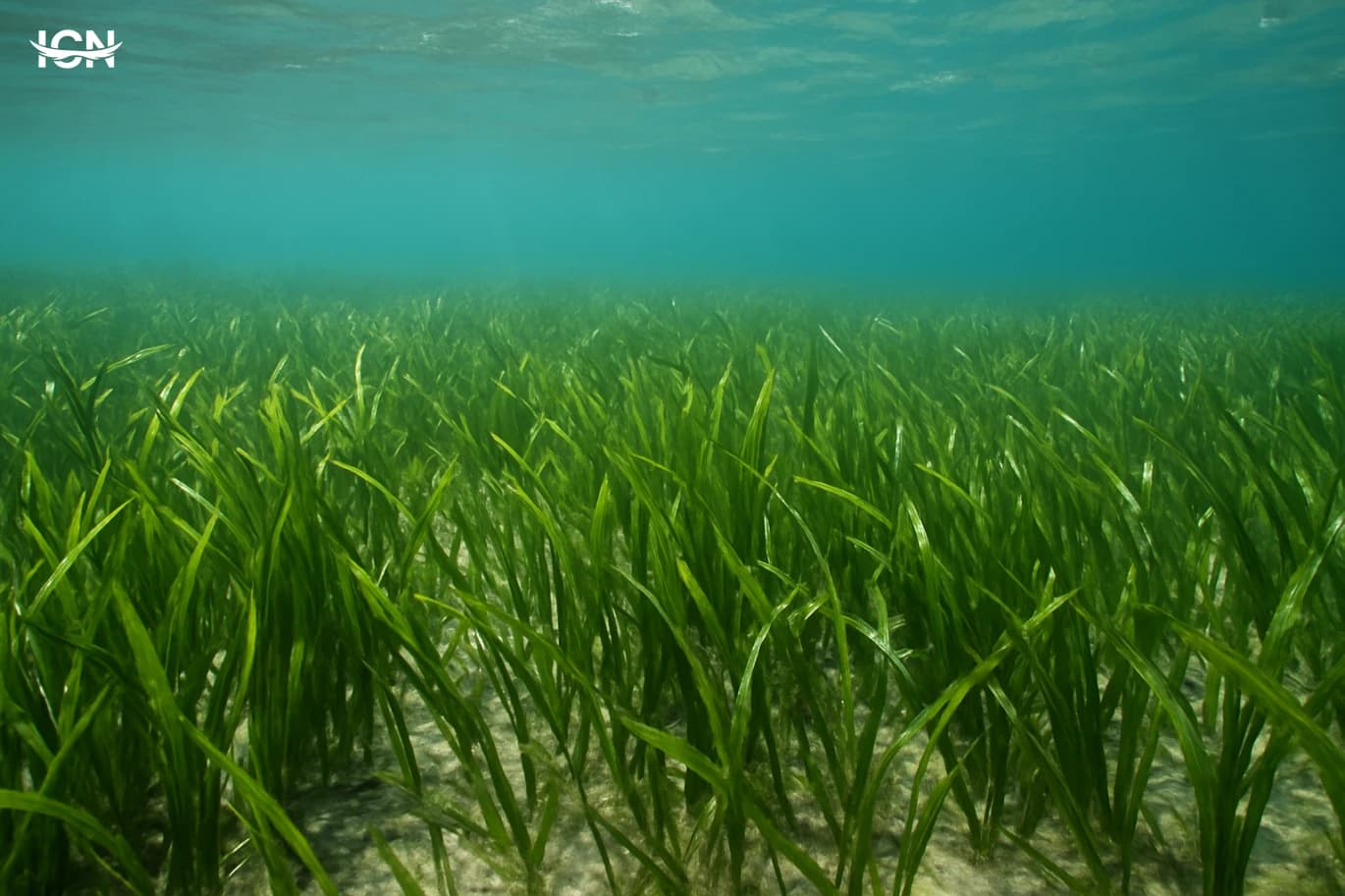
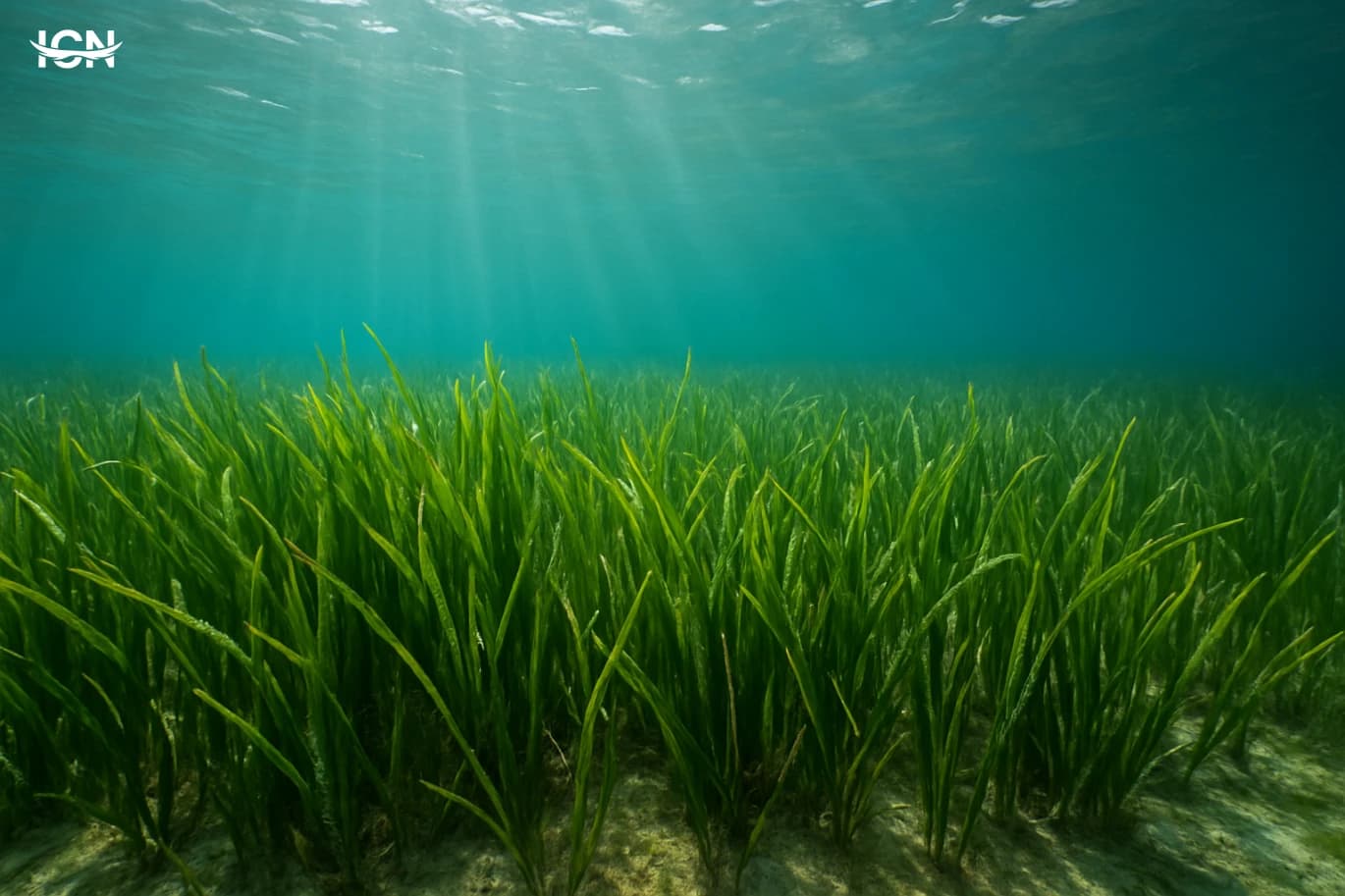
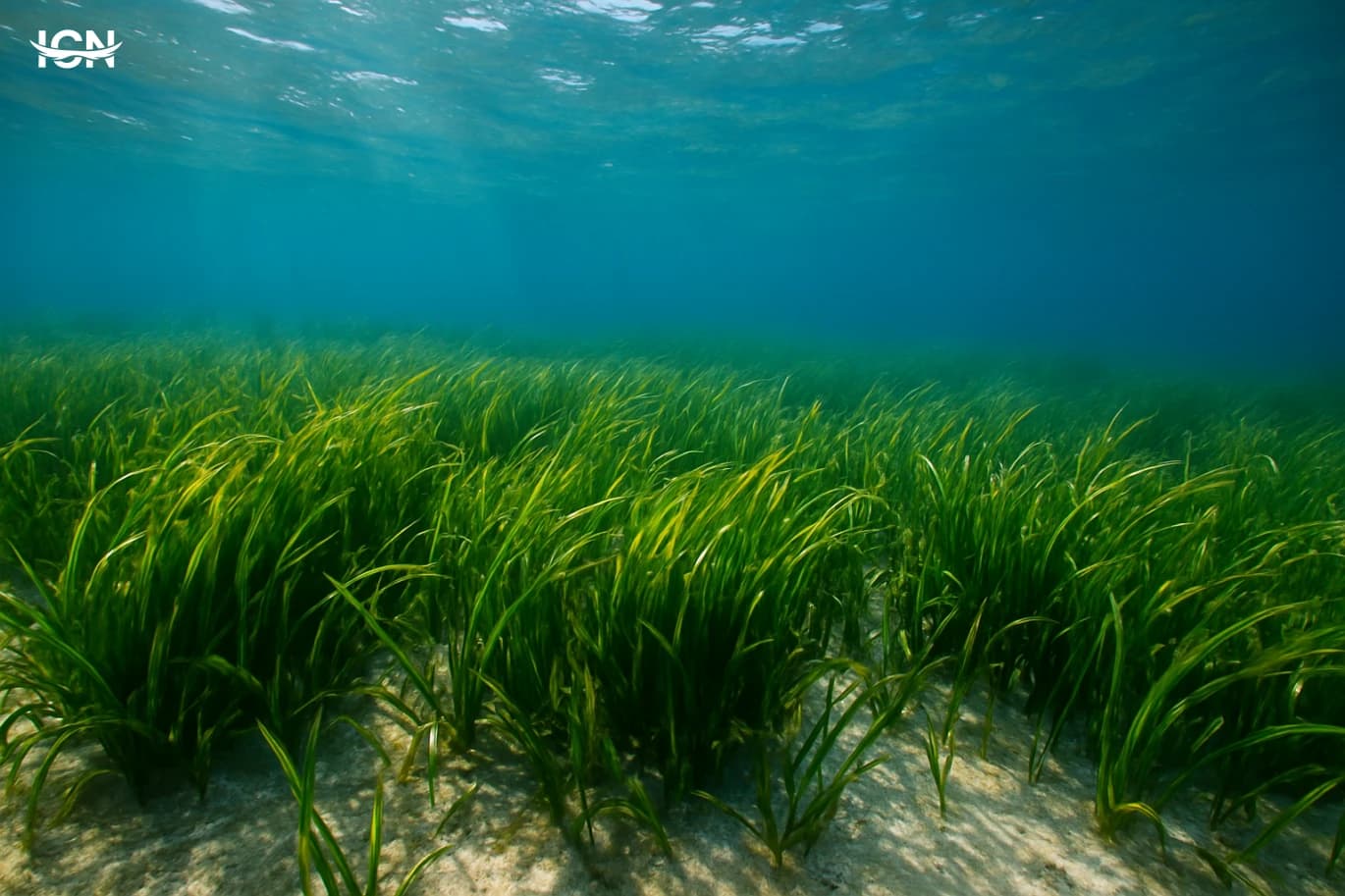
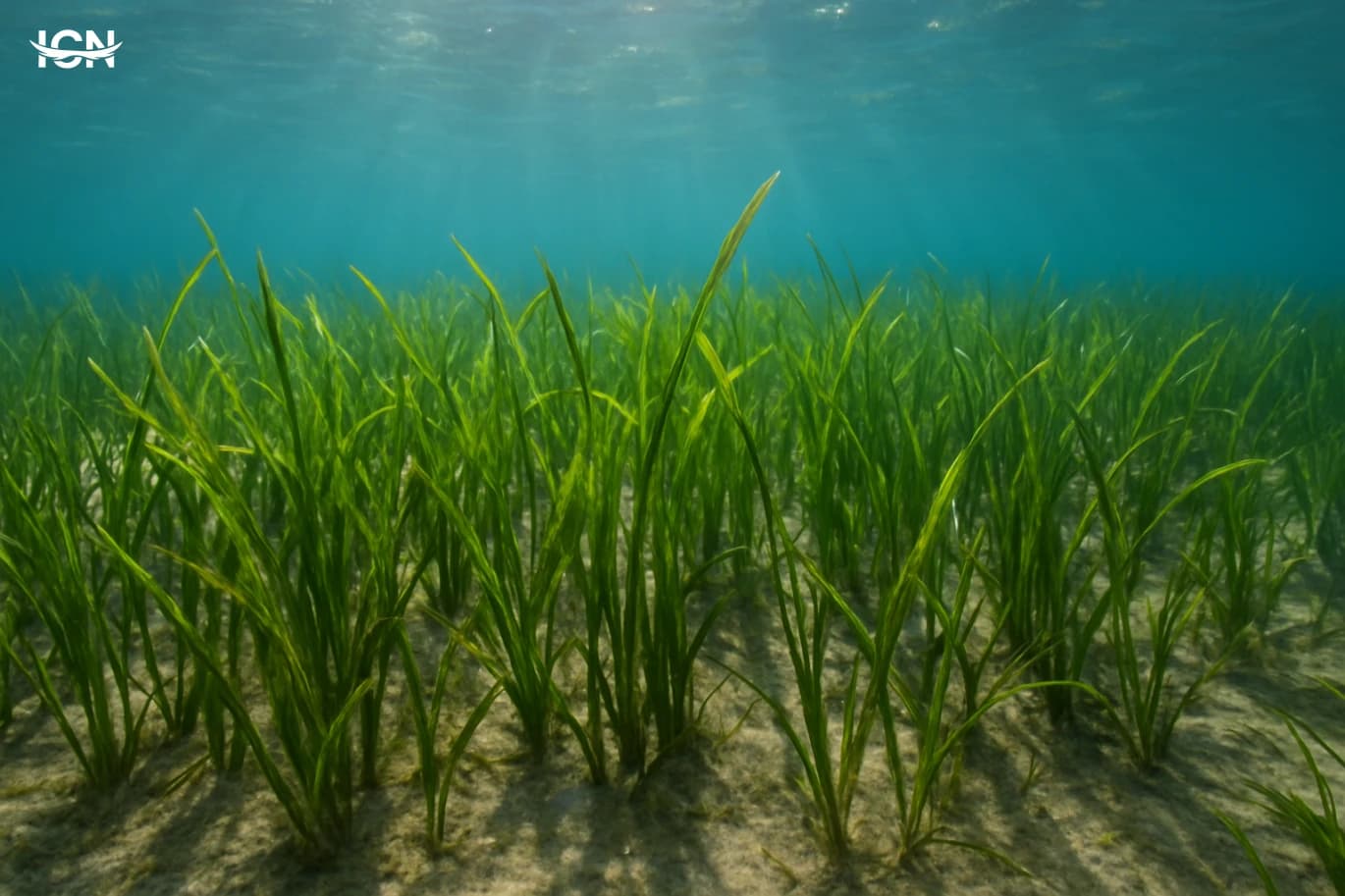
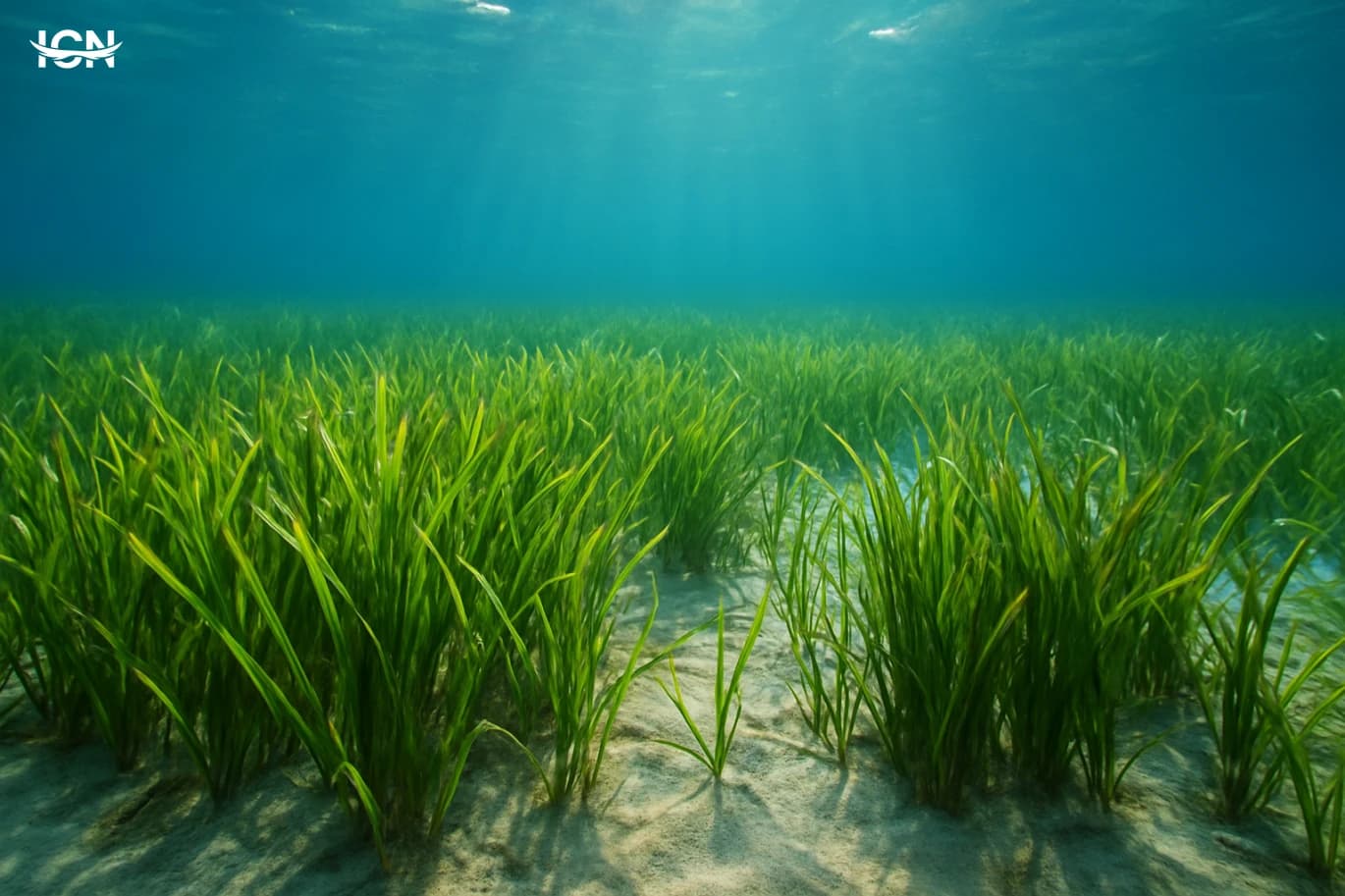
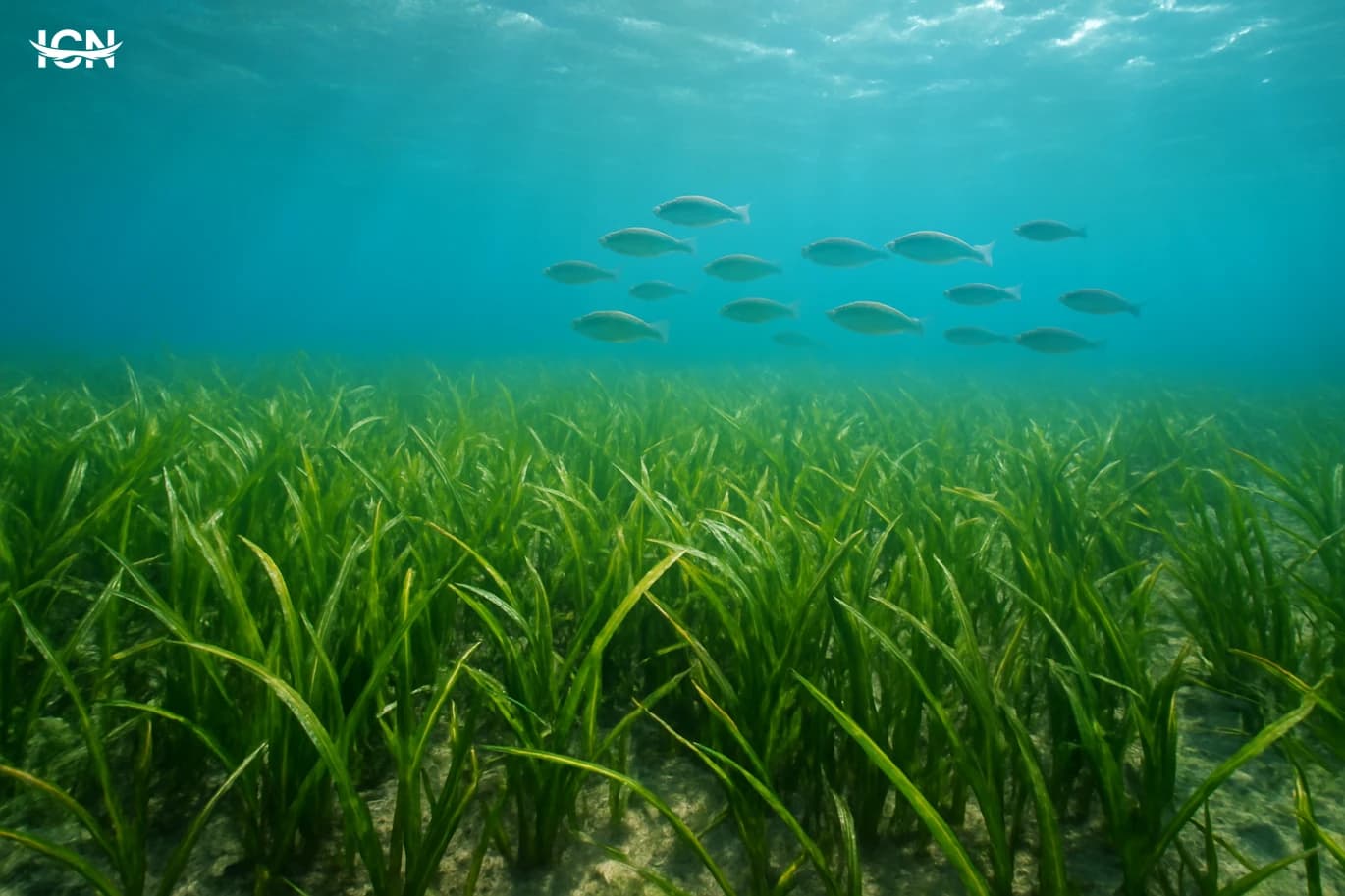
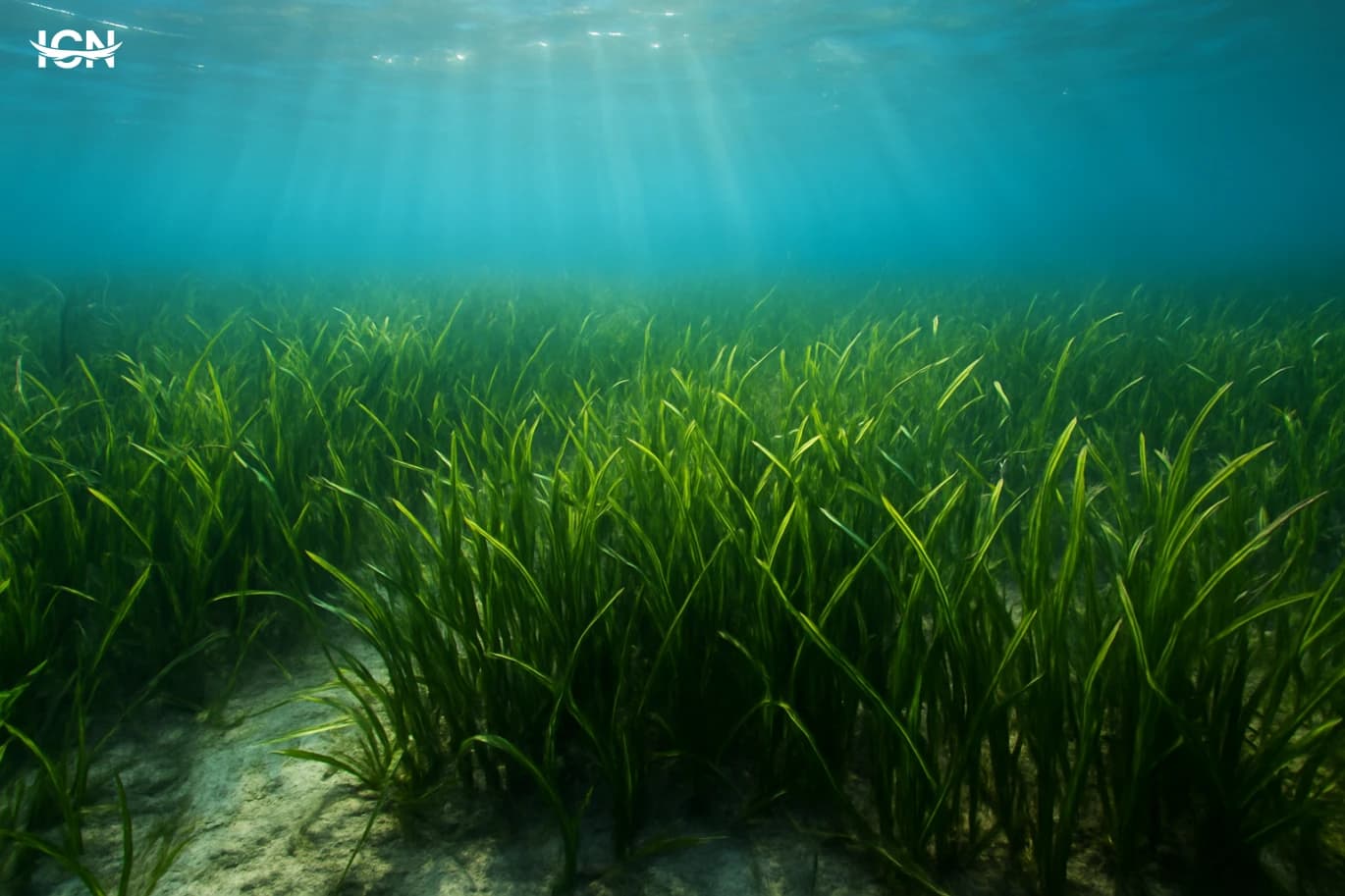
Seagrass meadows are underwater flowering plants that form dense fields in shallow coastal waters on every continent except Antarctica. They are often overlooked because they do not look as dramatic as coral reefs, yet they support fisheries, stabilize shorelines, and store large amounts of carbon in their sediments. In many regions, seagrass is the nursery habitat that helps young fish and invertebrates survive their most vulnerable months. When these meadows shrink, local catches can fall, water clarity worsens, and coastlines become more exposed to waves and erosion. What makes seagrass urgent is the speed of recent losses. Coastal development, dredging, and poor water quality can remove a meadow in a single season, while recovery can take years. Seagrass also sits at the intersection of climate and local policy: warming waters and marine heatwaves can stress plants, but the most immediate drivers are often controllable, such as nutrient runoff and physical damage from anchors. Understanding how seagrass works is a practical way to understand how coastal ecosystems can be protected with targeted actions.
A Hidden Engine for Fisheries
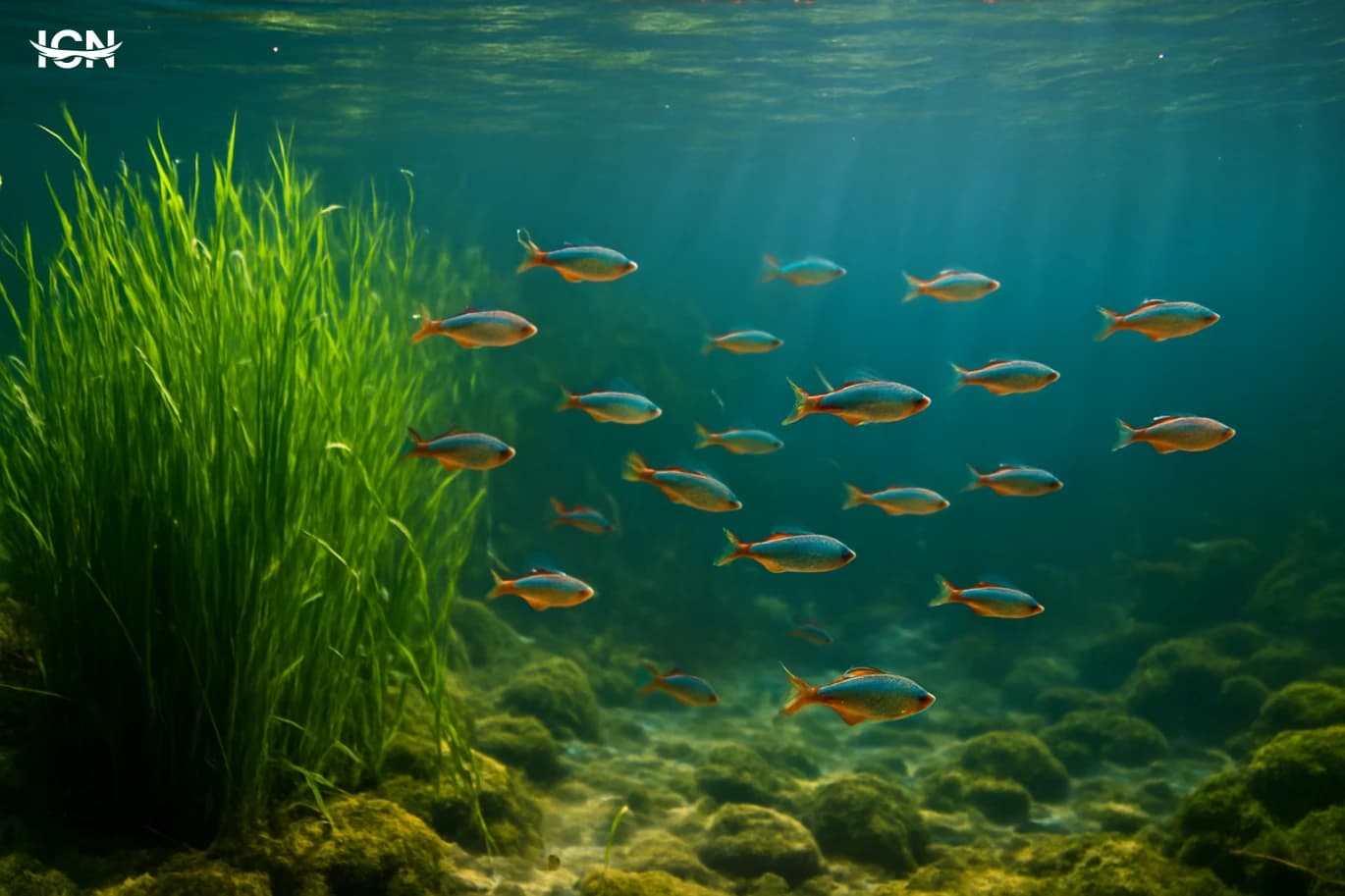
Seagrass meadows function like a structured neighborhood in the sea. Their blades slow currents, trap drifting organic material, and create sheltered microhabitats. Juvenile fish such as groupers, snappers, and many small reef-associated species use seagrass as a staging area before moving to reefs or deeper waters. In temperate zones, species like cod, herring, and flatfish can also depend on seagrass beds during early life stages. The link is not abstract: where seagrass coverage declines, surveys often record fewer young fish and lower biodiversity. The economic implications are significant for small-scale fisheries. A meadow near a village can support daily catches by providing habitat for bait fish and invertebrates. Seagrass also supports species harvested directly, including certain clams, scallops, and sea cucumbers in some regions. When seagrass is damaged by propellers or smothered by sediment, the habitat becomes patchy, and predators can hunt more easily. That shift can reduce survival rates of juveniles and eventually show up as smaller catches and higher variability in landings.
Coastal Protection and Cleaner Water
Seagrass is a natural coastal defense system. By slowing water movement, meadows reduce wave energy near the seabed and help sediments settle instead of being resuspended. This stabilizes the seafloor and can reduce shoreline erosion, especially in bays and lagoons where seagrass forms broad, continuous beds. In places where seagrass has been lost, coastlines can become more vulnerable, requiring expensive engineering solutions such as breakwaters or repeated beach nourishment. Water quality is another direct benefit. Seagrass can improve clarity by trapping fine particles and supporting communities of filter-feeding organisms. Clearer water allows more sunlight to reach the plants, creating a reinforcing cycle when conditions are good. Conversely, when nutrient pollution triggers algal blooms, the water becomes turbid and blocks light, stressing seagrass and accelerating decline. This is why seagrass is often used as an indicator of coastal health: if the meadow is thinning, it can signal that the entire nearshore system is shifting toward poorer water quality.
Carbon Storage and Climate Links
Seagrass meadows are part of what scientists call “blue carbon” ecosystems, alongside mangroves and salt marshes. Their importance comes from the way they store carbon: not only in leaves and roots, but especially in the sediments they stabilize. Over time, organic material can accumulate and be buried, locking carbon away for long periods. This makes seagrass relevant to climate strategies, particularly for coastal nations looking for nature-based solutions. However, the climate connection is not automatically positive. If a meadow is destroyed by dredging or severe erosion, stored carbon in sediments can be disturbed and potentially released back into the water column and atmosphere. Warming seas also pose risks, including heat stress and shifts in species ranges. In some areas, stronger storms can increase turbidity and physical damage. The practical takeaway is that protecting existing meadows is often more effective than trying to rebuild them after loss, both for biodiversity and for maintaining long-term carbon storage in coastal sediments.
What’s Driving Seagrass Decline
The most common driver of seagrass decline is reduced light. Seagrass needs sunlight to photosynthesize, so anything that increases turbidity can be damaging: sediment runoff from construction, dredging plumes, and chronic resuspension from boat traffic in shallow areas. Nutrient pollution is another major factor. Excess nitrogen and phosphorus can fuel algal blooms and epiphytic algae that coat seagrass blades, both of which block light and reduce growth. Physical disturbance is often underestimated. Anchors can rip up rhizomes, leaving scars that widen over time as currents erode the exposed sediment. Propeller scarring in shallow flats can fragment a meadow into narrow strips, reducing habitat quality. In some regions, invasive species and disease add pressure, while overfishing can alter food webs in ways that increase algal growth. The pattern is consistent: seagrass decline is rarely caused by a single factor, and effective responses usually combine water-quality controls with rules that reduce direct physical damage.
Practical Protection and Restoration
Protecting seagrass starts with mapping and monitoring. Many coastlines still lack up-to-date seagrass maps, making it hard to manage boating routes, dredging plans, or marine protected areas. Regular surveys using satellite imagery, drones, and diver assessments can track meadow boundaries and detect early thinning. On the policy side, improving wastewater treatment, controlling agricultural runoff, and enforcing sediment controls at construction sites are among the most effective measures because they address the light and nutrient problems at the source. Boating management can deliver quick gains. Installing mooring buoys in sensitive areas reduces anchor damage, while designated channels and speed limits can cut propeller scarring and sediment resuspension. Where meadows have already been lost, restoration is possible but demanding. Successful projects typically stabilize sediments first, then transplant seagrass shoots or spread seeds, and protect the area from disturbance while plants establish. Importantly, restoration works best when water quality has already improved; otherwise, new plantings fail. For coastal communities, the most practical approach is often a mix: protect intact meadows, reduce local pollution, and restore only where conditions can support long-term recovery.