Seagrass Meadows That Keep Coasts Alive
- Why Seagrass Matters More Than You Think
- A Hidden Engine for Water Quality
- Coastal Protection You Can Map
- Blue Carbon and the Climate Connection
- What’s Driving Seagrass Decline
- Practical Ways to Support Recovery
Why Seagrass Matters More Than You Think
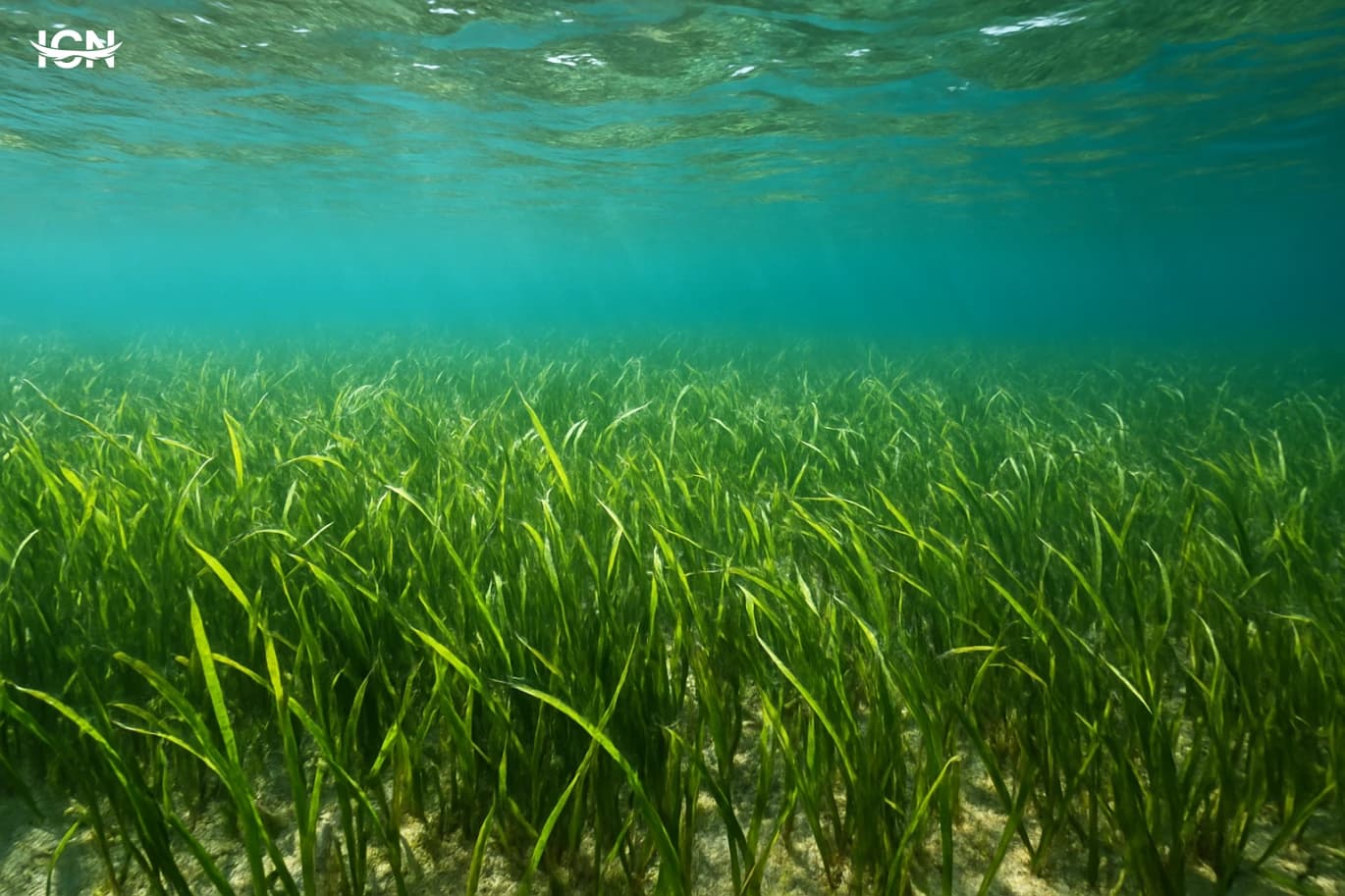
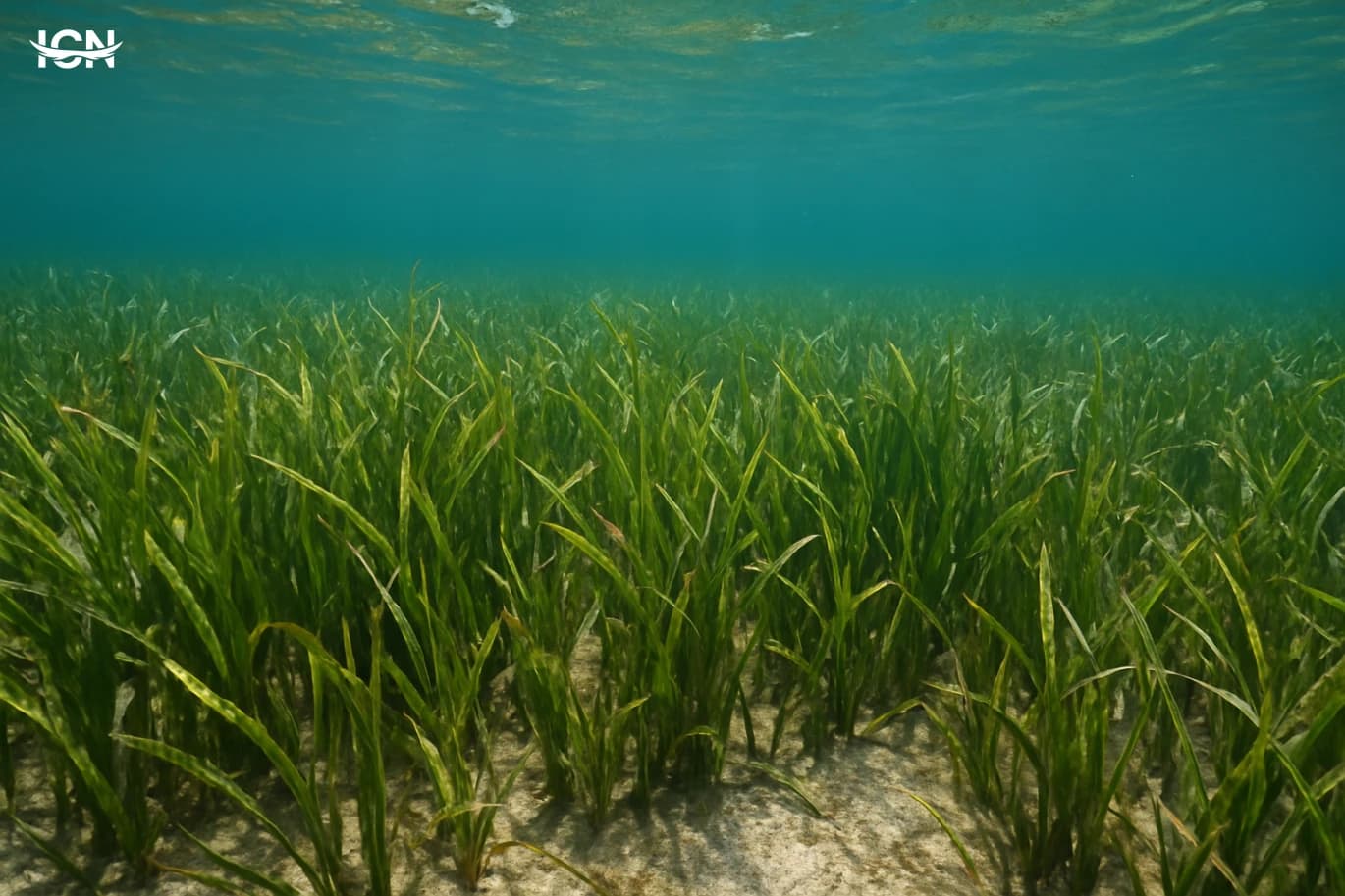
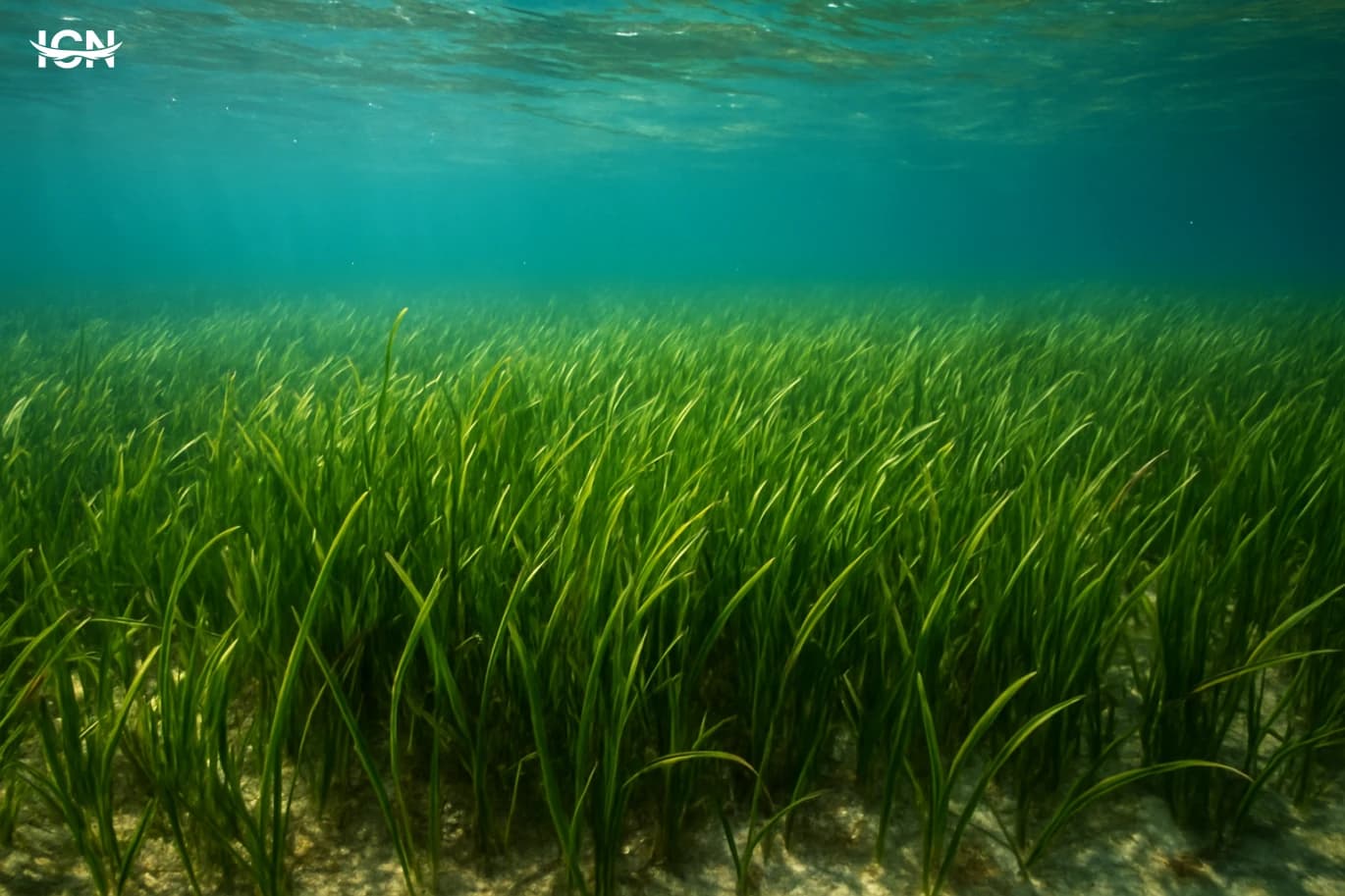
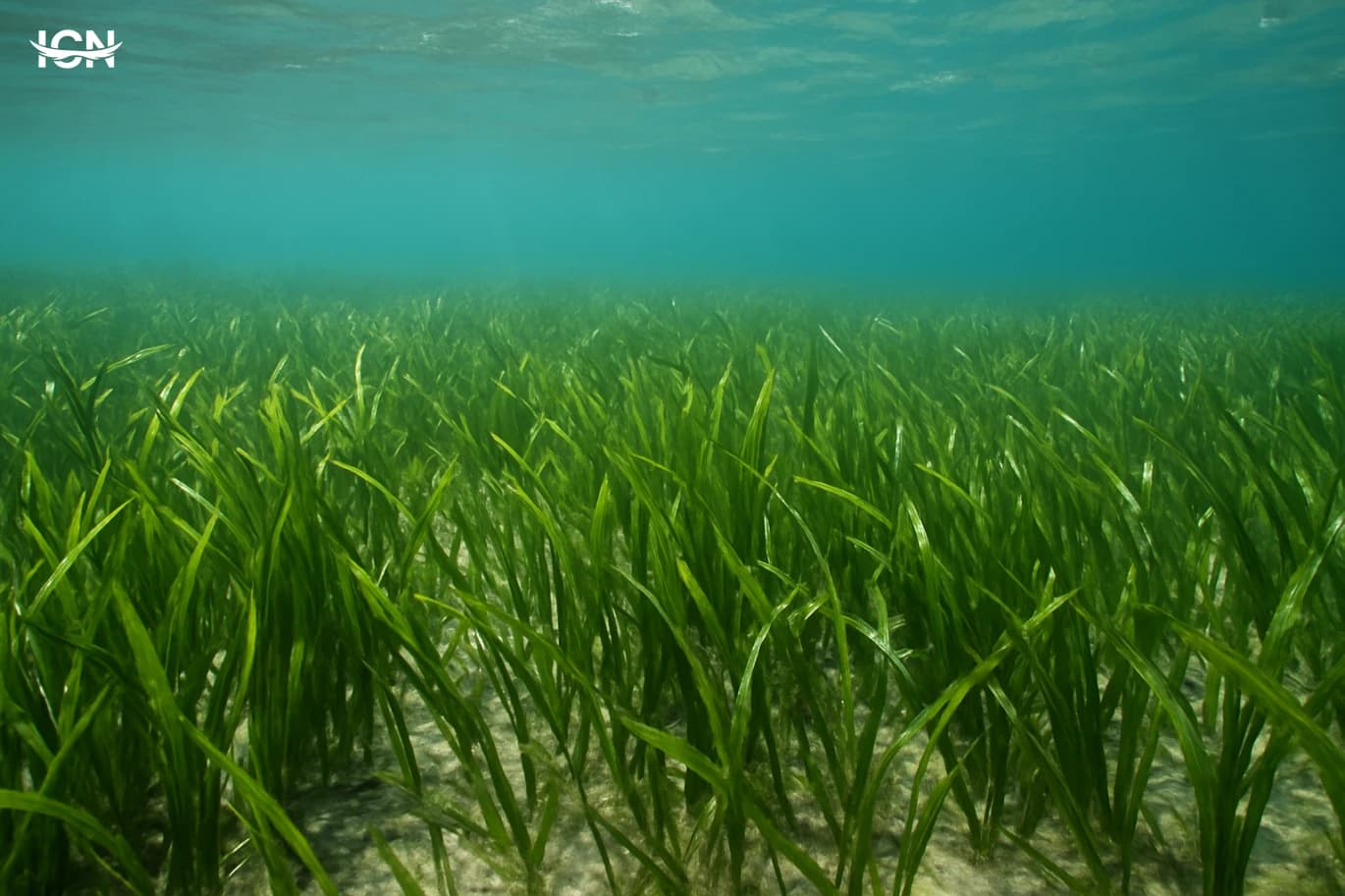
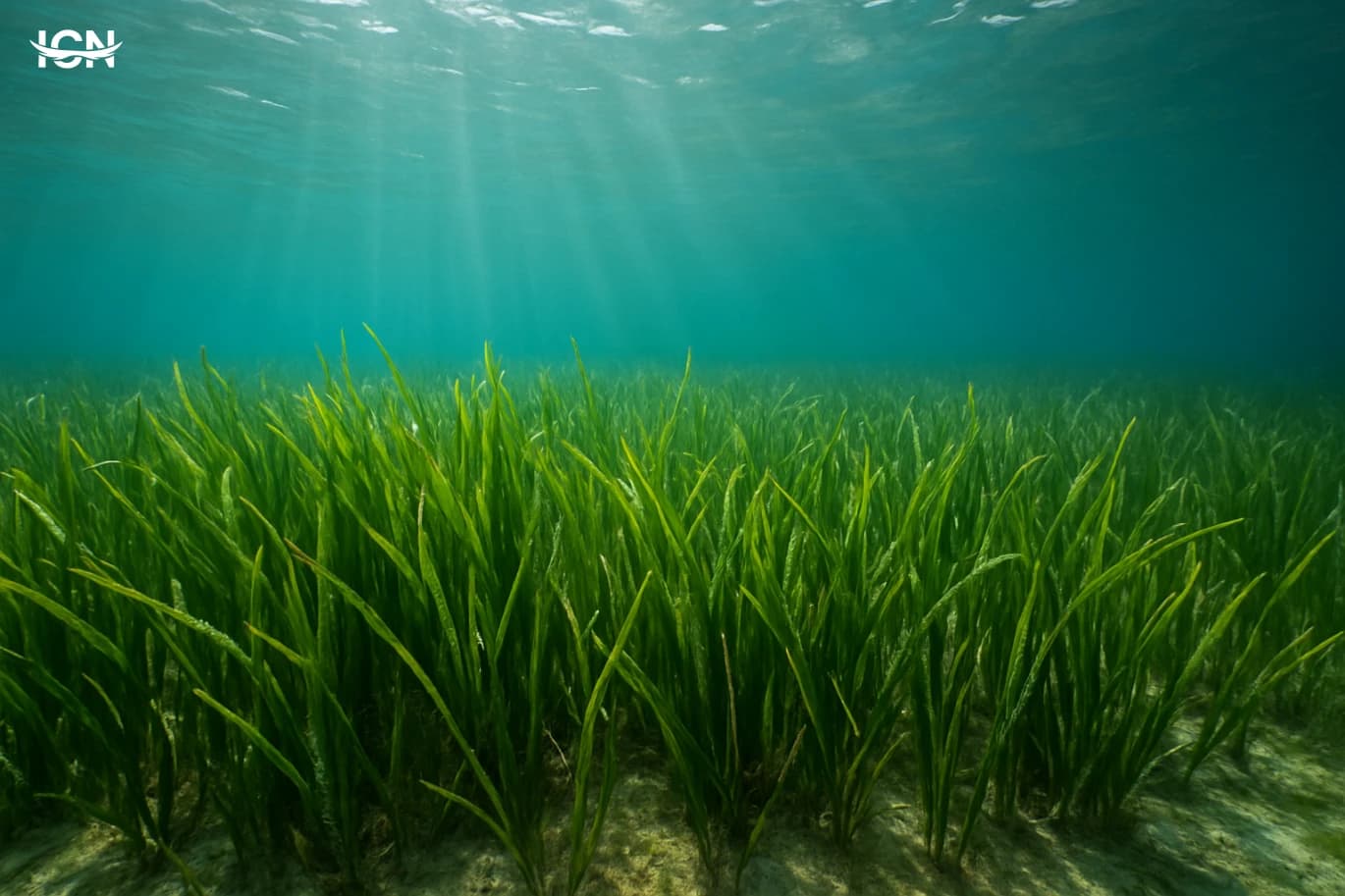
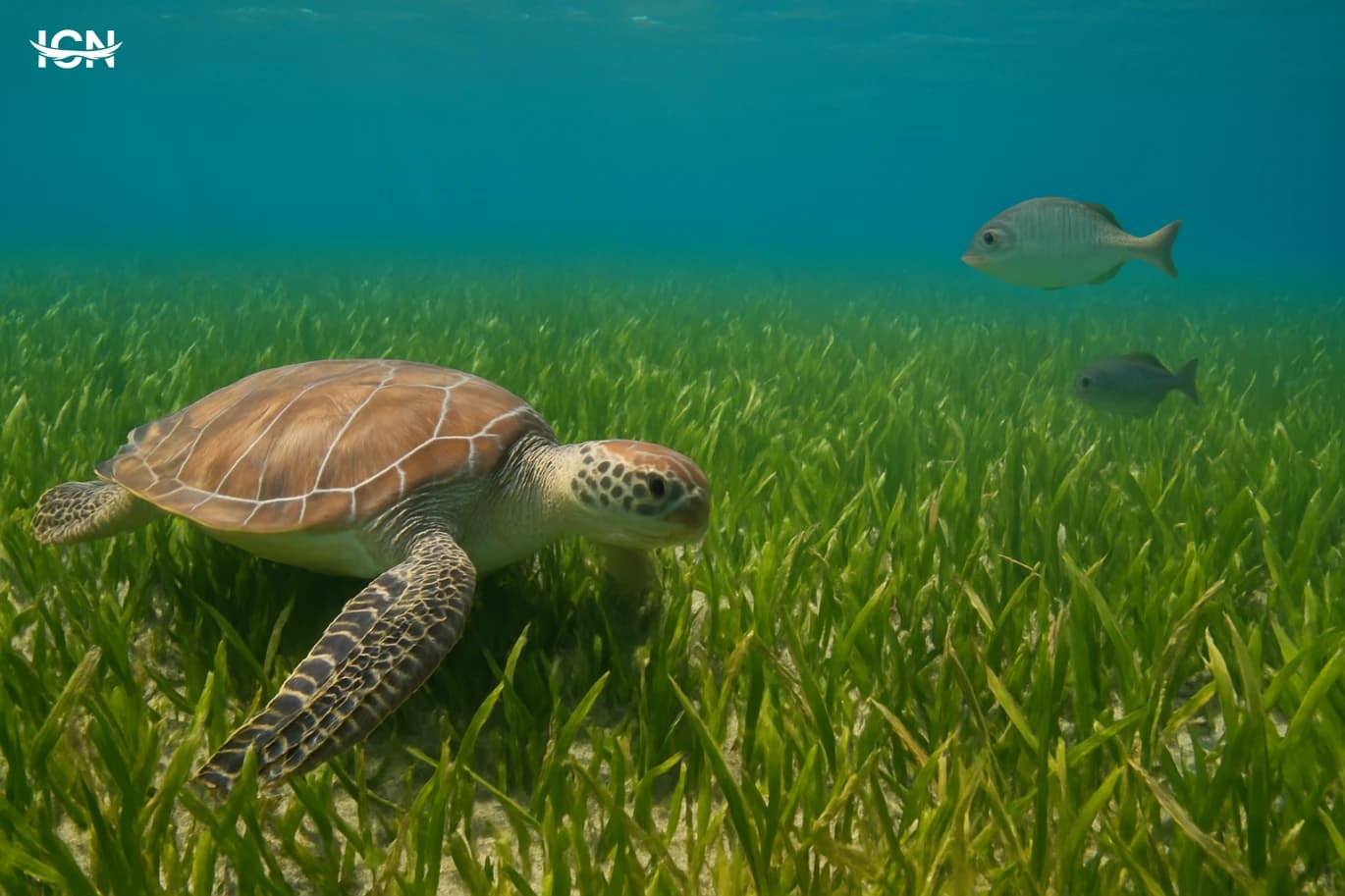
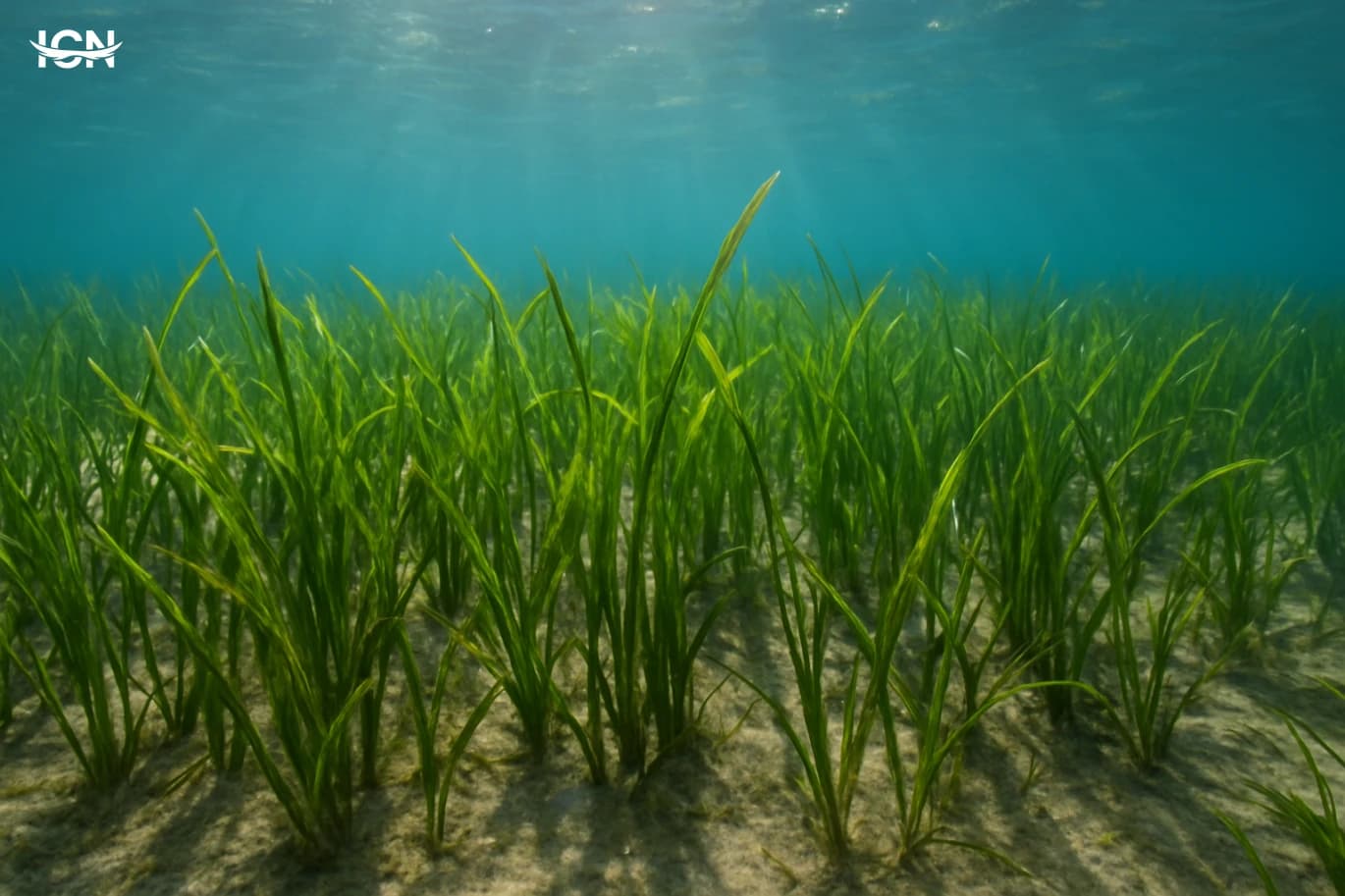
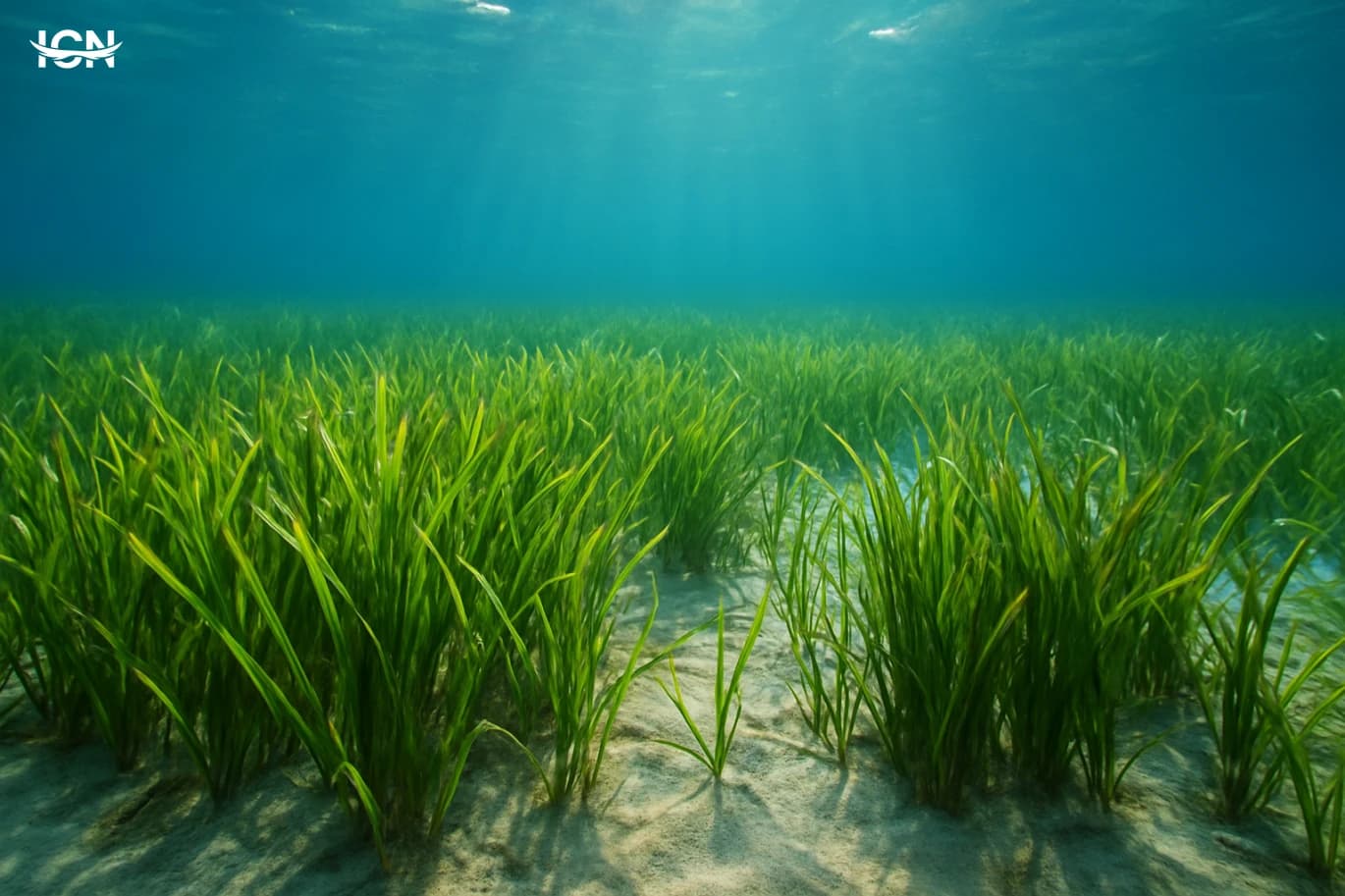
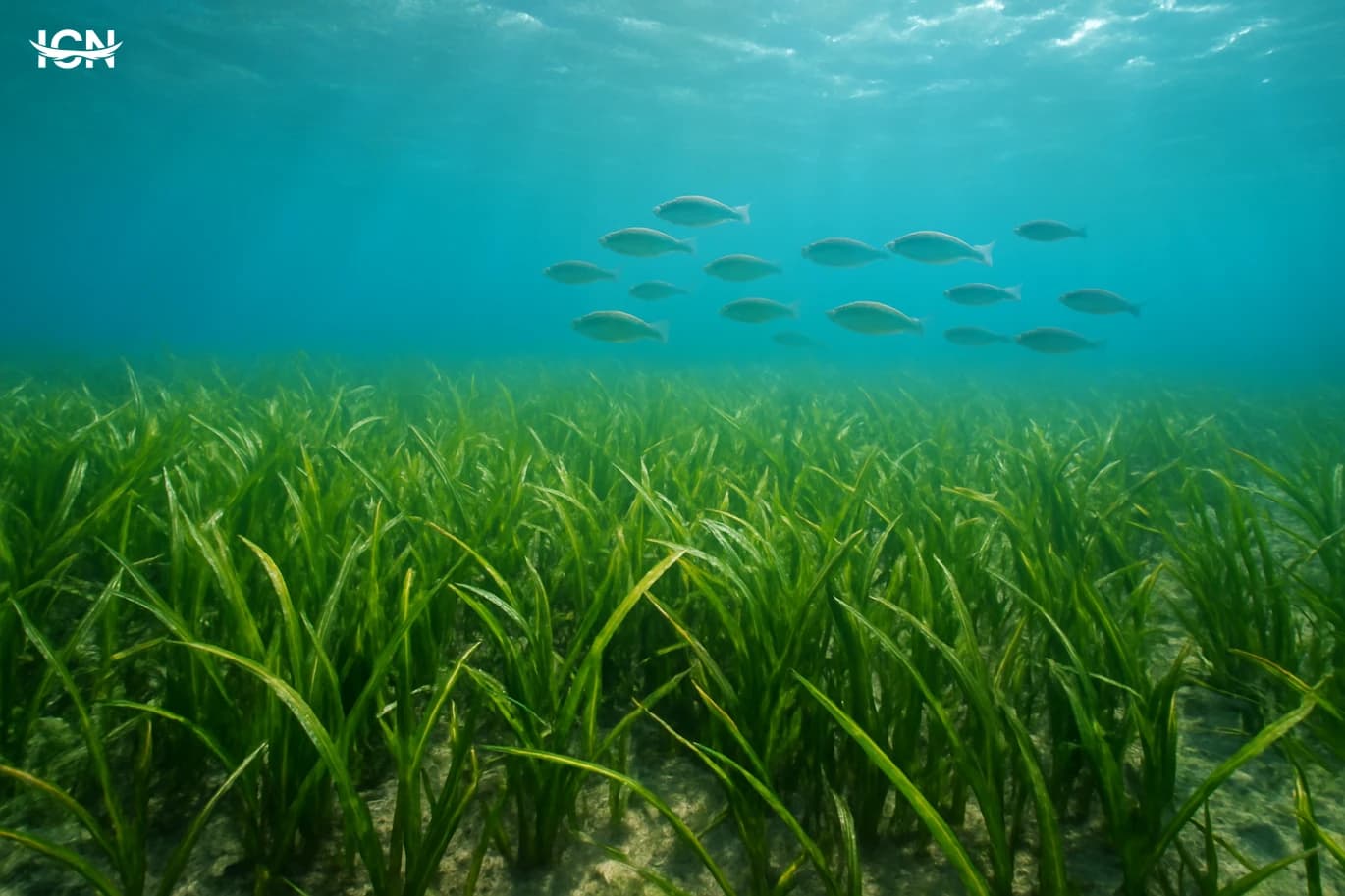
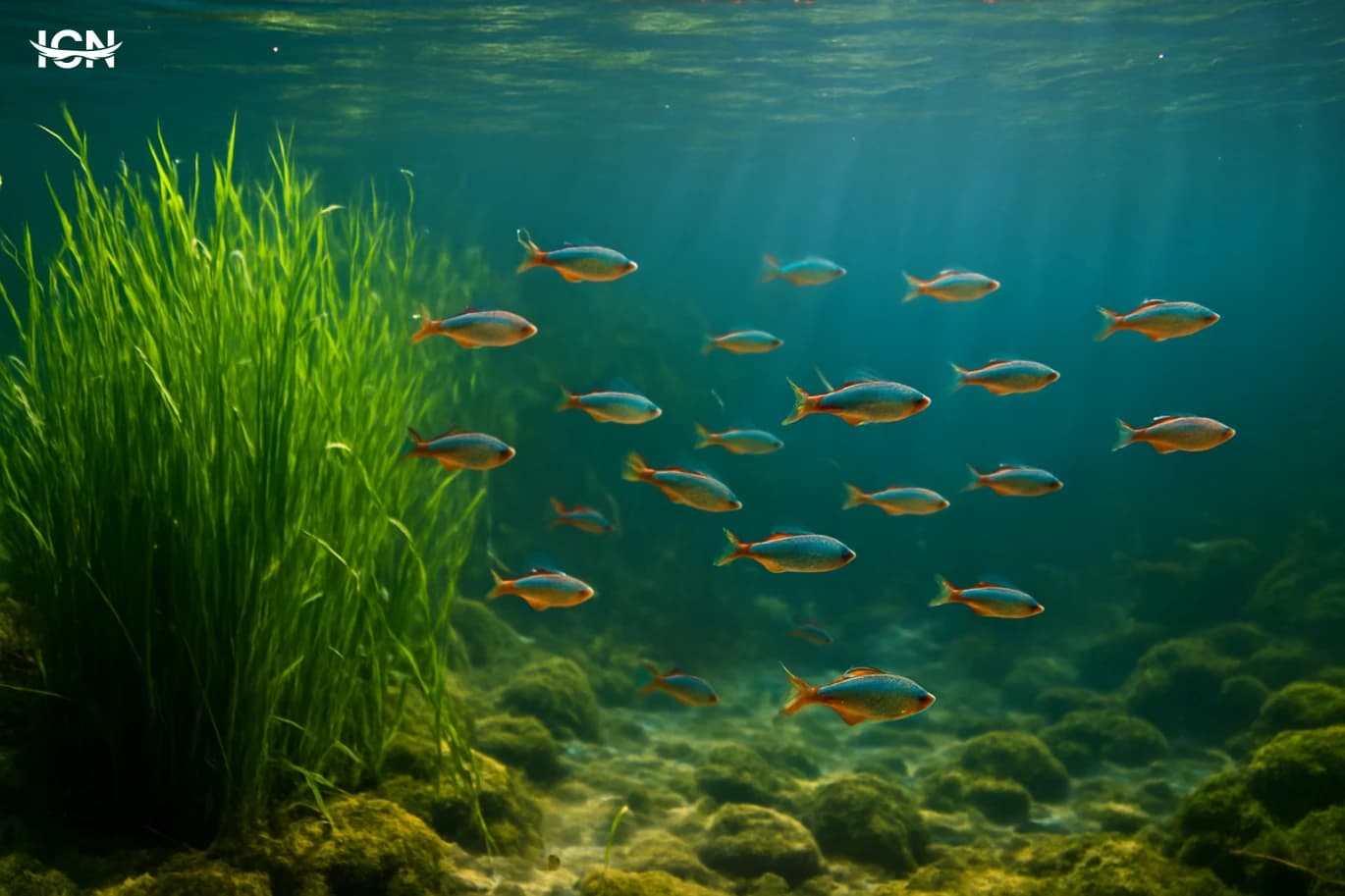
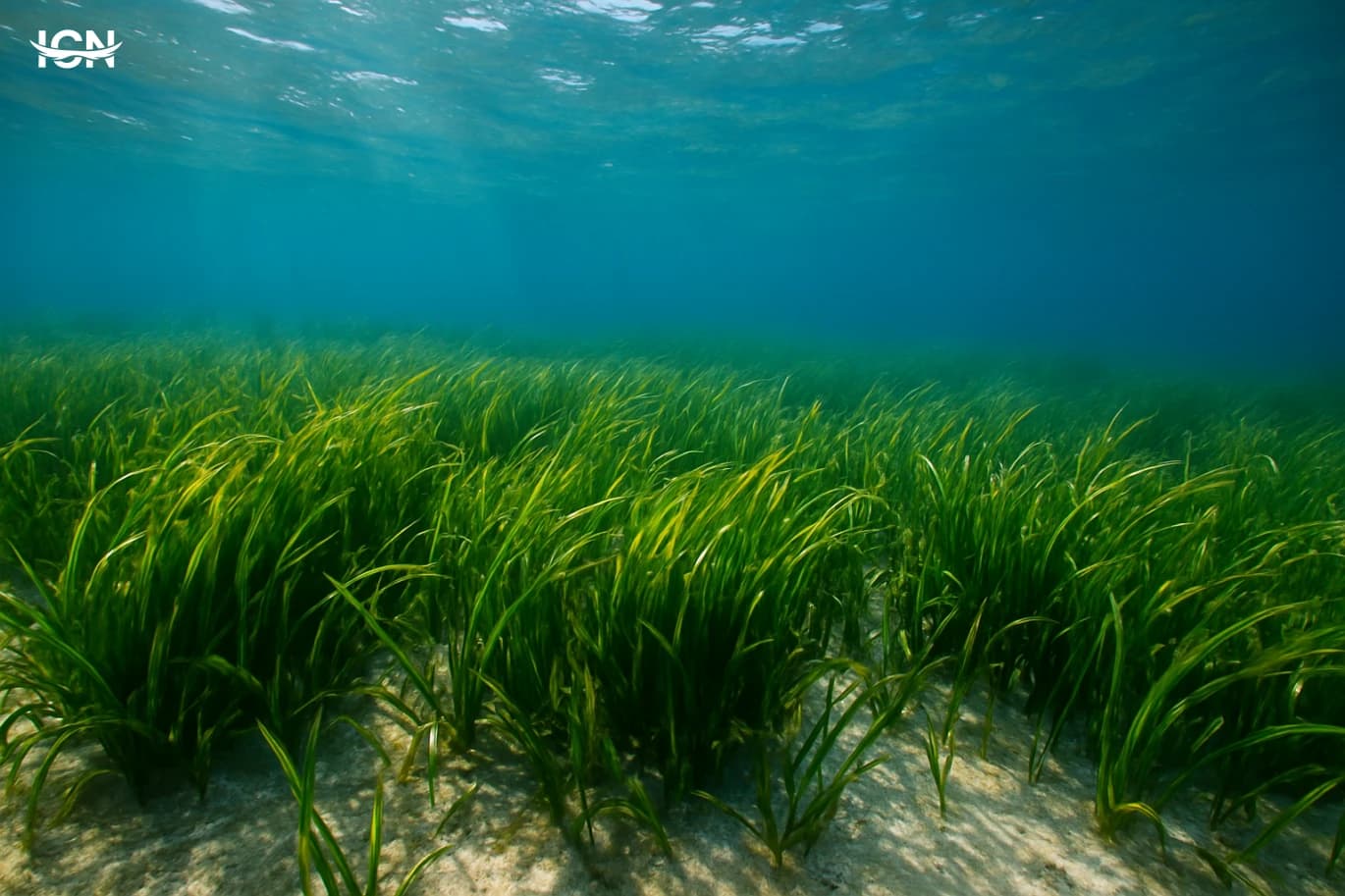
Seagrass meadows are underwater flowering plants that form dense fields in shallow, sunlit coastal waters. They are often confused with seaweed, but they are closer to land grasses in how they grow, reproduce, and anchor themselves with roots and rhizomes. This distinction matters because seagrass creates stable habitat in places where sand and mud would otherwise shift with every wave. For aquatic life, seagrass is a practical piece of infrastructure. Juvenile fish, crabs, and shrimp use the blades as cover from predators, while many species feed on the small invertebrates that live on the leaves. In many regions, commercially important fish spend early life stages in seagrass before moving to reefs or deeper waters. When seagrass declines, the loss is not only ecological; it can reduce local catches, weaken food webs, and make coastal ecosystems less resilient to heat waves and storms.
A Hidden Engine for Water Quality
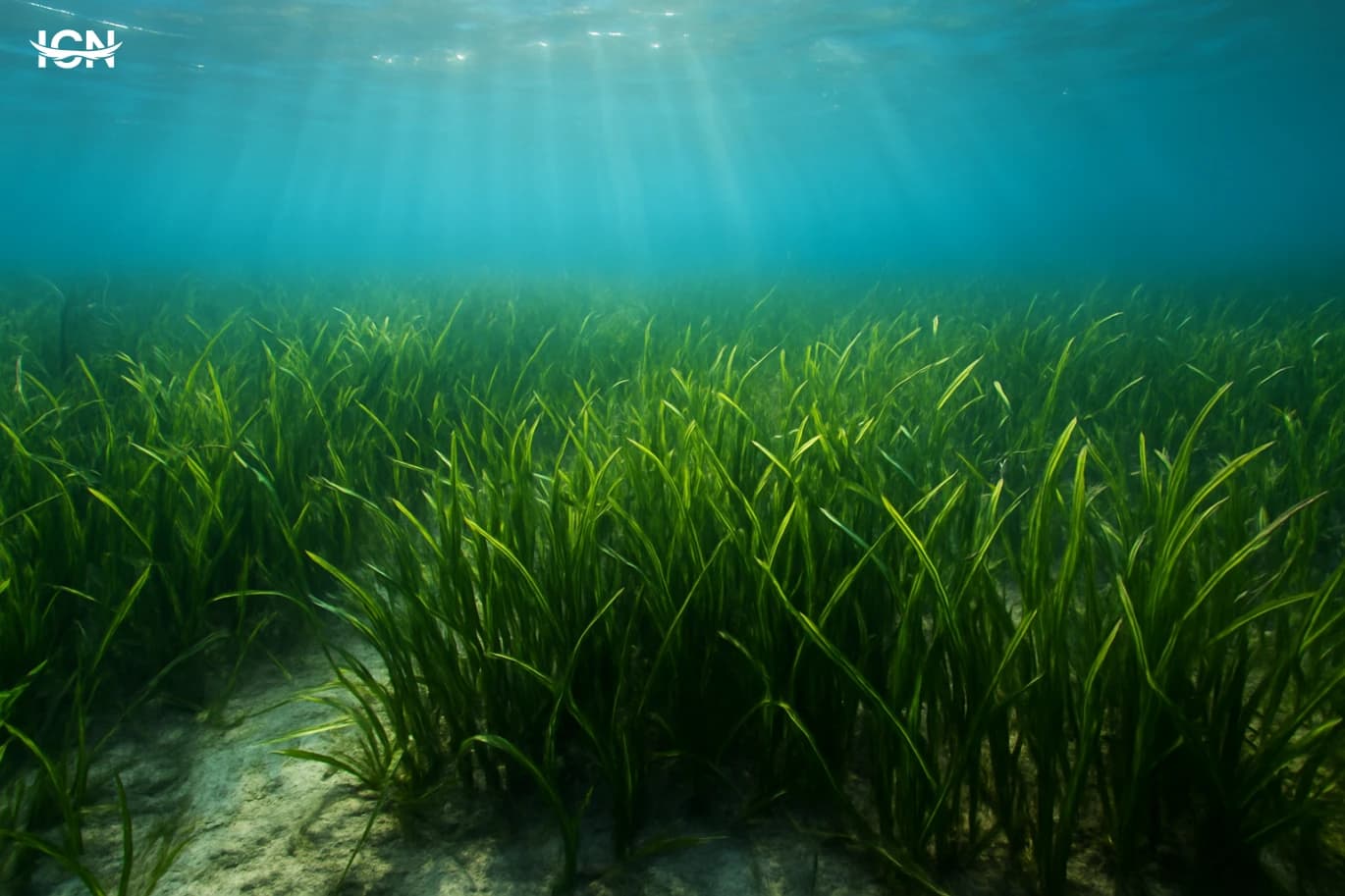
Seagrass improves water clarity in several measurable ways. The leaves slow down currents, allowing suspended particles to settle. The root systems stabilize sediments, reducing the amount of fine material that gets stirred up by waves or boat traffic. Clearer water then lets more sunlight reach the plants, creating a feedback loop that supports continued growth. These meadows also influence nutrient dynamics. In coastal zones affected by runoff, excess nitrogen and phosphorus can fuel algal blooms that shade the seafloor. Seagrass can take up nutrients directly and support microbial communities in the sediment that transform and store nutrients. This does not mean seagrass can “solve” pollution, but healthy meadows can buffer moderate nutrient inputs and help keep nearshore waters suitable for diverse aquatic life. Where seagrass is lost, the same coastline can shift toward murkier water, more frequent algae problems, and fewer habitats for species that need clear, oxygen-rich conditions.
Coastal Protection You Can Map
Seagrass meadows reduce wave energy and help hold shorelines in place. The canopy of leaves creates drag that dampens small waves and slows near-bottom water movement. Over time, stabilized sediments can build up, supporting shallower seabeds and reducing erosion pressure on beaches and tidal flats. In areas with frequent storms, this can influence how quickly a coastline recovers after rough weather. Researchers and coastal managers increasingly map seagrass extent using satellite imagery, drones, and underwater surveys. These maps are not just for biodiversity reports; they inform decisions about dredging, marina placement, and navigation channels. When a meadow is removed or fragmented, the loss can be visible in shoreline change, increased turbidity, and the need for more frequent maintenance dredging. Protecting seagrass can therefore be a cost-relevant strategy for coastal planning, especially in places where tourism and fisheries depend on stable, attractive shorelines.
Blue Carbon and the Climate Connection
Seagrass is part of what scientists call “blue carbon” ecosystems, alongside mangroves and salt marshes. While the leaves capture carbon through photosynthesis, a major climate-relevant feature is what happens belowground. Seagrass roots and rhizomes trap organic material in sediments where low-oxygen conditions can slow decomposition. This allows carbon to be stored for long periods compared with many terrestrial systems. The climate link becomes especially important when meadows are damaged. Disturbing the sediment through dredging, anchoring, or severe erosion can release stored carbon back into the water column and potentially into the atmosphere over time. That means protecting seagrass can avoid emissions as well as maintain ongoing carbon uptake. For coastal communities and businesses tracking sustainability goals, seagrass conservation is increasingly discussed as a measurable nature-based action, but it requires careful accounting, long-term monitoring, and strong local protections to be credible.
What’s Driving Seagrass Decline
Seagrass loss is rarely caused by a single factor. Poor water quality is a common driver: nutrient pollution and sediment runoff reduce light, and without enough light the plants cannot maintain growth. Physical disturbance is another major pressure. Propeller scarring in shallow flats, repeated anchoring, and coastal construction can fragment meadows into smaller patches that are less effective as habitat. Heat stress and marine heat waves can also push seagrass beyond its tolerance, especially when combined with low water clarity. In some regions, disease outbreaks have caused rapid declines, and recovery can take years because seagrass spreads slowly. Invasive species and overgrazing by certain herbivores can add further stress depending on local conditions. The key point for readers is that decline often reflects cumulative impacts, so solutions usually require coordinated action across land and sea, not a single quick fix.
Practical Ways to Support Recovery
Effective seagrass protection starts with reducing stressors that prevent natural recovery. Improving wastewater treatment, managing agricultural runoff, and controlling construction-related sediment can restore light conditions that seagrass needs. On the water, simple measures such as designated anchoring zones, seagrass-friendly moorings, speed limits in shallow flats, and clear boating maps can reduce physical damage. Restoration is possible, but it is not just “planting grass.” Successful projects typically begin with site selection based on depth, light, sediment type, and current patterns. They may use transplanted shoots, seeded plots, or biodegradable anchors, followed by monitoring for survival, coverage, and water quality. Community involvement can help, especially when local fishers, dive operators, and marina managers participate in reporting damage and keeping boats out of sensitive areas. For readers looking for a concrete takeaway, seagrass is a coastal asset that responds to practical management. When water clarity improves and disturbance is reduced, many meadows can expand naturally. Where conditions remain poor, restoration efforts often fail, which is why prevention and long-term stewardship are usually more cost-effective than repeated replanting.