How Seagrass Meadows Keep Coasts Alive
- A habitat many people overlook
- Nurseries for fish and invertebrates
- Water clarity and coastal protection
- Blue carbon and climate relevance
- What threatens seagrass today
- Practical actions for communities and visitors
A habitat many people overlook
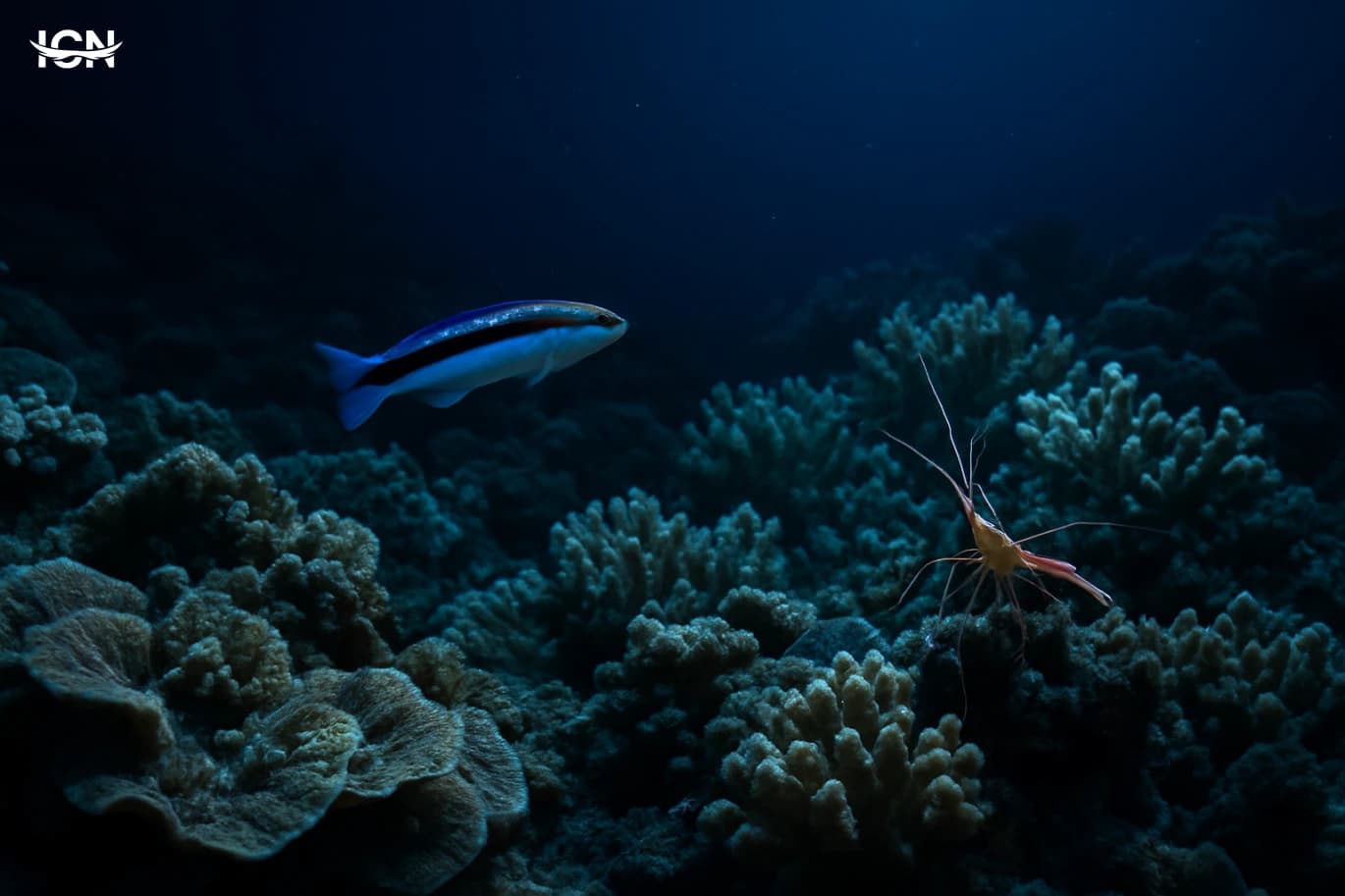
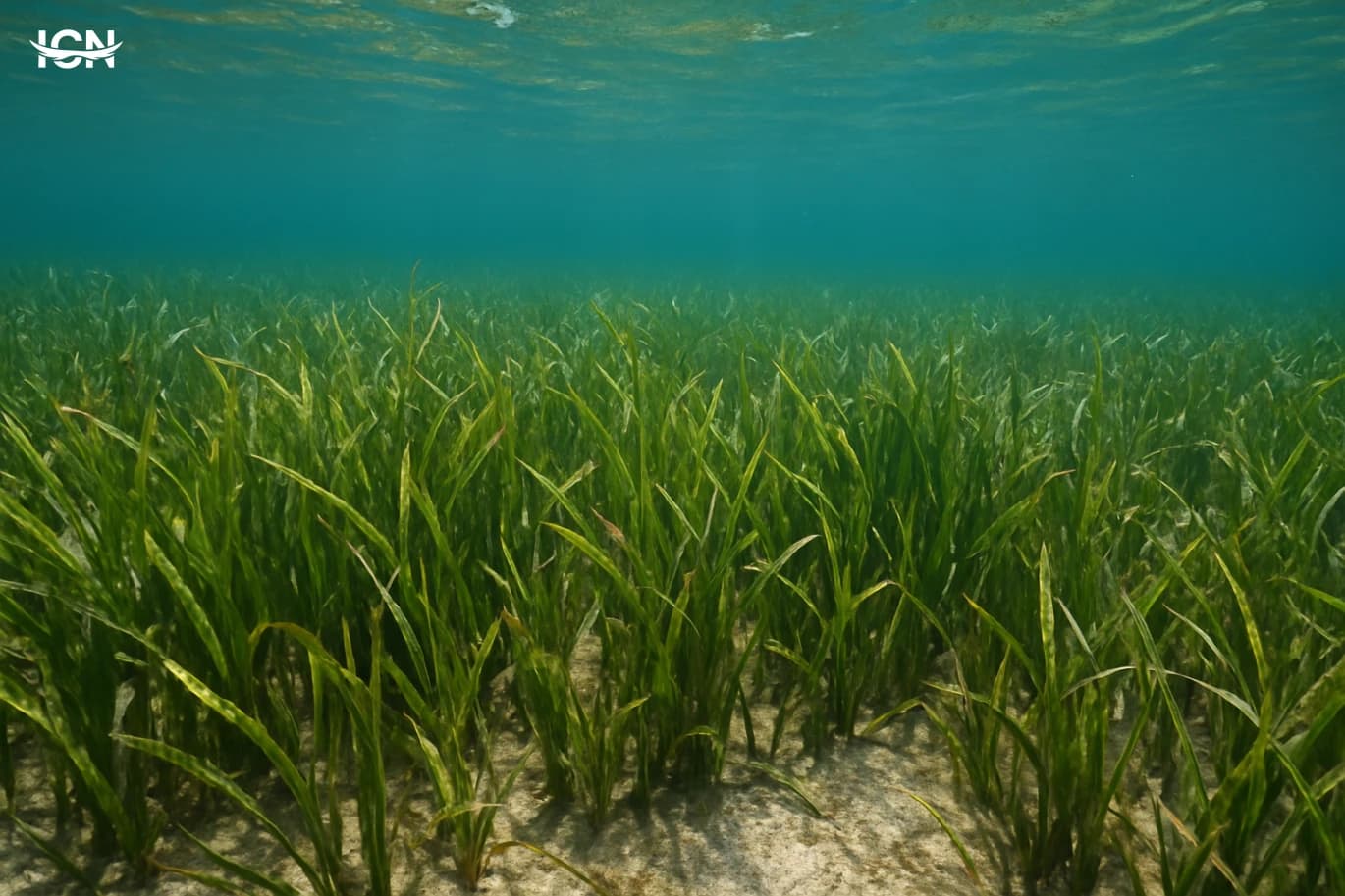
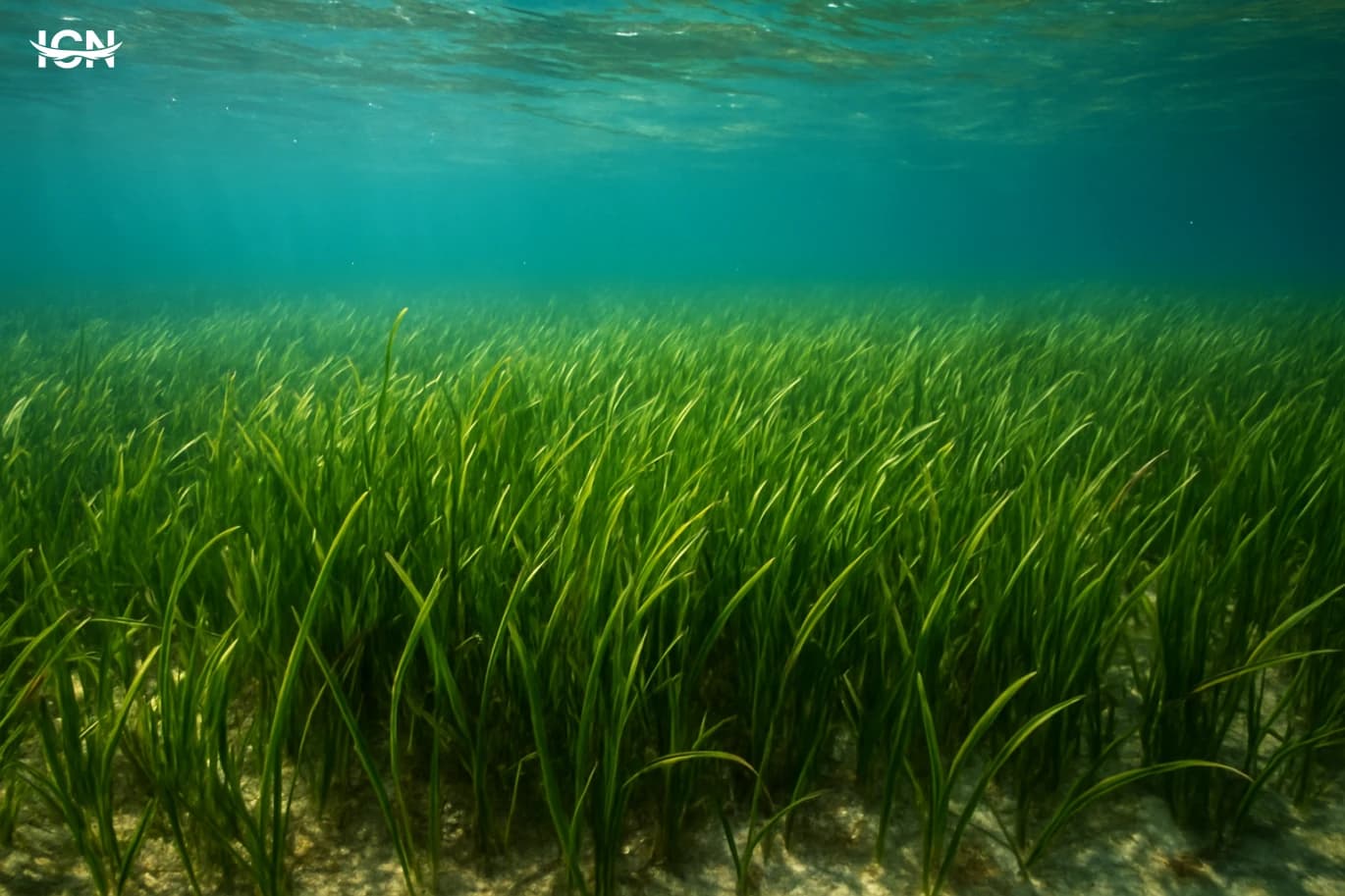
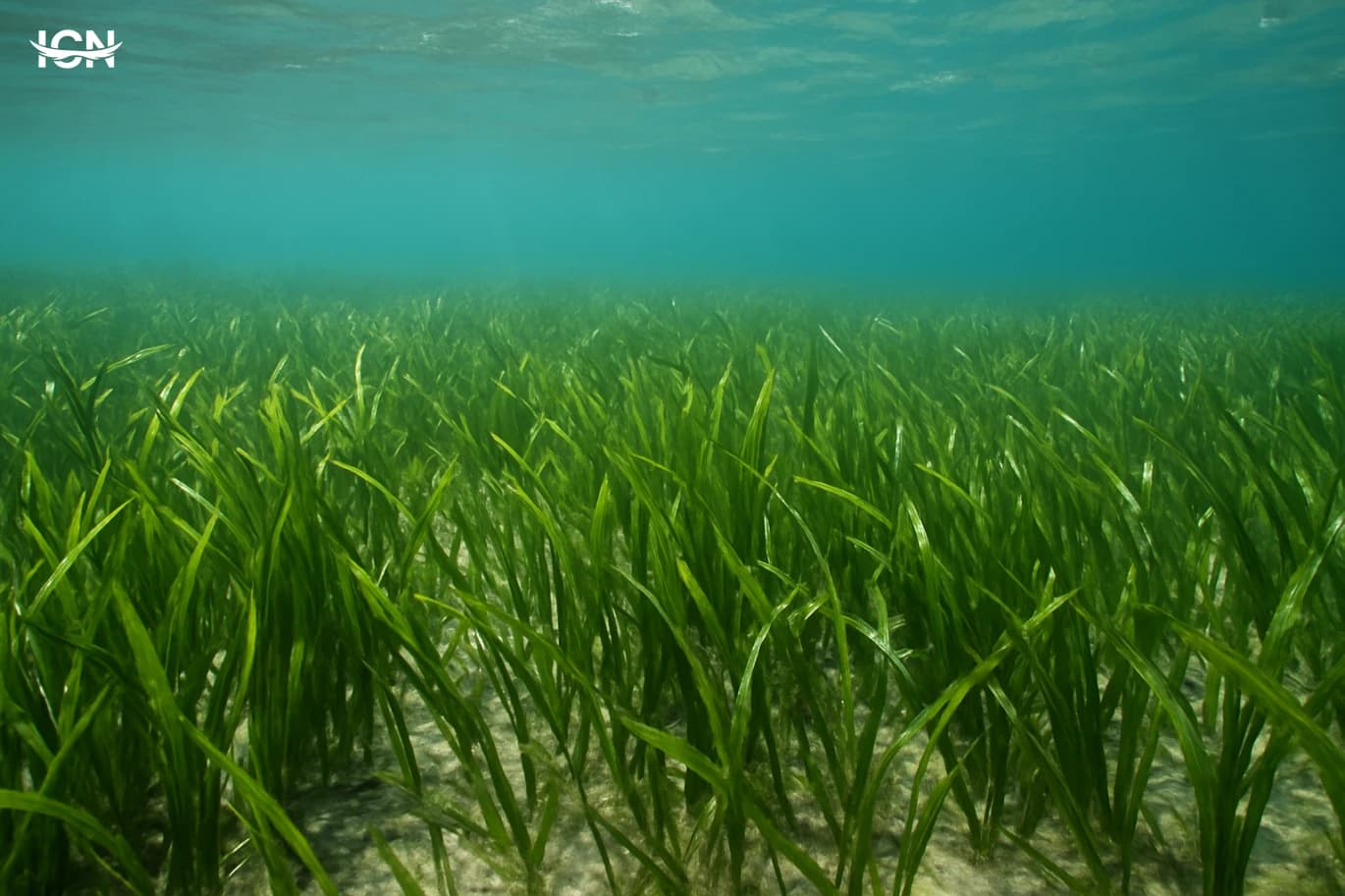
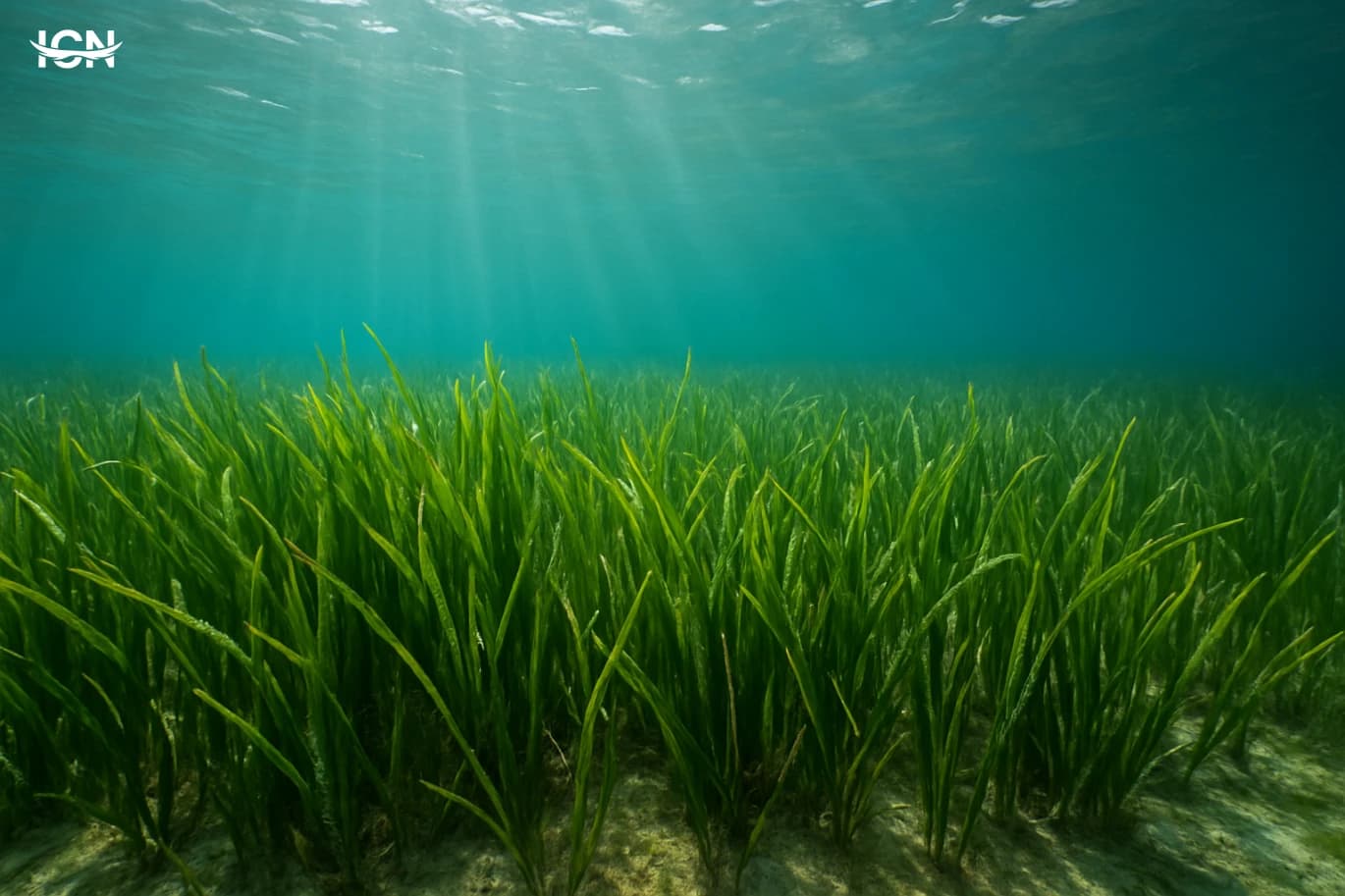
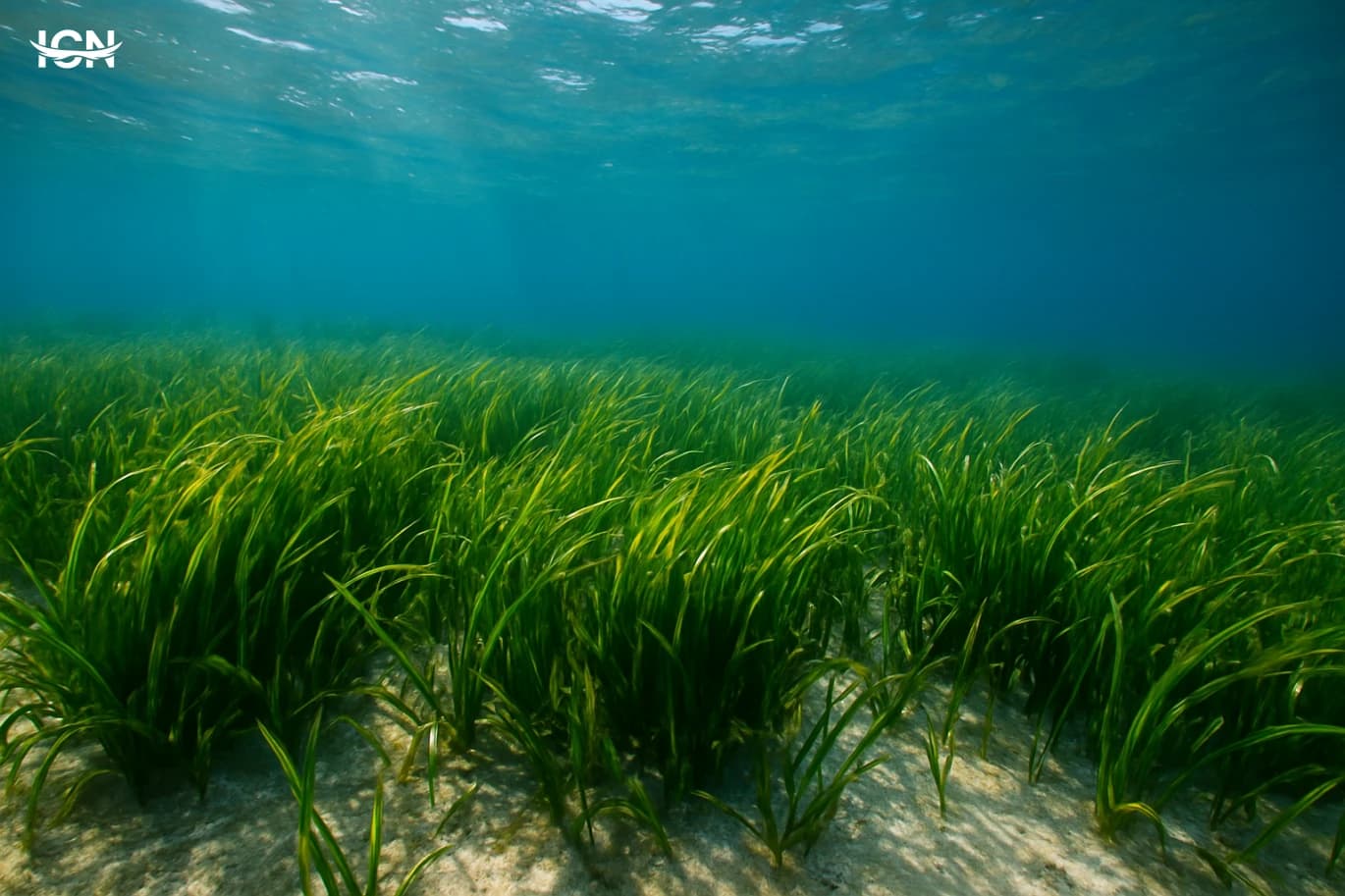
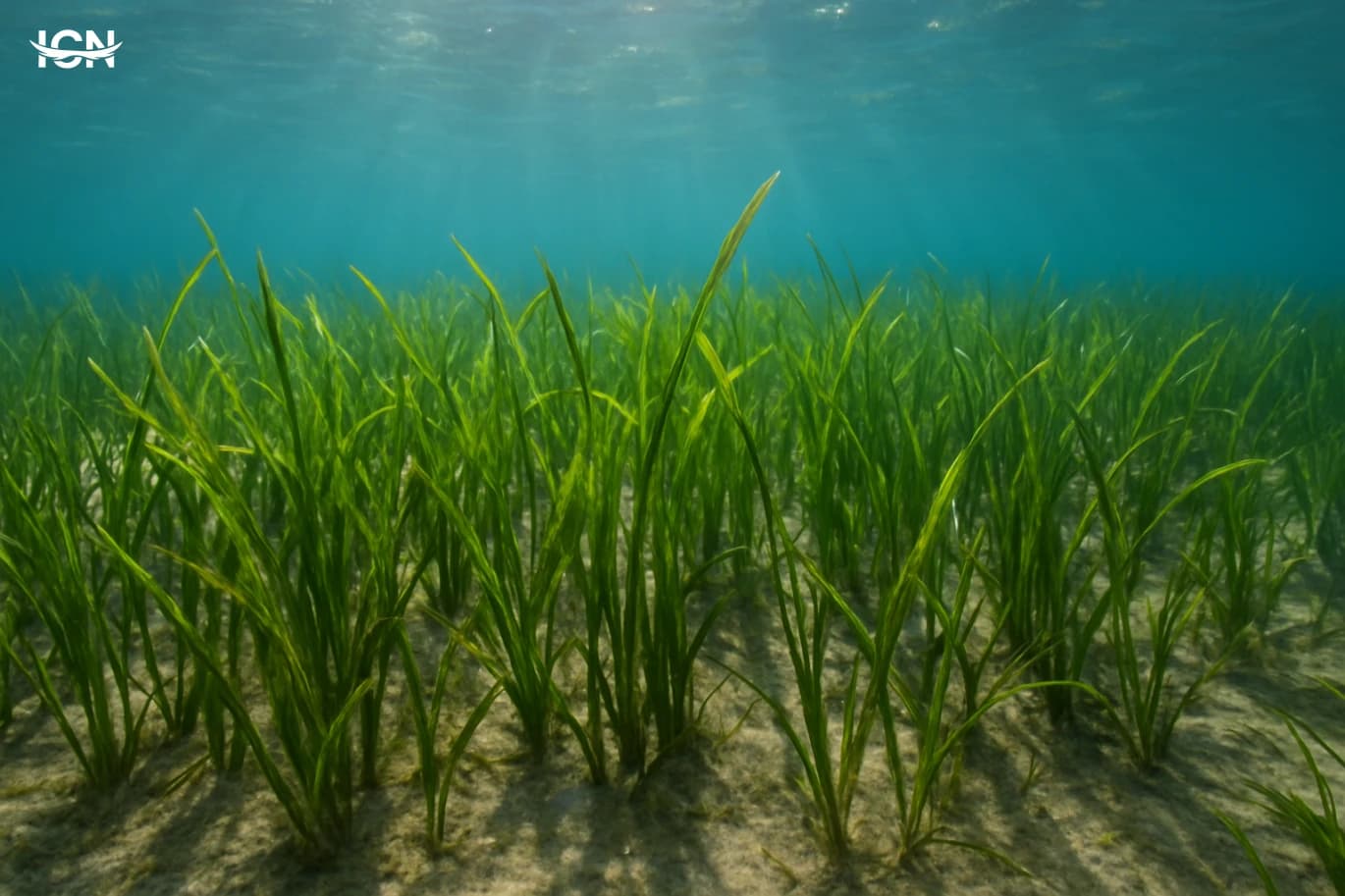
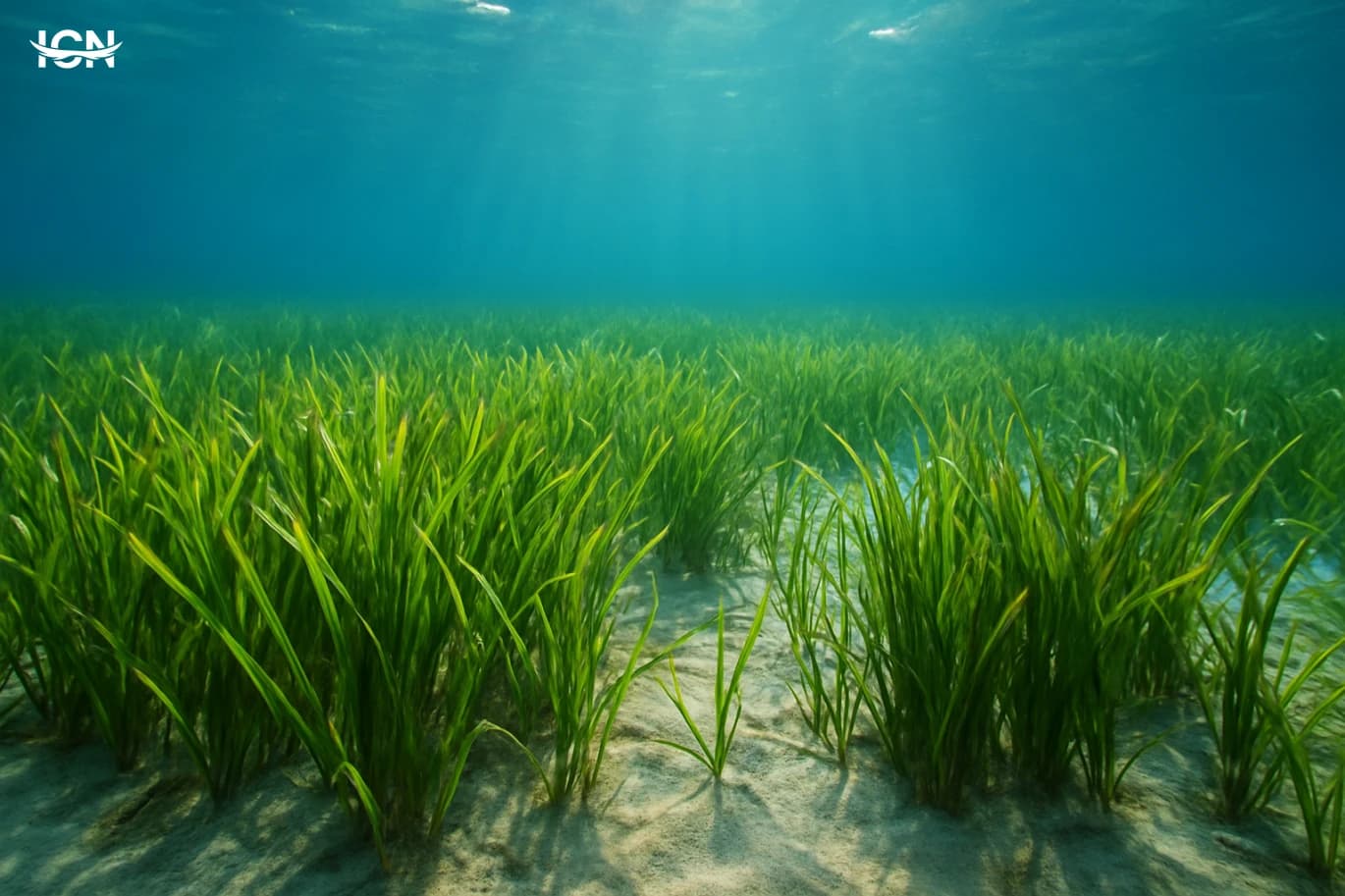
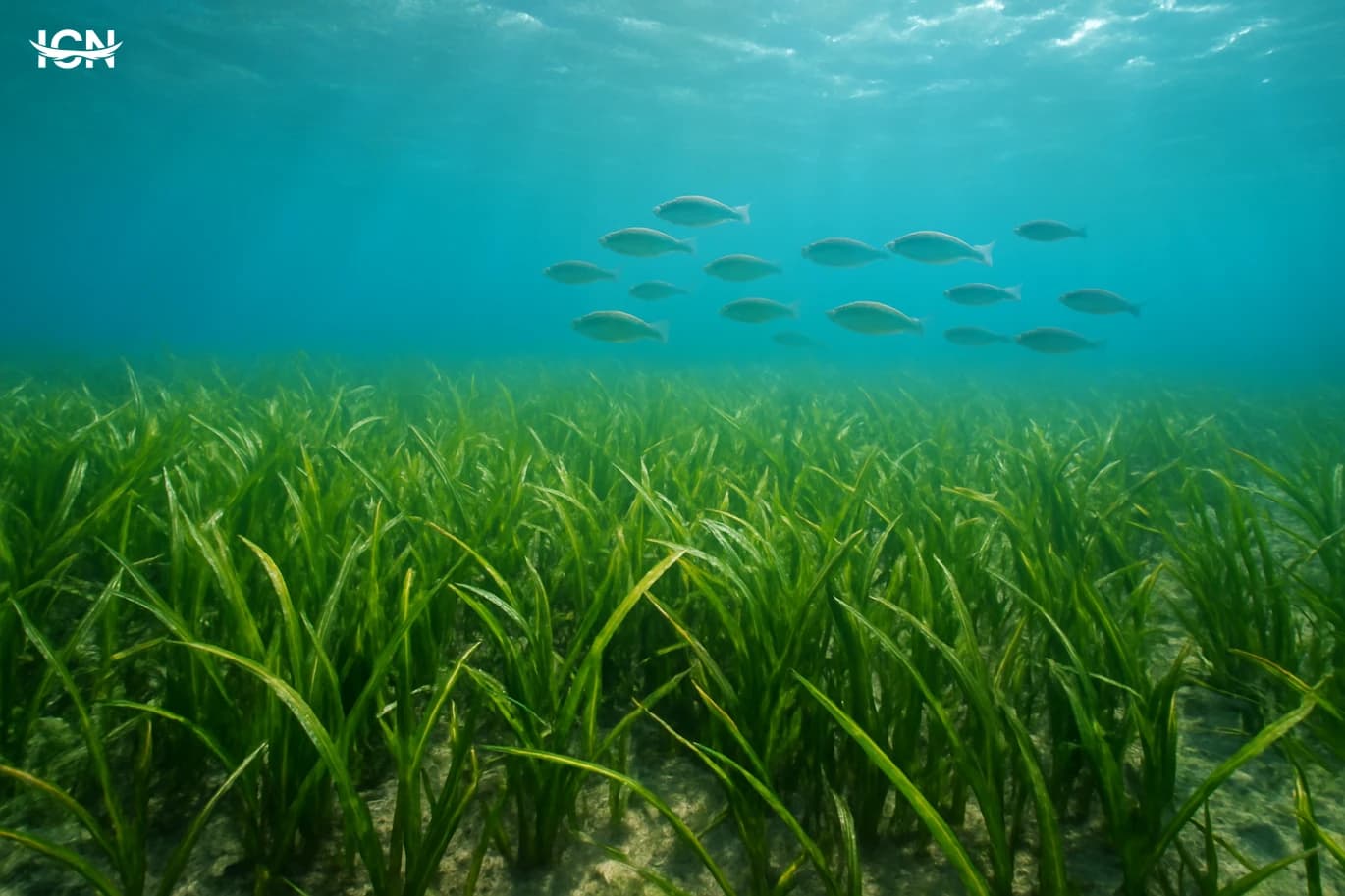
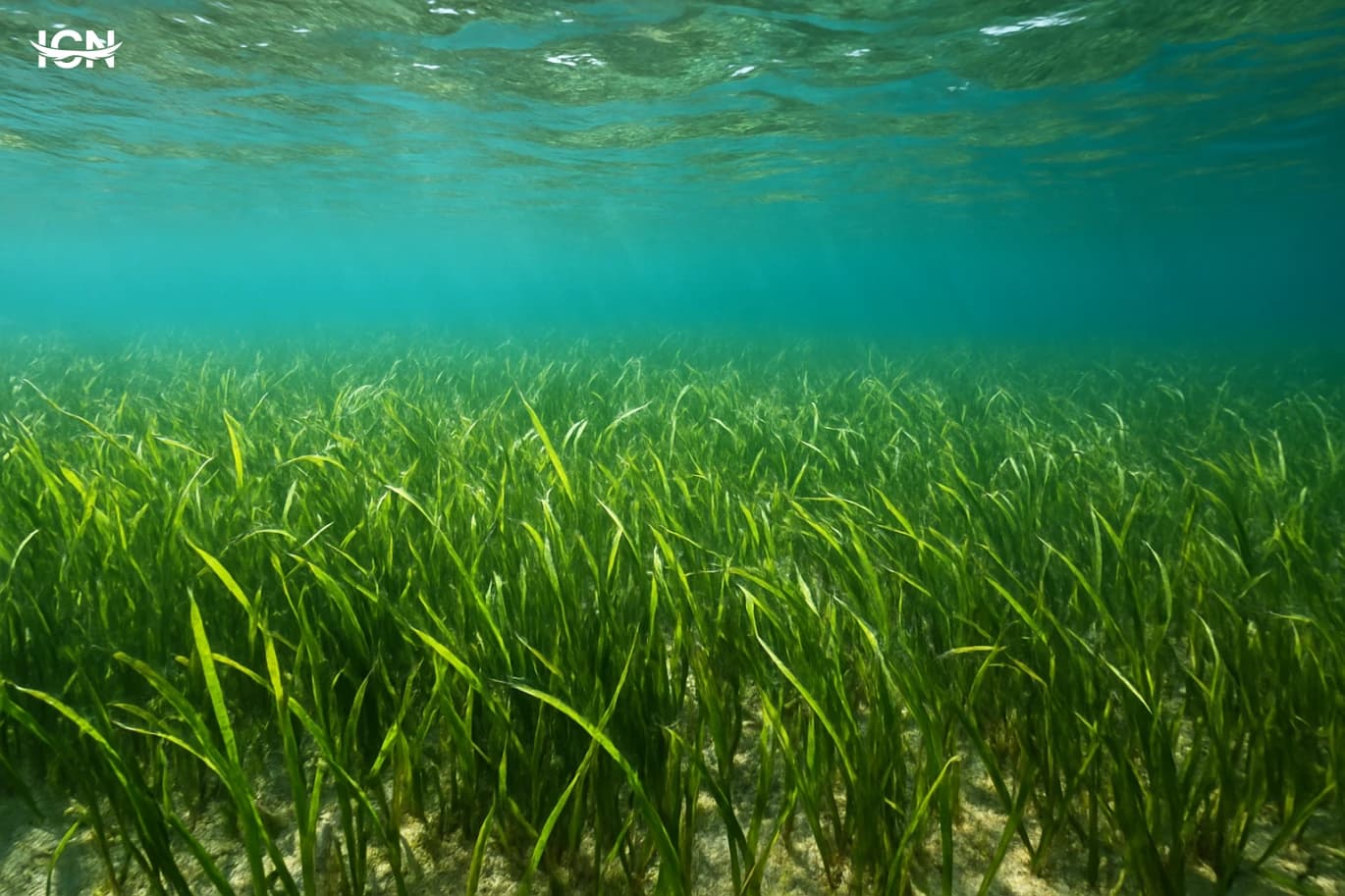
Seagrass meadows are underwater flowering plants that form dense fields in shallow coastal waters. They are often mistaken for seaweed, but seagrasses have roots, stems, and leaves, and they grow in sandy or muddy bottoms where sunlight can reach. These meadows occur on every continent except Antarctica, from temperate bays to tropical lagoons, and they can cover large areas that are invisible from shore. Because they sit close to beaches and harbors, they are frequently exposed to human activity, yet they rarely receive the attention given to coral reefs or mangroves. A single meadow can function like a living neighborhood for aquatic life. The leaves slow water movement, creating calm micro-habitats where small organisms can feed and hide. Juvenile fish, shrimp, crabs, and shellfish use the vegetation as shelter during their most vulnerable life stages. Many species that later move to reefs or deeper waters begin their lives in seagrass, which makes these meadows a practical starting point for understanding local fisheries and coastal biodiversity. When seagrass declines, the loss is not only botanical; it is a direct reduction in nursery space for animals that communities may rely on for food and livelihoods.
Nurseries for fish and invertebrates
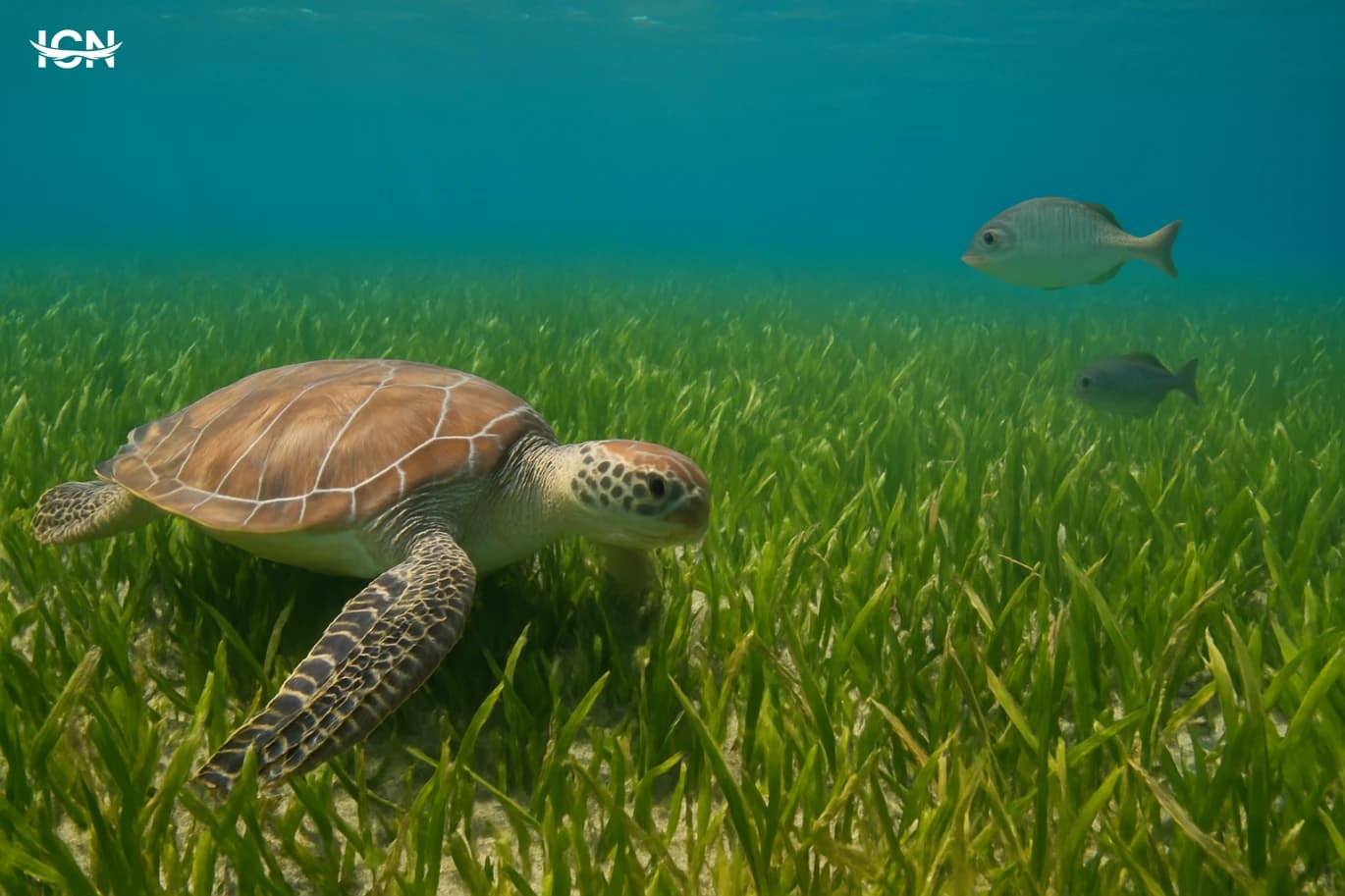
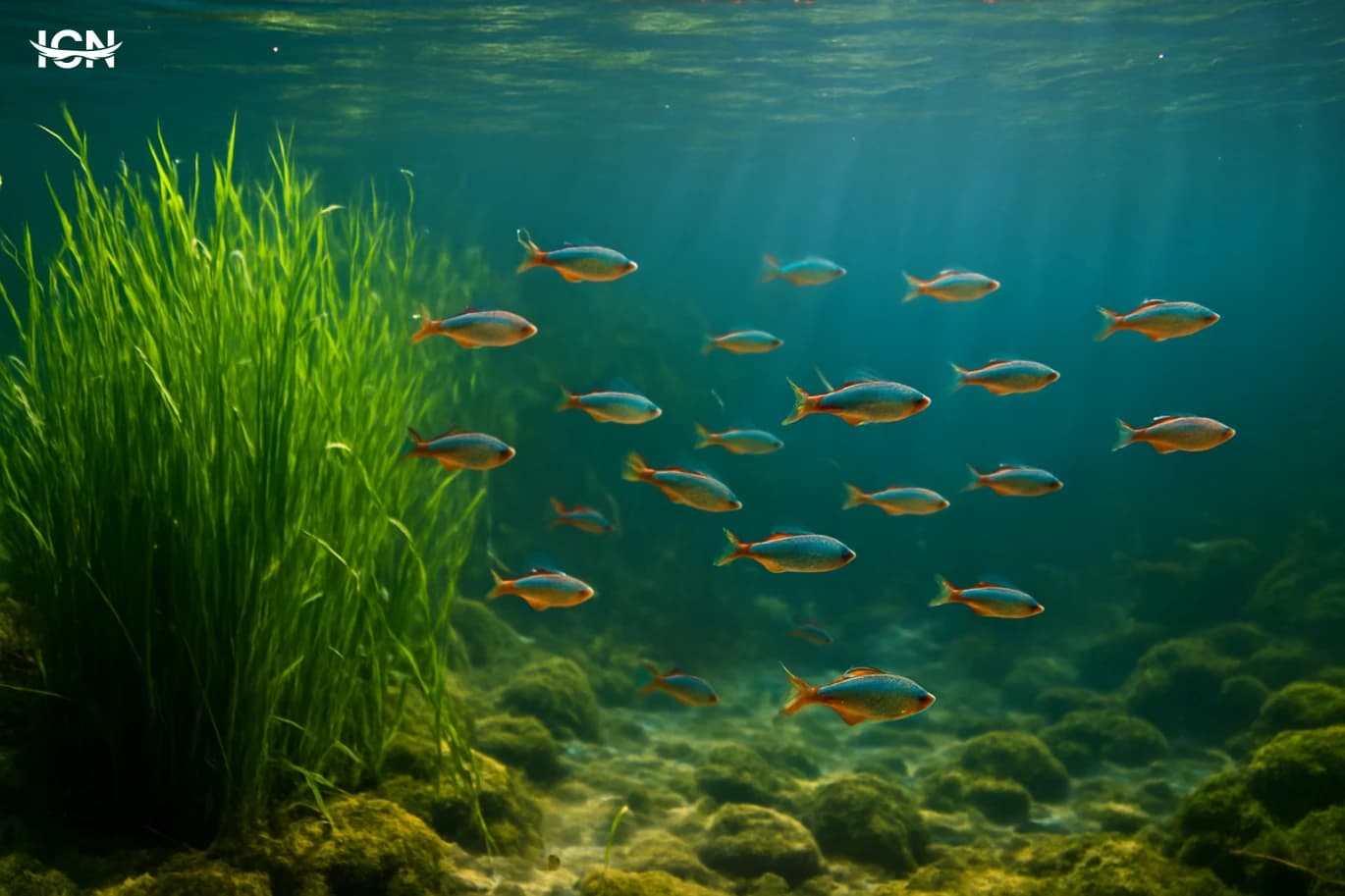
The structure of seagrass leaves creates three-dimensional shelter that open sand flats cannot provide. Small fish can move between blades to avoid predators, while grazing invertebrates feed on tiny algae and microorganisms that grow on leaf surfaces. This relationship supports a layered food web: microscopic producers, small grazers, and then larger predators that visit the meadow edges. In many regions, commercially important species spend part of their life cycle in seagrass, which links the health of the meadow to the stability of local catches. Seagrass also supports animals that do not live permanently in the meadow. Sea turtles, for example, graze on certain seagrass species, and some waterfowl feed in shallow beds during migration. Even when animals move away, the meadow continues to influence nearby habitats by exporting organic matter and providing a steady supply of food particles. For coastal managers, this means seagrass is not an isolated feature; it is a connector between beaches, estuaries, reefs, and offshore waters. Protecting it can improve biodiversity beyond the meadow itself, while damage can ripple outward in ways that are hard to reverse quickly.
Water clarity and coastal protection
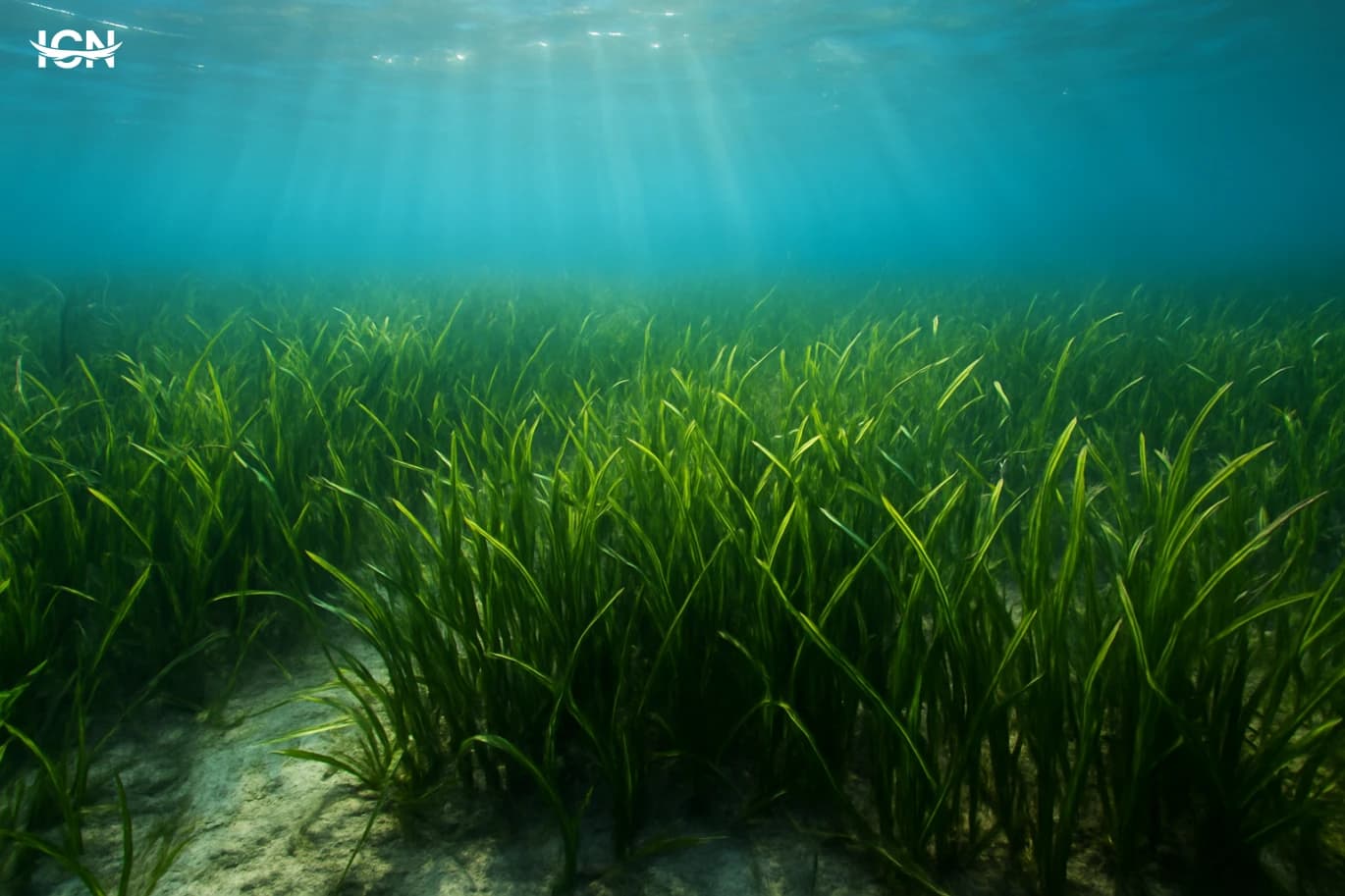
Seagrass meadows improve water quality by trapping fine sediments and slowing currents. When water moves more slowly through the leaves, suspended particles settle to the bottom instead of remaining in the water column. Clearer water allows more sunlight to reach the seabed, which helps seagrass grow and can also benefit nearby habitats that depend on light. This is a practical feedback loop: healthy seagrass promotes clearer water, and clearer water supports healthier seagrass. The roots and rhizomes bind the seabed, reducing erosion from waves and boat wakes. In sheltered bays, this stabilization can be the difference between a stable shoreline and a constantly shifting bottom that smothers nearby habitats. While seagrass is not a replacement for engineered coastal defenses, it is a natural form of risk reduction that works continuously and at large scale. For communities facing rising maintenance costs for coastal infrastructure, maintaining seagrass can be a cost-effective complement to other measures, especially in areas where development and tourism depend on clean, calm coastal waters.
Blue carbon and climate relevance
Seagrass is a key “blue carbon” ecosystem because it can store carbon in both plant material and the sediments beneath the meadow. Unlike many land plants that release a large share of stored carbon when soils are disturbed, seagrass sediments can accumulate organic carbon over long periods when the meadow remains intact. This makes seagrass conservation relevant to climate strategies, especially for coastal nations looking for nature-based options that also deliver biodiversity and fisheries benefits. However, the climate value depends on protection and careful management. When meadows are damaged by dredging, anchoring, or severe water quality decline, stored carbon in sediments can be disturbed and potentially released back into the water and atmosphere over time. This is why mapping seagrass extent, monitoring changes, and preventing avoidable physical damage are not only local environmental actions but also part of responsible coastal planning. For readers, the takeaway is straightforward: seagrass is not just scenery; it is part of the coastal carbon balance, and its loss can carry hidden long-term costs.
What threatens seagrass today
The most common pressures on seagrass are poor water quality and direct physical disturbance. Excess nutrients from wastewater and agricultural runoff can fuel algal blooms that block sunlight, while fine sediments from construction and land clearing can cloud the water and smother leaves. In busy coastal areas, boat propellers can carve scars through meadows, and repeated anchoring can uproot plants faster than they can recover. Heat stress and marine heatwaves can also push some species beyond their tolerance, especially where meadows are already weakened. These threats often interact. A meadow stressed by low light becomes more vulnerable to disease and less able to stabilize sediment, which can further reduce water clarity. Recovery is possible, but it can take years, and some losses become effectively permanent if the seabed changes or if water quality does not improve. This is why many scientists and coastal agencies emphasize prevention: it is typically cheaper and more reliable to protect existing seagrass than to restore it after large-scale decline. Understanding the specific local drivers—whether it is runoff, boating, or dredging—is the first step toward practical solutions.
Practical actions for communities and visitors
Protecting seagrass does not always require complex technology; it often starts with basic coastal habits and clear local rules. Upgrading wastewater treatment, maintaining septic systems, and reducing fertilizer use near waterways can cut nutrient loads that trigger algal growth. On the water, designated anchoring zones, mooring buoys, and “no-prop” areas in shallow meadows can prevent repeated scarring. For ports and construction projects, timing work to avoid sensitive seasons and using sediment controls can reduce the spread of fine particles. Monitoring is equally important. Community science programs can help track seagrass extent using simple shoreline observations, drone surveys where permitted, and standardized reporting of damage. For travelers, responsible boating and choosing operators who follow seagrass-friendly practices can make a measurable difference in high-use bays. The broader point is that seagrass protection is a shared task: municipalities manage infrastructure, businesses manage daily operations, and individuals influence demand and behavior. When these pieces align, seagrass meadows can remain productive, supporting aquatic life, clearer water, and more resilient coasts for decades.