Teen Skincare Routine That Actually Works
- Start With Your Skin, Not Trends
- Morning Routine in Three Steps
- Night Routine for Breakouts and Comfort
- Smart Product Choices on a Teen Budget
- When to Adjust and When to Get Help
Start With Your Skin, Not Trends
A teen routine should match what your skin is doing right now, not what a video recommends. Most teenage skin changes quickly because of hormones, sweat, school stress, and sports. Before buying anything, notice three things for one week: how oily your face feels by midday, where breakouts show up, and whether your cheeks feel tight after washing. This quick check helps you choose products that solve real problems instead of adding more steps. Keep your goal simple: clean skin, comfortable moisture, and daily sun protection. If you start with too many active ingredients, irritation can look like “more acne,” and you may end up switching products every few days. A stable routine for 3–4 weeks is usually enough to see if it’s working. Also, remember that “normal” is a range. A few small pimples around the forehead or chin can be typical, especially around exams or your period. What matters is whether your skin feels painful, very inflamed, or constantly irritated. In those cases, a pharmacist or dermatologist can help you choose safer options.
Morning Routine in Three Steps
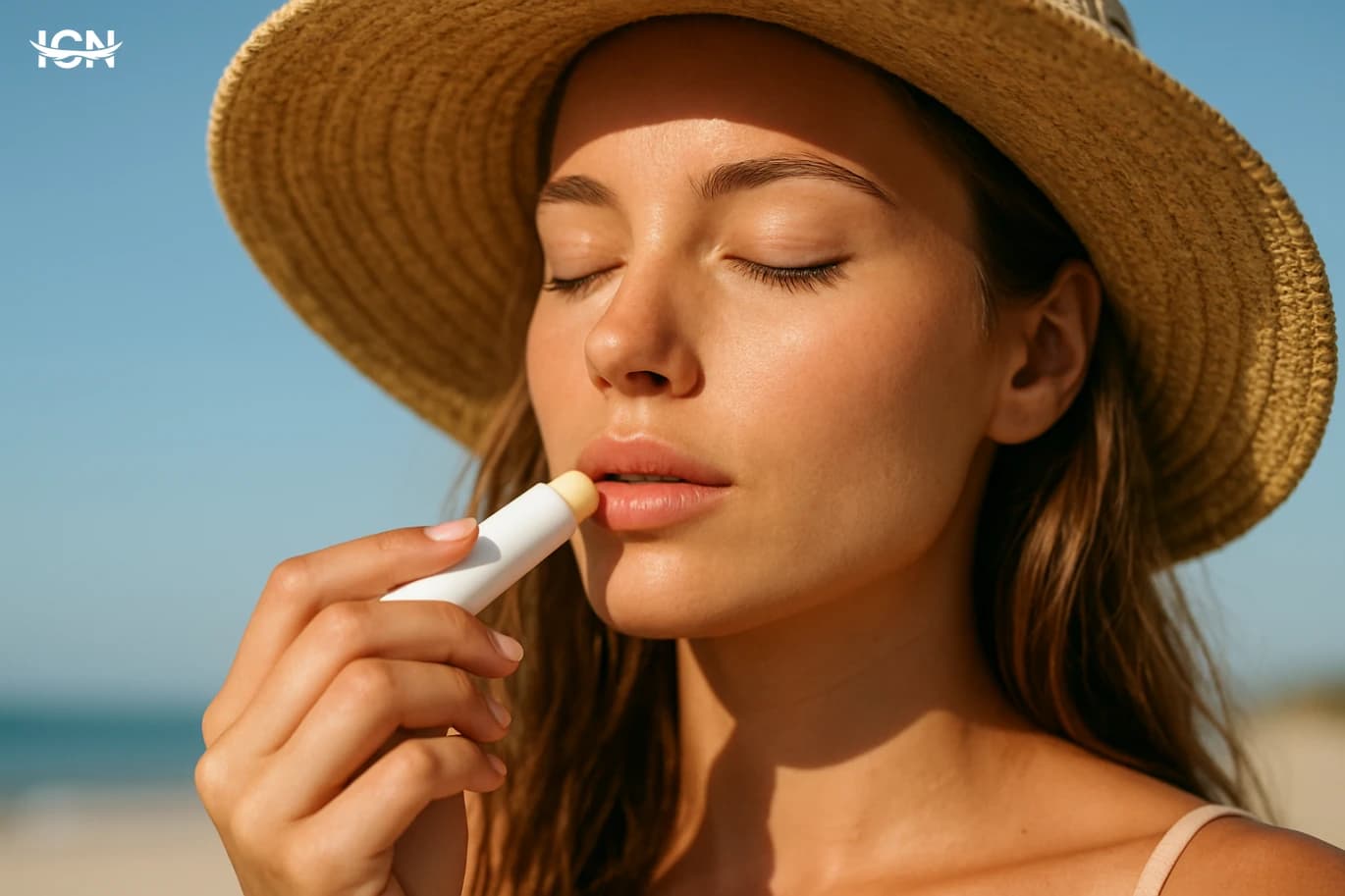
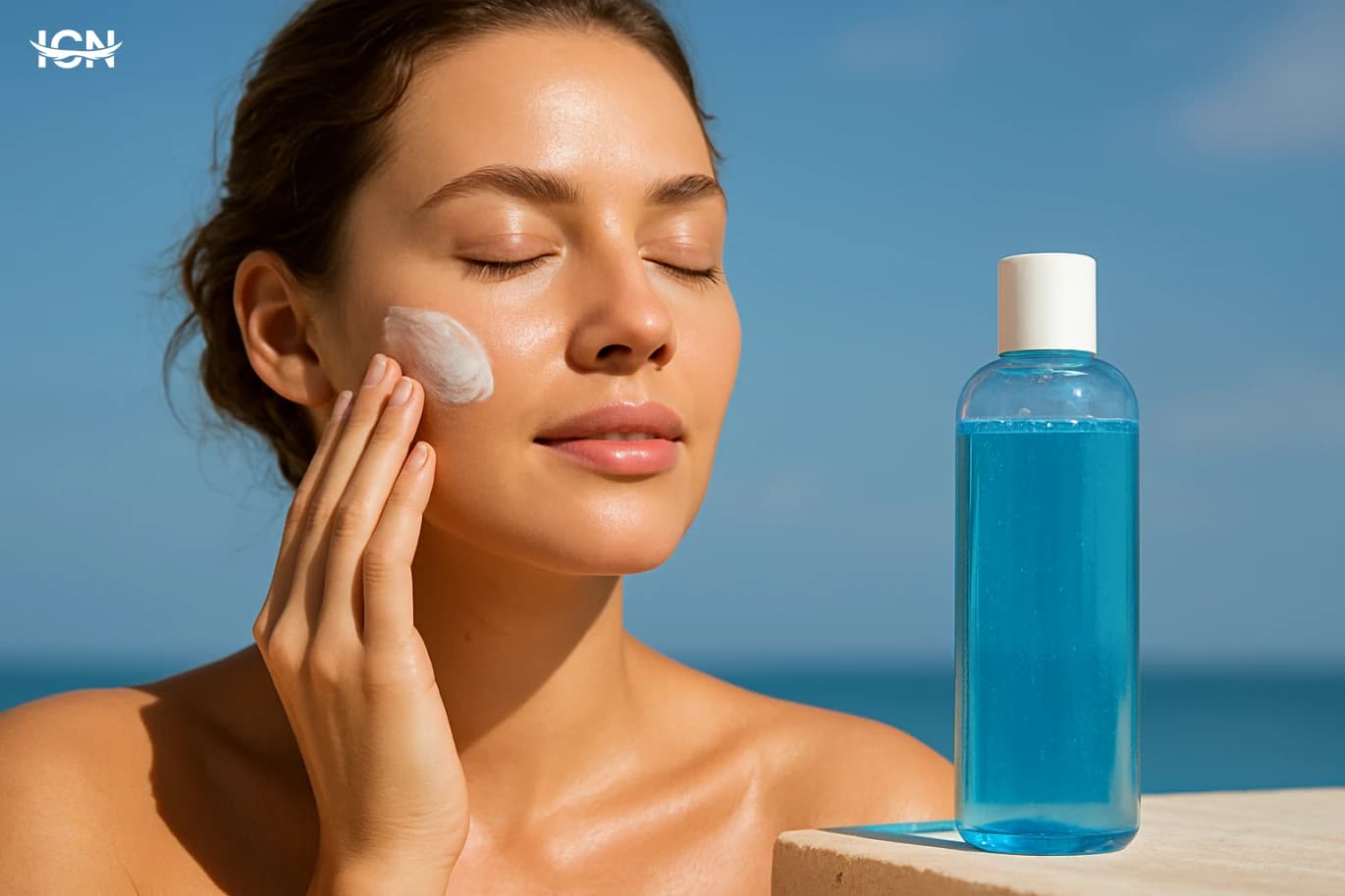
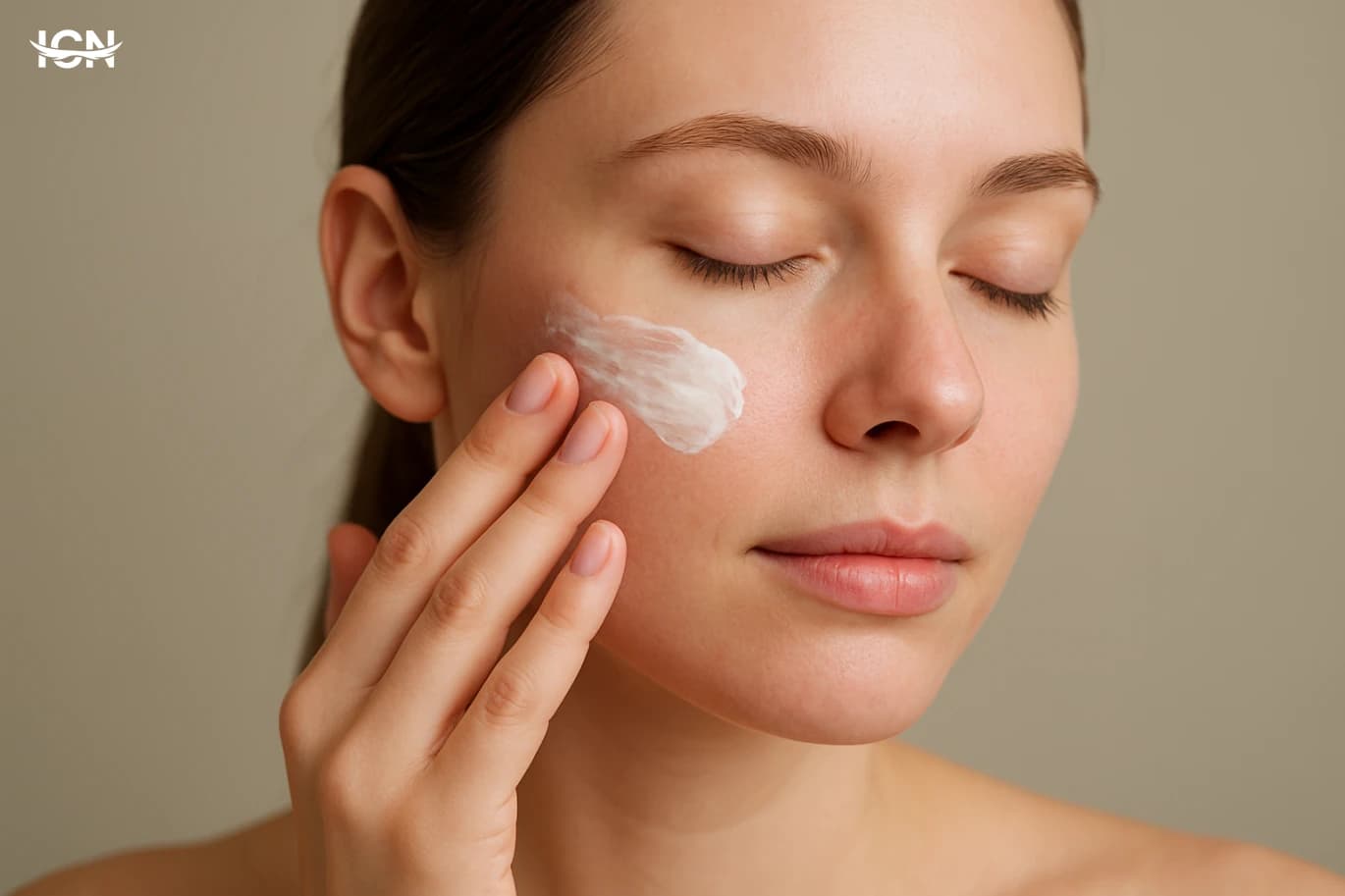
A morning routine for teens should be fast and repeatable. Step one is cleansing. If your skin is oily or you sweat at night, use a gentle gel cleanser. If your skin feels dry or tight, a mild creamy cleanser or just lukewarm water can be enough. Wash for about 20 seconds, focusing on the hairline and sides of the nose, then rinse well. Avoid harsh scrubs in the morning; they can make your skin feel clean but often increase redness. Step two is lightweight moisture. Even oily skin needs hydration, especially if you use acne products later. Choose a simple, fragrance-free moisturizer labeled “non-comedogenic” or “won’t clog pores.” Apply a thin layer while the skin is slightly damp. This helps reduce that midday tightness that can trigger more oil production. Step three is sunscreen every day. For teens, a broad-spectrum SPF 30 or higher is a practical baseline. If you’re in sports or outdoors, pick a water-resistant formula. Use enough: roughly two fingers’ length for face and neck. Sunscreen helps prevent dark marks after pimples and reduces sensitivity from acne treatments. If makeup is part of your day, sunscreen still goes underneath. If you want a single optional add-on, choose a lip balm with SPF. It’s a small habit that makes a noticeable difference over time.
Night Routine for Breakouts and Comfort
Night is when your routine can target breakouts without rushing. Start by removing sunscreen and any makeup. A gentle cleanser is usually enough, but if you wear long-wear makeup, you can use micellar water first and then cleanse. The goal is clean skin without that squeaky feeling. After cleansing, choose one treatment path, not five. If you get clogged pores and small bumps, a salicylic acid product (BHA) used 2–3 nights per week can help. If your main issue is red inflamed pimples, benzoyl peroxide can be effective, but start with a low strength and use it as a thin layer or spot treatment to reduce dryness. If you’re not sure, skip actives for a week and focus on barrier-friendly basics. Moisturizer comes next, even if you used an acne product. Look for ingredients like glycerin, panthenol, or ceramides. They support comfort and reduce peeling. If you notice stinging, scale back: use the treatment less often and keep the moisturizer consistent. Two habits matter more than any serum: change pillowcases regularly and keep hair products away from the forehead. Oils and styling creams can trigger breakouts along the hairline. Tie hair back at night if needed, and clean your phone screen often if you rest it on your cheek.
Smart Product Choices on a Teen Budget
You don’t need a shelf full of products to get results. Build your routine around four essentials: cleanser, moisturizer, sunscreen, and one acne treatment if needed. When shopping, prioritize simple formulas and clear labels. Fragrance-free is often a safer choice for sensitive or acne-prone skin. “Natural” doesn’t automatically mean gentle, and essential oils can irritate some teens. Patch testing is a practical habit. Try a new product on a small area near the jawline for two or three nights. If you see swelling, strong burning, or a rash, stop. Mild dryness can happen with acne treatments, but it should improve with less frequent use and good moisturizing. Avoid stacking multiple strong actives at once. Using exfoliating acids, retinoids, and benzoyl peroxide together can overwhelm teen skin. If you want to add something later, do it one product at a time and keep the rest of the routine stable. Finally, don’t ignore the basics that cost nothing: wash your face after sports, don’t pick at pimples, and keep makeup tools clean. Picking can lead to longer-lasting marks, and dirty brushes can spread oil and bacteria. These small steps often make the biggest difference in how fast skin calms down.
When to Adjust and When to Get Help
A routine is working if your skin feels calmer, breakouts are less frequent, and you’re not dealing with constant stinging or peeling. Give most changes at least three to four weeks, because clogged pores and inflammation take time to settle. If you switch products too quickly, you won’t know what helped or what caused irritation. Adjust based on seasons and school life. In hot months or during sports, you may need a lighter moisturizer and a stronger focus on cleansing after sweating. In colder months, you may need a richer moisturizer and fewer exfoliating nights. If you start an acne treatment, introduce it slowly: once or twice a week, then increase only if your skin stays comfortable. Seek professional advice if acne is painful, leaving dark marks that don’t fade, or affecting large areas like the back and chest. Also get help if you suspect an allergy, have persistent redness, or your skin barrier feels damaged no matter what you do. A dermatologist can recommend a plan that fits teen skin and can prevent unnecessary scarring. The most effective teen routine is the one you can follow daily. Consistency, gentle products, and sun protection usually beat complicated routines, especially during busy school weeks.