Barrier First Skincare for Sensitive Faces
- Why barrier health changes everything
- The most common routine mistakes
- A simple barrier-first routine
- How to reintroduce actives safely
- Choosing products without getting overwhelmed
- When to see a professional
Why barrier health changes everything
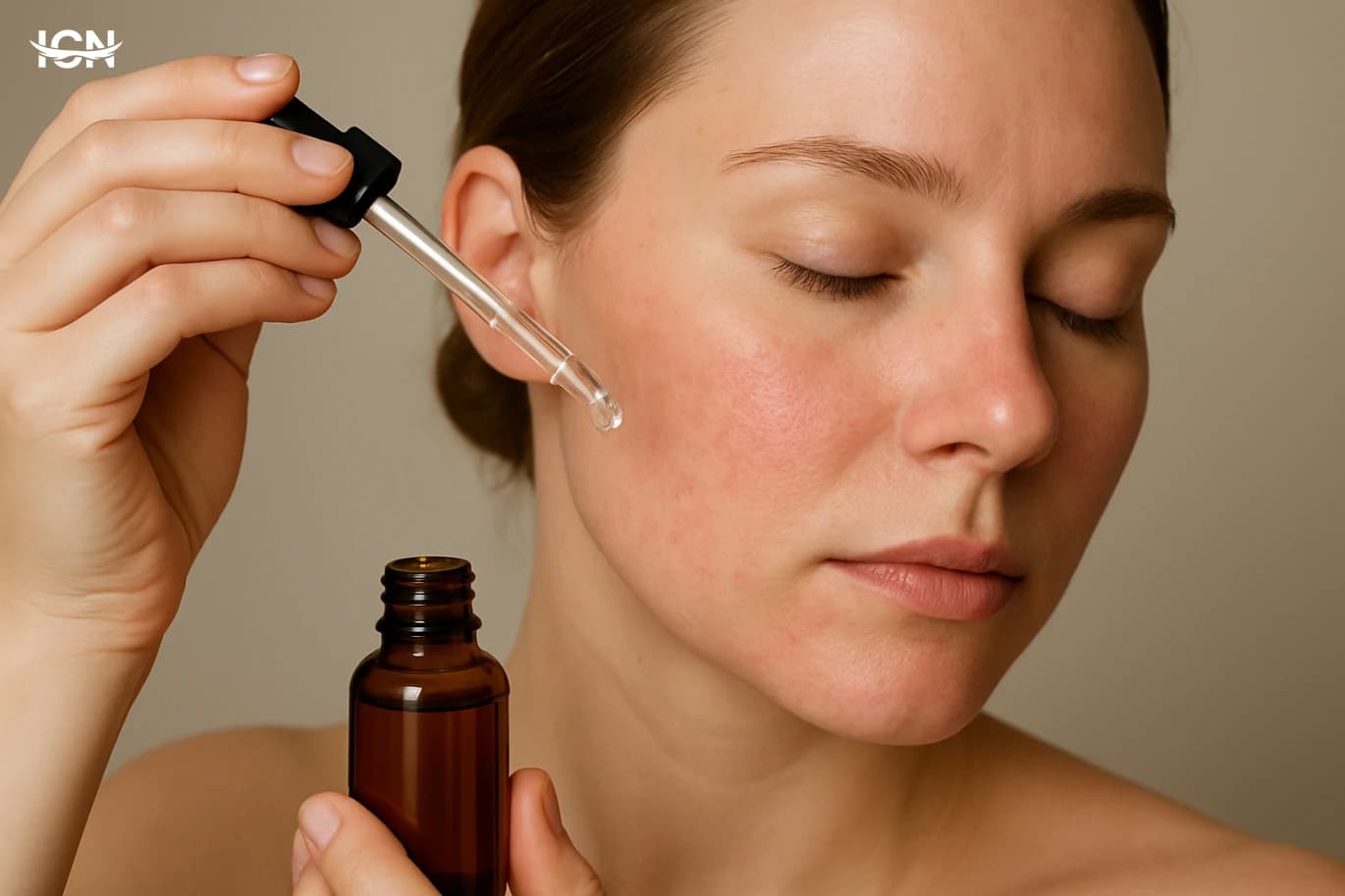
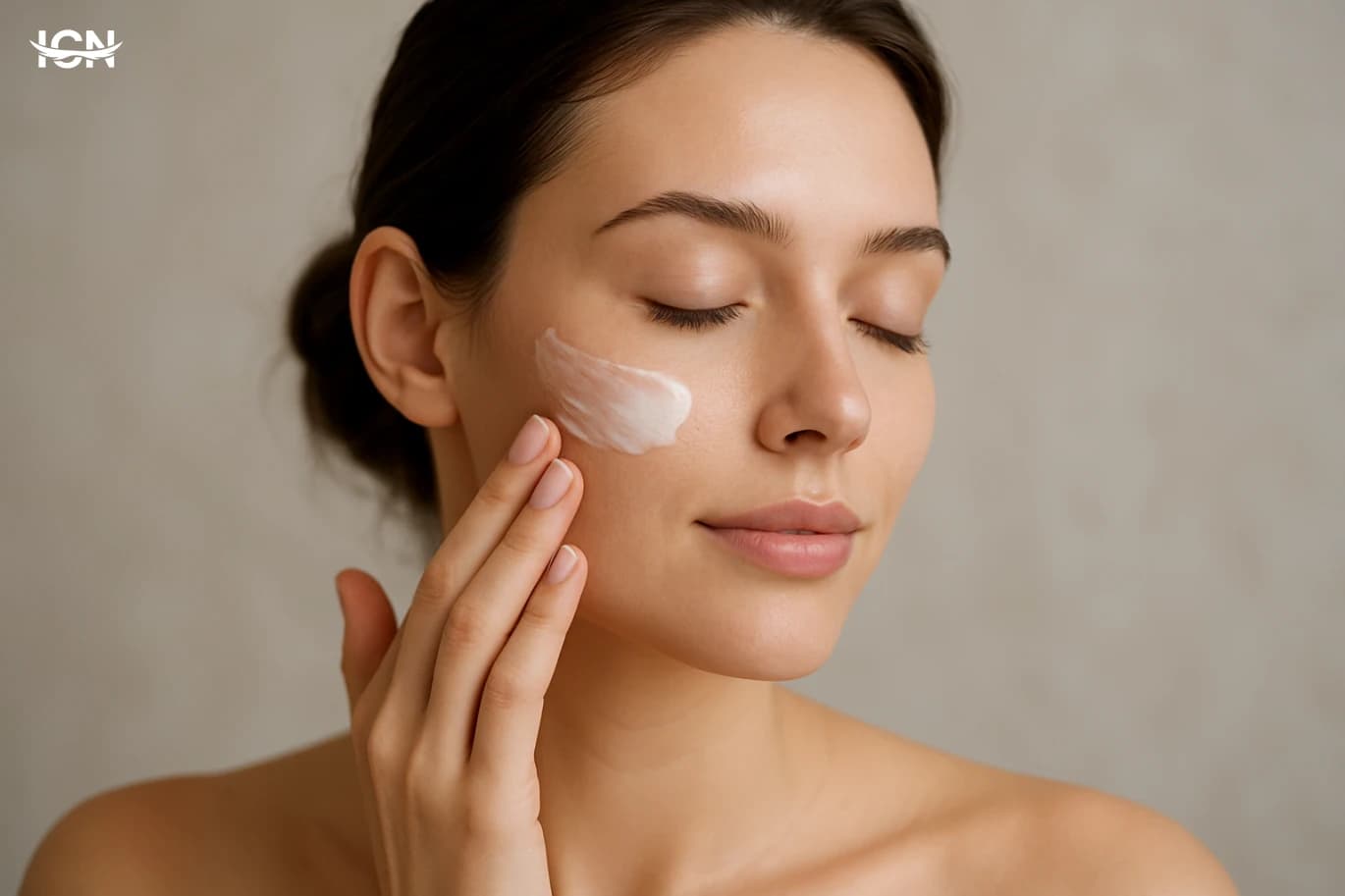
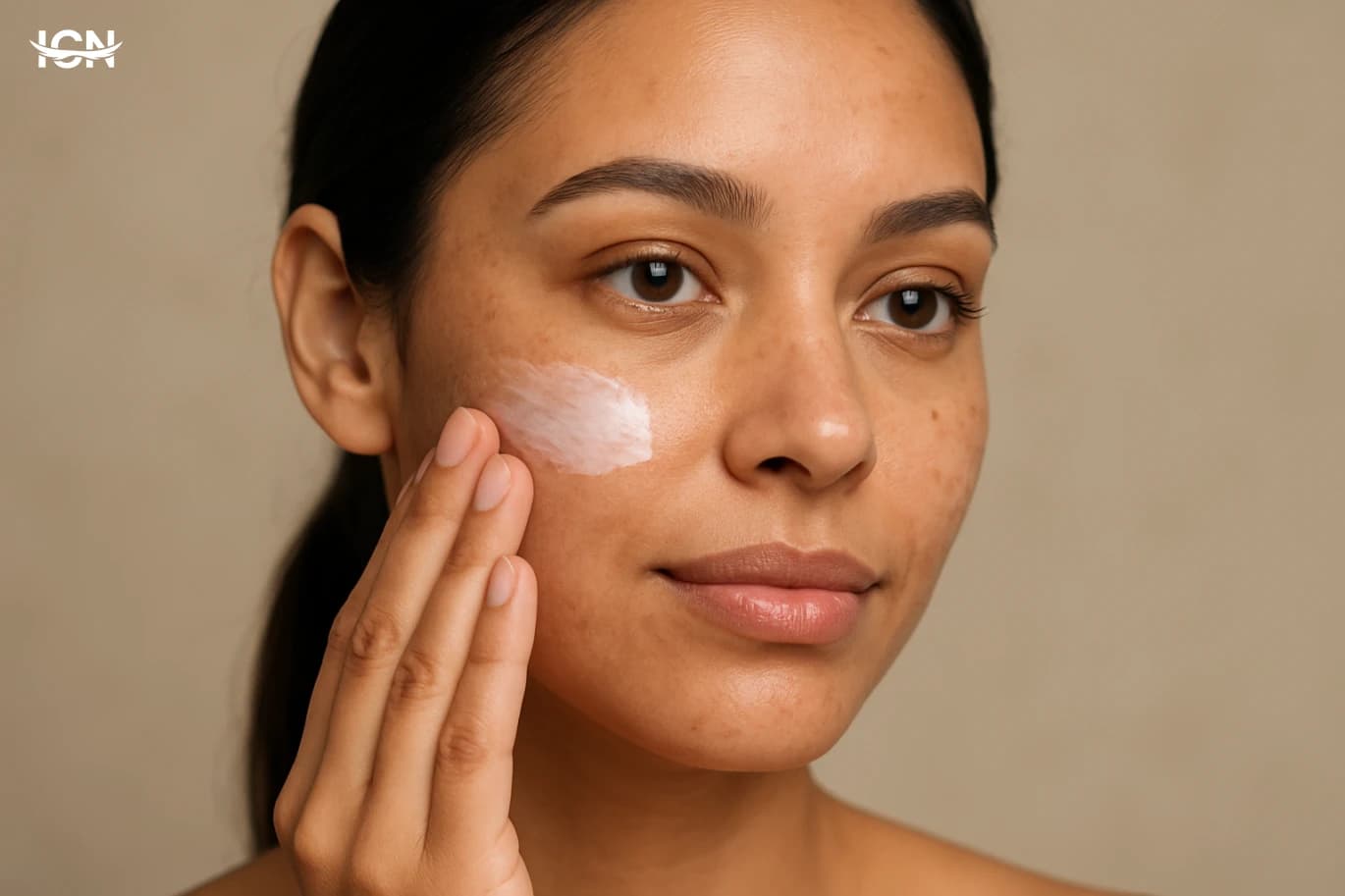
Many “sensitive skin” complaints are not a mystery condition; they are often a stressed skin barrier. The barrier is the outermost layer that keeps water in and irritants out, supported by lipids such as ceramides, cholesterol, and fatty acids. When it is compromised, everyday products can sting, redness becomes easier to trigger, and the face may feel tight even after moisturizing. Common signs include burning with gentle cleansers, flaky patches around the nose or mouth, sudden shine with dehydration underneath, and makeup that separates quickly. Barrier stress is frequently caused by routine choices rather than genetics alone. Over-cleansing, hot water, frequent exfoliation, high-strength actives layered together, and fragranced products can all increase transepidermal water loss. Environmental factors matter too: dry indoor heating, air conditioning, wind, and frequent mask-wearing can create friction and micro-irritation. Understanding barrier health reframes the goal from “fixing sensitivity” to building resilience with fewer, better steps and consistent protection.
The most common routine mistakes
Sensitive faces often follow routines that look “advanced” but behave like a constant stress test. A major mistake is cleansing too aggressively: foaming cleansers with strong surfactants, double cleansing every night even without heavy sunscreen or makeup, or using cleansing brushes. Another frequent issue is treating texture and breakouts with daily exfoliation. Scrubs, high-percentage acids, and peel pads can thin the feeling of the surface temporarily, but they also disrupt lipids and increase irritation in the long run. Layering multiple actives is another pattern. Retinoids, vitamin C, benzoyl peroxide, and exfoliating acids can all be useful, but not all at once and not at high frequency on a reactive face. People also underestimate the impact of fragrance, essential oils, and “tingly” sensations marketed as results. For barrier-first care, a product that feels neutral is often a better sign than one that feels active. Finally, skipping sunscreen because it “burns” is understandable but counterproductive. UV exposure worsens redness, dryness, and uneven tone, and it slows barrier recovery. The solution is usually not to abandon sunscreen, but to choose a formula designed for sensitivity and to build tolerance gradually.
A simple barrier-first routine
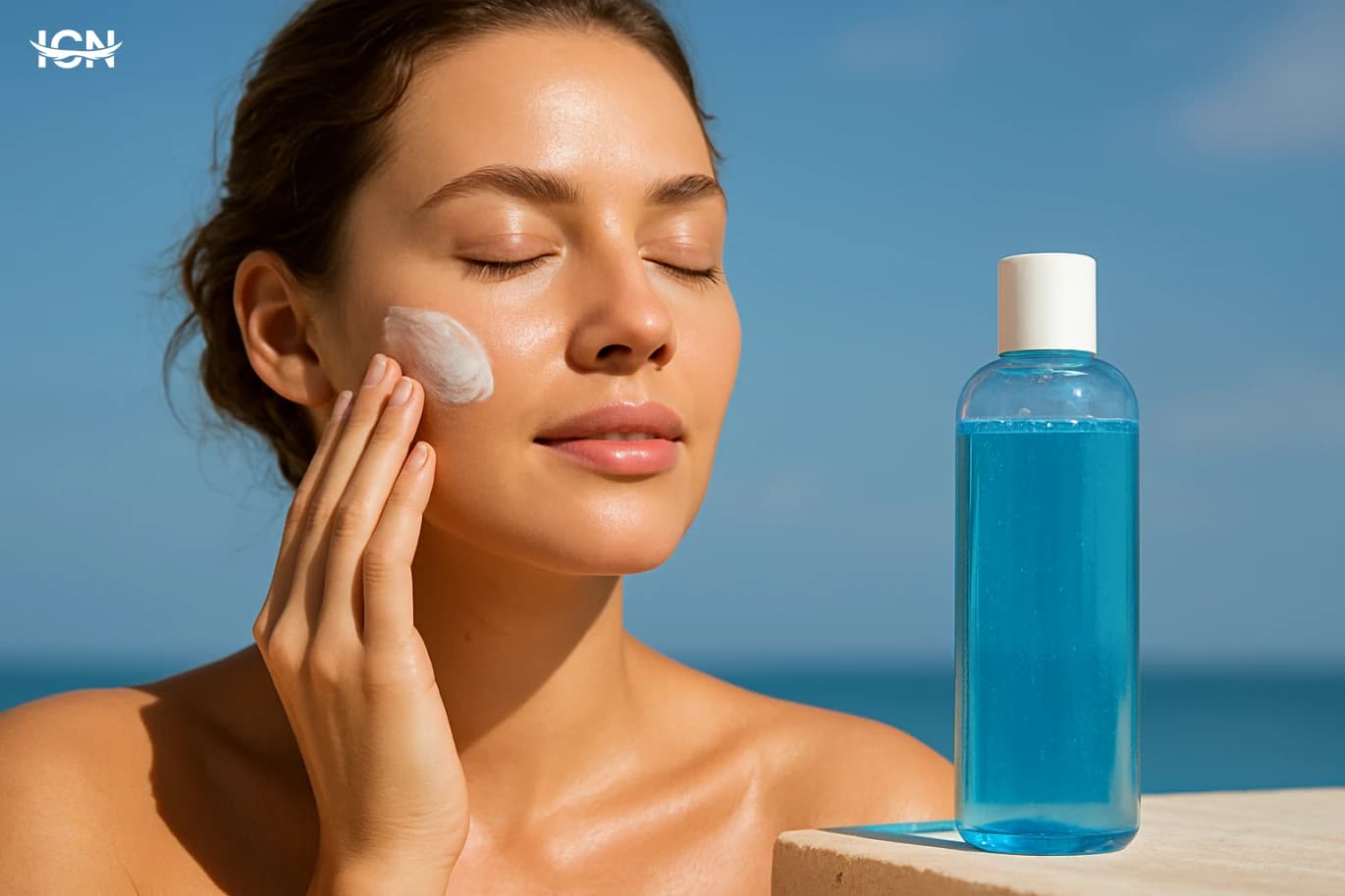
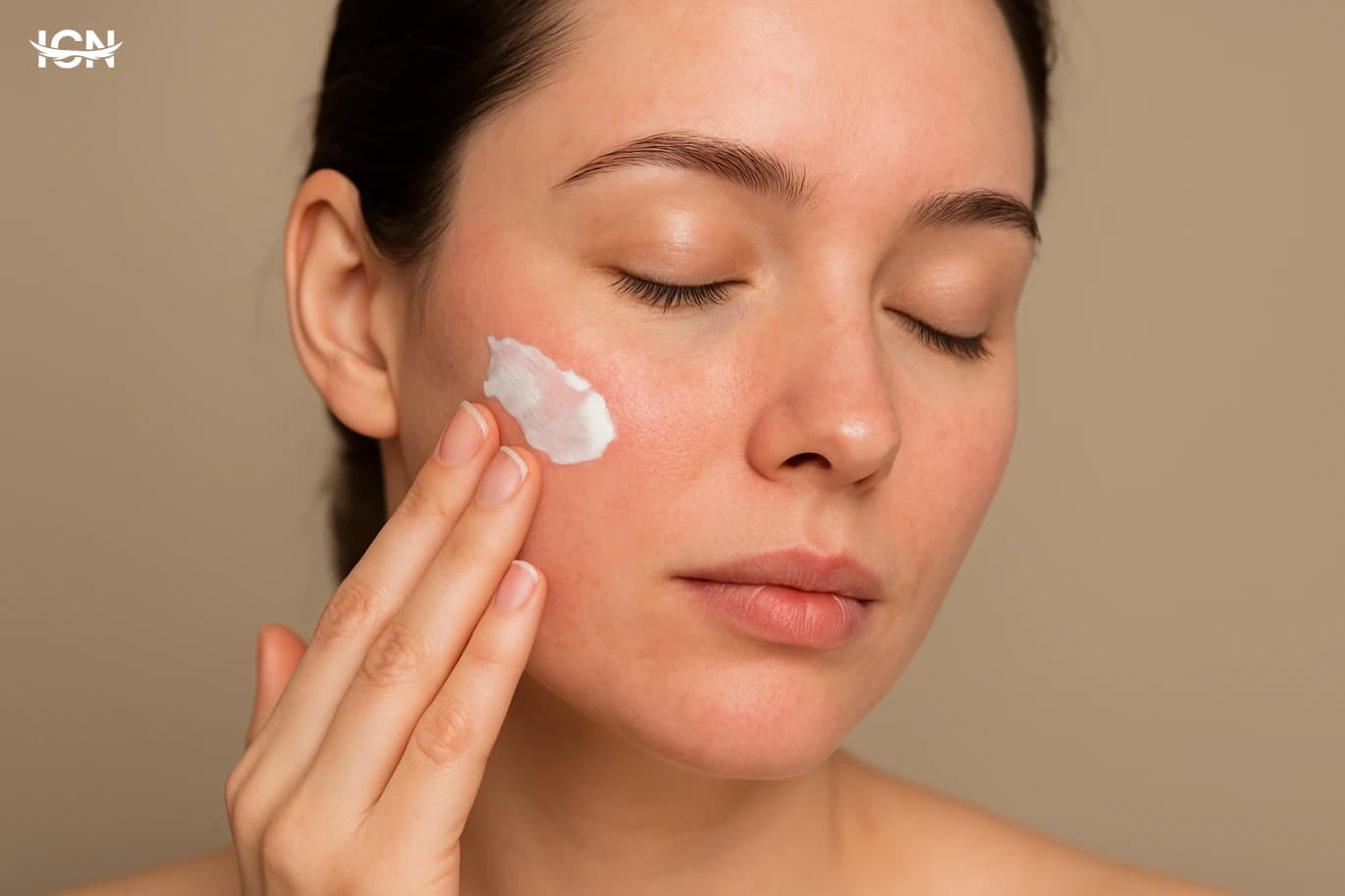
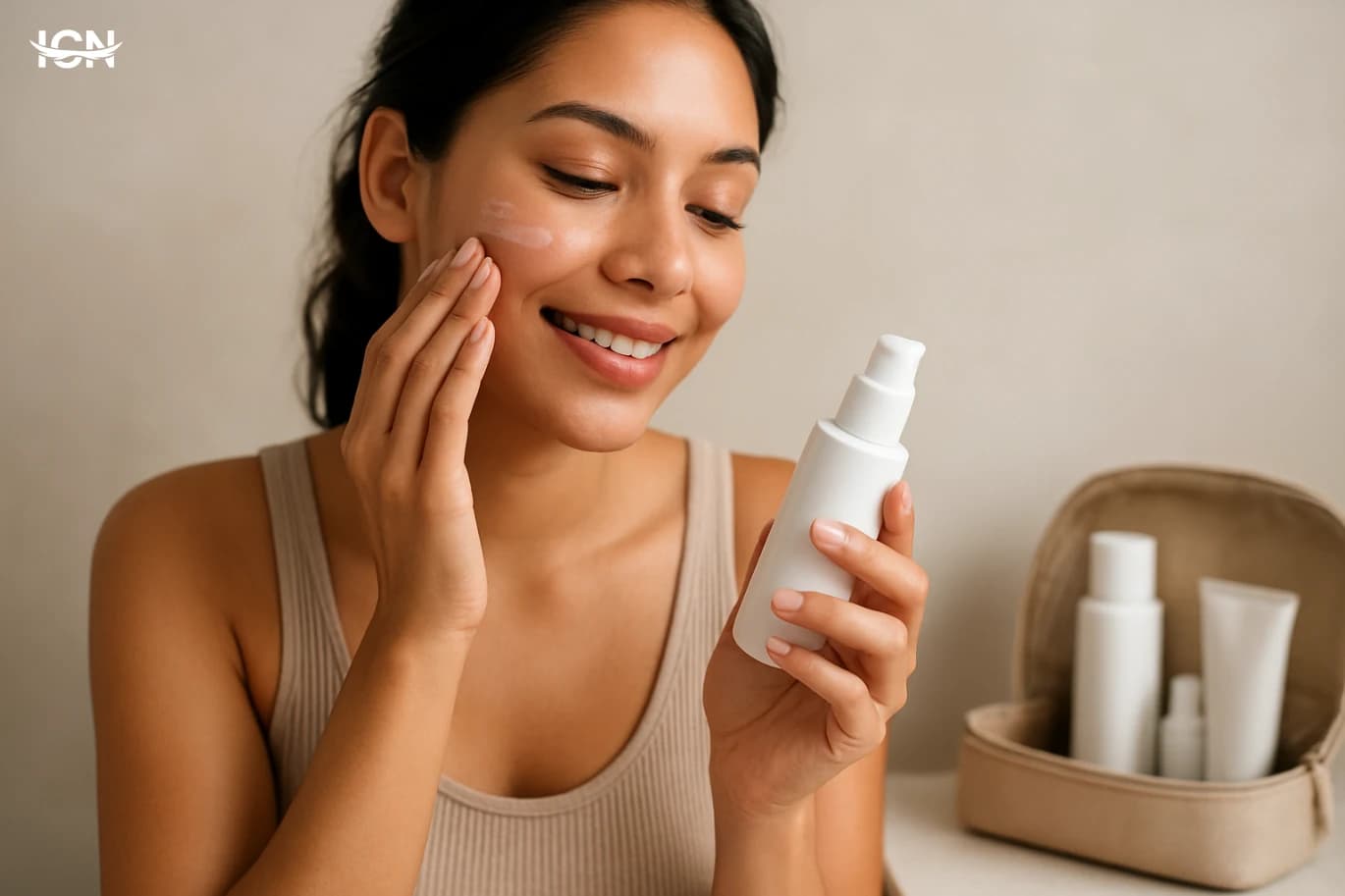
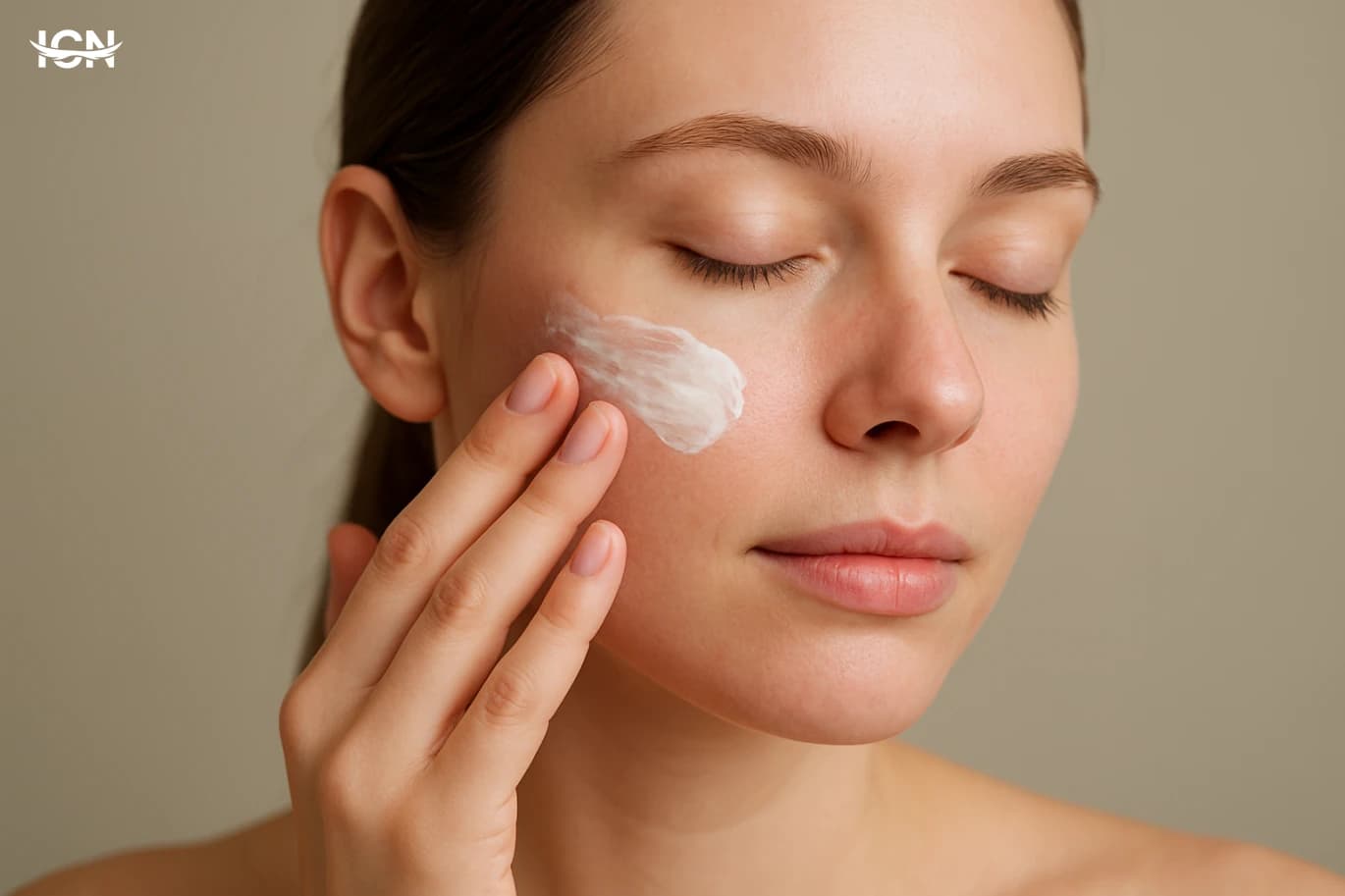
A barrier-first routine is intentionally minimal, built around consistency rather than constant upgrades. In the morning, start with a gentle cleanse only if needed; many sensitive faces do well with a lukewarm water rinse. Follow with a moisturizer that focuses on barrier lipids and humectants: ceramides, glycerin, panthenol, and squalane are common options. If redness is a main concern, ingredients like niacinamide at modest levels or colloidal oatmeal can support comfort without the “active” feel. Sunscreen is the non-negotiable final step. For reactive skin, mineral sunscreens with zinc oxide or titanium dioxide are often better tolerated, but modern hybrid and chemical formulas can also work if fragrance-free and alcohol-light. Apply a sufficient amount and reapply when outdoors for extended periods. At night, cleanse gently to remove sunscreen. If the face feels tight after cleansing, that is a signal to change the cleanser, not to compensate with heavier products. Moisturize while the skin is slightly damp to reduce water loss. In periods of irritation, a thin layer of an occlusive such as petrolatum on the driest areas can reduce friction and support recovery, especially around the nose and mouth. This routine may look too basic, but for many people it is the fastest route to fewer flare-ups, smoother makeup application, and a more even tone over time.
How to reintroduce actives safely
Once the skin feels stable—less stinging, fewer dry patches, and consistent comfort for at least two to four weeks—you can reintroduce actives with a structured plan. Choose one goal and one active at a time. For uneven tone and early lines, a low-strength retinoid used two nights per week is a common starting point. For clogged pores, a gentle leave-on exfoliant at low concentration used once weekly may be enough. Use the “buffer” approach: apply moisturizer first, then the active, then another thin layer of moisturizer if needed. This reduces direct contact and lowers irritation risk. Avoid combining strong actives in the same routine, especially retinoids with exfoliating acids. Increase frequency slowly, not concentration quickly. If irritation returns, step back to the basic routine for several days and restart at a lower frequency. Patch testing matters for reactive skin. Test new products on a small area along the jawline for several days before full-face use. Also watch for delayed reactions; sensitivity can appear after repeated exposure, not only on day one.
Choosing products without getting overwhelmed
Product shopping becomes easier when you prioritize formula behavior over hype. For sensitive skin, look for fragrance-free and essential-oil-free labels, and be cautious with high alcohol content if you experience tightness. Texture matters: lightweight gels can work if they contain strong humectants, while creams may be better in dry climates. A good sign is a short, functional ingredient list focused on moisturizers and barrier lipids. When comparing moisturizers, check for ceramides, cholesterol, and fatty acids, or alternatives that support barrier feel such as dimethicone and squalane. For cleansers, choose low-foam, non-stripping formulas and avoid “deep clean” claims. For sunscreen, prioritize comfort and reapplication practicality; the best sunscreen is the one you can wear daily without irritation. Keep a simple log for two weeks when changing products: note cleansing frequency, weather, and any new items. This helps you identify whether redness is linked to a product, overuse, or external triggers like wind and indoor dryness.
When to see a professional
Barrier-first care can solve many everyday sensitivity issues, but some situations need professional evaluation. If redness is persistent and accompanied by visible broken capillaries, frequent flushing, or eye irritation, a dermatologist can assess for conditions that require targeted treatment. If you have recurrent cracking at the corners of the mouth, widespread rash, or swelling after products, you may need patch testing for contact allergies. Also seek advice if acne is significant but your skin cannot tolerate standard treatments; a clinician can design a plan that balances efficacy with barrier support. Finally, if you are using prescription topicals, ask how to pair them with moisturizers and sunscreen to reduce irritation. The goal is not to build the most complex routine, but to keep the skin calm, protected, and predictable day after day.