Barrier First Skincare for Reactive Faces
- Why reactive skin is rising
- How to spot a damaged barrier
- The barrier-first routine blueprint
- Ingredients to prioritize and avoid
- Daily habits that make or break results
- When to seek professional guidance
Why reactive skin is rising
More people describe their face as “reactive” even when they do not have a formal diagnosis. In practice, this usually means stinging with basic products, sudden flushing, tightness after cleansing, or patches that look irritated for days. Several everyday factors can push skin in that direction: frequent switching between active ingredients, over-cleansing, hot showers, aggressive exfoliation, and constant exposure to dry indoor air from air conditioning or heating. Urban pollution and long screen time can also encourage people to cleanse more often than needed, which can strip the surface. From a facial aesthetics perspective, reactive skin is not only uncomfortable; it also makes results less predictable. Makeup may separate, sunscreen may pill, and professional treatments can lead to longer downtime when the barrier is already compromised. A barrier-first approach focuses on restoring the skin’s outer defense so it can tolerate actives, sun protection, and aesthetic procedures more reliably. The goal is not to avoid all ingredients, but to build tolerance and reduce unnecessary triggers.
How to spot a damaged barrier
A weakened barrier is often mistaken for “dry skin,” but the pattern is different. Dry skin can feel rough and look dull, yet it may not sting. Barrier damage tends to come with sensitivity: burning after applying moisturizer, redness that appears quickly, and a cycle of flaking followed by oiliness. Another clue is that products you used for months suddenly feel too strong, especially foaming cleansers, fragranced items, or high-percentage acids. Look for practical signals over a week, not a single day. If your face feels comfortable in the morning but tight by midday, your routine may be too stripping. If you need to reapply moisturizer repeatedly yet still feel hot or itchy, the issue may be barrier integrity rather than lack of oil. People who use retinoids, exfoliating acids, or acne treatments are more likely to experience this, especially when they combine multiple actives or increase frequency too quickly. The response should be to simplify and repair before adding more steps.
The barrier-first routine blueprint
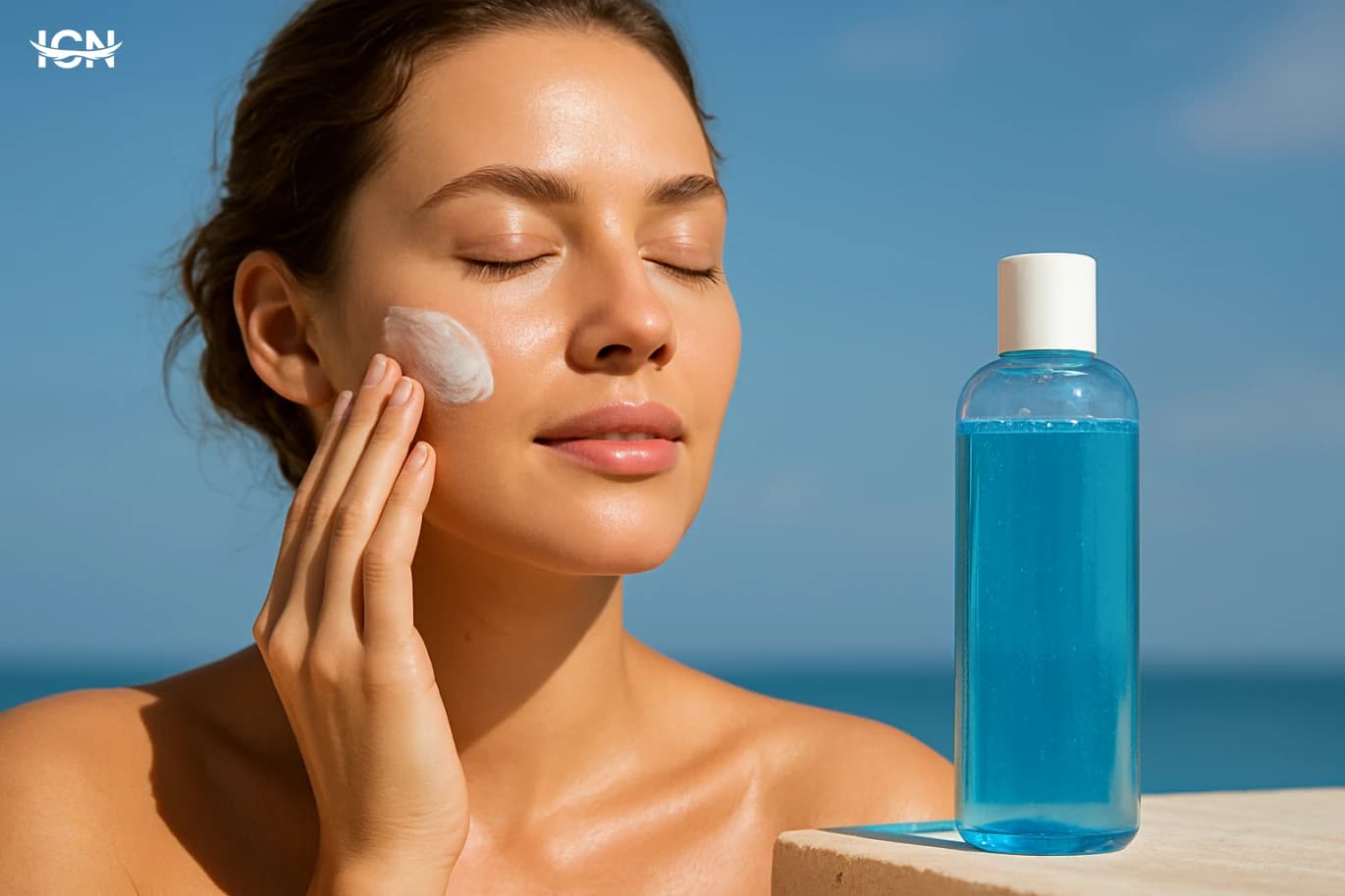
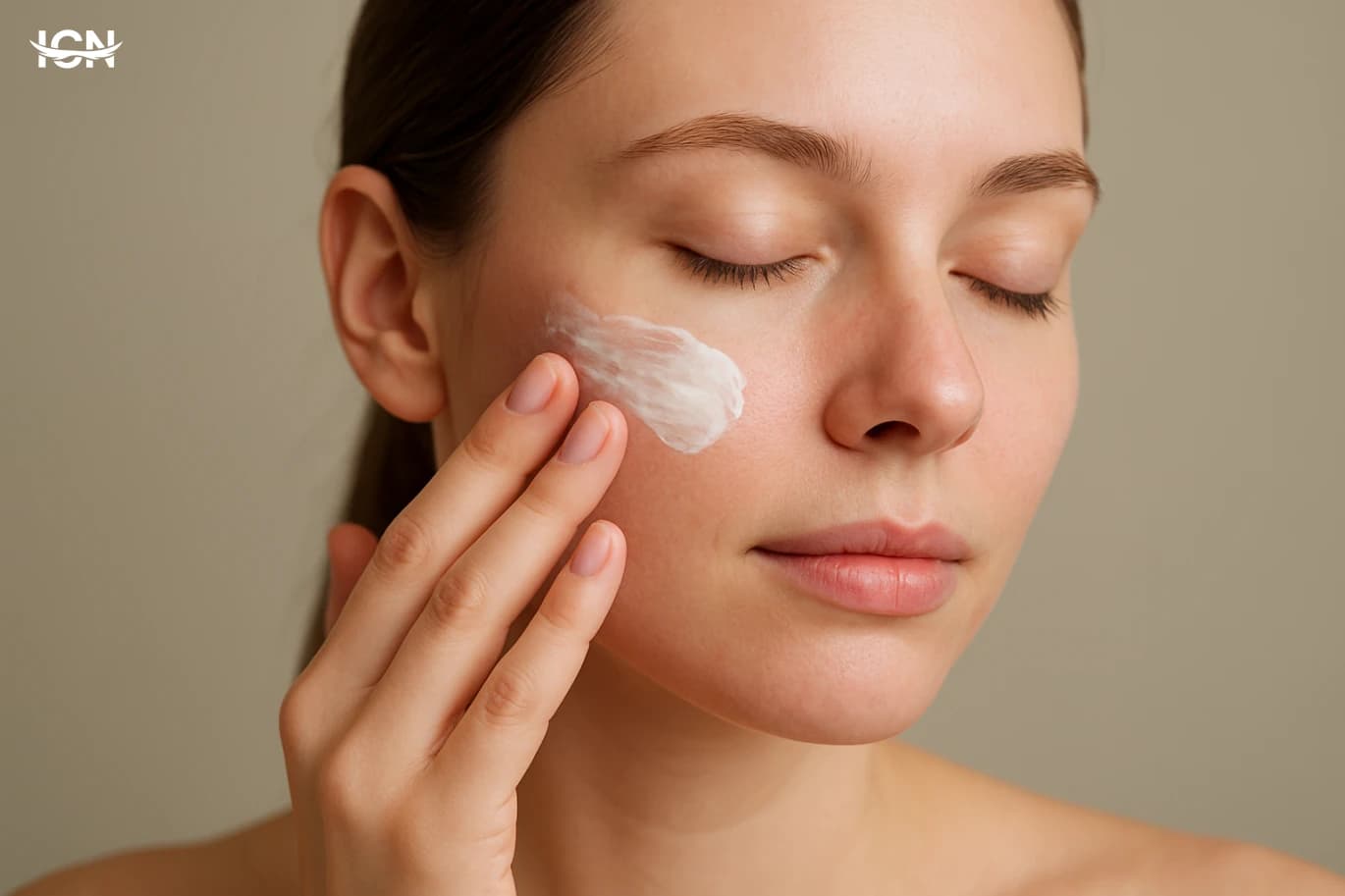
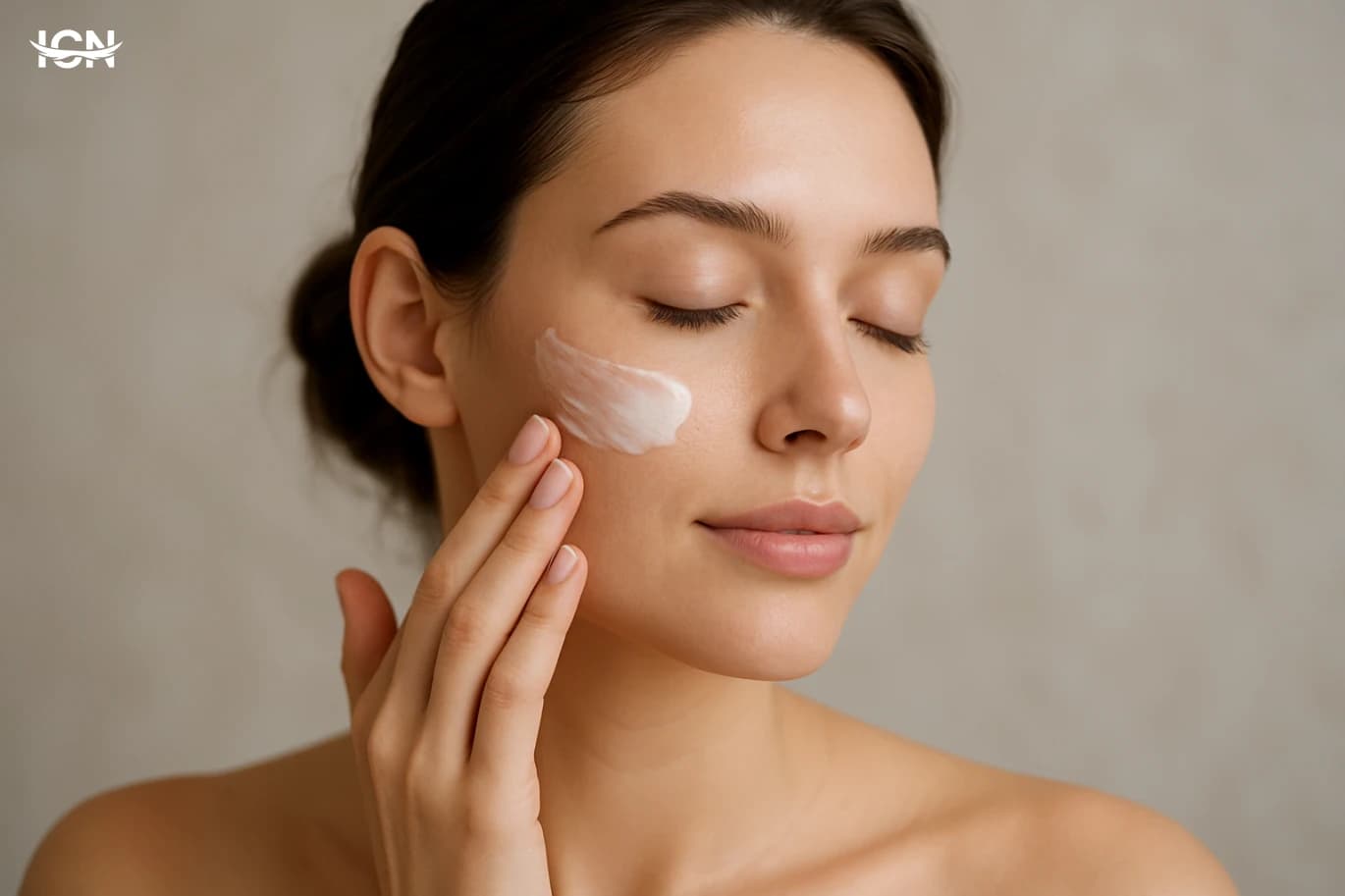
A barrier-first routine is intentionally short. Start with a gentle cleanser used once daily at night, and in the morning rinse with lukewarm water or use a very mild non-foaming cleanser if needed. Avoid scrubs, cleansing brushes, and long cleansing sessions. The second step is a moisturizer that focuses on barrier support: look for ceramides, glycerin, panthenol, squalane, and cholesterol-like lipids. These help reduce water loss and improve comfort. Third, use sunscreen every morning because UV exposure can worsen inflammation and slow recovery. Choose a formula that you can tolerate daily; many reactive faces do better with fragrance-free options and simpler ingredient lists. If your skin is currently stinging, skip strong actives for 10–14 days and focus on consistency. Once the face feels calm for at least a week, reintroduce one active at a time, no more than two nights per week at first. This approach prevents confusion about what is causing irritation and helps you build a routine you can maintain. For facial aesthetics, this blueprint is also a preparation plan. If you are considering in-clinic procedures, a stable barrier often means fewer unexpected reactions and a smoother post-procedure period. The key is patience: barrier repair is measured in weeks, not days, and the routine should remain steady even when the skin looks better.
Ingredients to prioritize and avoid
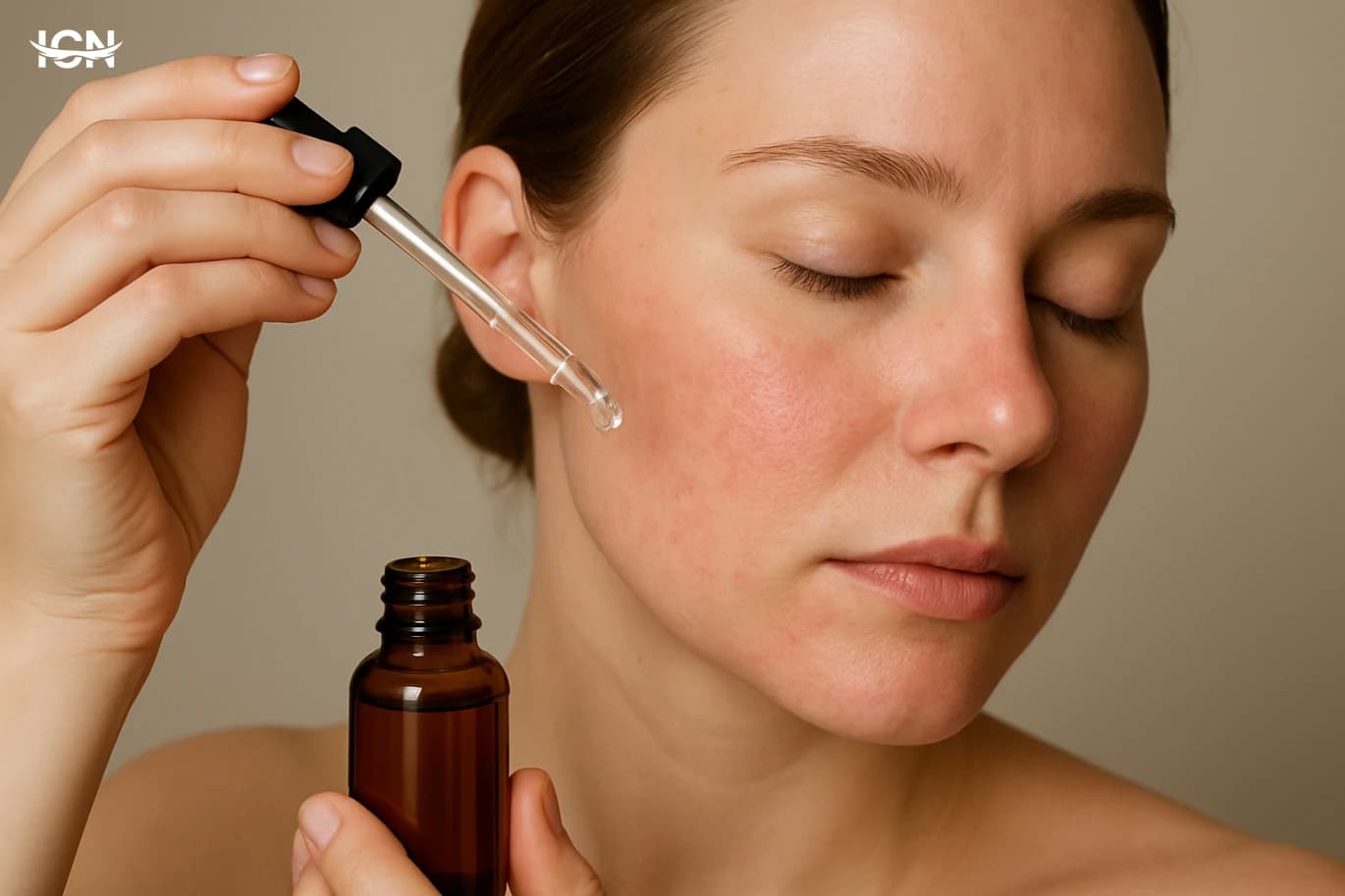
When the goal is barrier repair, prioritize ingredients with a strong comfort and hydration profile. Humectants such as glycerin and hyaluronic acid can help, but they work best when paired with a moisturizer that seals in water. Ceramides and fatty components support the lipid layer, while panthenol and allantoin are commonly used for soothing. Niacinamide can be helpful for many people, but reactive skin may prefer lower concentrations and slower introduction. What to avoid is often more important than what to add. Fragrance is a frequent trigger, including essential oils. High-alcohol toners can increase dryness and stinging. Strong exfoliating acids, frequent peels, and daily retinoid use can be too much during a repair phase. Even “natural” products can irritate if they contain multiple botanical extracts. Keep the formula simple and test one new product at a time. A practical rule is to pause exfoliation until flaking and burning stop, then restart with a gentle schedule. If you want to keep an active in your routine, choose one priority based on your main concern, and build around it. For example, if uneven tone is your focus, introduce a mild brightening ingredient slowly rather than combining several. This reduces the risk of setbacks that can take weeks to calm down.
Daily habits that make or break results
Barrier repair is not only about products. Water temperature matters: hot water can increase redness and dryness, so keep cleansing and showers lukewarm. Towel habits matter too; pat the face gently rather than rubbing. If you use makeup, remove it with a mild cleanser and avoid repeated wiping with harsh cloths. Over-cleansing is a common mistake, especially after workouts; in many cases, a gentle rinse and a light moisturizer is enough. Indoor air can be a hidden factor. In dry climates or heavily air-conditioned spaces, a humidifier at night can improve comfort for some people. Also consider how often you touch your face, rest your cheek on your hand, or use phone screens against the skin; these habits can increase irritation and encourage breakouts, which then leads to more aggressive cleansing. Consistency is the main driver of results. A simple routine done every day usually outperforms a complex routine done inconsistently. Track changes with a weekly photo in the same lighting, and note any new product, weather shift, or lifestyle change. This makes it easier to identify triggers and keep the skin stable enough for long-term improvements in texture and appearance.
When to seek professional guidance
If your face remains persistently red, painful, or swollen despite simplifying your routine for two to three weeks, it is time to consult a dermatologist. Ongoing burning, cracking around the nose or mouth, or rashes that spread can indicate conditions that need targeted treatment rather than more skincare experimentation. Also seek advice if you suspect an allergic reaction to a product, especially if symptoms appear quickly after application. For people planning facial aesthetic treatments, professional guidance is useful when the skin is reactive. A clinician can recommend a pre-treatment plan, adjust actives, and advise on timing so the barrier is stable before any procedure. They can also help you choose post-treatment products that minimize irritation and support recovery. The practical takeaway is to treat barrier repair as a structured project: reduce triggers, rebuild with a small set of supportive products, and only then add performance ingredients. This approach improves comfort, makes daily skincare easier, and creates a more reliable foundation for long-term facial aesthetics goals.