Electrolytes Take Over Summer Skincare
- Why electrolytes are suddenly everywhere
- What electrolytes do on skin
- Who benefits most in summer
- How to read an electrolyte label
- A practical summer routine with electrolytes
- What to expect and what not to
Why electrolytes are suddenly everywhere
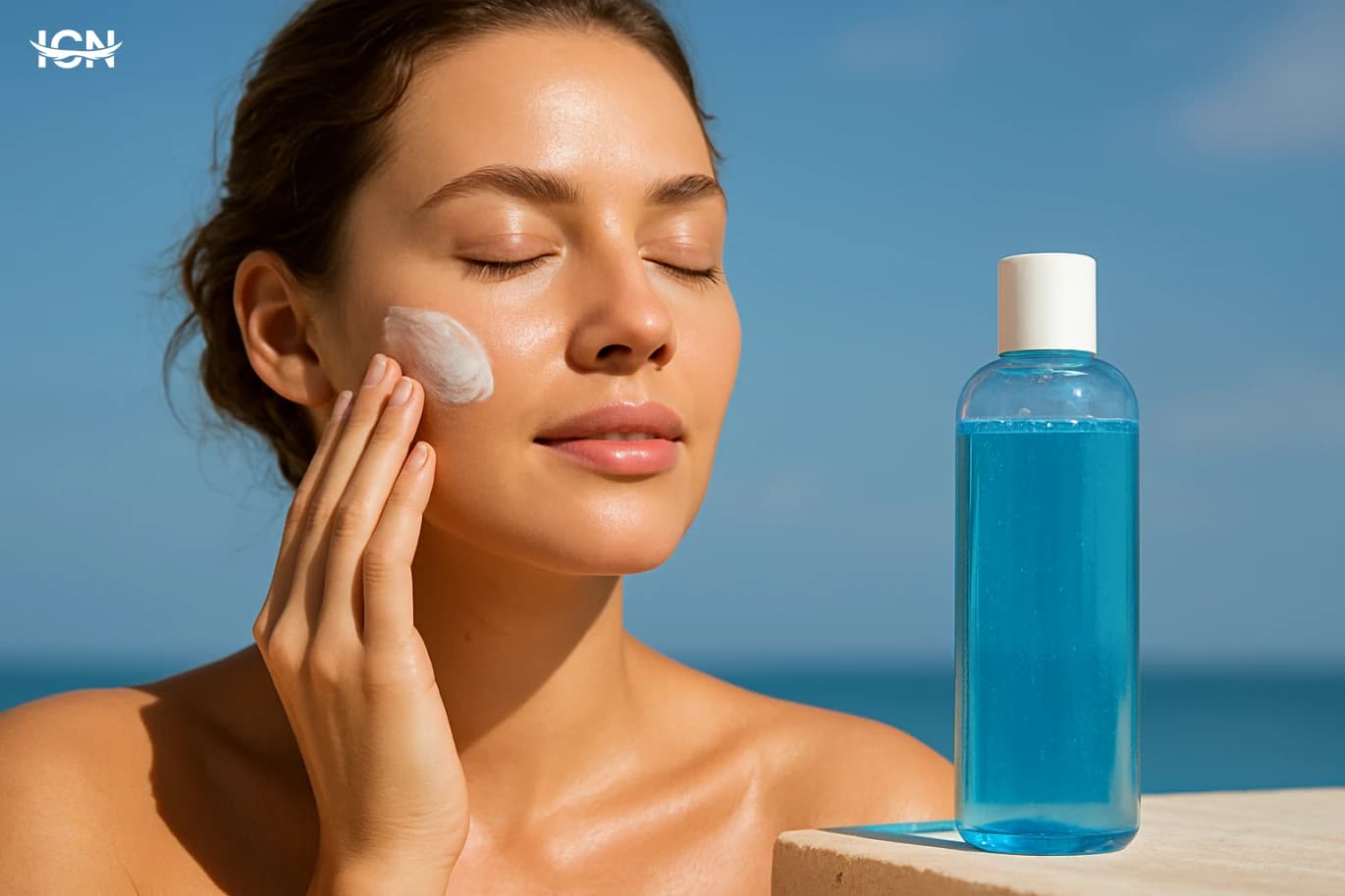
Electrolytes have moved from sports drinks into face mists, serums, and gel moisturizers, and the timing is not random. Summer skincare routines often struggle with heat, air conditioning, saltwater, and frequent cleansing after sweat and sunscreen reapplication. These factors can leave skin feeling tight, looking dull, or becoming more reactive, even when people are using “hydrating” products. Brands are leaning on electrolytes as a simple, consumer-friendly way to talk about water balance and comfort rather than heavy occlusion. In skincare, “electrolytes” typically refers to mineral ions such as sodium, potassium, magnesium, calcium, and chloride used in formulas to support hydration performance and reduce that dry, stretched feeling. They are not a magic replacement for moisturizers, but they can improve how a formula behaves on skin, especially in lightweight textures designed for hot weather. The trend is also fueled by the broader “skin fitness” mindset: people want products that perform under real conditions—commuting, outdoor activities, and long days in climate-controlled offices. Another reason the trend is accelerating is packaging and format. Electrolyte products often appear in sprays, watery essences, and gel creams that feel instantly refreshing. That sensory payoff matters in summer, when consumers avoid thick layers. The marketing language is easy to grasp—“recharge,” “restore,” “balance”—but the more useful question is what electrolytes can realistically do in a topical product and how to choose one that fits your skin type.
What electrolytes do on skin
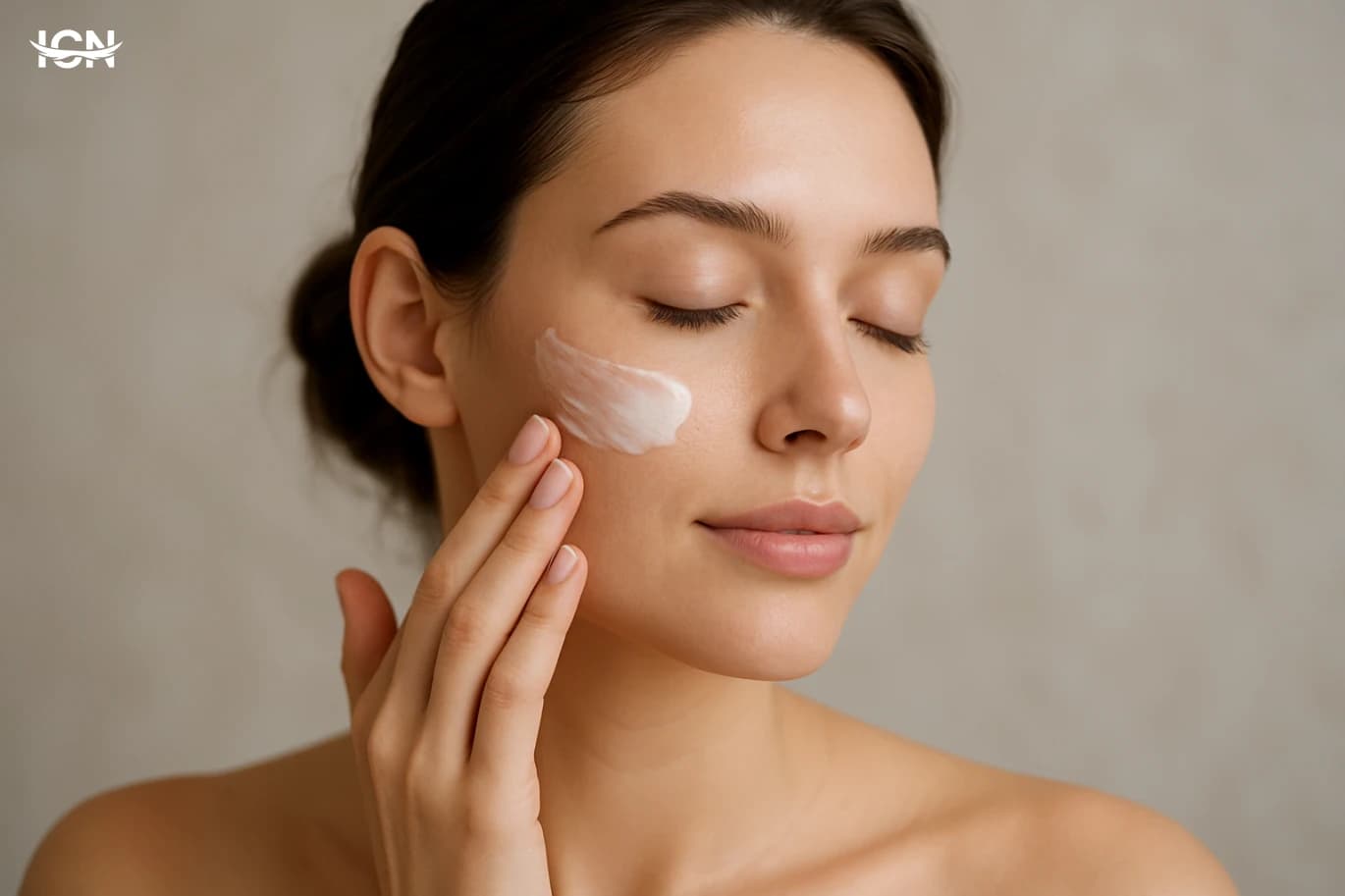
Skin hydration is not just about adding water; it is about keeping water in the right place and maintaining a comfortable surface environment. The outermost layer of skin relies on a mix of natural moisturizing factors, lipids, and a well-organized barrier to prevent excessive water loss. Electrolytes can support this system indirectly by improving formula hydration dynamics and helping products feel less drying during and after application. In practical terms, electrolyte salts can influence how humectants such as glycerin, hyaluronic acid, and betaine perform, and they can help create a “fresh” skin feel without relying on high alcohol content. Some formulas use electrolyte blends to mimic aspects of the skin’s natural fluid composition, aiming for better compatibility and less stinging on stressed skin. This is especially relevant when people are using actives like acids or retinoids less frequently in summer but still need daily comfort. Electrolytes are also used to stabilize certain textures. A gel moisturizer that stays smooth, spreads evenly, and does not pill under sunscreen often depends on careful control of ions and polymers. That is one reason electrolyte products can layer well in summer routines. However, electrolytes are not a standalone solution for barrier repair. If a product lacks barrier-supporting ingredients—such as ceramides, cholesterol, fatty acids, or soothing agents like panthenol—electrolytes alone will not fix chronic dryness or sensitivity. The realistic expectation: electrolytes can make lightweight hydration feel more effective, reduce tightness, and improve wear under sunscreen and makeup. They are best seen as a performance enhancer inside a broader hydration strategy, not a single hero ingredient that replaces the basics.
Who benefits most in summer
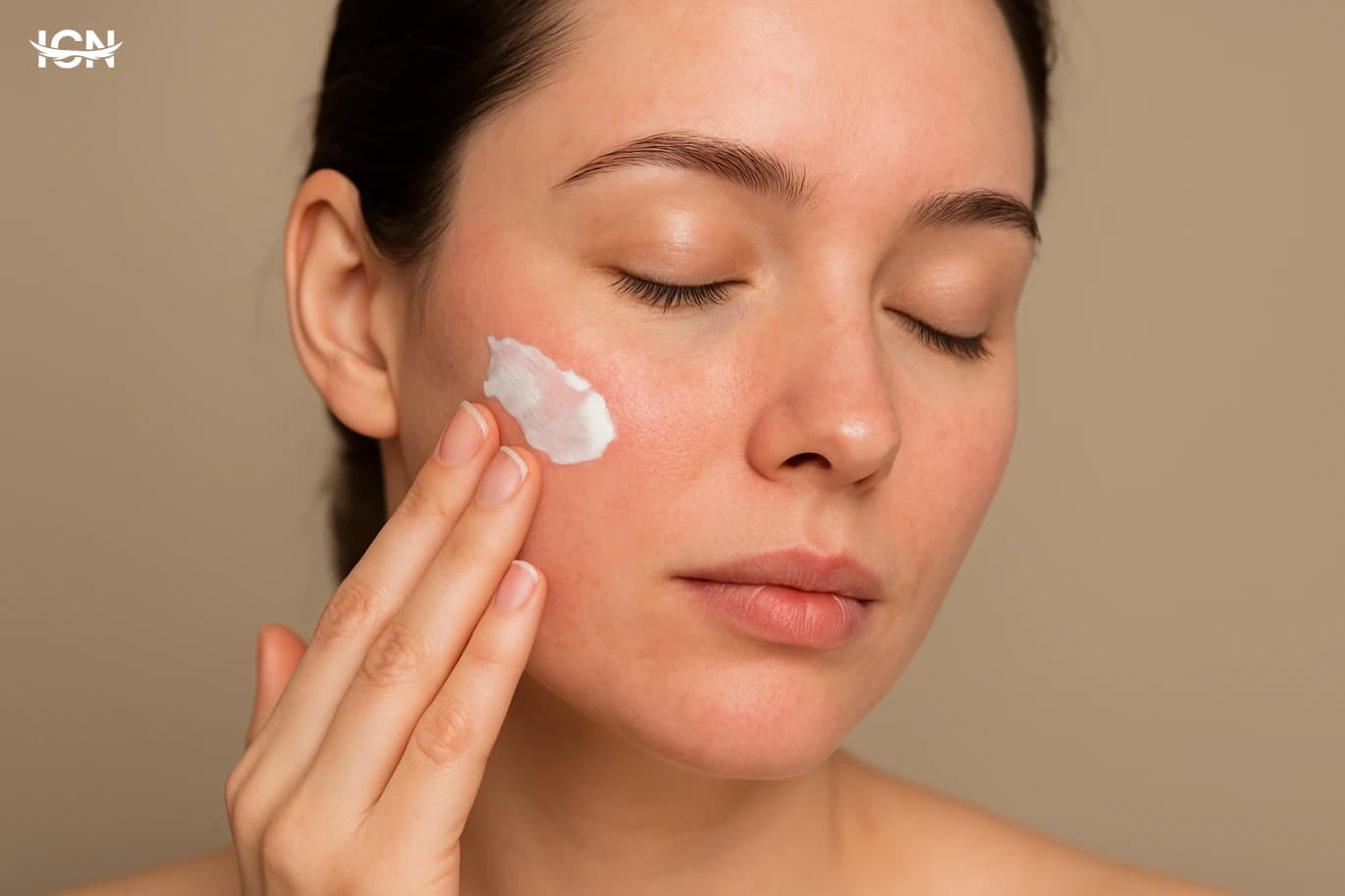
Electrolyte skincare is not limited to one skin type, but it tends to shine in specific summer scenarios. People with combination or oily skin often avoid rich creams in hot weather, yet they still experience dehydration from air conditioning and frequent cleansing. A lightweight electrolyte gel or essence can add comfortable hydration without increasing greasiness, making it easier to stick with sunscreen. Outdoor routines are another strong fit. If you are reapplying sunscreen, wiping sweat, or rinsing your face more often, the skin surface can feel stripped. A simple electrolyte mist or serum can be used as a quick reset before moisturizer or sunscreen, especially when you want minimal layering. Travelers also benefit: flights, changing climates, and hotel air conditioning can make skin feel tight even when humidity is high outside. Sensitive-leaning skin can benefit when the formula is well designed, but this is where label reading matters. Some “electrolyte” products are paired with fragrance, high levels of essential oils, or strong cooling agents that can backfire on reactive skin. The best options for sensitivity are those that combine electrolytes with barrier-friendly ingredients and avoid unnecessary irritants. For very dry skin, electrolytes can still be useful, but they should sit inside a richer routine. Think of them as the hydrating layer that improves comfort, followed by a moisturizer that reduces water loss. For acne-prone skin, electrolyte products can work well if they are non-comedogenic and do not rely on heavy oils. The key is to choose the texture and supporting ingredients based on your skin’s behavior in heat, not based on the trend name.
How to read an electrolyte label
Because “electrolytes” is a flexible marketing term, the ingredient list is where the real story sits. Look for mineral salts and related components such as sodium PCA, magnesium PCA, potassium chloride, magnesium chloride, calcium gluconate, or zinc salts. You may also see “electrolyte complex” without details; in that case, the surrounding ingredients and the brand’s transparency matter. Next, check what the electrolytes are paired with. For hydration, strong supporting ingredients include glycerin, panthenol, betaine, amino acids, and well-formulated hyaluronic acid systems. For barrier support, look for ceramides, cholesterol, fatty acids, squalane, or soothing agents like allantoin and madecassoside. In summer, a good electrolyte product often focuses on light humectants plus barrier comfort rather than heavy butters. Also pay attention to potential downsides. Fragrance and high levels of essential oils can be an issue for sensitive skin. High alcohol content can feel refreshing but may increase dryness for some people, especially if they are also using exfoliants. If you are prone to pilling under sunscreen, avoid products with too many film-formers or heavy silicones unless you know they layer well with your SPF. Finally, consider format and usage. A mist is convenient but can be mostly water if not well formulated; it should still include humectants and a sensible preservative system. A serum or gel cream is usually easier to evaluate because it has a clearer role in the routine. The best label is the one that tells you exactly what the product is designed to do—hydrate lightly, calm after sun exposure, or improve layering—rather than relying on the electrolyte buzzword alone.
A practical summer routine with electrolytes
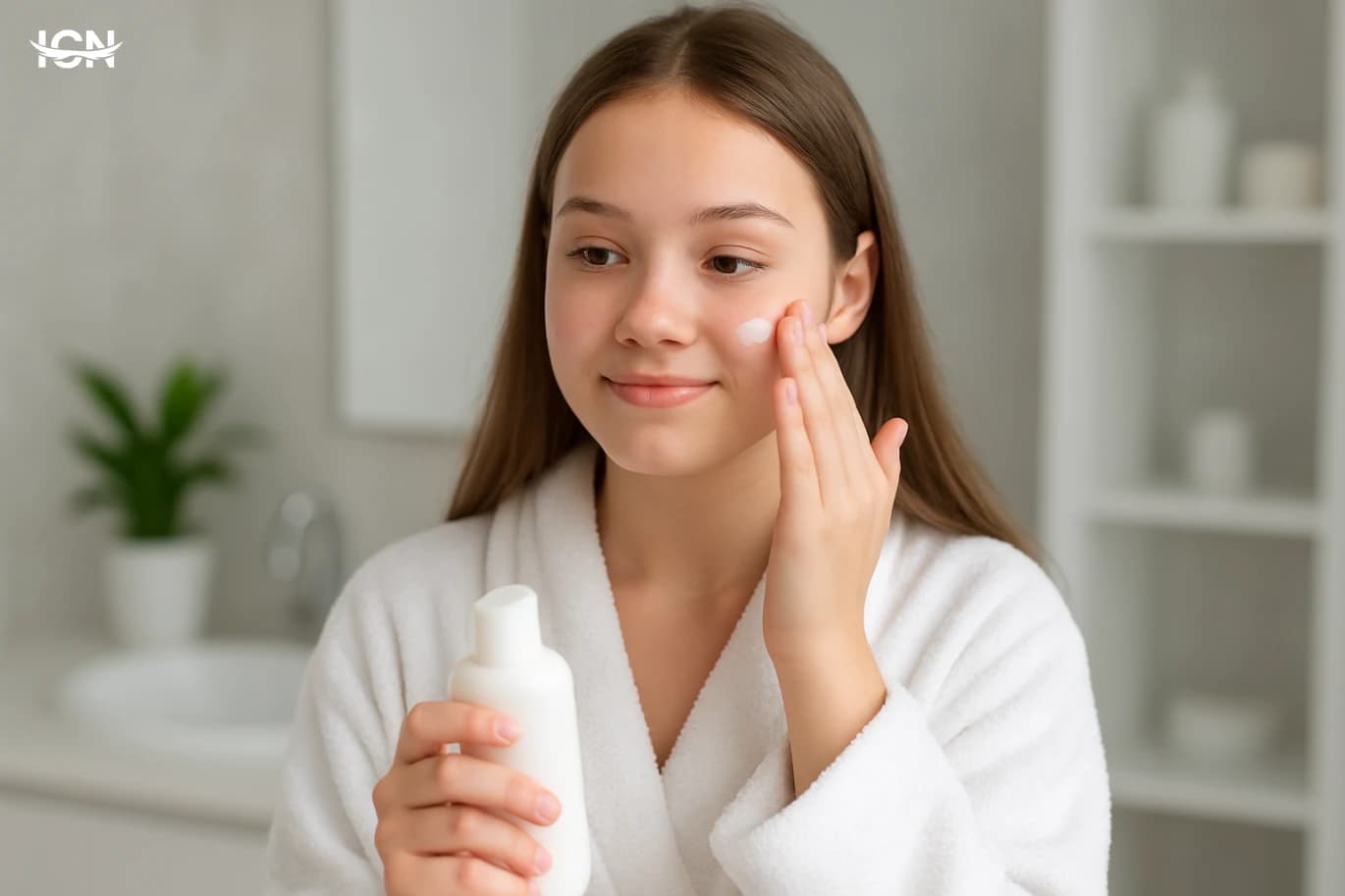
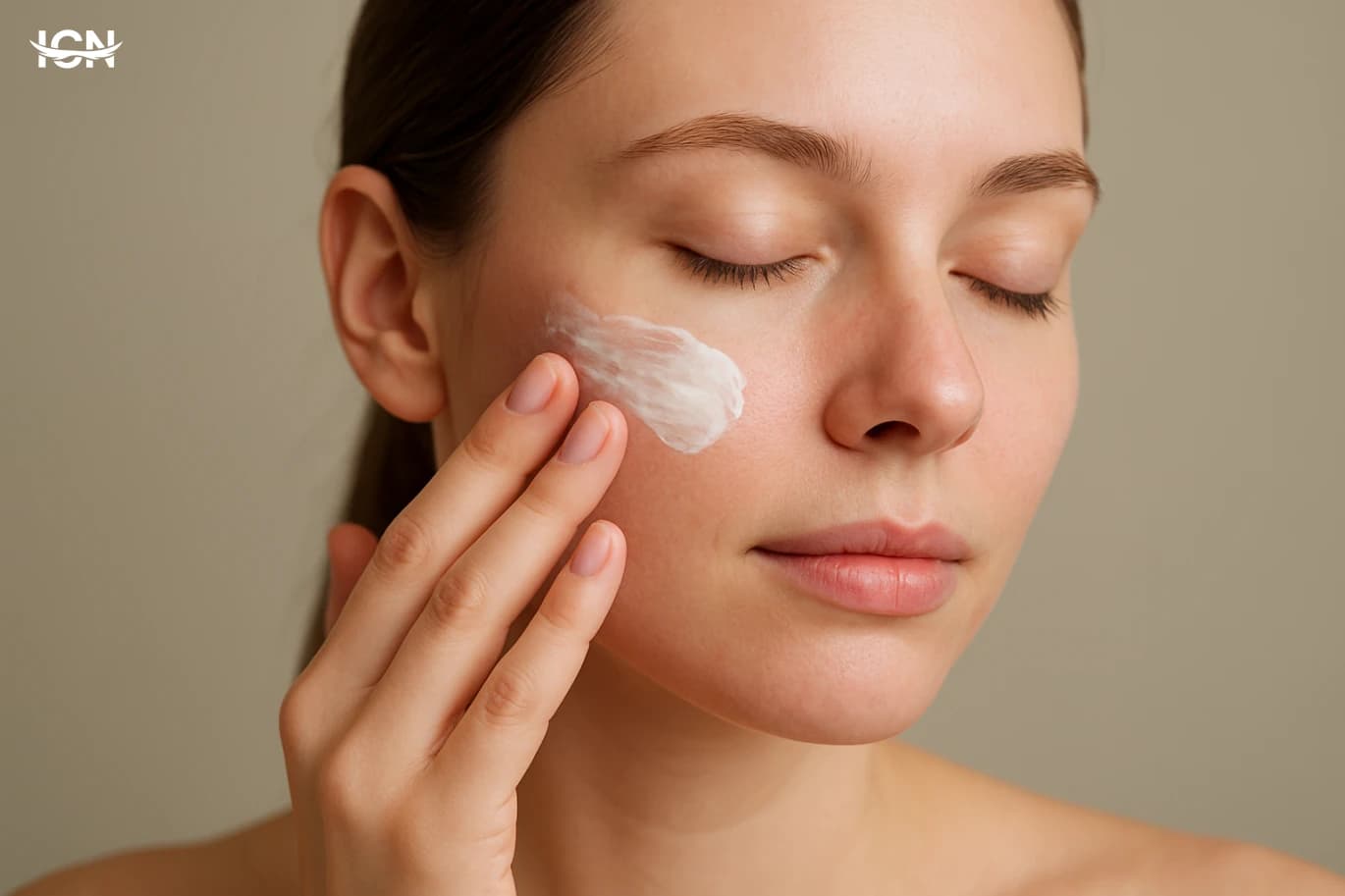
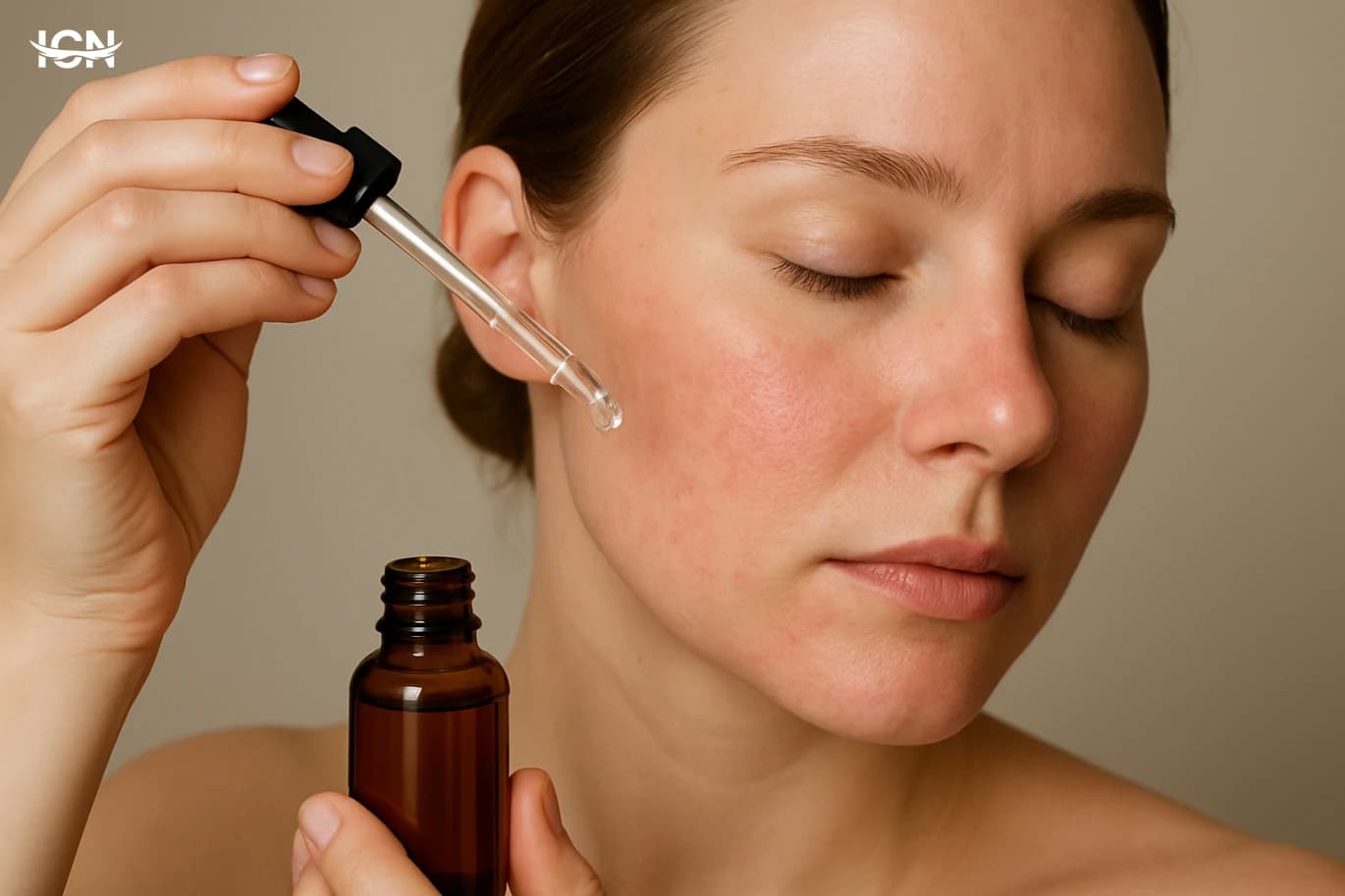
To use electrolyte products effectively, treat them as a hydration step that supports comfort and layering. In the morning, start with a gentle cleanser or a quick rinse if your skin tolerates it. Apply an electrolyte essence or serum on slightly damp skin to improve spread and reduce the amount needed. Follow with a lightweight moisturizer if you need it, then finish with broad-spectrum sunscreen. If your sunscreen is already moisturizing, you may be able to skip the separate moisturizer and rely on the electrolyte layer for hydration. During the day, an electrolyte mist can be useful, but use it strategically. Spraying and letting it evaporate in very dry environments can sometimes leave skin feeling tighter. If you mist, pat it in and, when possible, seal it with a thin layer of moisturizer or reapply sunscreen as your final step. For people who wear makeup, choose a mist that is designed to sit well on top of products and does not contain heavy oils. At night, electrolytes can pair well with barrier-support routines. After cleansing, apply the electrolyte serum, then use a moisturizer that contains barrier-supporting lipids. If you use active ingredients, keep the routine stable in summer: do not introduce multiple new products at once, and patch test if you are prone to irritation. The most important operational detail is consistency. Electrolyte products tend to deliver their best results when used daily as part of a simple routine that prioritizes sunscreen, gentle cleansing, and adequate moisturizing. The trend works when it reduces friction—less heaviness, better layering, more comfort—so you maintain the habits that actually protect skin in summer.
What to expect and what not to
Electrolytes can be a smart addition to summer skincare, but the benefits are specific. Expect improved comfort after cleansing, a more hydrated feel without heaviness, and better layering under sunscreen. Many people also notice that their skin looks less “flat” or tired during the day because dehydration lines are less obvious when the surface is well hydrated. Do not expect electrolytes to replace sunscreen, treat pigmentation, erase wrinkles, or solve persistent sensitivity on their own. If your skin barrier is compromised, you will still need a routine built around gentle cleansing, barrier-supporting moisturizers, and strict sun protection. If you are dealing with ongoing breakouts, electrolytes are not an acne treatment; they are a hydration strategy that may help you tolerate acne medications better when the formula is compatible. To evaluate whether an electrolyte product is worth keeping, give it a fair test window of two to four weeks, using it consistently and keeping other variables stable. Track practical outcomes: does your skin feel less tight by midday, does sunscreen apply more smoothly, and do you need fewer heavy layers? If the answer is yes, the product is doing its job. The bottom line for this summer trend is straightforward: electrolytes are not hype when they are used to build lightweight, wearable hydration. They become hype when the label promises dramatic transformation without the supporting ingredients and routine habits that skin actually needs in hot weather.