Helium Plasma Skin Tightening Explained
- What Helium Plasma Really Is
- How the Treatment Is Performed
- Who Benefits Most and Where It Works
- Results, Timeline, and What to Expect
- Safety, Side Effects, and Choosing a Provider
What Helium Plasma Really Is
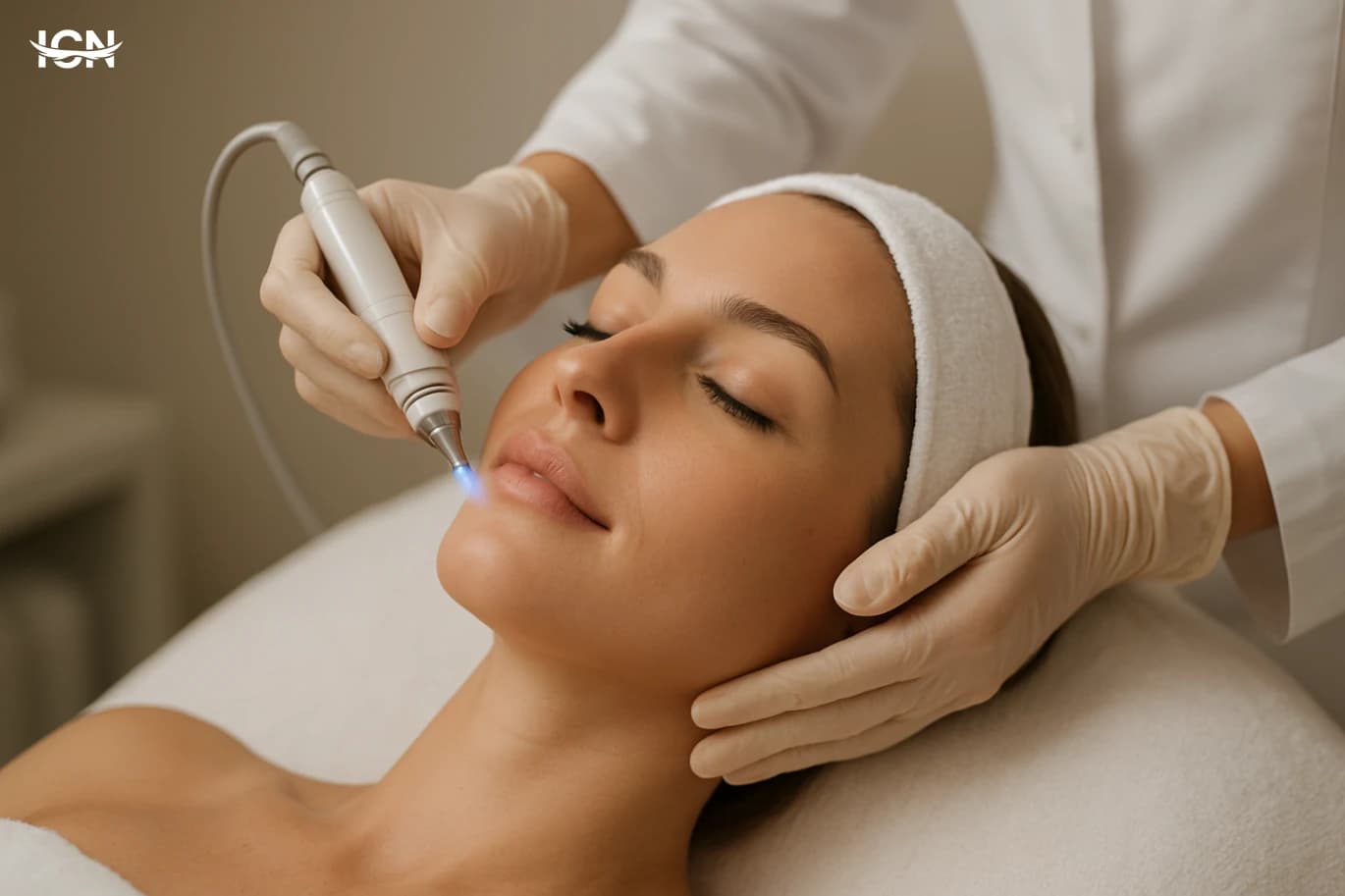
Helium plasma skin tightening is an energy-based aesthetic technique designed to improve skin firmness without traditional surgery. In simple terms, a device uses radiofrequency (RF) energy to energize helium gas and create a controlled plasma stream. That plasma delivers heat to the superficial layers beneath the skin surface, prompting immediate tissue contraction and a longer-term remodeling response. Clinics often describe it as “plasma tightening,” but the practical point for patients is the way energy is delivered: helium helps carry RF energy in a precise, consistent manner. Compared with some older tightening technologies, the goal is to achieve noticeable contraction while limiting unnecessary heat spread to surrounding tissue. The treatment is typically performed by trained physicians in aesthetic dermatology or cosmetic surgery settings, with protocols that vary by device, area treated, and patient skin characteristics. It is not a replacement for every surgical procedure. Instead, it sits between noninvasive tightening (like certain ultrasound or RF facial treatments) and surgical lifting. The best candidates are usually people who want visible tightening but do not want incisions, extensive downtime, or the scope of a full lift. Understanding where it fits on that spectrum is the first step to setting realistic expectations.
How the Treatment Is Performed
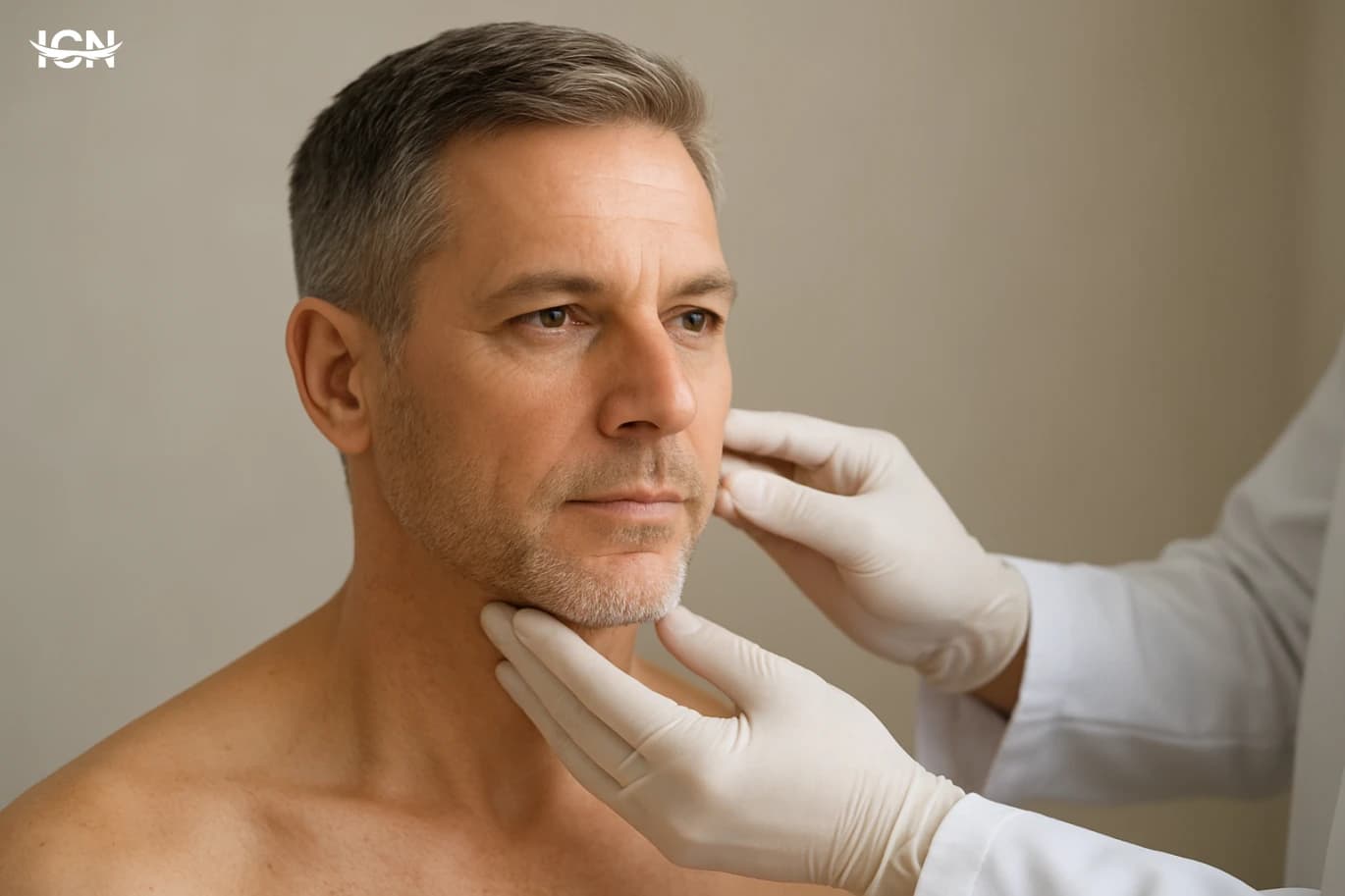
A typical appointment starts with a medical assessment: skin laxity level, prior procedures, scarring tendency, and any conditions that affect healing. The clinician maps the treatment area and discusses anesthesia options. Depending on the area and the depth of treatment, clinics may use local anesthesia, tumescent anesthesia, or sedation under appropriate monitoring. The technique can be applied in different ways. Some protocols involve delivering energy beneath the skin through small access points, while others focus on controlled application closer to the surface. The clinician moves the handpiece in a planned pattern to create even contraction. Because the effect is highly technique-dependent, provider training and experience matter as much as the device itself. After treatment, the area is usually protected with topical care and specific aftercare instructions. Patients are commonly advised to avoid heat exposure, intense exercise, and irritating skincare for a short period. Follow-up visits may be scheduled to monitor healing and to evaluate the tightening response over time. The immediate result can include a “tightened” feel due to tissue contraction, but the more meaningful changes typically develop gradually as collagen remodeling progresses. Many clinics frame the timeline as weeks to a few months, with the exact pace depending on age, skin quality, and the intensity of the session.
Who Benefits Most and Where It Works
Helium plasma tightening is often positioned for mild to moderate laxity, especially when the patient wants a more visible change than topical care or light noninvasive sessions can provide. Commonly discussed areas include the lower face and jawline, the neck, and certain body zones where skin has lost firmness. The suitability of each area depends on skin thickness, underlying support, and how much tightening is needed. Good candidates typically have reasonable skin quality and realistic expectations. If the main concern is significant sagging or heavy tissue descent, a surgical approach may still be the most predictable option. On the other hand, if laxity is minimal, less intensive treatments may be sufficient and involve less downtime. Age is not the only factor. Lifestyle, sun exposure history, weight fluctuations, and smoking status can influence both the baseline skin condition and the healing response. A careful consultation should include discussion of these factors, along with a review of medications and supplements that might increase bruising or slow recovery. Clinics also consider skin tone and pigmentation tendencies. Any energy-based procedure can carry a risk of post-treatment discoloration in some individuals. A provider who routinely treats diverse skin types should be able to explain how they adjust settings and aftercare to reduce that risk.
Results, Timeline, and What to Expect
Patients often ask whether results are immediate. With helium plasma tightening, there can be an early visible change due to tissue contraction, but swelling can mask the final look at first. The more stable improvement is typically linked to collagen remodeling, which develops over time. Many providers describe a gradual refinement over several weeks, with continued improvement for a few months. The degree of tightening varies. It depends on the starting laxity, the treatment plan, and how the body heals. Some patients need only one session, while others may be advised to consider a staged approach or complementary treatments. In practice, clinicians may combine tightening with skin quality treatments such as medical-grade skincare, pigment management, or texture-focused procedures, depending on the patient’s goals. Downtime is a key consideration. Redness, swelling, and tenderness are common early effects. Some people experience crusting or a rough texture during healing, especially when the treatment is closer to the surface. The provider should outline what is normal, what requires a call to the clinic, and how to care for the skin day by day. Long-term maintenance is also part of expectation-setting. Skin continues to age, and lifestyle factors remain relevant. Many clinics recommend sun protection, stable weight, and a consistent skincare routine to support the result and reduce the likelihood of uneven tone or texture after recovery.
Safety, Side Effects, and Choosing a Provider
As with any energy-based aesthetic procedure, safety depends on patient selection, device settings, sterile technique, and aftercare. Common short-term effects include swelling, redness, tenderness, and temporary changes in skin texture. Bruising can occur, especially when deeper layers are treated. Less common risks may include prolonged discoloration, uneven texture, delayed healing, or scarring in predisposed individuals. A responsible clinic should provide a clear consent process that covers benefits, limitations, and alternatives. Patients should be told how pain is managed, what products to use or avoid, and what the expected recovery milestones look like. It is also reasonable to ask how many similar cases the provider treats per month and what training they have on the specific device. Choosing a provider is not only about credentials on paper. Look for a practice that documents outcomes, uses standardized photography, and offers structured follow-up. A detailed plan for managing pigmentation risk and supporting the skin barrier after treatment is a practical sign of experience. Finally, be cautious of exaggerated claims. No device can permanently stop aging or replace every surgical option. The most reliable clinics describe helium plasma tightening as a targeted tool for improving firmness and contour in selected cases, with results that depend on skin biology and consistent aftercare.