Barrier First Skincare for Sensitive Faces
- Why the skin barrier matters
- Signs you are overdoing your routine
- A simple barrier-first routine
- Ingredients to seek and to pause
- Daily habits that support recovery
- When to seek professional help
Why the skin barrier matters
Many “sensitive skin” complaints are actually barrier problems. The outermost layer of the skin, the stratum corneum, works like a protective shield made of skin cells and lipids. When it is healthy, it limits water loss, keeps irritants out, and supports a balanced microbiome. When it is weakened, people notice tightness after cleansing, stinging with products that used to feel fine, patchy redness, and makeup that clings to dry areas. Common triggers include over-cleansing, frequent exfoliation, hot water, harsh foaming surfactants, and stacking too many actives at once. Climate and lifestyle also play a role: dry air, air conditioning, long hot showers, and repeated mask friction can all increase transepidermal water loss. A barrier-first approach focuses on restoring hydration and lipids before chasing brightening or anti-aging goals, which often reduces reactivity and makes later treatments more tolerable.
Signs you are overdoing your routine
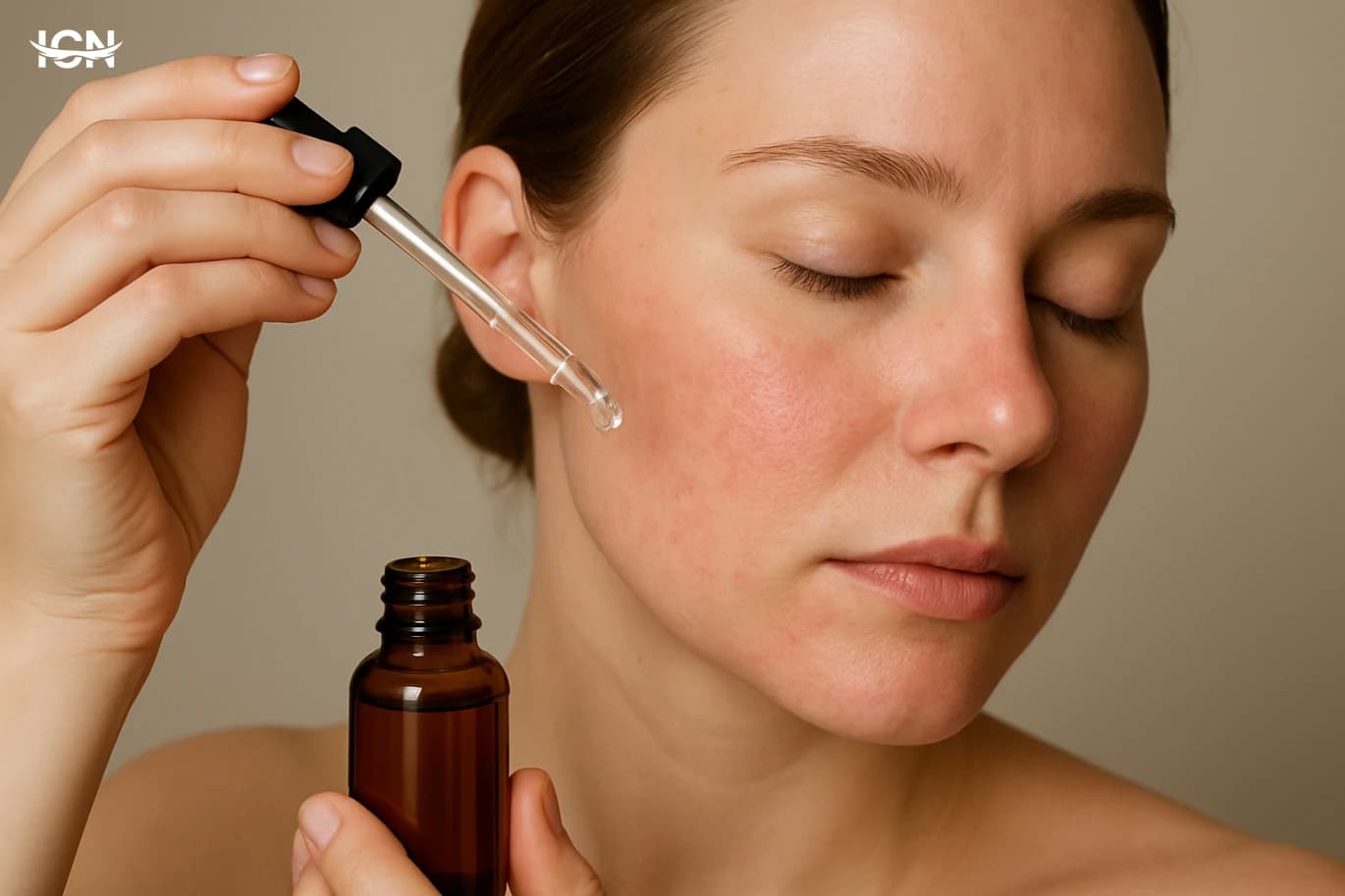
It is easy to mistake irritation for “purging” or assume that stronger products mean faster results. Barrier stress usually follows a pattern: skin feels fine at first, then becomes increasingly reactive over days or weeks. If you are seeing persistent dryness despite using moisturizer, or your face feels hot and flushed after applying basic products, it is a signal to scale back. Look for these practical clues: cleanser leaves the skin squeaky or tight; toner or serum stings around the nose and mouth; redness appears in the same areas repeatedly; small bumps show up without clear acne triggers; and sunscreen suddenly feels uncomfortable. Another overlooked sign is needing to reapply moisturizer multiple times a day yet still feeling dry. These are not “normal adjustment” symptoms. They indicate the routine is stripping lipids faster than the skin can replace them. A useful rule is the two-week check. If irritation is not improving after simplifying for 10–14 days, consider professional guidance, because ongoing inflammation can lead to uneven texture and prolonged sensitivity.
A simple barrier-first routine
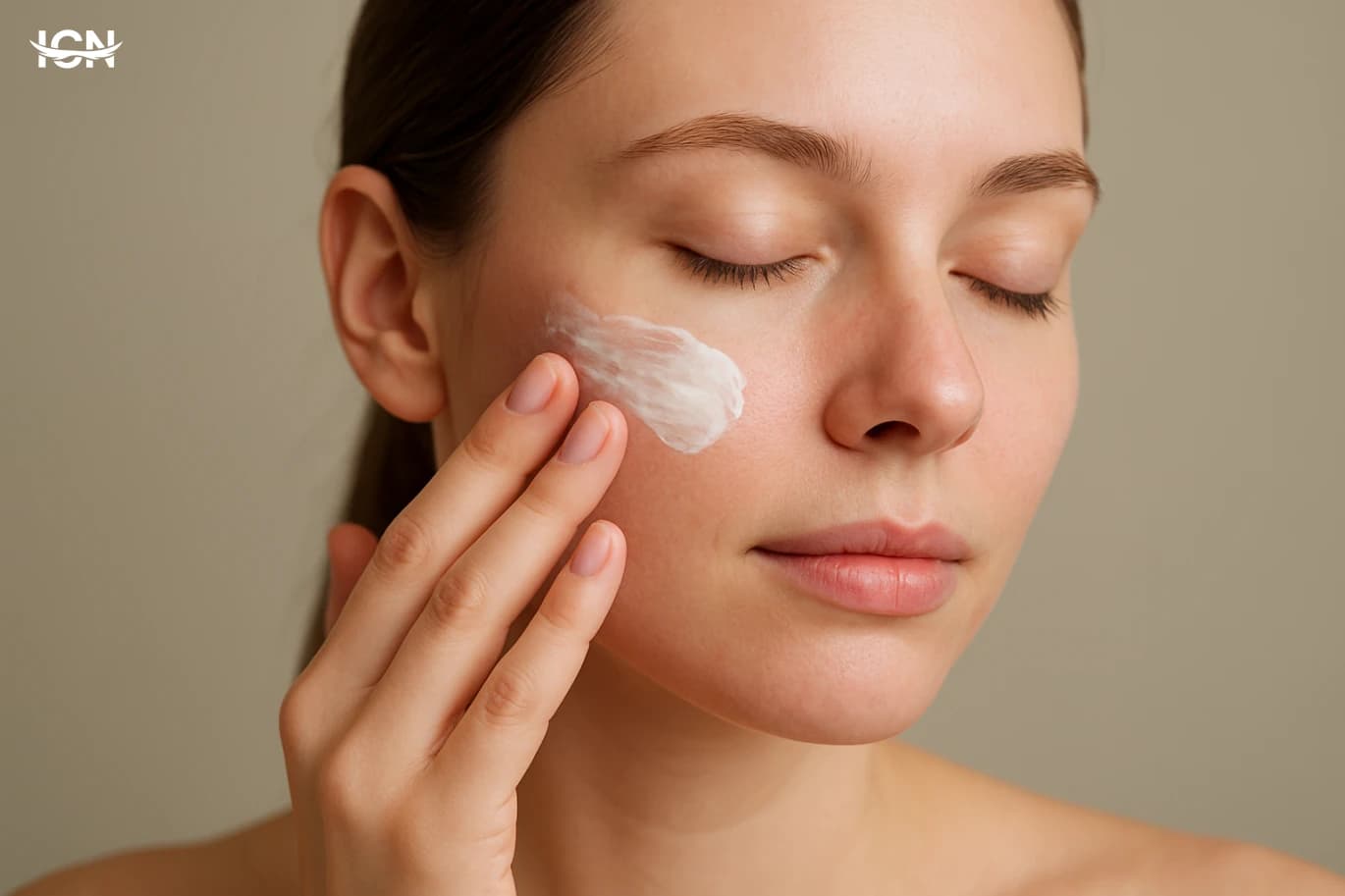
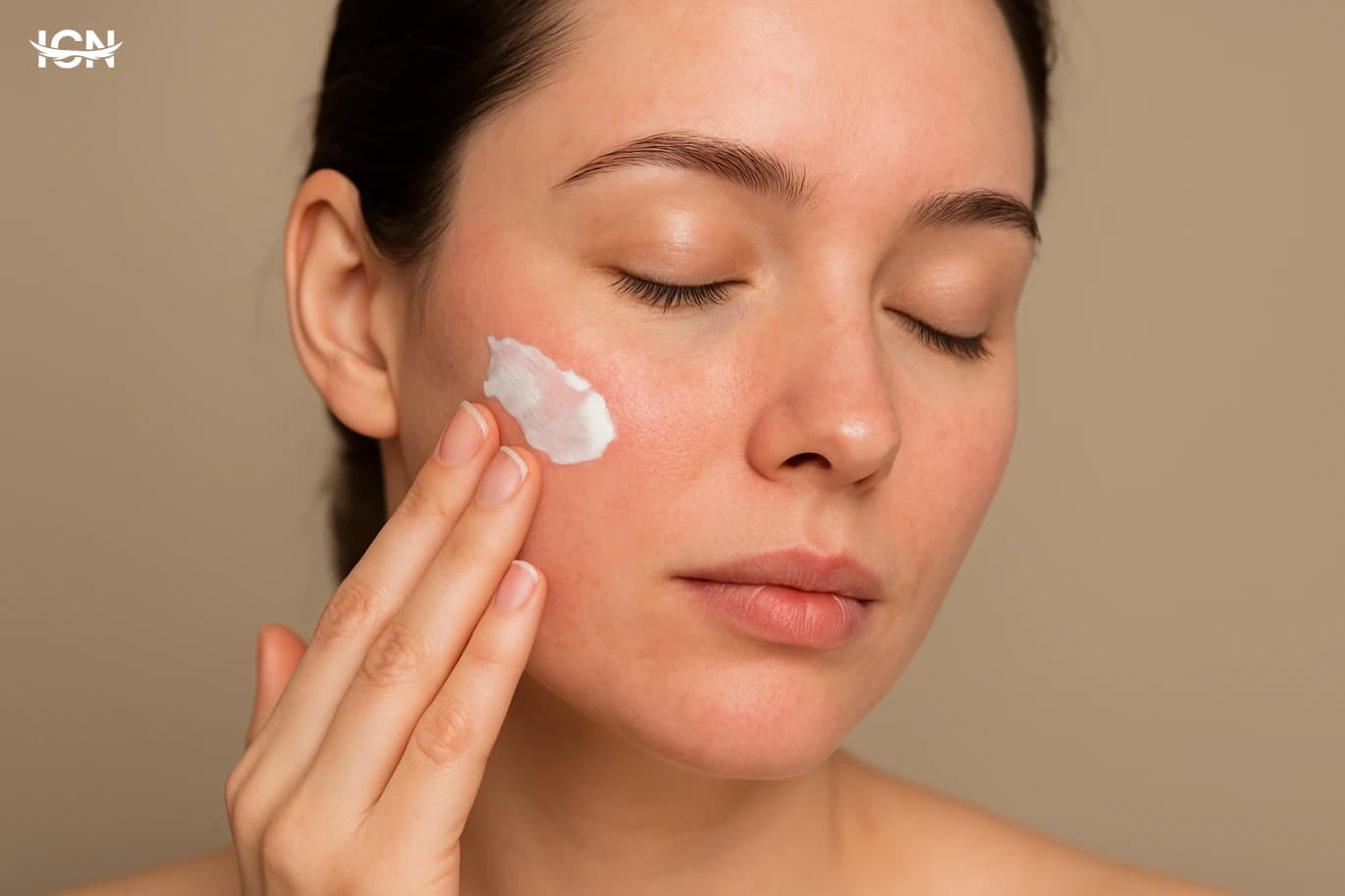
A barrier-first routine is intentionally boring. It prioritizes consistency over variety and uses a small set of products that are easy to tolerate. Start with a gentle cleanser once daily at night; in the morning, many sensitive faces do well with a water rinse or a very mild cleanser. Choose formulas labeled fragrance-free and designed for sensitive skin, and avoid strong foaming agents if you notice tightness. Next comes hydration and moisturization. A lightweight hydrating layer can help, but it should not be packed with multiple exfoliating acids. Look for humectants such as glycerin, hyaluronic acid, or panthenol, then seal with a moisturizer that contains barrier-supporting lipids. Ingredients like ceramides, cholesterol, and fatty acids are commonly used to mimic the skin’s natural lipid mix. For very dry patches, a thin layer of an occlusive like petrolatum at night can reduce water loss. Sunscreen is non-negotiable, but the format matters. Many reactive skins prefer mineral filters or hybrid formulas, and a cream texture can feel more comfortable than a high-alcohol fluid. Introduce one new product at a time, and keep the routine stable for at least two weeks before adding anything else.
Ingredients to seek and to pause
When the barrier is stressed, the goal is to reduce potential irritants and focus on repair. Helpful ingredients often include ceramides, panthenol, glycerin, squalane, colloidal oatmeal, and soothing agents like allantoin. Niacinamide can be beneficial for barrier function and redness, but some people react to higher percentages, so a lower concentration is usually safer during recovery. What to pause temporarily: frequent exfoliants (AHA/BHA/PHA), strong retinoids, high-percentage vitamin C in acidic forms, and products with heavy fragrance or essential oils. Alcohol-heavy toners and astringents can also worsen dryness. This does not mean these ingredients are “bad.” It means timing matters. Once the skin is calm and comfortable for several weeks, you can reintroduce actives slowly, starting with low frequency. Patch testing is practical even for non-allergic reactions. Apply a small amount behind the ear or along the jawline for several nights. If you get persistent redness, burning, or roughness, stop and reassess. The aim is predictable comfort, not constant experimentation.
Daily habits that support recovery
Products matter, but daily habits can make or break barrier repair. Keep water lukewarm and limit face washing time; long exposure to hot water increases dryness. Pat the skin dry rather than rubbing, and apply moisturizer within a few minutes while the skin is slightly damp to lock in hydration. Manage friction. If you use face masks, choose soft materials and ensure a good fit to reduce rubbing along the cheeks and nose. Avoid rough scrubs, cleansing brushes, and frequent towel exfoliation. In dry environments, a humidifier at night can reduce moisture loss, and simple measures like avoiding direct heater airflow can help. Makeup and shaving routines also count. Use minimal layers, remove makeup with gentle emulsifying cleansers rather than harsh wipes, and consider fragrance-free products. For shaving, use a lubricating gel and avoid going over the same area repeatedly. These small adjustments reduce cumulative irritation and allow the skin to rebuild its protective lipids.
When to seek professional help
Barrier issues often improve with simplification, but some situations need expert evaluation. If you have persistent burning, widespread redness, cracking, or oozing, or if symptoms interfere with sleep, consult a dermatologist. Also seek help if you suspect a contact allergy, especially when reactions are localized to areas where a specific product is applied. Professional guidance is useful when you want to reintroduce actives safely. A clinician can recommend a stepwise plan, choose appropriate strengths, and identify conditions that mimic sensitivity, such as dermatitis or rosacea-like redness. They may also advise on prescription options when inflammation is significant. Bring a list of products you use, including cleansers, serums, sunscreen, and makeup. Note when symptoms started and what changes you made. This practical information helps pinpoint likely triggers and supports a realistic plan that fits your skin and lifestyle.