Retinol Done Right for Sensitive Skin
- Why Sensitive Skin Reacts to Retinol
- Choosing the Right Retinoid and Strength
- A Four-Week Starter Schedule
- Pairing Retinol with a Barrier-Friendly Routine
- Troubleshooting Irritation Without Quitting
- What Results to Expect and When
Why Sensitive Skin Reacts to Retinol
Retinol is effective because it speeds up cell turnover and supports collagen, but those same benefits can overwhelm a fragile skin barrier. Sensitive skin often has a thinner or more reactive barrier, so water escapes more easily and irritants penetrate faster. When retinol is introduced too quickly, common reactions include dryness, tightness, flaking around the mouth and nose, and a stinging sensation after cleansing. These effects are not always an allergy; they are frequently a dose-and-schedule problem. It also matters what else is happening in your routine. Strong cleansers, frequent exfoliation, and fragranced products can prime the skin for irritation before retinol even enters the picture. Climate plays a role as well: cold, dry air and indoor heating increase transepidermal water loss, making retinol feel harsher. Understanding that sensitivity is often a barrier-management issue helps you plan a retinol approach that improves texture and tone without triggering weeks of discomfort.
Choosing the Right Retinoid and Strength
Not all retinoids feel the same on sensitive skin. Retinol is a common over-the-counter option, but gentler choices include retinaldehyde (often called retinal) and retinyl esters, which may be better tolerated though results can take longer. If you are very reactive, consider starting with a low-strength retinol such as 0.1% to 0.3% rather than jumping to higher concentrations. The goal is consistency, not intensity. Formulation matters as much as the percentage. Look for products labeled fragrance-free and designed for barrier support, ideally with ingredients like ceramides, glycerin, squalane, panthenol, or niacinamide. A cream or lotion base is often easier than a fast-absorbing gel for dry or reactive skin. If you are using prescription retinoids, ask a dermatologist about micro-encapsulated options or alternate molecules that can reduce irritation while still delivering benefits. Finally, avoid stacking multiple “active” products at the start. If your retinol product already includes exfoliating acids, it may be too aggressive for sensitive skin. A simpler formula gives you better control and makes it easier to identify what is causing a reaction.
A Four-Week Starter Schedule
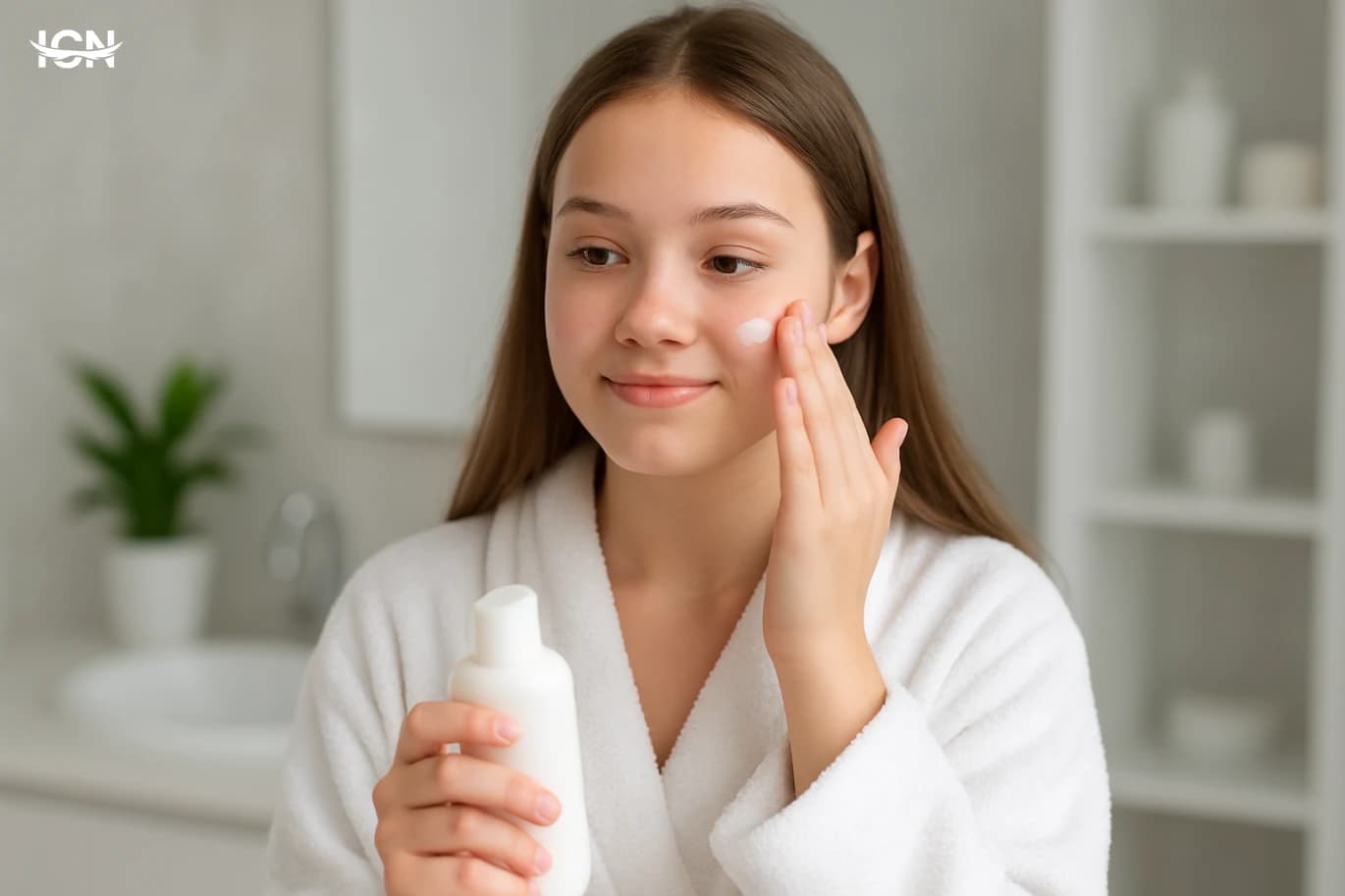
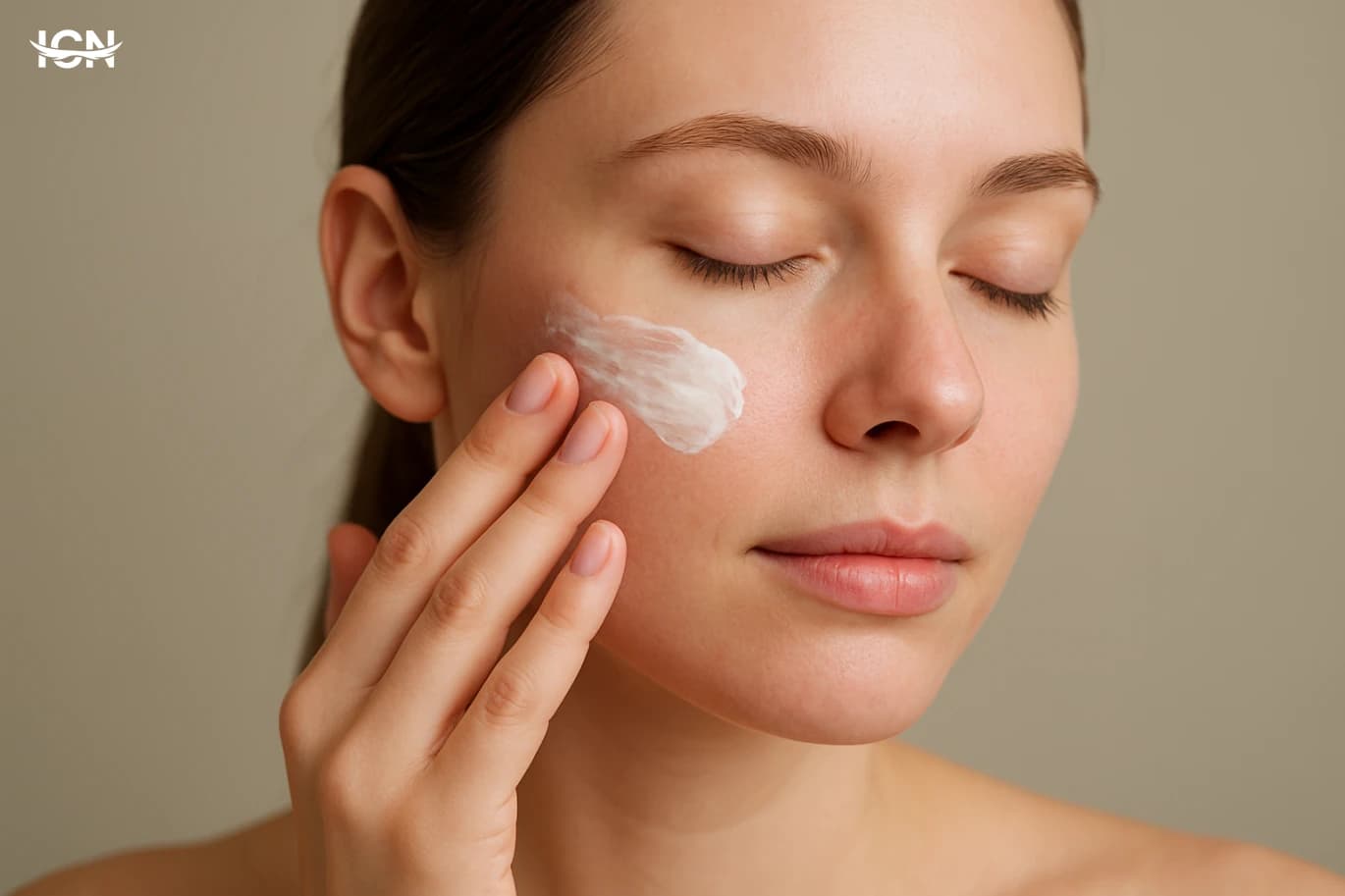
A gradual schedule is the most reliable way to keep sensitive skin comfortable. In week one, apply retinol once at night on dry skin. Use a pea-sized amount for the entire face, avoiding the corners of the nose, the area right around the lips, and the eyelids unless the product is specifically made for them. In week two, increase to two nights per week, spaced out, such as Monday and Thursday. In week three, move to three nights per week if your skin is calm: minimal stinging, no persistent redness, and only mild dryness that improves with moisturizer. In week four, you can consider every other night, but only if your skin has adapted. If irritation appears, do not push through it; drop back to the last comfortable frequency for two weeks before trying to increase again. Two practical techniques help during the adjustment period. The “moisturizer sandwich” method means applying a thin layer of moisturizer, then retinol, then another layer of moisturizer to reduce dryness. Another option is short-contact therapy: apply retinol for 30–60 minutes, then rinse and moisturize, gradually extending the time as tolerance improves. Both approaches can make retinol workable for people who previously gave up after a few uncomfortable nights.
Pairing Retinol with a Barrier-Friendly Routine
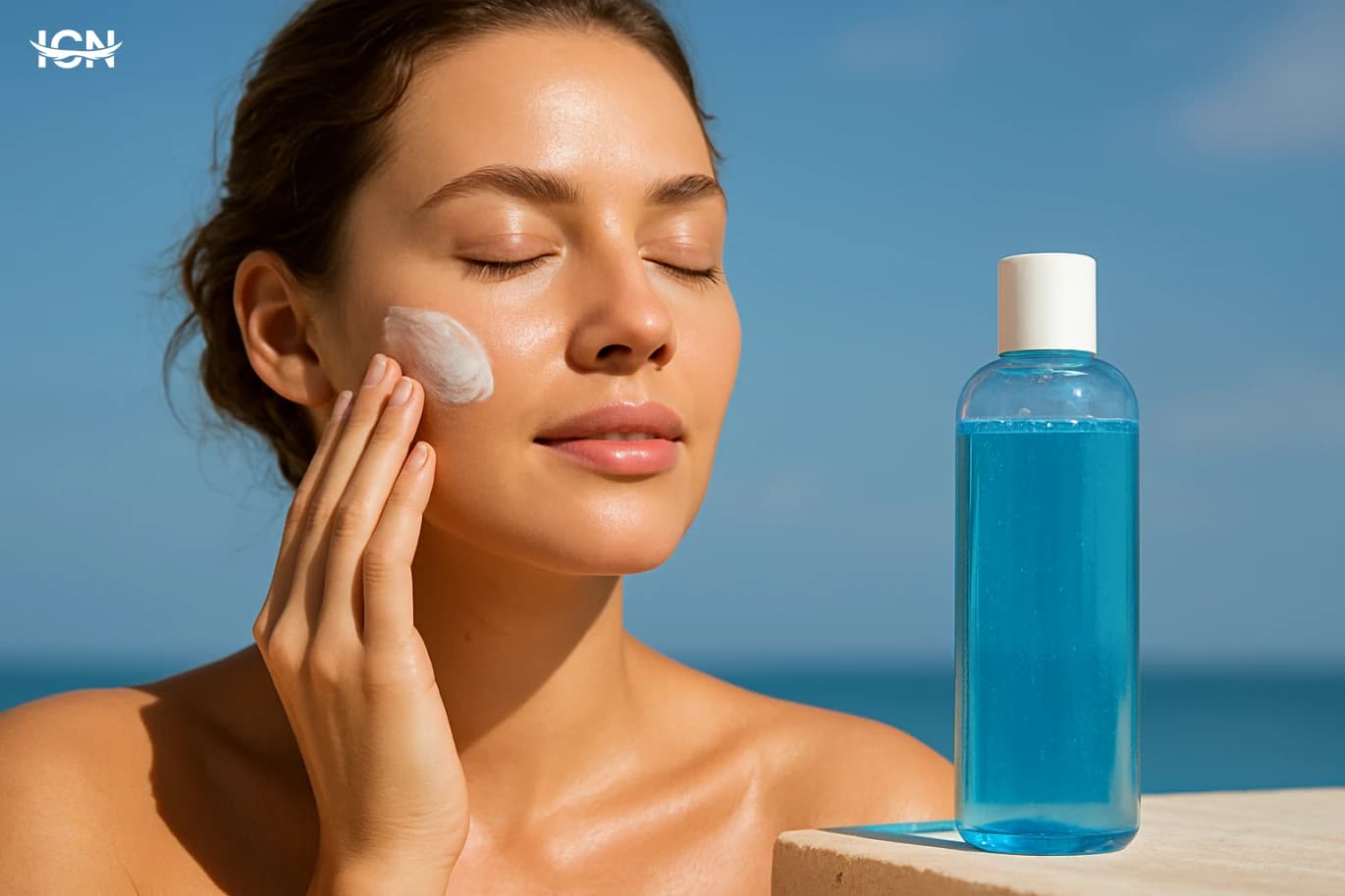
Sensitive skin benefits from a routine that reduces variables. Use a gentle, low-foam cleanser at night and consider rinsing with water only in the morning if you are dry. Add a moisturizer that focuses on barrier repair: ceramides, cholesterol, and fatty acids are classic components, while humectants like glycerin and hyaluronic acid help hold water in the skin. If you experience frequent flushing, a simple, fragrance-free formula is usually safer than multi-scented “spa” products. Be cautious with exfoliation. During the first month of retinol, avoid scrubs and limit acids such as glycolic or salicylic unless a professional has advised you. If you want brightness, consider using a mild vitamin C derivative or azelaic acid on non-retinol nights, but introduce only one new product at a time and patch test. Sunscreen is non-negotiable. Retinol can make skin more prone to irritation from sun exposure, and UV damage undermines the very improvements you are trying to achieve. Choose a broad-spectrum SPF 30 or higher that you can wear daily without stinging. Many sensitive-skin users prefer mineral filters, but the best sunscreen is the one you can apply generously and reapply when needed.
Troubleshooting Irritation Without Quitting
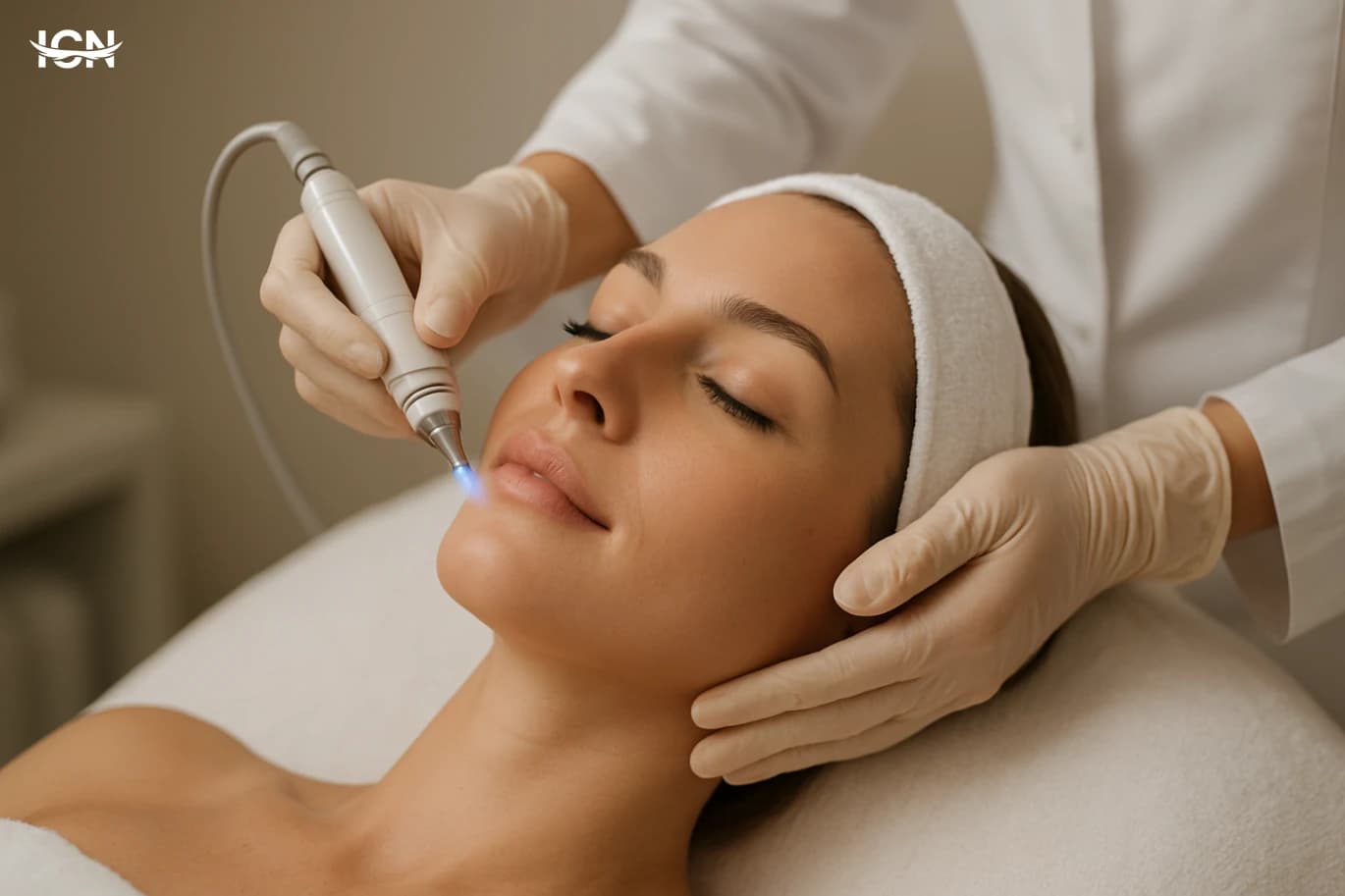
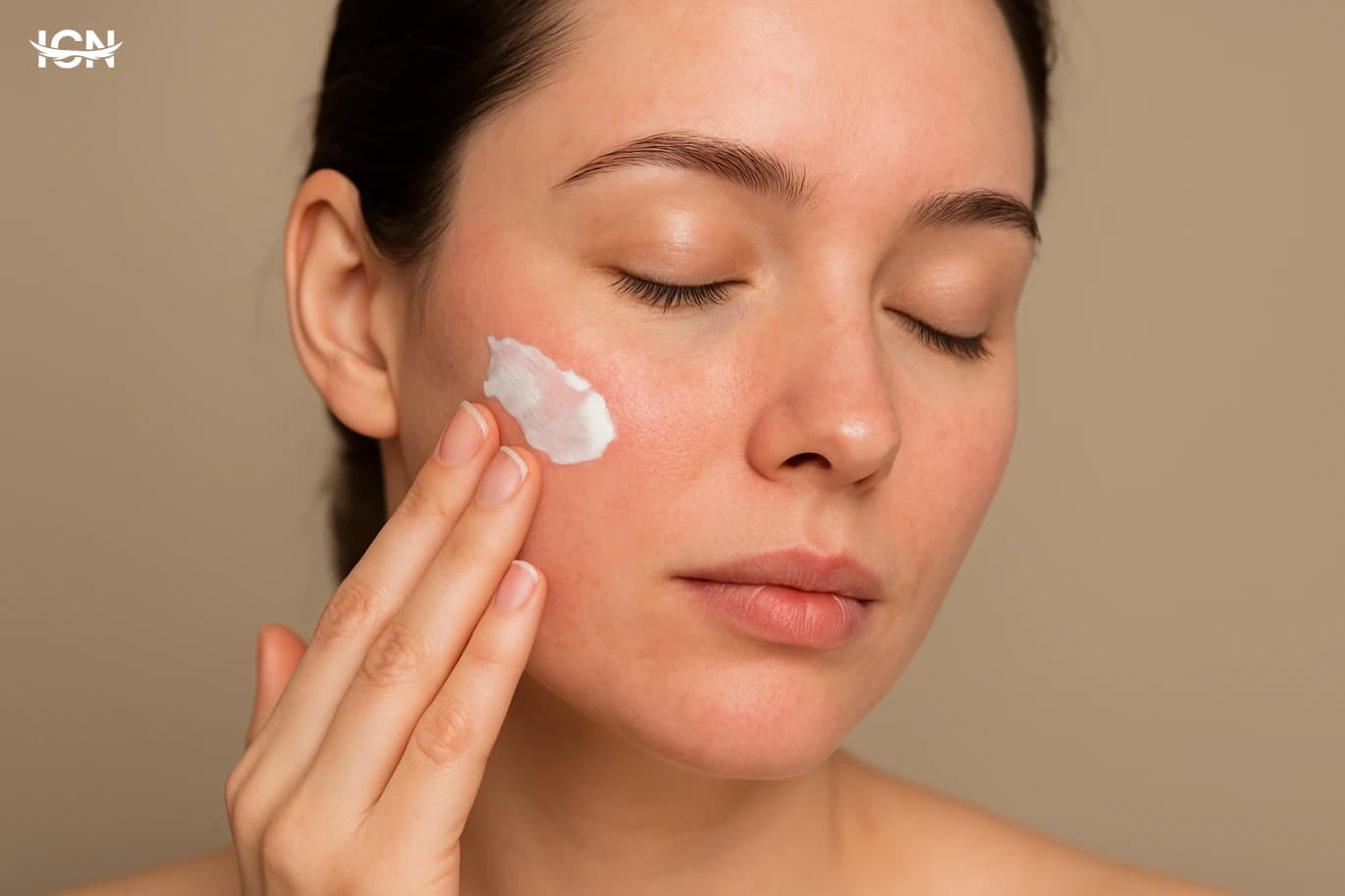
If you develop redness that lasts more than a day, burning, or visible peeling, treat it as a signal to simplify. Pause retinol for several nights and focus on cleansing gently, moisturizing, and using sunscreen. When your skin feels normal again, restart at a lower frequency. Many people succeed on a long-term plan of one to three nights per week, especially if their main goal is smoother texture and fewer clogged pores. Check for hidden triggers. Using retinol on damp skin can increase penetration and irritation, so wait 10–20 minutes after washing. Applying too much product is another common issue; more does not mean faster results. Also review other products: fragranced toners, strong acne treatments, and frequent masks can keep the skin in a constant state of stress. Know when to seek professional advice. If you have persistent eczema-like patches, swelling, or repeated flare-ups despite a cautious schedule, consult a dermatologist. They can help distinguish irritation from allergy, recommend a different retinoid, or suggest supportive treatments. The goal is a sustainable routine that improves skin quality over months, not a cycle of aggressive starts and uncomfortable stops.
What Results to Expect and When
Retinol is a long-game ingredient, and sensitive skin often needs an even slower timeline. In the first two to four weeks, the most noticeable changes may be dryness or mild flaking as your skin adjusts. By weeks six to twelve, many users see smoother texture, fewer rough patches, and a more even-looking tone. Improvements in the appearance of fine lines and firmness typically take longer, often three to six months of consistent use. Track progress with simple, objective markers. Take photos in the same lighting every four weeks, and note how your skin feels after cleansing and by midday. If your skin is calmer, makeup sits better, and you need less spot concealer, those are meaningful signs even before dramatic visual changes. Set realistic expectations and protect your gains. Retinol can improve the look of pores and uneven tone, but it will not replace professional care for deeper concerns. Consistent sunscreen, gentle cleansing, and a barrier-focused moisturizer are what allow retinol to deliver benefits without constant irritation. For sensitive skin, the best retinol routine is the one you can follow comfortably for the entire year.