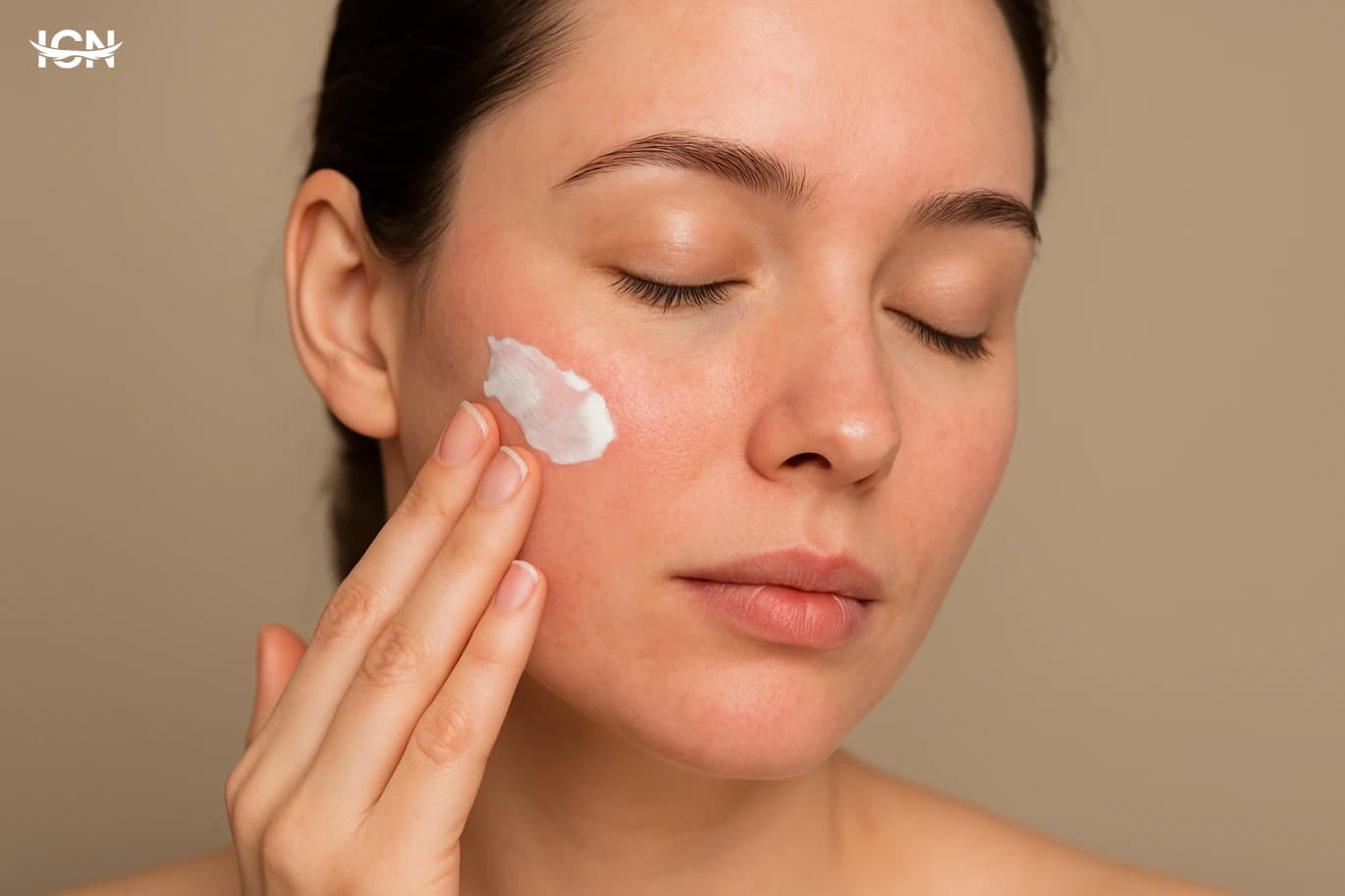
Sunblock Or Sunscreen

- Benefits of sunscreen:
- Types of sunscreen:
- How sunscreen works:
- What is the SPF?
- How to choose the right sunscreen for you:
- Harmful substances used in sunscreen:
- Use sunscreen in winter:
Benefits of sunscreen:
1. Ultraviolet (UV) protection: Sunscreen protects the skin from harmful UVA and UVB rays, which can cause sunburn and skin damage. 2. Preventing skin diseases: Using sunscreen reduces the risk of skin diseases such as skin cancer and the appearance of early wrinkles. 3. Reducing the chances of skin pigmentation: Sunscreen prevents the appearance of dark spots on the skin as a result of long-term exposure to the sun. 4. Maintaining skin health: Sunscreen contributes to maintaining skin freshness and elasticity. Harmful effects of not using sunscreen: 1. Sunburn: Exposure to the sun without using sunscreen increases the risk of sunburn, which can cause pain and skin damage. 2. Increased risk of skin cancer: Excessive exposure to sunlight increases the risk of skin cancer. 3. Accelerated aging process: Frequent exposure to sunlight without protection can lead to premature wrinkles and loss of skin elasticity.
Types of sunscreen:
There are several types of sunscreen, including: 1. Chemical sunscreen: It contains chemicals that absorb ultraviolet rays and convert them into heat. Examples include avobenzone and oxybenzone. 2. Physical sunscreen: It contains mineral ingredients such as zinc oxide or titanium oxide, and works to reflect ultraviolet rays and reflect them away from the skin. 3. Water-based sunscreen: Water-based sunscreen can be used on wet skin after swimming or sweating. 4. Sunscreen with multiple levels of protection: Sunscreen is available with different levels of protection, from SPF 15 to SPF 100, where the number is greater than the protection. In short, sunscreen is essential for maintaining healthy skin and preventing the harmful effects of sunlight. It should be used regularly and as recommended to maintain healthy, sun-protected skin.
How sunscreen works:
Sunscreen works by providing a protective barrier between the skin and the harmful rays of the sun. Here is how it works in detail: • Chemical sunscreen: It contains chemicals such as aphyllurate and oxybenzone, and these substances absorb ultraviolet rays. When the skin is exposed to the sun, these materials absorb ultraviolet rays and convert them into heat, which prevents these rays from reaching the skin. • Physical sunscreen: contains mineral ingredients such as zinc oxide or titanium oxide. These ingredients reflect and reflect UV rays away from the skin, which means they do not allow the rays to reach the skin in general.
What is the SPF?
SPF is short for Sun Protection Factor, which is a scale that measures how well a sunscreen protects against ultraviolet B (UVB) rays, which are the rays that cause sunburn. Other details about SPF include: • SPF 15 provides good protection and means you can be in the sun 15 times longer than you could without sunscreen before burning. • SPF 30 gives moderate protection and can protect against sunburn for a longer period. • SPF 50+ is considered highly protective and is recommended for places with high exposure to the sun or for sensitive skin.
How to choose the right sunscreen for you:
Choosing the appropriate sunscreen depends on several factors, including: 1. Skin type: If you tend to burn quickly, you may need a higher SPF. Sensitive skin needs extra protection. 2. Outdoor activity: If you plan to spend a lot of time outdoors or in areas with high sun exposure, you may need a high SPF. 3. Type and composition of sunscreen: Some may prefer a light, non-greasy formula, while others prefer a waterproof formula. Choose the type of sunscreen that suits your skin needs and activities. 4. Climatic factors: In areas with strong sunlight or on hot days, you may need greater protection. 5. Personal allergies and preferences: Make sure you have no allergies to sunscreen ingredients and choose the product that suits your preferences. 6. Daily use: If you plan to use sunscreen daily as part of your skincare routine, you may want to choose a product that matches your makeup or is light on the skin.
Harmful substances used in sunscreen:
Ultimately, it is very important to choose a sunscreen that meets your personal needs and provides adequate protection for your skin during sun exposure. Sunscreen may sometimes cause allergies or irritation in some people as a result of the skin's reaction to some of the chemical components present in it. Here are some common ingredients that may cause allergic reactions in sunscreen and some types of allergies that may occur: 1. Oxybenzone: It can cause irritation in some people, especially those with sensitive skin. It is also suspected that it may have a hormonal effect. 2. Octinoxate: It can cause skin irritation for some people. 3. Avobenzone: It is usually considered safe, but some people may show allergic responses to it. 4. Parabens: They have been used as preservatives in some sunscreens. It can cause allergic reactions in some people. 5. Artificial fragrances and fragrances: Fragrances in sunscreen may cause skin irritation in people sensitive to fragrances. 6. Benzophenone: It may cause skin irritation in some people. 7. Other substances: Some sunscreen products may contain other ingredients such as lanolin, methylisothiazolinone, tetrazole, etc., and they can cause allergic reactions in some people. To avoid potential allergies, people with sensitive skin or a previous history of skin sensitization should avoid products containing these ingredients. You can also choose sunscreens based on physical ingredients like zinc oxide or titanium oxide, which are less likely to cause irritation most of the time. If you feel any irritation or sensitivity when using sunscreen, it is necessary to stop using the product and consult a dermatologist to evaluate the situation and get advice on alternative products suitable for your skin.
Use sunscreen in winter:
Using sunscreen in the winter is very important and can often be overlooked. Although temperatures are low and days may be cloudy, ultraviolet (UV) rays are still present and pose a risk to the skin. Here are some reasons to use sunscreen in the winter: Snow reflects solar rays: When there is snow in the ground, the snow can reflect solar rays, increasing exposure to UV rays. This means that the skin is at risk even more on sunny days. Dry skin: The cold air in winter can dry out the skin, and using sunscreen can help keep the skin moisturized. Skiing and winter activities: If you engage in winter outdoor activities such as skiing, snow can enhance exposure to UV rays and increase the risk of sunburn. Protection against aging: Frequent exposure to ultraviolet rays can lead to premature aging and the appearance of wrinkles. Cancer prevention: Ultraviolet rays can increase the risk of skin cancer, and using sunscreen can reduce this risk. How to use sunscreen in winter: Use sunscreen with a high SPF, at least SPF 30, and make sure to cover all areas exposed to the sun such as the face, neck and hands. Apply sunscreen at least 15-30 minutes before going outdoors. Reapply sunscreen every two hours if you spend a lot of time outdoors. Use cosmetics that contain sunscreen, such as foundation and moisturizers that contain SPF. Don't forget sensitive skin areas like lips and ears. Use sunscreen even on cloudy days, as UV rays can seep through clouds. Using sunscreen in winter is important to maintain healthy skin and prevent sun damage throughout the year.