App Logo

Download Our App

Shop your way

logologo
Image

shark

09/29/2024By: ICN
shark

shark

Ⅰ. Introduction Sharks are one of the oldest living organisms on planet Earth, dating back more than 400 million years. These fish are characterized by their strong jaws and ferocity in catching prey, making them one of the most prominent predators in the oceans. Despite the negative image that many may have about sharks, there are positive aspects to preserving them in marine ecosystems. In this article, we will discuss comprehensive information about sharks, their types, geographical distribution, and behavior. Ⅱ. Types of sharks Sharks vary greatly in species, and there are many known species that differ in size and behavior. A. Great White Shark The great white shark is one of the most famous species, and is often used in documentaries. It is considered one of the largest sharks, as it can reach more than 6 meters in length. It is characterized by its ferocity and strength in hunting, making it a major predator in its environment. B. Small Shark On the contrary, we find that the whale shark is the largest shark in the world, as it exceeds 12 meters in length. But it is completely different from the white shark in terms of the nature of its food, as it feeds on plankton and marine microbes. This species is peaceful and does not pose a threat to humans. Ⅲ. Distribution of sharks in the oceans Sharks are found in all oceans, from shallow waters to the depths of the oceans. A. Natural habitats of sharks Sharks prefer to live in warm waters and areas rich in plankton, where they have a greater chance of finding food. Coral reefs are one of the primary habitats that host many species of sharks. B. Geographical distribution Sharks are distributed diversely around the world, as they are found in the Atlantic, Pacific and Indian Oceans, and are often seen near coasts and in tropical waters. Ⅳ. Shark behavior Sharks have distinctive behavioral characteristics that make them interesting marine organisms to study. A. Feeding habits Sharks are characterized by their reliance on the sense of touch and smell in searching for food, as they feed on a variety of prey ranging from small fish to marine mammals such as dolphins. B. Reproductive Behavior In terms of reproduction, sharks are creatures that have different ways of reproducing; some species lay eggs while others give birth live. Although reproduction occurs at a slow rate, some species show care for new generations, which contributes to their continued extinction. Understanding more about sharks contributes to enhancing protection and conservation efforts for the marine environment. As a society, we must be aware of the importance of these creatures in the ecosystem and work to protect them from the threats they face.
* All articles published on this blog are sourced from various websites and are provided for informational purposes only. They should not be considered as confirmed studies or accurate information. Please verify the information independently before relying on it.

Similar ARTICLES

Nighttime Reef Shift and Hidden Cleaners
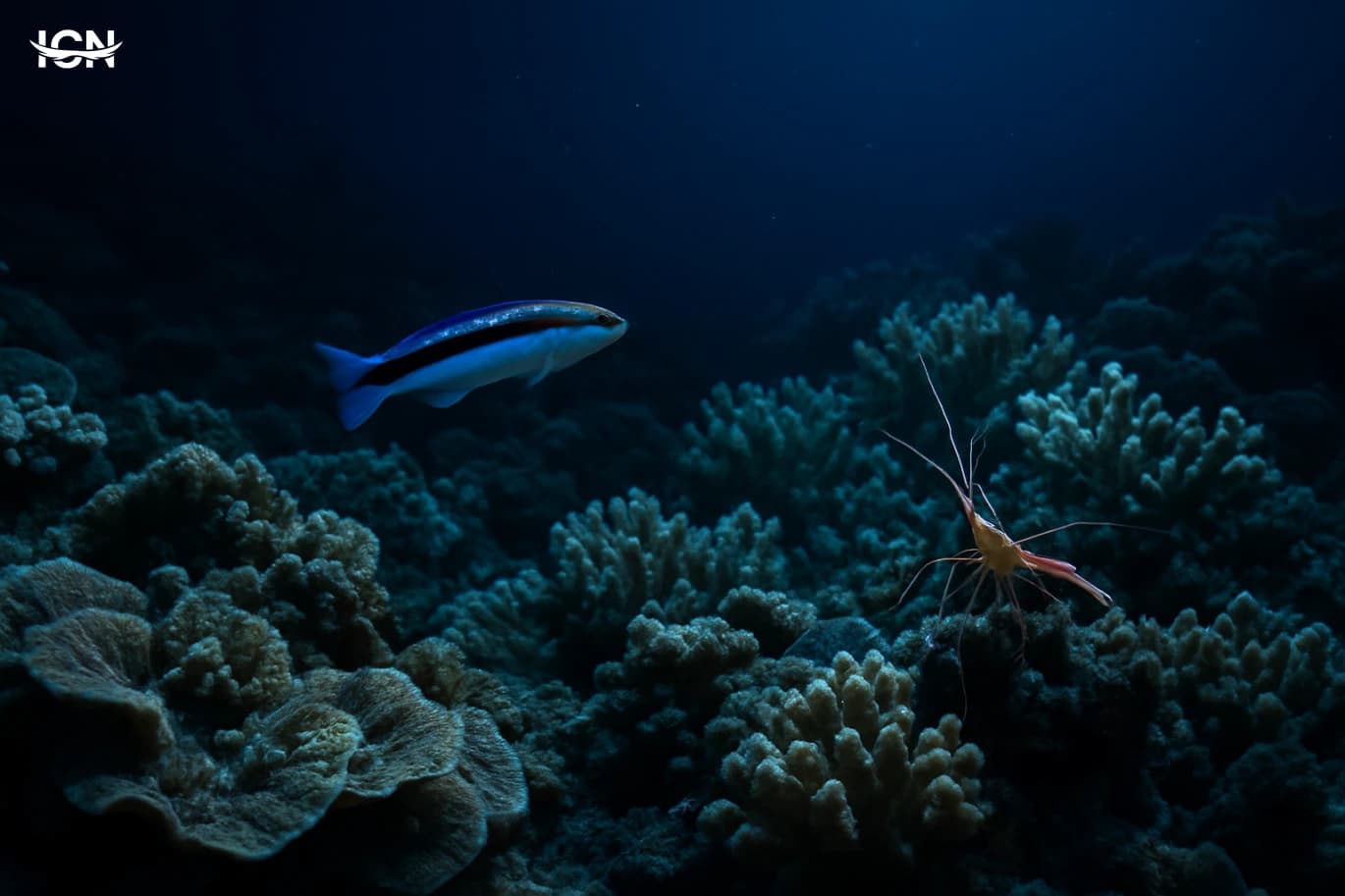
Many people picture coral reefs as daytime scenes: bright fish, clear water, and constant motion. After sunset, the same reef can operate on a different schedule. Light levels drop quickly, visual hunters lose an advantage, and animals that avoid daytime competition begin to move. This shift is not just about “more activity at night”; it is a reorganization of roles. Some fish retreat into crevices to reduce risk and conserve energy, while others emerge to feed when fewer competitors are active. Reef soundscapes also change, with different patterns of clicks and snaps that can influence how animals navigate and locate each other. A key driver is the daily rhythm of plankton in the water column. In many regions, small drifting organisms rise closer to the surface at night and sink deeper during the day. That movement can bring food closer to reef edges after dark, drawing in filter-feeders and plankton-eating fish. Temperature and oxygen conditions can also shift slightly overnight, especially in shallow lagoons, affecting where animals choose to rest or forage. Understanding the reef’s nighttime “shift change” helps explain why certain species are rarely seen by daytime snorkelers yet play major roles in keeping the ecosystem stable.
How Seagrass Meadows Keep Coasts Alive
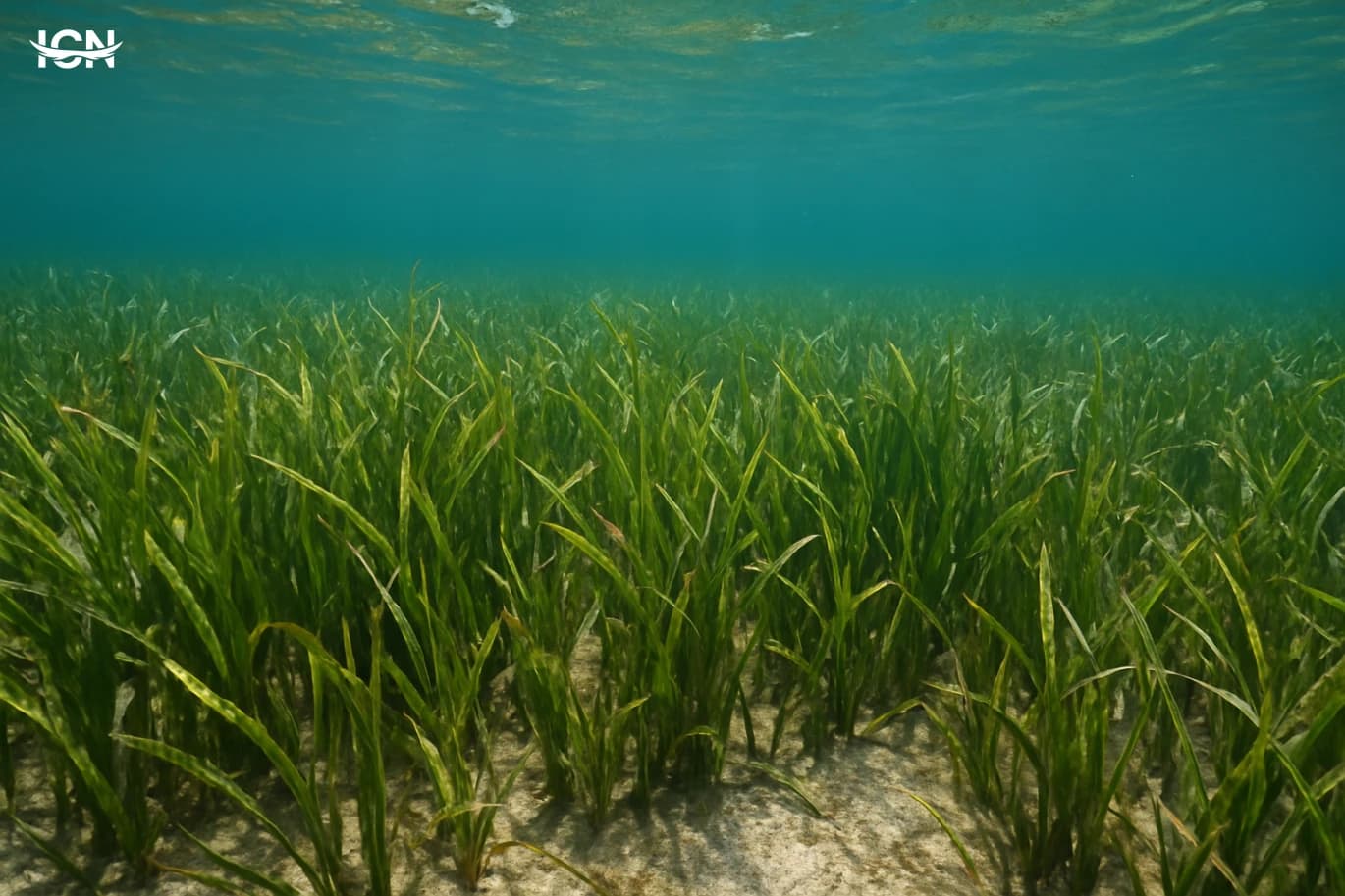
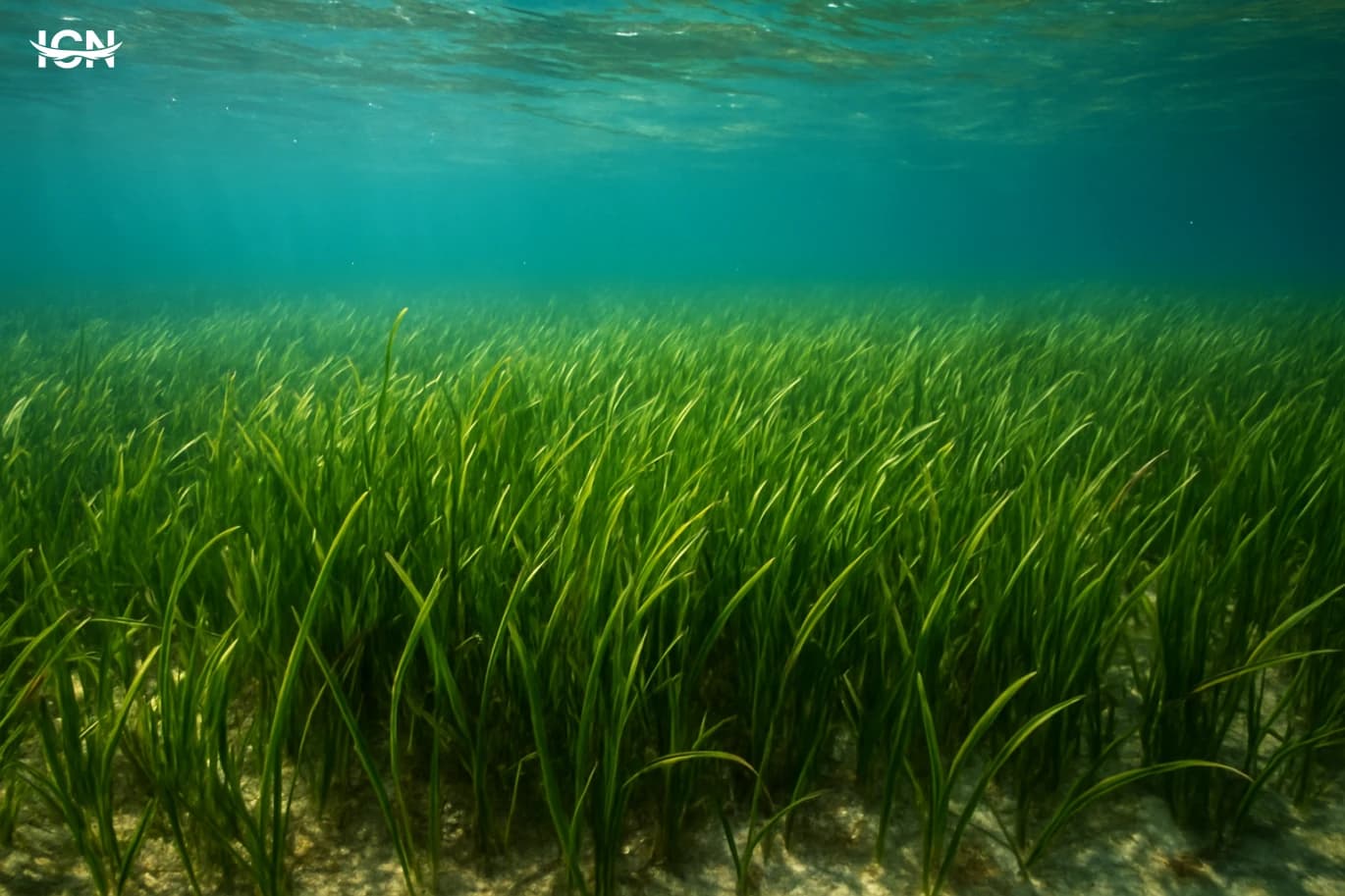
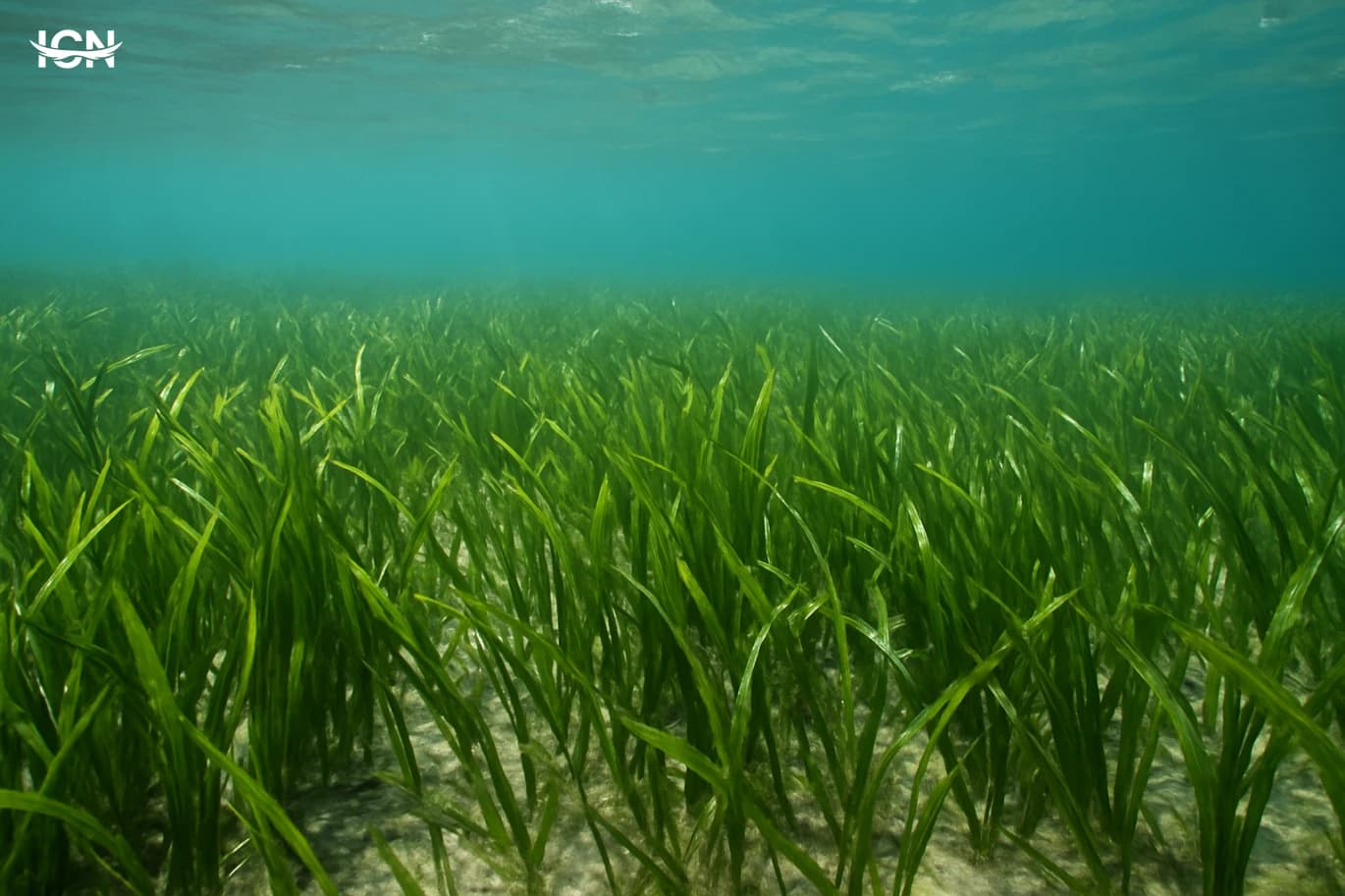
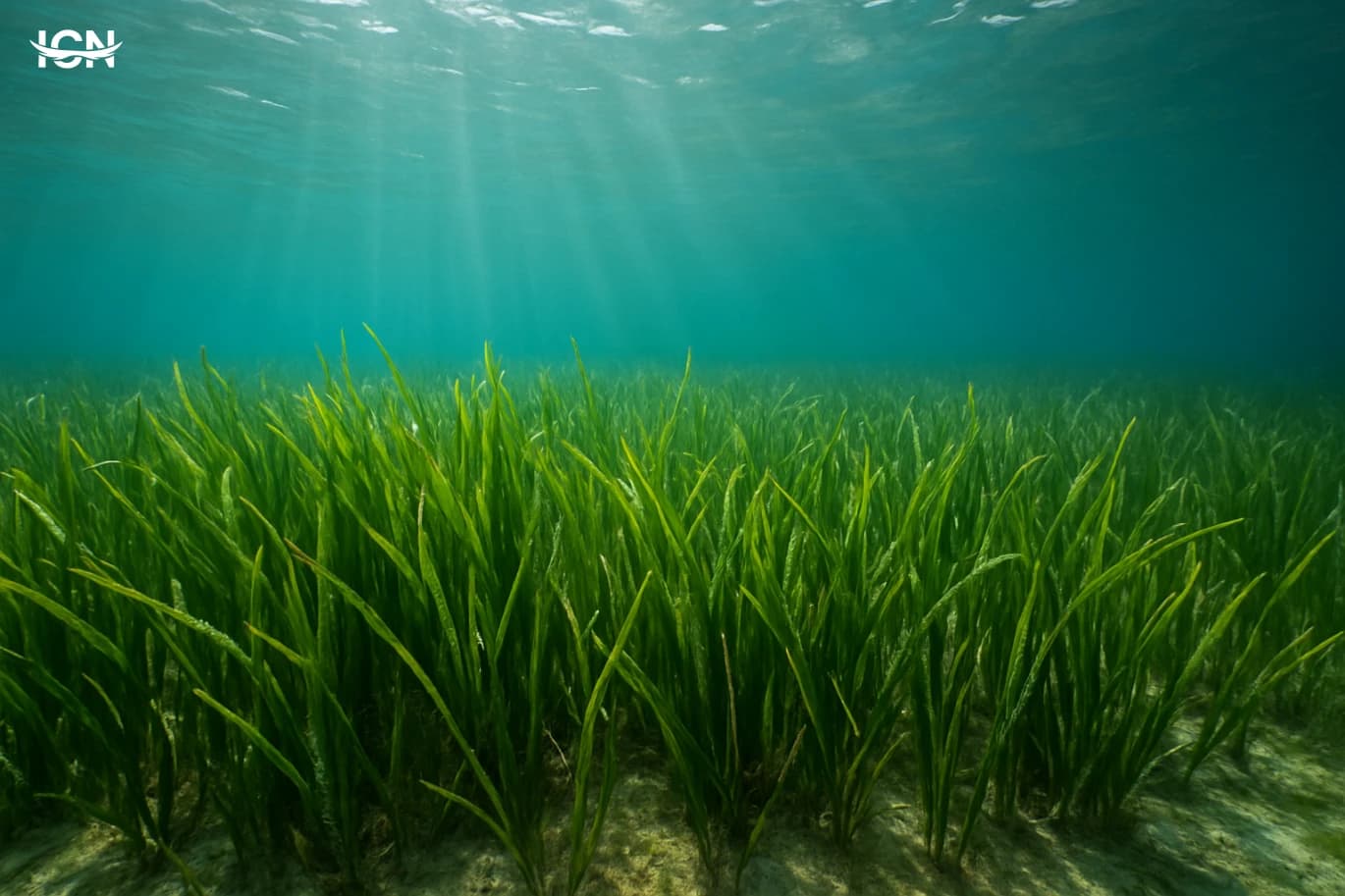
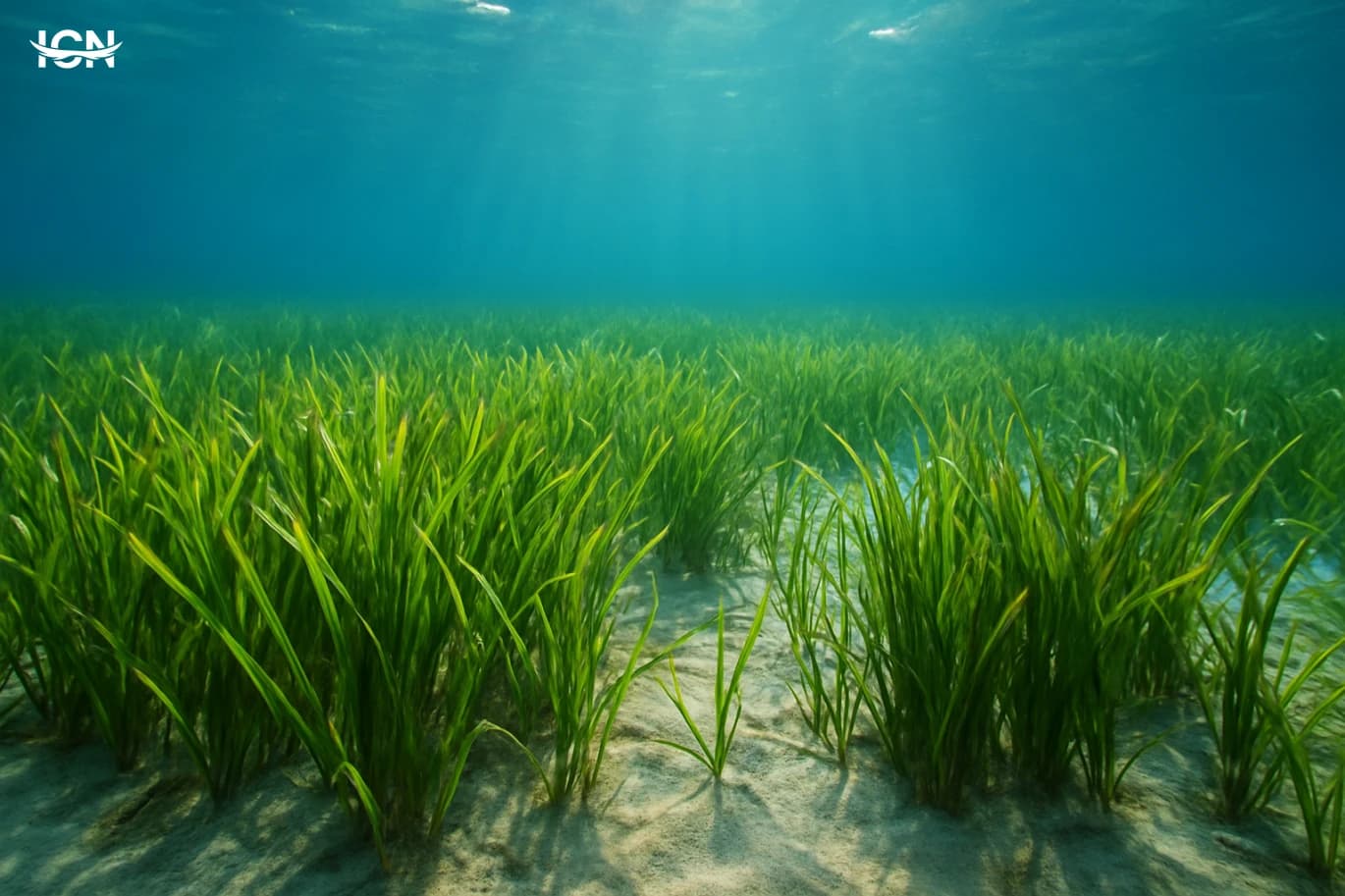
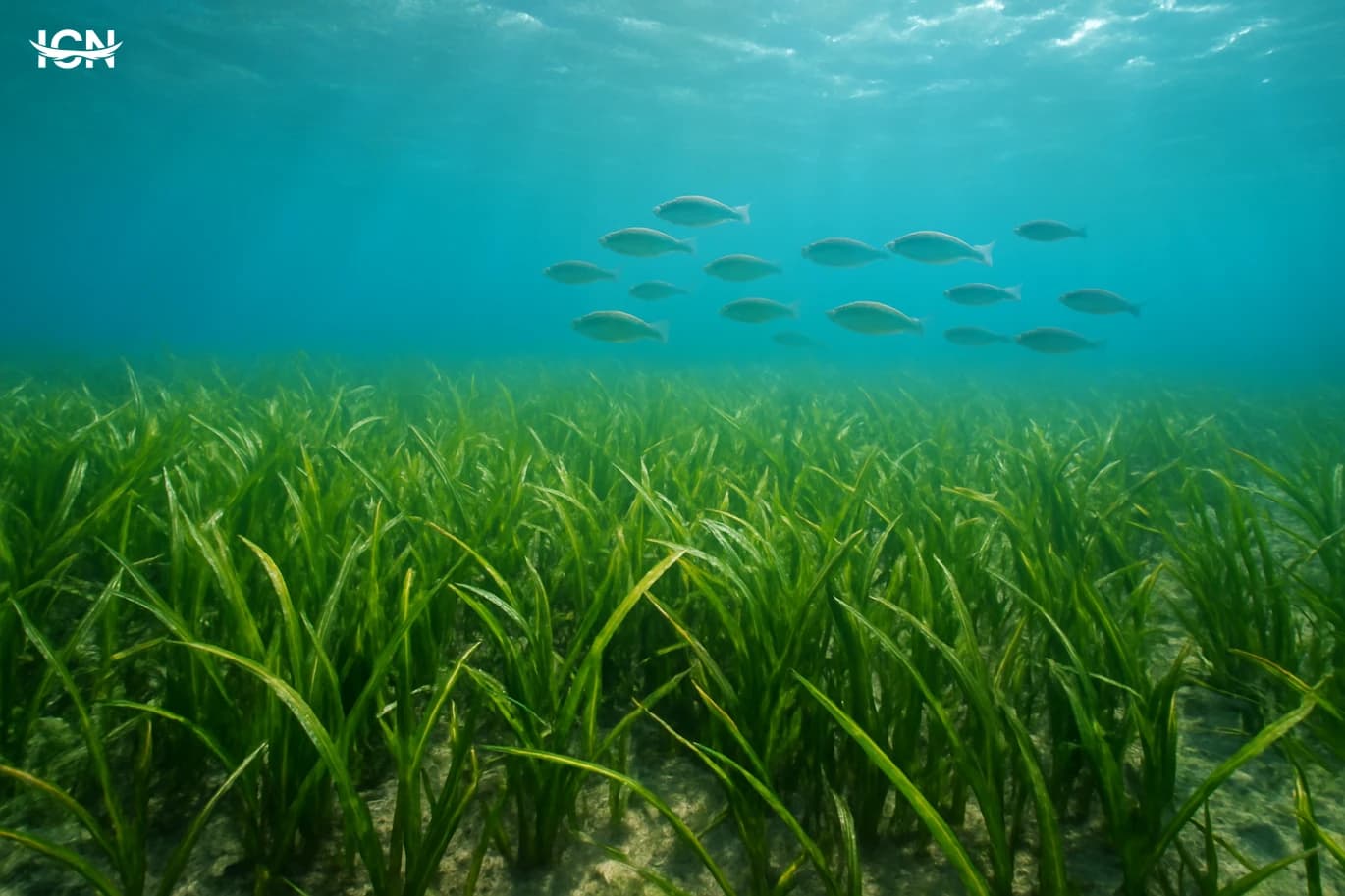
Seagrass meadows are underwater flowering plants that form dense fields in shallow coastal waters. They are often mistaken for seaweed, but seagrasses have roots, stems, and leaves, and they grow in sandy or muddy bottoms where sunlight can reach. These meadows occur on every continent except Antarctica, from temperate bays to tropical lagoons, and they can cover large areas that are invisible from shore. Because they sit close to beaches and harbors, they are frequently exposed to human activity, yet they rarely receive the attention given to coral reefs or mangroves. A single meadow can function like a living neighborhood for aquatic life. The leaves slow water movement, creating calm micro-habitats where small organisms can feed and hide. Juvenile fish, shrimp, crabs, and shellfish use the vegetation as shelter during their most vulnerable life stages. Many species that later move to reefs or deeper waters begin their lives in seagrass, which makes these meadows a practical starting point for understanding local fisheries and coastal biodiversity. When seagrass declines, the loss is not only botanical; it is a direct reduction in nursery space for animals that communities may rely on for food and livelihoods.
Seagrass Meadows The Overlooked Coastal Powerhouse
Seagrass meadows are underwater flowering plants that form dense fields in shallow coastal waters on every continent except Antarctica. They are often mistaken for seaweed, but they are closer to land grasses and even produce flowers and seeds. Because they grow where people swim, fish, and boat, they sit at the center of coastal life while remaining largely invisible in public discussion. This topic matters because seagrass is a practical indicator of coastal health. When water is clear and nutrient levels are balanced, seagrass can expand and stabilize the seabed. When pollution, dredging, or heat stress increases, the plants thin out quickly, leaving bare sediment that is easily stirred up. That shift can reduce local fish abundance, worsen water clarity, and increase shoreline erosion. A serious look at seagrass is also a look at everyday decisions: wastewater management, marina design, anchoring habits, and coastal construction. Unlike distant coral reefs or deep-sea ecosystems, seagrass is close enough to be monitored by local communities and protected through realistic policy. Understanding what it does and what threatens it is the first step toward keeping coastal waters productive and resilient.
Seagrass Meadows That Keep Coasts Alive
Seagrass is not seaweed. It is a true flowering plant that adapted to live fully underwater, forming dense meadows in shallow coastal waters on every continent except Antarctica. These meadows are among the most productive habitats in the ocean, and they quietly support daily life along coasts: they stabilize sediments, improve water clarity, and create shelter for countless small animals. Because seagrass grows close to shore, it sits at the intersection of marine ecology and human activity, which makes it both valuable and vulnerable. A single meadow can function like a living infrastructure project. Its leaves slow currents and waves, reducing erosion and helping beaches and tidal flats hold their shape. The roots and rhizomes bind the seabed, making it harder for storms to resuspend fine sediments. When water stays clearer, sunlight reaches deeper, helping the meadow expand and supporting nearby habitats such as coral reefs and salt marshes. This is why scientists and coastal managers increasingly treat seagrass as a practical asset, not just a biodiversity story.
Seagrass Meadows That Keep Coasts Alive
Seagrass is not seaweed. It is a flowering plant that evolved to live fully underwater, with roots, stems, and leaves that form dense meadows in shallow coastal waters. You can find it in sheltered bays, lagoons, and along gently sloping shorelines where sunlight reaches the seabed. Unlike drifting algae, seagrass anchors into sand or mud and spreads through underground rhizomes, creating a living carpet that can persist for decades. These meadows are among the most productive habitats in the ocean. Their leaves slow water movement, trap fine sediments, and improve water clarity, which in turn helps the plants receive more light. Many species also release oxygen into the surrounding water during daylight, contributing to local water quality. Because seagrass is a true plant, it produces flowers and seeds, and some species rely on currents and small animals to move pollen between plants. This biology matters: it means seagrass needs stable light conditions and relatively clean water to reproduce and recover after damage.
Seagrass Meadows That Keep Coasts Alive
Seagrass is not seaweed. It is a group of flowering plants that evolved to live fully submerged in salty or brackish water, forming dense underwater meadows in shallow coastal zones. These plants have roots and rhizomes that anchor them in sand or mud, and they reproduce through both seeds and spreading shoots. Globally, seagrass occurs on every continent except Antarctica, from tropical lagoons to temperate bays, typically where sunlight can reach the seabed. A meadow can look like a simple green carpet, but it is a structured habitat with blades of different lengths, open patches, and edges that change with tides and seasons. Because seagrass is a plant, it needs light and relatively clear water. That requirement makes it a sensitive indicator of coastal health. When water becomes cloudy from sediment, algae blooms, or repeated disturbance, seagrass struggles to photosynthesize and can thin out quickly. In many regions, local species such as eelgrass in cooler waters or turtle grass in warmer waters define the character of the shoreline ecosystem. Understanding that seagrass is a true marine plant helps explain why it can stabilize sediments, store carbon in soils, and support food webs in ways that drifting algae cannot.
Seagrass Meadows That Keep Coasts Alive
Seagrass meadows are underwater flowering plants that form dense fields in shallow, sunlit coastal waters. They are often confused with seaweed, but they are closer to land grasses in how they grow, reproduce, and anchor themselves with roots and rhizomes. This distinction matters because seagrass creates stable habitat in places where sand and mud would otherwise shift with every wave. For aquatic life, seagrass is a practical piece of infrastructure. Juvenile fish, crabs, and shrimp use the blades as cover from predators, while many species feed on the small invertebrates that live on the leaves. In many regions, commercially important fish spend early life stages in seagrass before moving to reefs or deeper waters. When seagrass declines, the loss is not only ecological; it can reduce local catches, weaken food webs, and make coastal ecosystems less resilient to heat waves and storms.
How Seagrass Meadows Keep Seas Alive
Seagrass meadows are often mistaken for seaweed beds, yet they are flowering plants with roots, stems, and leaves that live fully underwater. They grow in shallow coastal zones where sunlight reaches the seabed, from sheltered bays to lagoons and estuaries. Because they look like simple green carpets, they are easy to overlook compared with coral reefs or mangroves, but their ecological role is measurable and wide-ranging. A single meadow can host juvenile fish, crabs, shrimp, sea cucumbers, and grazing animals such as sea turtles and dugongs, depending on the region. The leaves slow water movement, creating calmer microhabitats where larvae and small animals can feed and avoid predators. The root systems bind sediments, helping keep the seabed stable during tides and storms. In many coastal areas, the presence or absence of seagrass is a practical indicator of water quality and shoreline health.
Seagrass Meadows That Keep Coasts Alive
Seagrass meadows are underwater flowering plants that form dense fields in shallow coastal waters on every continent except Antarctica. They are often overlooked because they do not look as dramatic as coral reefs, yet they support fisheries, stabilize shorelines, and store large amounts of carbon in their sediments. In many regions, seagrass is the nursery habitat that helps young fish and invertebrates survive their most vulnerable months. When these meadows shrink, local catches can fall, water clarity worsens, and coastlines become more exposed to waves and erosion. What makes seagrass urgent is the speed of recent losses. Coastal development, dredging, and poor water quality can remove a meadow in a single season, while recovery can take years. Seagrass also sits at the intersection of climate and local policy: warming waters and marine heatwaves can stress plants, but the most immediate drivers are often controllable, such as nutrient runoff and physical damage from anchors. Understanding how seagrass works is a practical way to understand how coastal ecosystems can be protected with targeted actions.
How Seagrass Meadows Keep Coasts Alive
Seagrass meadows are underwater flowering plants that form dense fields in shallow coastal waters. They are often overlooked because they sit below the surface and lack the visual drama of coral reefs, yet they support fisheries, stabilize shorelines, and store large amounts of carbon in their sediments. In many regions, seagrass has declined due to coastal construction, polluted runoff, and repeated heatwaves that raise water temperatures beyond what local species can tolerate. The result is not only a loss of habitat but a chain reaction that affects water clarity, erosion rates, and the availability of juvenile fish in nearby bays and lagoons. Understanding what seagrass does, and why it is disappearing, is now central to coastal planning and marine conservation.
How Seagrass Meadows Keep Coasts Alive
Seagrass is not seaweed. It is a flowering plant that evolved to live fully underwater, with roots, stems, and leaves anchored in sandy or muddy seabeds. It forms dense meadows in shallow coastal waters on every continent except Antarctica, often in bays, lagoons, and sheltered shorelines where sunlight can reach the bottom. Common species include eelgrass in temperate regions and turtle grass in the tropics. These meadows can look simple from the surface, but they are structured habitats. Leaves slow water movement, roots bind sediments, and the plant’s growth creates a three-dimensional space where small animals can hide and feed. Because seagrass needs clear water and stable conditions, its presence is also a practical indicator of coastal health. When meadows thin out or disappear, it often signals broader problems such as pollution, dredging, or repeated heat stress.
How Seagrass Meadows Keep Seas Alive
Seagrass meadows are one of the most productive coastal habitats, yet they are often overlooked because they sit underwater and rarely make headlines. These flowering plants form dense underwater fields in shallow, sunlit waters from the Mediterranean to the Caribbean and across the Indo-Pacific. They stabilize seabeds, reduce wave energy near shore, and create nursery grounds where juvenile fish and invertebrates can grow with some protection from predators. In many regions, local fisheries depend on species that spend part of their life cycle in seagrass, including sea bream, groupers, shrimp, and crabs. The urgency comes from the speed of decline. Coastal construction, dredging, and land runoff increase sediment and nutrients, clouding water and fueling algal blooms that block sunlight. Boat anchors and propellers can carve long scars through meadows, fragmenting habitat and slowing recovery. Heatwaves and marine warming add another layer of stress, especially in enclosed seas and shallow bays where temperatures rise quickly. When seagrass disappears, shorelines can erode faster, water clarity can worsen, and nearby coral reefs or kelp forests may face additional pressure from shifting sediments and nutrients.
Currents, Colors, and Quiet Survival in Aquatic Life
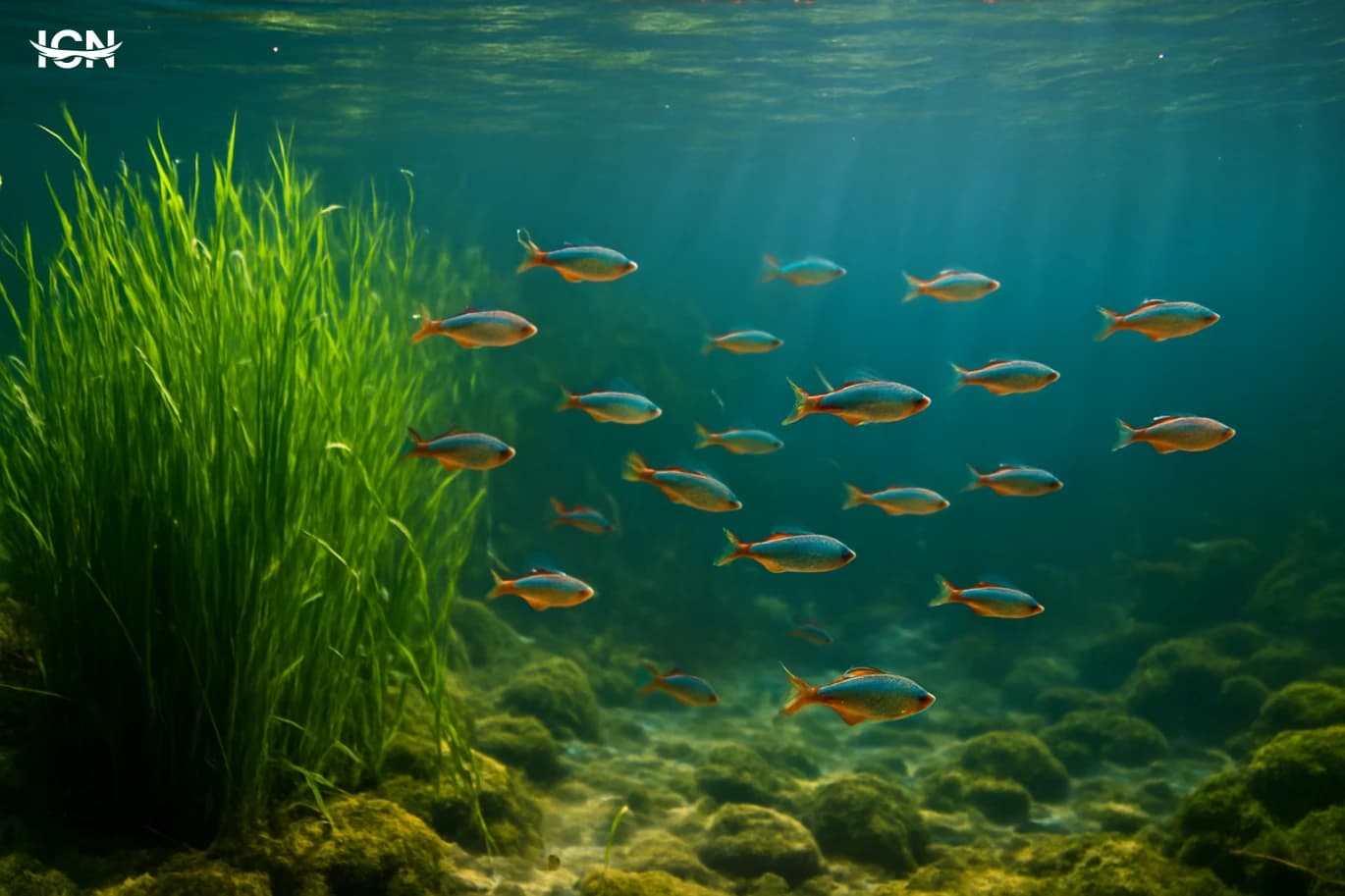
Aquatic life is not a single scene but a layered planet under a shifting surface. Rivers, lakes, wetlands, estuaries, and open oceans each create different rules for breathing, feeding, hiding, and moving. Even within one coastline, a tide pool at dawn, a seagrass meadow at noon, and a reef slope at dusk can feel like separate countries. The basic ingredients—water chemistry, temperature, light, and flow—change from place to place and hour to hour, and every organism is shaped by those changes. Water holds heat differently than air, so many aquatic habitats change temperature more slowly, yet they can still swing dramatically with seasons, storms, and depth. Light fades fast, and color behaves strangely; reds vanish first, blues travel farthest, and shadows can be sharper than you expect. Oxygen is plentiful in the atmosphere but limited in water, so aquatic creatures have evolved gills, specialized skin, air-breathing strategies, or partnerships with plants and microbes. Salinity adds another axis: freshwater fish must avoid absorbing too much water, while marine fish must avoid losing it, and both spend energy on balance. Flow is a silent architect. A fast stream favors streamlined bodies and strong anchoring behaviors; a calm lagoon rewards stealth, patience, and ambush. Waves and currents transport larvae, nutrients, and sometimes whole communities, connecting distant habitats like an invisible highway. When you look at aquatic life through these physical forces, you see why diversity is so high: the environment offers countless micro-niches, and evolution has filled them with solutions that are elegant, odd, and often fragile.
By clicking the SUBSCRIBE button, you are agreeing to our Privacy & Cookie Policy If you want to unsubsribe the marketing email, please proceed to our privacy center.
© 2005-2026 ICN. All Rights Reserved.