Safflower for Everyday Health Support
- What safflower is and how it’s used
- Key nutrients and what they do
- Heart and metabolic health considerations
- Skin, hair, and inflammation-related angles
- How to use safflower safely and effectively
What safflower is and how it’s used
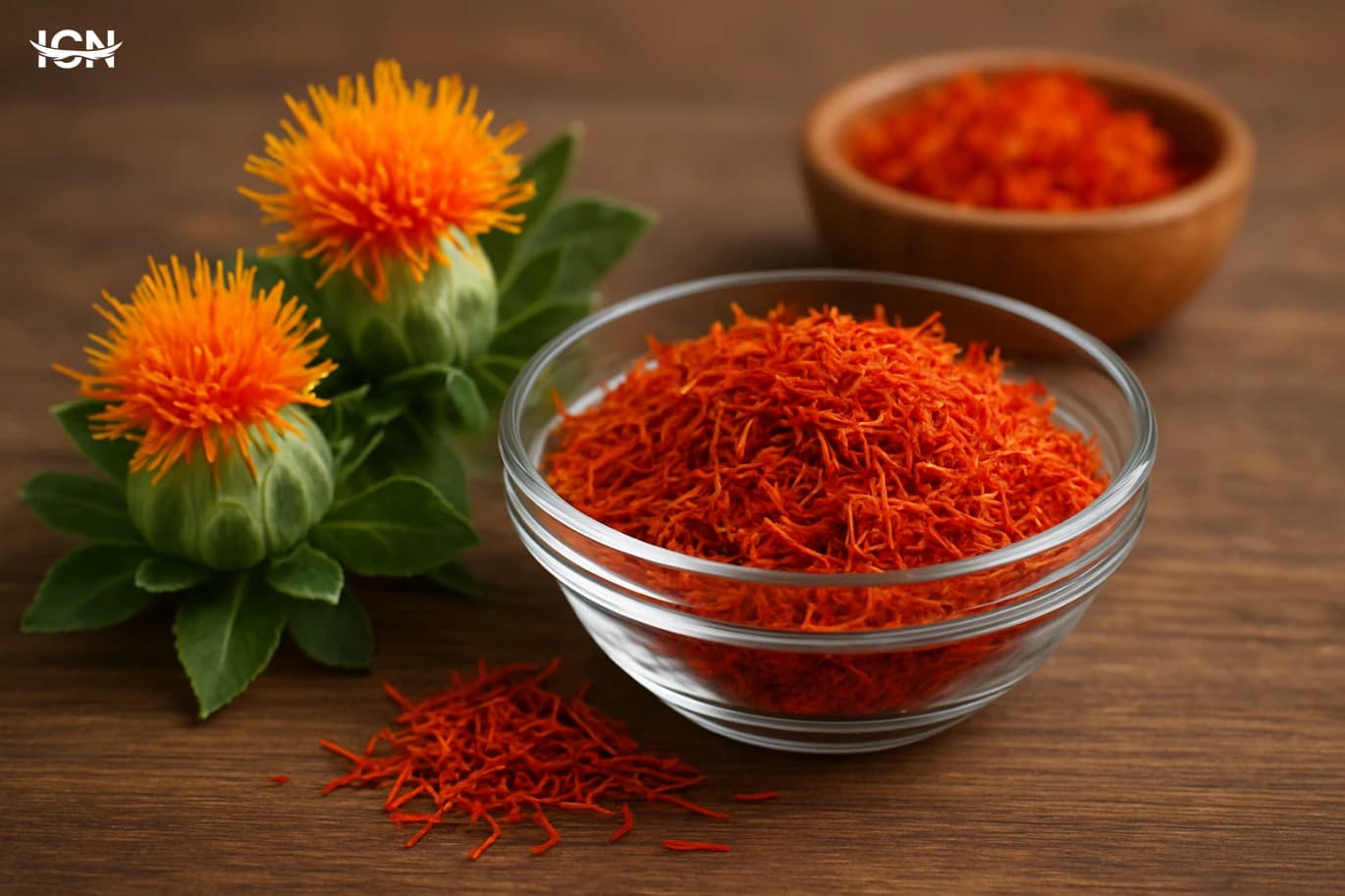
Safflower (Carthamus tinctorius) is a flowering plant traditionally grown for its seeds and, historically, for its natural pigments. In modern kitchens and wellness routines, it appears in two main forms: safflower oil pressed from the seeds, and dried petals used as an herbal infusion or as a mild culinary colorant. The oil is the most common product globally because it is stable, neutral in flavor, and widely used in home cooking and food manufacturing. From a health perspective, safflower is mainly discussed for its fatty acid profile. Depending on the variety and processing, safflower oil can be higher in linoleic acid (an omega-6 polyunsaturated fat) or higher in oleic acid (a monounsaturated fat). This distinction matters because the two types behave differently in the body and in cooking. Labels often indicate “high oleic” or “linoleic,” and choosing between them is a practical first step for anyone using safflower as part of a health-focused diet. The petals, sometimes sold as “safflower tea,” are used in small amounts. They are not the same as culinary saffron, and they do not provide the same aroma or potency. In many households, petals are used for a light infusion, added to rice dishes for color, or blended with other herbs. When people talk about safflower’s health benefits, most evidence and nutritional impact relate to the seed oil rather than the petals.
Key nutrients and what they do
The nutritional value of safflower oil is centered on its unsaturated fats. Linoleic-rich safflower oil is one of the higher sources of omega-6 polyunsaturated fats among common cooking oils. Oleic-rich safflower oil, by contrast, resembles oils like high-oleic sunflower or olive oil in being dominated by monounsaturated fat. Both types are naturally free of cholesterol and contain small amounts of vitamin E (tocopherols), an antioxidant nutrient that helps protect fats in the body from oxidation. In practical dietary terms, replacing some saturated fat sources (such as butter, ghee, or fatty processed foods) with unsaturated fats is a common strategy used in heart-healthy eating patterns. The specific benefit depends on the overall diet: unsaturated fats work best when they replace saturated fats rather than simply adding extra calories. Portion size matters because oils are energy-dense. Safflower petals contain plant compounds such as flavonoids and other phenolic components, but the amounts in a typical cup of infusion can vary widely based on the product, freshness, and steeping time. For that reason, petals are better viewed as a light herbal beverage rather than a concentrated source of specific nutrients. People who enjoy the infusion often do so as part of hydration habits, especially when they want a caffeine-free option. When comparing safflower to other “natural plant” products, it helps to separate culinary use from supplement-style claims. Safflower oil is a food with a clear macronutrient profile. Petals are an herb used in small quantities. Keeping that distinction reduces unrealistic expectations and supports safer, more consistent use.
Heart and metabolic health considerations
Safflower oil is often discussed in the context of cardiovascular health because of its unsaturated fat content. Diets that emphasize unsaturated fats in place of saturated fats are associated with improved lipid profiles in many people, particularly reductions in LDL cholesterol when the overall dietary pattern is balanced. Linoleic acid, specifically, has been studied as part of dietary patterns that can support healthy cholesterol levels when it replaces saturated fat calories. For metabolic health, the most realistic role of safflower is as a “swap” ingredient. Using a measured amount of safflower oil instead of solid fats can help align meals with nutrition targets without changing the entire menu. For example, using a teaspoon or tablespoon in salad dressing, roasting vegetables, or sautéing can be a controlled way to include unsaturated fats. However, safflower oil is not a shortcut for weight management or blood sugar control. Because it is calorie-dense, frequent unmeasured use can push daily intake higher than intended. People focusing on metabolic goals often benefit more from the overall pattern: vegetables, legumes, whole grains, adequate protein, and consistent meal timing, with oils used as a supporting component. If choosing between high-oleic and linoleic safflower oil, high-oleic versions are often preferred for higher-heat cooking because they tend to be more stable. Linoleic-rich oils are commonly used in dressings or lower-heat applications. The best choice depends on cooking habits, label information, and how the oil fits into the rest of the diet.
Skin, hair, and inflammation-related angles
Safflower oil appears in many personal care products because it is lightweight and rich in fatty acids that support the skin barrier. In topical formulations, it is used as an emollient to help reduce dryness and improve the feel of the skin. For people with dry skin, products containing safflower oil can be a practical option, especially when combined with humectants and barrier-supporting ingredients. From a nutrition angle, essential fatty acids contribute to normal skin function, but results depend on overall dietary adequacy and hydration. It is more accurate to say safflower oil can contribute to a diet that supports skin health rather than claiming it changes skin quickly on its own. Inflammation is often mentioned in discussions about omega-6 fats. The key detail is context: omega-6 fatty acids are essential, and the body uses them in many pathways. Concerns typically arise when diets are heavily skewed toward omega-6 sources while being low in omega-3 sources. A balanced approach is to include omega-3-rich foods (such as fatty fish where appropriate, walnuts, chia, or flax) while using omega-6 oils in measured amounts. For hair, safflower oil is sometimes used topically to reduce dryness or improve manageability. As with skin, outcomes vary by hair type, scalp condition, and product formulation. Patch testing is sensible for anyone with sensitive skin, and fragrance-free products are often easier to tolerate.
How to use safflower safely and effectively
For cooking, treat safflower oil like any other culinary oil: use it in measured amounts and match the type to the cooking method. High-oleic safflower oil is typically a better fit for sautéing and higher-heat applications due to improved stability, while linoleic-rich safflower oil is often used in dressings, dips, and low-heat cooking. Store the bottle away from heat and light, keep the cap tightly closed, and pay attention to rancid odors, which signal oxidation. For safflower petals, preparation is straightforward: a small pinch steeped in hot water for several minutes produces a mild infusion. Because herbal products vary, start with a small amount and observe tolerance. Petals are also used in cooking for color, but they should not be treated as a substitute for medically indicated care. People with allergies to plants in the Asteraceae family (such as ragweed-related sensitivities) should be cautious, as cross-reactivity can occur. Anyone who is pregnant, breastfeeding, managing a chronic condition, or taking regular medications should consult a qualified clinician before using concentrated herbal products or making major dietary changes. While safflower oil as a food is generally used widely, individual circumstances matter. A practical approach is to integrate safflower into a broader routine: choose a quality oil, use a consistent portion (for example, one tablespoon in a dressing shared across a meal), and pair it with fiber-rich foods. This keeps the focus on overall dietary quality rather than relying on a single ingredient for results.