Kitchen Herbs That Stay Fresh Longer
- Why Herbs Spoil So Fast
- Buy and Prep for Maximum Shelf Life
- Jar Method for Cilantro, Parsley, and Mint
- Basil Needs a Different Plan
- Fridge Drawer Storage for Rosemary, Thyme, and Sage
- bookmark
Why Herbs Spoil So Fast
Fresh herbs are mostly water held in delicate leaves and thin stems, which makes them lose quality quickly after harvest. The moment they are cut, they stop receiving moisture from roots, and the leaves start transpiring. Warm kitchens, direct sun on a counter, and dry refrigerator air accelerate that moisture loss, so herbs wilt even when they are still safe to eat. Another common problem is bruising: basil, mint, and cilantro darken where they are crushed, and those damaged spots speed up overall decay. Finally, microbes thrive when herbs are stored wet in a closed bag. Condensation forms, leaves stick together, and slimy patches appear. Understanding these three drivers—dehydration, bruising, and excess surface moisture—helps you choose the right storage method for each herb rather than using one approach for everything.
Buy and Prep for Maximum Shelf Life
Shelf life starts at the store. Choose herbs with upright stems, bright color, and no blackened edges. Avoid bunches sitting in pooled water or wrapped in foggy plastic, because that usually signals temperature swings. Once home, sort immediately: remove rubber bands, discard any slimy leaves, and separate herbs by type. Washing is optional and depends on how you cook. If you wash, do it gently in cool water, then dry thoroughly with a salad spinner or clean towels; storing damp herbs is the fastest route to spoilage. Trim the bottom 1–2 centimeters of stems to open fresh tissue for water uptake if you plan to store them upright. For leafy herbs, a quick inspection for grit saves time later. The key is to prep in a way that matches your storage method: dry leaves for bag storage, or clean trimmed stems for jar storage.
Jar Method for Cilantro, Parsley, and Mint
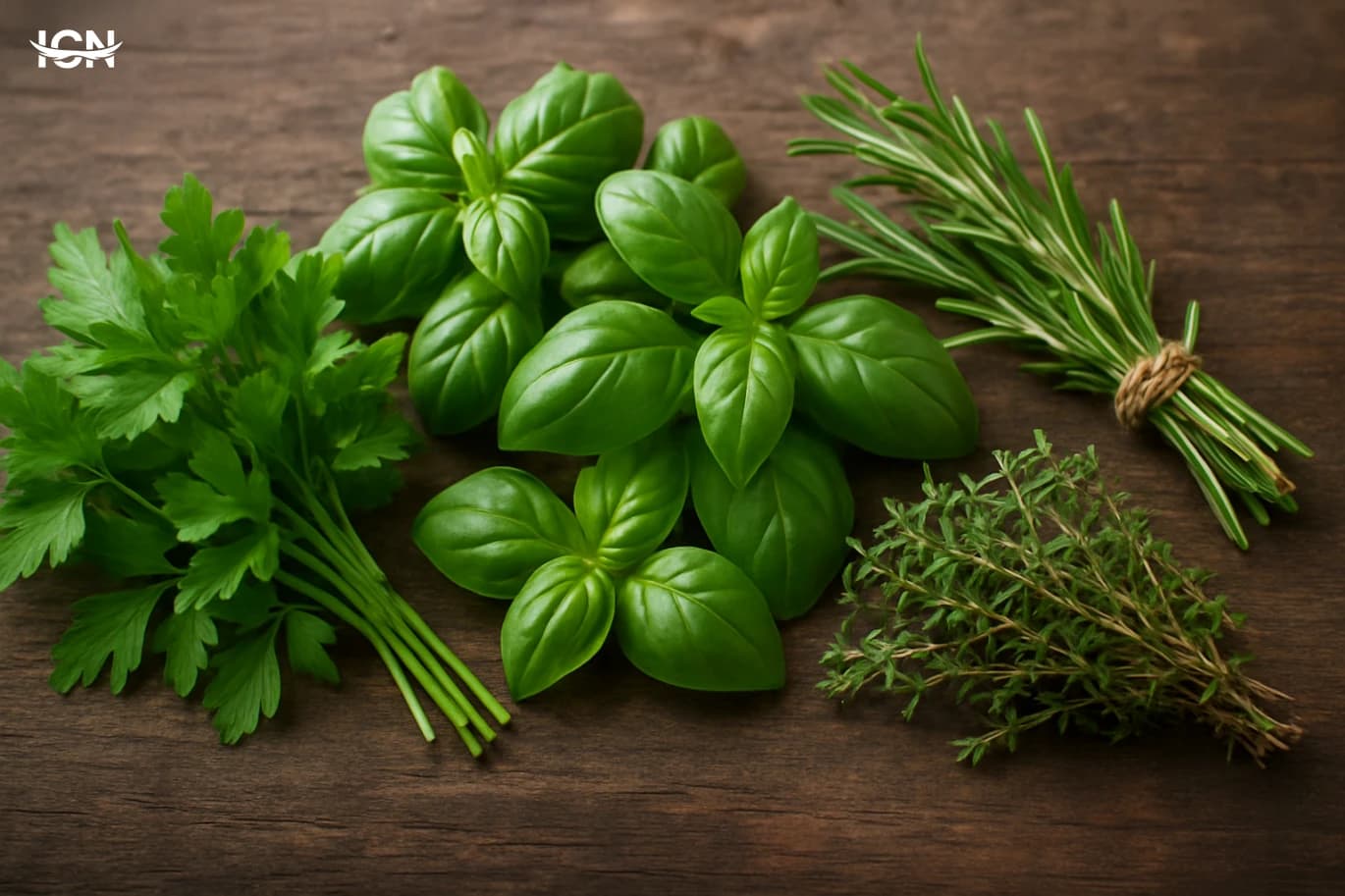
For tender herbs with stems—cilantro, parsley, mint, and dill—the jar method often delivers the longest freshness. Place the trimmed stems in a glass jar with 2–3 centimeters of clean water, like a bouquet. Loosely cover the top with a reusable bag or a large plastic bag to reduce dehydration while still allowing some airflow. Store in the refrigerator door or a stable shelf, not the coldest back corner where leaves can freeze and turn black. Change the water every 2–3 days and rinse the jar to limit bacterial growth. If you see cloudy water or a sour smell, refresh immediately and remove any damaged leaves. With this setup, many home cooks get a full week of usable herbs, sometimes longer, and the leaves stay perky enough for salads, garnishes, and quick sauces.
Basil Needs a Different Plan
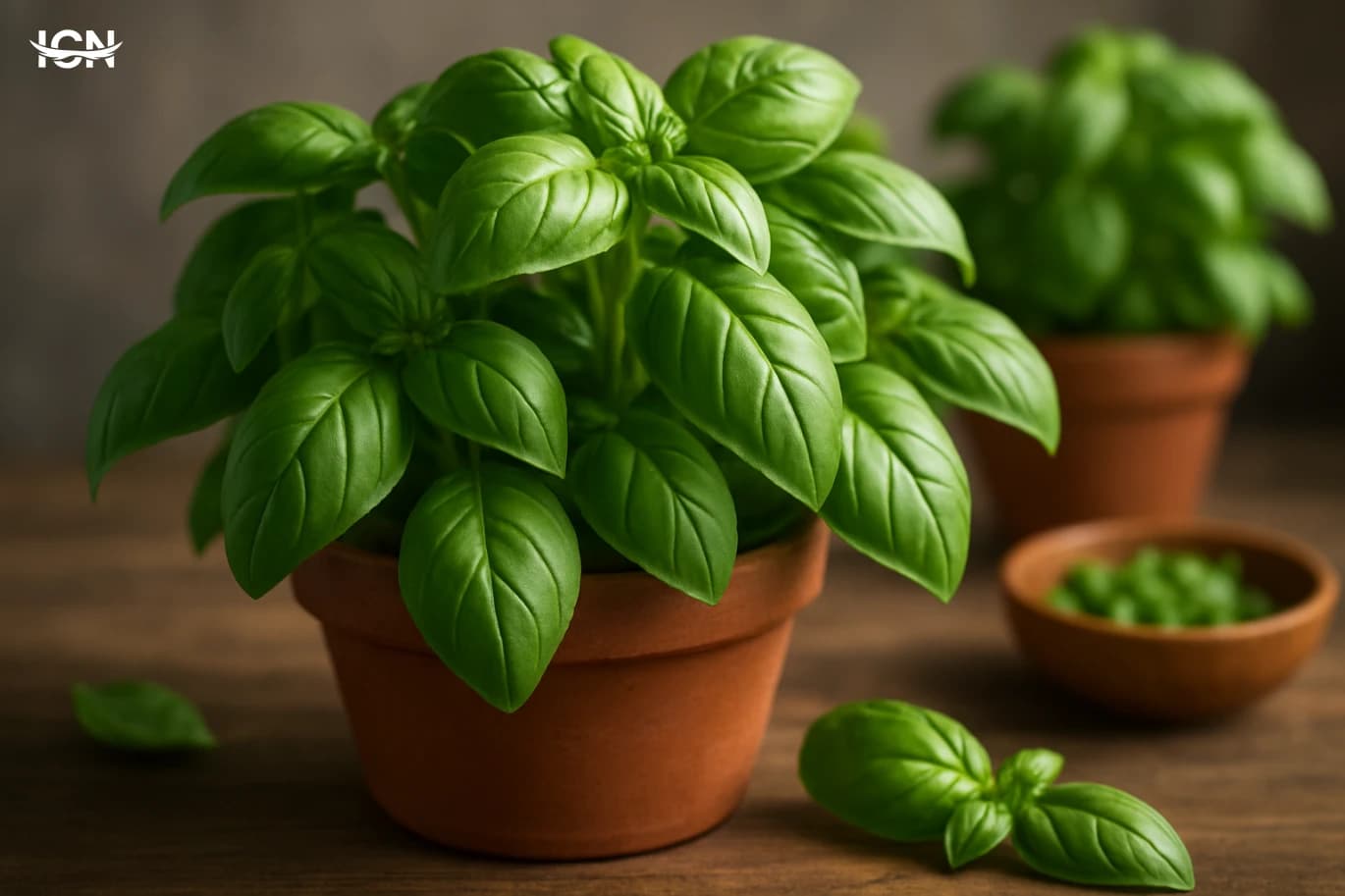
Basil behaves differently from most herbs because it is sensitive to cold. Refrigeration can cause black spots and limp leaves, especially if the bunch is damp. The most reliable approach is room-temperature storage: trim the stems, place them in a jar with a small amount of water, and keep the jar on a counter away from direct sun and heat sources. Covering basil tightly can trap moisture and encourage rot, so use a loose cover or none at all, depending on your kitchen humidity. Replace the water every couple of days and remove any leaves that start to darken. If your home is very warm, basil may still decline quickly; in that case, plan to use it within a few days and consider turning extra leaves into a quick herb paste with olive oil for short-term refrigeration.
Fridge Drawer Storage for Rosemary, Thyme, and Sage
Woody herbs like rosemary, thyme, oregano, and sage are tougher and usually store well in the refrigerator. The goal is to prevent them from drying into brittle needles while avoiding trapped moisture. Wrap the sprigs in a barely damp paper towel—damp, not wet—then place them in a partially closed bag or a container with a lid left slightly ajar. Store in the crisper drawer where humidity is higher and temperature is stable. Check once midweek: if the towel is dry, re-dampen it lightly; if it is wet, replace it. These herbs can often last 10–14 days with good texture, and their flavor remains strong for roasting vegetables, seasoning soups, and infusing oils.
bookmark
A practical way to reduce waste is to set a simple “herb checkpoint” routine. On the day you buy herbs, label the bag or jar with the date using a small sticker. Two days later, plan one meal that uses the most fragile herb first—usually cilantro, mint, or basil. Midweek, do a five-minute refresh: remove any damaged leaves, change jar water, and replace paper towels. If you still have a large amount by day five or six, switch from fresh use to preservation: chop and freeze in ice cube trays with water or broth for cooking, or blend with a neutral oil for quick weeknight flavor. This approach keeps herbs in rotation, prevents forgotten bunches from turning into compost, and ensures you always have a reliable supply for everyday cooking.