Lavender oil
- Introduction to lavender oil
- Lavender oil extraction methods
- Health benefits of lavender oil
- Cosmetic uses of lavender oil
- Side effects and warnings
Introduction to lavender oil
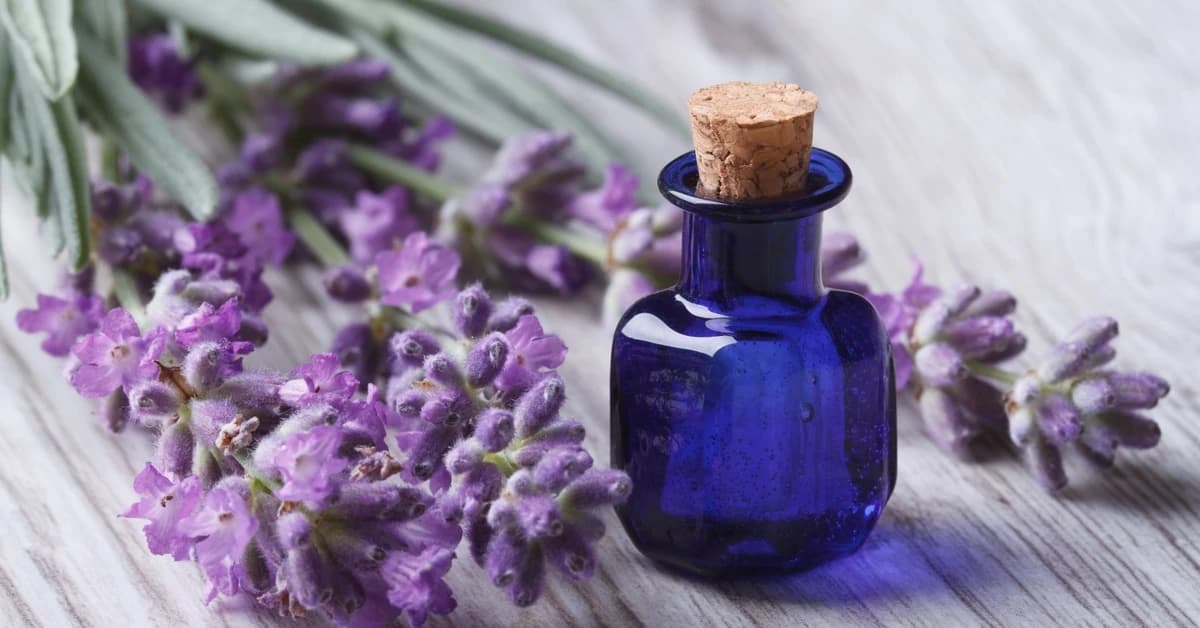
A. Definitions and origin of the oil Lavender oil is an essential oil extracted from the flowers of the lavender plant, which belongs to the Lamiaceae family. This oil is considered one of the most popular essential oils, thanks to its health and beauty benefits. for. A brief history and its traditional uses Historically, lavender oil has been used since ancient times in medicinal and therapeutic rituals. It was known for its ability to calm the nerves and promote relaxation. In traditional culture, people used it to treat headaches and relieve insomnia. It has also been used in perfumery and as an essential ingredient in cosmetics, making it a distinctive and highly valuable oil.
Lavender oil extraction methods
A. Steam Distillation Steam distillation is one of the most common methods for extracting lavender oil. Water vapor is passed through the flowers, which helps separate the essential oils. The resulting oils are collected after the condensation process, ensuring pure, high-quality oil. for. Modern methods of extraction Some factories use modern techniques such as solvent extraction or cold pressing to achieve better results. These methods allow the extraction of larger quantities of oil and preserve its aromatic properties. The use of these techniques makes it possible to produce lavender oil of excellent quality that rivals oils extracted by traditional methods.
Health benefits of lavender oil
A. Improving sleep quality and relaxation Lavender oil is known for its superior ability to improve sleep quality. Studies indicate that inhaling the scent of the oil can help relax and relieve stress, which enhances the process of sleeping naturally and peacefully. for. Anti-bacterial and anti-inflammatory properties In addition to its sleep-improving benefits, lavender oil also exhibits anti-bacterial and anti-inflammatory properties. It can be used on wounds and scrapes to speed up the healing process and prevent infections. Lavender oil is also a great natural option for supporting overall skin health.
Cosmetic uses of lavender oil
A. Skin and Hair Care Lavender oil is commonly used in skin and hair care products due to its amazing benefits. The oil helps moisturize the skin and acts as a natural soother, making it ideal for sensitive skin. It also promotes scalp health and stimulates hair growth, making it an ideal choice for those suffering from hair loss. for. Home recipes for personal care Lavender oil can be incorporated into many home recipes, such as mixing it with other oils or natural creams. It can be used as a massage oil to improve blood circulation and relieve stress. These uses make lavender oil an essential ingredient in your personal care routine.
Side effects and warnings
A. Groups that should be careful Some groups should be careful when using lavender oil. People who are allergic to essential oils or have a history of skin problems should consult a healthcare professional before use. It is also recommended not to be used by pregnant or breastfeeding women without medical advice. for. The correct way to use To avoid any unwanted side effects, lavender oil should be used diluted with carrier oils such as coconut oil or almond oil. The oil should also be tested on a small area of skin first to ensure that an allergic reaction does not occur before full use.