Growing Culinary Herbs on a Small Balcony
- Why balcony herbs work
- Choosing the right herbs
- Containers, soil, and drainage
- Light, watering, and daily care
- Harvesting for better flavor
- Common problems and quick fixes
Why balcony herbs work
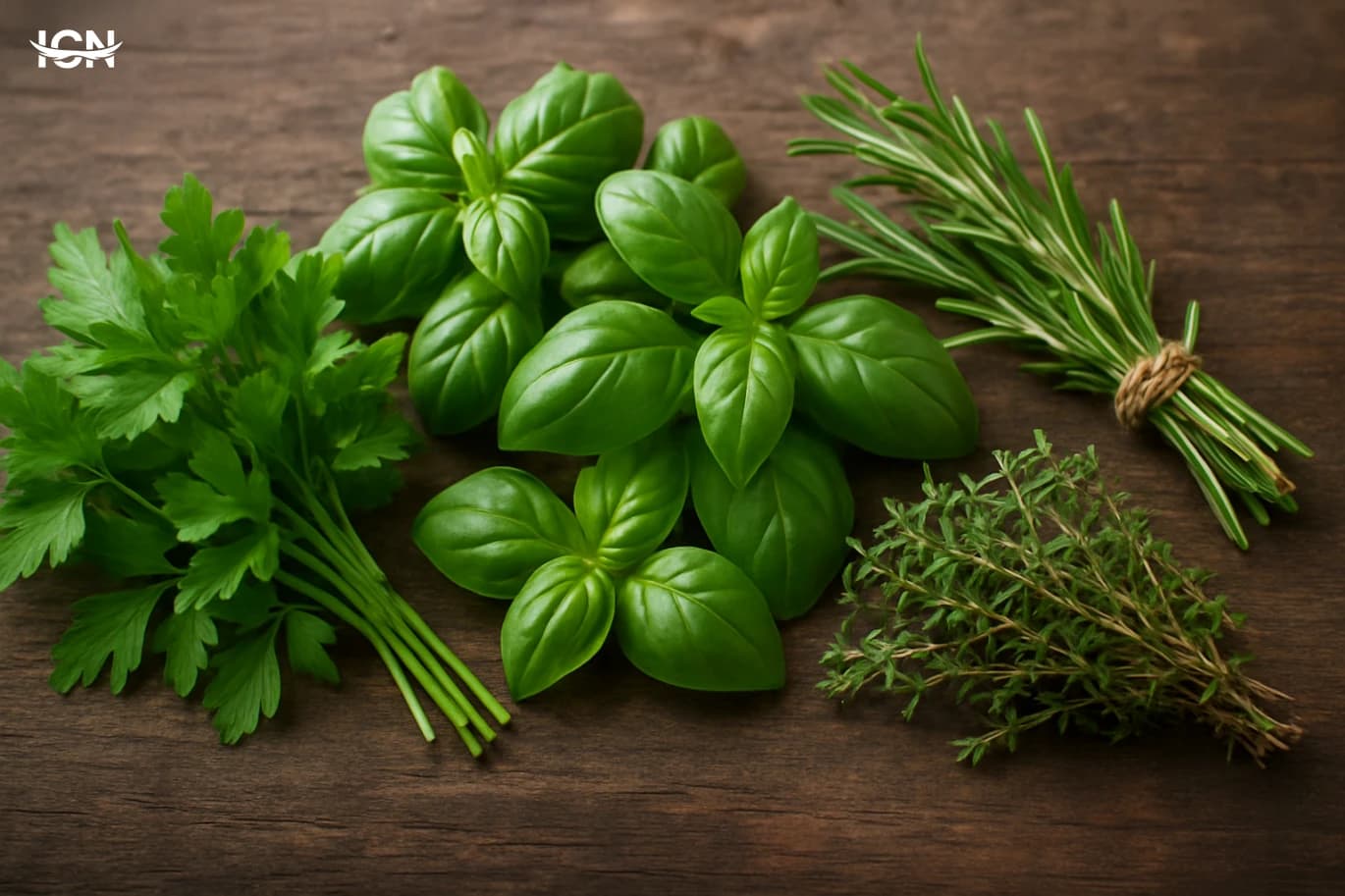
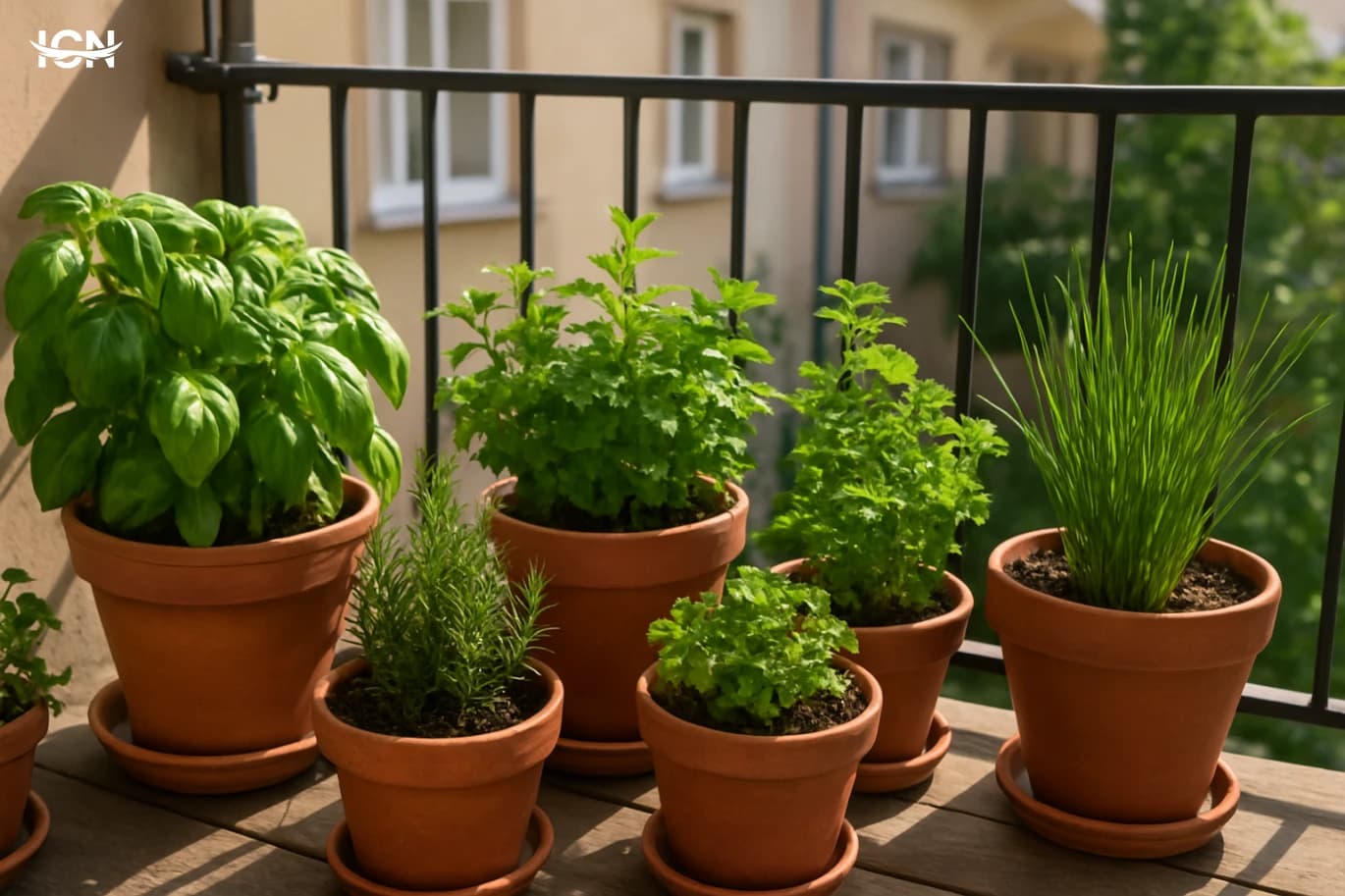
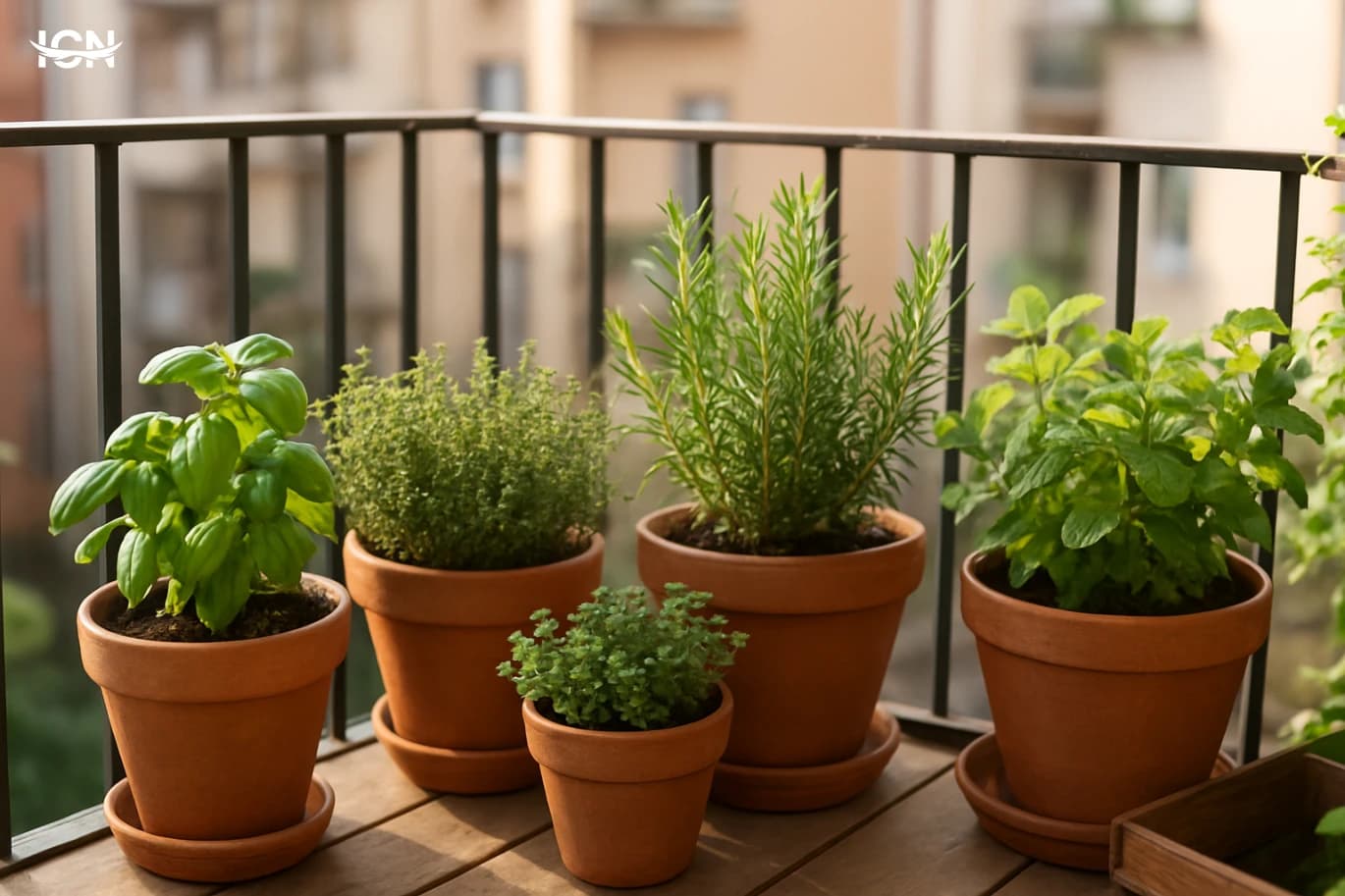
Balcony herb gardening succeeds because most kitchen herbs are compact, fast to harvest, and forgiving when grown in containers. Basil, mint, parsley, chives, thyme, rosemary, oregano, and cilantro can all produce usable leaves without needing a large yard. The key advantage is control: containers let you manage soil quality, drainage, and watering more precisely than in-ground beds. This matters for herbs because many prefer well-drained soil and dislike “wet feet,” especially rosemary and thyme. A small balcony also creates microclimates. A wall can reflect heat and extend the growing season, while an overhang can protect plants from heavy rain that can compact soil and encourage root problems. Even partial sun can be enough for several herbs: parsley and chives tolerate less light than basil. With a planned layout, you can harvest fresh flavor daily, reduce food waste by cutting only what you need, and keep herbs cleaner than store-bought bunches that often wilt quickly in the refrigerator.
Choosing the right herbs
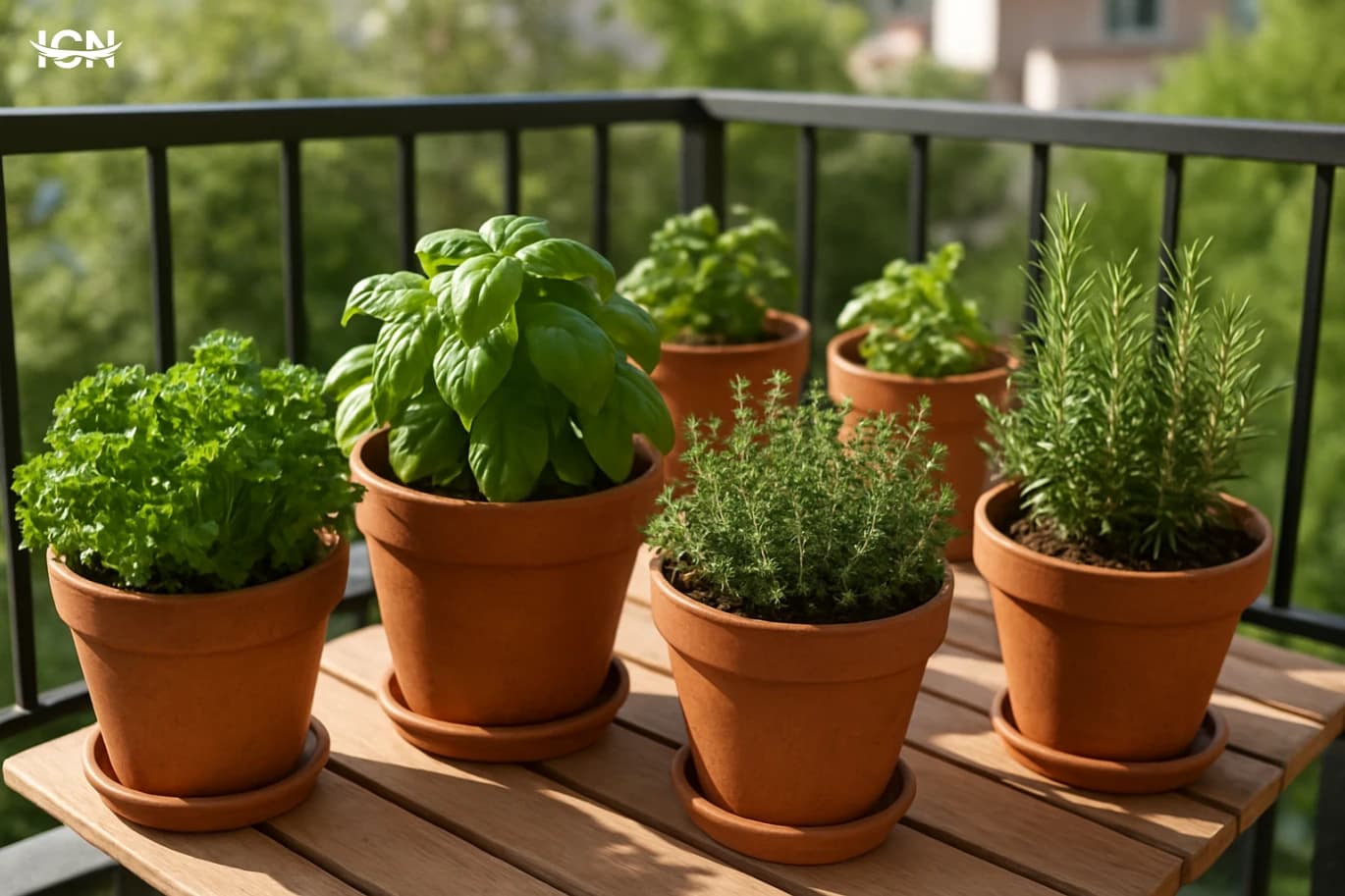
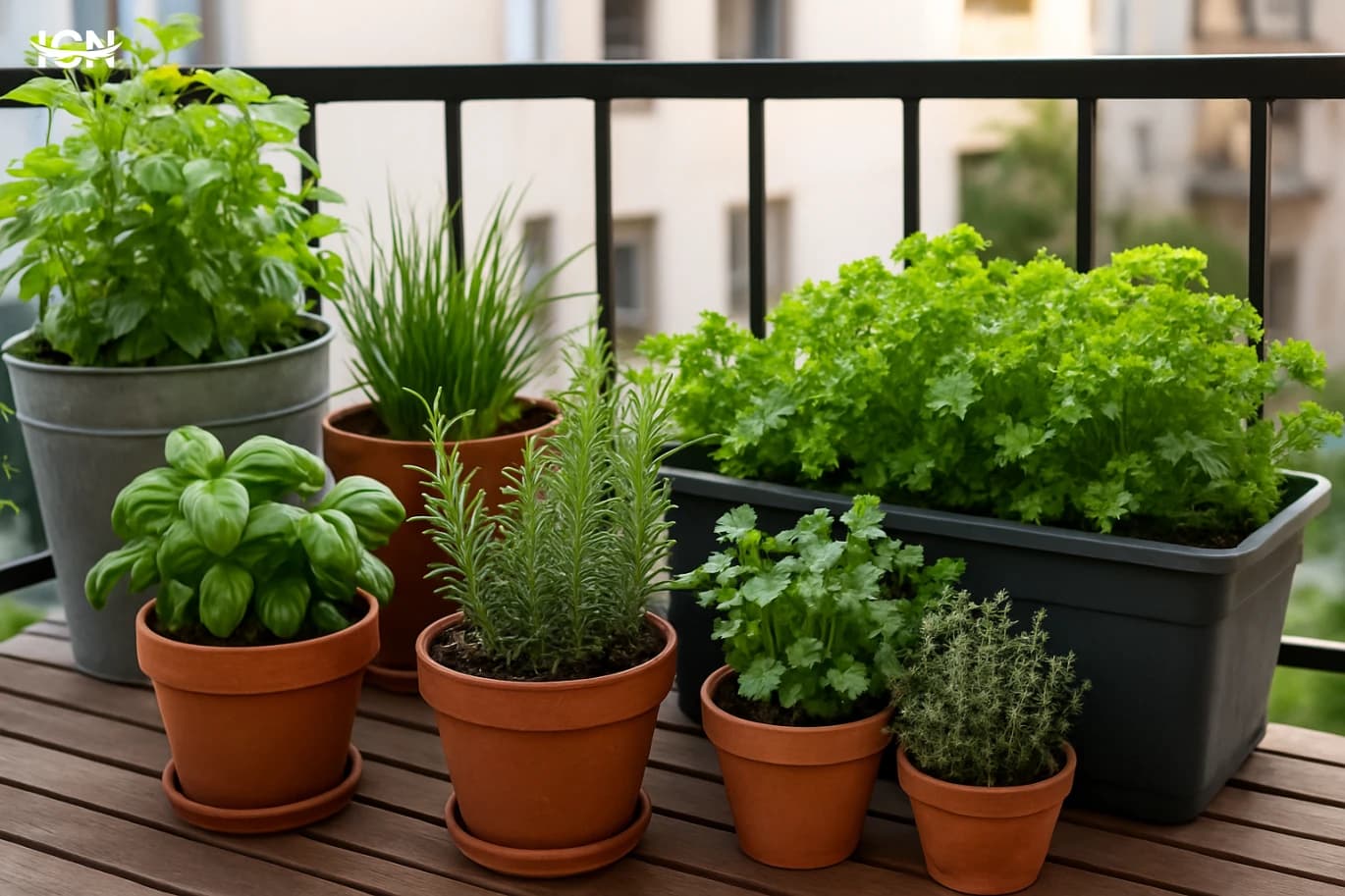
Start by matching herbs to your cooking habits and your balcony’s light. If you cook Mediterranean dishes, prioritize rosemary, thyme, oregano, and basil. For salads and quick sauces, parsley and chives are reliable. For teas and desserts, mint is productive but needs strict containment. Cilantro is excellent for many cuisines, yet it bolts in heat, so it performs best in cooler months or in a spot with afternoon shade. Also consider growth style. Upright herbs like rosemary and thyme can sit at the back of a shelf or along the wall. Spreading herbs like oregano can cascade from a railing planter. Mint should be grown alone in its own pot because it spreads aggressively and can crowd out neighbors. If you want a “cut-and-come-again” supply, choose herbs that respond well to frequent harvesting: basil, chives, mint, and parsley. If you prefer low maintenance, woody herbs like rosemary and thyme need less frequent watering once established, but they require excellent drainage and do not like heavy, water-retentive soil.
Containers, soil, and drainage
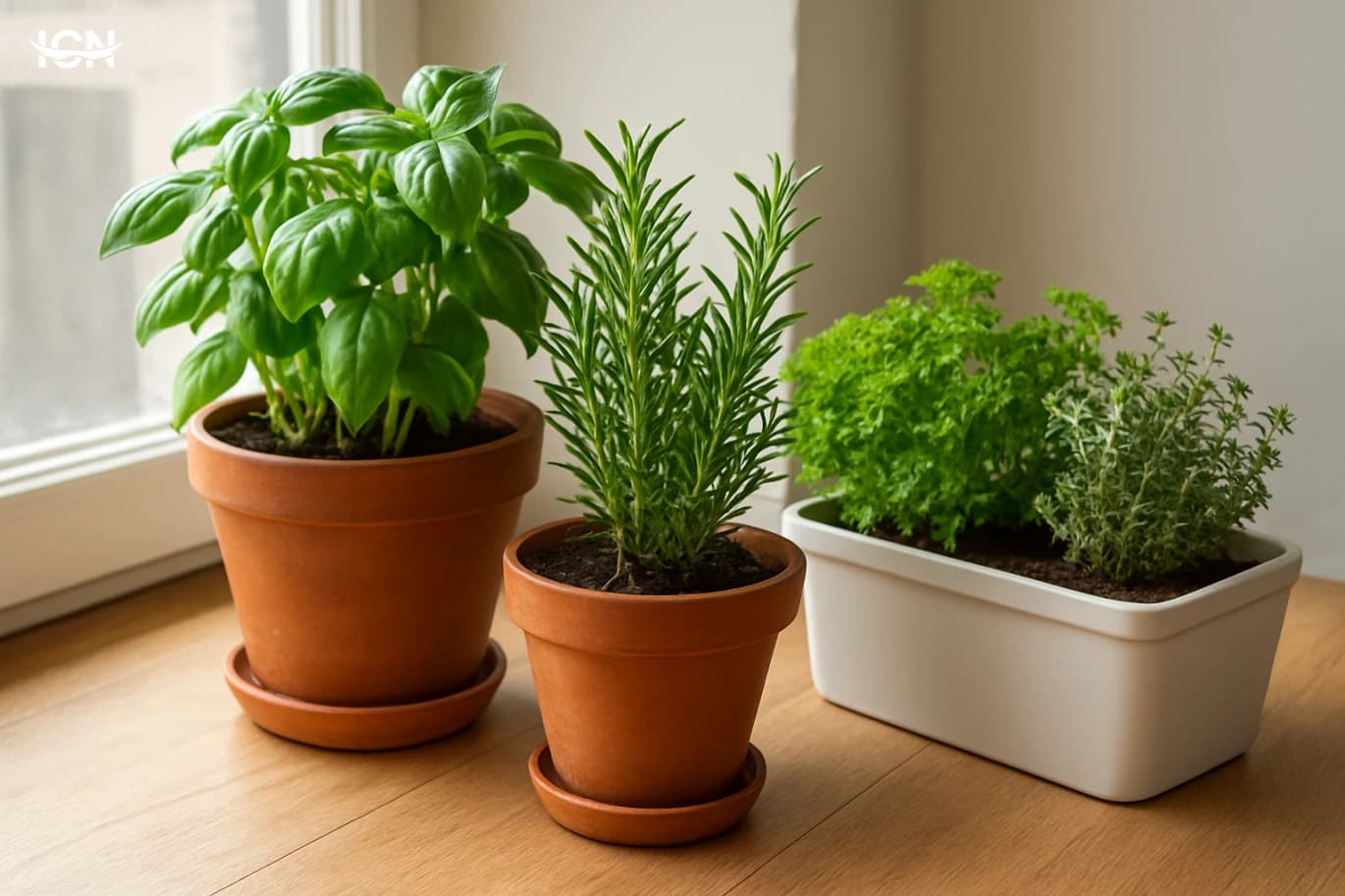
Container choice determines how stable your herb garden will be. For most herbs, a pot 20–30 cm wide is a practical minimum; rosemary and mint benefit from larger volumes because they develop stronger root systems. Use pots with drainage holes, and add a saucer only if you empty it after watering. Standing water is a common cause of yellow leaves and slow growth. Use a high-quality potting mix rather than garden soil. Potting mix stays lighter, drains better, and reduces compaction. A simple, effective approach is an all-purpose potting mix amended with 10–20% perlite for extra drainage, especially for rosemary, thyme, and oregano. Avoid adding sand from unknown sources, which can carry salts or contaminants and may not improve drainage in a container. If you want to grow multiple herbs in one long planter, group herbs with similar water needs: basil and parsley together; rosemary, thyme, and oregano together; mint alone. Fertilizing should be modest. Too much nitrogen can produce large, watery leaves with weaker flavor, especially in basil. A balanced liquid fertilizer at half strength every 3–4 weeks during active growth is usually enough, or a slow-release organic fertilizer mixed into the top layer. Always water first, then fertilize, to reduce stress on roots.
Light, watering, and daily care
Light is the main driver of flavor and growth. Aim for 4–6 hours of sun for most culinary herbs, with basil preferring the higher end. If your balcony gets strong afternoon sun and heat, provide light shade for cilantro and parsley to slow bolting and leaf toughening. Rotate pots every week so plants grow evenly rather than leaning toward the light. Watering is best done by checking the soil, not the calendar. Insert a finger 2–3 cm into the mix: if it feels dry, water thoroughly until water drains from the bottom. In hot weather, small pots may need daily watering; in cooler periods, every few days may be enough. Early morning watering reduces evaporation and helps leaves dry quickly. Avoid frequent shallow watering, which keeps roots near the surface and makes plants less resilient. Wind can dry containers quickly and damage tender stems. If your balcony is exposed, place pots behind a screen, a row of sturdier plants, or a railing barrier. Regularly remove yellowing leaves and pinch back basil tips to encourage branching. For mint, frequent cutting keeps it compact and prevents it from becoming leggy.
Harvesting for better flavor
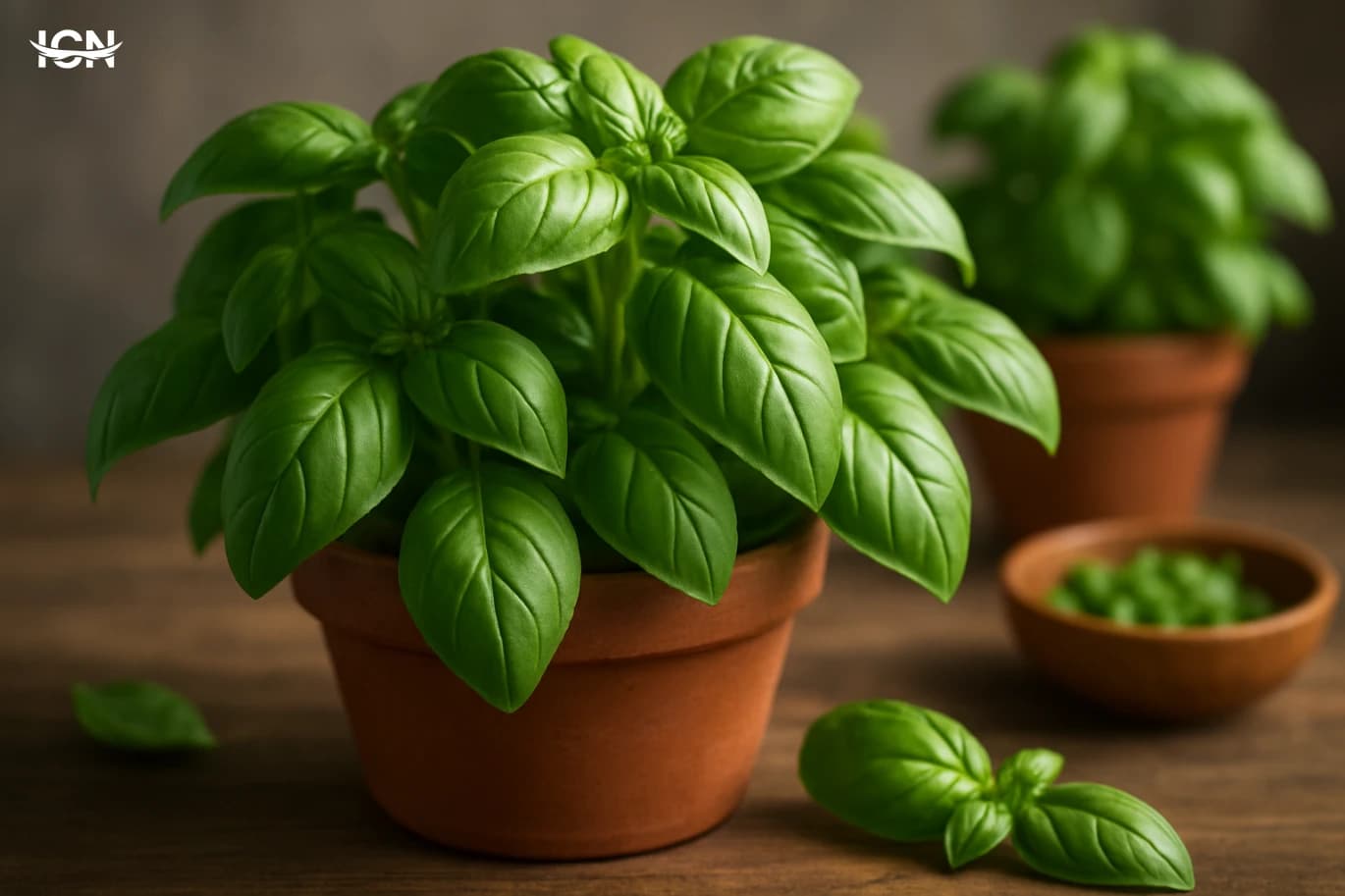
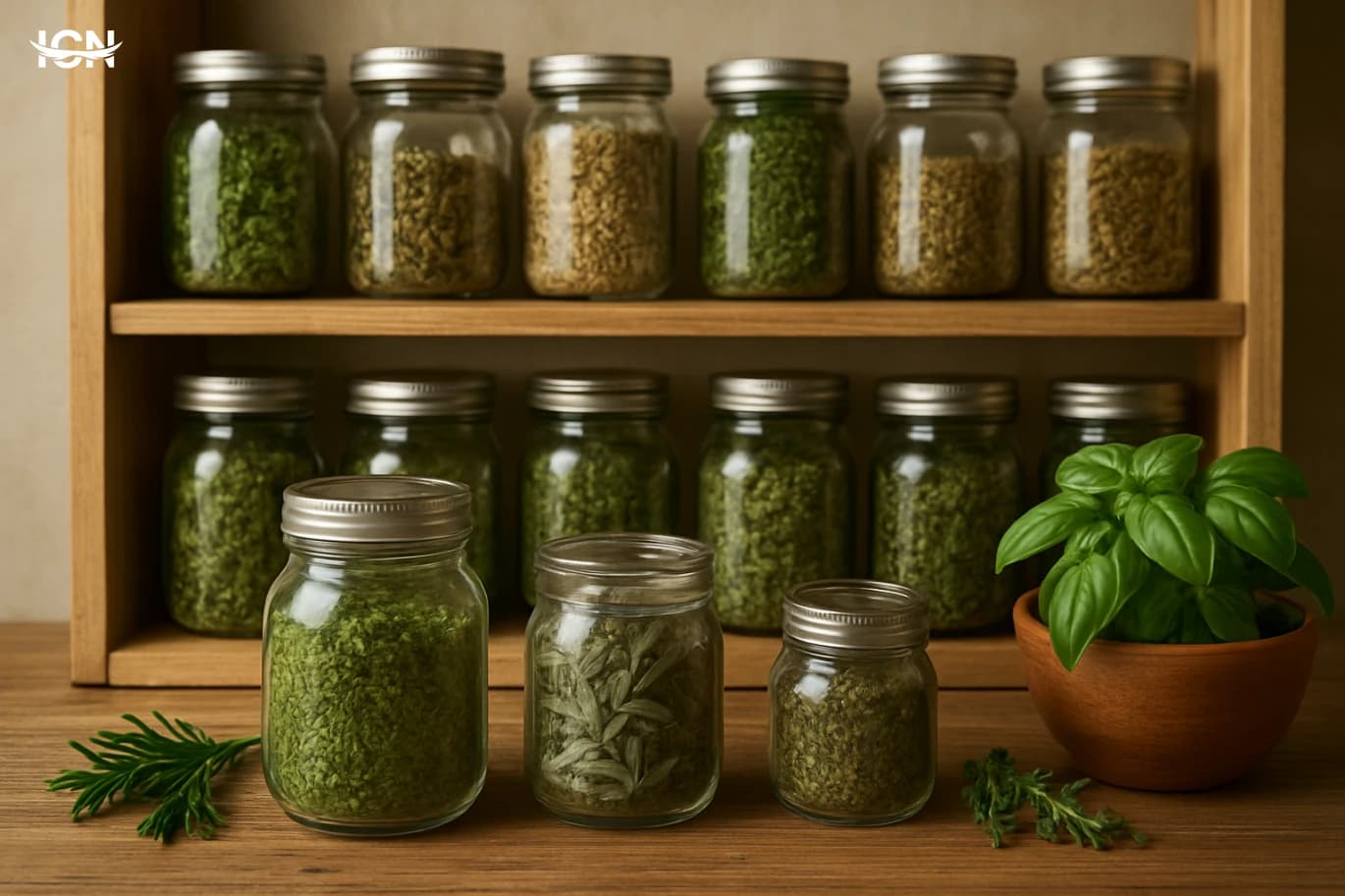
Harvesting is not only about taking leaves; it shapes the plant and improves quality. For basil, start harvesting once the plant has at least 6–8 sets of leaves. Cut above a leaf node to encourage two new branches. Regular harvesting prevents flowering, which can reduce leaf tenderness. For parsley, cut outer stems at the base and leave the center to keep producing. For chives, cut leaves 2–3 cm above the soil so they regrow quickly. Woody herbs require a lighter touch. For rosemary and thyme, snip small sprigs and avoid cutting into old, leafless wood, which may not resprout well. Oregano responds well to trimming and can be cut back by one-third during active growth to keep it bushy. Plan your harvest around cooking. Wash only what you will use immediately; excess moisture shortens shelf life. If you need to store herbs, wrap them in a dry paper towel and place them in a container in the refrigerator. For longer storage, freeze chopped herbs in ice cube trays with water or olive oil, labeling each tray to avoid mix-ups.
Common problems and quick fixes
Yellow leaves usually point to watering issues. If the soil stays wet and the pot feels heavy, reduce watering and confirm that drainage holes are not blocked. If the soil dries out completely between waterings, increase frequency or move to a larger pot that holds moisture more evenly. Pale, slow growth can indicate low light or depleted nutrients; move the plant to a brighter spot and feed lightly. Leggy herbs with long stems and sparse leaves are typically a sign of insufficient light or infrequent harvesting. Rotate the pot, increase sun exposure if possible, and trim back to encourage branching. For cilantro that bolts quickly, sow small batches every 2–3 weeks during cooler periods and provide afternoon shade. Pests on balcony herbs are often manageable with simple steps. Rinse leaves with a gentle stream of water to dislodge aphids, and remove heavily affected tips. Improve airflow by spacing pots and avoiding overcrowding. If you use any soap spray, test on a small section first and apply in the evening to reduce leaf stress. Consistent care, clean tools, and regular inspection are usually enough to keep a compact balcony herb garden productive throughout the season.