Growing Basil for Better Flavor at Home
- Why Basil Deserves a Spot on Your Windowsill
- Choosing the Right Variety for Your Kitchen
- Light, Soil, and Containers That Actually Work
- Watering and Feeding Without Overdoing It
- Pruning and Harvesting for Maximum Aroma
- Common Issues and Simple Fixes
Why Basil Deserves a Spot on Your Windowsill
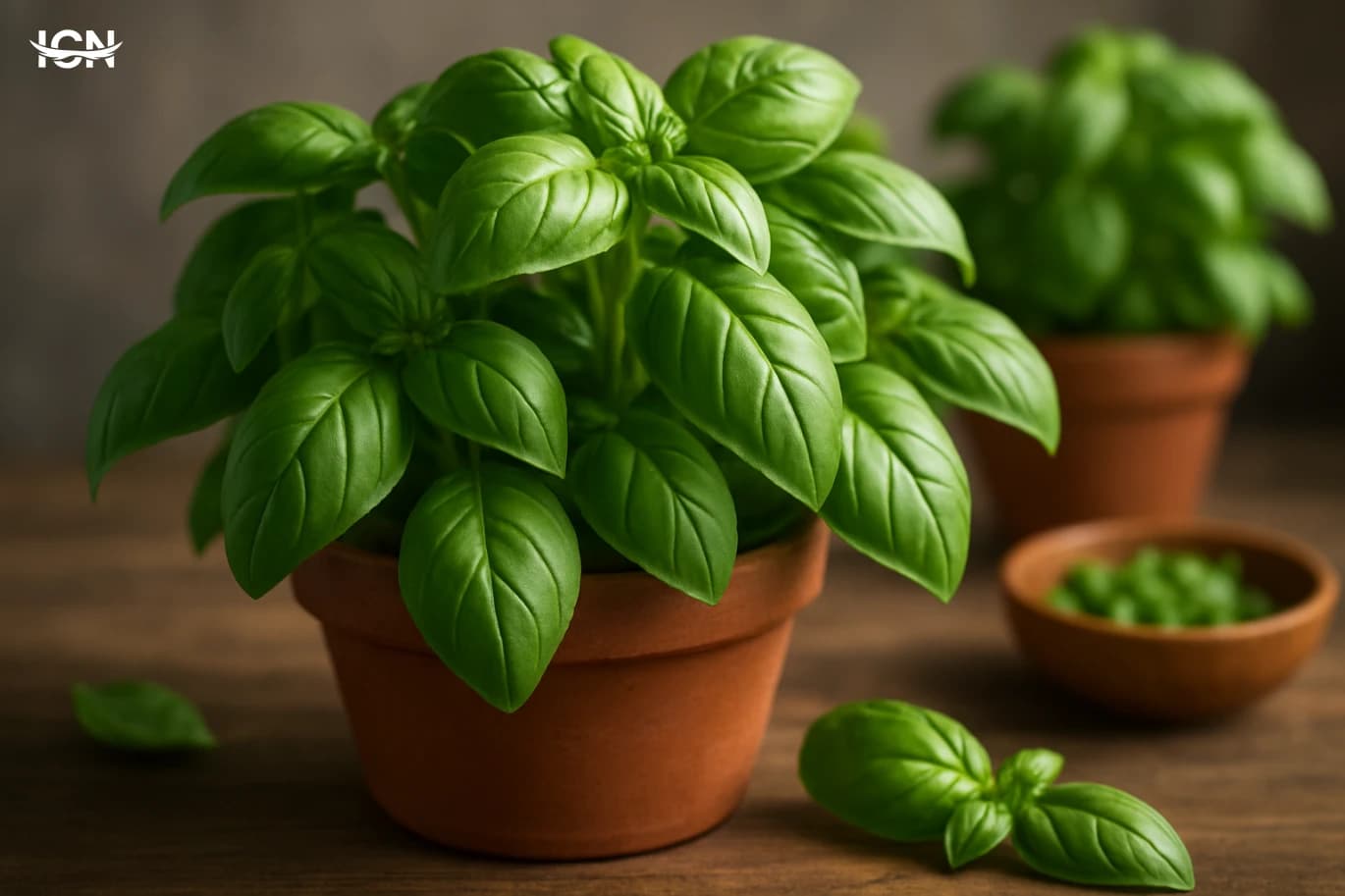
Basil is one of the most rewarding culinary herbs to grow at home because the difference between freshly picked leaves and store-bought bunches is immediate. Fresh basil has brighter aroma, cleaner sweetness, and less of the dull, grassy note that can appear after days in transit and refrigeration. It also grows quickly, so even a small pot can provide regular harvests for salads, pasta, sandwiches, and simple tomato dishes. Home growing also solves common quality issues: supermarket basil is often cut too early, stored too cold, or sold in crowded clamshells that trap moisture and encourage leaf spotting. With a windowsill plant, you control light, watering, and harvest timing. That control is what turns basil from an occasional garnish into a dependable ingredient you can use several times a week without waste.
Choosing the Right Variety for Your Kitchen
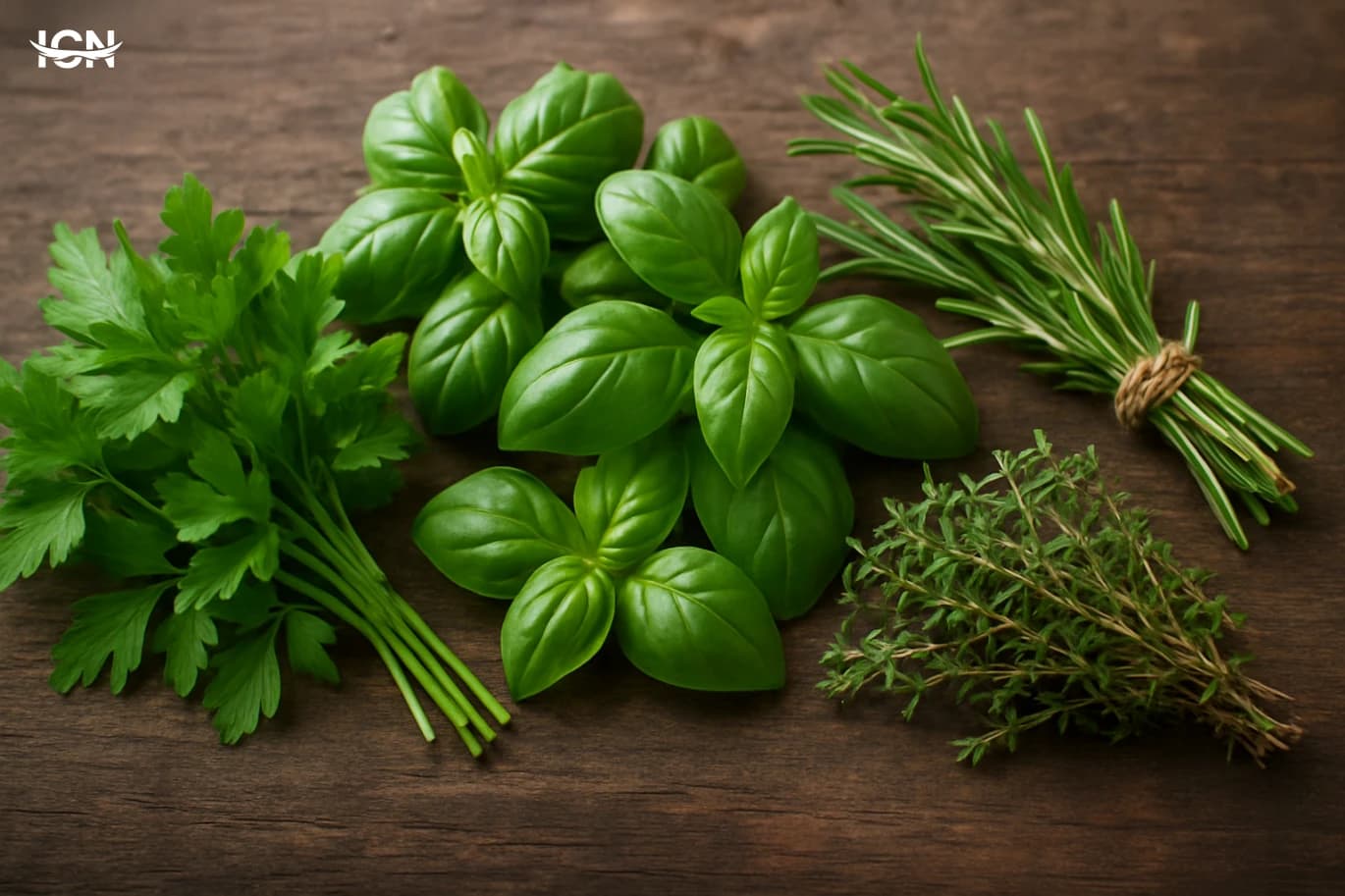
Not all basil tastes or behaves the same, and selecting a variety that matches your cooking habits makes home growing easier. Sweet (Genovese) basil is the classic choice for pesto, caprese-style salads, and most Mediterranean dishes. It has large, tender leaves and a balanced clove-like aroma. If you cook Southeast Asian recipes, Thai basil is worth growing; it has narrower leaves, sturdier stems, and a more anise-like flavor that holds up well in stir-fries and soups. For small spaces, compact varieties such as Greek basil or dwarf basil stay bushy and manageable, which reduces the need for frequent pruning. Purple basil adds color and a slightly spicier note, but it can be slower in low light. Lemon basil brings a citrus edge that works well in fish dishes and summer drinks. A practical approach is to grow one “daily use” plant (sweet basil) and one “specialty” plant that fits your favorite cuisine, so you get both reliability and variety without crowding your windowsill.
Light, Soil, and Containers That Actually Work
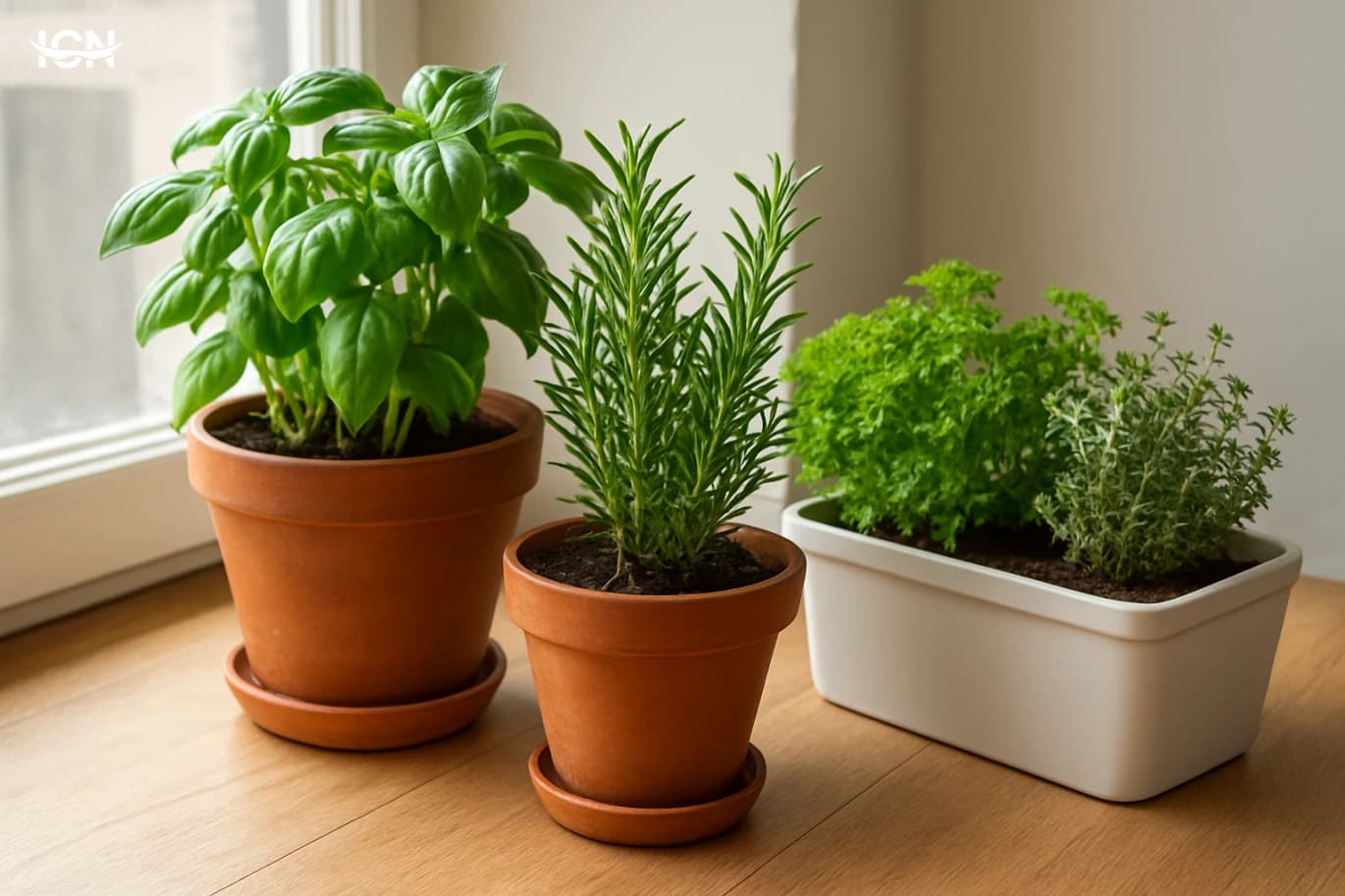
Basil’s flavor and growth depend heavily on light. Aim for 6–8 hours of strong light daily. A bright south- or west-facing window is ideal; if your home is dim, a simple LED grow light placed 15–30 cm above the plant can prevent leggy stems and pale leaves. Rotate the pot every few days so the plant grows evenly rather than leaning toward the window. Use a container with drainage holes; basil dislikes sitting in water. A pot around 15–20 cm wide is a good starting size for one plant, giving roots room to expand without staying wet for too long. For soil, choose a light potting mix that drains well. If the mix feels heavy, blend in perlite or coarse coconut coir to improve airflow around roots. Basil prefers slightly moist soil, not soggy soil. A simple test is to water when the top 2–3 cm feels dry; then water thoroughly until excess drains out. Avoid placing basil directly above a heater or next to a cold drafty window in winter. Temperature swings can slow growth and reduce aroma. A stable indoor range around 18–26°C supports steady leaf production and better essential oil development, which is what you taste when you tear a fresh leaf.
Watering and Feeding Without Overdoing It
Most basil problems at home come from inconsistent watering. If the plant repeatedly dries out completely, leaves can turn tough and growth slows. If it stays wet, roots struggle and leaves may droop even though the soil looks moist. The goal is steady moisture with good drainage. Water in the morning when possible, and avoid splashing the leaves; wet foliage in low airflow can encourage spotting. Basil is not a heavy feeder, but it benefits from light, regular nutrition in containers because potting mixes lose nutrients over time. A balanced liquid fertilizer diluted to half strength every 2–3 weeks during active growth is usually enough. If you prefer organic options, a small top-dressing of compost or worm castings can provide gentle feeding, but keep it modest to avoid compacting the soil. Watch the plant for signals. Pale new leaves can indicate low light or low nitrogen. Very dark, soft growth can mean too much fertilizer or too little light. Adjust one variable at a time so you can see what actually improves the plant. This simple discipline is what keeps basil productive for months rather than a few weeks.
Pruning and Harvesting for Maximum Aroma
Harvesting basil correctly is the fastest way to get a fuller plant and better flavor. Instead of plucking random leaves, cut the stem just above a pair of leaf nodes (where two leaves grow opposite each other). This encourages the plant to branch into two new stems, creating a bushier shape and more harvest points. Start pruning once the plant has at least 15–20 cm of growth and several sets of true leaves. Remove flower buds as soon as you see them. When basil flowers, the plant shifts energy away from leaf production, and the leaves can become smaller and less tender. Pinching buds early keeps the plant focused on foliage. For the best aroma in the kitchen, harvest in the morning after the plant has hydrated, and use the leaves soon after picking. If you need to store them briefly, keep stems in a glass of water at room temperature; refrigeration can darken leaves and mute flavor. A practical weekly routine is to harvest the top 5–10 cm from several stems, rather than stripping one stem bare. This spreads stress across the plant and keeps growth balanced, giving you steady supply and consistently fragrant leaves.
Common Issues and Simple Fixes
Leggy, tall basil with wide gaps between leaves usually means insufficient light. Move it to a brighter window, add a grow light, and prune back to encourage branching. Yellowing lower leaves can be normal as the plant grows, but widespread yellowing often points to overwatering or poor drainage. Let the top layer dry slightly between waterings and confirm that excess water can escape the pot. If leaves develop brown edges, check for underwatering, hot dry air, or salt buildup from fertilizer. Flush the pot with plain water every few weeks by watering thoroughly until plenty drains out, which helps remove excess salts. Small holes or ragged edges can come from indoor pests like aphids or fungus gnats. Inspect the undersides of leaves and the soil surface. A gentle rinse in the sink and improved airflow can reduce minor infestations; sticky traps can help with gnats. Finally, if basil suddenly collapses after looking fine, consider root crowding or a pot that stays wet too long. Repot into a slightly larger container with fresh, airy mix. These adjustments are straightforward, and they usually restore growth within two to three weeks, especially when combined with consistent light and careful harvesting.