Growing Culinary Herbs in Small Apartments
- Why apartment herb gardens work
- Choosing herbs for your light
- Containers, soil, and drainage basics
- Watering, feeding, and everyday care
- Harvesting for flavor and regrowth
- Troubleshooting common indoor issues
Why apartment herb gardens work
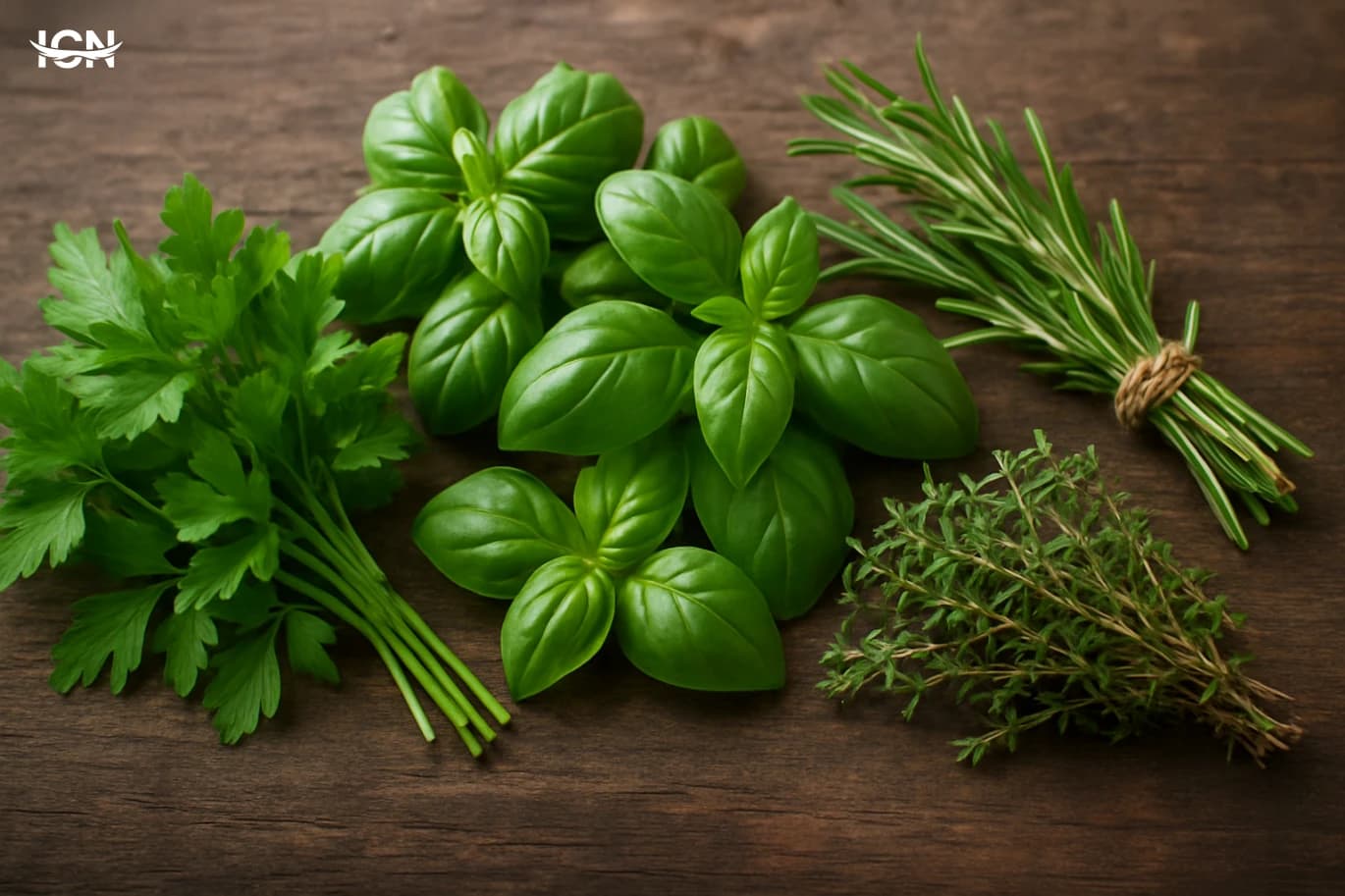
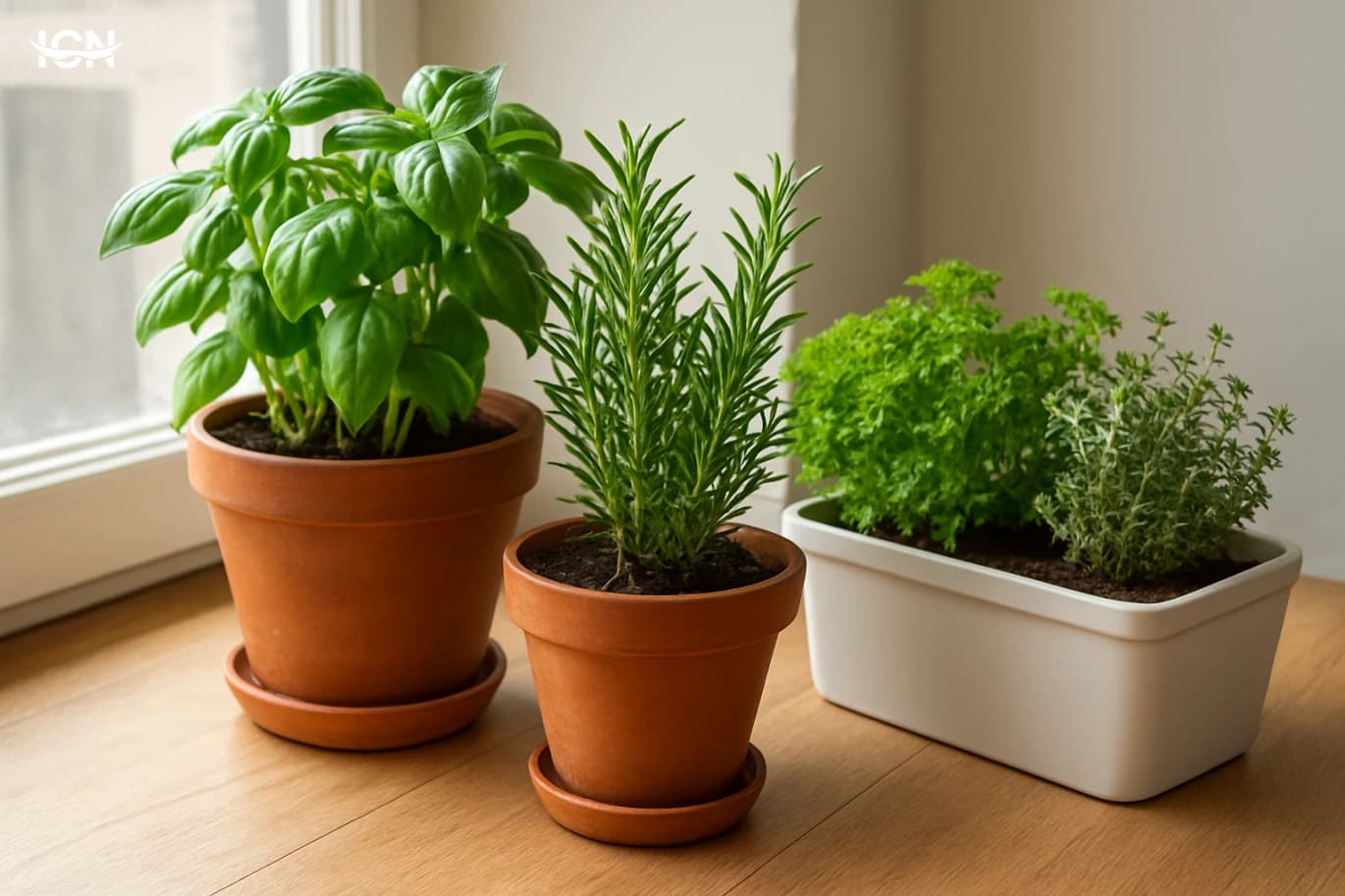
Apartment herb gardens succeed because most culinary herbs are compact, fast-growing, and forgiving when harvested regularly. Basil, mint, parsley, chives, thyme, and oregano can thrive in containers on a bright windowsill or under a simple LED grow light. Unlike many vegetables, herbs do not require large root zones to produce usable leaves, and you can harvest small amounts weekly without waiting for a full “crop.” This makes them practical for renters and anyone with limited space. A small indoor setup also gives you control over temperature, watering, and pests. You avoid sudden outdoor heat waves, heavy rain, and soil-borne problems that can ruin tender leaves. With clean pots, fresh potting mix, and a consistent routine, you can produce herbs that are fresher than store-bought bunches and reduce food waste by cutting only what you need for a meal. The key is choosing the right herbs for your light and committing to simple maintenance rather than complex equipment.
Choosing herbs for your light
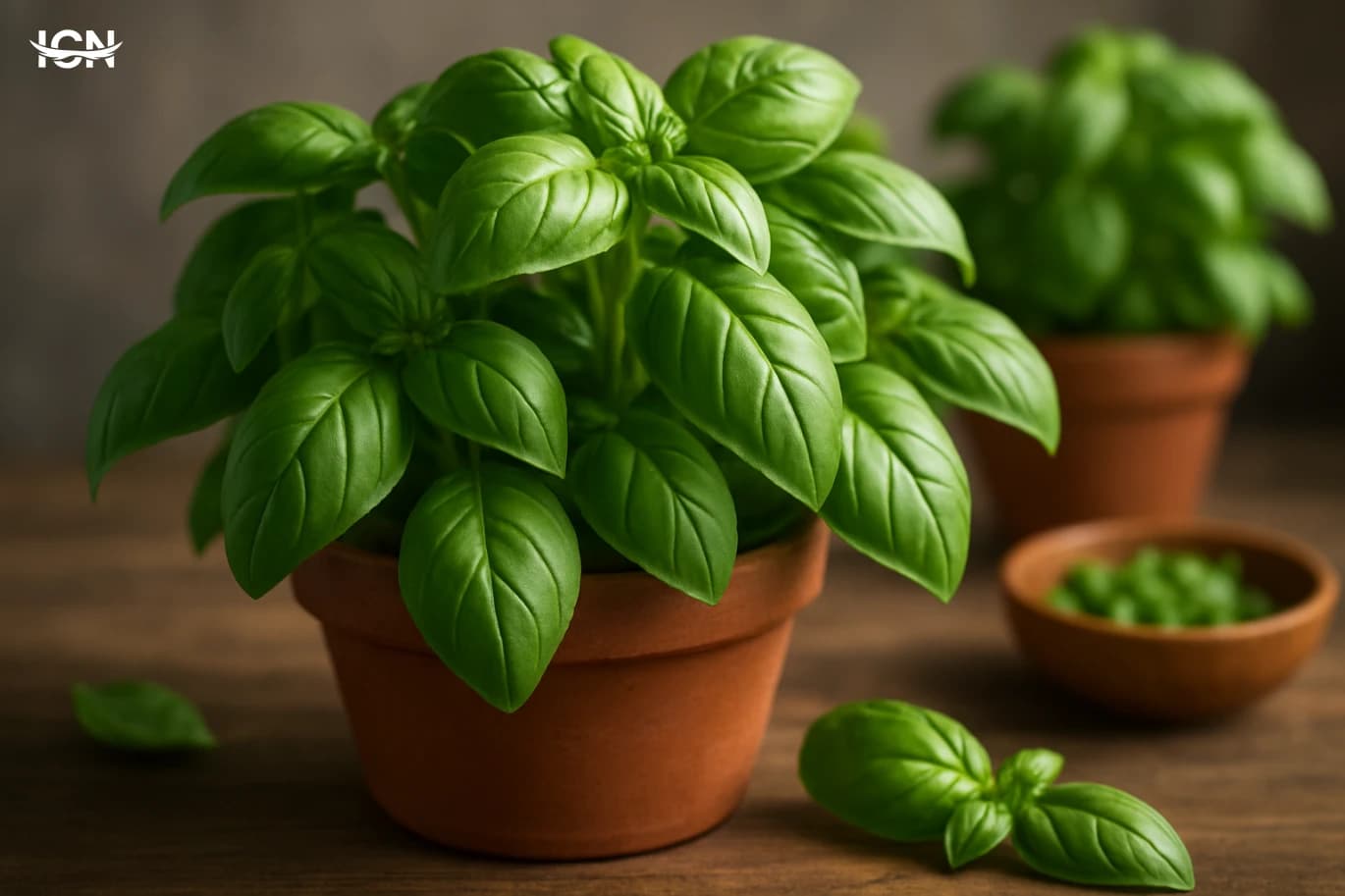
Light is the main factor that determines which herbs will perform well indoors. If you have a south- or west-facing window with several hours of direct sun, you can grow sun-loving herbs such as basil, thyme, oregano, rosemary, and sage. These plants develop better flavor when they receive strong light and moderate drying between waterings. In bright conditions, basil can be harvested weekly, while woody herbs like thyme and rosemary grow more slowly but stay productive for months. If your apartment has an east-facing window or mostly bright indirect light, focus on herbs that tolerate lower intensity. Parsley, cilantro, chives, and mint can do well with gentler light, especially if you rotate pots to keep growth even. Mint is vigorous and best kept in its own pot to prevent it from crowding other herbs. If natural light is limited, a small full-spectrum LED panel placed 20–30 cm above the plants for 12–14 hours per day can make a major difference. In that case, you can grow a wider range of herbs and keep them productive through darker seasons. When buying seedlings, choose compact, healthy plants with firm stems and no white crust on the soil surface. Avoid pots that are already root-bound, because stressed roots slow growth and reduce aroma. For grocery-store “living herb” pots, treat them as multiple crowded seedlings: divide them into two or three pots within a week so each plant has space and airflow.
Containers, soil, and drainage basics
A reliable container setup prevents most indoor herb problems. Choose pots with drainage holes; if you prefer decorative cachepots, keep the herb in a plastic nursery pot inside the outer cover so excess water can be emptied. For most herbs, a 12–18 cm pot is a good starting size, while rosemary and mint often benefit from 18–22 cm as they mature. Shallow pots dry too quickly, and oversized pots can stay wet for too long, increasing the risk of root stress. Use a quality potting mix designed for containers rather than garden soil. Potting mix is lighter, drains better, and reduces compaction indoors. Many growers add 10–20% perlite to improve airflow around roots, which helps prevent slow growth and yellowing leaves. Avoid heavy mixes that stay soggy, especially for thyme, oregano, and rosemary, which prefer drier conditions. Drainage is not only about holes; it is also about how you water. Water thoroughly until a small amount drains out, then empty the saucer after 10 minutes. This flushes salts and ensures the full root zone is moistened. If you water in tiny sips every day, roots stay near the surface and plants become weak. A simple moisture check is to insert a finger 2–3 cm into the soil: if it feels dry at that depth, it is time to water for most herbs. For basil and parsley, keep soil slightly more consistently moist, while thyme and rosemary should dry more between waterings.
Watering, feeding, and everyday care
Indoor herbs fail more often from watering mistakes than from lack of fertilizer. Build a routine based on plant type and season. In warmer months or in heated apartments, pots dry faster; in cooler months, growth slows and soil stays wet longer. Adjust by checking moisture rather than following a fixed calendar. Signs of overwatering include drooping with wet soil, yellowing lower leaves, and a dull smell from the pot. Underwatering shows up as dry, crispy leaf edges and soil pulling away from the pot sides. Fertilizing should be light and consistent. Because you are harvesting leaves, a mild balanced liquid fertilizer used at half strength every 3–4 weeks during active growth is usually enough. Overfeeding can reduce aroma and cause soft, weak stems. If you prefer an organic approach, a small top-dressing of compost or worm castings every 6–8 weeks can support steady growth without spikes. Airflow and cleanliness matter indoors. Keep leaves from touching cold window glass in winter, and avoid placing herbs directly above heating vents. Rotate pots weekly so plants grow evenly. Remove yellow leaves promptly to reduce mold risk. If you see small flying insects, let the top layer of soil dry more between waterings and use yellow sticky traps near the pots. For persistent issues, repotting into fresh mix and cleaning the saucer often solves the problem without complicated treatments.
Harvesting for flavor and regrowth
Harvesting is not only the reward; it is part of how herbs stay productive. For basil, pinch stems just above a pair of leaves to encourage branching. Regular pinching prevents tall, sparse growth and keeps leaves tender. If basil starts forming flower buds, remove them early to keep the plant focused on leaf production. For parsley and cilantro, harvest outer stems at the base rather than cutting the center. This protects the growing point and allows continuous regrowth. Chives can be cut 2–3 cm above the soil, and they will resprout quickly. For woody herbs like thyme, oregano, and rosemary, take small sprigs and avoid cutting into old, leafless wood, which regrows slowly indoors. Plan harvests around cooking habits. A practical approach is to keep two “fast use” herbs such as basil and parsley closest to the kitchen, and place slower growers like rosemary slightly farther away. Store cut herbs properly: wrap stems in a paper towel and place them in a container in the refrigerator, or keep basil stems in a small glass of water at room temperature for a day or two. This preserves aroma and reduces the temptation to overharvest from the plant.
Troubleshooting common indoor issues
Leggy, pale growth usually means insufficient light. Move the pot closer to the window, clean the glass to improve light transmission, or add an LED grow light. Also pinch back stems to force branching. If leaves are curling or developing dry spots, check for heat stress from radiators or direct hot air and increase spacing between pots for better airflow. If you notice a white film on leaves, it can be powdery mildew, which is encouraged by stagnant air and wet foliage. Improve ventilation, water at the soil level, and remove the most affected leaves. For sticky leaves or tiny clusters on stems, inspect for aphids. A strong rinse in the sink and wiping leaves with a damp cloth often controls small outbreaks. Repeat every few days and isolate the plant from others until the problem is gone. Slow growth with a sour smell from the soil points to poor drainage or an old, compacted mix. Repot into fresh potting mix, trim any dark, mushy roots, and reduce watering frequency. Finally, if herbs taste weak, the cause is often low light or overfertilizing. Increase light intensity, harvest more regularly, and keep feeding mild. These adjustments typically restore flavor within a few weeks.