Growing Culinary Herbs on a Sunny Balcony
- Why balcony herbs work
- Choosing the right herbs
- Containers, soil, and drainage
- Watering and feeding routines
- Pruning, harvesting, and flavor
- Common problems and quick fixes
Why balcony herbs work
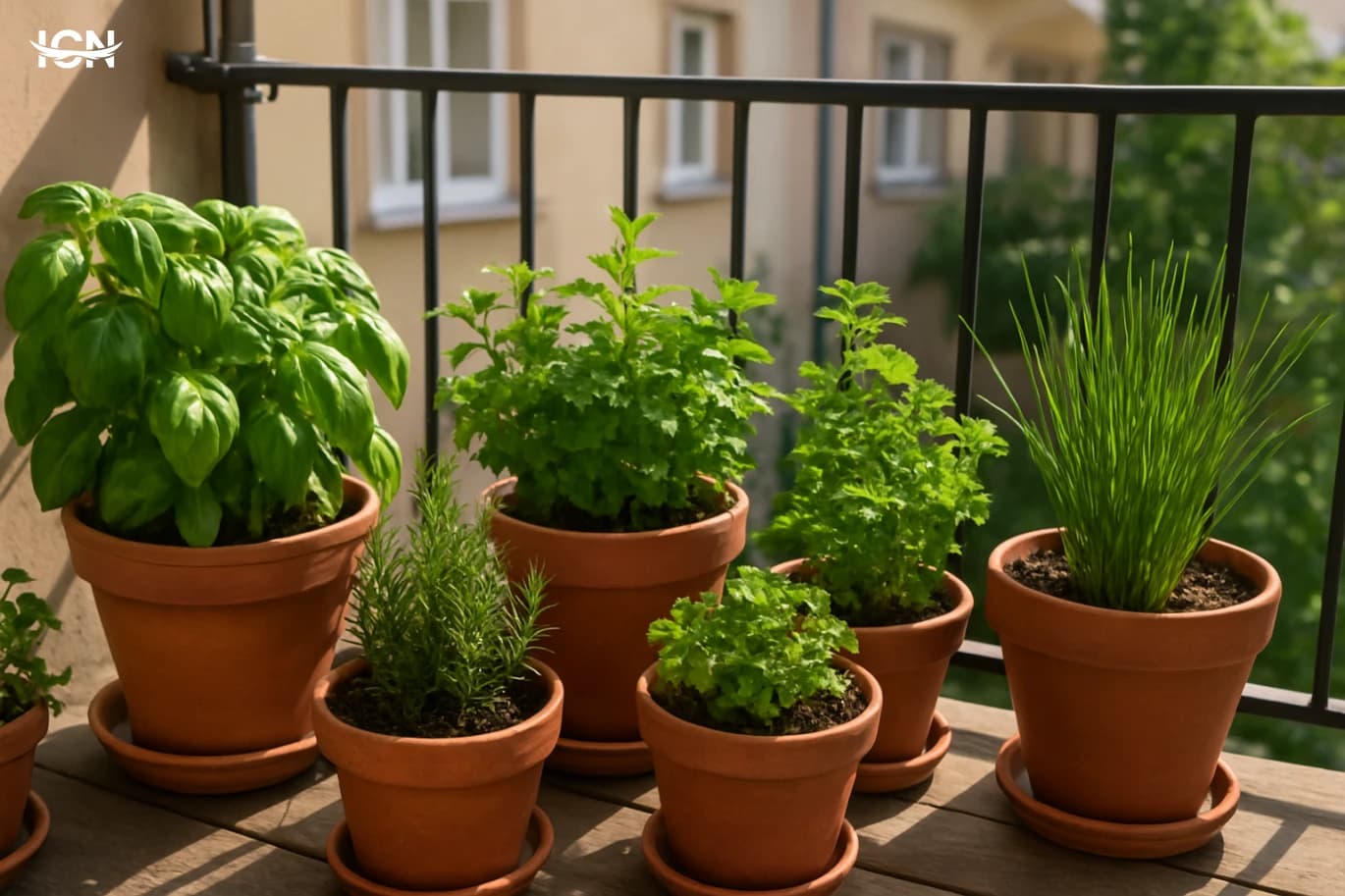
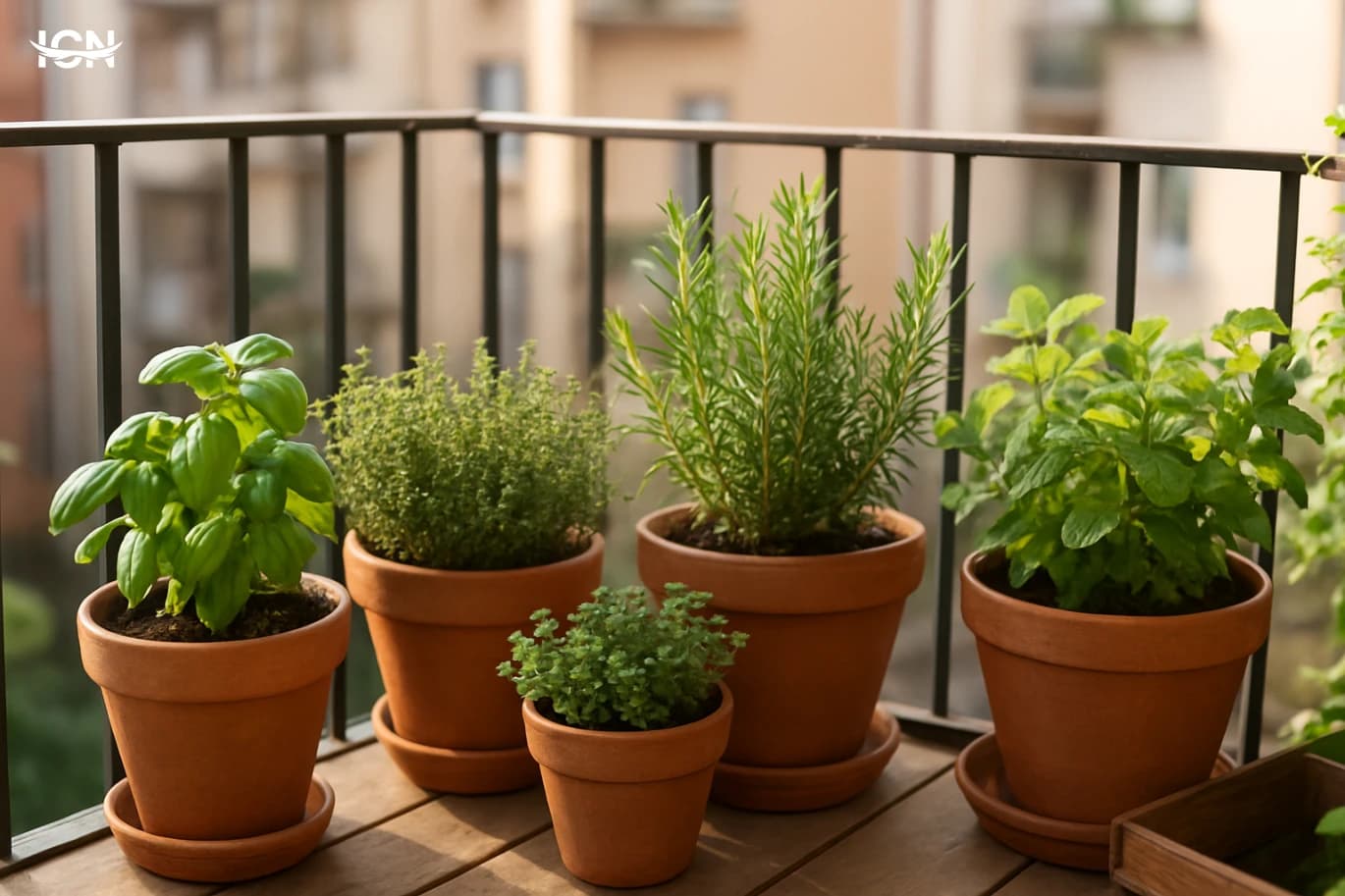
A balcony can produce a steady supply of culinary herbs because most popular kitchen varieties are compact, fast-growing, and tolerant of container life. Basil, mint, parsley, thyme, rosemary, chives, and oregano can all thrive in pots if they receive enough light and consistent watering. A sunny balcony typically provides 5–8 hours of direct sun, which is ideal for Mediterranean herbs like thyme, oregano, and rosemary, while parsley and chives can handle partial shade. The key advantage of container growing is control: you choose the soil mix, manage drainage, and can move pots to avoid heat spikes or heavy rain. Herbs also respond well to frequent harvesting, which keeps plants bushy and productive rather than tall and woody. For apartment dwellers, a small herb setup reduces grocery trips and food waste because you can cut only what you need. It also improves flavor in everyday cooking, since freshly cut leaves retain aromatic oils that fade quickly after packaging and transport.
Choosing the right herbs
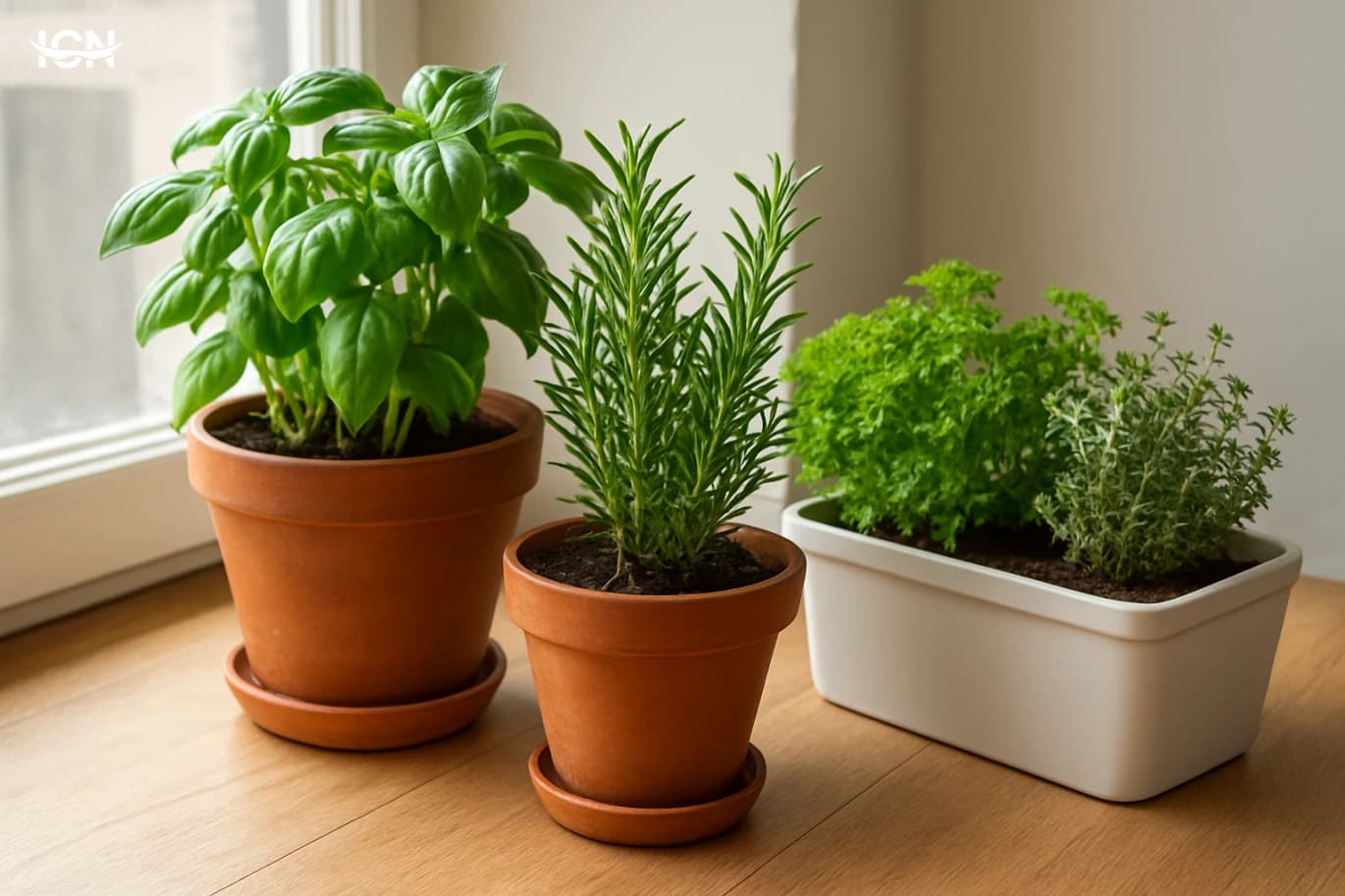
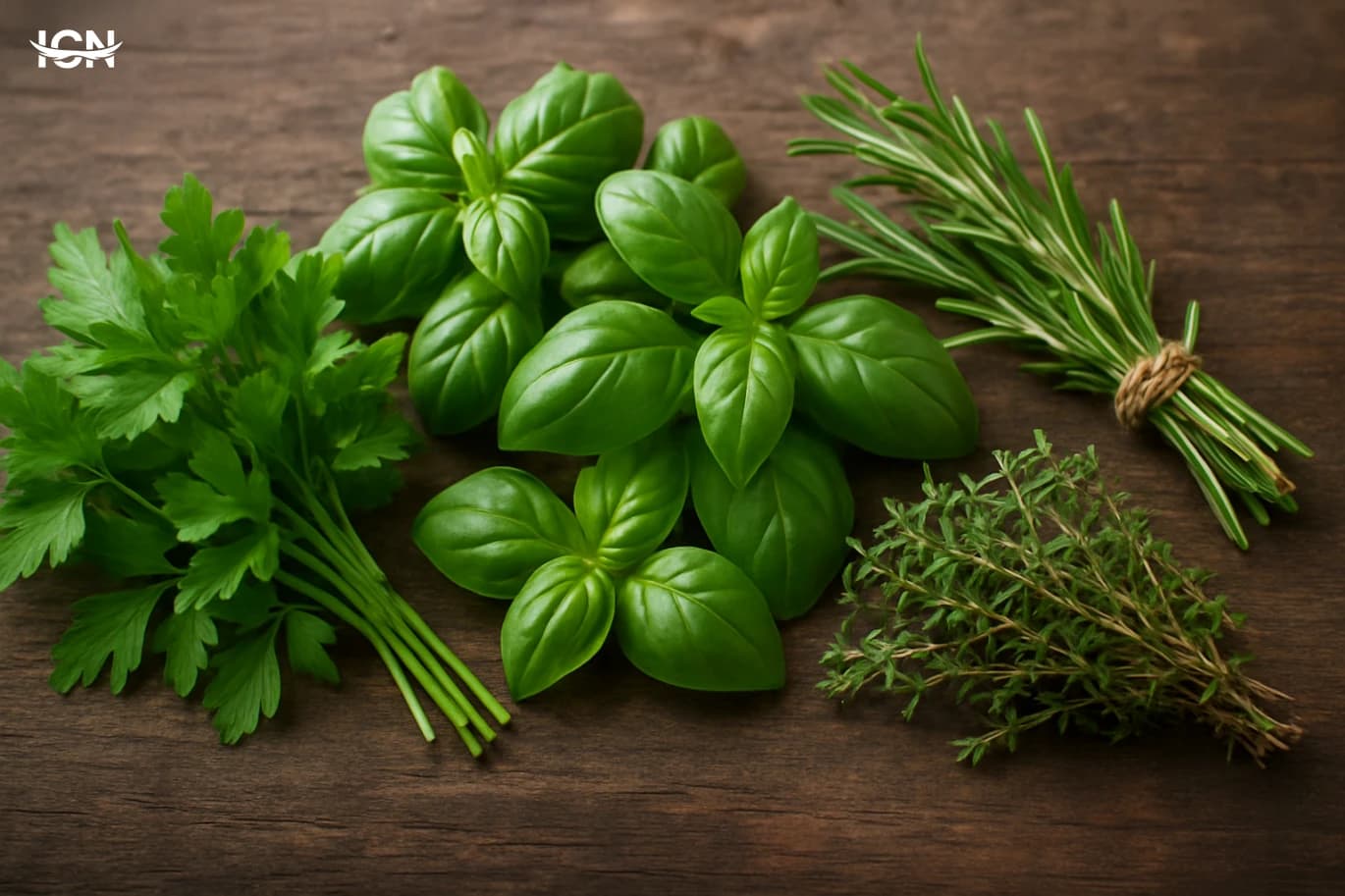
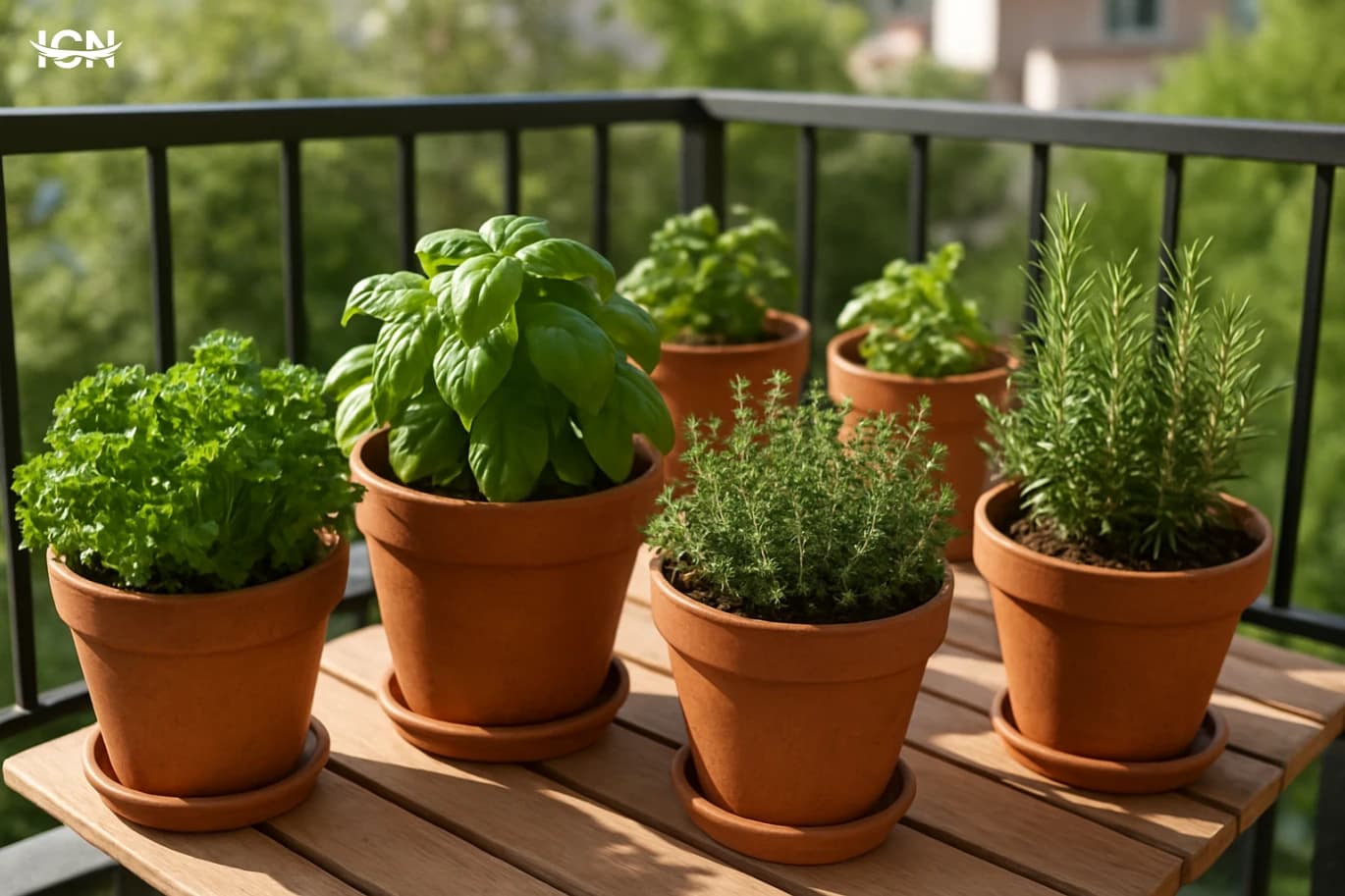
Start with herbs you actually use weekly, then match them to your balcony conditions. For full sun, prioritize rosemary, thyme, oregano, sage, and basil. For mixed light or morning sun only, parsley, cilantro, chives, and mint are more forgiving. Consider growth habits: mint spreads aggressively and should be kept in its own pot to prevent it from taking over. Rosemary can become a small shrub, so it needs a larger container and benefits from pruning. Basil is productive but sensitive to cold; it performs best in warm months and may need replacement each season. Parsley is often grown as a cool-season herb in many climates and can last longer if protected from intense midday heat. If you want a “starter set” that covers many dishes, a practical combination is basil, parsley, thyme, and chives, with mint in a separate pot for teas and desserts. When buying seedlings, look for compact plants with multiple stems, deep green leaves, and no signs of pests on the underside of leaves.
Containers, soil, and drainage
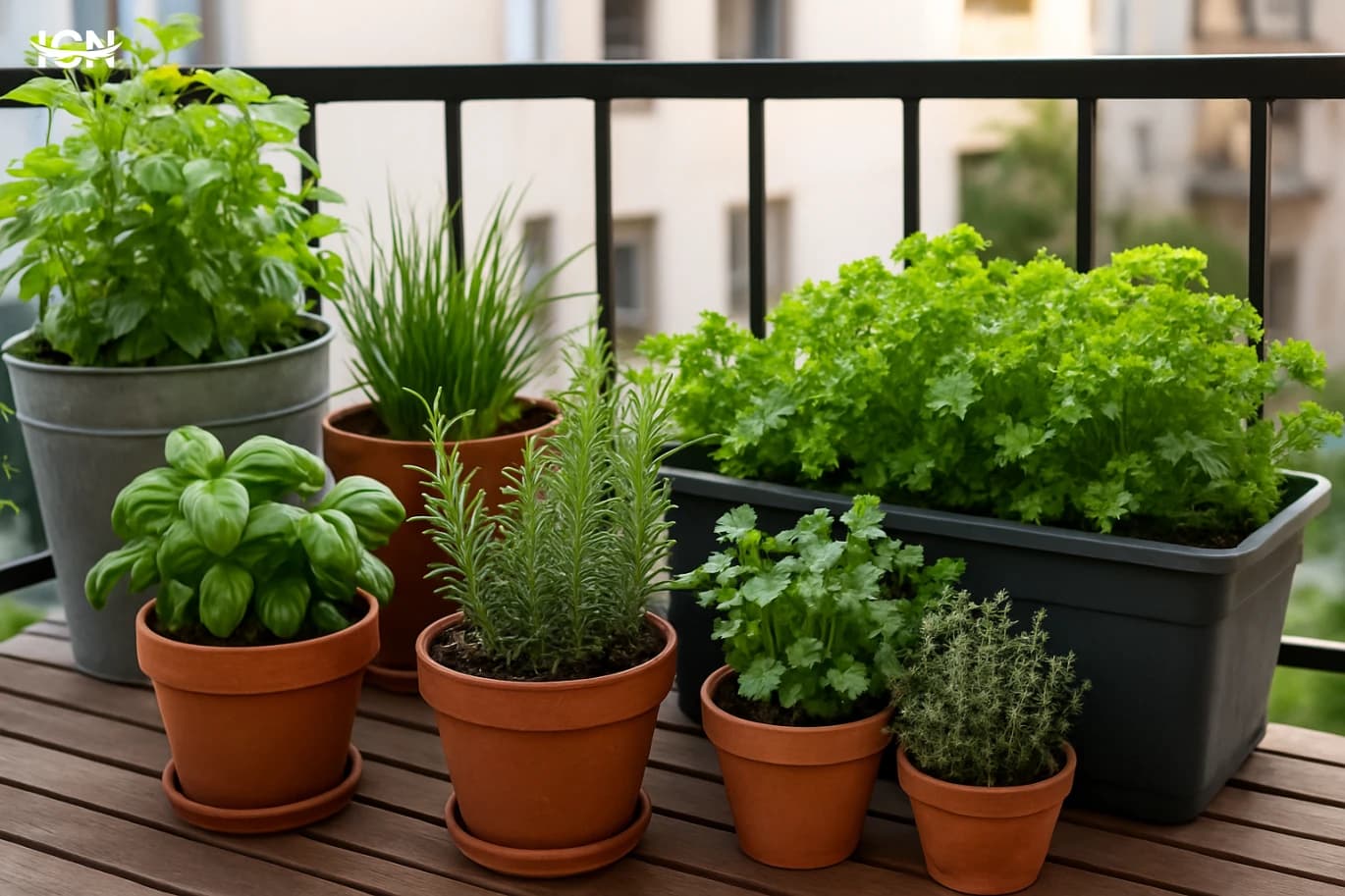
Good drainage is the difference between thriving herbs and plants that decline after a few weeks. Use pots with drainage holes and place saucers underneath only if you can empty them after watering. For most herbs, a 15–20 cm pot works for starters, while rosemary and mint are better in 25–30 cm containers. Terracotta breathes and helps prevent waterlogging, but it dries faster; plastic retains moisture longer and is lighter for balconies. Use a quality potting mix rather than garden soil, which compacts in containers and restricts roots. A practical blend is potting mix with added perlite for airflow and a small amount of compost for nutrients. Avoid heavy, constantly wet mixes, especially for rosemary and thyme, which prefer drier conditions. If your balcony is windy, choose heavier pots or add weight at the base to prevent tipping. Grouping pots can also reduce moisture loss and makes watering more efficient. Label each pot, especially if you grow similar-looking seedlings like oregano and marjoram, to avoid mix-ups during harvesting.
Watering and feeding routines
Balcony herbs fail more often from inconsistent watering than from lack of fertilizer. Check moisture by inserting a finger 2–3 cm into the soil; water when it feels dry at that depth. In hot weather, small pots may need daily watering, while larger containers can last longer. Water slowly until it runs from the drainage holes, then discard excess water from saucers to prevent root problems. Morning watering is usually best because it supports plants through the day and reduces evaporation compared with midday watering. Feeding should be light and regular: too much fertilizer can reduce aroma and encourage soft growth. A balanced liquid fertilizer at half strength every 2–4 weeks works for many herbs, while compost top-dressing can provide a gentler option. Basil and parsley appreciate steady nutrition during active growth; rosemary and thyme need less. If leaves turn pale or growth stalls, check light and watering first, then consider a modest feed. Avoid spraying leaves in strong sun, which can cause spotting, and focus on soil-level watering to keep foliage healthier.
Pruning, harvesting, and flavor
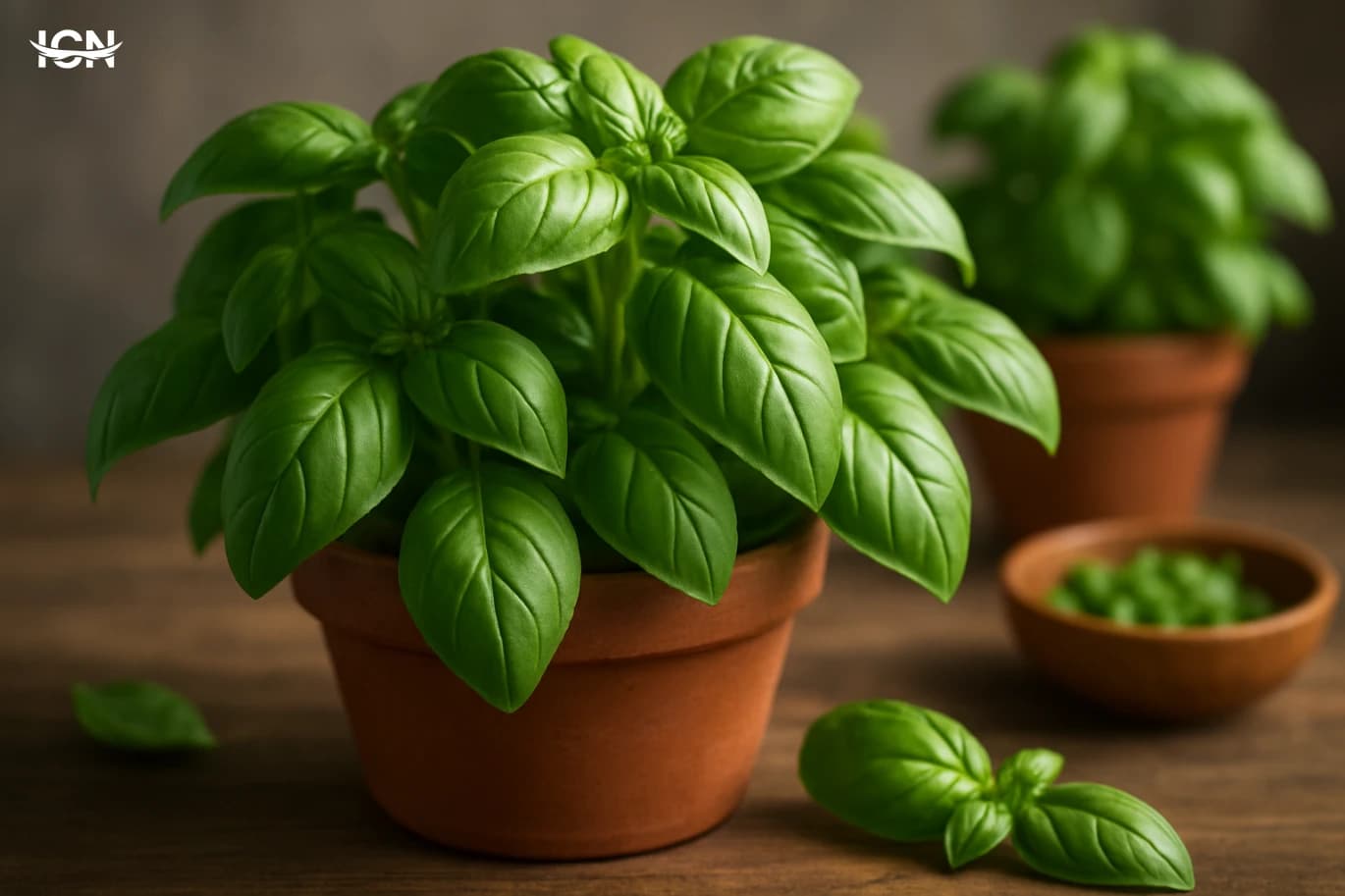
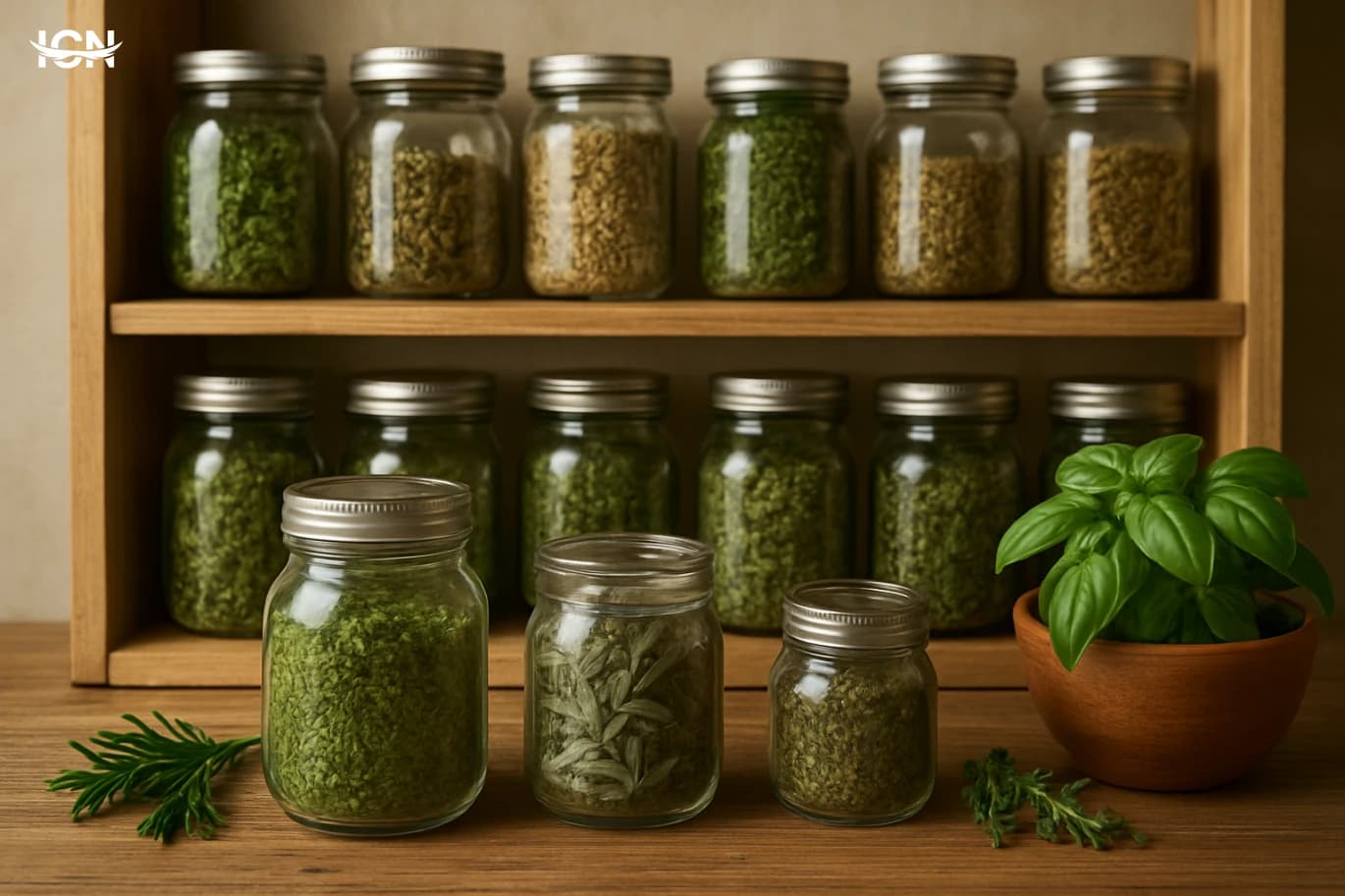
Harvesting is a maintenance tool, not just a way to get ingredients. For basil, pinch the top growth above a pair of leaves to encourage branching; regular pinching prevents flowering, which can reduce leaf quality. For parsley and cilantro, cut outer stems near the base so the center keeps producing. For chives, snip leaves a few centimeters above the soil and allow regrowth. Woody herbs like rosemary and thyme respond well to light, frequent trims, but avoid cutting deep into old, leafless wood. The best flavor comes from harvesting in the morning after the plant has rehydrated, especially in warm seasons. Wash herbs gently and dry them well before storage. For short-term use, wrap stems in a slightly damp paper towel and refrigerate in a container. For longer storage, freezing chopped herbs in ice cube trays with water or olive oil preserves aroma better than drying for many soft-leaf herbs. Keep notes on which pots produce best; small adjustments in sun exposure and pruning often make a noticeable difference within two weeks.
Common problems and quick fixes
Most balcony herb issues can be solved with observation and small changes. Yellowing leaves often point to overwatering or poor drainage; let the soil dry slightly and confirm that water can exit the pot. Leggy, weak growth usually means insufficient light; move the pot to a brighter spot or rotate it weekly so all sides receive sun. If basil leaves develop black spots after a cold night, protect plants by bringing them indoors temporarily or using a light cover. Pests like aphids can appear on tender new growth; remove affected tips, rinse leaves with water, and improve airflow by spacing pots. For fungal problems, avoid wetting foliage and remove damaged leaves promptly. If mint looks tired despite watering, it may be root-bound; repot into a larger container and trim back by one-third to stimulate fresh shoots. Finally, plan for seasonal shifts: in cooler months, reduce watering, watch for slower growth, and focus on hardy herbs like thyme and rosemary while treating basil as a warm-season crop.