Ramadan Glow Skin Routine
- What Changes in Ramadan
- Hydration Strategy Between Iftar and Suhoor
- A Simple Night Routine That Works
- Morning Care and Sun Protection
- Food Choices That Support Clear Skin
- bookmark
What Changes in Ramadan
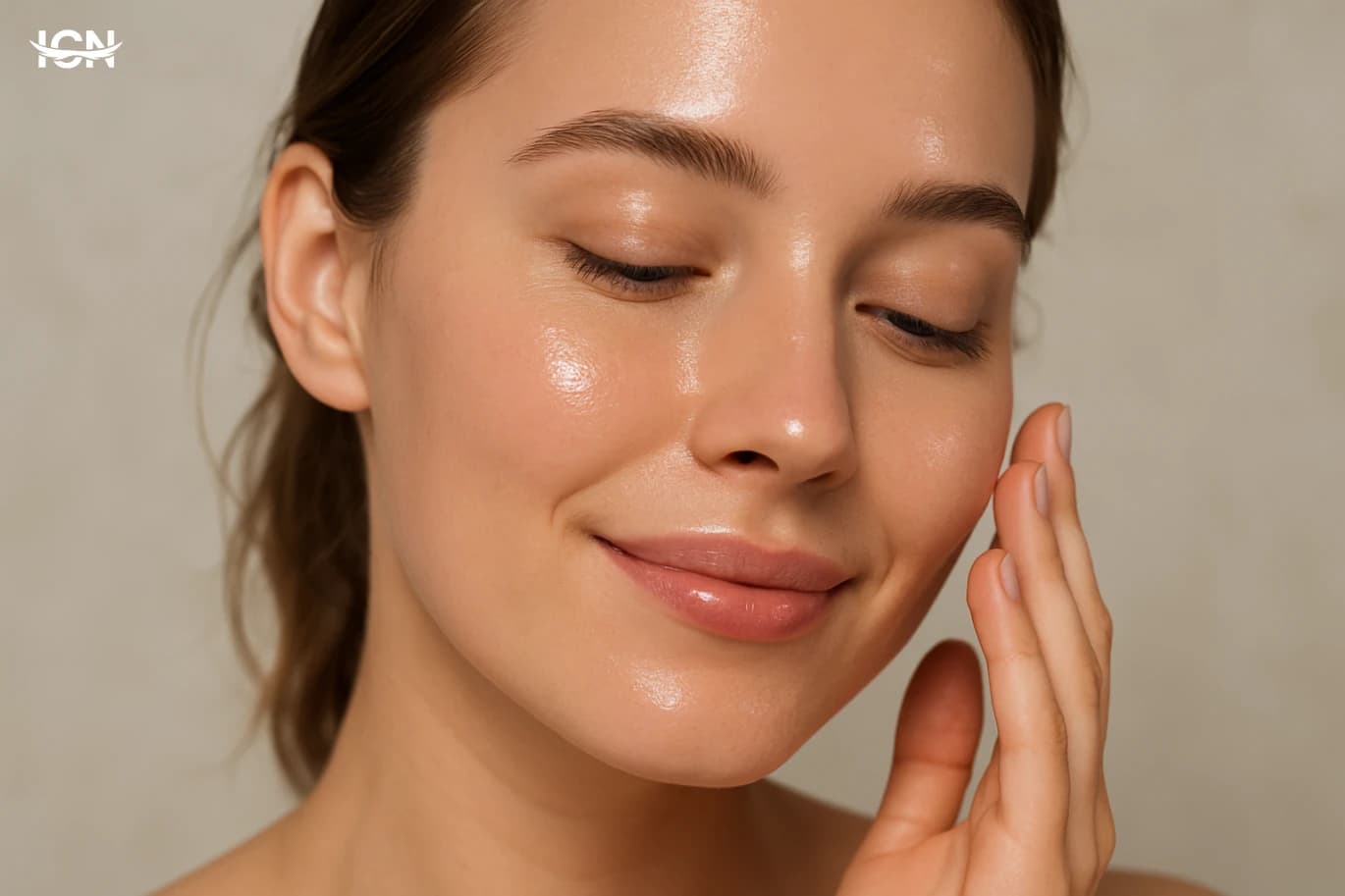
Fasting shifts your daily rhythm, and your skin often reflects that change. Meal timing becomes concentrated into fewer hours, hydration can drop during the day, and sleep may be shorter or split. These factors can make skin look dull, feel tighter, or show more visible dryness around the cheeks and mouth. For some people, late-night meals and sweets can also trigger oiliness and occasional breakouts, especially on the T-zone. The goal in Ramadan is not to chase a complicated routine, but to adapt smartly to your new schedule. Think in terms of two key windows: after iftar and before suhoor. In those hours, you can support your skin with consistent hydration, gentle cleansing, and barrier-friendly products. If you already use active ingredients, Ramadan is a good time to reduce intensity and focus on stability. A calm, well-hydrated barrier is what gives skin a healthy glow, even when your day is busy.
Hydration Strategy Between Iftar and Suhoor
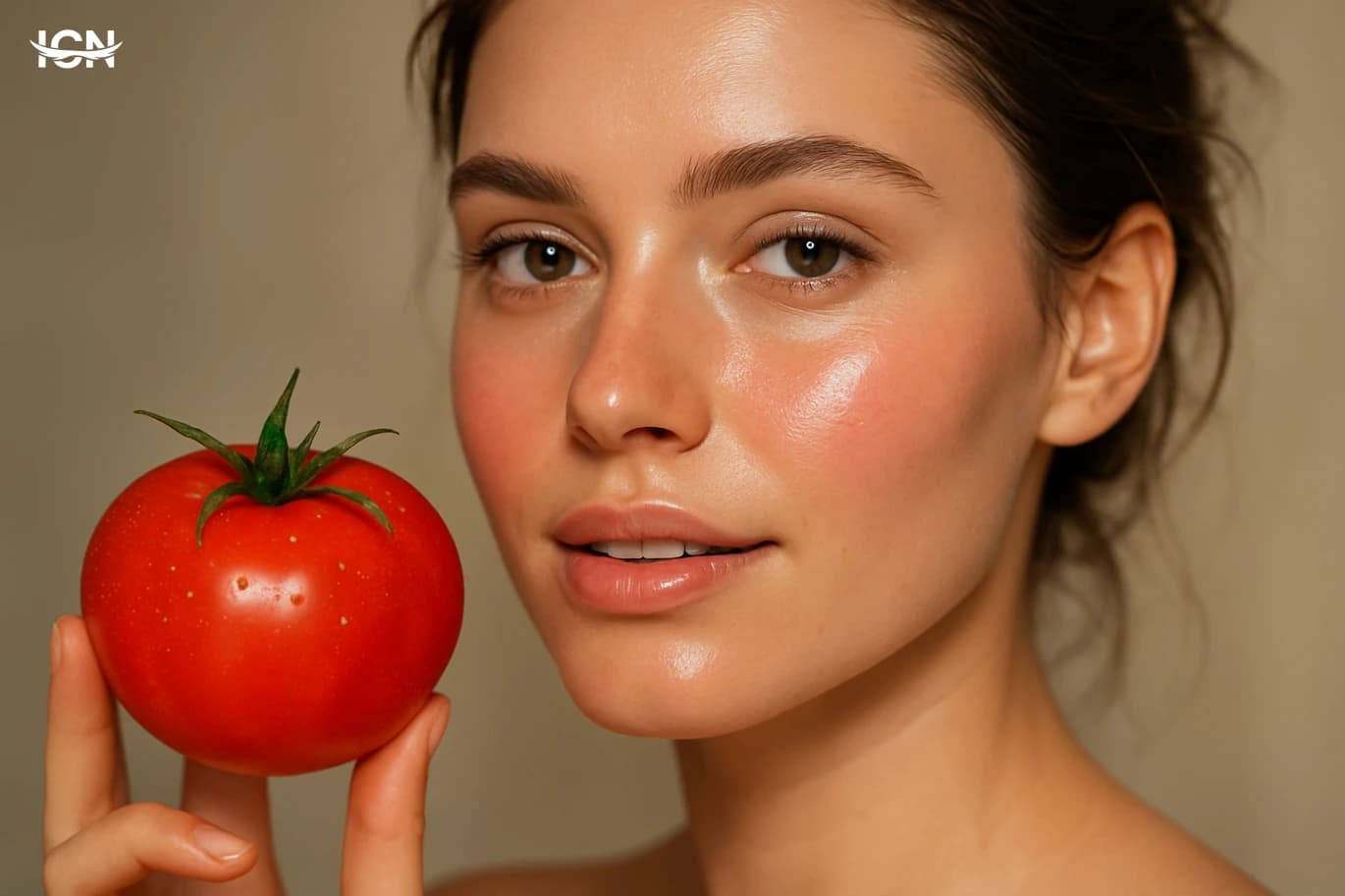
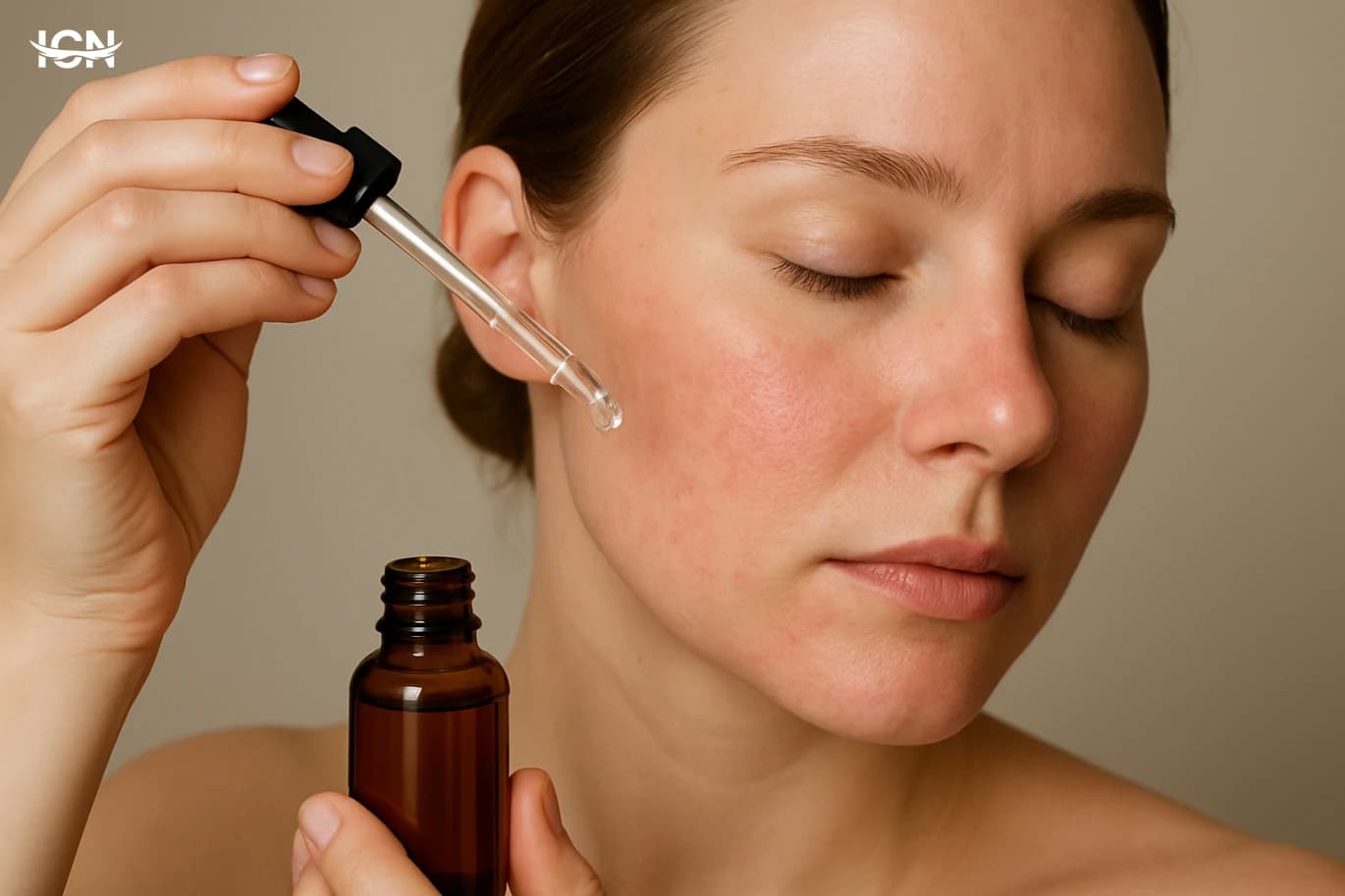
Skin glow in Ramadan starts with a practical hydration plan. Instead of trying to drink a large amount at once, spread fluids across the evening. A simple approach is to drink water with iftar, then keep a bottle nearby and sip regularly until bedtime, and drink again at suhoor. Include water-rich foods such as cucumbers, tomatoes, oranges, and soups. If you rely heavily on coffee or strong tea, balance them with extra water because they can increase fluid loss for some people. Topical hydration matters just as much. After cleansing at night, apply a hydrating layer while skin is slightly damp. Look for ingredients that hold water in the skin, such as glycerin, hyaluronic acid, panthenol, and aloe. Then seal it with a moisturizer that supports the barrier, especially if you have dryness. If your skin is oily, choose a lightweight gel-cream; if it is dry, choose a richer cream with ceramides or squalane. This two-step approach helps your skin look smoother and more luminous by morning. If you notice puffiness after iftar, reduce very salty foods and keep hydration steady rather than excessive late at night. Consistency is what improves skin texture over the month.
A Simple Night Routine That Works
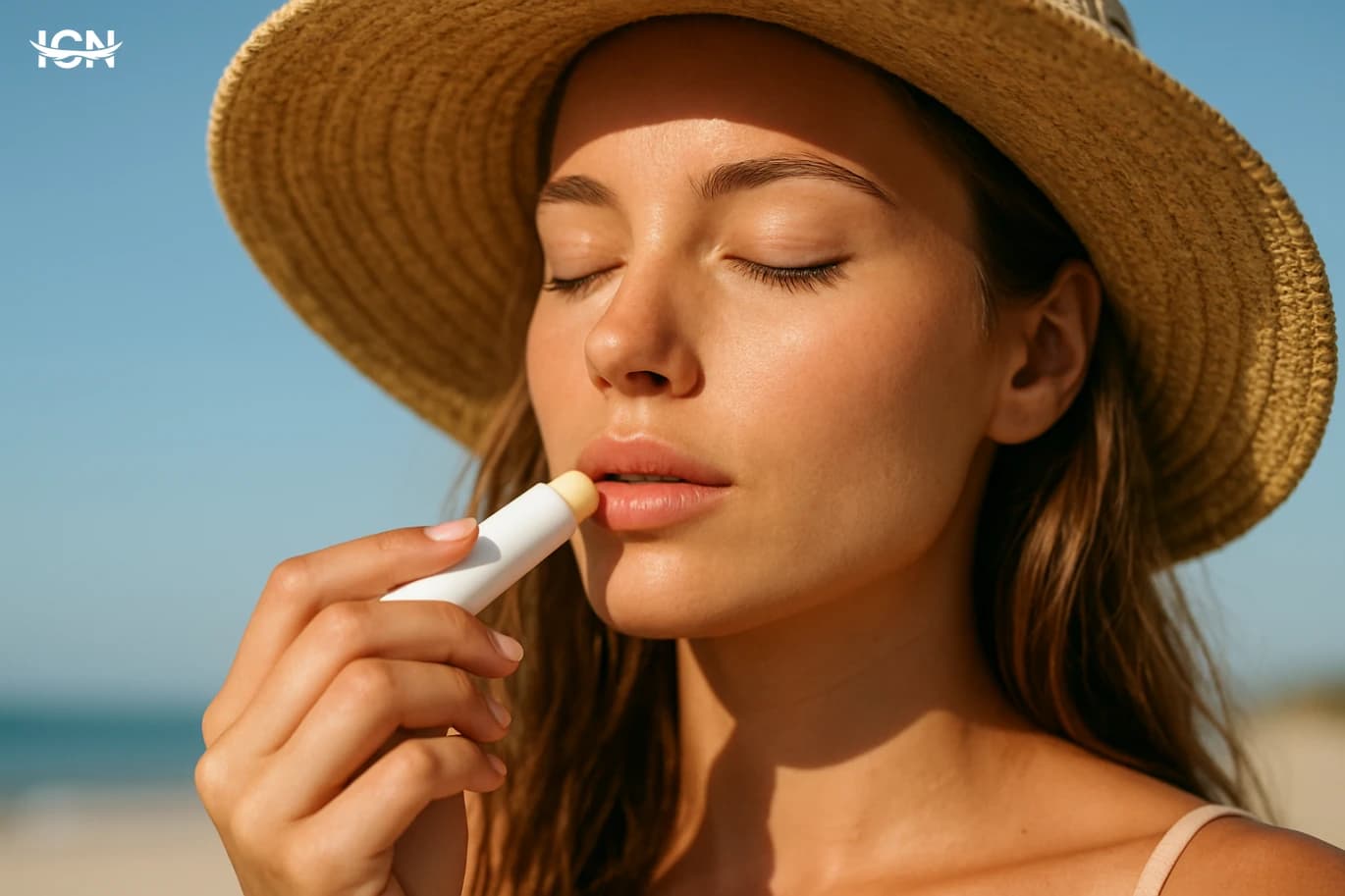
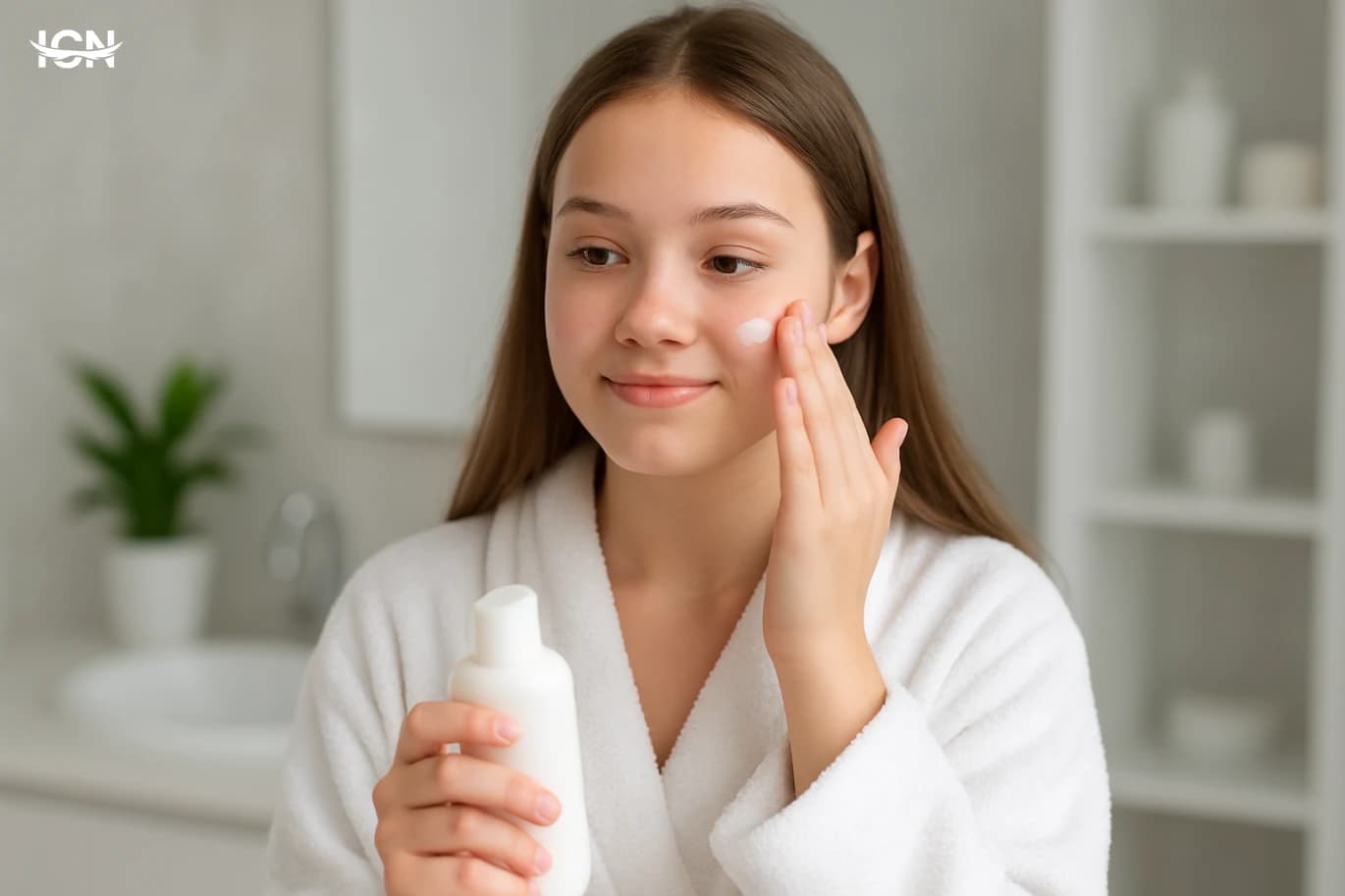
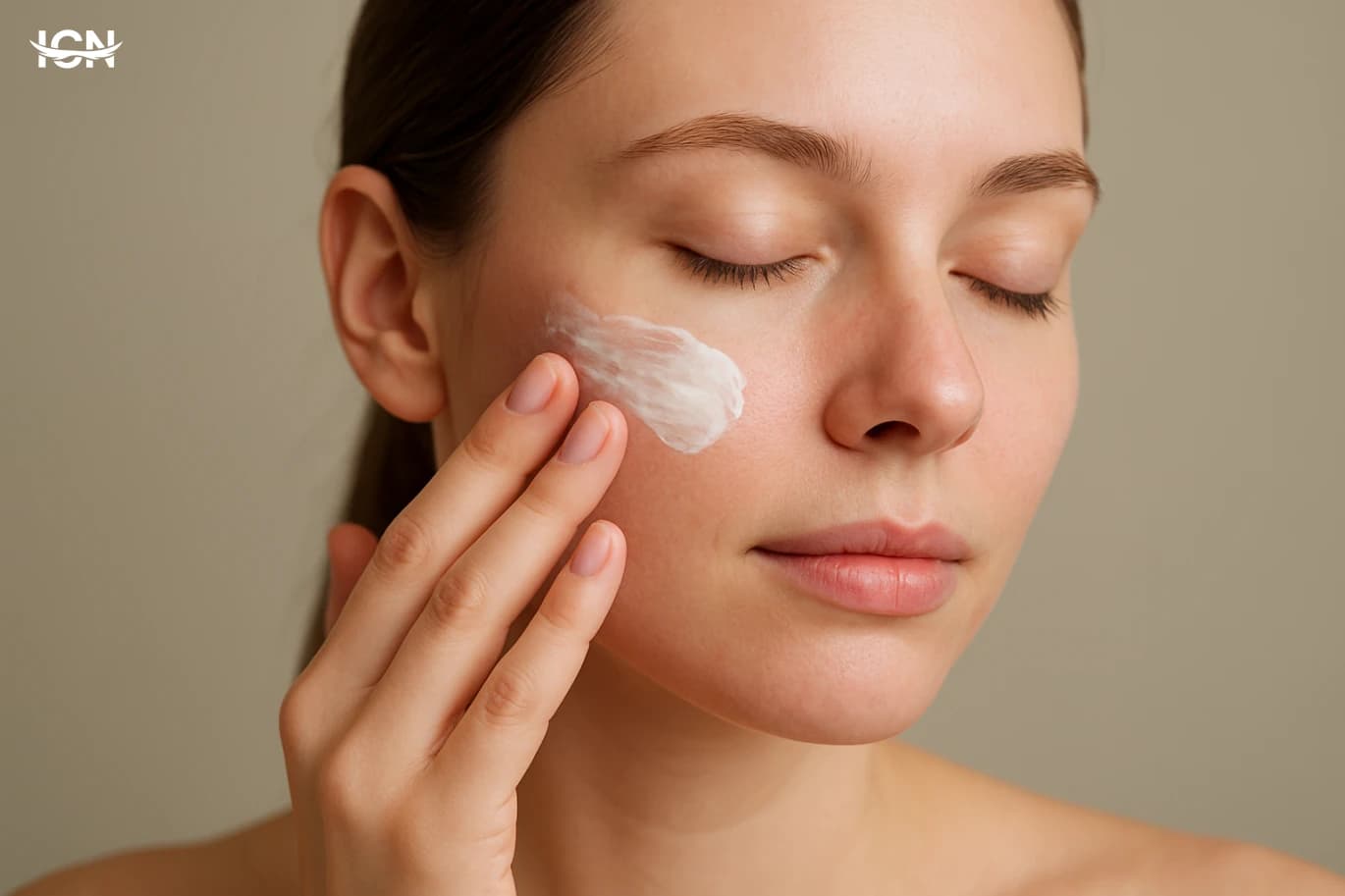
Nighttime is your best opportunity to reset the skin in Ramadan. Start with gentle cleansing to remove sunscreen, makeup, and cooking fumes. If you wear makeup, use a mild oil cleanser or micellar water first, then follow with a gentle water-based cleanser. Avoid harsh scrubs; they can worsen dryness and make skin look irritated. After cleansing, apply a hydrating serum or essence, then a moisturizer. If you want an extra glow boost, add a vitamin C serum at night only if your skin tolerates it well, and keep the formula gentle. Another option is niacinamide, which can help with uneven tone and oil balance without being overly aggressive. If you use retinoids or exfoliating acids, consider reducing frequency during Ramadan to once or twice a week, and never combine multiple strong actives on the same night. For the eye area, a simple moisturizer is often enough. If you have dryness around the lips, use a fragrance-free balm and reapply after wudu if needed. The most important rule is to keep the routine consistent and short so you can maintain it even on busy evenings.
Morning Care and Sun Protection
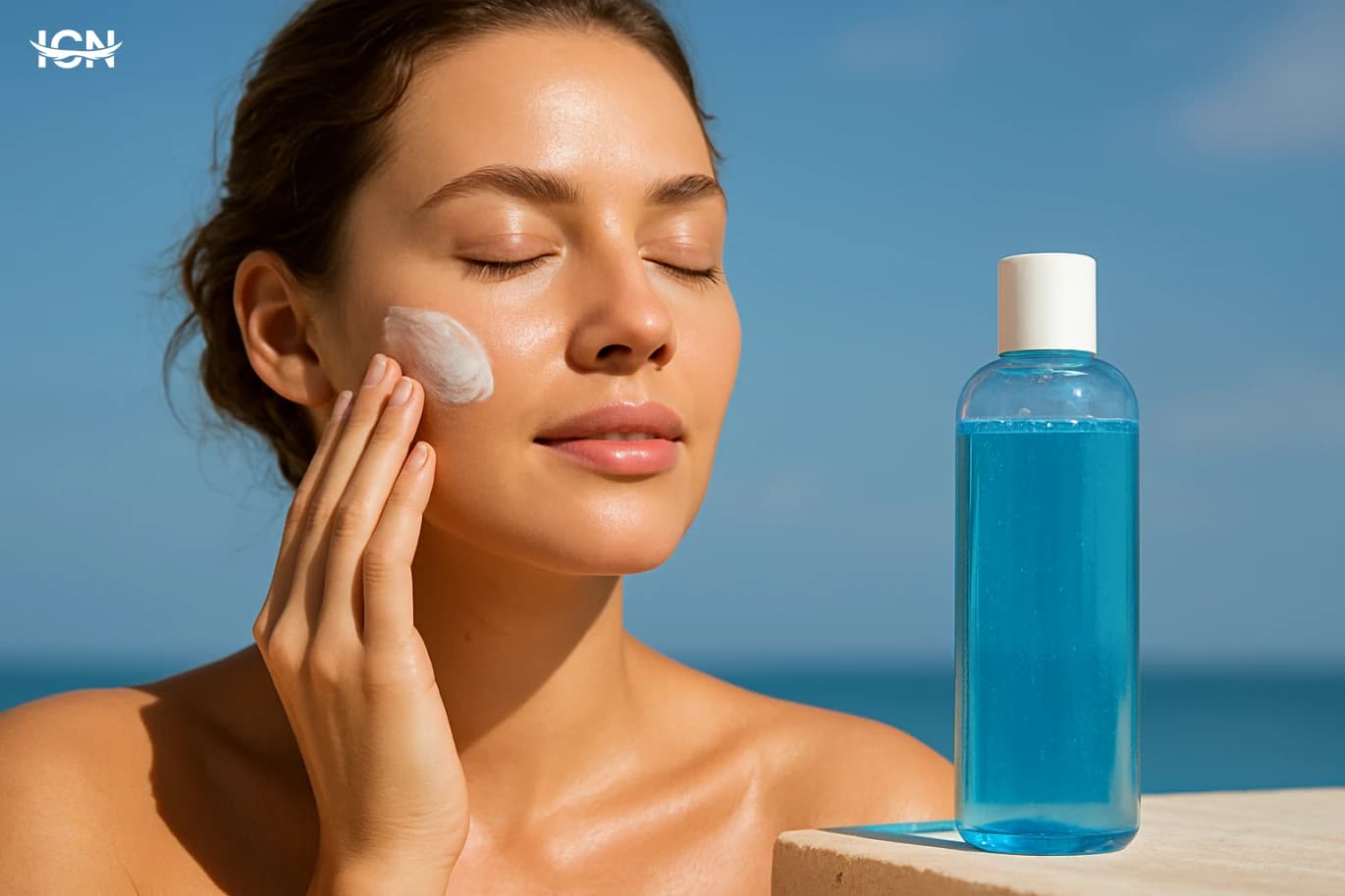
Even during fasting, morning skincare matters because it sets the tone for the day. Keep it light: cleanse with a gentle face wash or just rinse with lukewarm water if your skin is dry. Follow with a simple moisturizer. If you are prone to oiliness, a lightweight lotion can prevent midday shine by keeping the barrier balanced. Sunscreen is essential for maintaining an even, bright complexion. UV exposure can worsen pigmentation and make skin look tired. Choose a broad-spectrum SPF 30 or higher and apply a sufficient amount to the face and neck. If you spend time outdoors, reapply when possible. Tinted sunscreen can provide a polished look without heavy makeup, which is helpful when skin feels drier. If you use fragrance-heavy products in the morning, consider switching to gentler options in Ramadan. Skin can be more reactive when hydration is lower, and a calm routine reduces redness and patchiness.
Food Choices That Support Clear Skin
Your iftar and suhoor choices can influence how your skin looks. Aim for balanced meals that stabilize energy and reduce sudden spikes that may affect oil production. Include lean protein, complex carbohydrates, and healthy fats. Examples include grilled chicken or fish with brown rice, lentil soup, oats, eggs, yogurt, nuts, and olive oil. For glow, focus on nutrients linked to skin function. Vitamin C supports collagen and brightness and is found in citrus, bell peppers, and strawberries. Vitamin A sources such as carrots and sweet potatoes support skin renewal. Zinc, found in legumes and seeds, can support clearer skin for some people. If sweets are a daily habit, keep portions moderate and pair them with a balanced meal rather than eating them alone. At suhoor, choose foods that help you stay hydrated and comfortable: yogurt, cucumbers, chia pudding, and soups are practical options. Very salty or heavily fried foods can make you feel thirsty and may contribute to puffiness by morning.
bookmark
If your skin becomes noticeably tighter, flaky, or stings when you apply products, treat it as a signal to simplify. Pause strong exfoliants for a week and focus on a gentle cleanser, a hydrating serum, and a barrier-repair moisturizer. If you see more breakouts, avoid over-washing. Cleanse twice daily, keep makeup minimal, and use a non-comedogenic moisturizer. Spot treatments can help, but use them sparingly to avoid dryness. Dark circles and a tired look are common when sleep is reduced. Improve what you can: keep a consistent bedtime, reduce screen time before sleep, and hydrate steadily after iftar. A cool compress in the morning can reduce puffiness, and a lightweight eye moisturizer can improve comfort. Finally, watch for product overload. Using too many new items at once makes it hard to identify what is irritating your skin. In Ramadan, a stable routine with a few reliable products usually delivers the best glow by the end of the month.