App Logo

Download Our App

Shop your way

logologo
Image

Physical sunscreen

12/23/2024By: ICN
Physical sunscreen

What is physical sunscreen?

Definition of physical sunscreen Physical sunscreen: It is a type of sunscreen that contains natural ingredients such as zinc oxide or titanium dioxide, which reflect ultraviolet rays before they penetrate the skin. This type is characterized by providing immediate protection and does not require time for the ingredients to activate as is the case with chemical products. How is it different from chemical sunscreen? Chemical sunscreen relies on chemical ingredients that absorb harmful rays and convert them into heat that is lost outside the skin. While many people prefer to use physical sunscreens because of their gentle nature and suitability for sensitive skin, as they reduce the chances of irritation or allergies.

Benefits of using physical sunscreen

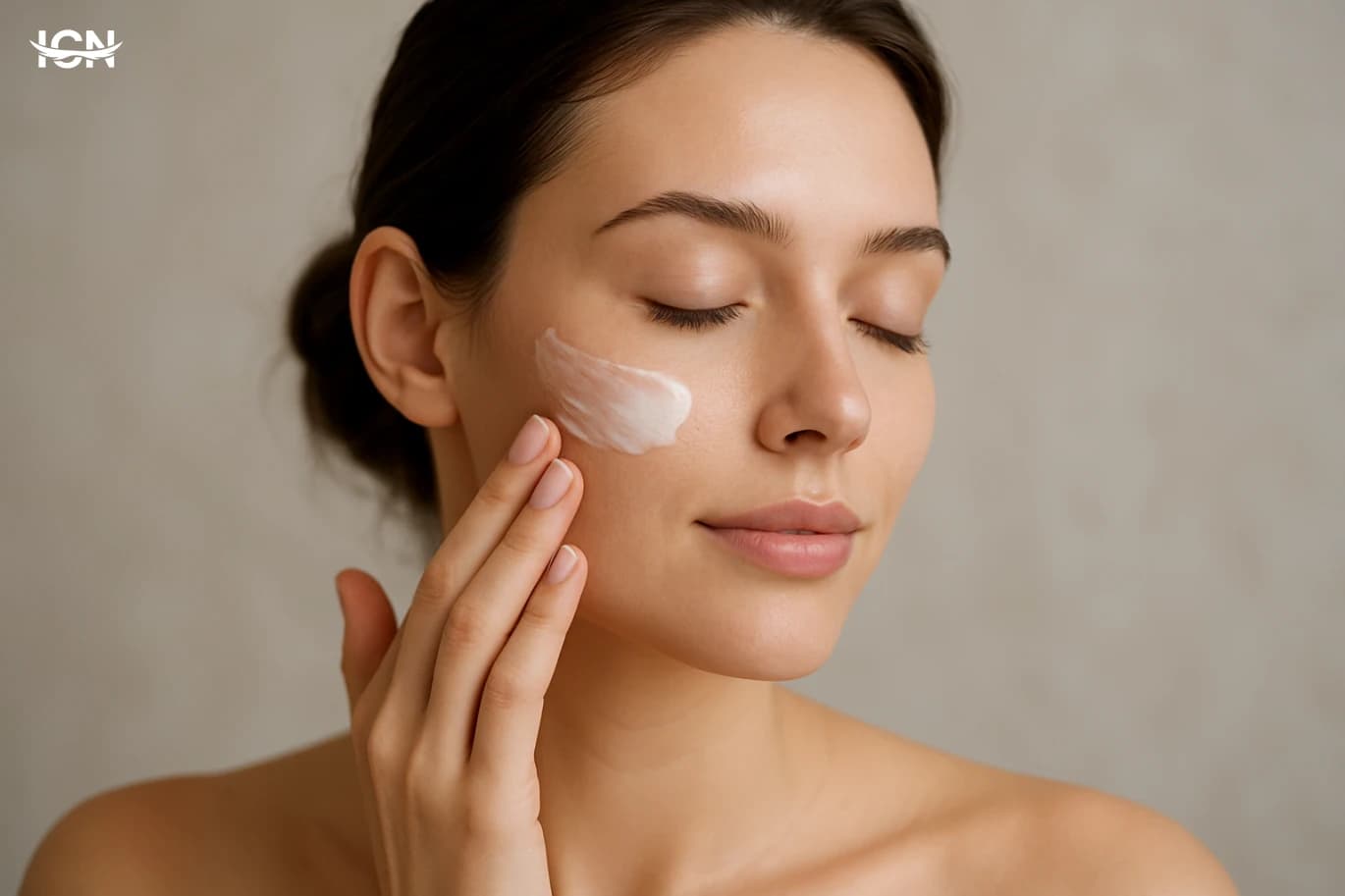
Protects the skin from UV rays Physical sunscreen provides effective protection from UV rays thanks to its natural ingredients. This type of sunscreen is ideal for people who spend a lot of time outdoors, as it reflects harmful rays, which leads to immediate protection of the skin. Reduces the risk of allergies and irritation The presence of gentle ingredients in physical sunscreen reduces the chances of any irritation or allergy that may be caused by some chemical ingredients. Therefore, this sunscreen is an ideal choice for those who have sensitive skin or tend to suffer from skin problems.

Choosing the Right Physical Sunscreen

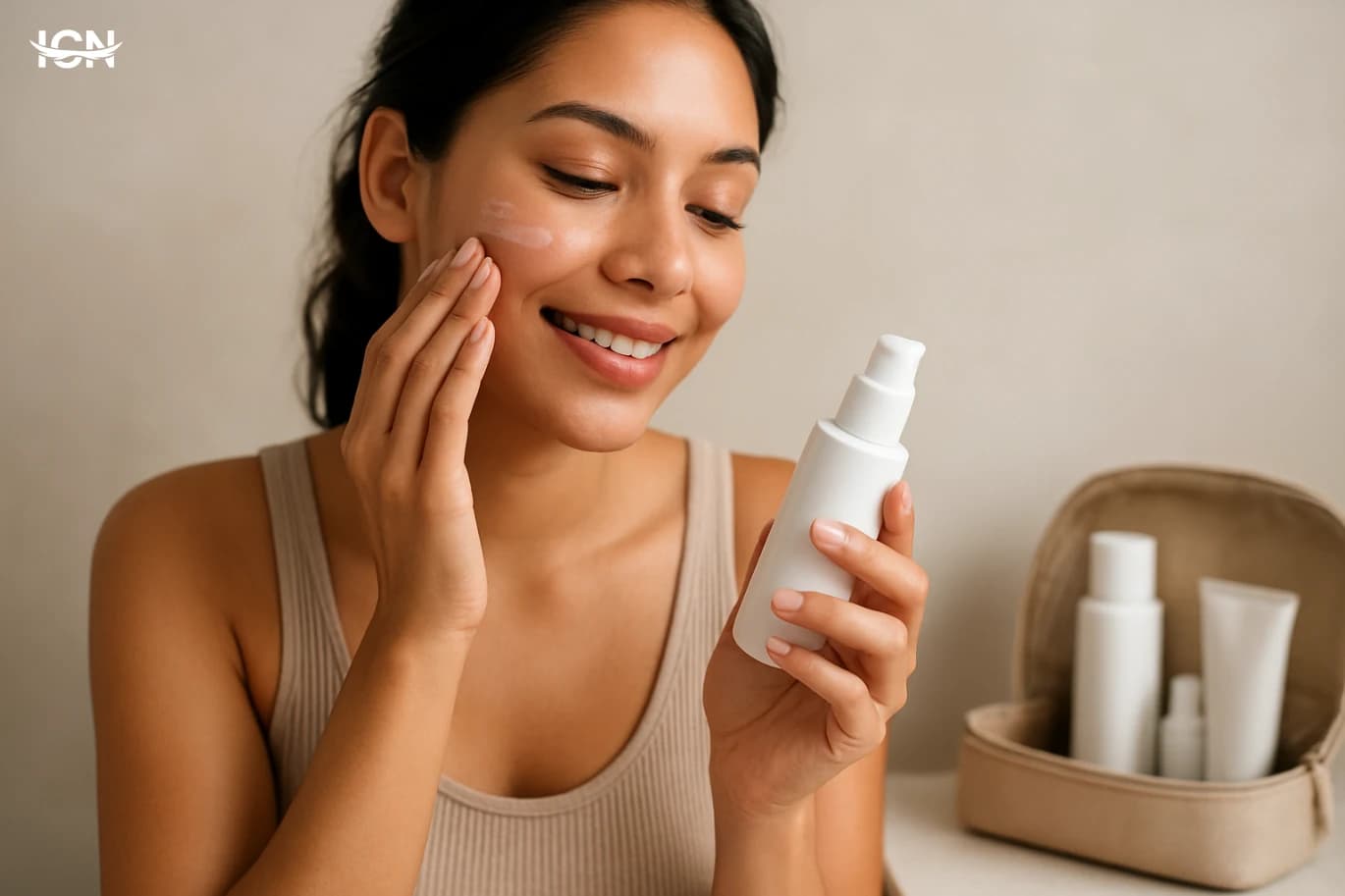
Factors to Consider When Choosing a Physical Sunscreen When choosing a physical sunscreen, you should consider your skin type and individual needs. Look for sunscreens that contain ingredients such as zinc oxide or titanium dioxide, which are considered effective and safe. You should also consider the sun protection factor (SPF) and make sure it meets the requirements for activities in the sun. How to Test the Effectiveness of a Physical Sunscreen To test the effectiveness of a physical sunscreen, you can apply it to a small area of ​​skin and monitor the reactions. It is best to use it regularly during sun exposure to measure its effectiveness. In addition, it is recommended to reapply the sunscreen every two hours to achieve maximum protection.

How to Use Physical Sunscreen Correctly

The right amount to apply to the skin An adequate amount of sunscreen should be used to cover all areas exposed to the sun on the skin. It is recommended to apply about a teaspoon per area such as the face, neck and shoulders. Applying the right amount enhances the effectiveness of UV protection. Avoid common mistakes when using it It is important to avoid common mistakes that may reduce the effectiveness of sunscreen, such as not letting the sunscreen dry before exposure to the sun, or forgetting sensitive areas such as the ears and feet. You should also avoid relying on sunscreen alone and not using protective clothing or seeking shade.

Effect of physical sunscreen on the environment

Environmental factors that may be affected by sunscreen ingredients Some sunscreen ingredients, especially chemical ones, contain compounds that can negatively affect marine life and natural habitats. This contributes to the destruction of coral reefs and affects marine organisms. Therefore, choosing the right type of sunscreen is essential to protecting the environment. How to choose an environmentally friendly product When looking for an effective and environmentally friendly sunscreen, individuals should choose products that contain natural and safe ingredients. It is preferable to look for brands that adopt policies that protect the environment and support sustainability. Products certified by environmental protection organizations are a good choice.
* All articles published on this blog are sourced from various websites and are provided for informational purposes only. They should not be considered as confirmed studies or accurate information. Please verify the information independently before relying on it.

Similar ARTICLES

Summer Lip Care That Actually Works
Lips have a thinner outer layer than most facial skin and contain fewer oil glands, so they lose moisture quickly. In summer, that weakness is amplified by heat, low humidity in air-conditioned spaces, and frequent temperature shifts between outdoors and indoors. Add saltwater, chlorinated pools, and wind from fans or car vents, and the result is a predictable cycle: tightness, flaking, and a rough surface that makes any lipstick look uneven. Sun exposure is another major factor. The lip area is often missed when people apply sunscreen to the face, and many standard face sunscreens are not pleasant on the lips, so they get skipped. UV exposure can lead to dryness, irritation, and long-term changes in texture and tone. Dehydration also shows up quickly on lips; if you are sweating more and drinking less, the lips are one of the first places to look dull and feel uncomfortable.
Electrolytes Take Over Summer Skincare
Electrolytes have moved from sports drinks into face mists, serums, and gel moisturizers, and the timing is not random. Summer skincare routines often struggle with heat, air conditioning, saltwater, and frequent cleansing after sweat and sunscreen reapplication. These factors can leave skin feeling tight, looking dull, or becoming more reactive, even when people are using “hydrating” products. Brands are leaning on electrolytes as a simple, consumer-friendly way to talk about water balance and comfort rather than heavy occlusion. In skincare, “electrolytes” typically refers to mineral ions such as sodium, potassium, magnesium, calcium, and chloride used in formulas to support hydration performance and reduce that dry, stretched feeling. They are not a magic replacement for moisturizers, but they can improve how a formula behaves on skin, especially in lightweight textures designed for hot weather. The trend is also fueled by the broader “skin fitness” mindset: people want products that perform under real conditions—commuting, outdoor activities, and long days in climate-controlled offices. Another reason the trend is accelerating is packaging and format. Electrolyte products often appear in sprays, watery essences, and gel creams that feel instantly refreshing. That sensory payoff matters in summer, when consumers avoid thick layers. The marketing language is easy to grasp—“recharge,” “restore,” “balance”—but the more useful question is what electrolytes can realistically do in a topical product and how to choose one that fits your skin type.
Tomato Skin Glow for Summer 2026
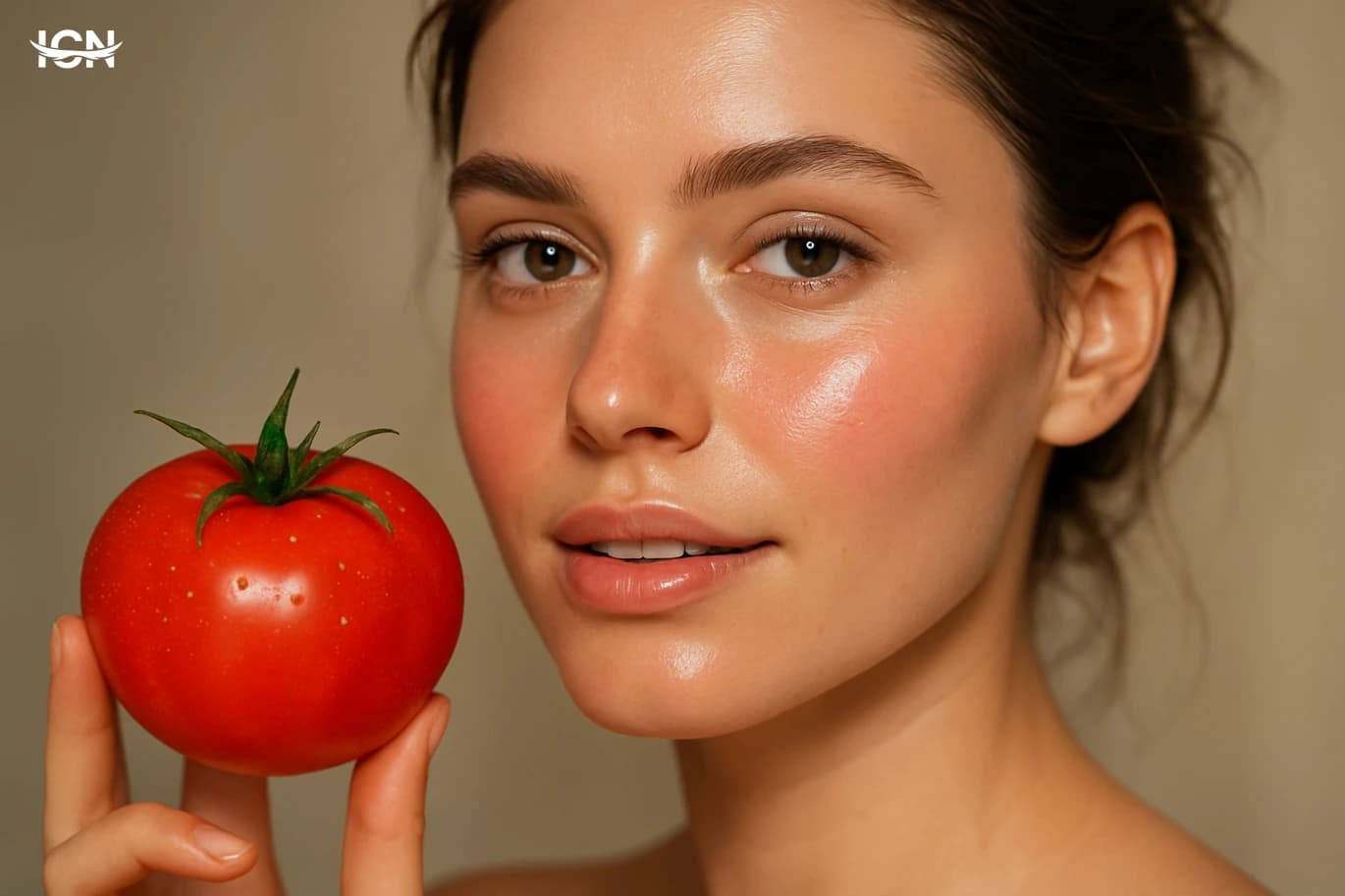
“Tomato skin” is the Summer 2026 beauty shorthand for skin that looks fresh, hydrated, and slightly flushed, with a smooth surface and a clear, even tone. It is not about looking red or irritated; it is about a controlled, healthy warmth in the cheeks and a glossy, light-reflecting finish that reads as “just came back from a walk” rather than “sunburn.” The trend sits between the high-shine “glass skin” look and the soft-focus “clean girl” aesthetic, but it is more wearable in heat because it relies on thin layers and strategic glow. The signature markers are: a plump, moisturized texture; minimal visible dryness around the nose and mouth; a natural-looking rosy tint; and a finish that stays luminous without turning greasy. In practice, it is built with skincare-first prep, a lightweight base, and a blush placement that mimics real circulation. The reason it is taking over in 2026 is simple: people want skin that looks alive on camera and in daylight, without heavy foundation that breaks down in humidity.
Teen Skincare Routine That Actually Works
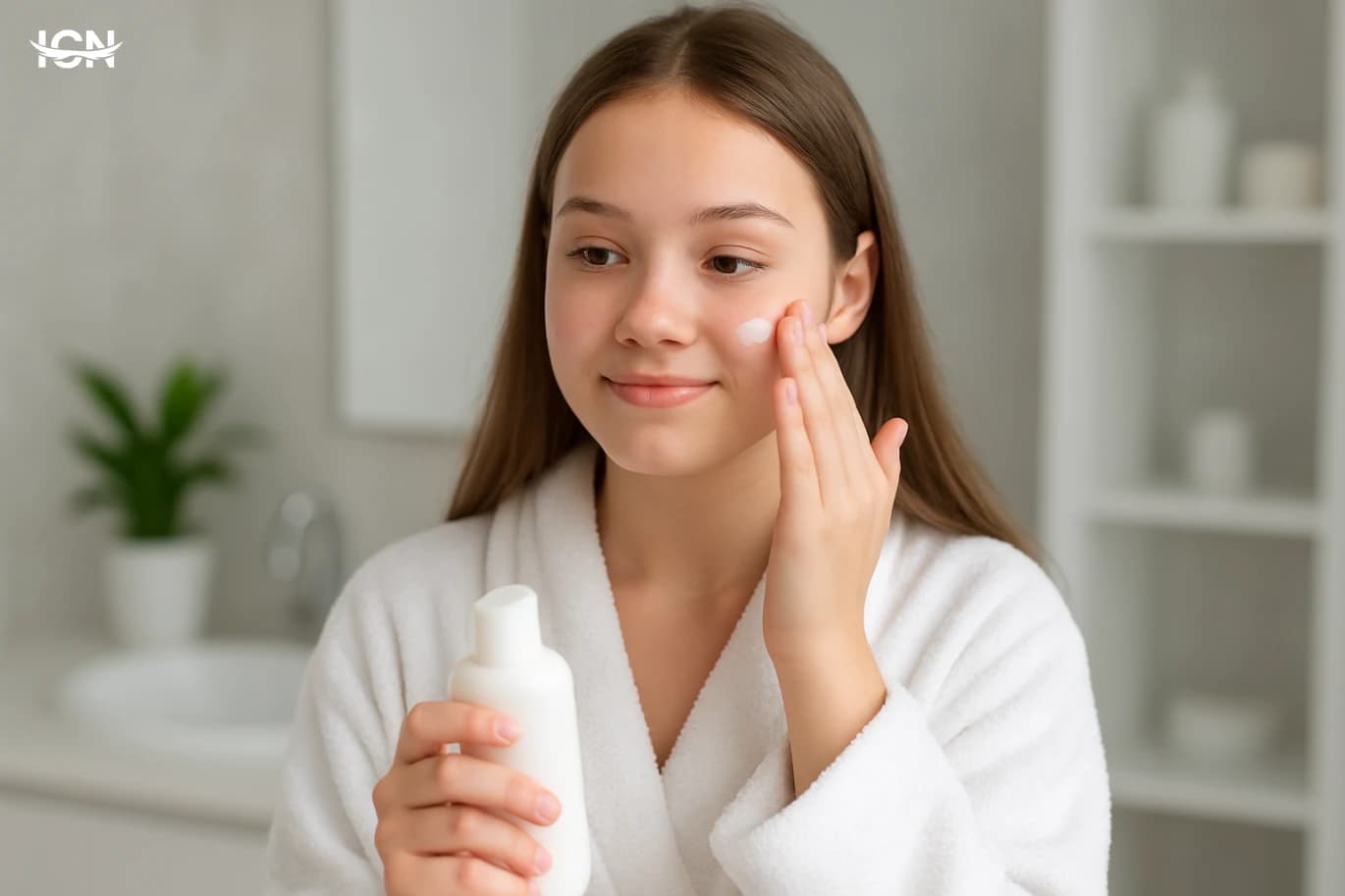
A teen routine should match what your skin is doing right now, not what a video recommends. Most teenage skin changes quickly because of hormones, sweat, school stress, and sports. Before buying anything, notice three things for one week: how oily your face feels by midday, where breakouts show up, and whether your cheeks feel tight after washing. This quick check helps you choose products that solve real problems instead of adding more steps. Keep your goal simple: clean skin, comfortable moisture, and daily sun protection. If you start with too many active ingredients, irritation can look like “more acne,” and you may end up switching products every few days. A stable routine for 3–4 weeks is usually enough to see if it’s working. Also, remember that “normal” is a range. A few small pimples around the forehead or chin can be typical, especially around exams or your period. What matters is whether your skin feels painful, very inflamed, or constantly irritated. In those cases, a pharmacist or dermatologist can help you choose safer options.
Men’s Face and Neck Lift Choices
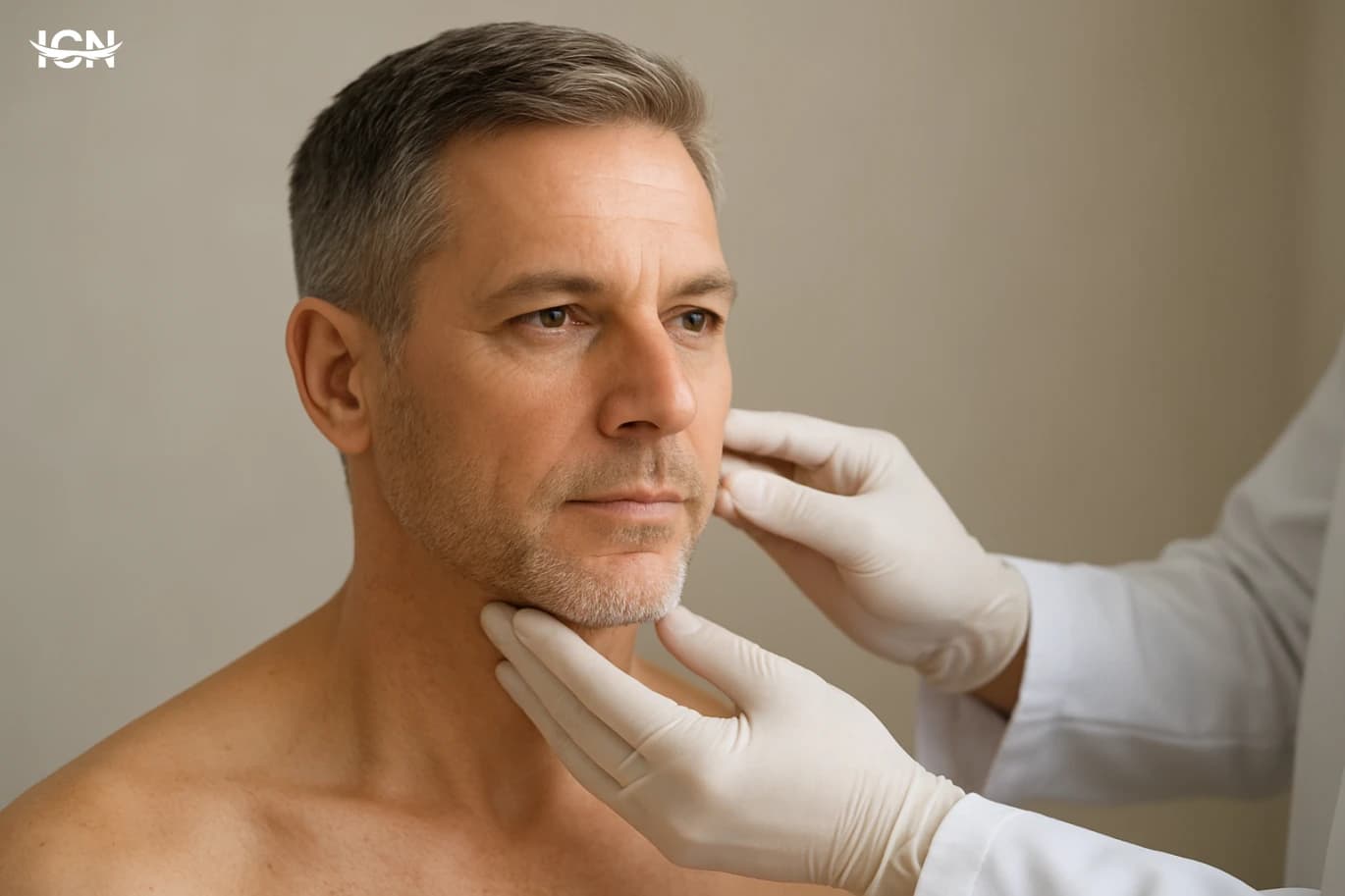
For many men, the first “tired” look does not come from fine lines, but from changes in the jawline and neck. Skin gradually loses elasticity, and the supportive tissues under it relax, so the border between the face and neck becomes less defined. Men also tend to carry more weight fluctuations around the lower face, which can soften the jawline over time. Shaving can highlight these changes because it exposes the contour daily, making small shifts easier to notice. Another factor is anatomy. Men often have thicker skin and stronger facial muscles, which can delay early wrinkles but can make sagging in the lower face appear heavier once it starts. The neck is especially sensitive to posture and sun exposure; long hours looking down at screens can deepen neck creases and contribute to a “folded” appearance. Aesthetic approaches that target the lower face and neck are popular because they focus on restoring structure and definition rather than creating a dramatically different look.
When Facial Shine Is a Good Sign
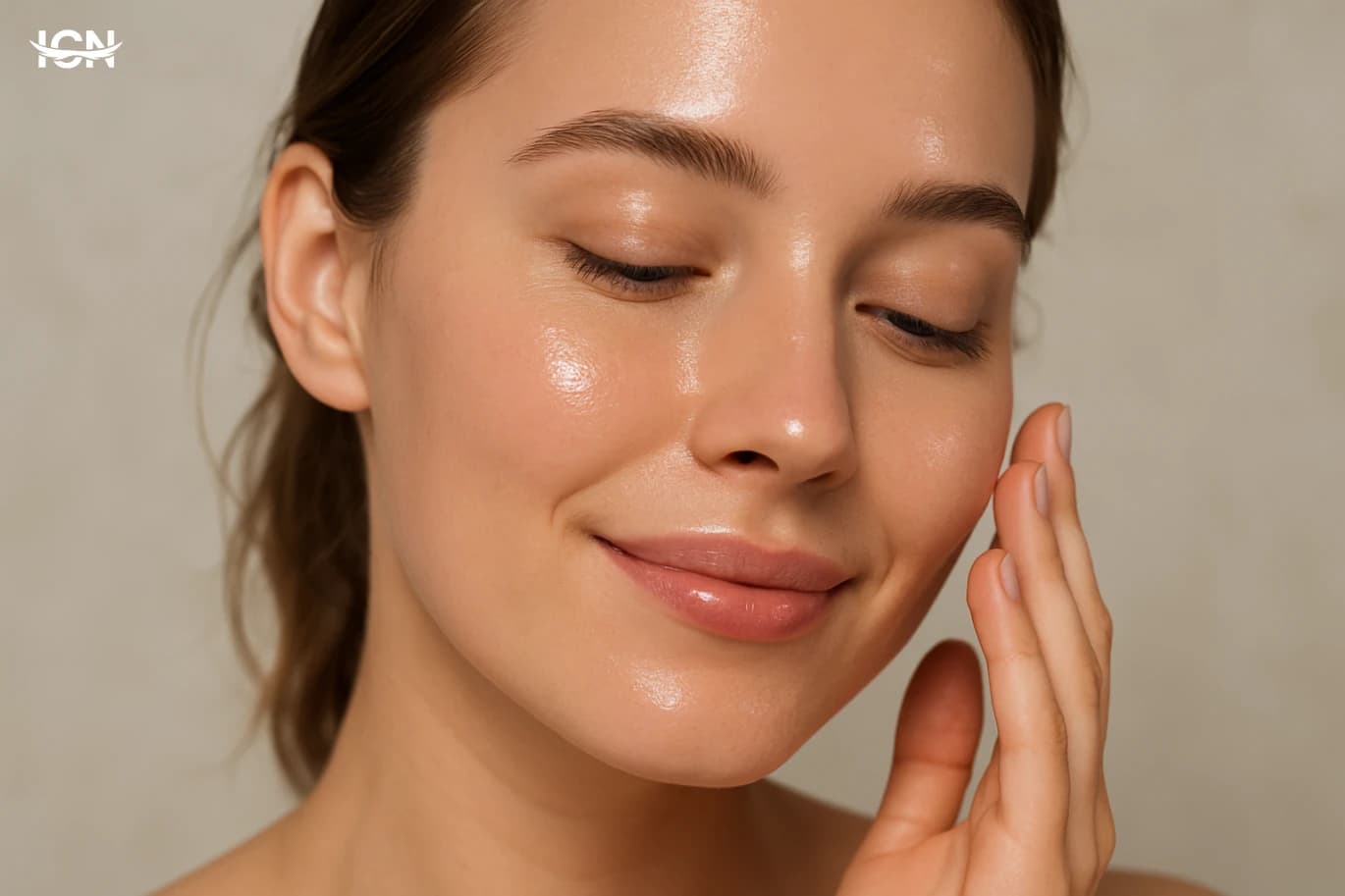
Not every shiny face means a skin problem. A healthy glow is usually a soft, even reflection of light that appears after moisturizing, gentle exfoliation, or good hydration. It tends to look uniform across the cheeks and forehead, with skin texture still visible and pores not overly emphasized. This type of radiance often comes with comfortable skin that does not feel greasy to the touch. Oily shine is different. It often looks patchy, stronger in the T-zone (forehead, nose, and chin), and can make pores look larger. The skin may feel slippery within a few hours of cleansing, and makeup may separate or slide. This shine is driven by excess sebum, which can be influenced by genetics, hormones, climate, and product choices. Understanding which type you are seeing is the first step, because the solutions are not the same. A practical way to tell: press a clean tissue lightly on the forehead and nose two to three hours after washing. If it picks up noticeable oil, you are dealing with sebum-driven shine. If the tissue stays mostly clean but your skin still looks bright, it is more likely a surface glow from hydration and a smooth skin barrier.
Snail Mucin in Skincare Reality Check
Snail mucin, often labeled “snail secretion filtrate,” moved from niche K‑beauty shelves to mainstream skincare because it fits several modern consumer demands at once: hydration, barrier support, and a “natural” story. It is typically used in serums, essences, and moisturizers that promise smoother texture and a healthier glow without aggressive exfoliation. Social media also played a role, but the bigger driver is practical: many people want products that feel soothing and layer well with sunscreen and makeup. From a formulation standpoint, snail mucin is not one single ingredient. It is a complex mixture of water-binding substances and skin-friendly components that can improve the feel of a product and reduce the look of dryness. Brands often market it as a one-step solution for dullness, fine lines, and post-acne marks, which is where expectations can become unrealistic. The real question is not whether snail mucin is “magic,” but what it can reasonably do in a routine, and for whom it is worth the cost. Another reason for its popularity is that it is generally positioned as gentle. People who cannot tolerate strong acids or retinoids sometimes look for alternatives that still offer visible improvement. Snail mucin products often deliver immediate comfort and a plumper look because of hydration, which can be mistaken for long-term structural change. Understanding that difference is essential before judging whether it is a beauty secret or a marketing exaggeration.
Sustainable Natural Alternatives to Sheet Masks
Sheet masks are convenient, but their environmental footprint is often overlooked. Most are single-use products packaged in multilayer sachets that are difficult to recycle because they combine plastic and aluminum. Even when the mask fabric is plant-based, the packaging and the one-time format create steady waste. Many formulas also rely on synthetic polymers and preservatives that are safe for skin but add to the overall manufacturing complexity and resource use. From a skin-care perspective, sheet masks mainly work by delivering humectants and soothing agents under light occlusion, which temporarily reduces water loss and makes skin look plumper. That effect can be achieved with reusable tools and simple, well-formulated leave-on products. If your goal is glow and hydration without extra trash, the key is to replicate the benefits—hydration, barrier support, and calming—using options that can be washed, refilled, or composted, and that fit your routine consistently rather than as a one-off treatment.
Barrier First Skincare for Sensitive Faces
Many “sensitive skin” complaints are not a mystery condition; they are often a stressed skin barrier. The barrier is the outermost layer that keeps water in and irritants out, supported by lipids such as ceramides, cholesterol, and fatty acids. When it is compromised, everyday products can sting, redness becomes easier to trigger, and the face may feel tight even after moisturizing. Common signs include burning with gentle cleansers, flaky patches around the nose or mouth, sudden shine with dehydration underneath, and makeup that separates quickly. Barrier stress is frequently caused by routine choices rather than genetics alone. Over-cleansing, hot water, frequent exfoliation, high-strength actives layered together, and fragranced products can all increase transepidermal water loss. Environmental factors matter too: dry indoor heating, air conditioning, wind, and frequent mask-wearing can create friction and micro-irritation. Understanding barrier health reframes the goal from “fixing sensitivity” to building resilience with fewer, better steps and consistent protection.
Retinol Done Right for Sensitive Skin
Retinol is effective because it speeds up cell turnover and supports collagen, but those same benefits can overwhelm a fragile skin barrier. Sensitive skin often has a thinner or more reactive barrier, so water escapes more easily and irritants penetrate faster. When retinol is introduced too quickly, common reactions include dryness, tightness, flaking around the mouth and nose, and a stinging sensation after cleansing. These effects are not always an allergy; they are frequently a dose-and-schedule problem. It also matters what else is happening in your routine. Strong cleansers, frequent exfoliation, and fragranced products can prime the skin for irritation before retinol even enters the picture. Climate plays a role as well: cold, dry air and indoor heating increase transepidermal water loss, making retinol feel harsher. Understanding that sensitivity is often a barrier-management issue helps you plan a retinol approach that improves texture and tone without triggering weeks of discomfort.
Barrier First Skincare for Reactive Faces
More people describe their face as “reactive” even when they do not have a formal diagnosis. In practice, this usually means stinging with basic products, sudden flushing, tightness after cleansing, or patches that look irritated for days. Several everyday factors can push skin in that direction: frequent switching between active ingredients, over-cleansing, hot showers, aggressive exfoliation, and constant exposure to dry indoor air from air conditioning or heating. Urban pollution and long screen time can also encourage people to cleanse more often than needed, which can strip the surface. From a facial aesthetics perspective, reactive skin is not only uncomfortable; it also makes results less predictable. Makeup may separate, sunscreen may pill, and professional treatments can lead to longer downtime when the barrier is already compromised. A barrier-first approach focuses on restoring the skin’s outer defense so it can tolerate actives, sun protection, and aesthetic procedures more reliably. The goal is not to avoid all ingredients, but to build tolerance and reduce unnecessary triggers.
Barrier First Skincare for Sensitive Faces
Many “sensitive skin” complaints are actually barrier problems. The outermost layer of the skin, the stratum corneum, works like a protective shield made of skin cells and lipids. When it is healthy, it limits water loss, keeps irritants out, and supports a balanced microbiome. When it is weakened, people notice tightness after cleansing, stinging with products that used to feel fine, patchy redness, and makeup that clings to dry areas. Common triggers include over-cleansing, frequent exfoliation, hot water, harsh foaming surfactants, and stacking too many actives at once. Climate and lifestyle also play a role: dry air, air conditioning, long hot showers, and repeated mask friction can all increase transepidermal water loss. A barrier-first approach focuses on restoring hydration and lipids before chasing brightening or anti-aging goals, which often reduces reactivity and makes later treatments more tolerable.
Glow On the Go Skincare Routine
Travel days and late nights change your skin’s behavior in predictable ways. Cabin air and air-conditioned terminals are typically dry, which increases water loss from the skin and can make fine lines look more visible. Long hours sitting, salty snacks, and inconsistent hydration can also contribute to puffiness, especially around the eyes. Add disrupted sleep and your skin may look dull because overnight repair time is reduced, and the complexion can appear uneven. The goal during trips is not to do more steps, but to do the right steps consistently. Think in terms of three priorities: keep the barrier comfortable, prevent dehydration, and protect from sun exposure. When you focus on these, you can maintain a fresh look even with a tight schedule, limited luggage space, and changing climates.
By clicking the SUBSCRIBE button, you are agreeing to our Privacy & Cookie Policy If you want to unsubsribe the marketing email, please proceed to our privacy center.
© 2005-2026 ICN. All Rights Reserved.