olive oil
- Introduction to olive oil
- Health benefits of olive oil
- Types of olive oil
- Ways to use olive oil in cooking
- Correct storage of olive oil
Introduction to olive oil
A. History and cultural heritage of olive oil Olive oil is an essential part of culture and tradition in many countries, especially in the Mediterranean regions. The use of olive oil dates back thousands of years, where it has played an important role in daily life and culinary practices. The olive tree is a symbol of peace and productivity, as well as the values of sustainable agriculture. for. The importance of olive oil in healthy cuisine Olive oil is characterized by its many health properties, including its high content of antioxidants and unsaturated fatty acids. It is considered an essential component of a balanced diet, as it contributes to improving heart health and reducing inflammation. Adding olive oil to meals enhances the flavor and is an excellent choice for cooking and seasoning.
Health benefits of olive oil
A. Promoting cardiovascular health Olive oil is known for its ability to improve cardiovascular health. It contributes to lowering harmful cholesterol levels in the blood, which reduces the risk of heart disease. for. Fighting infections and chronic diseases. Olive oil helps reduce inflammation rates in the body and improves overall health. Studies indicate that consuming olive oil can protect against chronic diseases such as diabetes and heart disease, making it an excellent healthy choice in the diet.
Types of olive oil
A. Extra virgin oil and its types Extra virgin oil is considered the best choice among olive oils, as it is extracted from the first pressing of the olives. It is characterized by its strong flavor and high health properties, and contains a large percentage of antioxidants. This classification includes types such as “organic extra virgin oil,” which is produced from naturally grown olives. for. The difference between refined oil and natural oil Refined oil is further processed, which loses some of the nutritious properties and original taste. While natural or virgin oil retains all its nutrients, making it the healthiest choice when cooking or serving. Therefore, it is often preferable to use virgin oil in food recipes for better health benefits.
Ways to use olive oil in cooking
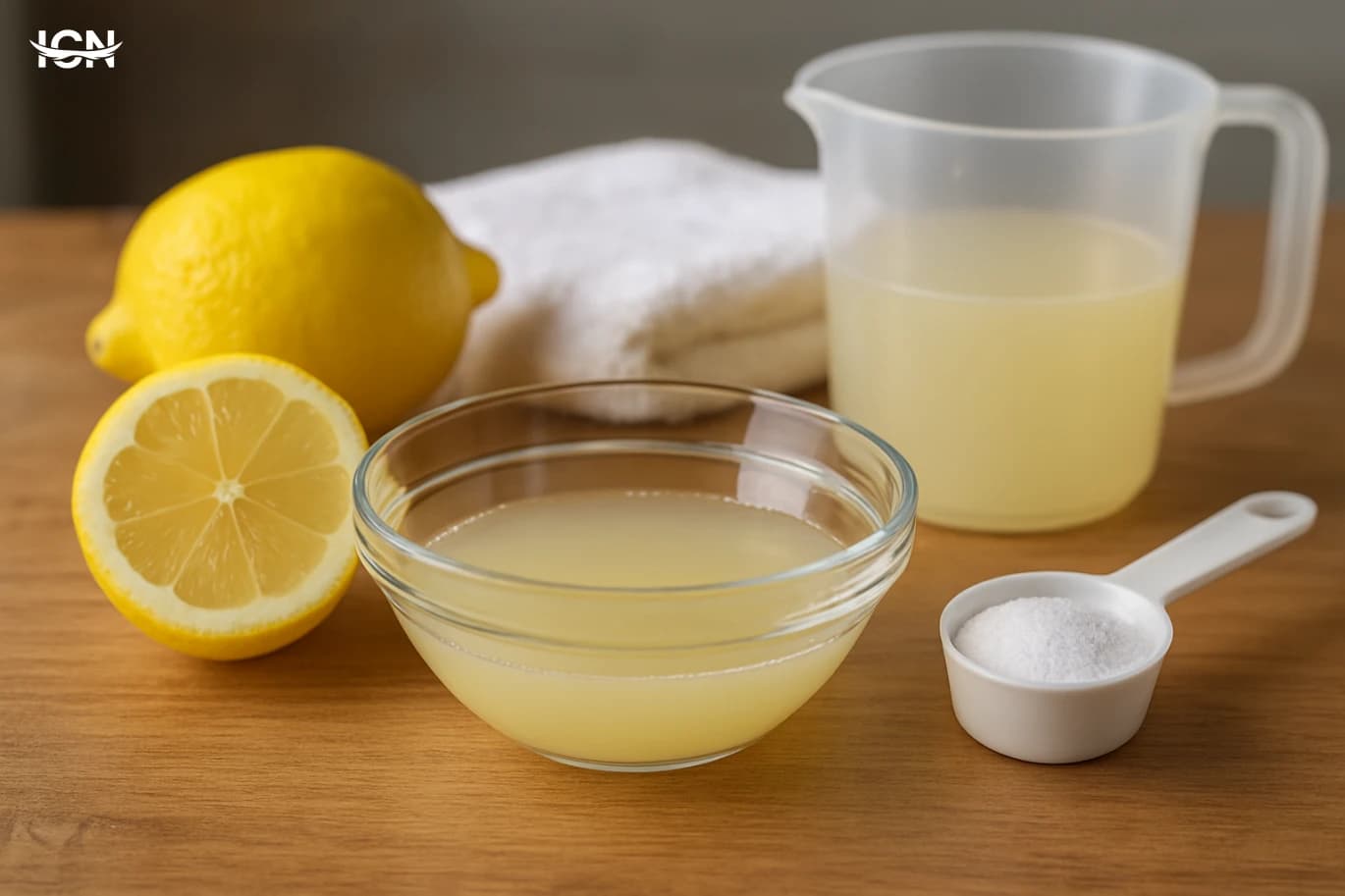
A. Low and Medium Heat Cooking Olive oil is an excellent choice for low and medium heat cooking. It helps maintain its rich flavour, and retains its important nutritional components. It can be used to fry vegetables and cook meat, as it adds a delicious taste without losing the health benefits. for. Using olive oil in salads and cold dishes Olive oil is often used as a salad dressing, where lemon juice or vinegar is added to it to provide a distinctive flavor. It can also be used to season cold dishes such as tomato soup or grilled vegetables, which improves the taste and enhances the health benefits.
Correct storage of olive oil
A. Optimal preservation conditions To maintain quality, olive oil must be stored in a cool, dark place, such as a cupboard or refrigerator, to protect it from light and heat. It is important to use dark or opaque bottles to protect the oil from factors that affect its quality. for. The shelf life of olive oil and how to distinguish between good and bad. Olive oil usually maintains its quality for up to two years from the date of production. Good and bad oil can be distinguished by smell and flavour; The oil should smell fresh and taste mild. If the oil smells fresh or tastes bitter, it is best to throw it away.