Lemon Juice for Smarter Laundry Fixes
- Why Lemon Works in Laundry
- Brightening Whites and Reducing Yellowing
- Handling Common Stains and Odors
- Hard Water, Soap Residue, and Fabric Feel
- Safe Use Checklist and What to Avoid
Why Lemon Works in Laundry
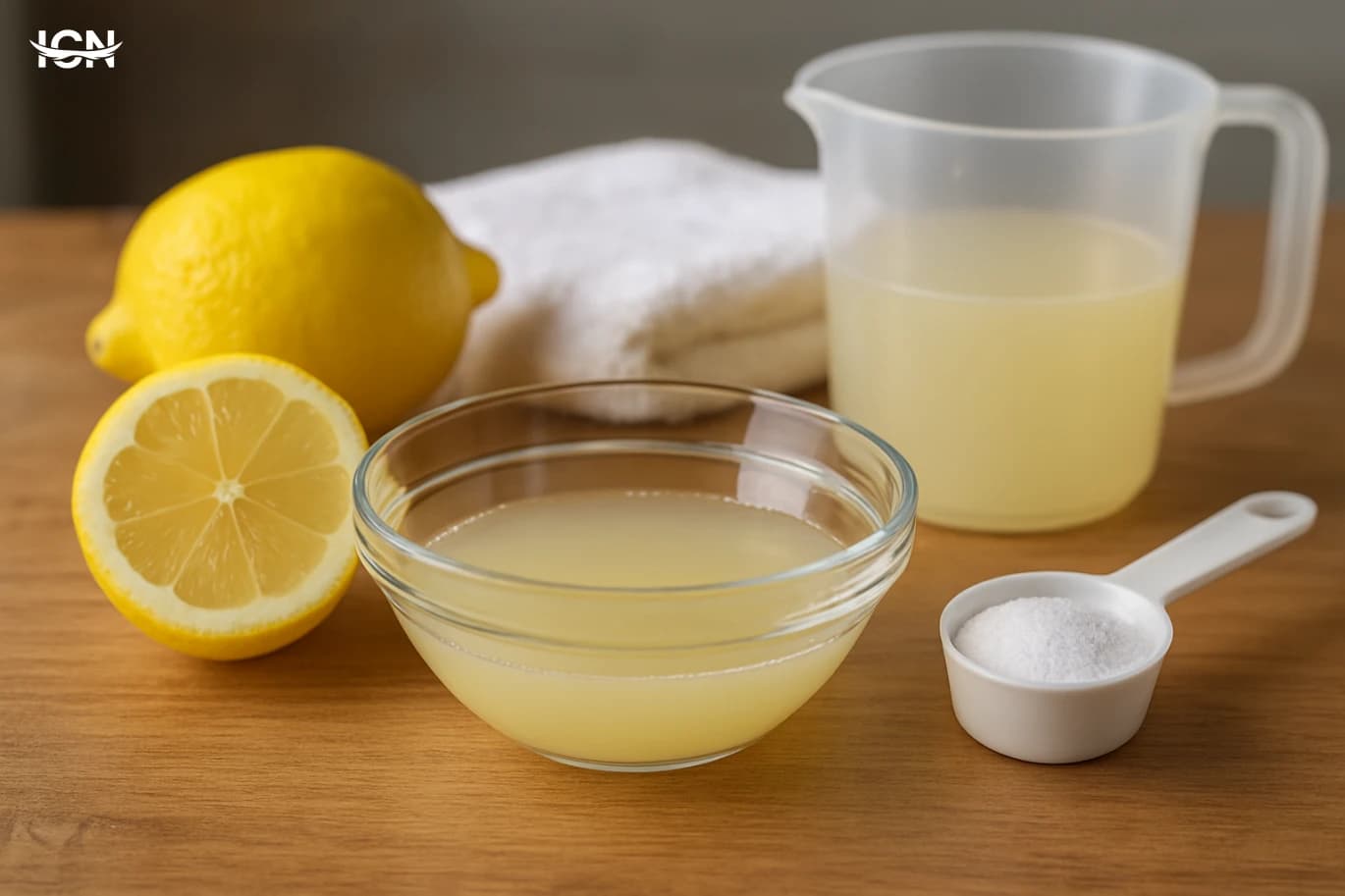
Lemon juice is more than a kitchen staple; it is a practical helper in laundry because of its natural citric acid. Citric acid can loosen mineral buildup, reduce dullness caused by hard water, and support the removal of certain everyday stains. It also helps neutralize some odor sources by shifting the pH on fabric surfaces, which can make clothes smell fresher after washing. What makes lemon a “smart” option is that it can be used in small, targeted amounts rather than relying on extra products for every issue. A few tablespoons in the right step—pre-treating, soaking, or the rinse cycle—can address common problems like yellowing, soap residue, and light discoloration. Lemon is not a replacement for detergent, and it is not suitable for every fabric, but it can be a useful add-on when used carefully. Before using lemon juice routinely, it helps to understand its limits. It can weaken some dyes and may affect delicate fibers if used too often or in high concentration. It can also react with chlorine bleach, which should never be mixed with acids. Used with basic precautions, lemon juice can be a simple, low-cost tool for improving wash results.
Brightening Whites and Reducing Yellowing
One of the most common complaints in laundry is that white items turn dull or slightly yellow over time. This often happens because of body oils, deodorant residue, and minerals in water that cling to fibers. Lemon juice can help by loosening some of that buildup and improving the look of whites, especially when the discoloration is mild to moderate. A practical method is a short soak: mix about 1/2 cup of lemon juice in a basin of warm water, then soak white cotton items for 30–60 minutes before washing as usual. For localized yellowing, such as underarm areas, apply diluted lemon juice (one part lemon to two parts water), gently rub, and let it sit for 10–15 minutes before the wash. This approach is best for sturdy fabrics like cotton and linen. Sun-drying can amplify the brightening effect, but it should be used with care. Sun exposure can fade colors and may weaken some fabrics over time. For whites, a brief sun-dry after a lemon-based pre-treatment can be helpful, but it is better to avoid long, repeated exposure. If you see any fabric change, stop and switch to a gentler method.
Handling Common Stains and Odors
Lemon juice can be useful for certain everyday stains, particularly those linked to food and light discoloration. For example, it may help with tea or coffee marks on light fabrics when treated quickly. A simple approach is to blot the stain, apply a small amount of diluted lemon juice, wait 5–10 minutes, then rinse with cool water before washing. The key is speed: older stains set deeper and may require specialized stain removers. For odors, lemon can support freshness when the smell is caused by residue and trapped oils. Adding 2–3 tablespoons of lemon juice to the rinse cycle can help reduce that “stale” scent in towels or gym clothes. Another option is a pre-soak with warm water and a small amount of lemon juice for 20–30 minutes, followed by a normal wash with adequate detergent. However, lemon is not a universal stain solution. It is not recommended for protein-based stains like blood or for heavy grease without a proper degreasing step. It also should not be used on delicate fabrics such as silk or wool without testing. When in doubt, test on an inside seam first and watch for color change.
Hard Water, Soap Residue, and Fabric Feel
Hard water is a quiet cause of many laundry frustrations. Minerals like calcium and magnesium can reduce detergent performance, leave residue on fabric, and make towels feel stiff. Over time, this buildup can trap odors and make colors look less clear. Lemon juice can help by binding some minerals and supporting a cleaner rinse, which may improve softness and reduce that “coated” feeling. A simple routine for households with hard water is to add 1–2 tablespoons of lemon juice to the final rinse for a medium load. This is not meant to replace fabric softener for everyone, but it can be a lighter alternative when the main issue is mineral residue. If towels remain stiff, consider also reducing detergent slightly and running an occasional extra rinse, because overuse of detergent is a common contributor to buildup. For washing machines, residue can accumulate in the drum and around seals. An occasional empty hot cycle with a cup of lemon juice can help freshen the machine and reduce mineral film. This should be done without any bleach products and followed by a quick rinse cycle if needed. Always check the appliance manual for approved cleaning methods.
Safe Use Checklist and What to Avoid
To use lemon juice effectively, treat it like a targeted laundry aid rather than an all-purpose fix. Start with small amounts and increase only if needed. For most uses, dilution is safer: it reduces the chance of uneven lightening and helps spread the liquid more evenly on fabric. Avoid using lemon juice on fabrics that are known to be sensitive, including silk, wool, and some blends with special finishes. Be cautious with dark or bright colors, because citric acid can contribute to fading, especially if combined with sun exposure. Always test on a hidden area first and wait until the fabric dries to judge any color change. Most importantly, never mix lemon juice with chlorine bleach or any product that contains hypochlorite. This combination can create harmful fumes and damage fabrics. Also avoid pouring lemon juice directly onto metal parts of the washing machine for long periods, as acids can affect some surfaces. If you follow these basic rules—dilute, test, and keep it separate from bleach—lemon juice can remain a practical, low-risk addition to your laundry routine.