Foods That Keep You Full Naturally
- Why fullness matters
- Protein choices that satisfy
- Fiber and volume for fewer cravings
- Healthy fats that slow hunger
- Smart meals and snack swaps
Why fullness matters
Feeling hungry all day is rarely about “weak will.” It is often a predictable result of meals that are low in protein, fiber, and water, or high in refined carbs that digest quickly. Fullness (satiety) is influenced by how fast food leaves the stomach, how steadily blood sugar rises, and how strongly the brain receives signals from gut hormones after eating. In practical terms, the most filling meals tend to combine three features: a solid protein source, a high-fiber plant component, and enough volume from water-rich foods. This combination slows digestion and reduces the urge to snack shortly after eating. It also makes it easier to keep portions reasonable without counting every calorie. A useful way to think about appetite control is “designing” meals. Instead of focusing on what to avoid, focus on what to add: protein at breakfast, legumes or whole grains at lunch, and vegetables with dinner. Over a week, these choices can reduce the frequency of cravings and make hunger feel more predictable rather than urgent.
Protein choices that satisfy
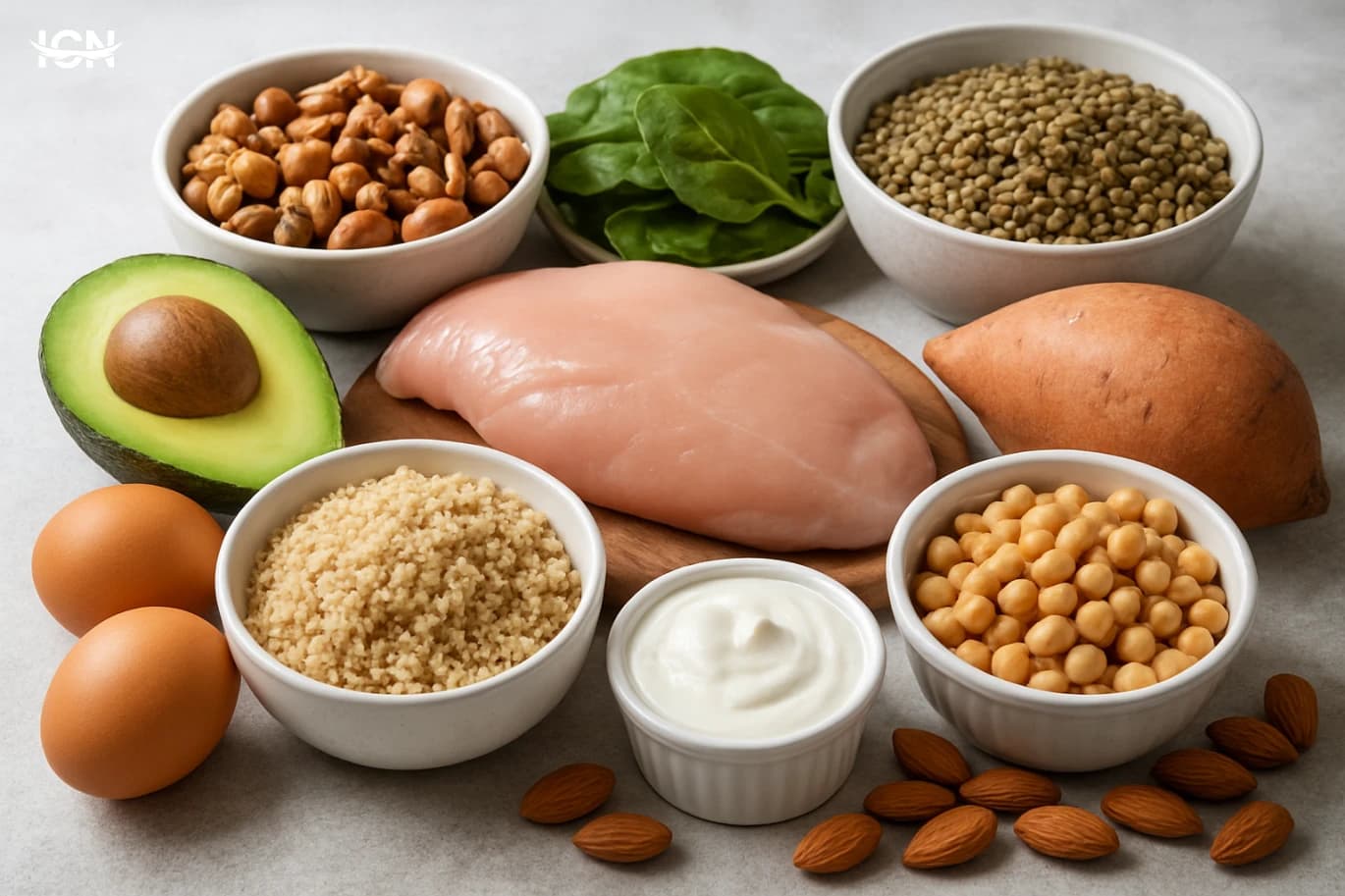
Protein is one of the strongest dietary tools for satiety because it slows stomach emptying and supports stable energy between meals. The goal is not extreme intake, but consistent inclusion across the day. Many people feel the biggest difference when breakfast includes protein instead of being mostly bread, pastries, or sweetened cereals. Filling protein options include eggs, Greek yogurt, cottage cheese, fish, chicken, lean meat, tofu, tempeh, and legumes. For a quick breakfast, Greek yogurt with oats and berries can keep you satisfied longer than a sweet drink and a small snack. At lunch, a chicken or tofu salad becomes more filling when paired with beans or whole grains. Portion guidance can stay simple: aim for a palm-sized serving of protein at main meals, and a smaller portion in snacks if needed. If you rely on plant proteins, combine them with fiber-rich foods—lentils with vegetables, hummus with whole-grain bread, or tofu with mixed greens. These pairings improve fullness and make meals feel complete rather than “light but unsatisfying.”
Fiber and volume for fewer cravings
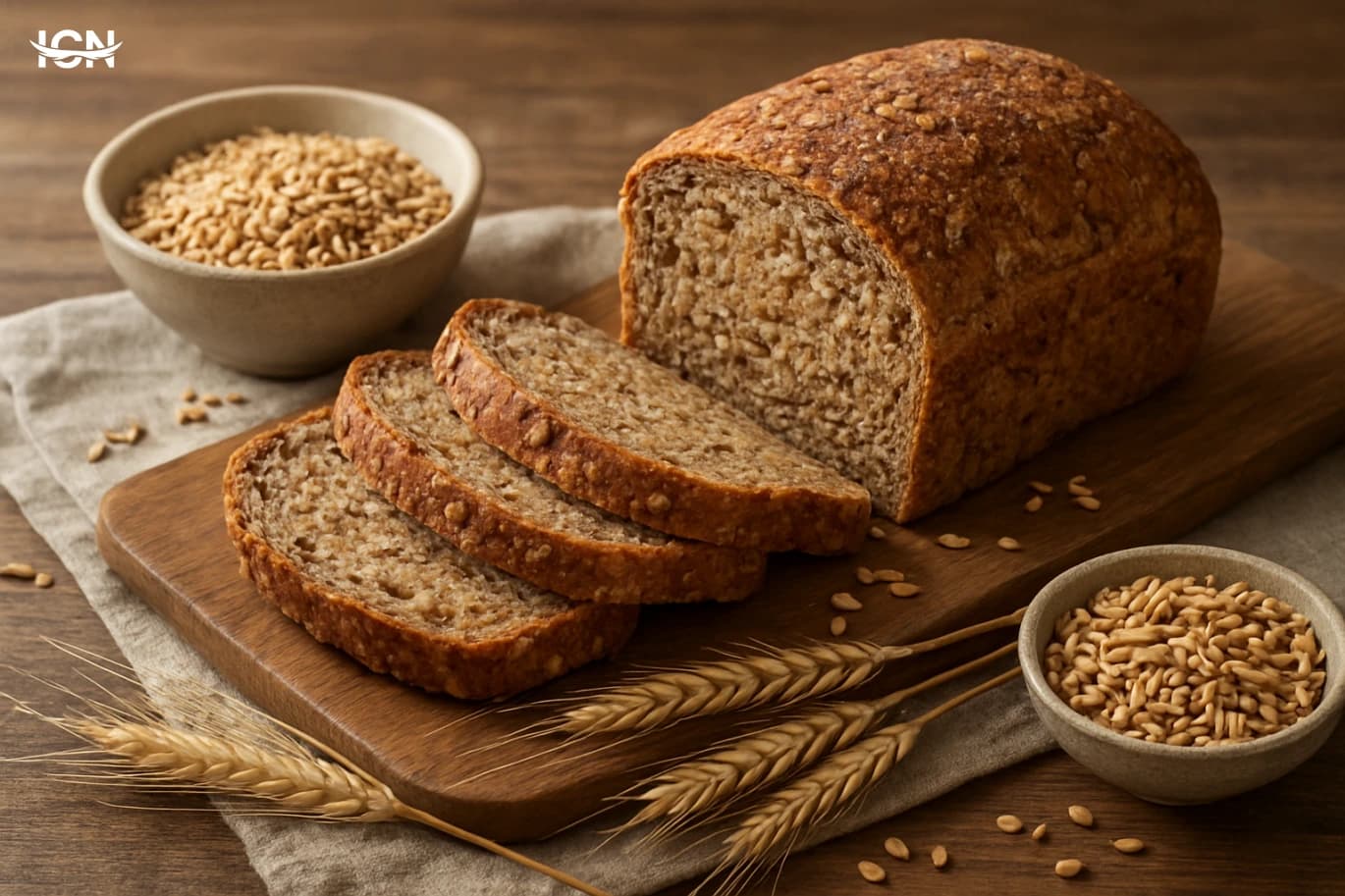
Fiber adds bulk without adding many calories, and it slows digestion. This is why meals built around vegetables, legumes, and whole grains often reduce cravings later in the day. There are two practical fiber strategies: increase the amount of high-fiber foods, and choose forms that naturally come with water. Legumes are a standout: lentils, chickpeas, beans, and peas combine fiber with protein, making them especially filling. A bowl of lentil soup or a chickpea salad can hold you longer than a similar-calorie meal based on white bread or refined pasta. Whole grains such as oats, barley, and brown rice also help, especially when portions are moderate and paired with protein. Vegetables and fruit contribute “volume eating.” A large salad with a protein topping, a vegetable-based stew, or a plate that is half non-starchy vegetables can reduce the urge to snack. For fruit, choose whole fruit over juice; an apple or orange tends to satisfy more than a glass of juice because chewing and fiber both matter. If you increase fiber, do it gradually and drink enough water. A sudden jump can cause discomfort. A realistic target is to add one fiber-rich item per day—beans at lunch, oats at breakfast, or an extra serving of vegetables at dinner—until it becomes routine.
Healthy fats that slow hunger
Dietary fat is calorie-dense, but small amounts can improve satiety because fat slows digestion and makes meals more satisfying. The key is choosing unsaturated fats and using them as a “finishing” component rather than the main volume of the meal. Practical options include olive oil, avocado, nuts, seeds, and tahini. Adding a tablespoon of olive oil to a salad, a small handful of almonds as a snack, or a spoon of tahini in a yogurt-based sauce can reduce the feeling that a meal is incomplete. Fat also helps with the absorption of fat-soluble vitamins from vegetables. Balance matters. A meal that is high in fat but low in fiber and protein may still leave you hungry later, and it can overshoot daily energy needs. A better pattern is: vegetables for volume, protein for staying power, and a measured amount of healthy fat for satisfaction. For example, grilled fish with a large vegetable side and a drizzle of olive oil tends to keep hunger calmer than a refined-carb meal with little protein. If weight management is a goal, treat fats like a seasoning: enough to improve taste and fullness, not so much that it becomes the largest calorie source on the plate.
Smart meals and snack swaps
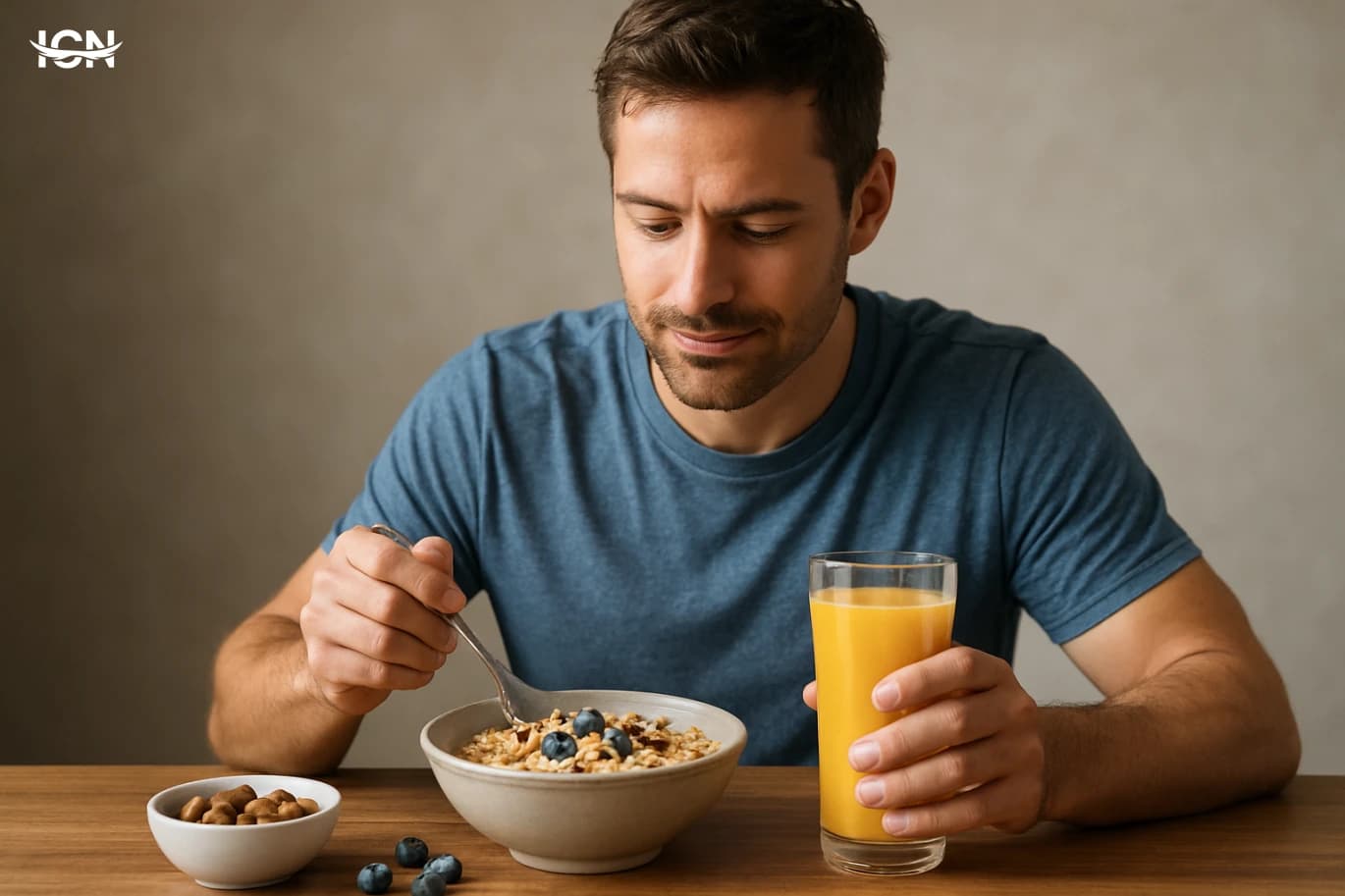
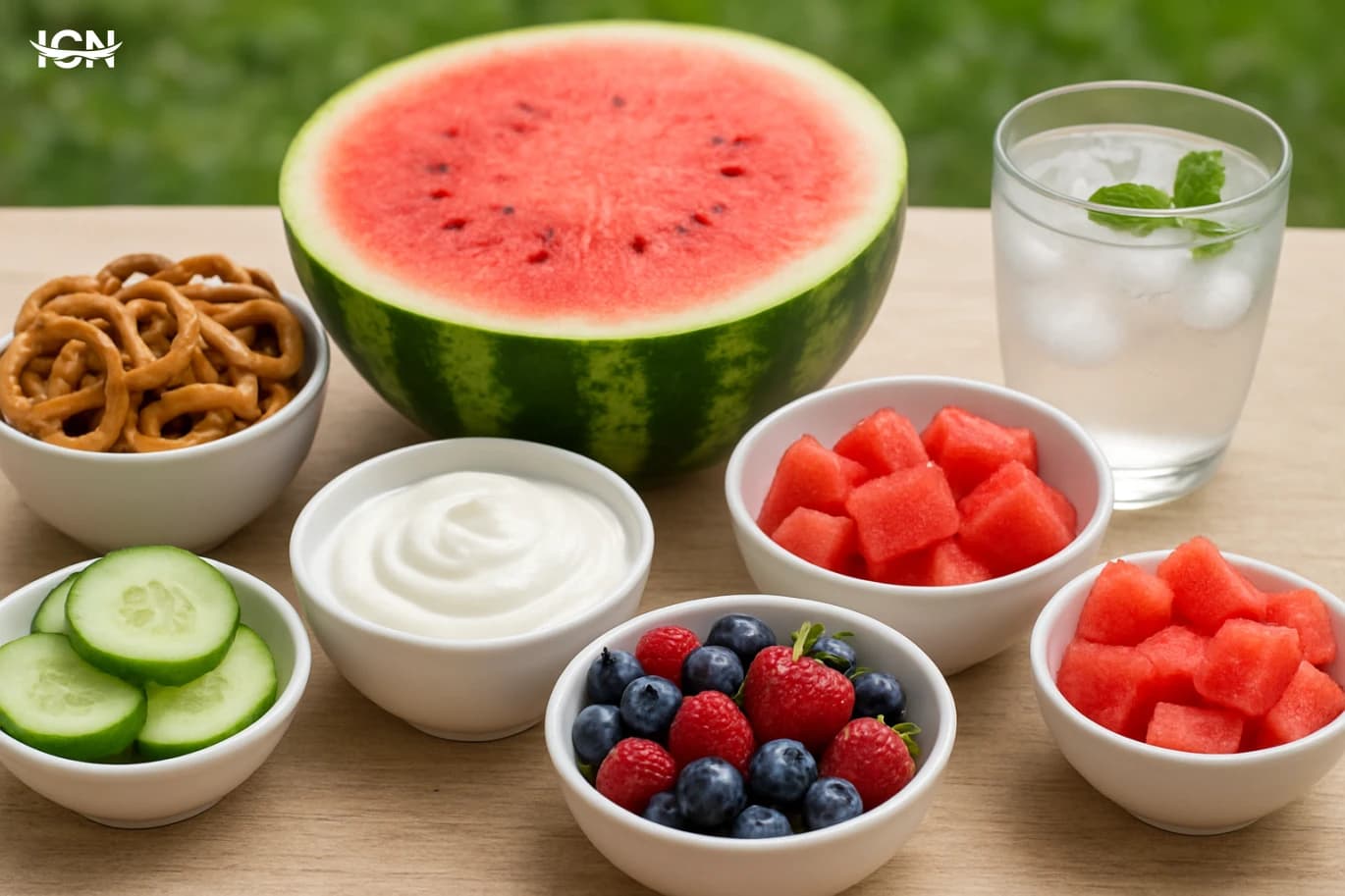
Appetite control becomes easier when you have default meals and snacks that are filling and convenient. Start with breakfast because it often sets the pattern for the day. A protein-forward breakfast can reduce mid-morning cravings and make lunch choices calmer. Examples of satisfying breakfasts: eggs with vegetables and a slice of whole-grain bread; Greek yogurt with oats, chia seeds, and fruit; or a tofu scramble with mixed vegetables. For lunch, build a “satiety bowl”: a base of vegetables, a protein (chicken, tuna, tofu, beans), and a small portion of whole grains, finished with olive oil or tahini. For dinner, prioritize a large vegetable portion plus protein, and keep refined starches smaller. Snack swaps can make a big difference. Replace chips or sweets with options that combine protein and fiber: an apple with peanut butter, carrots with hummus, a small portion of nuts with a piece of fruit, or cottage cheese with cucumber and tomatoes. If you prefer something warm, broth-based soups are often filling because they add volume and hydration. Beverages matter too. Sugary drinks can increase hunger later. Choose water, unsweetened tea, or coffee without heavy add-ins. If you often confuse thirst with hunger, drink a glass of water and wait 10 minutes before deciding on a snack. Finally, keep the environment supportive: store filling foods at eye level, portion snacks into small containers, and plan one “emergency” option such as canned beans, frozen vegetables, or yogurt so you are not forced into low-satiety choices when busy.