Oily

- introduction
- Learn the causes of oily skin
- Oily skin care
- A proper diet of oily skin
- Using appropriate care products
introduction
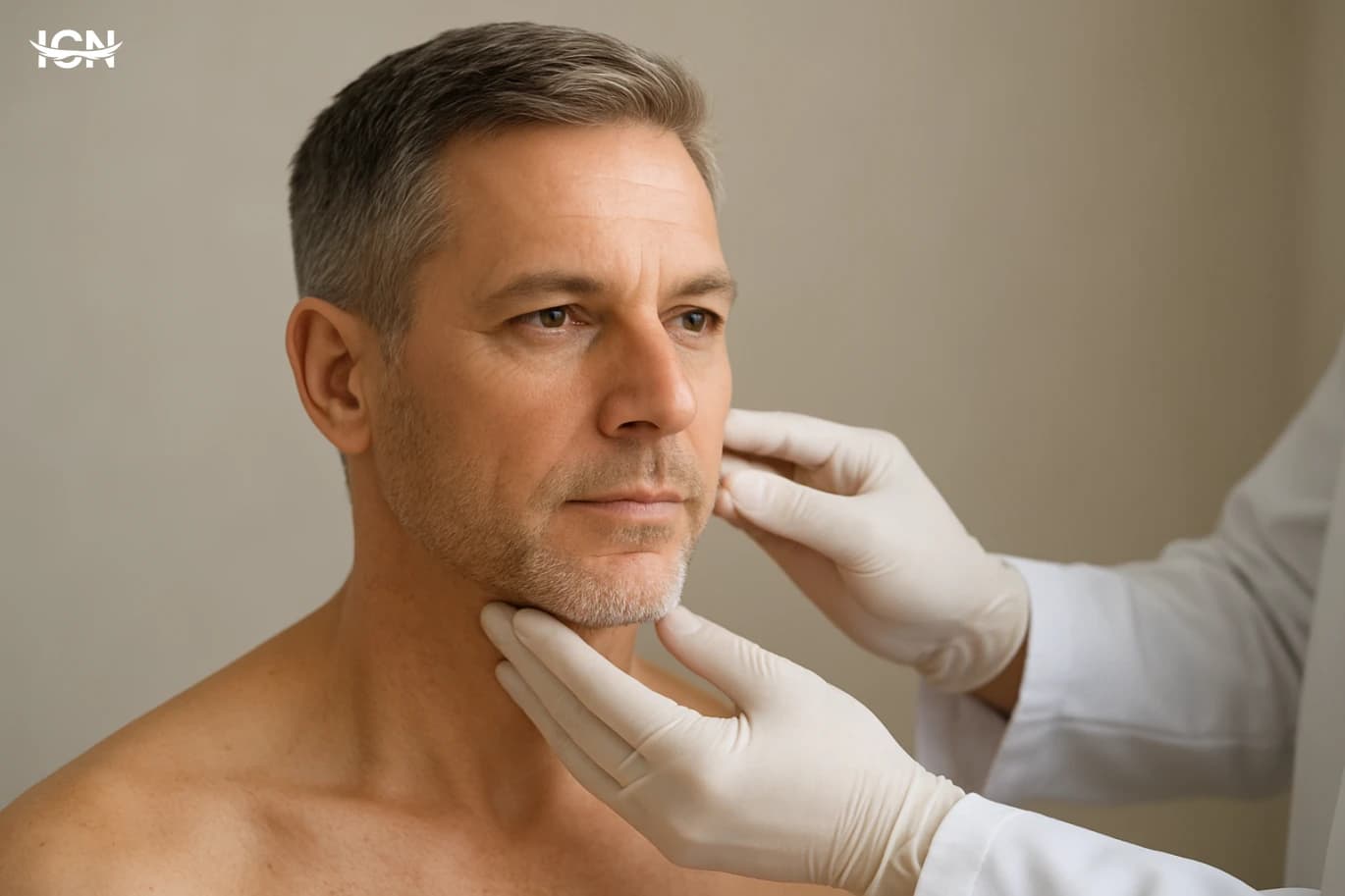
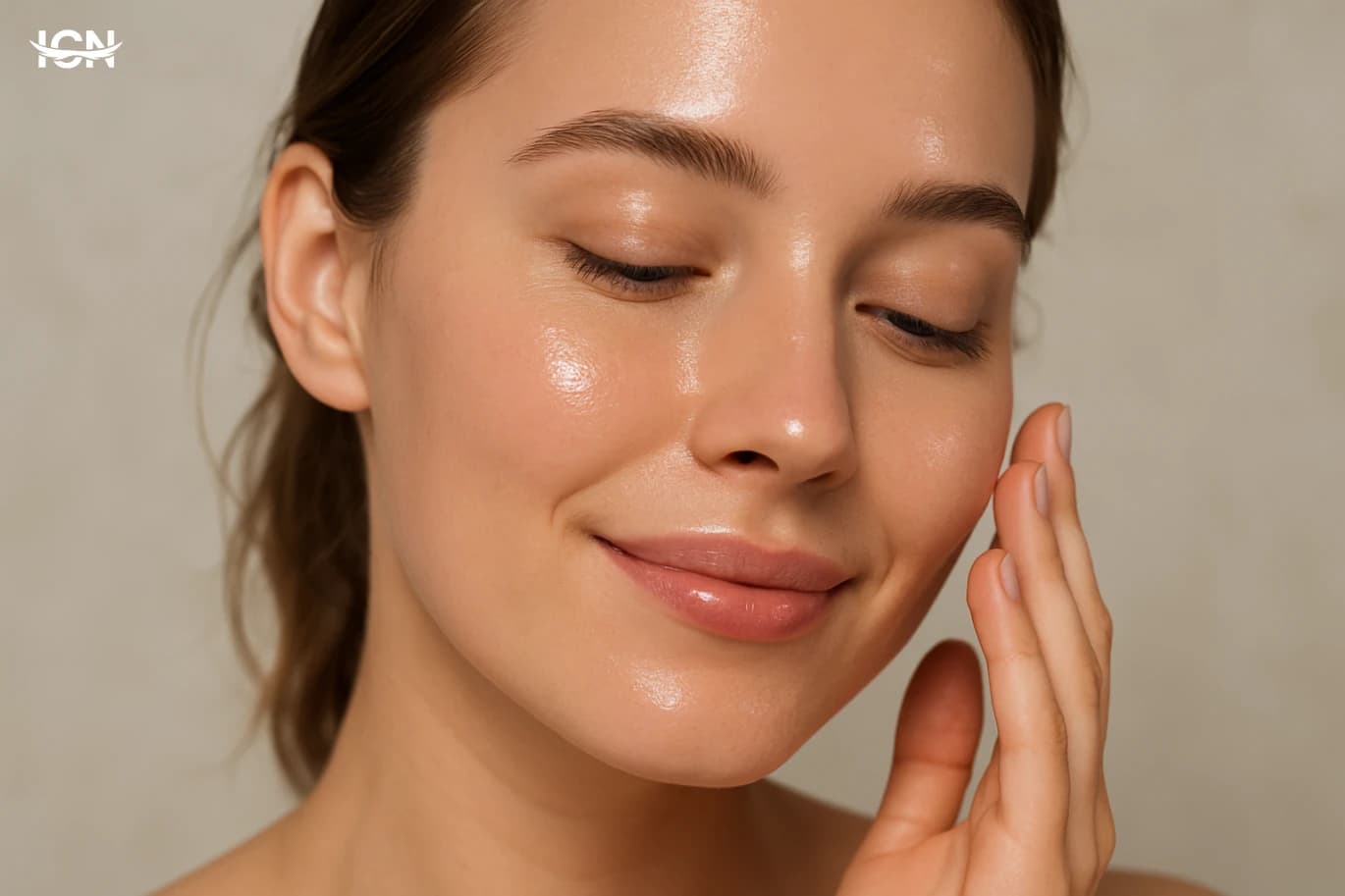
What is oily skin? Oily skin is a type of skin that is characterized by its excessive secretion of oils. This leads to a shine on the surface of the skin, making it more vulnerable to acne and pimples. This skin needs special care to achieve a balance between oils and prevent pores blockage, which may lead to the emergence of skin problems. Factors that affect oily skin, although genetic factors play an important role, but there are other factors such as weather changes, stress, and the use of inappropriate cosmetics products that affect the condition of the skin. Providing a suitable daily routine, which includes cleaning the skin, which can help reduce oil secretion and improve their general appearance.
Learn the causes of oily skin
Genetics plays a prominent role in determining the type of skin. If one or both parents suffer from oily skin, it is possible that children inherit this characteristic. So, people with a family history of oily skin should be careful in their skin care routine. Hormonal changes The hormonal changes constitute one of the main causes of increased fat secretion. During puberty, menstruation, or pregnancy, hormone levels such as androgens may increase, which increases the activity of sebaceous glands. This increased activity contributes to the appearance of oily skin.
Oily skin care
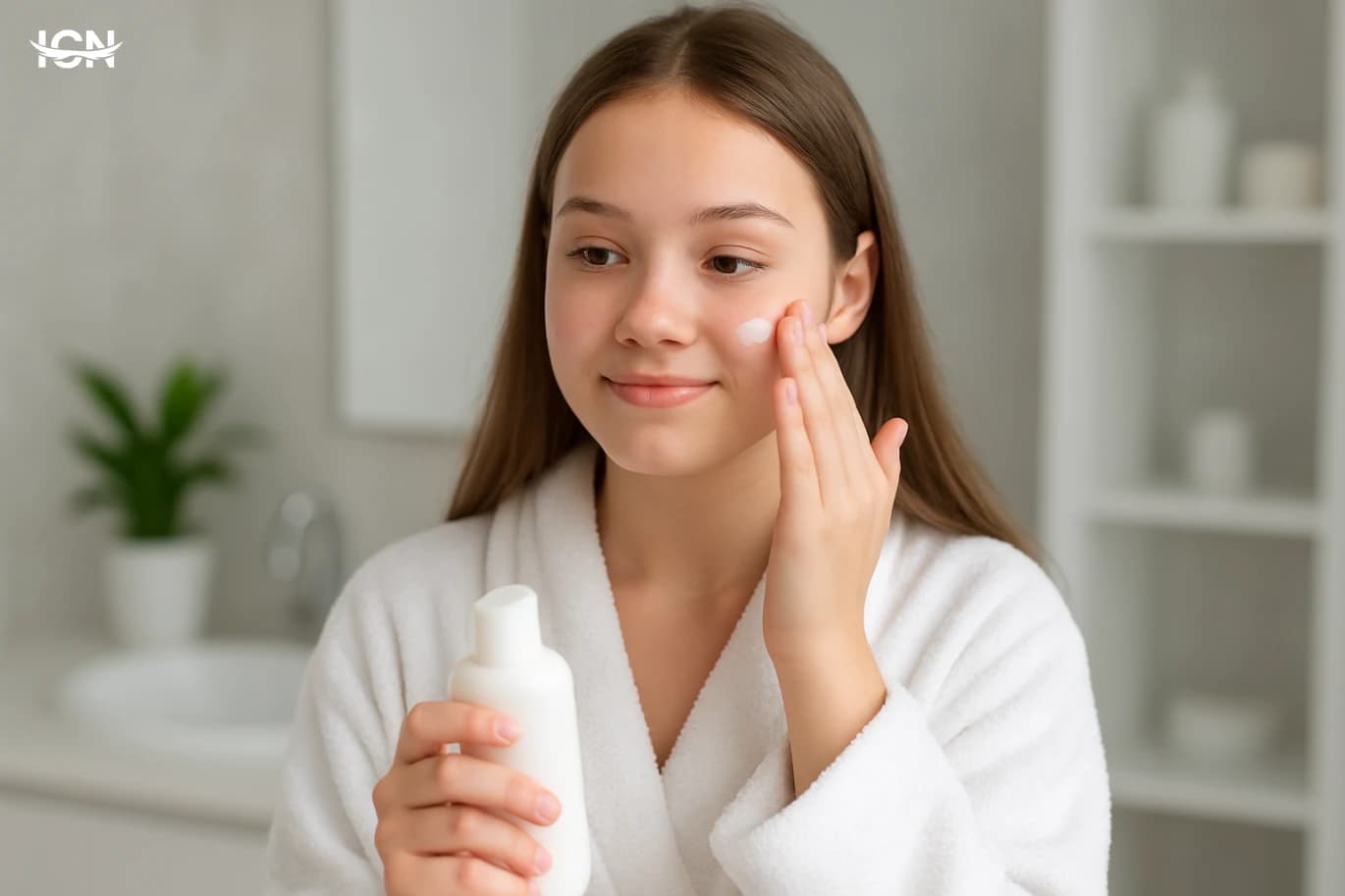
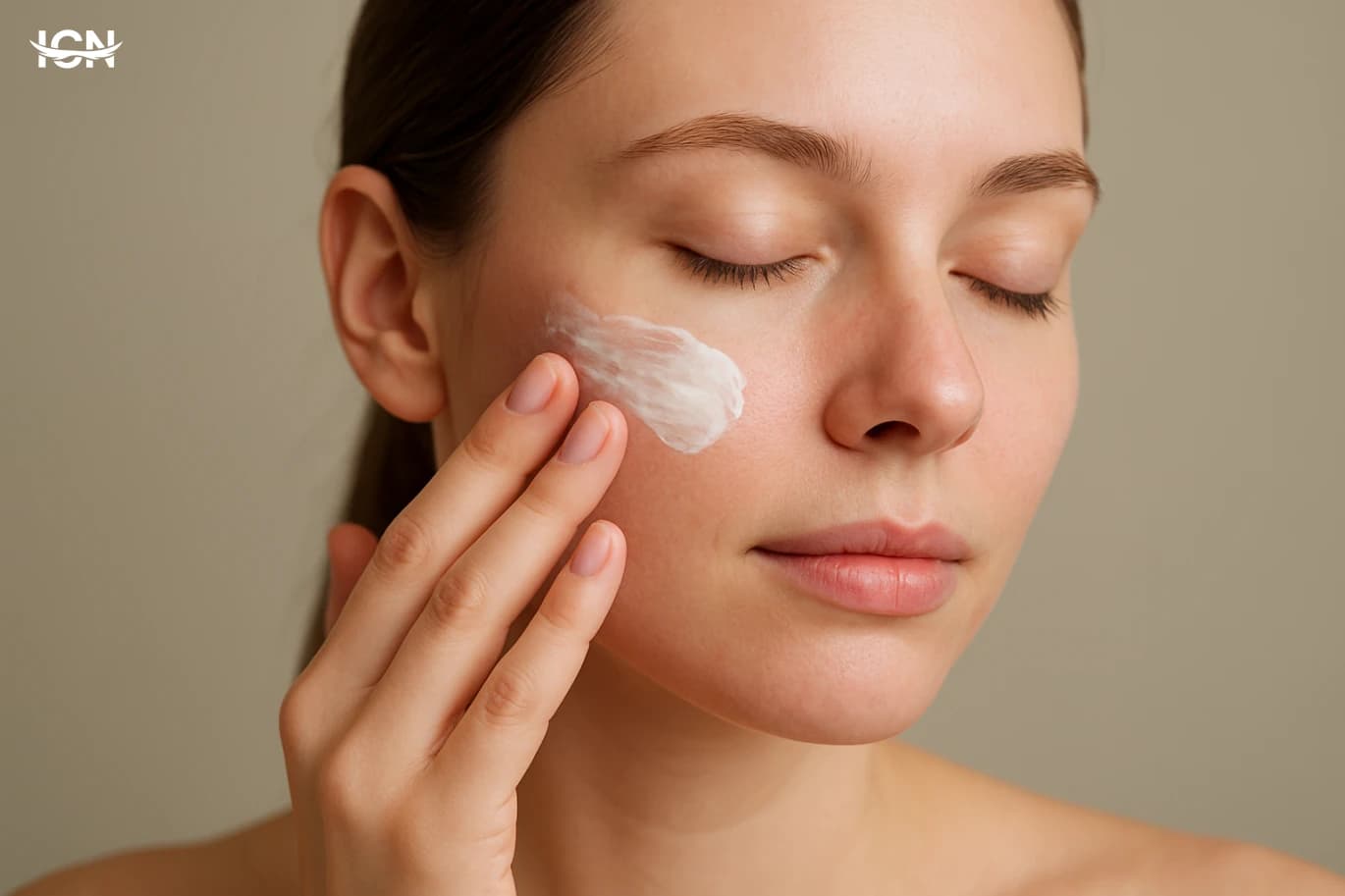
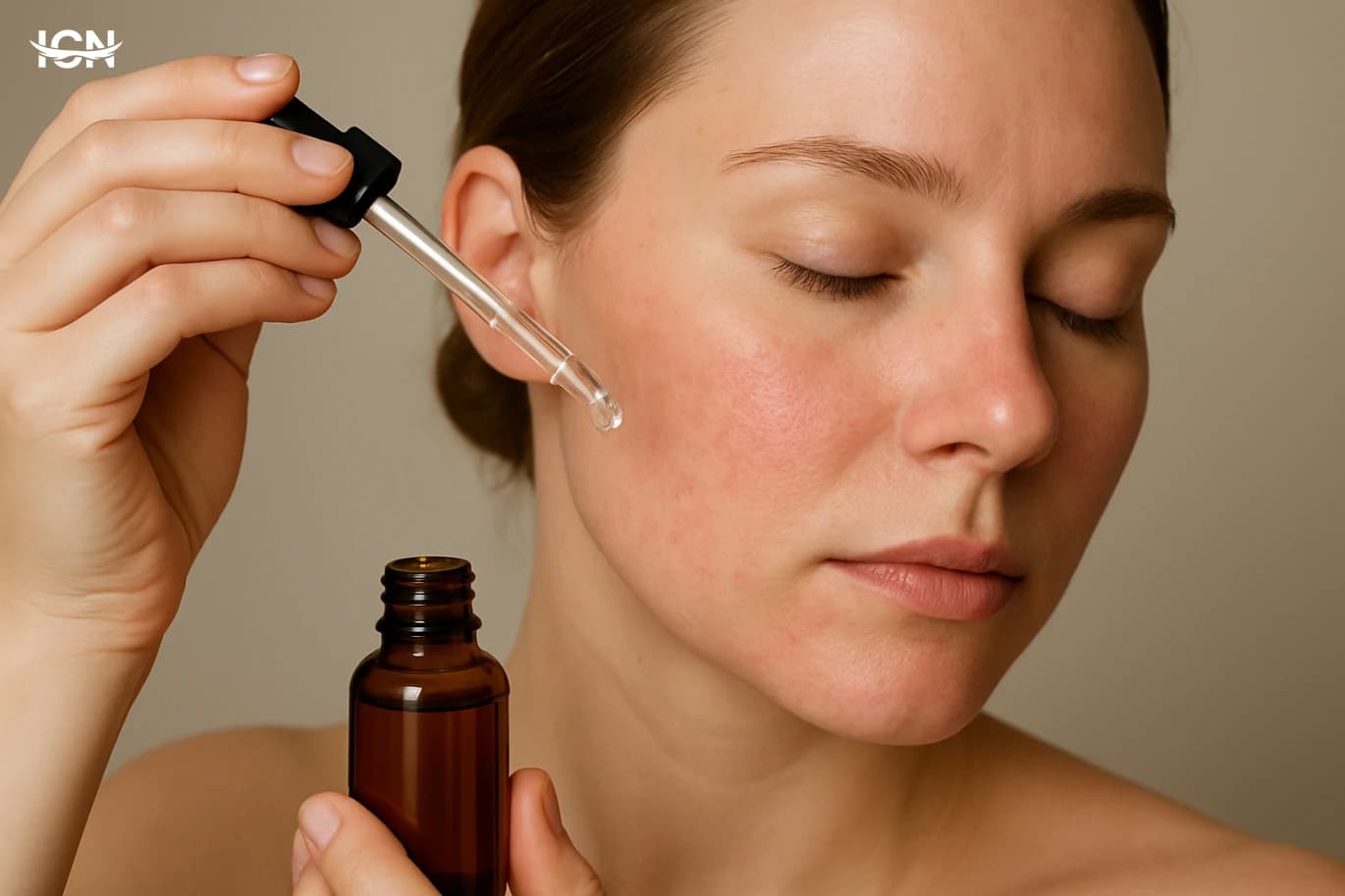
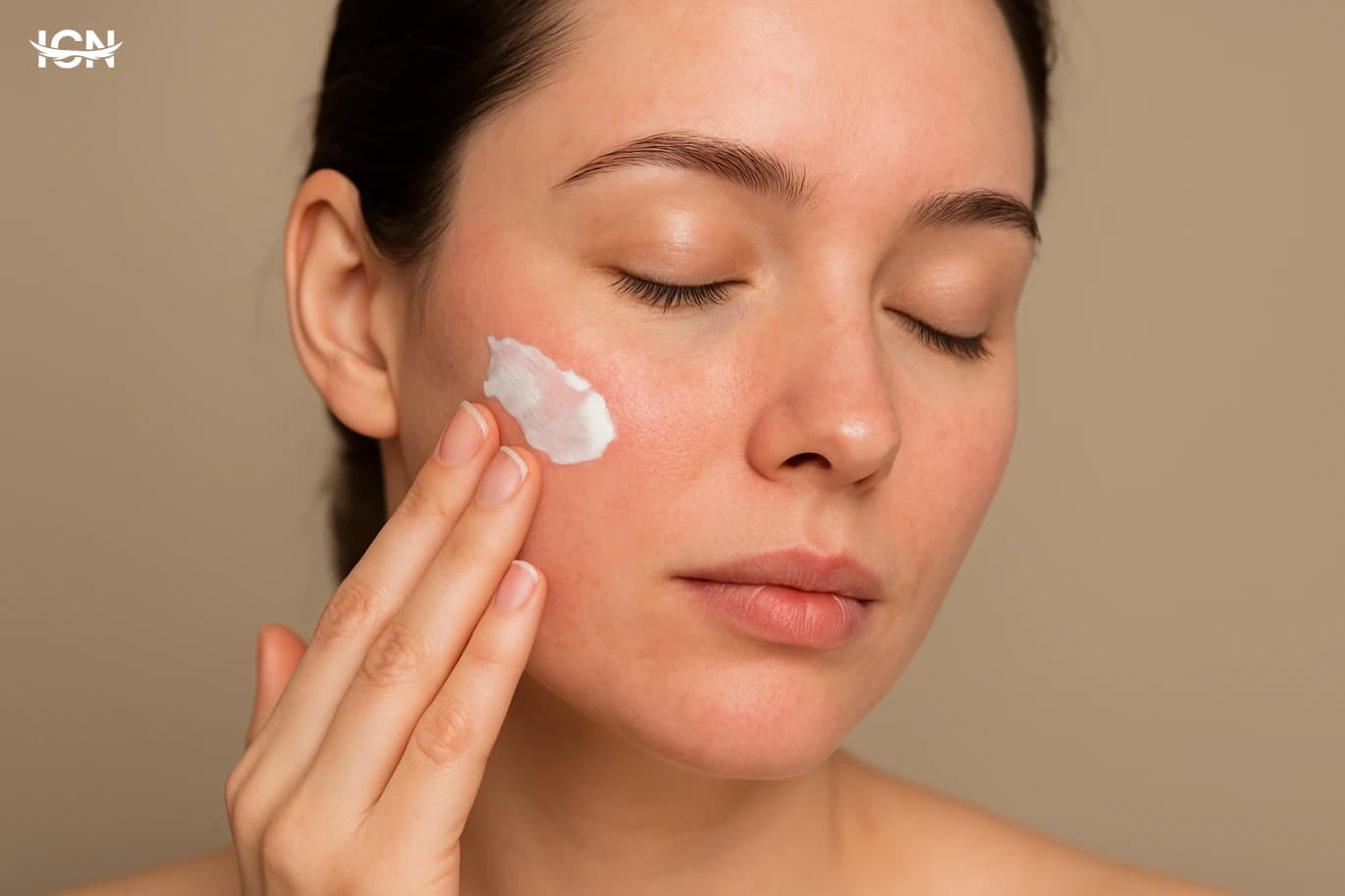
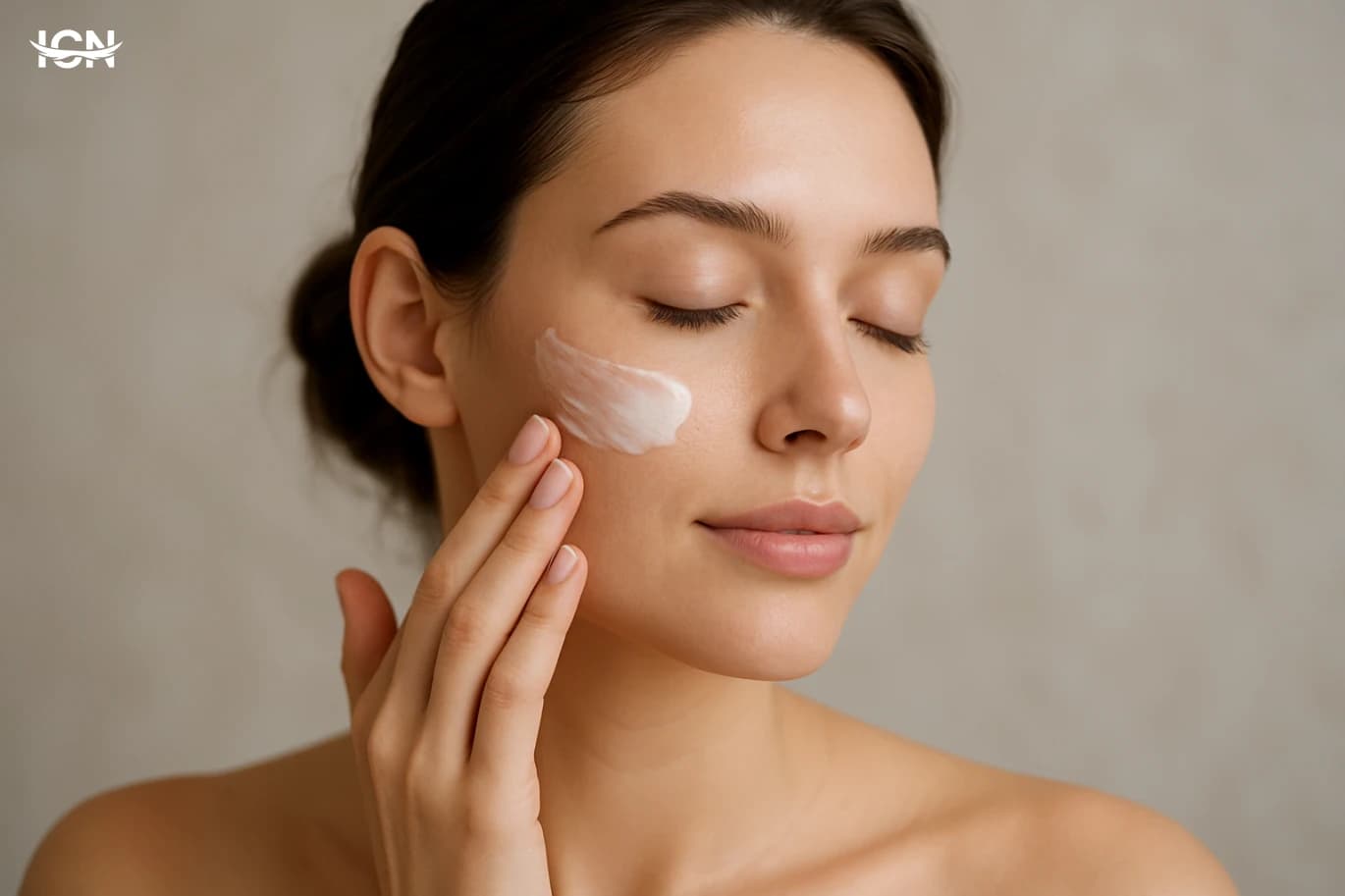
Skin cleaning system must have oily skin to take care of a suitable cleaning system. It is important to use a face wash that contains ingredients such as salicylic acid, which helps reduce excess oils and clean pores. It is preferable to wash the face twice daily to keep its smoothness and reduce shine. The use of custom moisturizers may some may think that oily skin does not need to be moisturized, but this is not true. Light moisturizers should be used. These refreshments help maintain the balance of the skin and improve their appearance. Products that contain ingredients should help control oils.
A proper diet of oily skin
Avoid fatty foods to maintain oily skin, it is advised to avoid fatty and fried foods. These foods may increase the production of oils and contribute to the blockage of the pores. Eating of sugars -rich sweets should also be reduced, as it can cause pimples. Increased eating of fruits and vegetables. People with oily skin should focus on a diet rich in fruits and vegetables. These foods contain vitamins and minerals that enhance the health of the skin, and also help improve their appearance. Foods rich in fiber help improve digestion and get rid of toxins, allowing the skin to breathe better.
Using appropriate care products
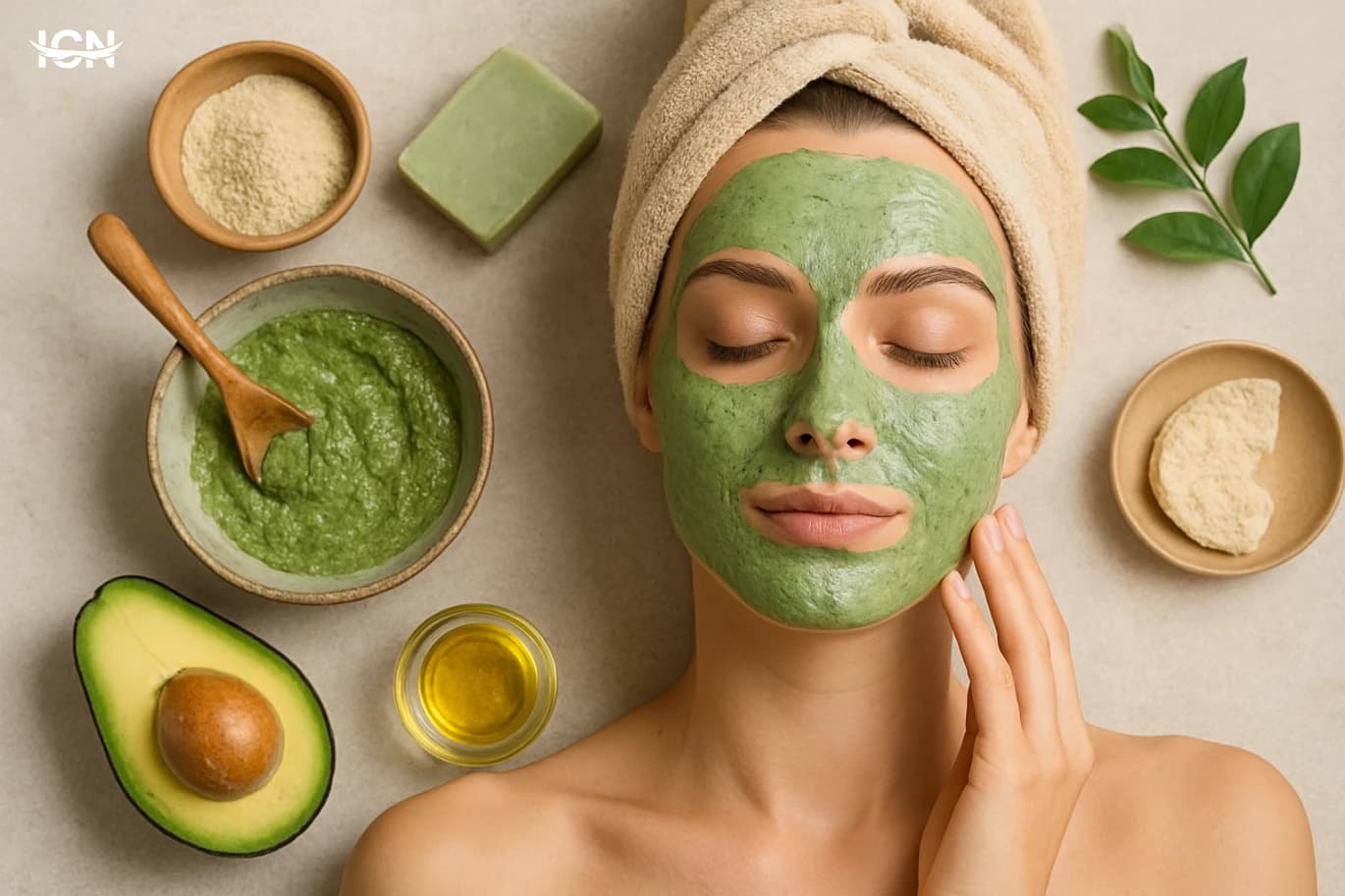
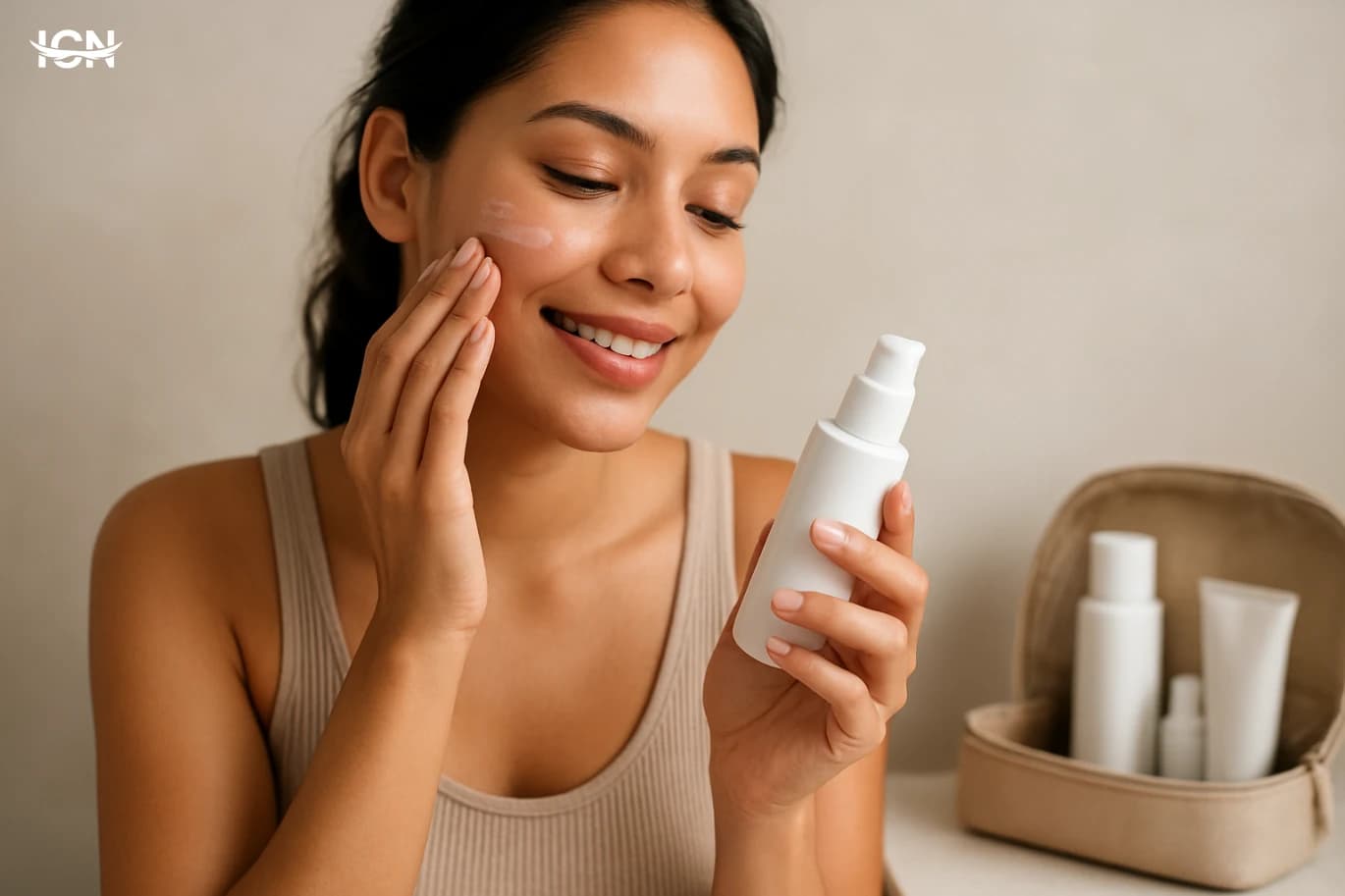
The choice of gentle detergents should have sebum skin. Choose gentle detergents that do not contain harsh chemicals. These detergents help remove excess oils without harm to the skin. It is good to choose products that contain natural ingredients such as aloe vera or green tea to reduce infections. Using natural masks is one of the many benefits for the use of natural masks. It helps reduce shine and absorb excess oils. Masks such as clay or oats can be used, as they enhance the regeneration and purification of skin cells. Using these masks regularly will enhance the health of oily skin and make it brighter.