App Logo

Download Our App

Shop your way

logologo
Image

How to make watermelon salad
05/15/2025By: ICN
How to make watermelon salad

Watermelon salad: How to prepare it and enjoy it

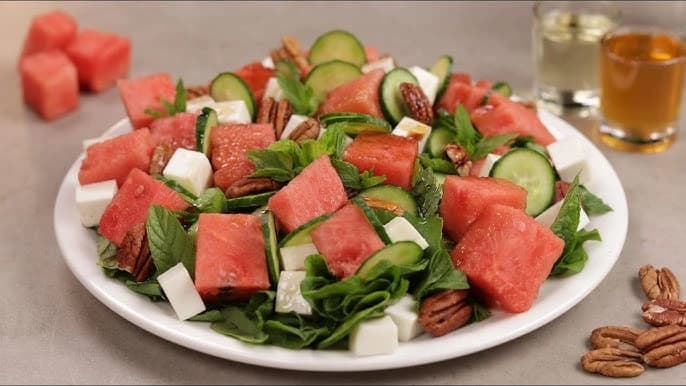
Ⅰ. The introduction to the watermelon salad is one of the most fresh and pleasant salads, especially in hot days. It is characterized by the beauty of its colors and delicious taste, and it is also a healthy and ideal option for the summer. Come with us to explore how to prepare this distinctive salad step by step. Ⅱ. The basic ingredients of the watermelon salad to prepare a delicious watermelon salad, you will need the following ingredients:- 1 large watermelon- 1 cup of cruel feta cheese- ½ cup of fresh mint chopped- 1 tablespoon of olive oil- half a lemon juice- salt and pepper according to taste ⅲ. Steps to prepare watermelon salad, cut watermelon, the first step is to cut watermelon. Remove the dandruff with a sharp knife and then cut the watermelon into small cubes. Try the pieces equal in size to facilitate power intake. Add other ingredients after cutting the watermelon, put the cubes in a large bowl and add the crushed feta cheese and sliced ​​mint. Then, in a small bowl, mix the olive oil and lemon juice with salt and pepper, then pour the mixture on the salad and gently mix it to distribute the decrease to all ingredients. Ⅳ. Distinctive flavors to improve the taste of salad you can add distinctive flavors to improve the taste of salad, such as a little hot red pepper to add a hot touch, or a little honey to add additional sweetness. You can also add pieces of cucumber or tomatoes to give the salad a different taste. Ⅴ. Health benefits for watermelon salad watermelon salad is not only delicious, but also healthy. It contains a high percentage of water, which helps moisturize on summer days. Watermelon also contains antioxidants and vitamins that support the immune system and improve the health of the skin. Ⅵ. How to present watermelon salad aesthetically to improve the form of power, be sure to use an attractive bowl. You can add some fresh mint leaves to the face and decorate the salad with a spray of olive oil to add an aesthetic touch. Ⅶ. Tips to keep the salad to keep the water of watermelon salad, preferably prepared shortly before serving. And if you prepare the salad in advance, you can store it in the refrigerator, but be sure to add cheese and mint before serving directly to avoid wildness. Ⅷ. End and enjoy the watermelon salad and finally, after completing the preparation of your authority, sit and enjoy the refreshing taste for it. Watermelon salad is an ideal choice for all occasions, whether it is family or summer gatherings. I hope you enjoy the time of preparation and take this delicious power.
* All articles published on this blog are sourced from various websites and are provided for informational purposes only. They should not be considered as confirmed studies or accurate information. Please verify the information independently before relying on it.

Similar ARTICLES

Crisp Seasonal Slaws for Any Main
Slaw is often treated as a quick add-on, but it can be one of the most useful side dishes in a home kitchen. It is fast, relies on affordable produce, and can be adjusted to match almost any main course, from roasted chicken to grilled fish or a simple grain bowl. The core idea is structure: a crunchy base, a balanced dressing, and a few targeted add-ins that bring aroma, sweetness, or heat. A good slaw also solves a practical problem: it holds well. Unlike leafy salads that wilt quickly, shredded cabbage, carrots, fennel, or kohlrabi stay crisp for hours, which makes slaw ideal for meal prep and gatherings. It can be served cold, slightly chilled, or even at cool room temperature, and it travels better than many sides. With a few seasonal swaps, you can keep the same technique year-round while changing the flavor profile to suit the weather and the main dish.
Crispy Roasted Vegetables for Any Main
Roasted vegetables are one of the most reliable side dishes because they work with almost any main course, from grilled chicken to baked fish to a hearty grain bowl. The oven concentrates flavor by driving off moisture, which makes even simple vegetables taste richer without needing heavy sauces. Roasting also gives you two textures at once: browned edges for crispness and a tender center that feels substantial on the plate. From a planning perspective, roasted vegetables are easy to scale. A single sheet pan can serve a small dinner, while two pans can cover a family gathering without adding much complexity. They also hold well for 20–30 minutes after cooking, which helps when the main dish needs last-minute attention. If you want a side that looks colorful, tastes satisfying, and doesn’t require constant stirring, roasting is a practical choice.
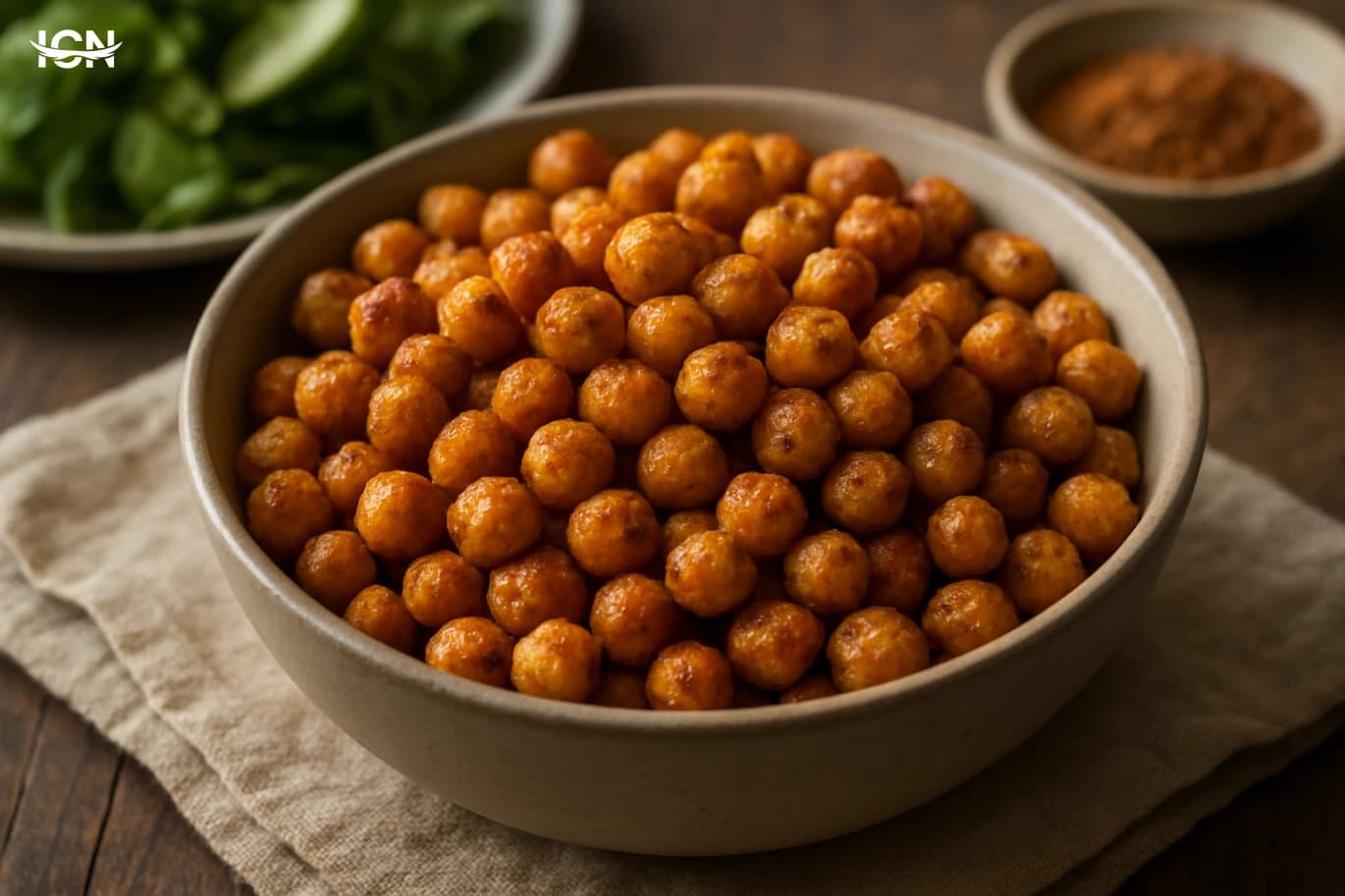
Crispy Roasted Chickpeas for Any Dinner
Roasted chickpeas are one of the most practical side dishes because they deliver crunch, protein, and seasoning in a format that fits almost any main course. Unlike many sides that need last-minute attention, chickpeas can be roasted ahead and held at room temperature for a short window, then refreshed in a hot oven for a few minutes. Their neutral base absorbs spices well, so you can match them to Mediterranean, Middle Eastern, Indian, or simple weeknight flavors without changing the core method. They also solve a common side-dish problem: texture contrast. A plate built around soft foods—stews, braises, grilled fish, roasted vegetables, or rice—often benefits from something crisp. Chickpeas provide that contrast without requiring deep frying. They are naturally gluten-free, budget-friendly, and easy to portion, which makes them useful for family dinners and for serving guests who may have different dietary preferences. From a planning perspective, roasted chickpeas are a smart “pantry side.” Canned chickpeas are widely available, and dried chickpeas can be cooked in batches and frozen. Seasonings are flexible, and the same tray can be used for multiple variations. The result is a side dish that feels intentional and flavorful, not like an afterthought, even when the main dish is simple.
Crispy Roasted Chickpeas for Any Meal
Roasted chickpeas are a practical side dish because they add crunch, protein, and a savory bite without requiring last-minute cooking. Unlike many sides that depend on timing—like rice, pasta, or sautéed vegetables—chickpeas can be roasted ahead and held at room temperature, then refreshed briefly in the oven. Their neutral base takes on spice blends and herbs easily, so you can match them to different mains in the same week. They also solve a common side-dish problem: texture contrast. Soft mains such as stews, braises, baked fish, or creamy soups often benefit from something crisp on the plate. A handful of roasted chickpeas can be served alongside, sprinkled over salads, or used as a topping for grain bowls. Because chickpeas are widely available canned or dried, the dish is budget-friendly and consistent, making it useful for both everyday dinners and casual entertaining.
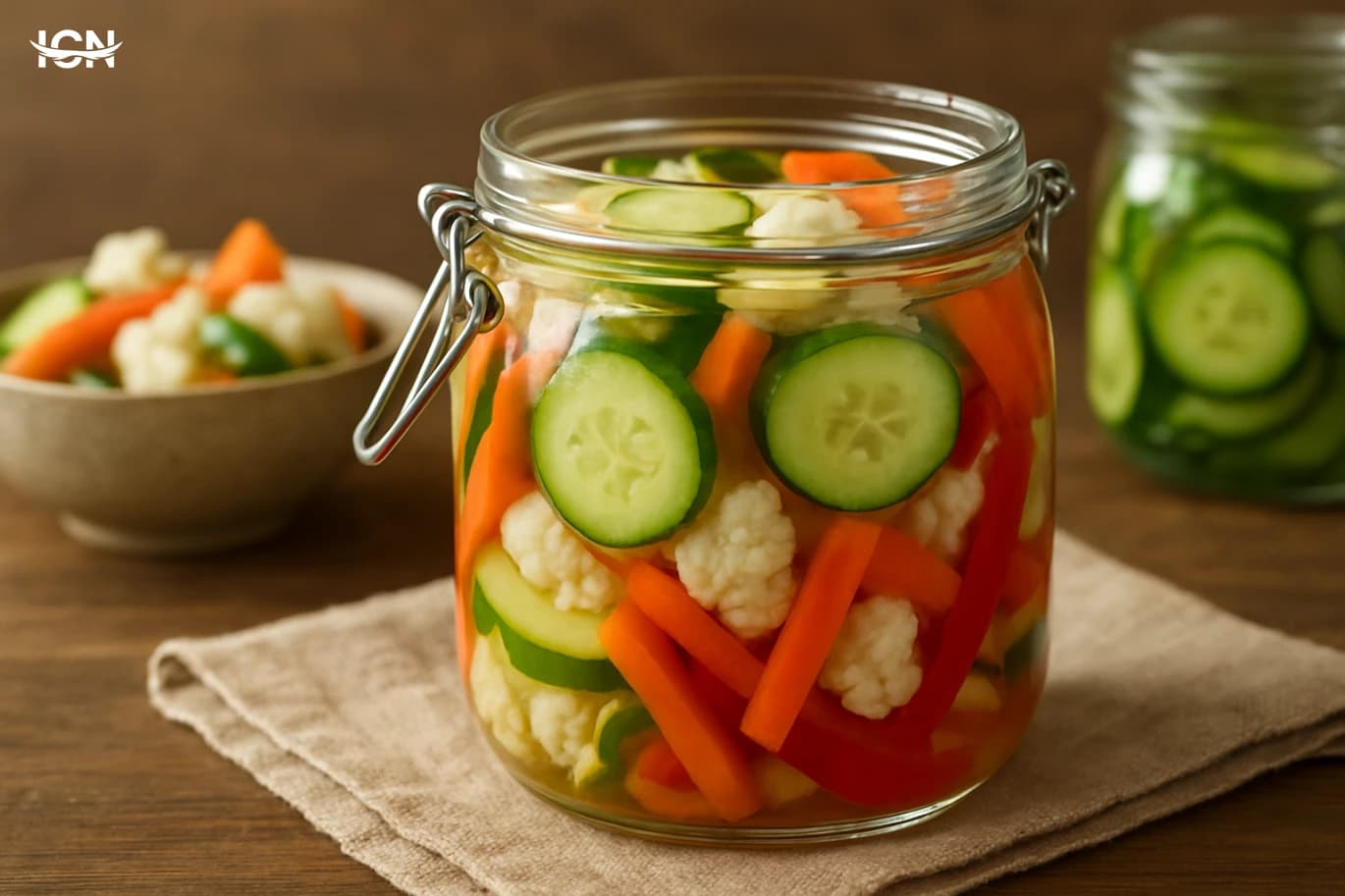
Crisp Vegetable Pickles for Everyday Meals
Quick vegetable pickles are one of the most practical side dishes because they add acidity, crunch, and freshness without requiring long fermentation or special equipment. A jar of pickled cucumbers, carrots, radishes, or onions can balance rich mains like roasted chicken, grilled fish, or creamy pasta, and it can lift simple meals such as rice bowls and sandwiches. Unlike many sides that must be cooked right before serving, quick pickles can be prepared in advance and held in the refrigerator for days, making them ideal for busy weeks. From a menu-planning perspective, pickles are a low-cost way to add contrast. Acid cuts through fat, salt enhances flavor, and crisp texture keeps a plate from feeling heavy. They also help reduce food waste: small amounts of leftover vegetables can be turned into a useful side rather than being forgotten in the crisper drawer. The goal is not to replace traditional long-cured pickles, but to build a reliable, repeatable method for crisp, bright results that fit everyday cooking.
Crisp Roasted Cabbage Wedges for Any Meal
Roasted cabbage wedges deliver a rare mix of simplicity, low cost, and strong flavor payoff. Cabbage is available year-round, stores well in the fridge, and holds its shape when cut into wedges, which makes it reliable for weeknight cooking. In the oven, the outer leaves blister and crisp while the core stays tender, creating contrast without extra steps. This side dish also fits many menus because it can be seasoned to match what you are serving, from lemon and herbs with fish to smoky spices alongside grilled chicken. It is naturally gluten-free, can be made dairy-free, and scales easily for a family dinner or a larger table. For cooks who want a vegetable side that feels intentional rather than an afterthought, wedges look structured on the plate and can be finished with a sauce or topping that ties the meal together.
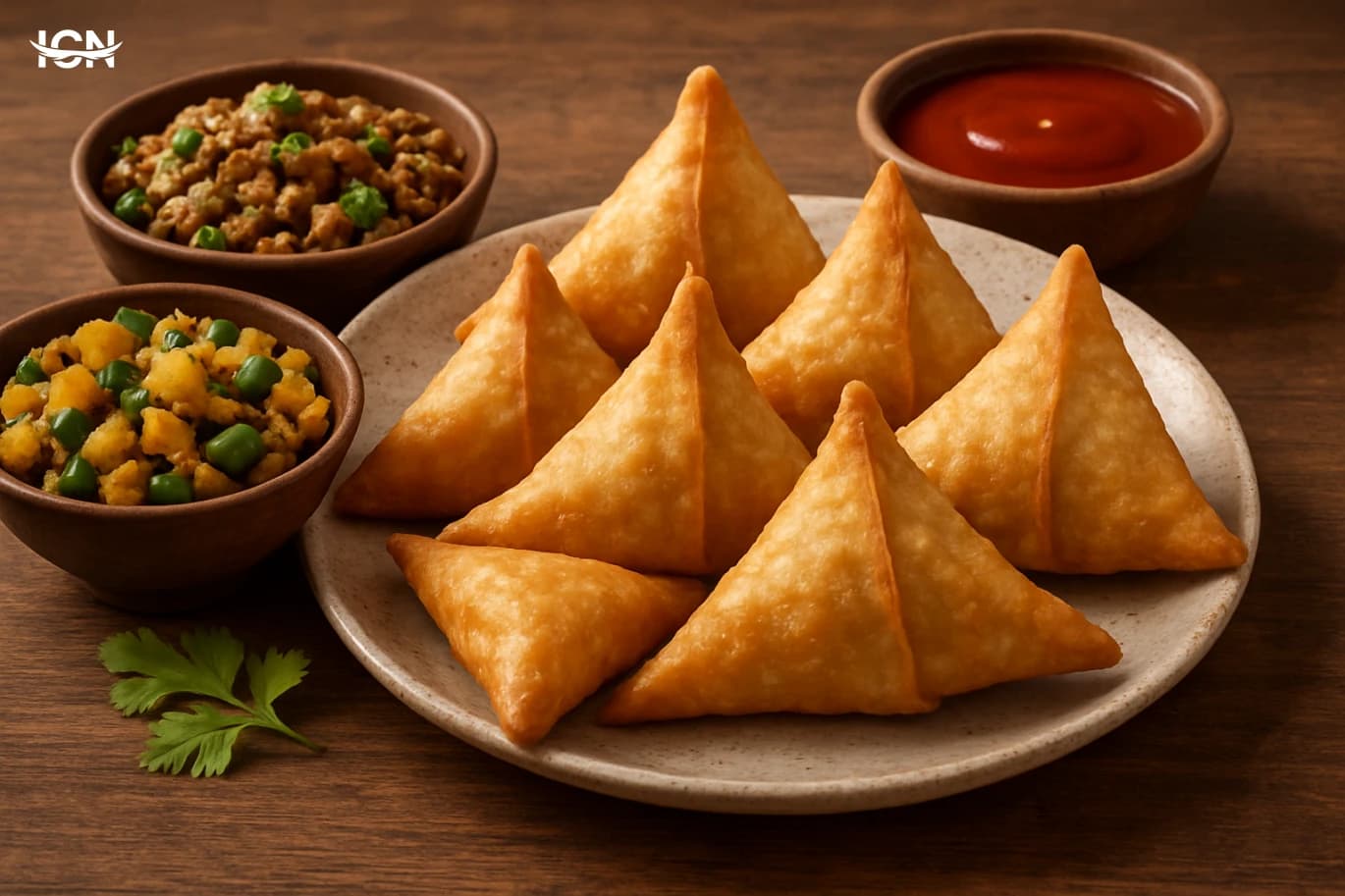
Samosa Fillings for Every Table
Samosa is often treated as a single snack, but the filling is what defines its personality: how it smells when it hits hot oil, how it stays juicy or turns dry, and whether it feels light enough for a starter or rich enough to stand on its own. Across the Middle East, South Asia, and North Africa, the wrapper may look similar, yet the inside changes with local ingredients, budgets, and occasions. In home kitchens, the most common goal is balance: a filling that is flavorful but not watery, seasoned but not overpowering, and textured enough to avoid a pasty bite. The practical side matters too. A good filling should hold together when folded, tolerate freezing, and reheat without leaking. That is why many cooks rely on a “binder” such as mashed potato, cooked lentils, or a small amount of cheese, and why sautéing aromatics first is more than tradition—it reduces moisture and concentrates flavor. If you plan to serve samosas as a side dish, the filling also needs to match the rest of the meal: spiced meat works well next to rice and salads, while cheese or vegetable versions pair smoothly with soups and lighter spreads.
By clicking the SUBSCRIBE button, you are agreeing to our Privacy & Cookie Policy If you want to unsubsribe the marketing email, please proceed to our privacy center.
© 2005-2026 ICN. All Rights Reserved.