Crispy Roasted Chickpeas for Any Dinner

- Why roasted chickpeas work as a side
- Choosing chickpeas and prepping for crunch
- A reliable roasting method and timing
- Three seasoning profiles that feel intentional
- How to serve it with common mains
- Make-ahead tips and common mistakes
Why roasted chickpeas work as a side
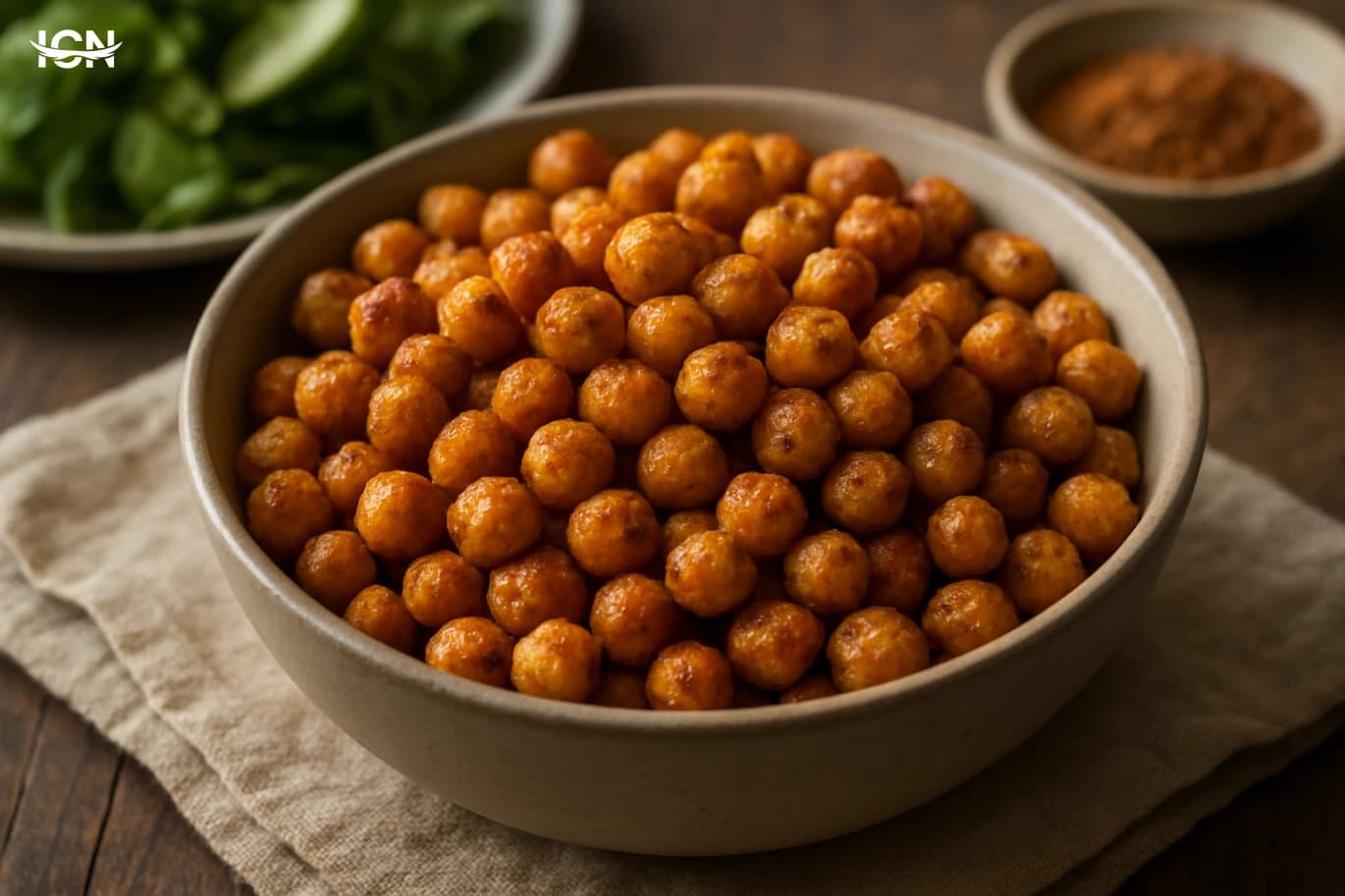
Roasted chickpeas are one of the most practical side dishes because they deliver crunch, protein, and seasoning in a format that fits almost any main course. Unlike many sides that need last-minute attention, chickpeas can be roasted ahead and held at room temperature for a short window, then refreshed in a hot oven for a few minutes. Their neutral base absorbs spices well, so you can match them to Mediterranean, Middle Eastern, Indian, or simple weeknight flavors without changing the core method. They also solve a common side-dish problem: texture contrast. A plate built around soft foods—stews, braises, grilled fish, roasted vegetables, or rice—often benefits from something crisp. Chickpeas provide that contrast without requiring deep frying. They are naturally gluten-free, budget-friendly, and easy to portion, which makes them useful for family dinners and for serving guests who may have different dietary preferences. From a planning perspective, roasted chickpeas are a smart “pantry side.” Canned chickpeas are widely available, and dried chickpeas can be cooked in batches and frozen. Seasonings are flexible, and the same tray can be used for multiple variations. The result is a side dish that feels intentional and flavorful, not like an afterthought, even when the main dish is simple.
Choosing chickpeas and prepping for crunch
You can start with canned or cooked-from-dry chickpeas, but the path to a crisp result is the same: remove surface moisture and keep the coating light. If using canned chickpeas, drain and rinse thoroughly to remove excess starch and brine flavor. Spread them on a clean kitchen towel or paper towels and dry them well. Many cooks skip this step and end up with chickpeas that roast but never truly crisp. If cooking from dry, soak overnight, then simmer until tender but not falling apart. Overcooked chickpeas can split and shed skins, which is not a problem for taste but can reduce even browning. After cooking, drain and let them steam-dry for a few minutes, then pat dry. Removing loose skins is optional; it can improve crunch slightly, but it is time-consuming and not essential for a weeknight side. For seasoning adhesion, use a small amount of oil—enough to coat, not enough to pool. Too much oil can slow crisping. A simple ratio is 1 to 2 tablespoons of oil per can’s worth of chickpeas, depending on your oven and tray size. Use a heavy sheet pan and preheat it if you want faster browning. Spread chickpeas in a single layer with space between them; crowding traps steam and leads to a chewy texture. Salt timing matters. Salting before roasting seasons the interior slightly, but it can also draw moisture to the surface. A reliable approach is to add a modest amount of salt before roasting, then adjust with a final pinch after roasting while the chickpeas are hot.
A reliable roasting method and timing
For most home ovens, 400°F (about 200°C) is a dependable temperature for roasted chickpeas. It is hot enough to drive off moisture and brown the exterior without burning spices too quickly. Start with a preheated oven and a sheet pan placed in the middle rack. Toss dried chickpeas with oil and your base seasonings, then spread them evenly. Roast for 25 to 35 minutes, shaking the pan every 10 minutes for even browning. The exact time depends on chickpea size, how dry they were, and how your oven circulates heat. Look for a deep golden color and a firm, dry feel when you press a chickpea against the pan with a spoon. They will crisp more as they cool for a few minutes, so avoid over-roasting to the point of bitterness. If you want extra crunch, lower the heat slightly near the end and extend the time. Another option is to roast at 425°F (220°C) for a shorter time, but this can be less forgiving if your seasonings include sugar or delicate herbs. For spice blends that burn easily, roast chickpeas with only oil and salt, then toss with spices immediately after roasting while they are still hot. The residual heat helps the spices bloom without scorching. Cooling and storage affect texture. Roasted chickpeas are best the day they are made. If you need to hold them, keep them uncovered at room temperature for a few hours so they do not trap steam. For leftovers, store in a container with the lid slightly ajar or add a paper towel to absorb moisture, then re-crisp in a hot oven for 5 to 8 minutes.
Three seasoning profiles that feel intentional
One reason roasted chickpeas stay interesting is how easily they take on different flavor profiles. A good approach is to pick one “direction” and keep it focused rather than mixing too many spices. 1) Lemon, garlic, and herbs: Use garlic powder, dried oregano or thyme, lemon zest, black pepper, and a finishing squeeze of lemon after roasting. This version pairs well with grilled chicken, roasted vegetables, and grain bowls. Add a small pinch of chili flakes if you want heat without changing the overall profile. 2) Smoky paprika and cumin: Combine smoked paprika, ground cumin, a touch of coriander, and a modest amount of salt. This blend works alongside roasted meats, tomato-based dishes, and rice. If you like a deeper color, add a small amount of tomato powder or a pinch of mild chili powder. 3) Warm curry-style spice: Use curry powder or a mix of turmeric, cumin, and ginger, plus black pepper. For a more rounded taste, add a small pinch of cinnamon and a little extra salt at the end. This version fits well with lentil soups, roasted cauliflower, and simple yogurt-based sauces. In all cases, keep sugar minimal. If you want a slightly sweet edge, use a small amount of maple syrup or honey, but add it in the last 8 to 10 minutes of roasting to reduce burning risk. For fresh herbs, add them after roasting; high heat dulls their flavor quickly.
How to serve it with common mains
As a side dish, roasted chickpeas can be used in more than one format, which helps them fit different meals. For a classic plate, serve a small bowl alongside roasted chicken, fish, or a vegetable tray bake. The chickpeas act like a crunchy component similar to croutons, but with more substance. They also work as a topper. Sprinkle them over creamy soups such as tomato, pumpkin, or lentil to add texture and make the bowl more filling. For salads, use them instead of bread-based crunch: they pair well with chopped cucumber and tomato salads, leafy greens, and grain salads. If you are serving rice or couscous, a handful of chickpeas on top adds contrast and helps the dish feel complete without adding another cooked side. For sauces and dips, think in terms of balance. A yogurt sauce with lemon and herbs complements smoky or spicy chickpeas. A tahini-lemon dressing works well with herb-forward versions. If your main dish is already heavily seasoned, keep chickpeas simple—oil, salt, and black pepper—so the plate does not feel crowded. Portioning is straightforward. For a family dinner, plan about 1/3 to 1/2 cup per person as a side. If using chickpeas as a salad topper, 2 to 3 tablespoons per serving is usually enough to add crunch without overwhelming the greens.
Make-ahead tips and common mistakes
Roasted chickpeas are simple, but a few details determine whether they turn out crisp or disappointing. The most common mistake is skipping thorough drying. Any surface water turns into steam in the oven, and steam is the enemy of crunch. The second mistake is crowding the pan. If chickpeas are piled up, they roast unevenly and stay soft. Another frequent issue is adding delicate spices too early. Paprika, dried herbs, and spice blends with fine powders can burn at high heat, leaving a bitter taste. If you notice this happening in your oven, roast with oil and salt first, then toss with spices after roasting. Also watch the oil amount: too much oil can make chickpeas feel heavy and reduce crispness. For make-ahead planning, you can prep chickpeas up to the drying stage earlier in the day. Keep them in the refrigerator on a towel-lined plate to continue drying, then roast close to serving time. If you need to roast in advance, plan a quick reheat in a hot oven to restore texture. Avoid storing them in a sealed container while still warm; trapped moisture will soften them quickly. Finally, treat roasted chickpeas as a side dish with a short “peak window.” They are at their best within a few hours, which is still convenient for dinner service. With smart drying, correct spacing, and seasoning at the right moment, they become a reliable, repeatable side that can rotate through different cuisines all week.