Samosa Fillings for Every Table
- Why fillings matter
- Classic meat and chicken options
- Cheese and dairy-based fillings
- Vegetable and legume fillings
- Seafood and modern fusion ideas
- Cooking methods, storage, and serving
Why fillings matter
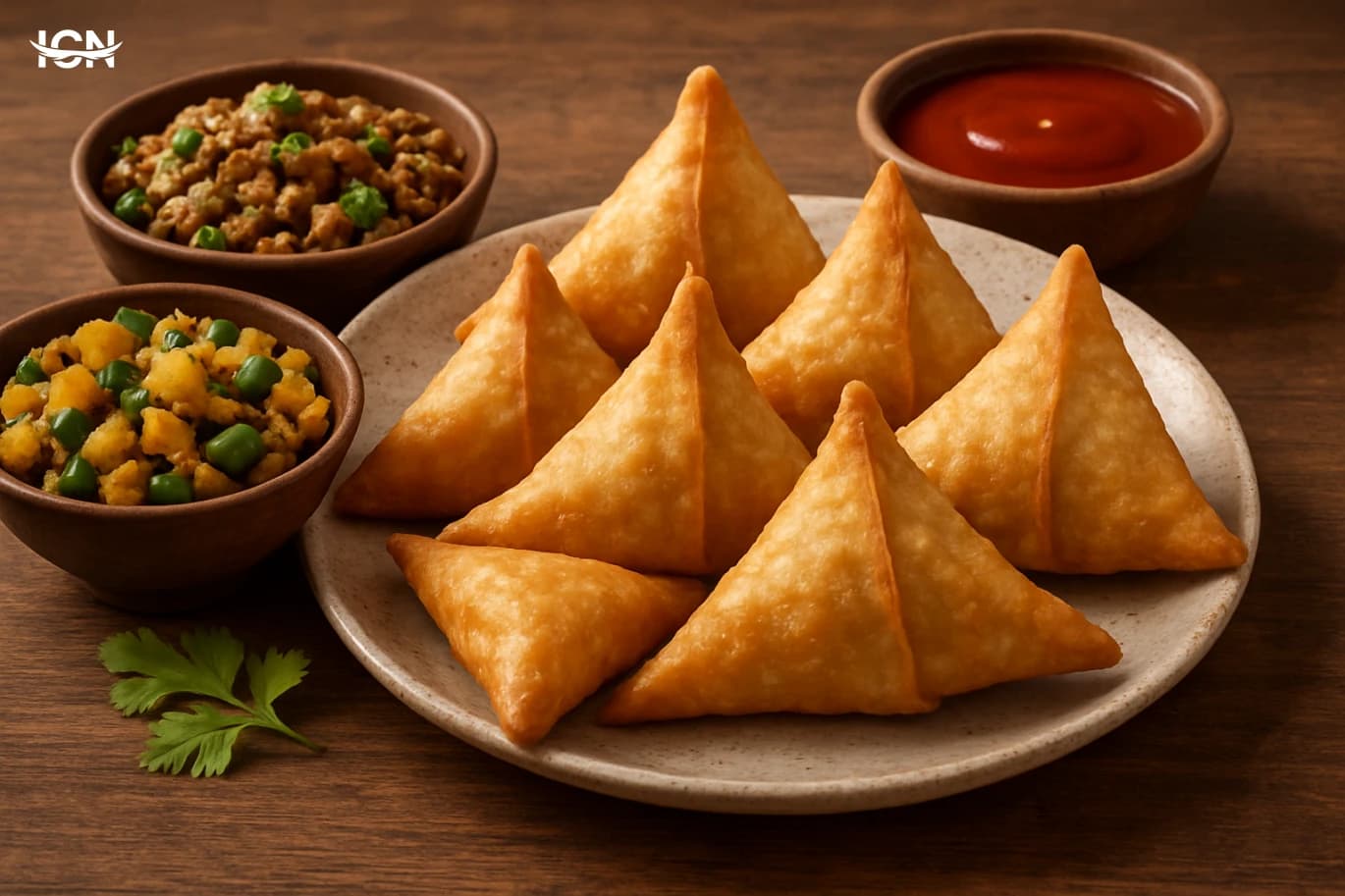
Samosa is often treated as a single snack, but the filling is what defines its personality: how it smells when it hits hot oil, how it stays juicy or turns dry, and whether it feels light enough for a starter or rich enough to stand on its own. Across the Middle East, South Asia, and North Africa, the wrapper may look similar, yet the inside changes with local ingredients, budgets, and occasions. In home kitchens, the most common goal is balance: a filling that is flavorful but not watery, seasoned but not overpowering, and textured enough to avoid a pasty bite. The practical side matters too. A good filling should hold together when folded, tolerate freezing, and reheat without leaking. That is why many cooks rely on a “binder” such as mashed potato, cooked lentils, or a small amount of cheese, and why sautéing aromatics first is more than tradition—it reduces moisture and concentrates flavor. If you plan to serve samosas as a side dish, the filling also needs to match the rest of the meal: spiced meat works well next to rice and salads, while cheese or vegetable versions pair smoothly with soups and lighter spreads.
Classic meat and chicken options
Meat samosas remain the most popular in many households because they feel festive and satisfy quickly. For beef or lamb, the best results usually come from browning minced meat in a wide pan until moisture evaporates, then adding finely chopped onion, garlic, and a measured spice mix. Common profiles include cumin and black pepper for a straightforward taste, or a warmer blend with coriander, paprika, and a pinch of cinnamon. A small spoon of tomato paste can deepen color and add body, but it should be cooked briefly to remove raw acidity. Chicken fillings work well when you want a lighter bite. Shredded cooked chicken mixed with sautéed onion and spices stays tender, while minced chicken can be cooked like beef but needs extra attention to avoid dryness. Many cooks add chopped parsley, spring onion, or a little yogurt-based labneh after cooling to keep the filling moist. If you plan to freeze, keep dairy minimal and add it later when serving fresh batches. For both meat and chicken, the key is controlling fat and liquid. Too much oil makes the wrapper soggy; too much liquid causes bursting during frying. Let the filling cool completely before folding, and consider adding a spoon of mashed potato or cooked lentils if the mixture feels loose. Served as a side dish, meat samosas pair well with tahini sauce, yogurt with cucumber, or a sharp chili dip that cuts through richness.
Cheese and dairy-based fillings
Cheese samosas are popular because they are fast, predictable, and easy to customize. The main decision is choosing a cheese that melts without releasing too much liquid. Mozzarella gives stretch but can be bland on its own, so it is often mixed with feta or a mild white cheese for salt and character. In many Arab kitchens, a blend of akkawi or nabulsi (soaked briefly to reduce salt) with mozzarella creates a balanced melt and flavor. To keep the filling stable, add chopped herbs such as mint, parsley, or dill, and consider a small amount of finely chopped black olives or roasted peppers for contrast. If you use cream cheese, keep it as a minor component; too much can leak during frying. Another reliable approach is “cheese and za’atar,” where the herb mix provides aroma and reduces the need for heavy seasoning. Cheese fillings are best folded and cooked shortly after preparation, especially in humid weather, because salt draws moisture. If you need to prepare ahead, keep the cheese mixture chilled and assemble close to frying or baking time. As a side dish, cheese samosas fit well with tomato soup, lentil soup, or a simple salad of cucumber and lemon, and they are often the first to disappear from shared platters.
Vegetable and legume fillings
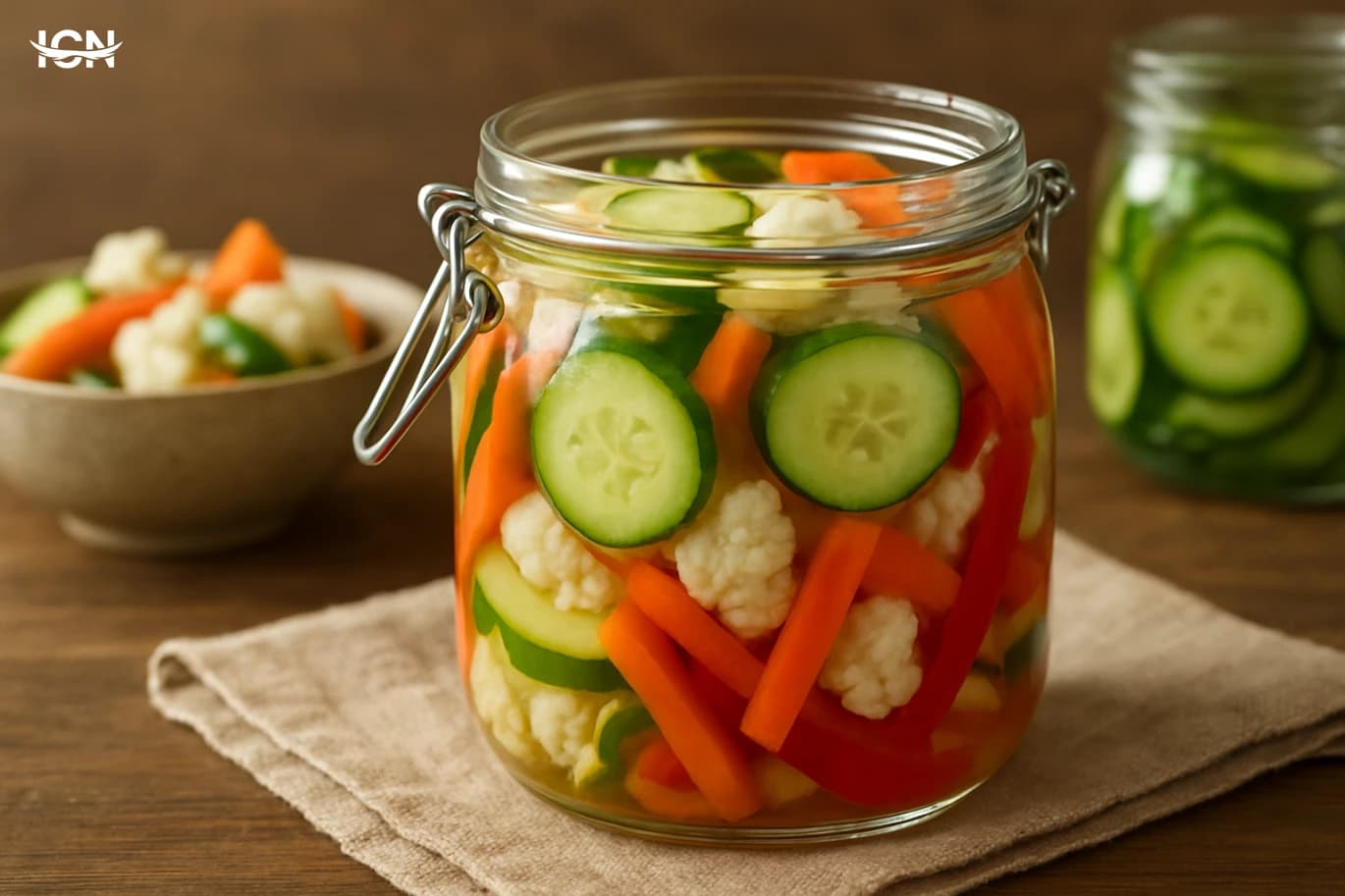
Vegetable samosas can be as satisfying as meat versions when the filling is built with layers of flavor and the moisture is managed. The most reliable base is potato, because it binds and carries spices well. A common approach is to sauté onion, add diced carrots or peas, then fold in boiled mashed potato with cumin, coriander, and a touch of chili. For a brighter profile, add lemon zest or chopped cilantro after the mixture cools. Lentils and chickpeas are strong options for a protein-forward vegetarian filling. Brown lentils hold shape and give a hearty bite; red lentils break down and work better when you want a smoother texture. Chickpeas can be lightly crushed and mixed with sautéed onion, garlic, and spices such as cumin and smoked paprika. If the mixture feels dry, add a spoon of olive oil or a small amount of tahini, but avoid excess liquid. Spinach fillings are popular but require careful handling. Fresh spinach releases water, so it should be wilted, squeezed well, and mixed with onion, sumac, and a small amount of cheese or toasted pine nuts. As a side dish, vegetable and legume samosas pair well with yogurt sauces, pickles, and fresh salads, and they are a practical choice for mixed groups because they suit many dietary preferences.
Seafood and modern fusion ideas
Seafood samosas are less common but can be a standout side dish when done carefully. Shrimp works best when chopped rather than left whole, so it cooks quickly and fits the fold. Sauté shrimp with garlic, a little butter or olive oil, and spices such as cumin, white pepper, and a pinch of chili. Add chopped coriander and a squeeze of lemon only after removing from heat to keep the flavor fresh. Avoid heavy sauces; seafood releases moisture and can make the wrapper soggy. Tuna is a practical pantry option. Use drained tuna mixed with finely chopped onion, parsley, and a small amount of mayonnaise or labneh for binding, plus lemon and black pepper. Because tuna is already cooked, the goal is to warm it through without drying it out. For a more regional twist, add harissa in small amounts or a spoon of roasted red pepper paste. Fusion fillings are increasingly common in cafés and home experiments: spiced mushroom with soy sauce reduced until nearly dry, “pizza” samosas with mozzarella and a thick tomato base, or shawarma-style chicken with pickles chopped very fine. The rule is consistency: any modern filling must be thick, cooled, and low in free liquid. When served as a side dish, these versions work best with simple dips so the filling remains the focus.
Cooking methods, storage, and serving
No matter the filling, the wrapper and cooking method decide the final texture. Frying delivers the most even crunch, but it requires correct oil temperature—generally medium-high—so the samosa browns quickly without absorbing oil. Overcrowding the pan drops the temperature and leads to greasy results. Baking is a lighter alternative: brush or spray with oil, place on a hot tray, and turn once for even color. Air fryers can work well for small batches, but they still need a light oil coating to avoid dryness. For storage, assemble samosas and freeze them in a single layer until firm, then transfer to bags. This prevents sticking and makes it easy to cook only what you need. Most fillings freeze well, but high-moisture vegetables and heavy dairy mixes can change texture after thawing. Cook frozen samosas directly without thawing to reduce leakage. If you are hosting, plan dips and sides that match the fillings: yogurt-mint for vegetable and cheese, tahini-lemon for meat, and a simple chili-lime sauce for seafood. Presentation matters for a side dish platter. Mix two or three fillings, label them if guests have dietary restrictions, and keep sizes consistent so cooking times match. Serve with lemon wedges, pickles, and a fresh salad to balance fried items. With careful filling choices and basic moisture control, samosas can move from a single routine snack to a flexible side dish that fits weeknight meals and larger gatherings.