Crisp Vegetable Pickles for Everyday Meals
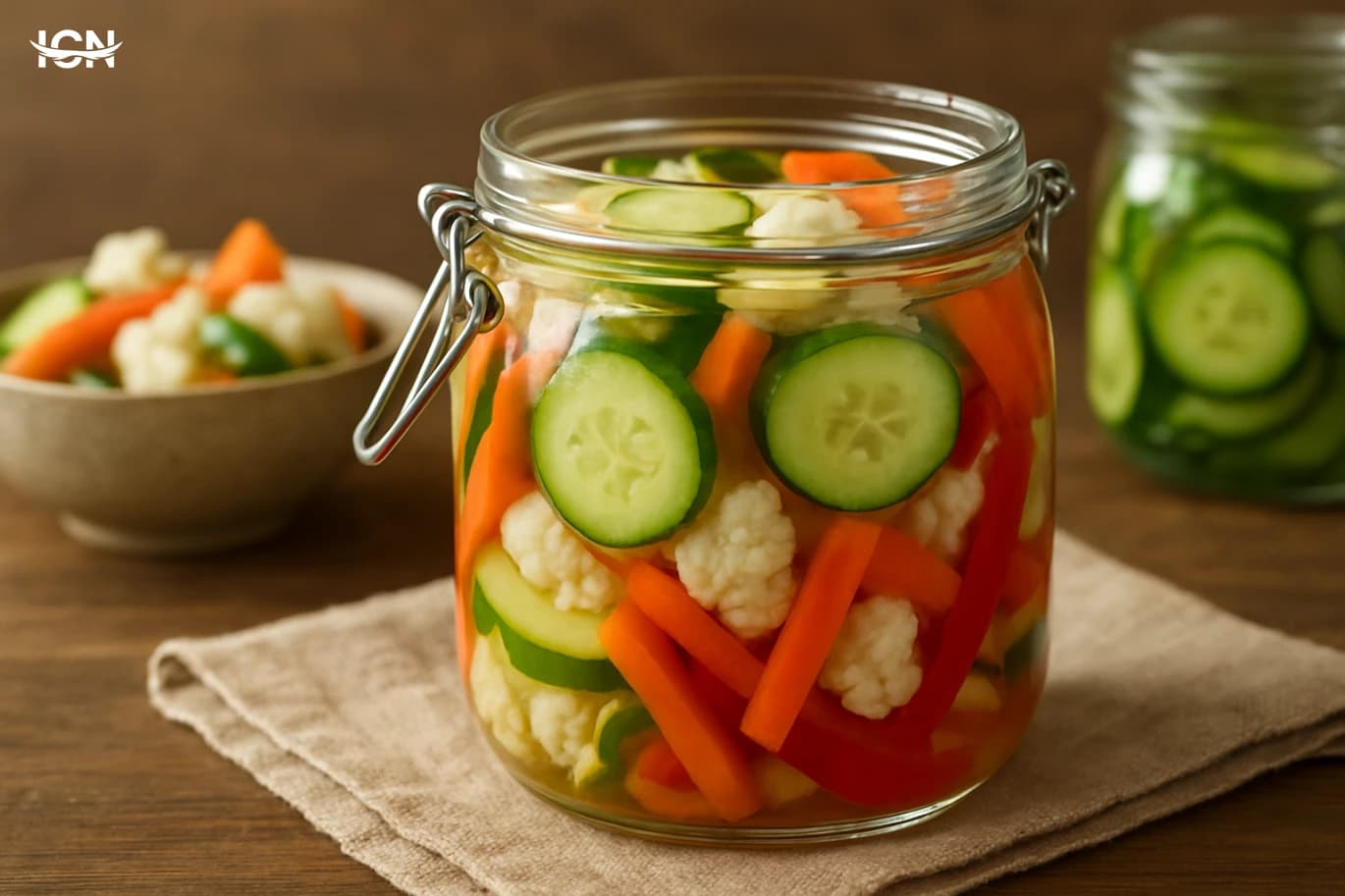
- Why quick pickles belong on the table
- Choosing vegetables that stay crunchy
- A dependable brine formula and flavor options
- Step-by-step method for consistent results
- Pairings that make meals taste complete
- Troubleshooting and make-ahead planning
Why quick pickles belong on the table
Quick vegetable pickles are one of the most practical side dishes because they add acidity, crunch, and freshness without requiring long fermentation or special equipment. A jar of pickled cucumbers, carrots, radishes, or onions can balance rich mains like roasted chicken, grilled fish, or creamy pasta, and it can lift simple meals such as rice bowls and sandwiches. Unlike many sides that must be cooked right before serving, quick pickles can be prepared in advance and held in the refrigerator for days, making them ideal for busy weeks. From a menu-planning perspective, pickles are a low-cost way to add contrast. Acid cuts through fat, salt enhances flavor, and crisp texture keeps a plate from feeling heavy. They also help reduce food waste: small amounts of leftover vegetables can be turned into a useful side rather than being forgotten in the crisper drawer. The goal is not to replace traditional long-cured pickles, but to build a reliable, repeatable method for crisp, bright results that fit everyday cooking.
Choosing vegetables that stay crunchy
Not all vegetables behave the same in brine. For consistently crisp quick pickles, start with produce that has firm structure and low water softness. Cucumbers (especially small Persian or Kirby types), carrots, radishes, cauliflower florets, green beans, and red onions are reliable. Softer vegetables like tomatoes or zucchini can work, but they tend to lose texture quickly and are better treated as short-term refrigerator pickles meant to be eaten within a day or two. Cut size matters. Thin slices absorb brine fast but soften sooner; thicker batons and spears stay crunchy longer and are better for meal prep. For cucumbers, spears or thick coins are a good compromise. For carrots, matchsticks or thin batons pickle evenly while keeping snap. For onions, half-moons are practical for topping bowls and sandwiches. Freshness is the biggest predictor of crunch. Use vegetables that are recently purchased, firm to the touch, and free of bruises. If you can, chill the vegetables before pickling; starting cold helps maintain texture. Washing is essential, but dry the vegetables well so the brine concentration stays consistent. If you are using leafy herbs like dill or cilantro, add them for aroma but avoid packing too tightly, which can trap heat and lead to softer results.
A dependable brine formula and flavor options
A dependable quick-pickle brine is built on three pillars: vinegar, water, and salt, with sugar as an optional balancer. A practical starting ratio for many vegetables is 1 cup vinegar to 1 cup water. Use distilled white vinegar for a clean, sharp profile, or apple cider vinegar for a slightly rounder taste. For salt, choose kosher or pickling salt; iodized table salt can make brine taste harsh and may cloud the liquid. A common baseline is 1 tablespoon salt per 2 cups of total liquid. If you prefer a gentler pickle, reduce slightly; if you want a more assertive side dish, keep the full amount. Sugar is not required, but 1 to 2 tablespoons per 2 cups liquid can smooth the acidity, especially for onions and radishes. For aromatics, start with 1 to 2 smashed garlic cloves per jar, plus spices such as black peppercorns, mustard seeds, coriander seeds, or red pepper flakes. Bay leaf adds a savory note, while dill seeds or fresh dill lean classic. To prepare, heat the brine just until the salt (and sugar, if using) dissolves; boiling is unnecessary and can soften vegetables if poured too hot. Let the brine cool for a few minutes, then pour over packed vegetables. For maximum crunch, some cooks use fully cooled brine and allow a longer rest time in the refrigerator. Flavor variations are easy: add ginger and sesame for an Asian-leaning profile, cumin and oregano for a Mediterranean feel, or lemon peel and thyme for a bright, herbal jar. Keep notes so you can repeat combinations that work with your regular meals.
Step-by-step method for consistent results
Consistency comes from a repeatable process. Start by sterilizing or at least thoroughly washing jars and lids with hot, soapy water, then drying them. Pack vegetables tightly but without crushing them; leaving small gaps helps brine circulate. Add aromatics first (garlic and whole spices), then the vegetables, then delicate herbs near the top. Pour brine to fully cover the vegetables. If pieces float, use a clean small weight or a folded piece of cabbage leaf to keep them submerged. Seal and refrigerate. Most quick pickles taste good after 2 to 4 hours, but the best balance often arrives after 24 hours. For thicker cuts like carrot batons or cauliflower, plan for 48 hours. Taste and adjust on the second day. If the pickle is too sharp, add a small splash of water to the jar. If it is too mild, add a teaspoon of vinegar and wait a few hours. If it lacks depth, add a pinch of salt or a few more peppercorns. Keep food safety in mind: these are refrigerator pickles, not shelf-stable canned goods. Store at 4°C/40°F or below, use clean utensils to remove portions, and discard if you notice off odors, fizzing, or cloudiness that develops suddenly. In normal conditions, most quick pickles keep good quality for 1 to 3 weeks, depending on the vegetable and cut size.
Pairings that make meals taste complete
Treat quick pickles as a flexible side dish rather than a garnish. With grilled meats or roasted vegetables, serve a small bowl of pickled onions and cucumbers to add brightness. For rice bowls, add pickled carrots and radishes for crunch and color. In sandwiches and wraps, pickled onions or green beans can replace heavier sauces and keep the bite clean. They also work well with hearty comfort foods. A creamy potato dish or a cheesy bake benefits from a sharp, salty counterpoint. For breakfast, a few slices of pickled cucumber alongside eggs can make the plate feel lighter and more balanced. If you host, set out a “pickle trio” with three jars—one mild (cucumber-dill), one sweet-tart (onion with a touch of sugar), and one spicy (carrot with chili flakes). This creates choice without adding complicated cooking. Portioning matters. Because quick pickles are assertive, a few tablespoons per person is often enough. Drain briefly before serving so the plate does not become watery. If you want to use the brine, whisk a spoonful into a simple vinaigrette or add it to a bean salad for extra acidity. This approach turns a small side dish into a practical tool for improving everyday meals.
Troubleshooting and make-ahead planning
If your pickles turn soft, the most common causes are vegetables that were not fresh, brine that was too hot, or cuts that were too thin. Next time, start with firmer produce, cool the brine more, and choose thicker pieces. If the flavor tastes flat, increase aromatics (garlic, peppercorns, mustard seeds) and give the jar a full day before judging. If the pickle is too salty, dilute with a small amount of water and let it rest; if it is too sour, add a pinch of sugar and wait a few hours. For make-ahead planning, build a weekly routine. On a weekend or a quieter evening, prepare two jars: one onion-based jar that can top many dishes, and one crunchy vegetable jar such as carrots or cucumbers. Label with the date and intended use, for example “sandwich onions” or “rice bowl crunch.” This small habit reduces last-minute cooking and makes simple meals feel more complete. Finally, keep the process efficient. Pre-mix a dry spice blend in a small container so you can season jars quickly. Stock a neutral vinegar and a preferred specialty vinegar so you can vary flavor without changing technique. With a dependable method and a few planned jars, quick vegetable pickles become a consistent side dish that improves meals across the week.