How Often Should You Moisturize Your Face Daily?

- Importance of Moisturizing
- Skin Type Considerations
- Day and Night Routine
- Environmental Impact
- Adapting with Age
- Signs You Need More Moisture
Importance of Moisturizing
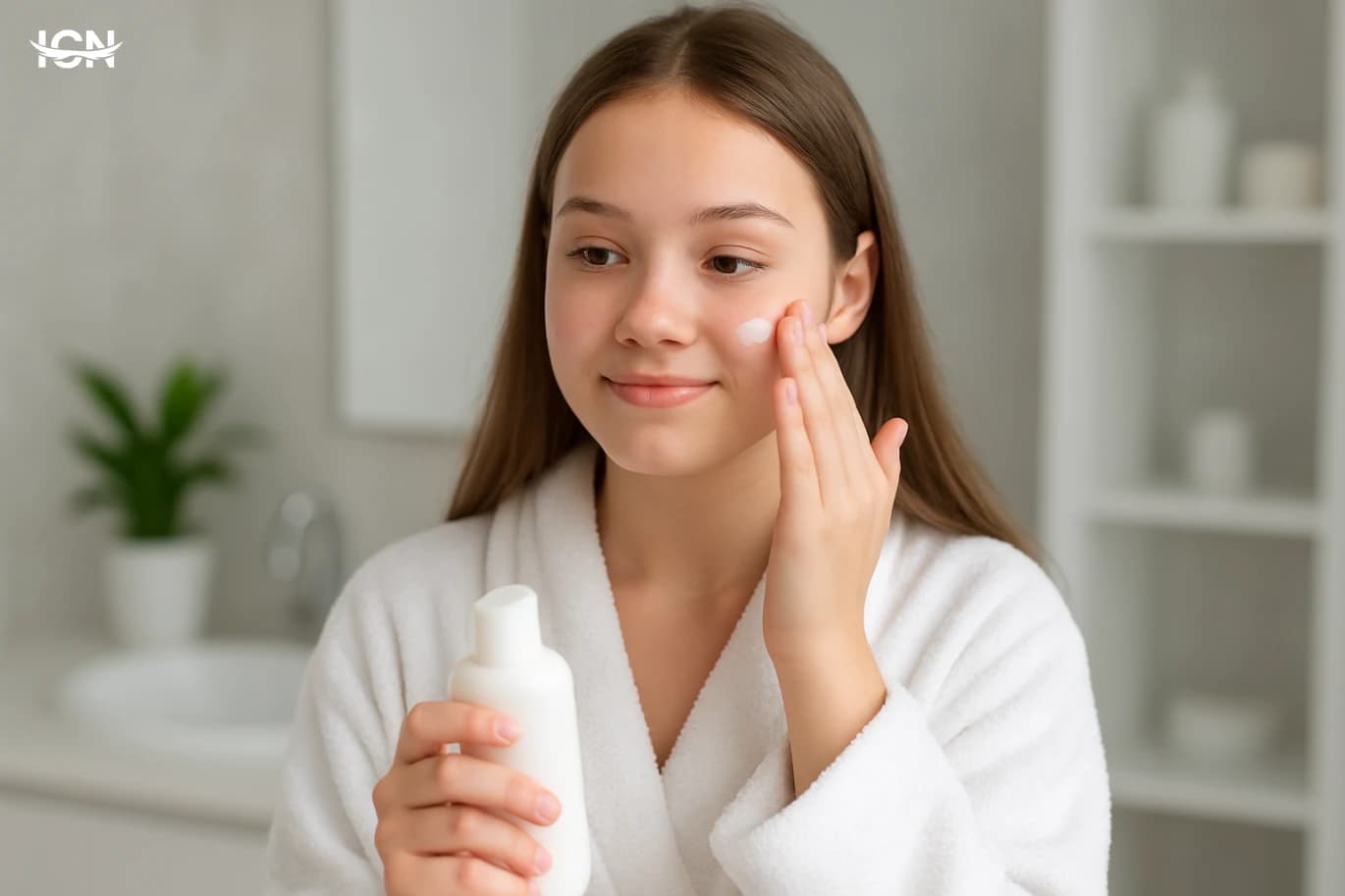
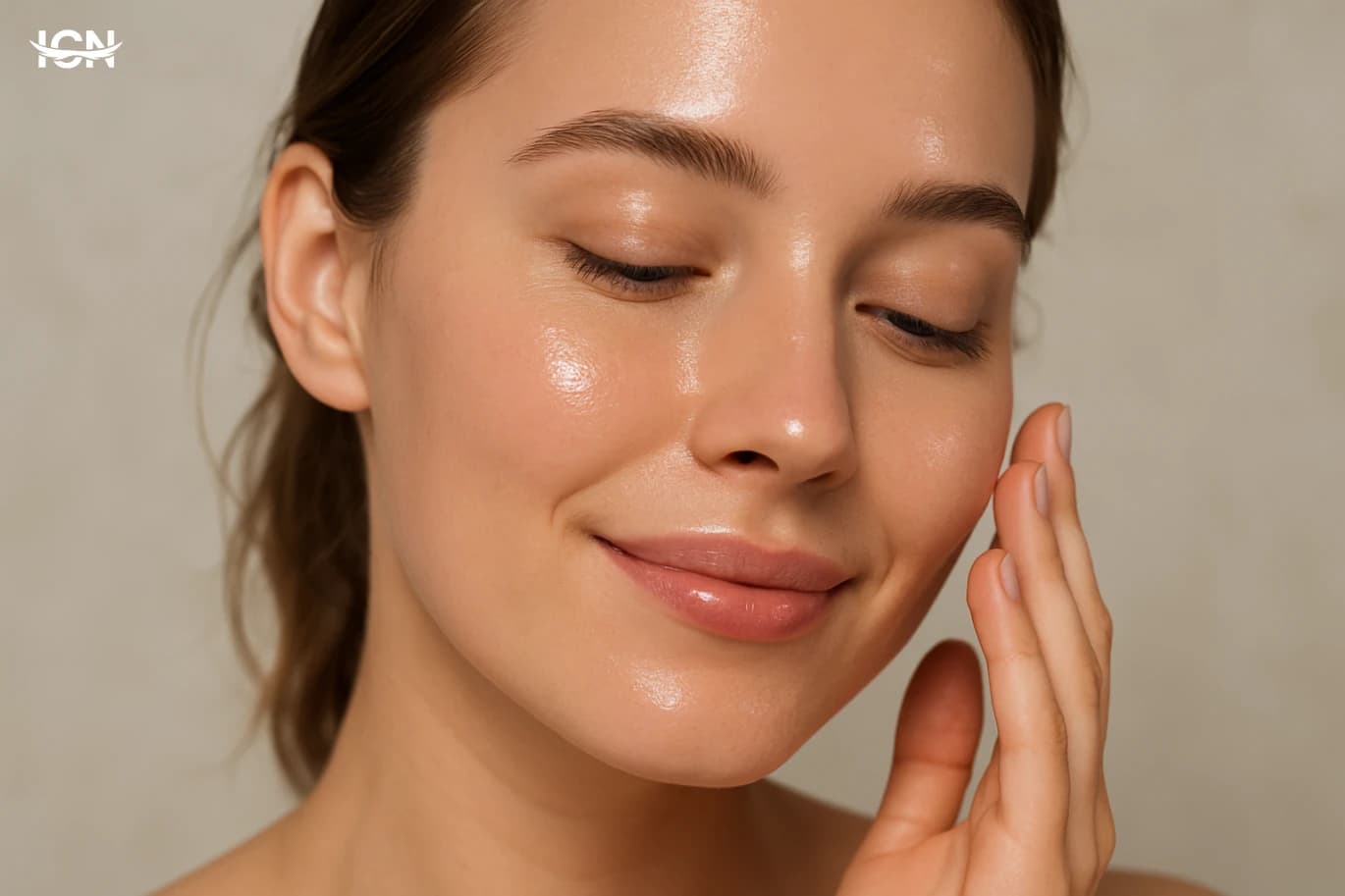
Moisturizing is essential for maintaining skin health. It helps protect the skin barrier, retain moisture, and prevent irritations. Regular use of moisturizers can lead to a smoother, more youthful complexion. The specific frequency of moisturizing may vary depending on skin type and environmental factors.
Skin Type Considerations
Different skin types require different moisturizing routines. Oily skin might need a lightweight, non-comedogenic moisturizer, while dry skin benefits from richer creams. Combination skin types should adjust their routine to target specific areas. It's essential to understand your skin's needs to determine the appropriate moisturizing frequency.
Day and Night Routine
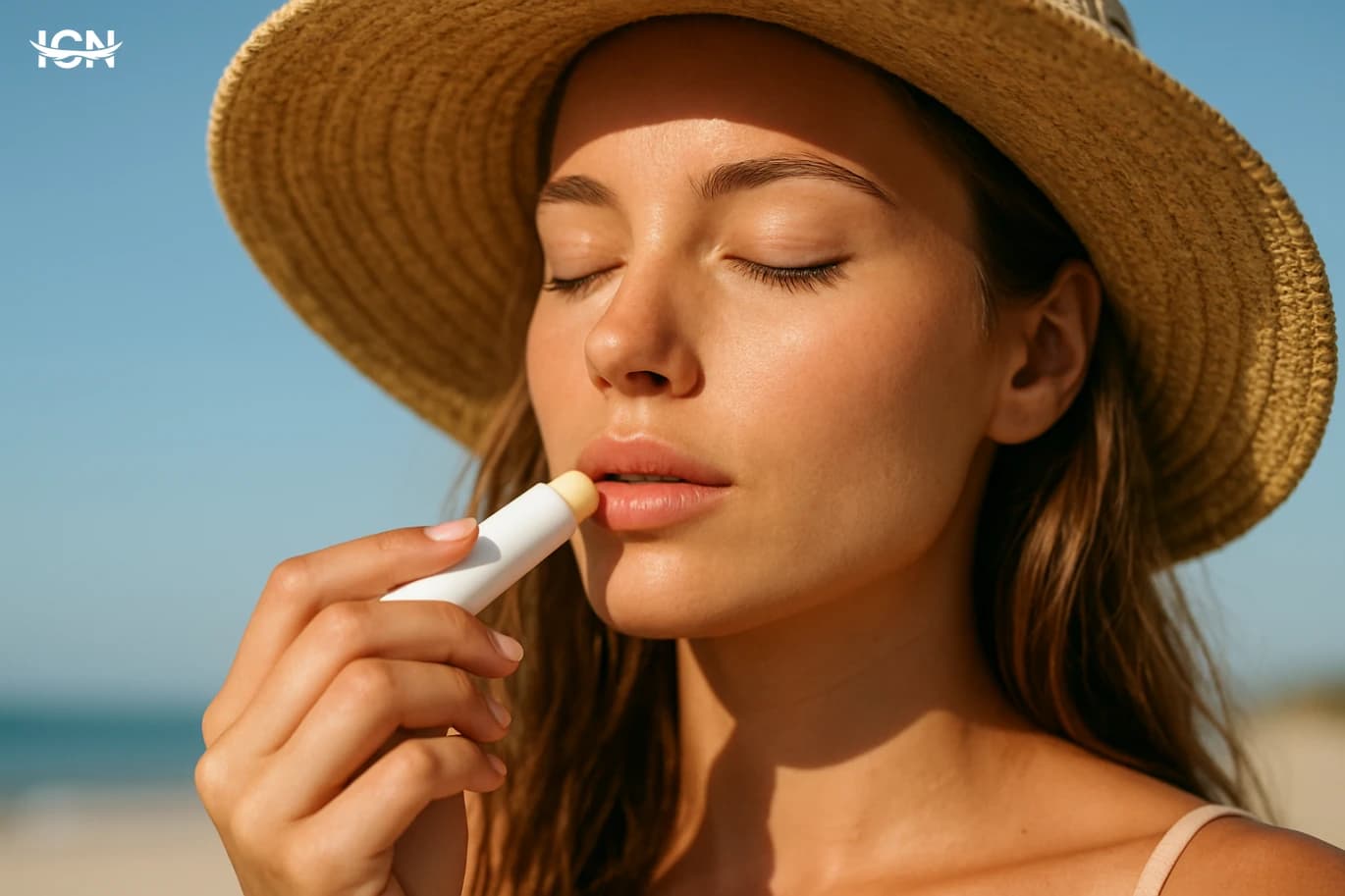
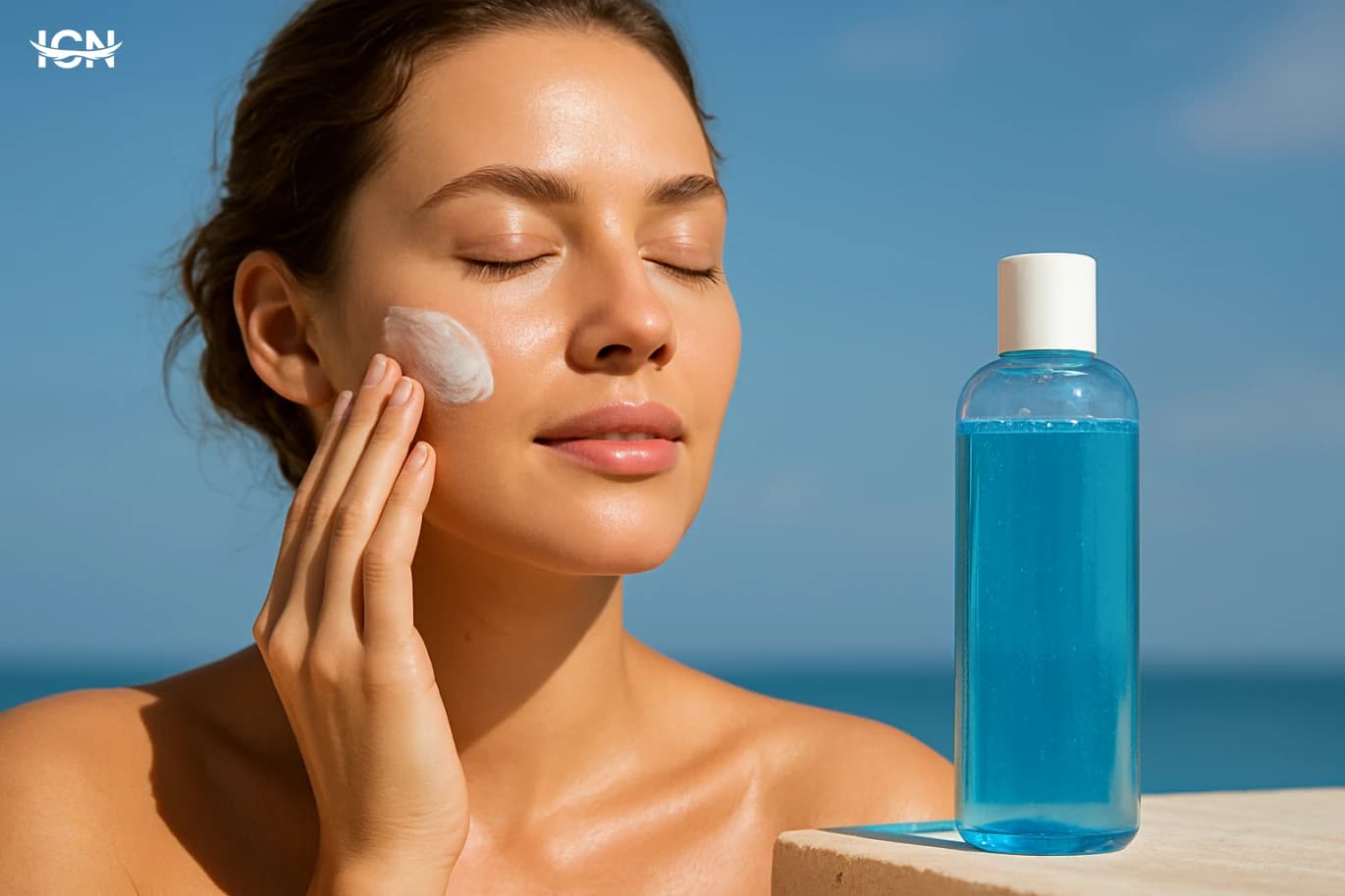
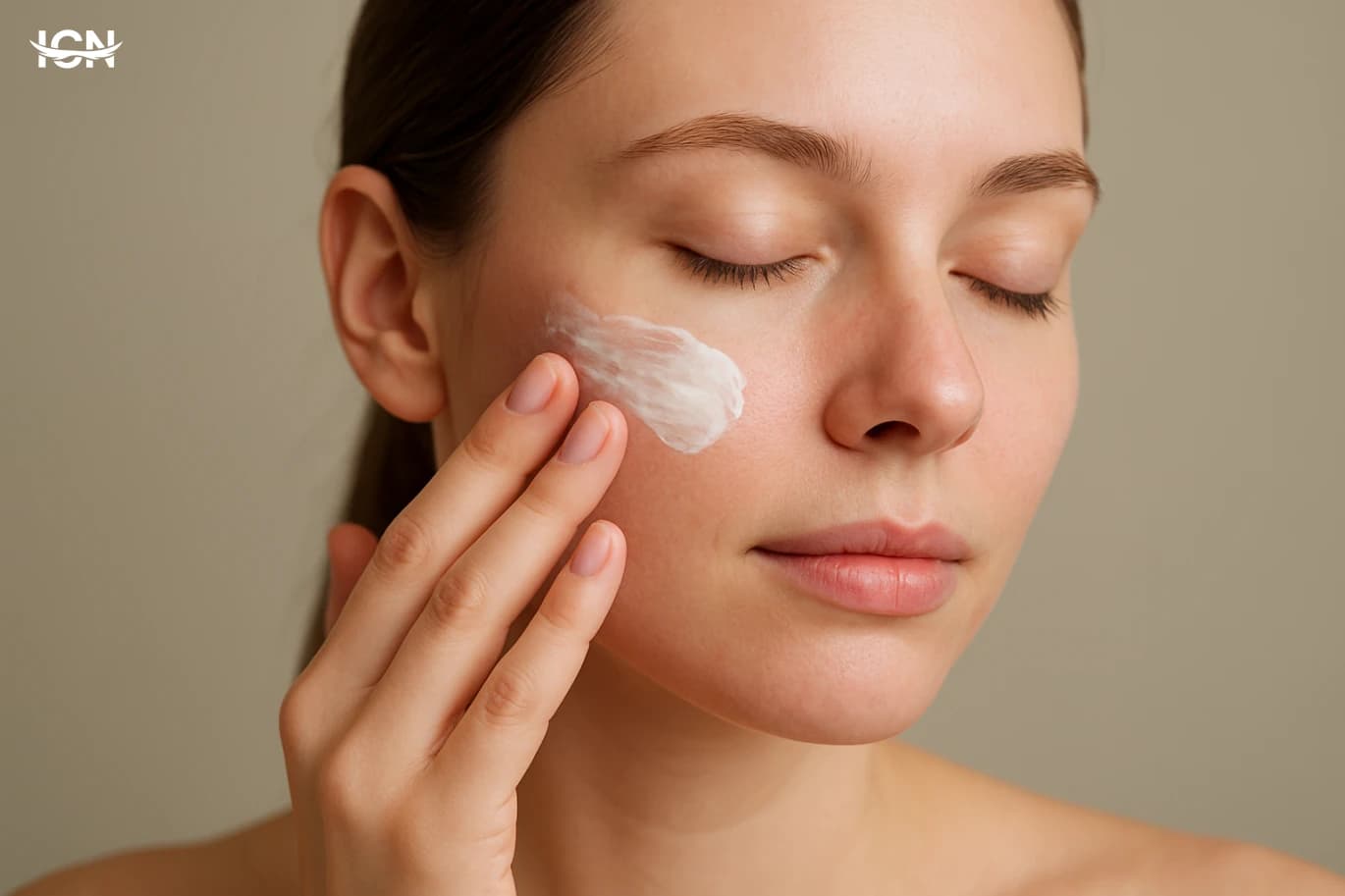
A consistent day and night moisturizing routine supports optimal skin health. During the day, a moisturizer with SPF protects against UV damage, while at night, a hydrating and restorative cream can repair skin from daily stressors. Tailoring your routine to include both times ensures comprehensive care.
Environmental Impact
Environmental factors significantly influence how often you should moisturize. Dry climates or indoor heating can deplete skin moisture, necessitating more frequent applications. Conversely, humid environments might require less frequent moisturizing. Adjusting your routine to environmental conditions can maintain skin balance.
Adapting with Age
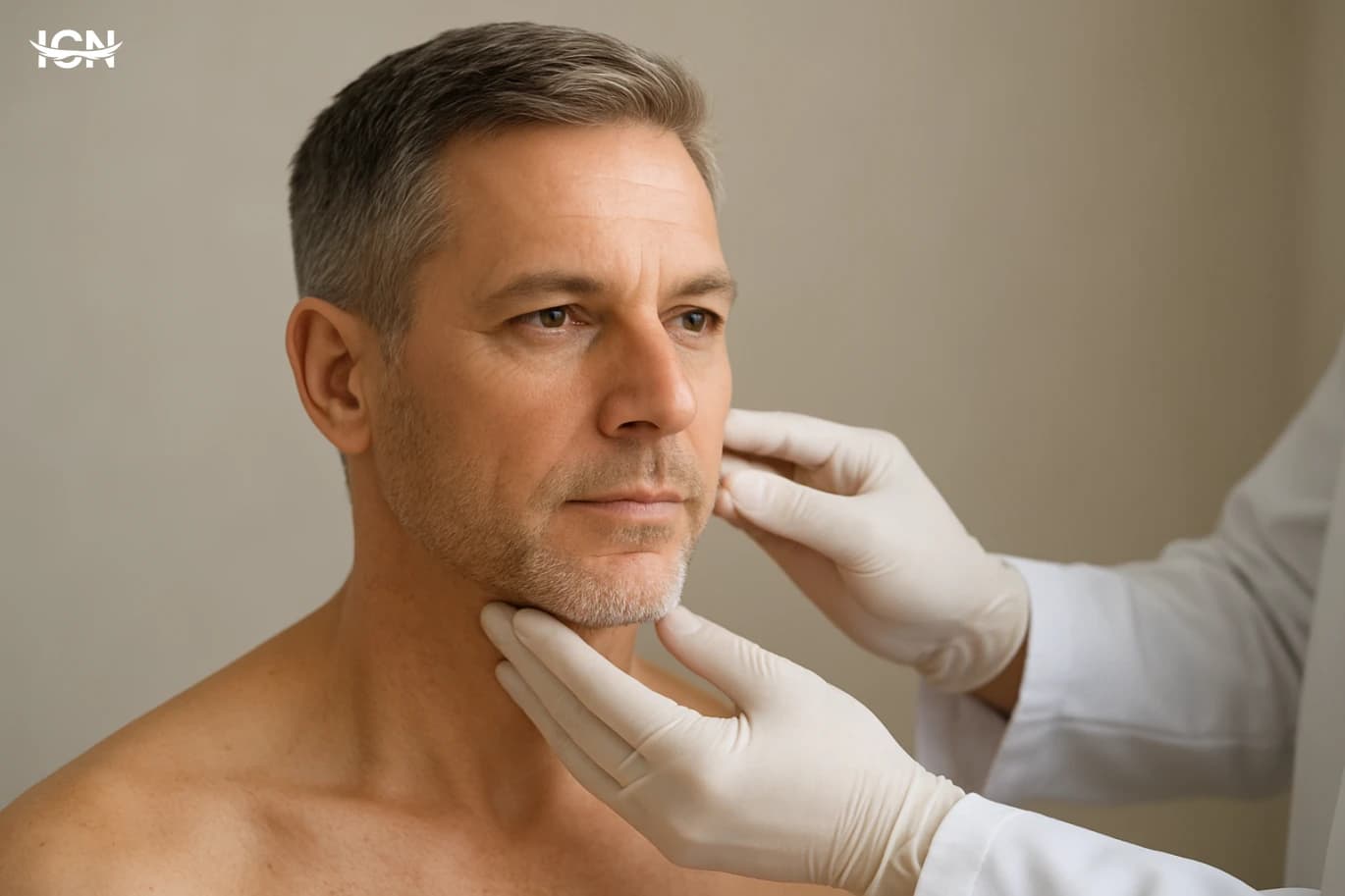
As we age, our skin’s ability to retain moisture diminishes. Older skin may require more frequent moisturizing to maintain elasticity and resilience. Incorporating products with anti-aging ingredients, like hyaluronic acid, can further enhance skin hydration and firmness.
Signs You Need More Moisture
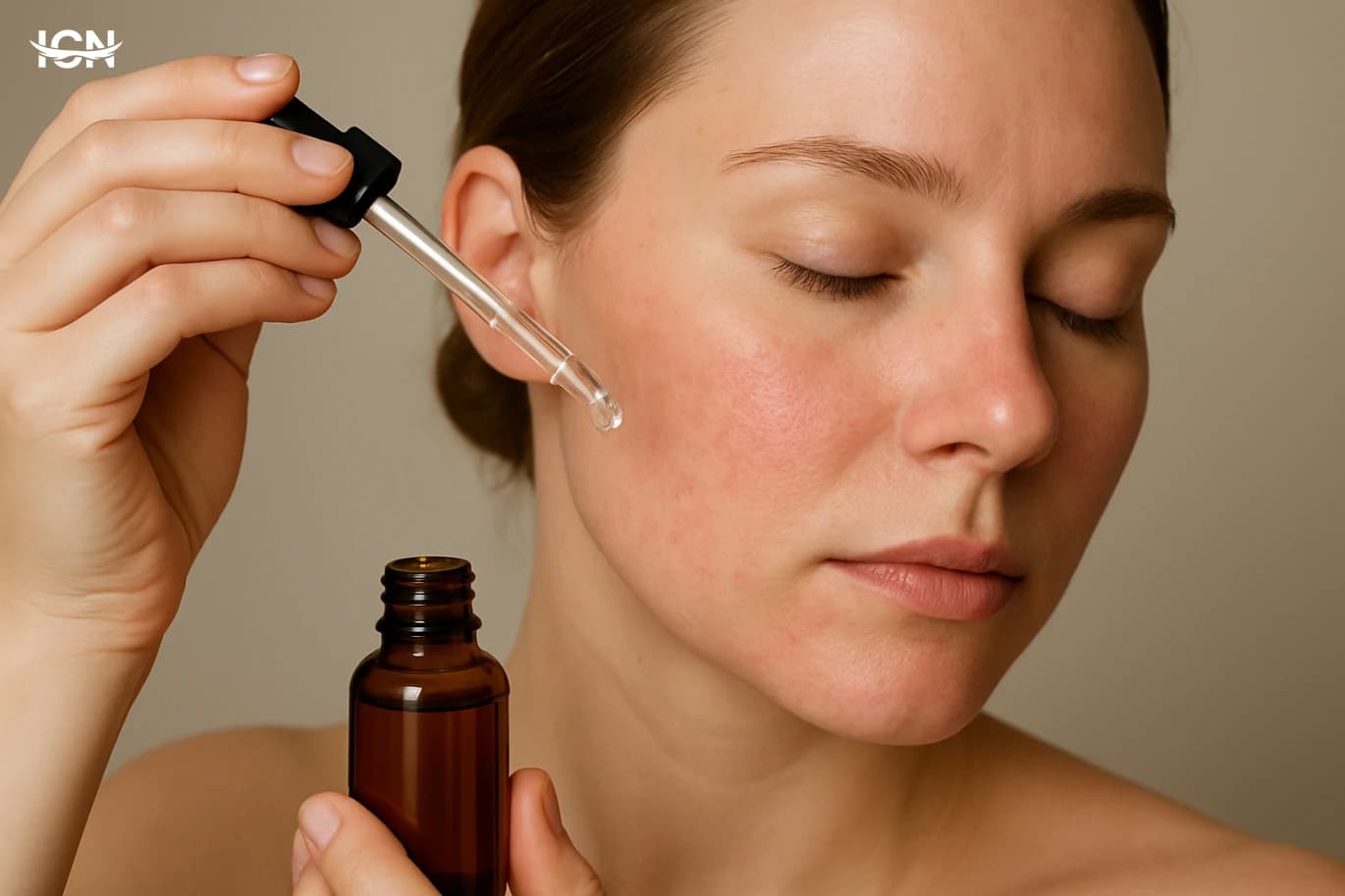
If you experience tightness, flakiness, or increased sensitivity, these may be signs that your skin needs more moisture. Adapting your routine to include more frequent or intense hydration can alleviate these symptoms. Monitoring your skin’s reaction is crucial for maintaining its health.