App Logo

Download Our App

Shop your way

logologo
Image

Domestic birds

12/28/2023By: ahmed alhelu
Domestic birds

Types of birds

Types of birds The sounds they make have a very beautiful effect on the human ear, in addition to the beautiful soft feathers and bright colors that attract you to look at them for a long time without getting bored, there are many House birds that can be raised at home, including

Canary bird

Canary bird The canary bird belongs to the animal kingdom, the division of chordates, the order of birds, the order of birds or perches, the family of thistles, the genus of tigers, and 8 species fall under this genus. The canary bird owes its beautiful colors and distinctive singing to the selective breeding process that humans have practiced on its ancestors for 400 years, thanks to which it is now possible to enjoy hearing the incessant chirping sound.

Species of canary bird

Species of canary bird The canary bird is distinguished in its diversity and each species is characterized by its qualities

The roller

The roller It is the most famous species of canary bird, which is characterized by the sweetness of its voice and its diverse melodies, even it chirps with its mouth closed, it chirps only from its throat, its color is very wonderful yellow, and it was discovered in Europe and Germany, and this species has spread in many countries of the world, and it has become one of the most famous types of Canary preferred for breeding at home .

Wasser Schleicher

Wasser Schleicher This species is considered one of the most active Canary species and it is also one of the sweetest sounds, it issues tweets from the most wonderful, and its color is very attractive yellow, the male is light yellow, the female is pale yellow, and it is a German species, and this type tweets from its mouth, unlike the roller Canary .

Temprado

Temprado It is one of the newly discovered Canary species, there are a lot of shapes and colors, this species was discovered only more than 50 years ago, and it is considered a hybrid of the roller and Gerlitz types, and it is also characterized by the sweetness of its voice greatly and its tweets have been likened to the sounds of the church .

Canary lizard

Canary lizard This species is one of the French species that has been exposed to extinction in a period of time and then returned again, so this species is distinguished by the sweetness of its voice and comes in different colors red, yellow and silver and has spots on its lower back, who likes to breed this type of Canary on him by taking him out of the cage because he gets bored a lot and likes to eat seeds, berries, fruits and vegetables

Gloucester

Gloucester It is one of the modern breeds of the canary bird and is a hybrid of the three species border, roller and domed Canary, characterized by its small size and green color, loves to bathe daily, likes to eat berries, fruits, vegetables and seeds as well .

Fifi

Fifi This species is considered one of the most famous and native to Scotland and is characterized by its small size, its length does not exceed 10 cm and is characterized by its different colors such as green, yellow, white, blue and black, it also likes to bathe daily, and eats seeds, berries, fruits and vegetables

The domed Canary

The domed Canary This species is one of the oldest species of Canary and even one of the most loved by wealthy people, its height does not exceed 13 cm and it has a lot of feathers on its gimlet and its neck is short and thick, it likes to bathe daily and is distinguished by its attractive colors, sweetness of voice and tones, and eats berries, seeds, fruits and vegetables .

The Belgian Canary

The Belgian Canary This species is also one of the ancient and very well-known and even the most famous, it is a hybrid of different types of scotch and Lancashire Canaries, its length does not exceed 17 cm and is distinguished by the beauty of its voice and attractiveness, it is also distinguished by its green, white, orange and yellow colors, loves to bathe daily and eats berries, seeds, vegetables and fruits .

Habitat and origin

Habitat and origin The domestic Canary (scientific name: Serinus Canaria Domestica) is a domesticated species of Atlantic Canary (scientific name: Serinus Canaria), [٣] and the original habitat of this bird is the macaronesia islands in the Azores, the Madeira Islands, and the Canary Islands, [٤] and the Wild Canary arrived in Europe for the first time when the Spaniards conquered the macaronesia islands in 1478, and they moved the canary bird with them, and they started breeding it in cages, and the canary bird underwent so many changes that the canary bird that is now sold in pet stores is completely different in its genes from the Wild Canary, [٤] the bright plumage of The Canary after suffering a genetic mutation hid the melanin pigment from its feathers, erased the dark stripes and bands that were characteristic of wild Canaries.[٣] the Canaries that arrived were sold Especially with the control of the Spaniards over the sale of Canaries through the sale of males only, and the trade of Canaries remained under the control of the Spaniards until the sixteenth century, when a group of birds managed to escape during transportation, and took refuge on the island of Elba in the Tuscan Archipelago, and the Italians took advantage of this opportunity and bred Canaries and sold them all over the world.[٣]

Morphological description and age

Morphological description and age The length of an adult canary bird varies between 12-20 CM, and its average weight is less than 28 g.the Wild Canary Bird is distinguished by its greenish-yellow plumage color, which covers most of the body except for the belly area colored yellow, while the domestic Canary birds are distinguished by several bright colors such as orange, red, white, and yellow, which is the most common.[٤] Canaries are classified into three types according to the purpose for which they are bred, and they are as follows: [٥] singing: there are birds bred for their characteristic singing -it is known that only males sing and females do not sing- Among these species are: the singing Russian Canary, the singing American Canary, the singing Iranian Canary and the Spanish temprado Canary. Color: there are canaries bred for the colors of their plumage such as: mosaic or mosaic Canary, bronze Canary, Brown Canary, ivory Canary, Onyx Canary. Shape: of the species that are bred for their characteristic shape, they are: the Australian blenhead Canary, the Spanish Raza Canary, the Norwich Canary, and the Yorkshire Canary. The average age of a female Canary is between 5-6 years, while the average age of a male is up to 10 years, although some Canaries can be up to 20 years old.

The diet system

The diet system Its diet often consists of seeds, a domestic Canary can eat vegetables, small amounts of fruits can be added to its diet as well, and it can also be provided with vitamins and supplements to ensure that it gets a complete diet.[٦]

Mating season

Mating season The mating season for wild Canaries begins at the beginning of spring, [٧] as for domestic Canaries, the mating season begins in February and March, and lasts for 20-30 days, [٨] the readiness of the male Canary to mate is indicated by the way he tweets, and the readiness of the female for mating is indicated by seeing her carrying with her beak the leaves and materials used in building nests, so the male provides food for her, but sometimes the female Canary asks him for food.[٩] wild Canaries prefer solitude and tranquility during the breeding season, [٧] wild Canaries show their sensitivity to light, they also need to shed their feathers every year, and to provide favorable conditions for the mating process It is preferable to place a full-spectrum light with a timer in the room where the Canary is located, and we are preparing the moulting process, it is preferable to increase the duration of the bird's exposure to light every day until the duration of its exposure to light reaches 12 hours a day.[٩] the female Canary lays a number of eggs during one breeding season ranging from 3-5 eggs, except for some cases when the number of eggs can reach 6 eggs, and the female Canary lays eggs every morning, and the eggs are small in size, blue in color, speckled with a light brown color, [٩] it should be noted that the female Canary stays with the eggs and cares for them until they hatch, as long as the atmosphere and conditions are perfectly prepared and undisturbed, otherwise she completely migrates them.[٧] for For a domestic canary bird that lays its eggs in the nest, it is preferable to replace a plastic egg with the first egg, put it in a pot containing bird seeds and stir it every day, repeating the same step until the fourth egg, then all the eggs are returned to the nest so that the mother can incubate them, and this method is used to prevent competition between the egg that hatches first and the rest of the eggs, in this way all the eggs hatch at the same time.[٨]

Young Canaries

Young Canaries Canary eggs hatch at night on the fourteenth day after the last egg is laid, and they are small in size, about the size of a thumb and wrinkled, and begin to make sounds in the morning, and when the mother approaches them, they open their mouths so that they can be fed, and when they feel full, they lie down and fold their heads towards their body, and two hours by hand, and among the foods that are recommended to be served to the little ones: Rice grains mixed with water, boiled egg yolk, usually the parents continue to feed the young for up to several weeks, after which the feathers begin to grow, and they manage to fly 3 weeks after his birth.[٩]

Danger of predation

Danger of predation A variety of predators in the Wild can prey on the canary bird, these animals include Hawks, crows, or snakes such as tree snakes and pythons, and home-bred birds can be at risk from predators when placed in cages and hung outside.

Canary tweets

Canary tweets Canaries are used to conduct several studies, including studies aimed at understanding how neurogenesis occurs, which is the process that results in the formation of new nerve cells in the adult individual's brain, in addition to studies related to how songbirds are able to sing, [٥] as a result of these studies, scientists were able to identify the structure of parts of the Canary brain, especially those that contribute to The higher Vocal center is the part that controls the Canary's ability to learn new songs, and scientists have noticed that the rate of formation of nerve tissue increases when this part is busy learning a new song. The scientists were also conducted by Rebecca Hartley (English: Rebecca Hartley) and Roddick Suthers (English: This study aims to find out how the canary bird is able to sing for long periods compared to its normal breathing cycle, where it can sing for more than 25 seconds, which is thirty times longer than the length of the normal respiratory cycle, and most of the songs of the canary bird consist of consecutive musical sentences (Phrase), and each musical sentence consists of repeated syllables (Syllables) between 3-35 musical degrees/second, as for the repeated songs (in English: Trilled Song consists of musical scores (Notes) or individual sound clips repeated at high rates ranging from 15-30 times/ second, accompanied by a short silence period of 20-35 milliseconds.[١١] The results of measuring the air flow rate in the trachea and measuring the pressure level in the air bag during tweeting indicate that the sound clips that make up a song last between 11-280 milliseconds are accompanied by air flow in the bronchi during the exhalation process, followed by a period of silence ranging from 15-90 milliseconds and are accompanied by the inhalation process, however, the air flow is interrupted in some vocal sentences, and the two scientists pointed out that the ability of Canaries to Singing for a long time is due to the breathing patterns it adopts, as the canary bird usually relies on the mini-breaths breathing pattern, which means that the air that comes out of the lungs during exhalation is directly replaced by the inhaled air, and helps the bird to sing for a long time, and the bird sometimes uses the pulsatile Expiration pattern, which results in songs consisting of syllables with a high repetition rate, which cannot be achieved using mini breathing.[١١]

Caring for a canary bird

Caring for a canary bird Here are the most important tips to follow to take care of the canary bird: Put the canary in a spacious cage so that it can move easily, and let it fly out of the cage for several hours a day if the cage is rather small.[٥] place the cage away from air currents and direct sunlight.[٥] provide the cage with perches (perches) suitable as natural tree branches to help them to straighten their claws instead of resorting to cutting them.[٥] provide the cage with a suitable bathtub, as the canary bird needs to be bathed at least once a week in normal conditions, and once a day in the moulting and breeding seasons, and some dandelion leaves can also be placed in the cage and sprinkled with water to allow the bird to roll over it as canaries do Wilderness. [٥] put the female canary in a cage separate from the male; so as not to be harassed by the male who is usually ready to mate before her, and to give her the opportunity to build her nest before starting mating.[٥] provide the cage with suitable food for Canary birds, such as seeds intended for Canary birds and coated with vitamins, taking into account cleaning the cage from seed husks daily; so that the bird can easily access food, preferably provide vegetables, such as: peas, watercress, kale, broccoli, dandelion, spinach, celery, and small amounts of fruit, such as: Apples, oranges, grapes, bananas, melons, and sometimes the hard parts of a boiled egg can be offered as a protein-rich dietary supplement.[٤] take into account the nature of shy and peaceful Canaries, and not put them in one cage with parrots, and love birds that are famous for their aggressiveness, and avoid placing more than one male in a small cage to avoid fighting among themselves, but a group of Canaries can be placed together, or it can be placed with some sparrows, or with birds with hard beaks if the cage is wide enough.[١٢]

General information

General information Coal miners are exposed to death as a result of the accumulation of toxic mine gases such as methane, carbon monoxide, and other gases, and to measure the extent of the accumulation of mine gases, workers use the flame of a safety lamp that detects the presence of both methane and asphyxiating gases (English: Chokedamp), which is a mixture of gaseous nitrogen and carbon dioxide, as for carbon monoxide, there are no mechanical means that can be used to detect its presence, so physiologist John Scott Holden recommended: John Scott Haldane) late nineteenth century using small animals such as mice and Canaries to monitor the accumulation of carbon monoxide; because their small size and the speed of metabolic processes in their bodies are affected by the accumulation of this gas in the mine before humans are affected by it, and it is preferable to use Canaries for this task more than mice; because they show signs of Mines.[٣]

* All articles published on this blog are sourced from various websites and are provided for informational purposes only. They should not be considered as confirmed studies or accurate information. Please verify the information independently before relying on it.

Similar ARTICLES

How Urban Birds Thrive in Modern Cities
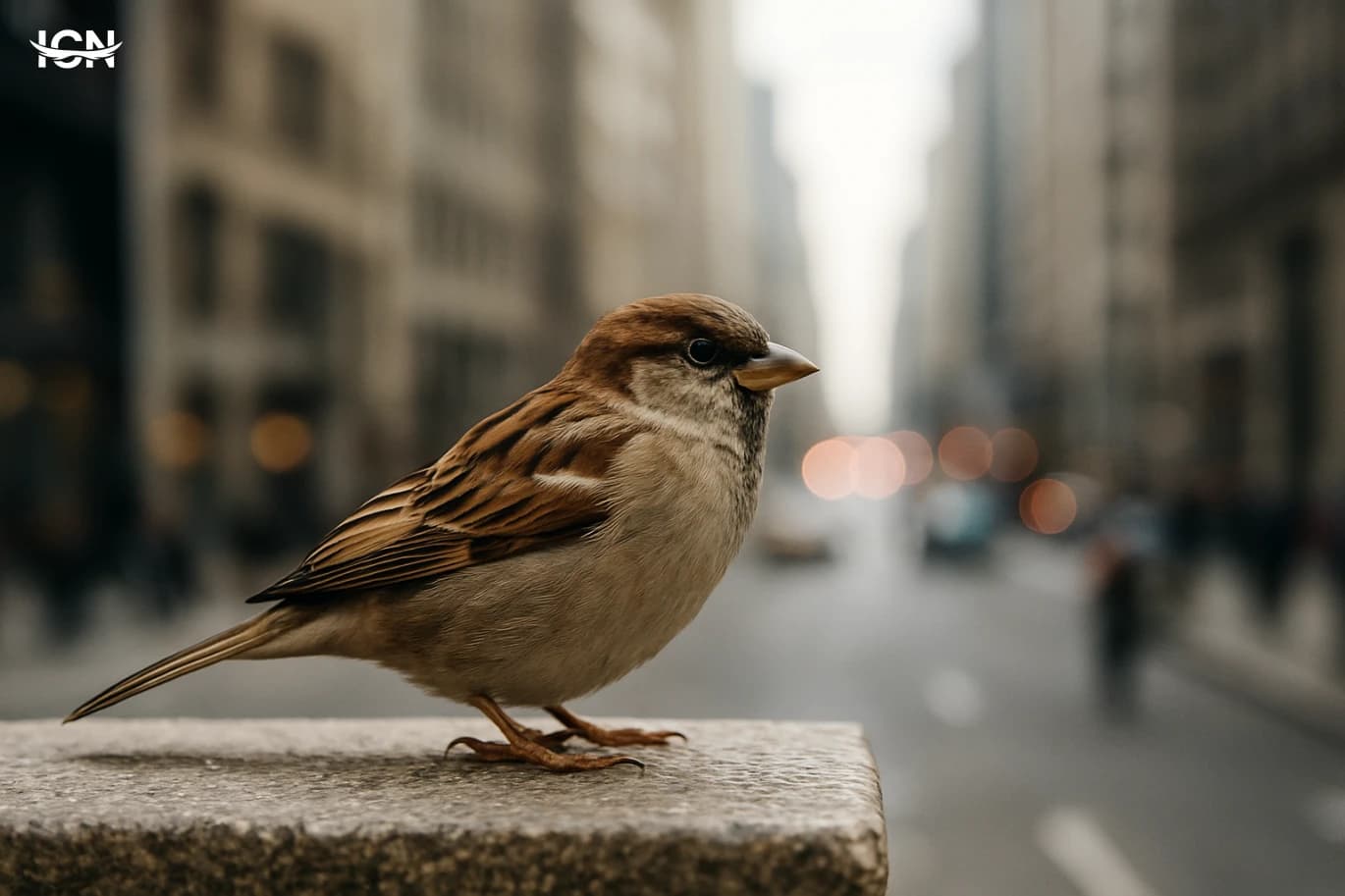
Cities look hostile at first glance, yet many bird species treat them as reliable habitat. The biggest reason is stability: urban areas provide year-round food sources, predictable water access, and warmer microclimates created by buildings and paved surfaces. Street trees, parks, cemeteries, and riverfront promenades form connected green corridors that can substitute for natural woodland edges. Even small patches—courtyards, rooftop planters, and traffic islands—offer resting and nesting opportunities when they are distributed across a neighborhood. Another driver is reduced pressure from some natural predators. In many cities, large raptors and mammalian predators are less common than in rural landscapes, while human activity can unintentionally shield nests in busy areas. At the same time, urban birds learn to tolerate noise, lights, and constant movement. Species that adapt quickly to new routines—such as shifting feeding times or using artificial structures—gain a strong advantage. This is why the most visible city birds are often generalists that can eat a wide range of foods and nest in many different places.
City Birds That Thrive Beside Us
Cities look hostile to wildlife, yet many bird species do more than survive there—they expand. The main reason is predictable food. Street trees, parks, outdoor markets, restaurant waste, and backyard feeders create steady calories through seasons when natural habitats can be lean. Urban heat islands also keep temperatures slightly warmer, which can reduce winter stress and extend insect activity in some neighborhoods. Another driver is nesting opportunity. Buildings, bridges, and signage mimic cliffs and ledges, while ornamental shrubs and dense hedges provide cover similar to thickets. Some birds adapt their schedules too, starting dawn songs earlier because artificial light shifts their daily rhythm. Over time, city populations can diverge in behavior from rural ones, becoming bolder around people and more tolerant of noise. Not every species can make the jump. Birds that need large territories, specialized diets, or quiet breeding sites often decline in dense development. The winners tend to be generalists: they eat a wide range of foods, nest in many structures, and learn quickly. Understanding these patterns helps residents support a wider mix of birds, not just the few that dominate sidewalks and rooftops.
City Birds and the Hidden Rules of Survival
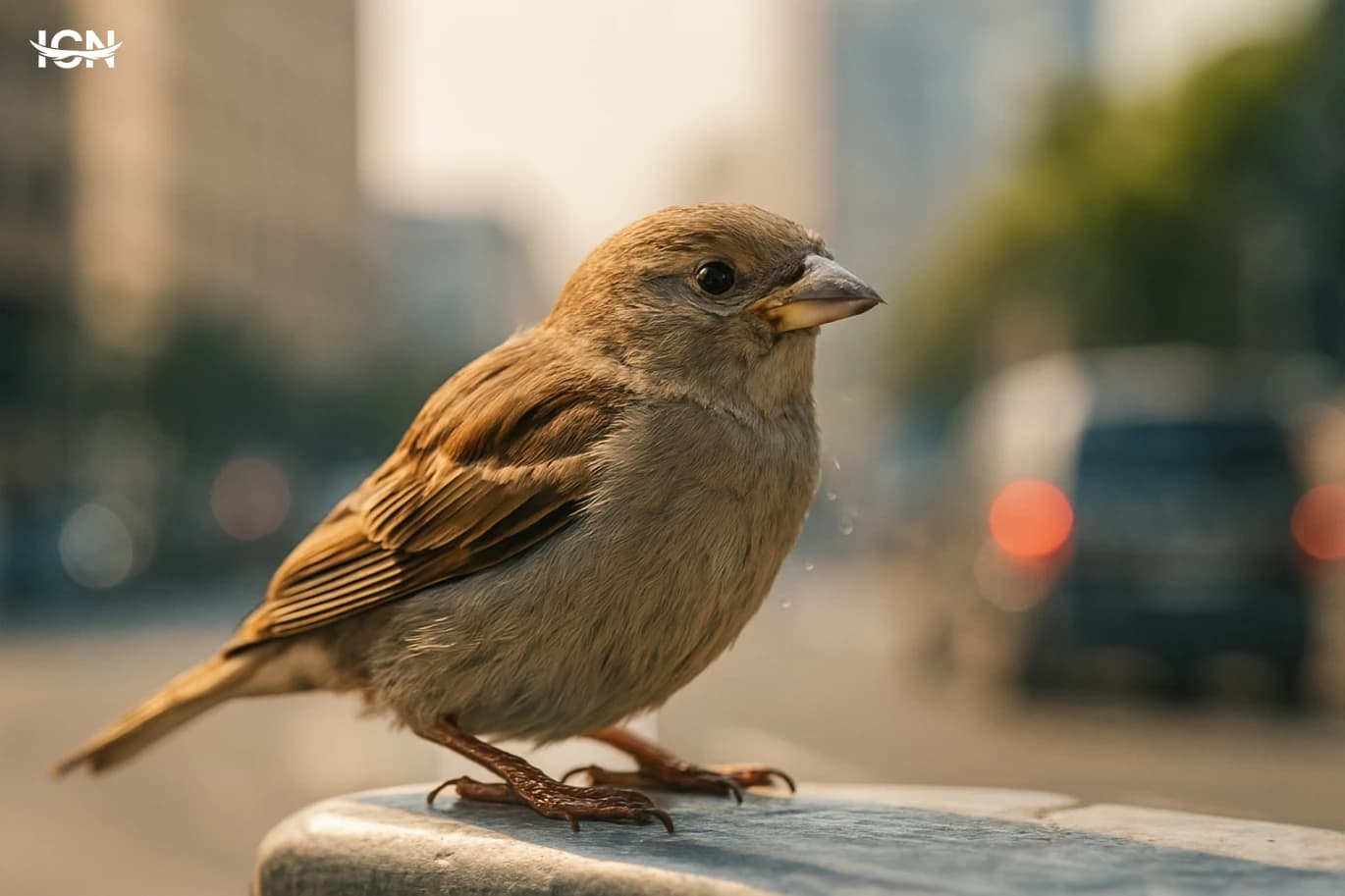
Cities look hostile to wildlife, yet a short list of birds consistently does well: pigeons, house sparrows, starlings, crows, gulls, and a growing number of raptors. Their success is not random. Urban winners tend to be generalists that can eat varied foods, nest in many types of structures, and tolerate constant noise and movement. A pigeon can feed on seeds, scraps, and spilled grain; a crow can switch between insects, fruit, and human leftovers; a gull can exploit waterfronts, landfills, and parking lots. Another advantage is flexibility in nesting. Ledges, bridges, air-conditioning units, and roof cavities can substitute for cliffs and tree hollows. Some species also benefit from the “heat island” effect, where city temperatures stay higher than surrounding rural areas, reducing cold stress and extending the season when insects are active. Finally, cities can reduce certain natural pressures. In many neighborhoods, large predators are scarce, and food is available year-round. The result is a set of hidden rules: adaptability beats specialization, and tolerance for people becomes a survival trait.
How Urban Birds Outsmart City Life
Cities look hostile at first glance, yet many bird species treat them as reliable habitats. The main reason is stability: urban areas offer year-round food sources, predictable shelter, and fewer natural fluctuations than forests or farmland. Waste management sites, outdoor dining areas, and home gardens create steady feeding opportunities, while building ledges, bridges, and ventilation openings mimic cliffs and cavities used for nesting. Some species, such as pigeons and house sparrows, have lived alongside people for centuries, but newer urban residents include raptors that hunt pigeons, waterbirds that use canals, and insect-eaters that exploit streetlight swarms. Urban design also concentrates resources. A single park can provide mature trees, irrigation, and a mix of shrubs that produce berries and insects. Street trees form corridors that connect green spaces, allowing birds to move and forage without crossing large open areas. Even small balconies can function as microhabitats when they include planters, shallow water dishes, and minimal disturbance. The result is that cities can support surprising diversity, but the winners are usually species that tolerate noise, human presence, and rapid change. This topic matters because urban bird populations are not just a curiosity; they are indicators of environmental quality. Changes in which species thrive can signal shifts in air quality, pesticide use, heat stress, and the availability of native plants. Understanding why cities work for some birds and fail for others helps residents and planners make choices that support healthier, more balanced urban ecosystems.
How Urban Birds Survive Heat and Noise
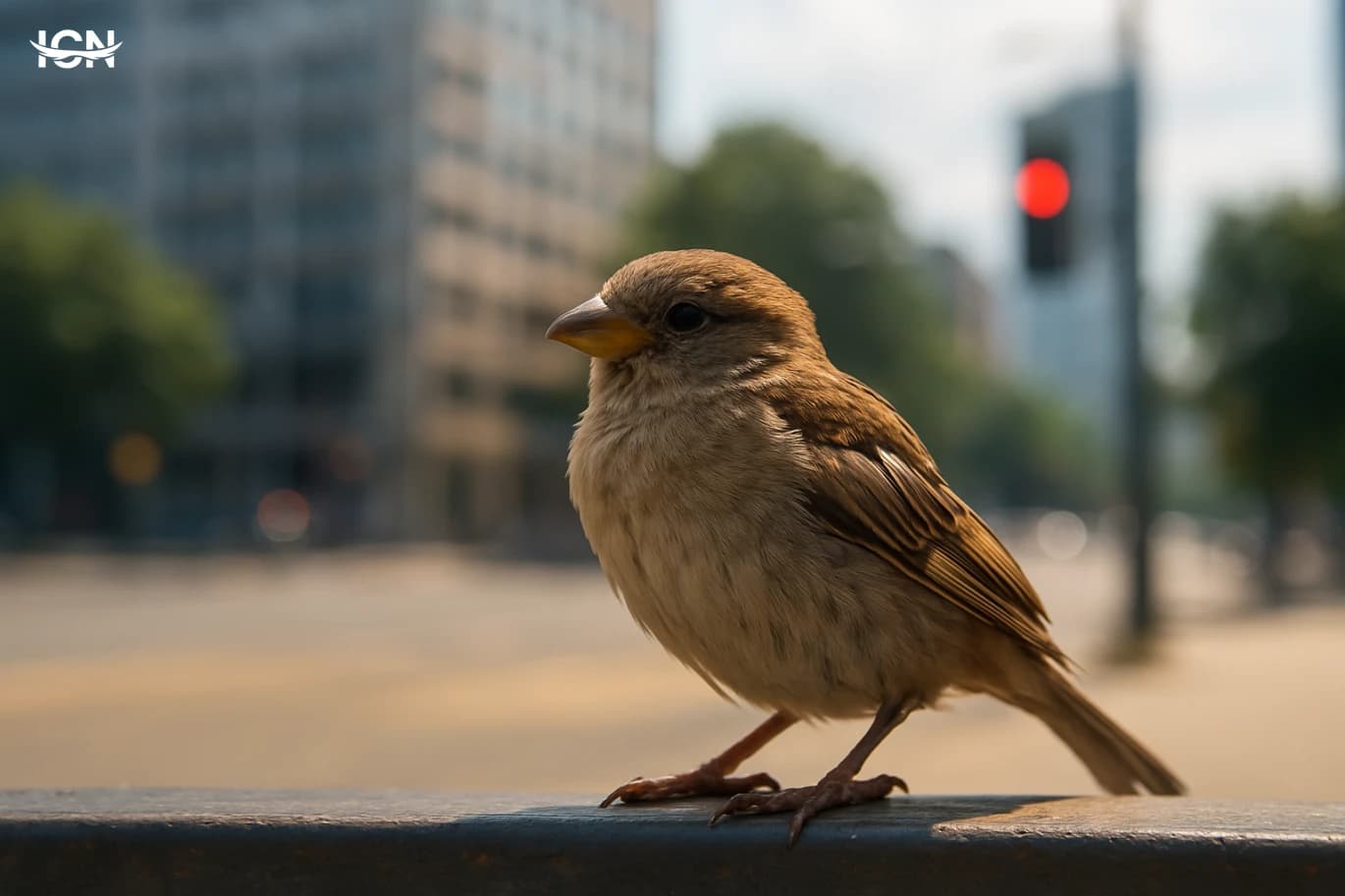
Cities look full of food and shelter, but for birds they combine several pressures at once. Heat builds up on asphalt and concrete, creating warmer nights and longer hot spells than nearby rural areas. That matters because birds lose water quickly through breathing and need safe, shaded places to rest. Noise is another constant stressor: traffic, construction, and crowded streets can mask alarm calls and make it harder for mates or parents and chicks to stay in contact. Artificial lighting extends the day, changing when birds feed, sing, and sleep, and it can pull migrating birds off course. Urban landscapes also break habitats into small patches, forcing birds to cross open spaces where they are exposed to hazards. Even when food seems abundant, it is often unpredictable, seasonal, or low in nutrients. Understanding these combined challenges is the starting point for explaining which species thrive in cities and which struggle to persist.
How Cities Can Welcome Swifts Back
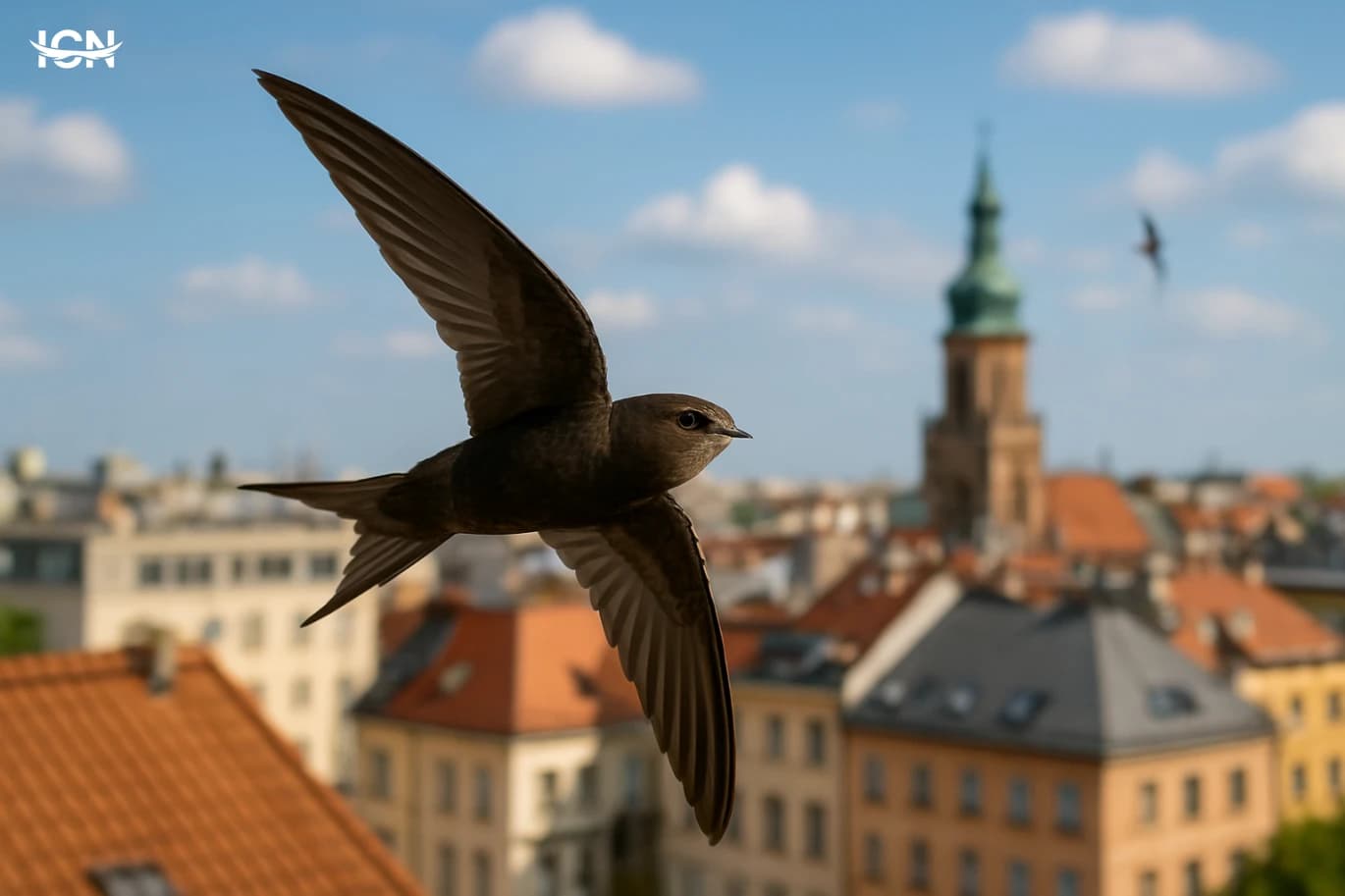
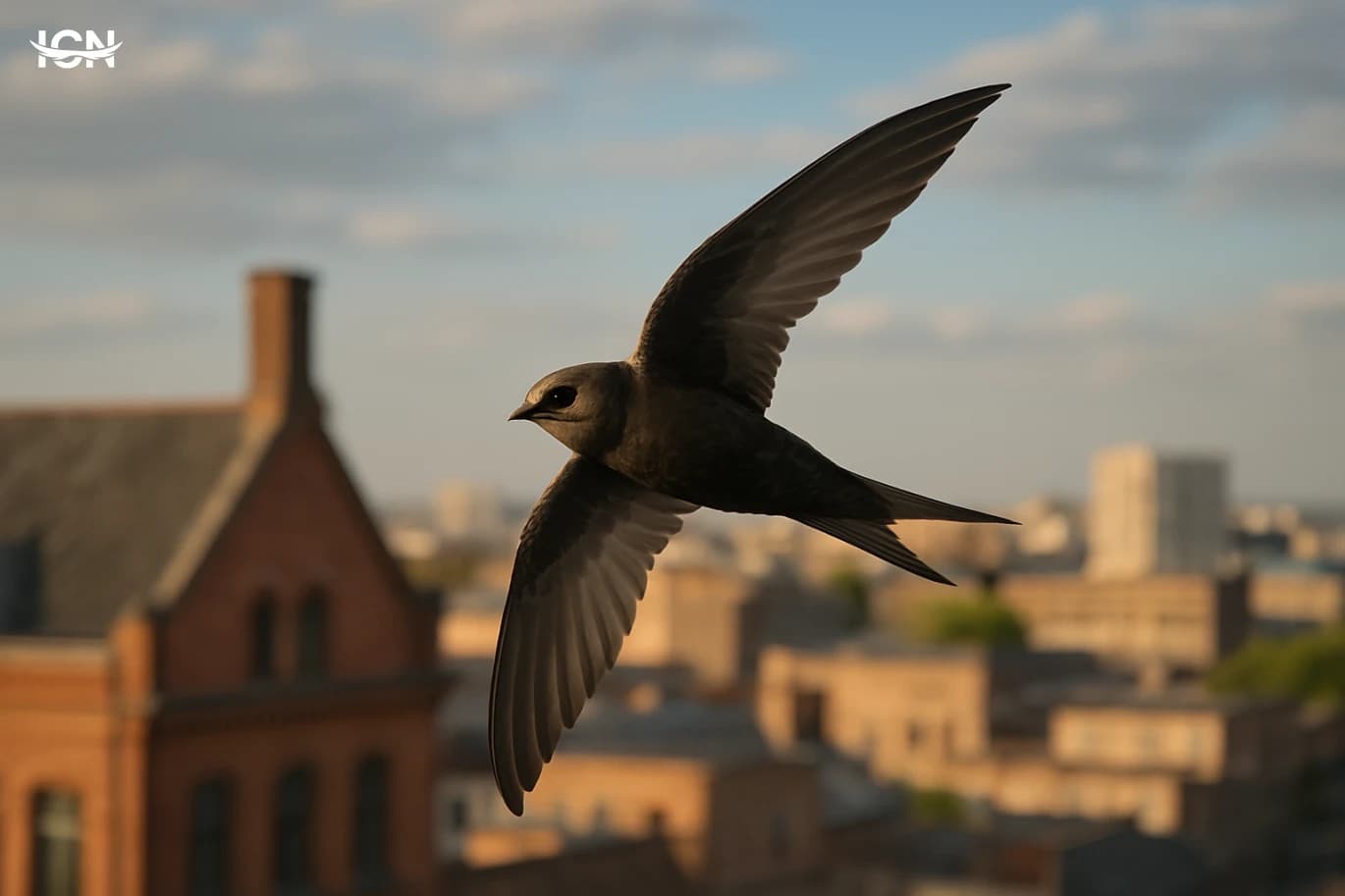
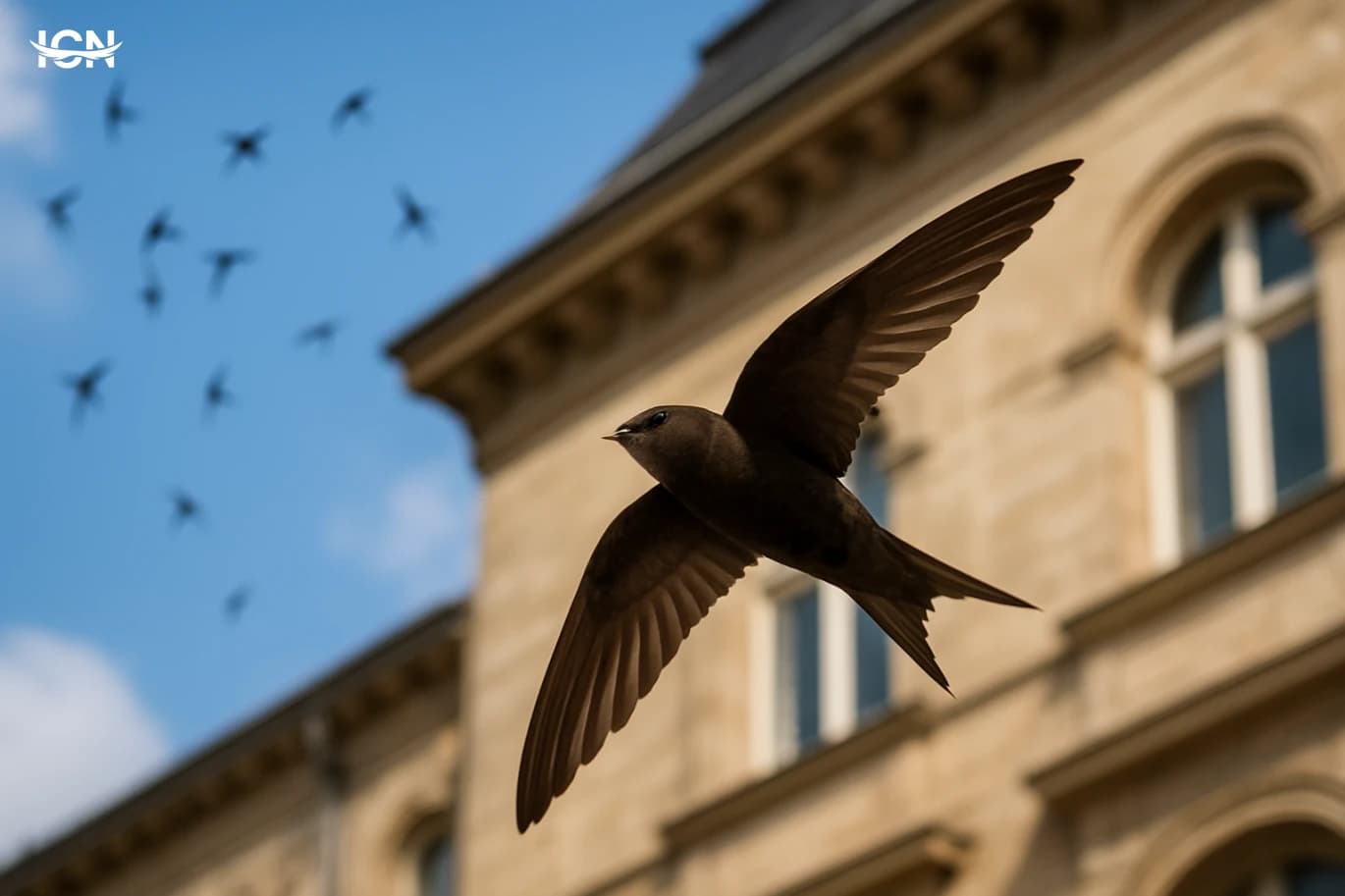
Swifts are among the most urban-adapted birds on the planet, yet many city residents rarely notice them until a warm evening when they slice through the air in fast, high arcs. Their presence is more than a pleasant soundtrack to summer. Swifts consume large numbers of flying insects, including midges and mosquitoes, and they do it without needing gardens or feeders. They also act as a practical indicator of how well a city supports wildlife: if swifts can find nesting sites and enough insects, other less mobile species often benefit too. Unlike pigeons or sparrows, swifts depend heavily on specific nesting cavities, traditionally gaps under roof tiles, holes in old masonry, and spaces behind wooden eaves. Modern construction and renovation practices have reduced these opportunities. When buildings are sealed for energy efficiency, cavities disappear. The result is a quiet decline that can happen block by block, even in cities that still have parks and street trees. Understanding this tight link between swifts and buildings is the first step toward bringing them back.
How Urban Birds Survive Heat and Noise
Cities look full of food and shelter, but for birds they are a demanding habitat with constant stressors. The most obvious challenge is heat. Asphalt, concrete, and glass store warmth and create urban heat islands where temperatures can stay several degrees higher than nearby rural areas, especially at night. For small birds that already lose water quickly, extra heat increases the risk of dehydration and overheating during midday foraging. Noise is the other defining pressure. Traffic, construction, and dense human activity can mask bird songs and calls, which are essential for defending territory, attracting mates, and keeping contact with family groups. When communication becomes harder, birds may spend more time singing, shift their schedules, or accept poorer territories. Cities also bring fragmented green spaces, fewer native insects in some neighborhoods, and hazards like reflective windows and fast-moving vehicles. Yet many species persist, and their success offers a clear window into how wildlife adapts to human-dominated landscapes.
How Cities Can Help Swifts Thrive
Swifts are among the most urban-adapted birds, spending most of their lives on the wing and using buildings as substitutes for cliffs. In many cities, their high, fast flights are one of the clearest signs of healthy summer biodiversity. They also provide a practical service: swifts feed on airborne insects, including midges and mosquitoes, and a single bird can consume thousands in a day during peak feeding. That makes them relevant not only to birdwatchers but also to residents who care about comfort and outdoor quality of life. Yet swift populations have declined in several regions as modern construction and renovation remove the small gaps and cavities they need for nesting. Unlike some birds, swifts do not gather twigs from the ground; they collect light materials in flight and rely on stable, sheltered spaces to raise their young. When those spaces disappear, the birds may return to traditional breeding areas and find nothing usable. Understanding this mismatch between swift behavior and building trends is the starting point for practical, non-disruptive solutions in urban planning and home maintenance.
City Swifts and the Architecture They Need
Swifts are among the most urban-adapted birds on the planet, yet many city residents rarely notice them. They spend most of their lives in the air, feeding on small flying insects and drinking by skimming water surfaces. In many regions, the birds arrive seasonally, turning warm evenings into a fast-moving aerial display above streets, parks, and rooftops. Their presence is not just a pleasant detail; it is a measurable sign of how a city supports airborne insect life and provides safe nesting spaces. Unlike pigeons or sparrows that use ledges and open cavities, swifts depend on narrow crevices and enclosed voids, historically found in older buildings with gaps under eaves, roof tiles, and stonework. Modern construction methods often seal these spaces for energy efficiency and weatherproofing. Renovations can remove long-used nesting sites in a single week, even when the birds return to the same area year after year. Understanding swifts as part of urban biodiversity helps explain why building design and maintenance decisions can directly affect local bird populations.
Urban Raptors Living Above Our Streets
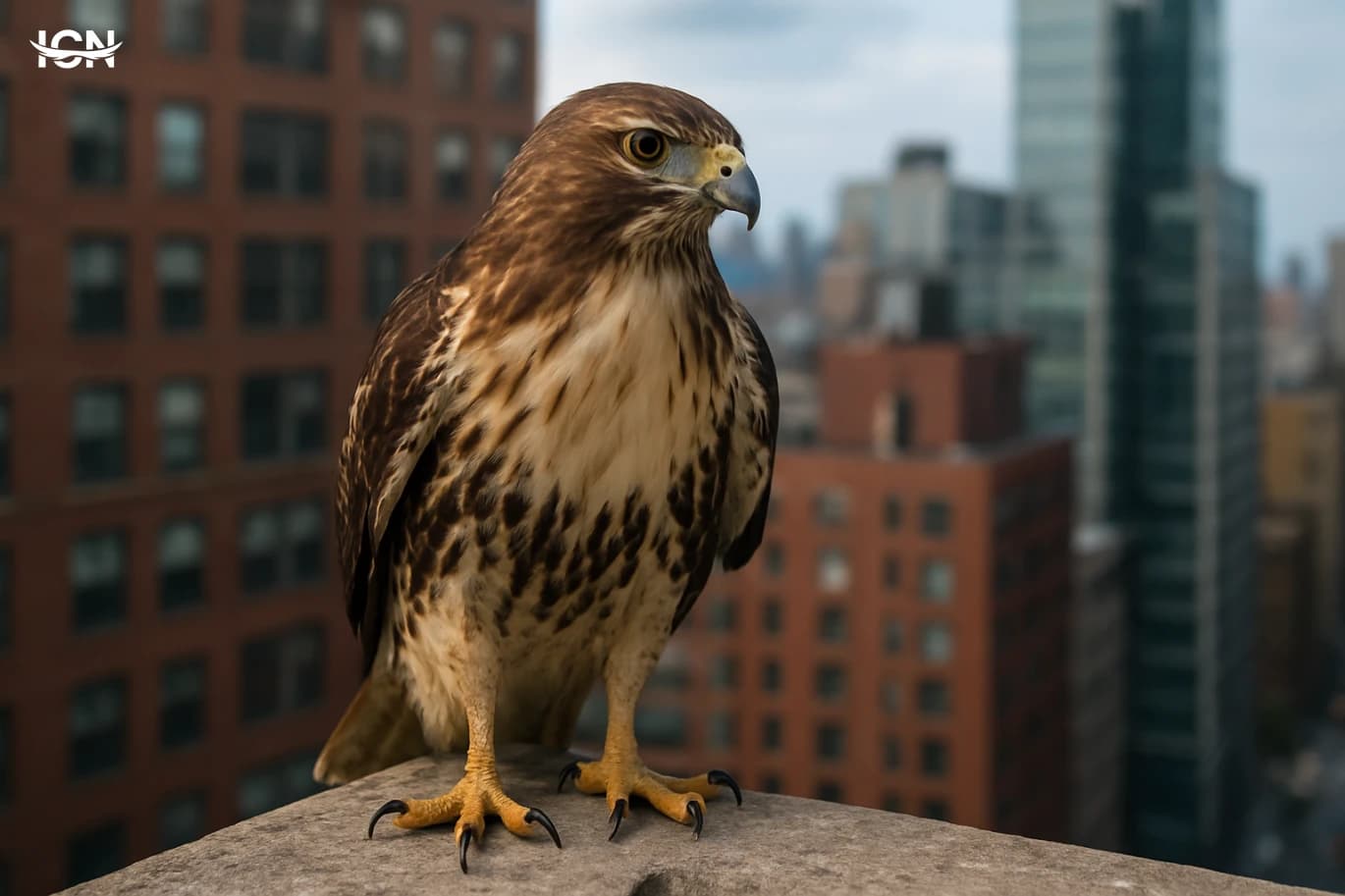
Across many regions, birds of prey are no longer limited to remote cliffs or open countryside. Peregrine falcons, kestrels, hawks, and even some owls increasingly use city centers as dependable habitat. Tall buildings mimic natural rock faces, bridges provide sheltered ledges, and warm air rising from streets can create helpful updrafts for soaring. Cities also concentrate prey: pigeons, starlings, rats, and other small animals thrive around food waste and dense infrastructure, offering raptors a steady menu. Another driver is reduced persecution compared with past decades; legal protections and changing public attitudes have allowed populations to recover and explore new spaces. Urban nesting can also be surprisingly stable, because many rooftops and ledges remain undisturbed during the breeding season. The result is a modern wildlife story happening in plain sight: top predators adapting to human-made landscapes and reshaping local bird communities from above.
City Raptors After Dark
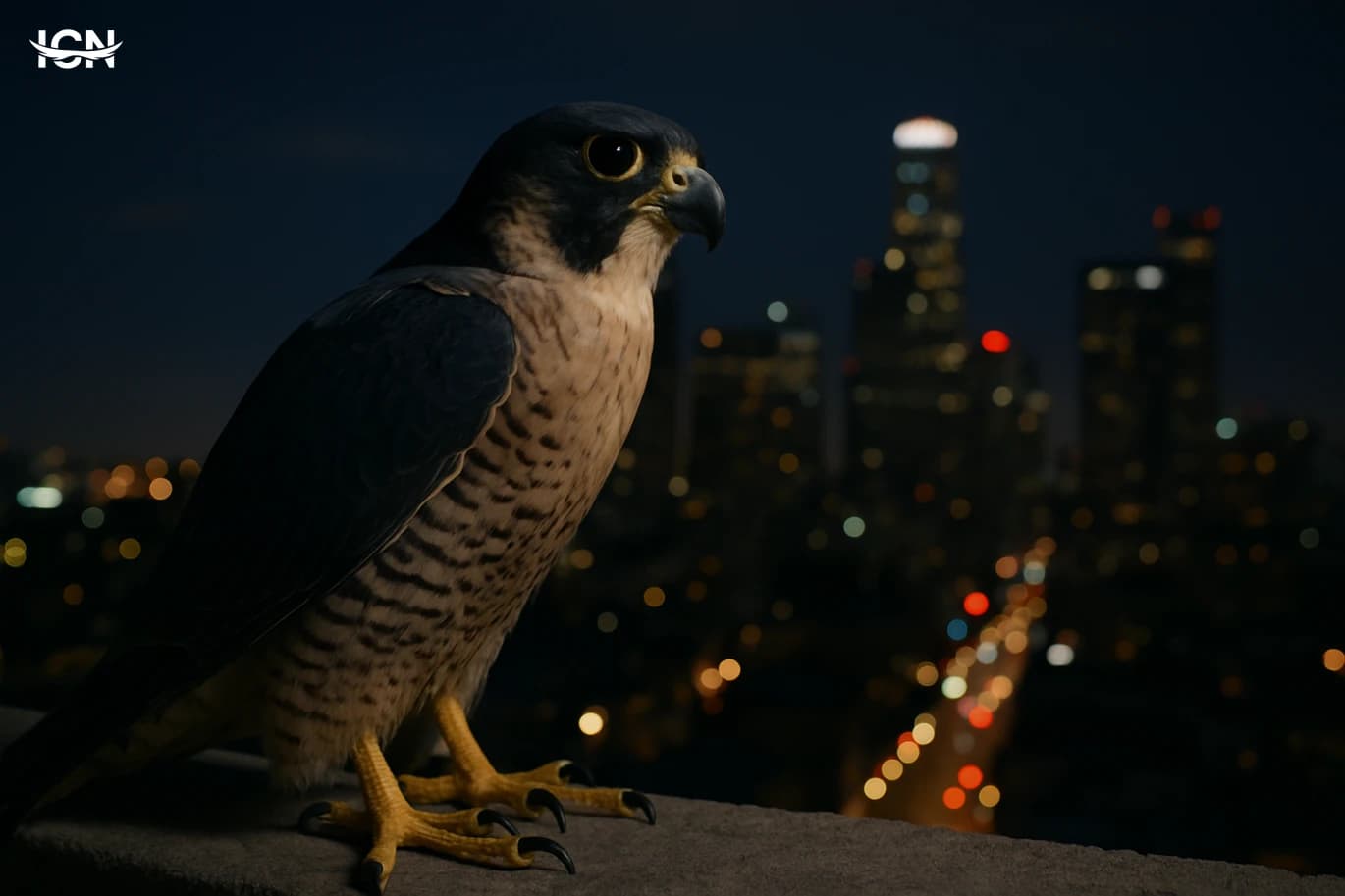
Across many regions, birds of prey are no longer limited to remote cliffs and open countryside. Peregrine falcons, kestrels, and some owl species increasingly use city centers as hunting and nesting territory. The shift is driven by practical factors: tall buildings mimic natural ledges, bridges provide sheltered cavities, and urban lighting extends the hours when prey is active. Cities also concentrate food. Pigeons, starlings, sparrows, and rats thrive around transport hubs, markets, and waterfronts, creating a reliable prey base that can be easier to locate than in heavily farmed landscapes. Another reason is reduced persecution compared with past decades. Legal protection, public awareness, and better wildlife enforcement have helped raptors recover in many places. At the same time, some rural habitats have become less suitable due to pesticide exposure, loss of hedgerows, and fewer small mammals in intensively managed fields. For a hunting specialist like the peregrine, an urban skyline can offer consistent updrafts, clear flight lines, and abundant medium-sized birds. The result is a new kind of neighborhood wildlife: top predators living within sight of offices, apartments, and stadiums.
How Cities Are Changing Bird Migration
Bird migration is often described as a timeless cycle, but in many regions it is becoming noticeably less predictable. Long-term monitoring in Europe and North America shows some species arriving earlier in spring and lingering later into autumn, while others shift their routes to follow new food sources and safer stopover sites. These changes are not random; they track the rapid growth of urban areas and the way cities alter temperature, light, and habitat structure. Cities create “heat islands” that can be several degrees warmer than surrounding countryside, especially at night. For insect-eating birds, that warmth can extend the season when insects remain active, which can encourage earlier arrival or longer stays. At the same time, urban parks, street trees, and wetlands built for stormwater management can provide pockets of shelter and feeding opportunities that did not exist a few decades ago. Migration is still driven by day length and genetics, but the practical decisions birds make on the ground are increasingly shaped by urban conditions.
How Cities Are Changing Bird Migration
Bird migration is often described as a timeless natural cycle, but urban growth is reshaping it in measurable ways. Cities create warmer “heat islands” that can keep insects active longer and delay the first hard frosts, which affects when birds decide to move. Artificial lighting extends perceived daylight and can disrupt the hormonal cues that help birds time departures and arrivals. At the same time, urban parks, street trees, and waterfront promenades can act as stepping-stone habitats, offering rest and food in places that were once continuous farmland or wetlands. These changes do not affect all species equally. Short-distance migrants such as some thrushes, finches, and waterfowl can adjust their schedules more easily than long-distance migrants that rely on precise seasonal timing across continents. In many regions, birders and researchers are documenting earlier spring arrivals for certain species and longer autumn stays for others. The result is not simply “more birds in cities,” but a shifting calendar and a redistribution of stopover sites that can alter survival and breeding success.
By clicking the SUBSCRIBE button, you are agreeing to our Privacy & Cookie Policy If you want to unsubsribe the marketing email, please proceed to our privacy center.
© 2005-2026 ICN. All Rights Reserved.