City Swifts and the Architecture They Need
- Why swifts belong to the city story
- The nesting problem hidden in renovations
- Designing swift spaces into modern buildings
- Light, heat, and noise in the swift’s daily route
- How residents can spot and support local swifts
Why swifts belong to the city story
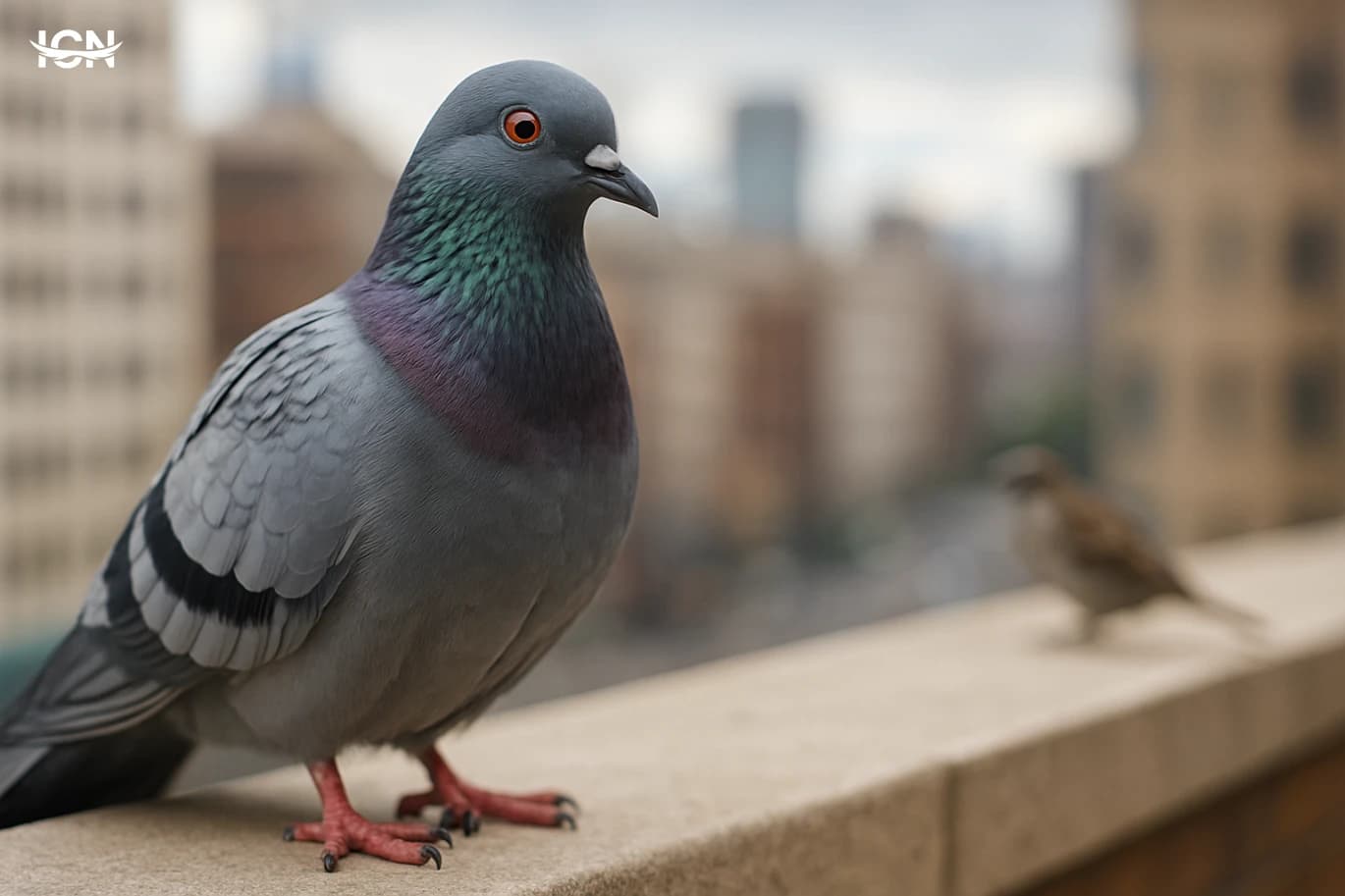
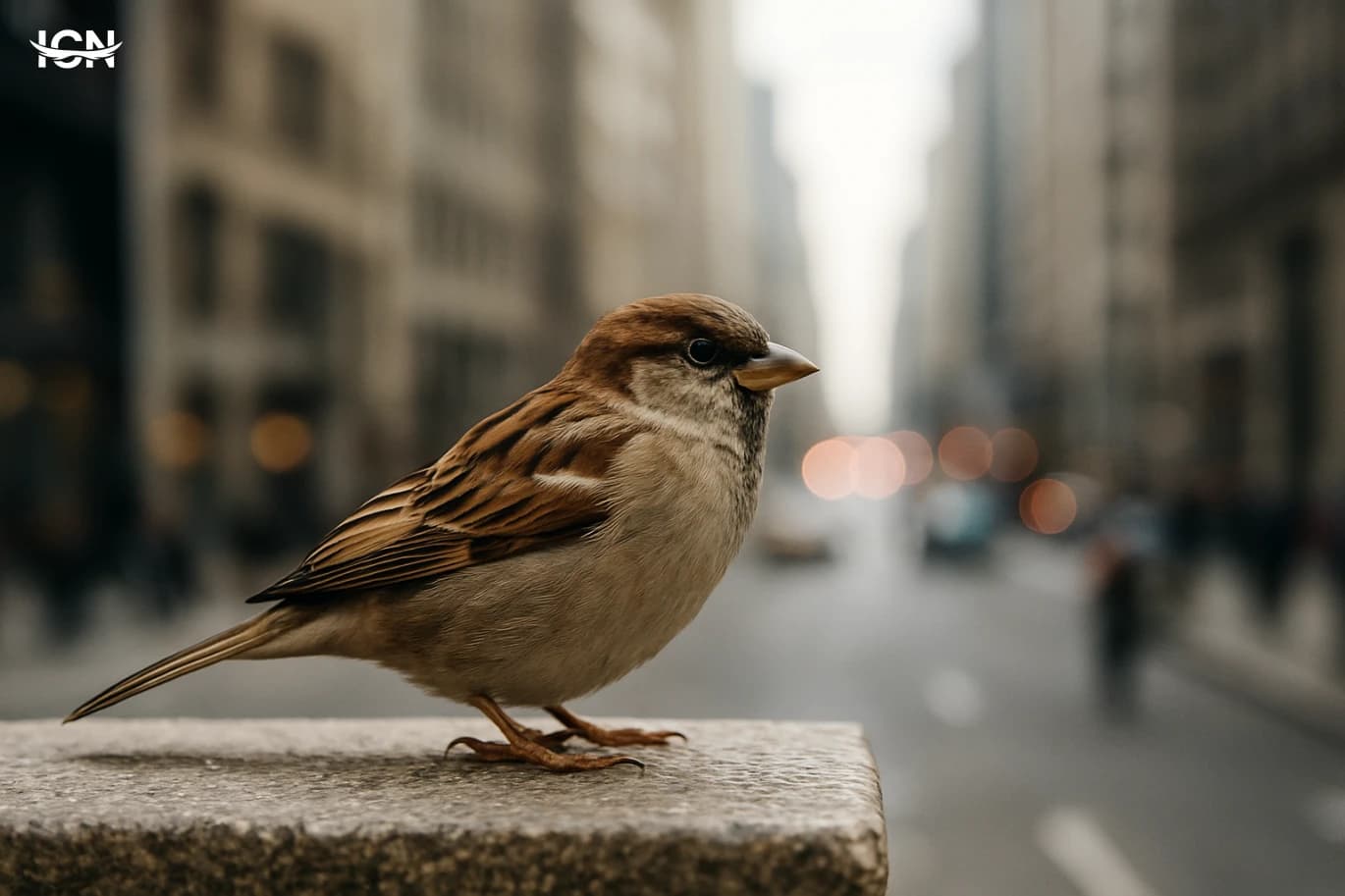
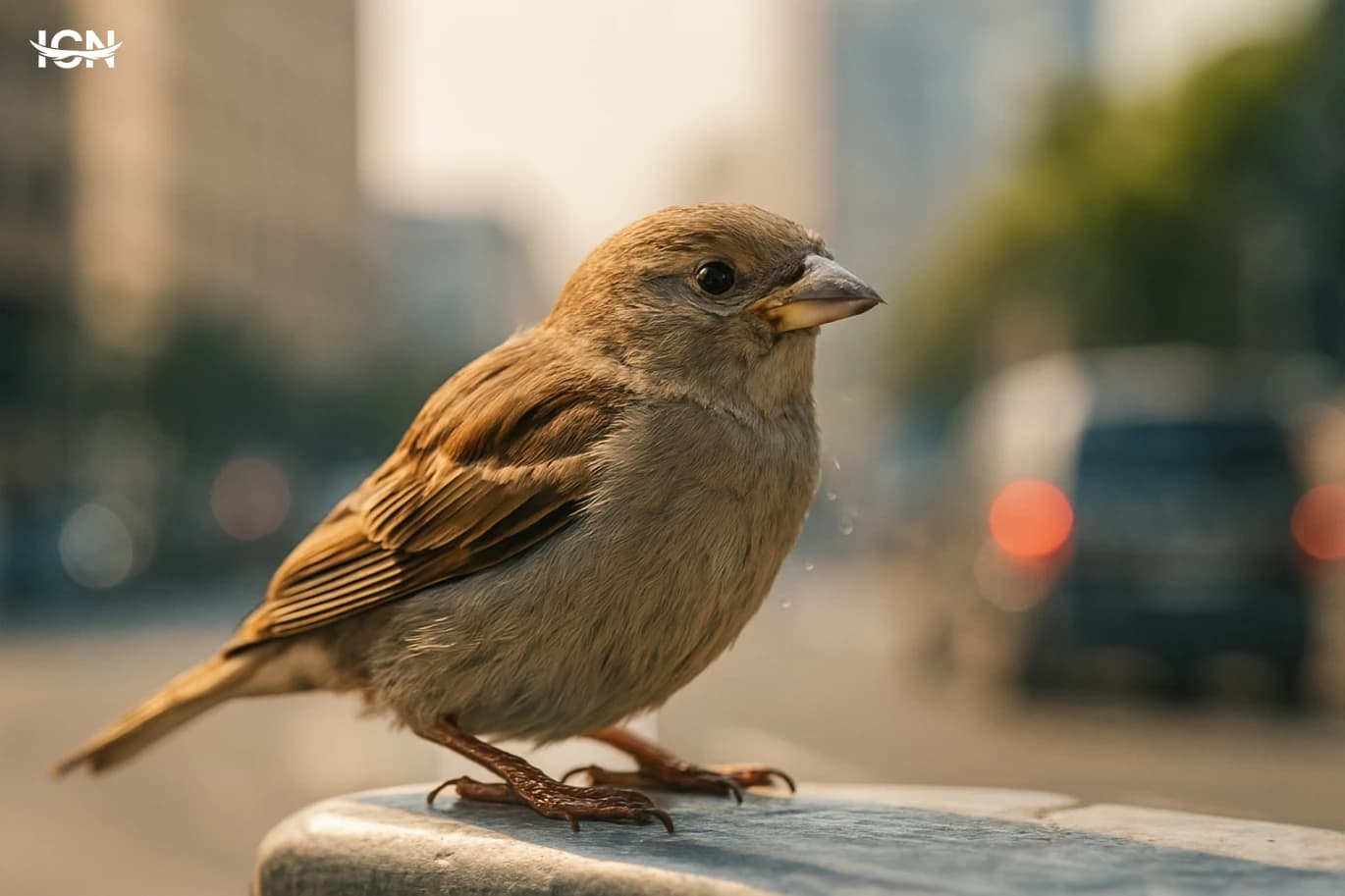
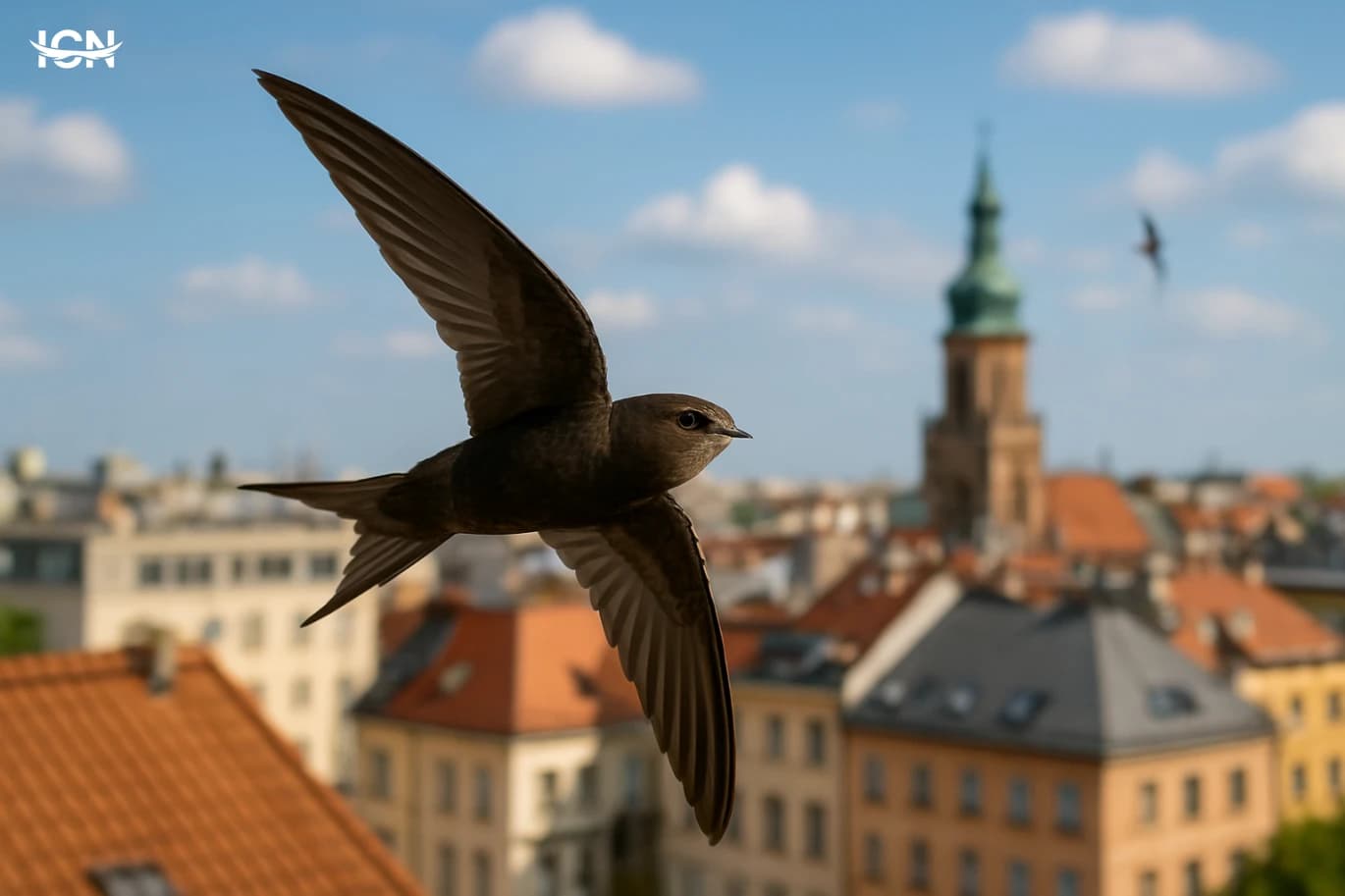
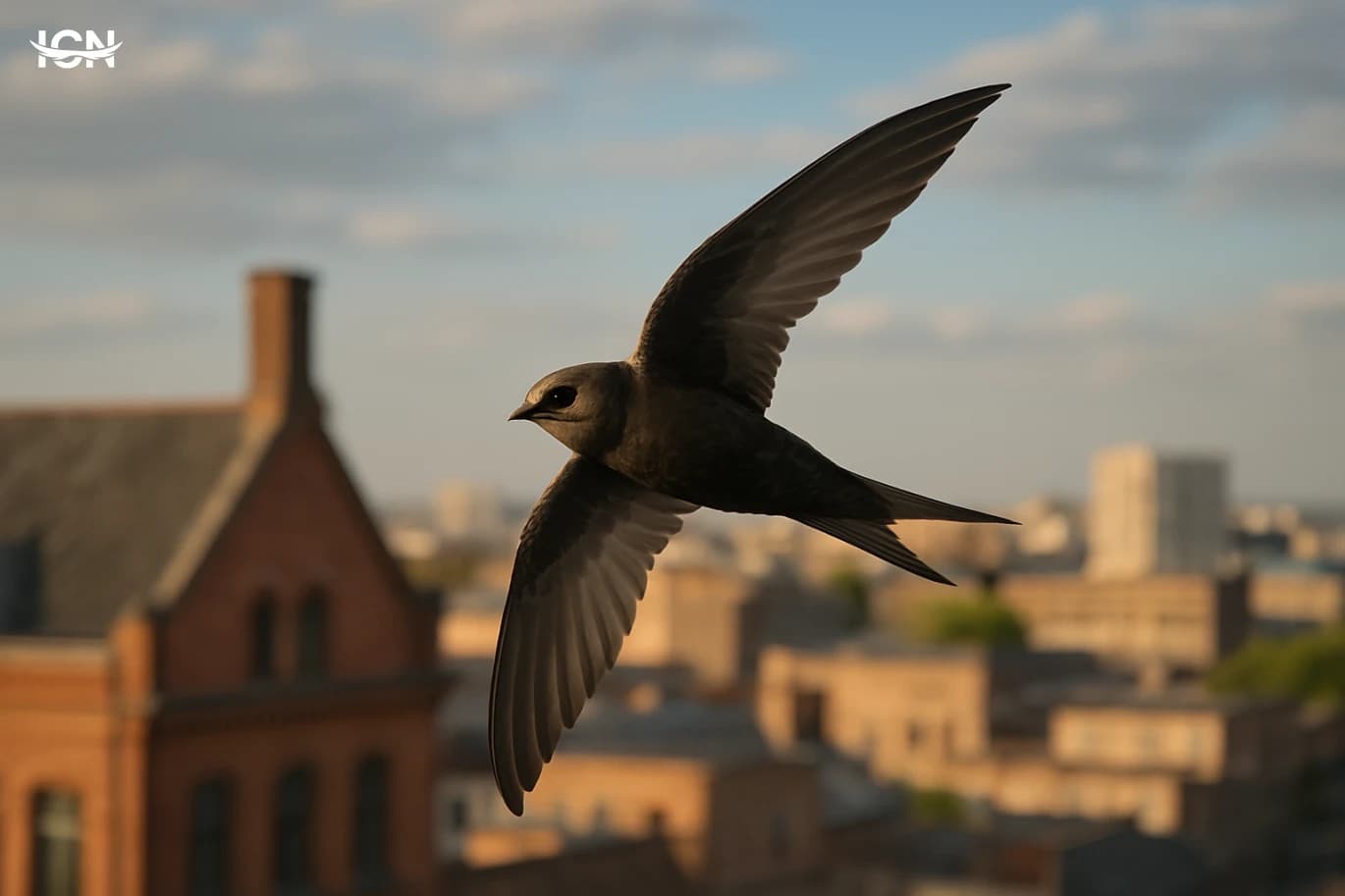
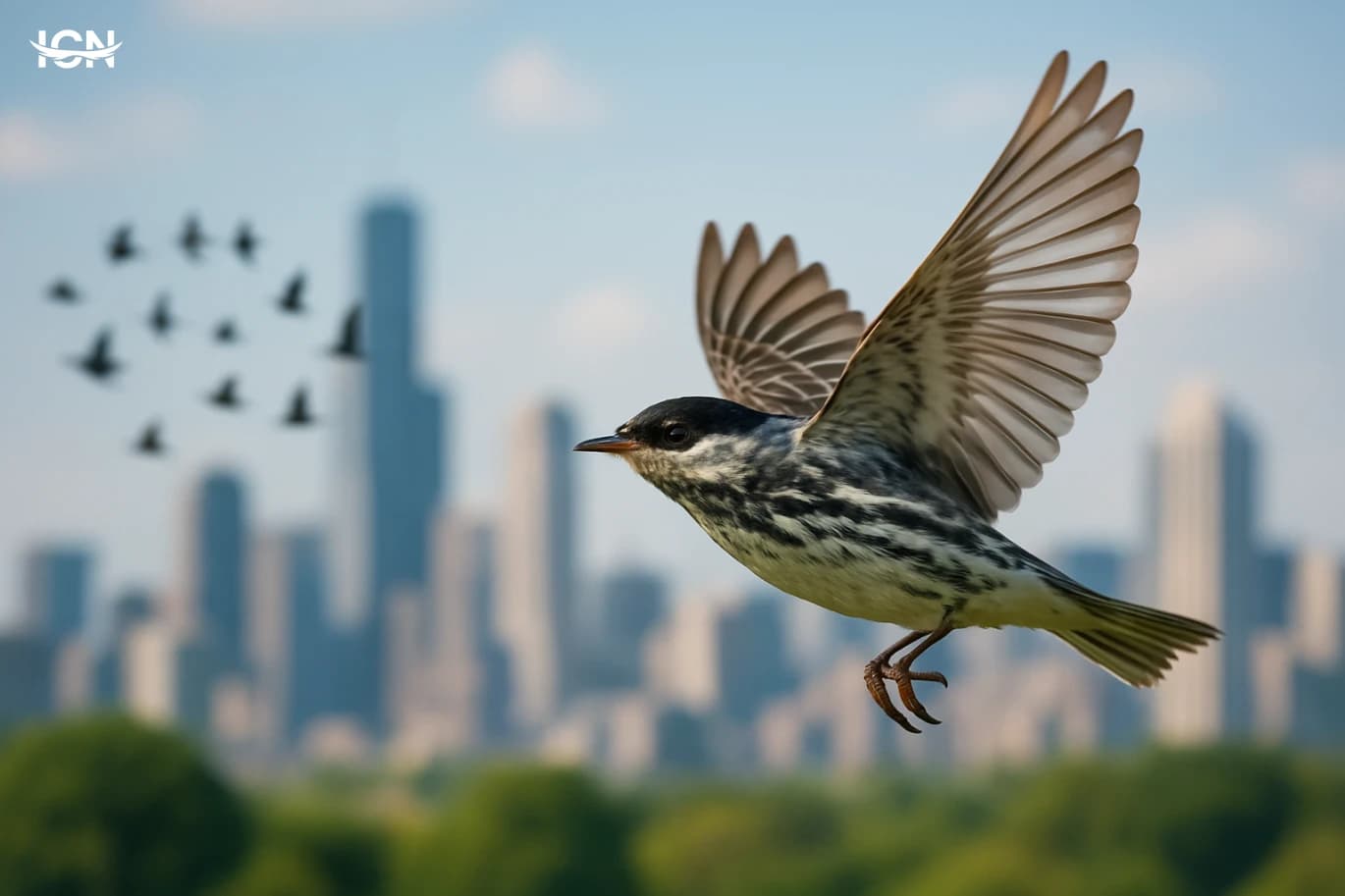
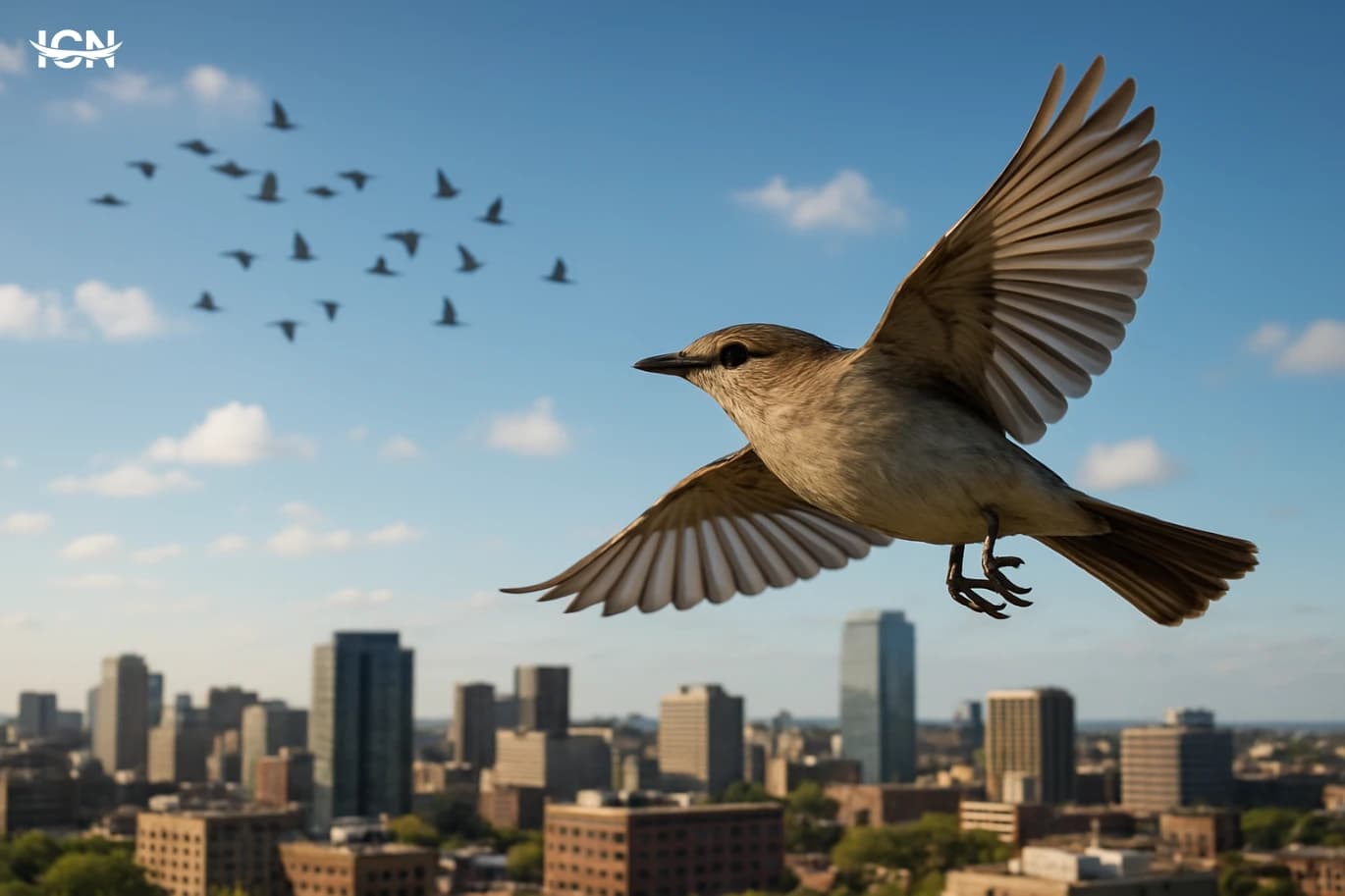
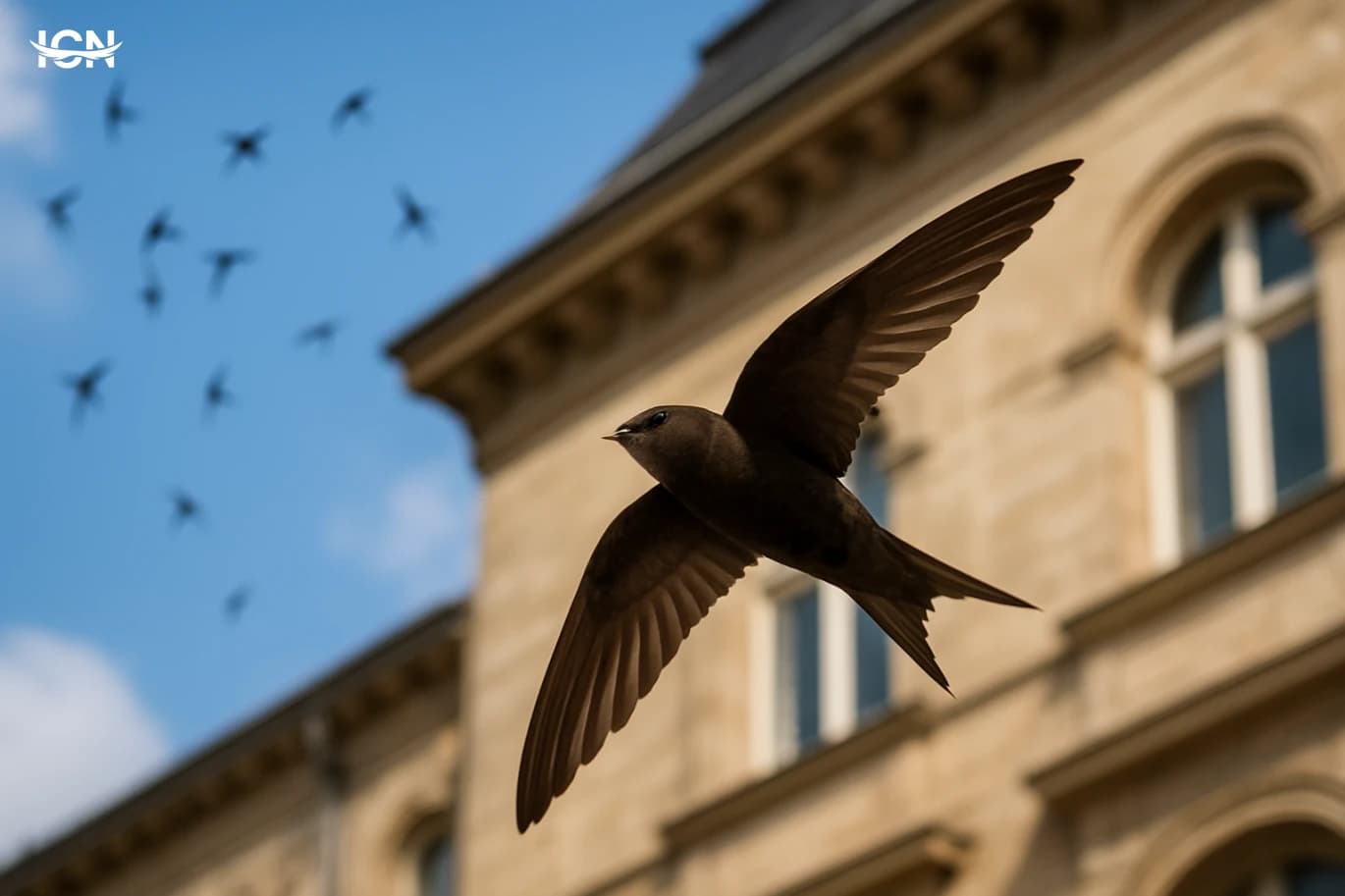
Swifts are among the most urban-adapted birds on the planet, yet many city residents rarely notice them. They spend most of their lives in the air, feeding on small flying insects and drinking by skimming water surfaces. In many regions, the birds arrive seasonally, turning warm evenings into a fast-moving aerial display above streets, parks, and rooftops. Their presence is not just a pleasant detail; it is a measurable sign of how a city supports airborne insect life and provides safe nesting spaces. Unlike pigeons or sparrows that use ledges and open cavities, swifts depend on narrow crevices and enclosed voids, historically found in older buildings with gaps under eaves, roof tiles, and stonework. Modern construction methods often seal these spaces for energy efficiency and weatherproofing. Renovations can remove long-used nesting sites in a single week, even when the birds return to the same area year after year. Understanding swifts as part of urban biodiversity helps explain why building design and maintenance decisions can directly affect local bird populations.
The nesting problem hidden in renovations
For swifts, nesting is a high-stakes operation. Many pairs reuse the same cavity, and the timing is tight: they arrive, claim a site, lay eggs, and raise chicks within a limited season. When a building is re-roofed, insulated, or re-clad, the small openings swifts rely on can disappear. The impact is often invisible to contractors because the entrances may be only a few centimeters wide and located high on façades. The most disruptive work tends to happen in spring and early summer, exactly when swifts are breeding. If access is blocked after the birds have arrived, adults may circle for days searching for the missing entrance, wasting energy and losing breeding opportunities. Even when the work is well-intentioned, such as improving energy performance, the result can be a neighborhood-wide loss of nesting capacity. Cities that track swift colonies often find that declines correlate with waves of renovation rather than with a single weather event. A practical takeaway for property managers is that swift-friendly planning is mainly about timing and small design choices. Scheduling exterior sealing outside the breeding season, surveying façades for known entry points, and keeping records of historic nesting spots can prevent accidental losses. These steps are inexpensive compared with the overall cost of renovation, but they require awareness and coordination.
Designing swift spaces into modern buildings
The good news is that swifts do not require large structures to nest successfully. A suitable cavity can be integrated into a building with minimal visual impact. In many countries, architects and conservation groups promote swift bricks or built-in nest boxes that fit within masonry or behind cladding. These units provide a durable internal chamber and a small entrance slot, typically placed high on a wall and away from bright night lighting. Placement matters. Swifts prefer entrances with a clear flight path, so boxes should not be blocked by dense trees, cables, or protruding signage. Height is important because the birds approach at speed and need room to maneuver. Orientation can also influence temperature; in hot climates, avoiding direct afternoon sun helps prevent overheating of chicks. In cooler areas, some sun exposure can be beneficial, but ventilation and material choice still matter. For new developments, integrating a handful of swift nesting units can be planned early, avoiding later retrofits. For existing buildings, external boxes can work if installed securely and if the entrance remains unobstructed. The key is consistency: a neighborhood with multiple suitable sites is more likely to maintain a stable colony, because swifts are social and often nest near other pairs. This is a case where small design interventions can produce a visible biodiversity outcome within a few seasons.
Light, heat, and noise in the swift’s daily route
Urban conditions shape how swifts use the airspace above a city. Artificial lighting can attract insects, which may seem helpful for feeding, but strong lighting near nesting entrances can disrupt behavior and increase predation risk from opportunistic birds. Heat is another factor. Swifts are adapted to a wide range of temperatures, yet nest cavities in sealed modern façades can become heat traps during heatwaves. Chicks are particularly vulnerable when ventilation is poor. Noise is often less of a direct barrier because swifts rely heavily on visual navigation and social calls, but constant construction noise can coincide with breeding season and reduce the time adults spend at the nest. More broadly, the availability of flying insects is influenced by pesticide use, landscaping choices, and water management. A city with diverse green spaces, flowering plants, and less intensive chemical treatment tends to support more insect life, which in turn supports aerial insectivores like swifts. For readers who want to connect bird-friendly design with everyday city management, the swift is a practical example. Shielded lighting that reduces glare near façades, heat-aware placement of nesting units, and insect-supportive planting in parks are all measures that can be discussed in planning meetings without turning into abstract conservation talk. They are concrete adjustments with measurable outcomes.
How residents can spot and support local swifts
You do not need specialist equipment to notice swifts. In many cities, the easiest time is late afternoon to early evening on warm days, when groups feed higher in the sky and then drop lower near buildings. Their flight is fast and direct, with long curved wings, and their calls are sharp and repeated as they pass. Watching the same block over several evenings can reveal patterns: a pair repeatedly approaching one point on a façade often indicates a nest entrance. Support can start with simple reporting. Some municipalities and bird organizations maintain maps of nesting sites, and resident observations help identify buildings that host colonies. If you manage a building, a basic step is to avoid sealing small openings during the breeding season and to consult local guidance before major exterior work. If you have a balcony or roof access, keeping water features clean and avoiding heavy pesticide use in nearby planters can contribute indirectly by supporting insect life. Finally, residents can encourage swift-friendly decisions in their neighborhoods by asking practical questions: Are renovations scheduled with wildlife in mind? Can a new development include a small number of integrated nesting units? Can exterior lighting be adjusted to reduce glare near upper façades? These are specific requests that fit within normal maintenance and planning processes, and they help keep one of the city’s most distinctive birds in the skyline.