City Raptors After Dark
- Why raptors are moving into cities
- Meet the common urban hunters
- How they hunt and survive at night
- What their presence means for the city
- How to watch responsibly and help
Why raptors are moving into cities
Across many regions, birds of prey are no longer limited to remote cliffs and open countryside. Peregrine falcons, kestrels, and some owl species increasingly use city centers as hunting and nesting territory. The shift is driven by practical factors: tall buildings mimic natural ledges, bridges provide sheltered cavities, and urban lighting extends the hours when prey is active. Cities also concentrate food. Pigeons, starlings, sparrows, and rats thrive around transport hubs, markets, and waterfronts, creating a reliable prey base that can be easier to locate than in heavily farmed landscapes. Another reason is reduced persecution compared with past decades. Legal protection, public awareness, and better wildlife enforcement have helped raptors recover in many places. At the same time, some rural habitats have become less suitable due to pesticide exposure, loss of hedgerows, and fewer small mammals in intensively managed fields. For a hunting specialist like the peregrine, an urban skyline can offer consistent updrafts, clear flight lines, and abundant medium-sized birds. The result is a new kind of neighborhood wildlife: top predators living within sight of offices, apartments, and stadiums.
Meet the common urban hunters
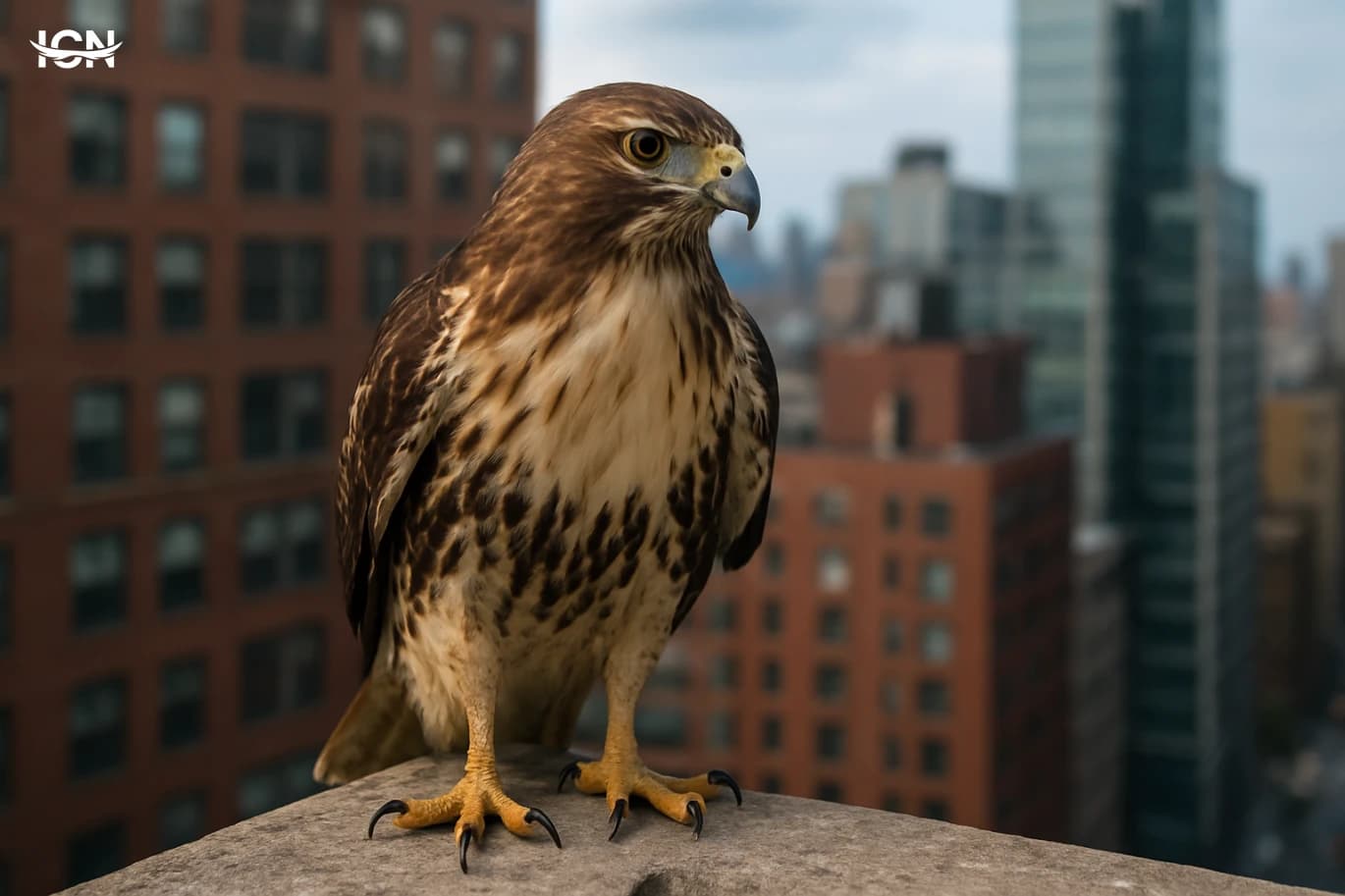
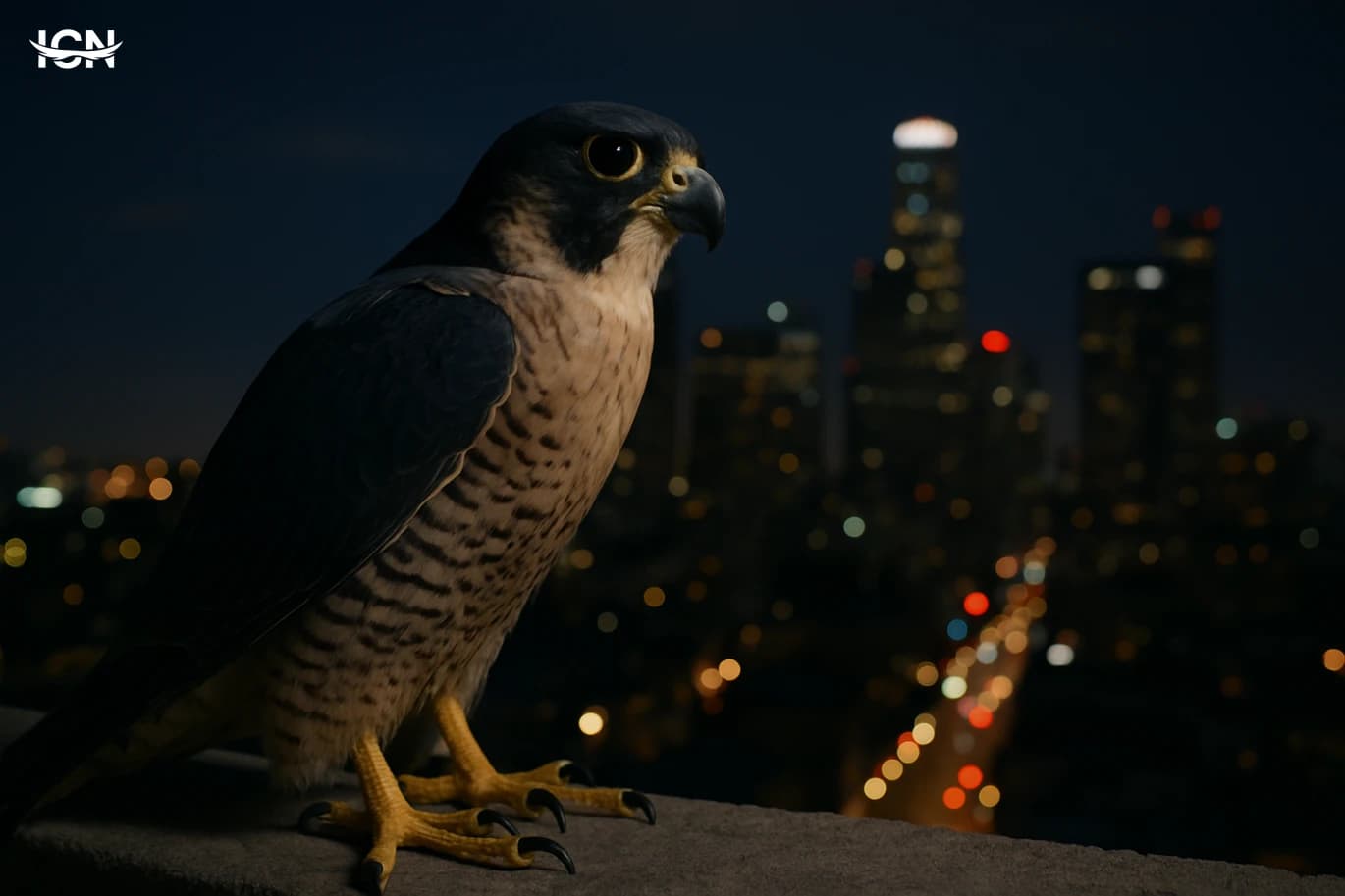
The most famous urban raptor is the peregrine falcon. It often nests on high ledges of office towers, cathedrals, and industrial stacks, using the height for fast dives on pigeons and other birds. Kestrels are smaller and can be seen hovering over vacant lots, road verges, and parks while searching for insects, lizards, and small rodents. In some cities, red-tailed hawks or similar buteos patrol green corridors and river edges, taking squirrels and birds. Owls are the most “after dark” residents. Barn owls may use warehouses, barns on the urban fringe, or quiet church towers, hunting rodents along canals and fields near suburbs. Tawny owls and other woodland-adapted species can occupy mature parks with large trees and cavities. Their calls carry far at night, which is why many people first notice them by sound rather than sight. Each species has a different tolerance for noise and people. Peregrines can nest above busy streets, while some owls require darker, calmer pockets of habitat. Knowing which species are local helps residents interpret what they see and avoid unnecessary alarm.
How they hunt and survive at night
Night changes the rules of the city, and raptors take advantage of it in different ways. Owls are built for low-light hunting: forward-facing eyes, sensitive hearing, and feathers that reduce flight noise. They can locate rodents by sound in grass strips, construction sites, and embankments. Some species use streetlights indirectly because light attracts insects, which attracts small birds and bats, creating a chain of activity that continues after sunset. Falcons and hawks are usually daytime hunters, but urban lighting can blur the boundary. In well-lit districts, pigeons and small birds remain active longer, and raptors may extend hunting into dusk. Tall structures also create wind patterns that can help a raptor gain speed with less effort. Survival is not only about catching prey. Cities offer warmer microclimates in winter, with heat retained by buildings and reduced snow cover on roads and rooftops. Water sources such as fountains, drainage channels, and rivers can remain accessible. However, the same environment brings hazards: glass collisions, entanglement in netting, and exposure to toxins through poisoned rodents. Urban success depends on balancing opportunity with risk, and the most adaptable individuals tend to thrive.
What their presence means for the city
Urban raptors can reshape local ecology in visible ways. A nesting pair of peregrines may reduce pigeon numbers around a specific district, changing where flocks roost and how they move. Owls can provide natural rodent control along canals, rail corridors, and warehouse zones, especially where food waste supports high rat populations. Their presence also indicates that parts of the urban environment still support a functioning food web: prey species, cover, and relatively safe nesting sites. There are also conflicts. During breeding season, some raptors defend nest areas and may dive at people who approach too closely, especially near rooftop access points or tall trees in parks. Misunderstandings are common when residents find a grounded young bird that has left the nest but cannot yet fly well. In most cases, the parents are nearby and the best response is to keep distance and control pets. Another issue is public pressure to remove nests from buildings. Many cities now manage this through monitored nest boxes, seasonal access restrictions, and clear guidance for maintenance crews. When handled professionally, coexistence is usually possible and can become a point of local pride rather than dispute.
How to watch responsibly and help
Responsible viewing starts with distance. If a raptor is calling repeatedly, circling, or diving, you are likely too close to a nest or a fledgling. Step back, keep dogs on a leash, and avoid shining bright lights toward perched birds at night. For rooftop or balcony sightings, do not attempt to approach or feed the bird. Raptors do not need handouts, and feeding can create risky dependence or attract conflicts with other wildlife. If you find an injured bird, contact a licensed wildlife rehabilitator or local animal rescue rather than trying to handle it. Talons and beaks can cause serious injury, and improper care can worsen the bird’s condition. If the bird appears healthy but is on the ground, it may be a fledgling; observe from a safe distance and keep the area clear. People can also help by supporting safer buildings: advocating for bird-friendly glass treatments in new developments, reporting hazardous netting, and encouraging property managers to schedule façade work outside breeding season when possible. Finally, citizen science projects and local bird groups often track nesting success. Submitting accurate observations—time, location, behavior—can improve urban wildlife management and reduce unnecessary interventions.