App Logo

Download Our App

Shop your way

logologo
Image

How Cities Are Changing Bird Migration
02/15/2026By: ICN Writer
How Cities Are Changing Bird Migration

Why migration looks different in cities

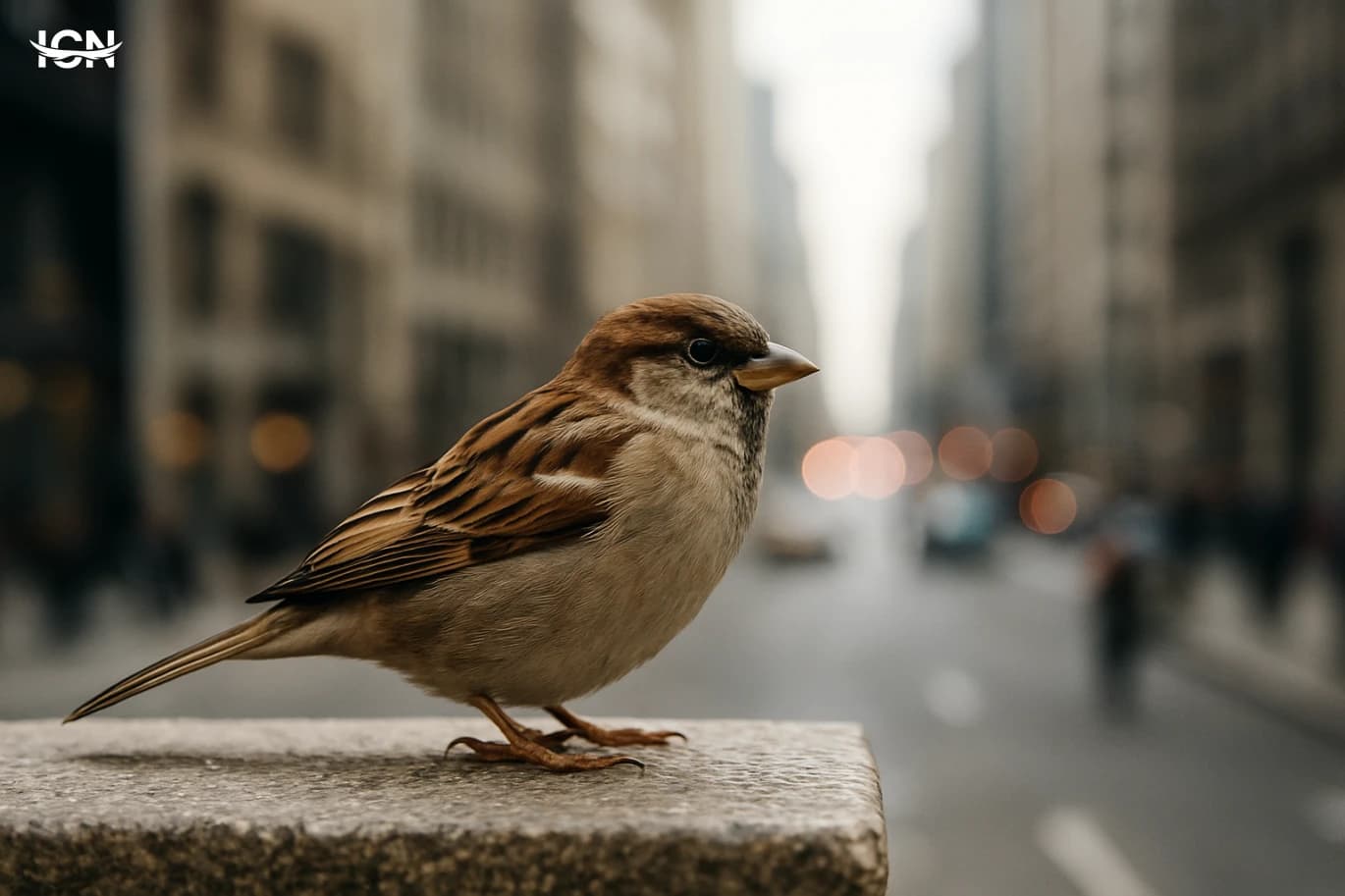
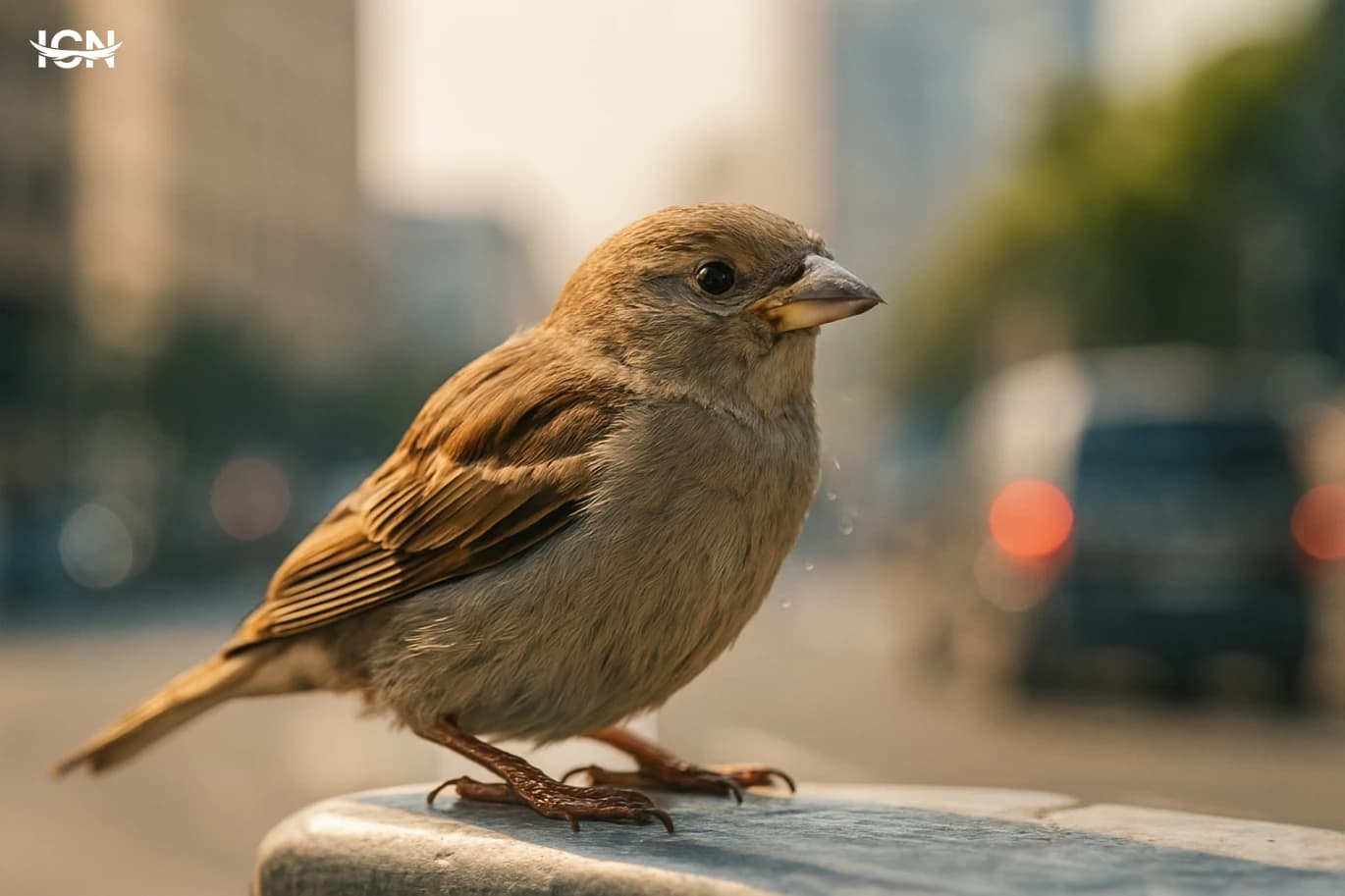
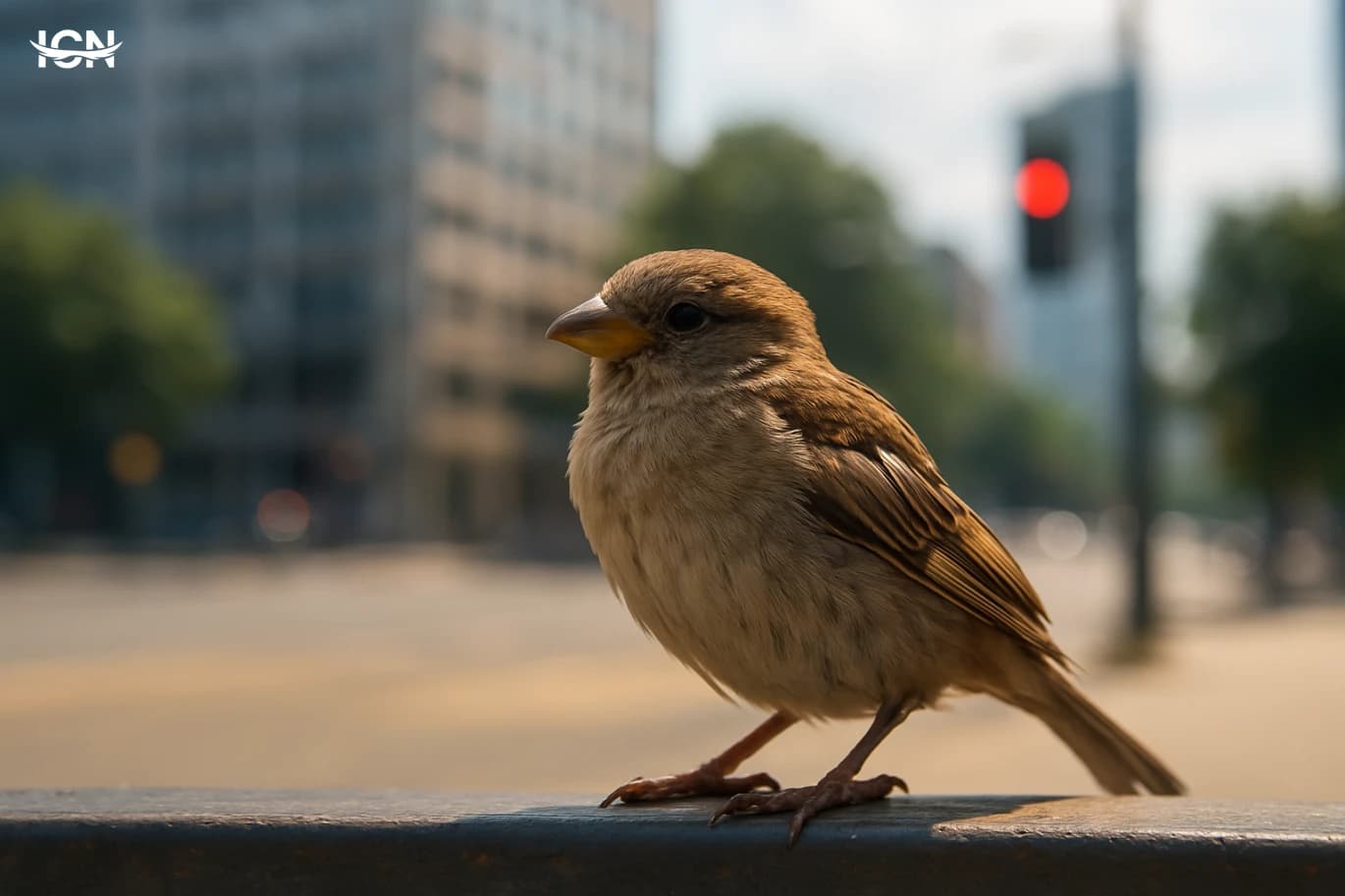
Bird migration is often described as a timeless natural cycle, but urban growth is reshaping it in measurable ways. Cities create warmer “heat islands” that can keep insects active longer and delay the first hard frosts, which affects when birds decide to move. Artificial lighting extends perceived daylight and can disrupt the hormonal cues that help birds time departures and arrivals. At the same time, urban parks, street trees, and waterfront promenades can act as stepping-stone habitats, offering rest and food in places that were once continuous farmland or wetlands. These changes do not affect all species equally. Short-distance migrants such as some thrushes, finches, and waterfowl can adjust their schedules more easily than long-distance migrants that rely on precise seasonal timing across continents. In many regions, birders and researchers are documenting earlier spring arrivals for certain species and longer autumn stays for others. The result is not simply “more birds in cities,” but a shifting calendar and a redistribution of stopover sites that can alter survival and breeding success.

Light pollution and night navigation

Many migratory birds travel at night to avoid predators and overheating, using stars, the moon, and Earth’s magnetic field to orient. Bright urban lighting can interfere with these cues. Birds may become disoriented, circle illuminated areas, and waste energy that should be reserved for long flights. In dense downtown corridors, collisions with glass are a major risk, especially during peak migration weeks when thousands of birds pass overhead. The problem is not limited to skyscrapers. Stadium lights, illuminated billboards, and decorative façade lighting can create wide halos visible from far away. Studies and monitoring programs have linked high-light nights to increased “fallout” events, when exhausted birds land in unusual places such as parking lots or building courtyards. Practical solutions exist: targeted lighting that points downward, motion sensors, warmer color temperatures, and seasonal “lights out” campaigns during migration. These measures reduce energy use for cities and can measurably lower bird mortality without compromising public safety.

Food, feeders, and urban stopovers

Cities can provide abundant food, but it is often different from what birds evolved to rely on. Ornamental plants may produce berries at unusual times, and irrigated lawns can keep soil invertebrates available longer into dry seasons. Backyard feeders add another layer, concentrating birds in small areas and sometimes changing how long they stay. For some species, reliable food can support overwintering farther north than in previous decades, especially when combined with milder urban temperatures. However, concentrated feeding also has downsides. Crowding increases the risk of disease transmission, including salmonella in finches and conjunctivitis in some songbirds. Poorly maintained feeders can become contamination points, and low-quality seed mixes may not meet nutritional needs during demanding migration periods. Urban stopovers are also fragmented: a bird may find a productive park but then face long stretches of traffic, noise, and limited cover. The most effective approach is to improve habitat quality across multiple sites—native shrubs and trees, pesticide reduction, and water sources—so that stopovers function as a network rather than isolated islands.

Glass, noise, and other urban hazards

Beyond light, the built environment introduces hazards that can directly reduce migratory survival. Glass is one of the most documented threats because birds perceive reflections of sky and vegetation as real habitat. Transparent corners, skywalks, and large lobby windows are frequent collision sites. Noise pollution can also matter: constant traffic and construction noise may mask calls, making it harder for birds to maintain contact or detect predators. For species that rely on acoustic cues during dawn and dusk, noisy corridors can reduce effective foraging time. Other risks include domestic cats, which are efficient predators even in small green spaces, and extreme weather amplified by urban design, such as wind tunnels between tall buildings. Heat waves can be more intense in city centers, increasing dehydration risk for small birds. Many of these hazards can be reduced with known interventions: bird-safe glass patterns, external screens, and window films; limiting reflective landscaping directly in front of large windows; creating quiet refuges in parks; and responsible pet ownership practices such as keeping cats indoors, especially during migration peaks.

What residents and city planners can do

Urban migration outcomes are not fixed; they respond to policy and everyday choices. For residents, the most immediate steps include making windows safer with visible patterns, closing blinds at night during migration, and turning off unnecessary exterior lights. If using feeders, cleaning them regularly and pausing feeding during disease outbreaks helps protect local and passing birds. Planting native species in balconies, yards, and community gardens can provide insects and berries that match migratory diets better than many ornamental options. For city planners and building owners, standards matter. Bird-friendly building guidelines can be integrated into permitting, especially for new construction near water, parks, and known flyways. Retrofitting high-risk buildings with collision-reduction measures can be prioritized using monitoring data from local conservation groups. Lighting ordinances that reduce upward spill and require dimming during peak migration weeks are increasingly common and can be paired with energy-efficiency goals. Finally, maintaining connected green corridors—tree-lined streets that link parks, wetlands, and river edges—helps migrants move through cities with fewer risky gaps. When cities treat migration as an infrastructure issue, not just a wildlife concern, the benefits extend to biodiversity, public health, and urban livability.

* All articles published on this blog are sourced from various websites and are provided for informational purposes only. They should not be considered as confirmed studies or accurate information. Please verify the information independently before relying on it.

Similar ARTICLES

How Urban Birds Thrive in Modern Cities
Cities look hostile at first glance, yet many bird species treat them as reliable habitat. The biggest reason is stability: urban areas provide year-round food sources, predictable water access, and warmer microclimates created by buildings and paved surfaces. Street trees, parks, cemeteries, and riverfront promenades form connected green corridors that can substitute for natural woodland edges. Even small patches—courtyards, rooftop planters, and traffic islands—offer resting and nesting opportunities when they are distributed across a neighborhood. Another driver is reduced pressure from some natural predators. In many cities, large raptors and mammalian predators are less common than in rural landscapes, while human activity can unintentionally shield nests in busy areas. At the same time, urban birds learn to tolerate noise, lights, and constant movement. Species that adapt quickly to new routines—such as shifting feeding times or using artificial structures—gain a strong advantage. This is why the most visible city birds are often generalists that can eat a wide range of foods and nest in many different places.
City Birds That Thrive Beside Us
Cities look hostile to wildlife, yet many bird species do more than survive there—they expand. The main reason is predictable food. Street trees, parks, outdoor markets, restaurant waste, and backyard feeders create steady calories through seasons when natural habitats can be lean. Urban heat islands also keep temperatures slightly warmer, which can reduce winter stress and extend insect activity in some neighborhoods. Another driver is nesting opportunity. Buildings, bridges, and signage mimic cliffs and ledges, while ornamental shrubs and dense hedges provide cover similar to thickets. Some birds adapt their schedules too, starting dawn songs earlier because artificial light shifts their daily rhythm. Over time, city populations can diverge in behavior from rural ones, becoming bolder around people and more tolerant of noise. Not every species can make the jump. Birds that need large territories, specialized diets, or quiet breeding sites often decline in dense development. The winners tend to be generalists: they eat a wide range of foods, nest in many structures, and learn quickly. Understanding these patterns helps residents support a wider mix of birds, not just the few that dominate sidewalks and rooftops.
City Birds and the Hidden Rules of Survival
Cities look hostile to wildlife, yet a short list of birds consistently does well: pigeons, house sparrows, starlings, crows, gulls, and a growing number of raptors. Their success is not random. Urban winners tend to be generalists that can eat varied foods, nest in many types of structures, and tolerate constant noise and movement. A pigeon can feed on seeds, scraps, and spilled grain; a crow can switch between insects, fruit, and human leftovers; a gull can exploit waterfronts, landfills, and parking lots. Another advantage is flexibility in nesting. Ledges, bridges, air-conditioning units, and roof cavities can substitute for cliffs and tree hollows. Some species also benefit from the “heat island” effect, where city temperatures stay higher than surrounding rural areas, reducing cold stress and extending the season when insects are active. Finally, cities can reduce certain natural pressures. In many neighborhoods, large predators are scarce, and food is available year-round. The result is a set of hidden rules: adaptability beats specialization, and tolerance for people becomes a survival trait.
How Urban Birds Outsmart City Life
Cities look hostile at first glance, yet many bird species treat them as reliable habitats. The main reason is stability: urban areas offer year-round food sources, predictable shelter, and fewer natural fluctuations than forests or farmland. Waste management sites, outdoor dining areas, and home gardens create steady feeding opportunities, while building ledges, bridges, and ventilation openings mimic cliffs and cavities used for nesting. Some species, such as pigeons and house sparrows, have lived alongside people for centuries, but newer urban residents include raptors that hunt pigeons, waterbirds that use canals, and insect-eaters that exploit streetlight swarms. Urban design also concentrates resources. A single park can provide mature trees, irrigation, and a mix of shrubs that produce berries and insects. Street trees form corridors that connect green spaces, allowing birds to move and forage without crossing large open areas. Even small balconies can function as microhabitats when they include planters, shallow water dishes, and minimal disturbance. The result is that cities can support surprising diversity, but the winners are usually species that tolerate noise, human presence, and rapid change. This topic matters because urban bird populations are not just a curiosity; they are indicators of environmental quality. Changes in which species thrive can signal shifts in air quality, pesticide use, heat stress, and the availability of native plants. Understanding why cities work for some birds and fail for others helps residents and planners make choices that support healthier, more balanced urban ecosystems.
How Urban Birds Survive Heat and Noise
Cities look full of food and shelter, but for birds they combine several pressures at once. Heat builds up on asphalt and concrete, creating warmer nights and longer hot spells than nearby rural areas. That matters because birds lose water quickly through breathing and need safe, shaded places to rest. Noise is another constant stressor: traffic, construction, and crowded streets can mask alarm calls and make it harder for mates or parents and chicks to stay in contact. Artificial lighting extends the day, changing when birds feed, sing, and sleep, and it can pull migrating birds off course. Urban landscapes also break habitats into small patches, forcing birds to cross open spaces where they are exposed to hazards. Even when food seems abundant, it is often unpredictable, seasonal, or low in nutrients. Understanding these combined challenges is the starting point for explaining which species thrive in cities and which struggle to persist.
How Cities Can Welcome Swifts Back
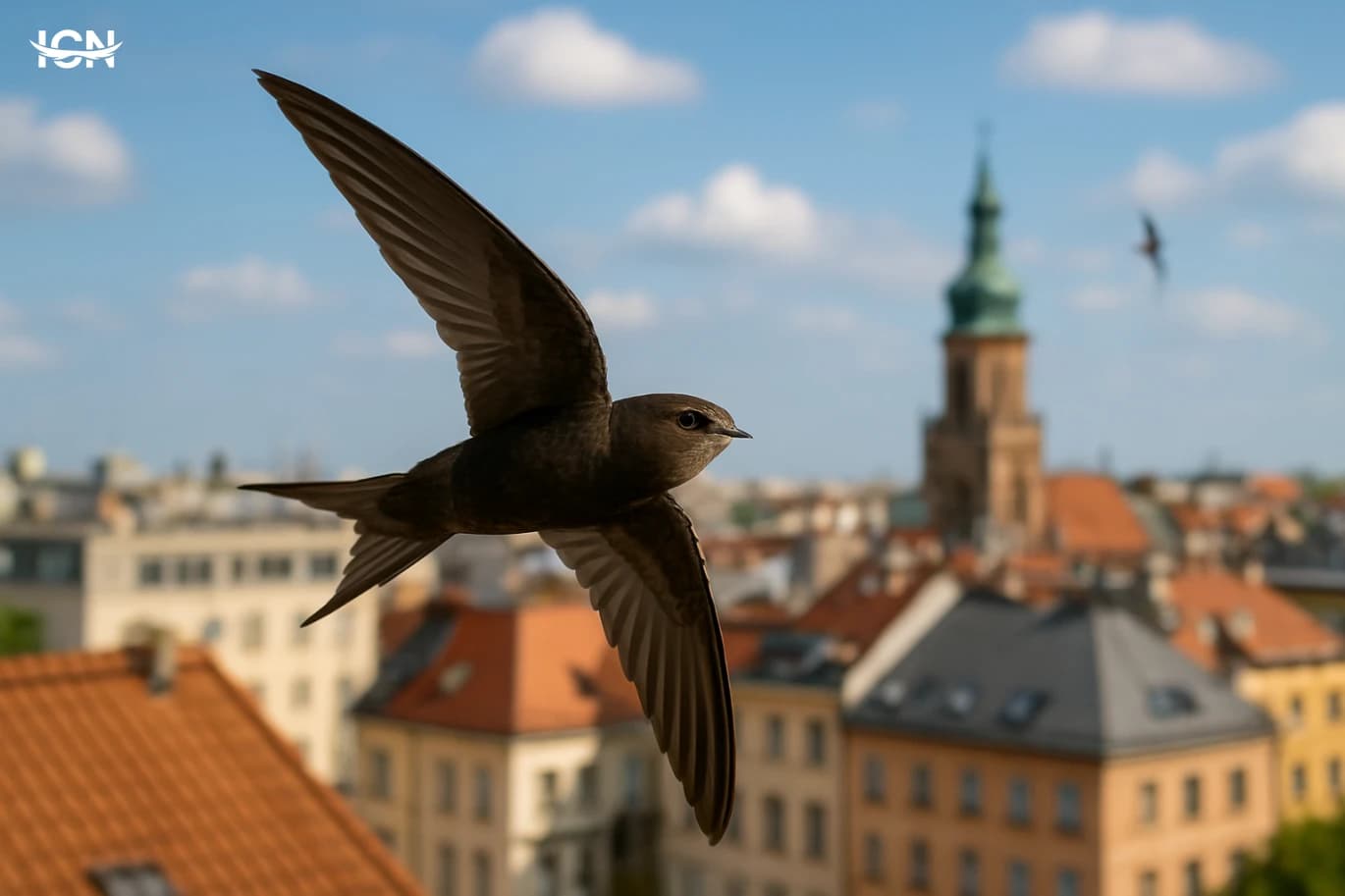
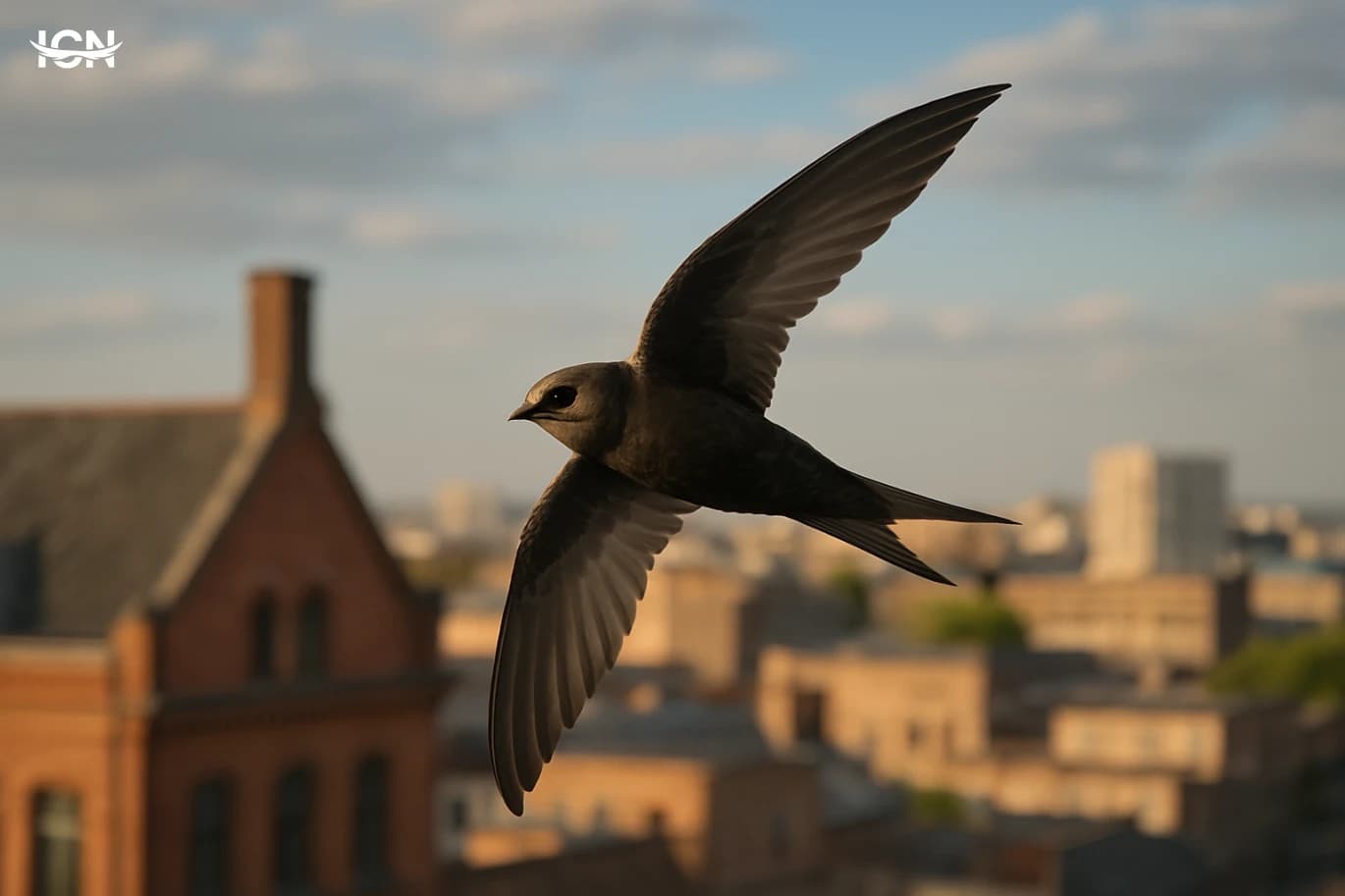
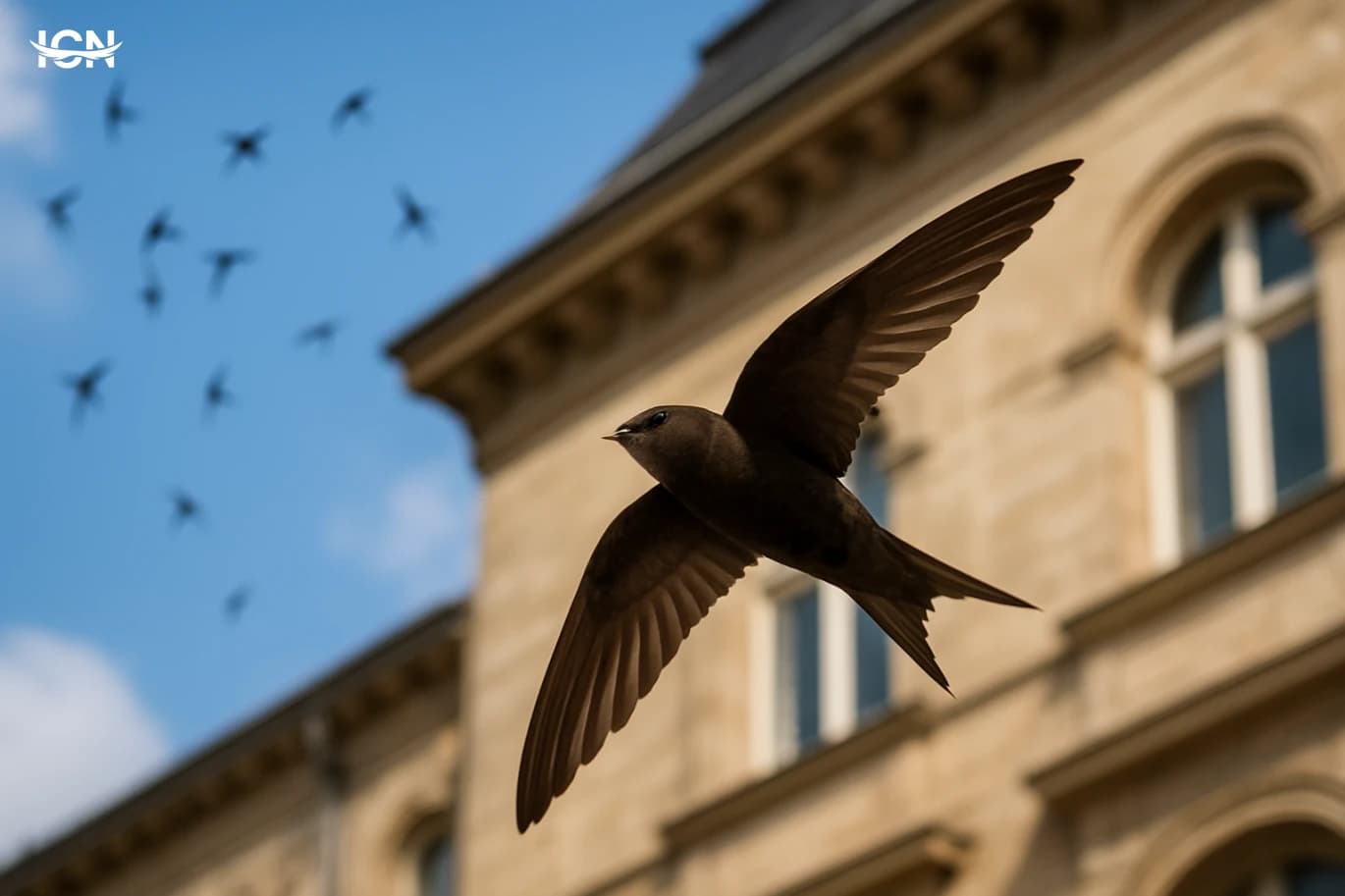
Swifts are among the most urban-adapted birds on the planet, yet many city residents rarely notice them until a warm evening when they slice through the air in fast, high arcs. Their presence is more than a pleasant soundtrack to summer. Swifts consume large numbers of flying insects, including midges and mosquitoes, and they do it without needing gardens or feeders. They also act as a practical indicator of how well a city supports wildlife: if swifts can find nesting sites and enough insects, other less mobile species often benefit too. Unlike pigeons or sparrows, swifts depend heavily on specific nesting cavities, traditionally gaps under roof tiles, holes in old masonry, and spaces behind wooden eaves. Modern construction and renovation practices have reduced these opportunities. When buildings are sealed for energy efficiency, cavities disappear. The result is a quiet decline that can happen block by block, even in cities that still have parks and street trees. Understanding this tight link between swifts and buildings is the first step toward bringing them back.
How Urban Birds Survive Heat and Noise
Cities look full of food and shelter, but for birds they are a demanding habitat with constant stressors. The most obvious challenge is heat. Asphalt, concrete, and glass store warmth and create urban heat islands where temperatures can stay several degrees higher than nearby rural areas, especially at night. For small birds that already lose water quickly, extra heat increases the risk of dehydration and overheating during midday foraging. Noise is the other defining pressure. Traffic, construction, and dense human activity can mask bird songs and calls, which are essential for defending territory, attracting mates, and keeping contact with family groups. When communication becomes harder, birds may spend more time singing, shift their schedules, or accept poorer territories. Cities also bring fragmented green spaces, fewer native insects in some neighborhoods, and hazards like reflective windows and fast-moving vehicles. Yet many species persist, and their success offers a clear window into how wildlife adapts to human-dominated landscapes.
How Cities Can Help Swifts Thrive
Swifts are among the most urban-adapted birds, spending most of their lives on the wing and using buildings as substitutes for cliffs. In many cities, their high, fast flights are one of the clearest signs of healthy summer biodiversity. They also provide a practical service: swifts feed on airborne insects, including midges and mosquitoes, and a single bird can consume thousands in a day during peak feeding. That makes them relevant not only to birdwatchers but also to residents who care about comfort and outdoor quality of life. Yet swift populations have declined in several regions as modern construction and renovation remove the small gaps and cavities they need for nesting. Unlike some birds, swifts do not gather twigs from the ground; they collect light materials in flight and rely on stable, sheltered spaces to raise their young. When those spaces disappear, the birds may return to traditional breeding areas and find nothing usable. Understanding this mismatch between swift behavior and building trends is the starting point for practical, non-disruptive solutions in urban planning and home maintenance.
City Swifts and the Architecture They Need
Swifts are among the most urban-adapted birds on the planet, yet many city residents rarely notice them. They spend most of their lives in the air, feeding on small flying insects and drinking by skimming water surfaces. In many regions, the birds arrive seasonally, turning warm evenings into a fast-moving aerial display above streets, parks, and rooftops. Their presence is not just a pleasant detail; it is a measurable sign of how a city supports airborne insect life and provides safe nesting spaces. Unlike pigeons or sparrows that use ledges and open cavities, swifts depend on narrow crevices and enclosed voids, historically found in older buildings with gaps under eaves, roof tiles, and stonework. Modern construction methods often seal these spaces for energy efficiency and weatherproofing. Renovations can remove long-used nesting sites in a single week, even when the birds return to the same area year after year. Understanding swifts as part of urban biodiversity helps explain why building design and maintenance decisions can directly affect local bird populations.
Urban Raptors Living Above Our Streets
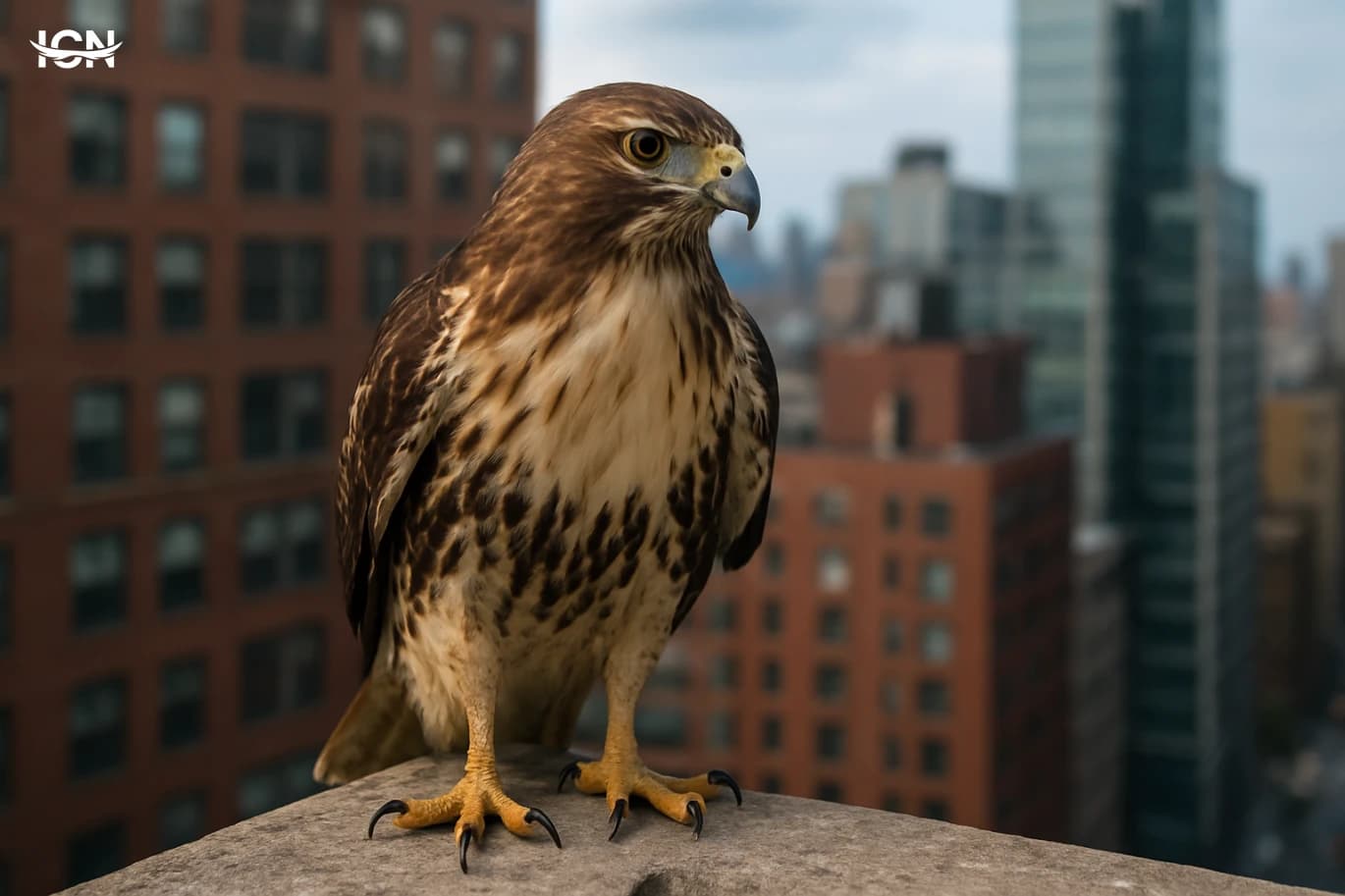
Across many regions, birds of prey are no longer limited to remote cliffs or open countryside. Peregrine falcons, kestrels, hawks, and even some owls increasingly use city centers as dependable habitat. Tall buildings mimic natural rock faces, bridges provide sheltered ledges, and warm air rising from streets can create helpful updrafts for soaring. Cities also concentrate prey: pigeons, starlings, rats, and other small animals thrive around food waste and dense infrastructure, offering raptors a steady menu. Another driver is reduced persecution compared with past decades; legal protections and changing public attitudes have allowed populations to recover and explore new spaces. Urban nesting can also be surprisingly stable, because many rooftops and ledges remain undisturbed during the breeding season. The result is a modern wildlife story happening in plain sight: top predators adapting to human-made landscapes and reshaping local bird communities from above.
City Raptors After Dark
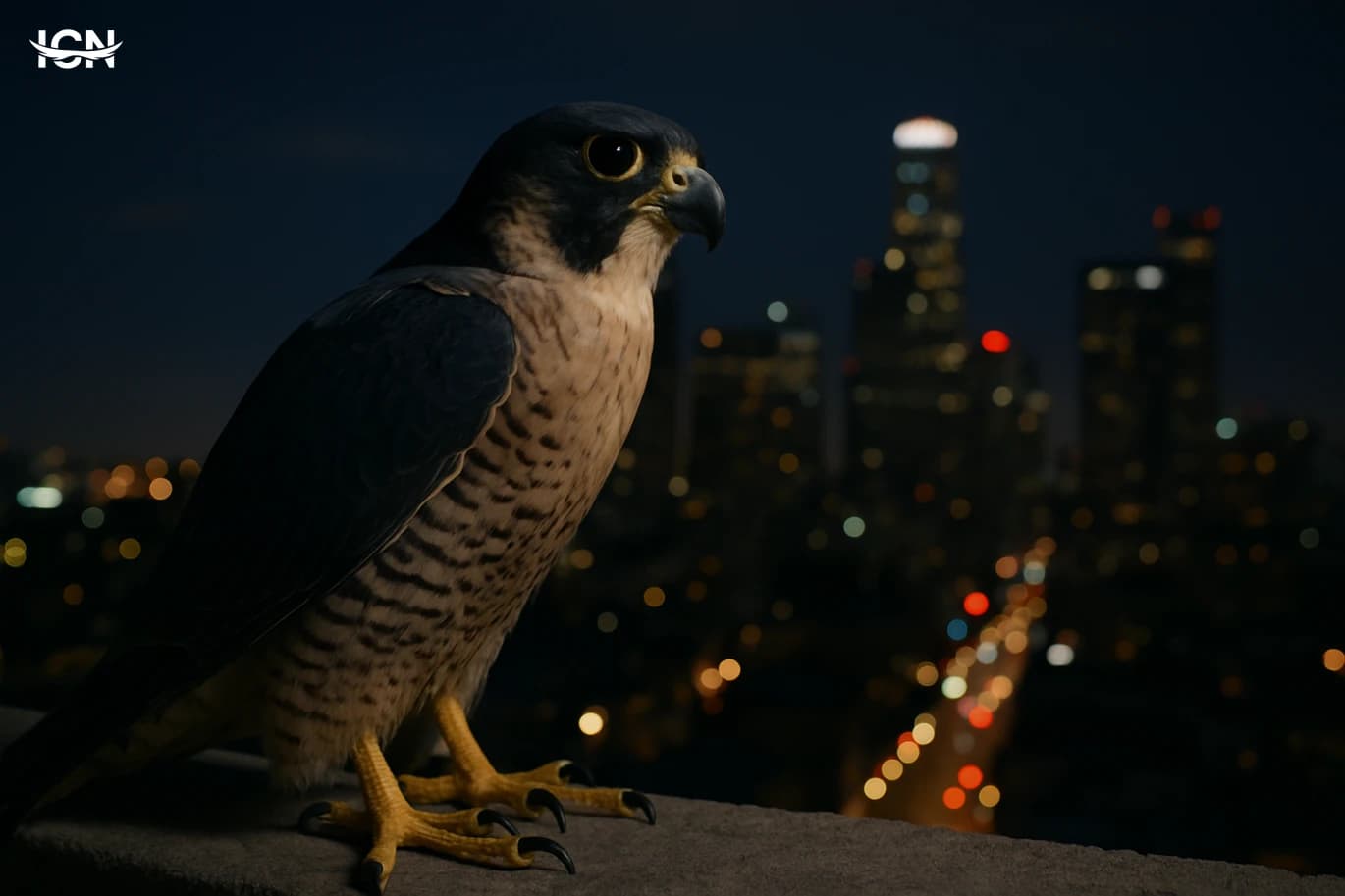
Across many regions, birds of prey are no longer limited to remote cliffs and open countryside. Peregrine falcons, kestrels, and some owl species increasingly use city centers as hunting and nesting territory. The shift is driven by practical factors: tall buildings mimic natural ledges, bridges provide sheltered cavities, and urban lighting extends the hours when prey is active. Cities also concentrate food. Pigeons, starlings, sparrows, and rats thrive around transport hubs, markets, and waterfronts, creating a reliable prey base that can be easier to locate than in heavily farmed landscapes. Another reason is reduced persecution compared with past decades. Legal protection, public awareness, and better wildlife enforcement have helped raptors recover in many places. At the same time, some rural habitats have become less suitable due to pesticide exposure, loss of hedgerows, and fewer small mammals in intensively managed fields. For a hunting specialist like the peregrine, an urban skyline can offer consistent updrafts, clear flight lines, and abundant medium-sized birds. The result is a new kind of neighborhood wildlife: top predators living within sight of offices, apartments, and stadiums.
How Cities Are Changing Bird Migration
Bird migration is often described as a timeless cycle, but in many regions it is becoming noticeably less predictable. Long-term monitoring in Europe and North America shows some species arriving earlier in spring and lingering later into autumn, while others shift their routes to follow new food sources and safer stopover sites. These changes are not random; they track the rapid growth of urban areas and the way cities alter temperature, light, and habitat structure. Cities create “heat islands” that can be several degrees warmer than surrounding countryside, especially at night. For insect-eating birds, that warmth can extend the season when insects remain active, which can encourage earlier arrival or longer stays. At the same time, urban parks, street trees, and wetlands built for stormwater management can provide pockets of shelter and feeding opportunities that did not exist a few decades ago. Migration is still driven by day length and genetics, but the practical decisions birds make on the ground are increasingly shaped by urban conditions.
By clicking the SUBSCRIBE button, you are agreeing to our Privacy & Cookie Policy If you want to unsubsribe the marketing email, please proceed to our privacy center.
© 2005-2026 ICN. All Rights Reserved.