How Cities Can Welcome Swifts Back
- Why swifts matter in urban skies
- Where swifts used to nest and what changed
- Designing swift-friendly buildings and renovations
- Food supply: insects, lighting, and green space
- Community monitoring and simple citizen actions
- A practical city checklist for swift recovery
Why swifts matter in urban skies
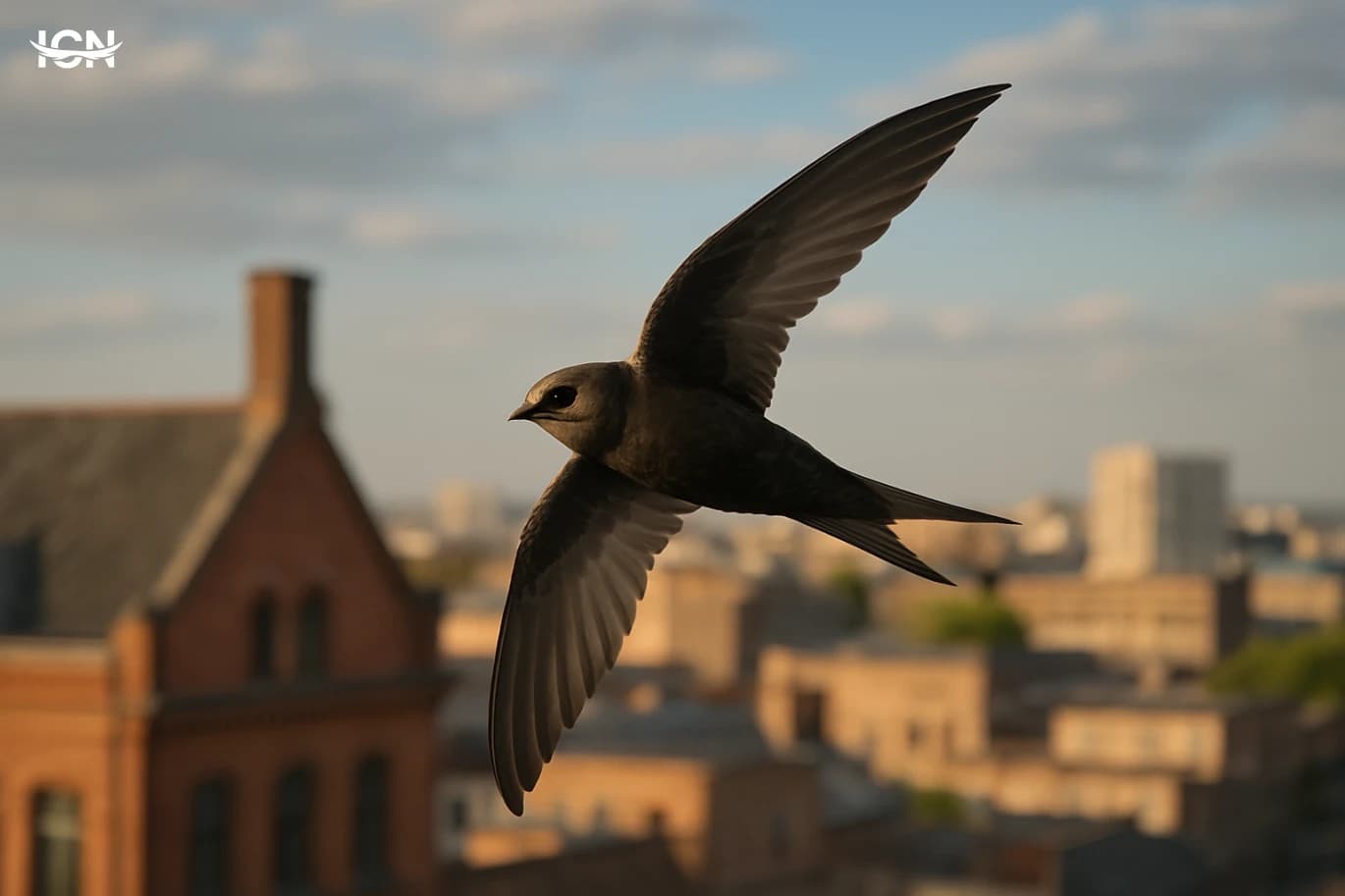
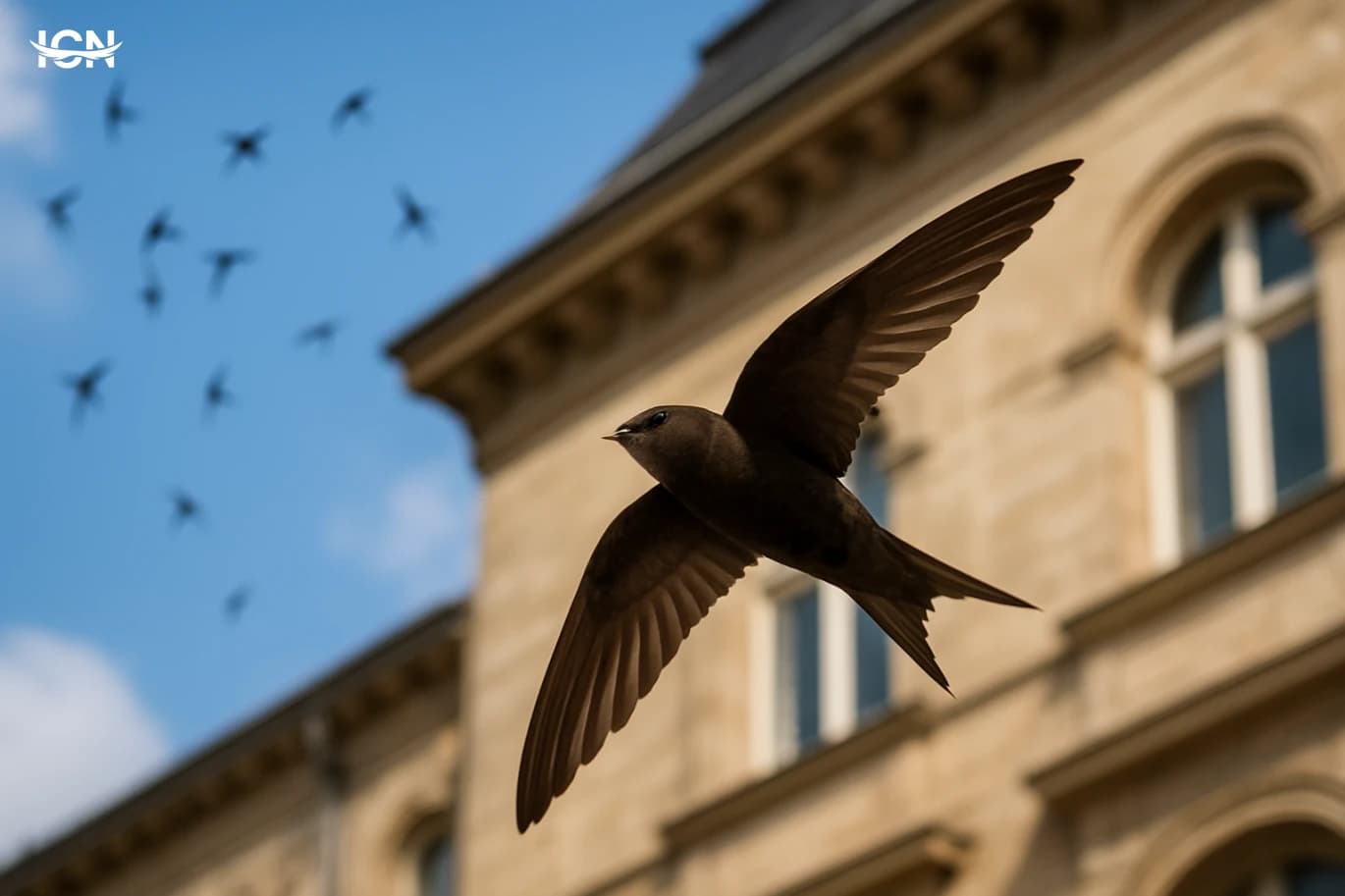
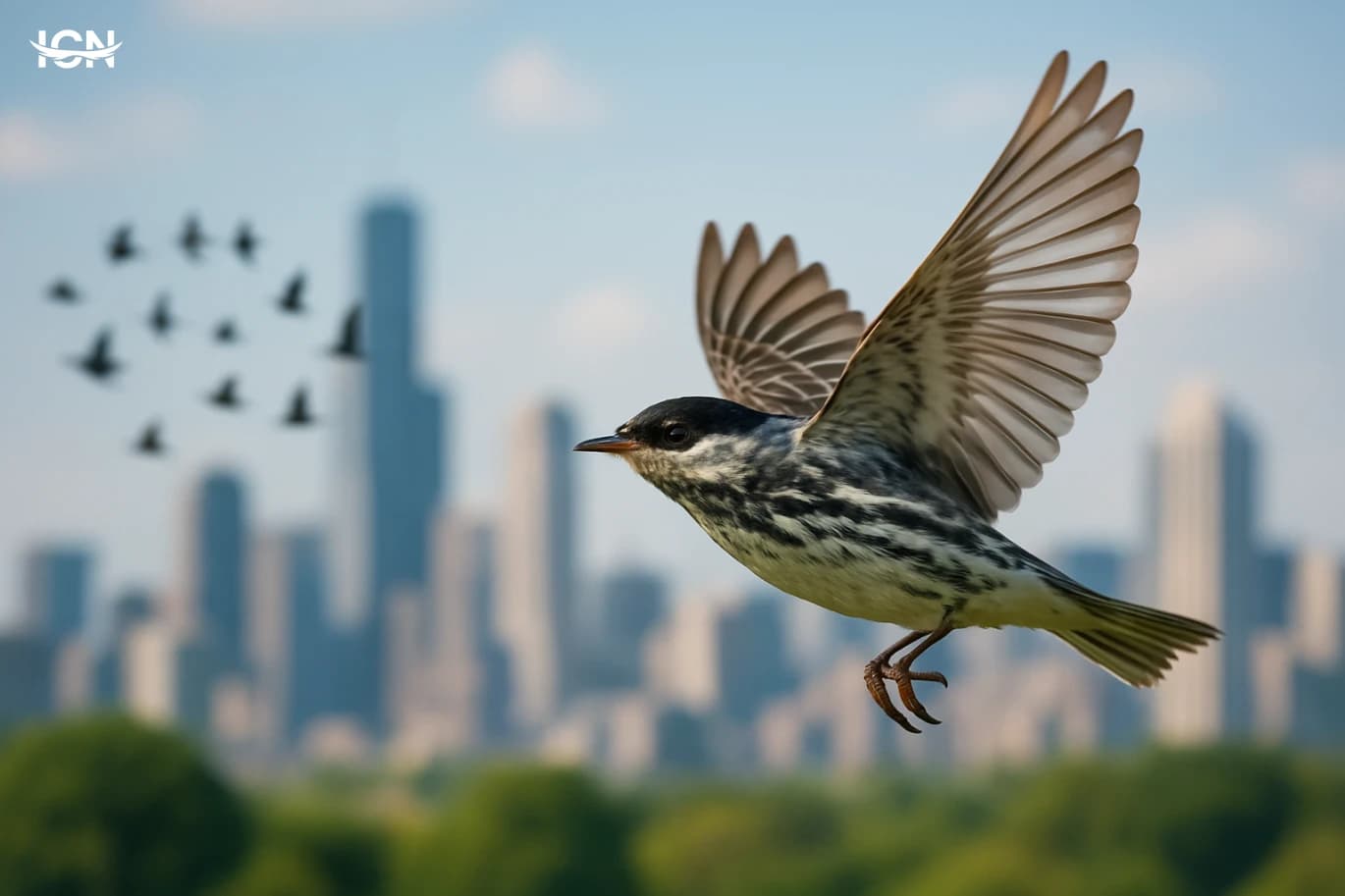
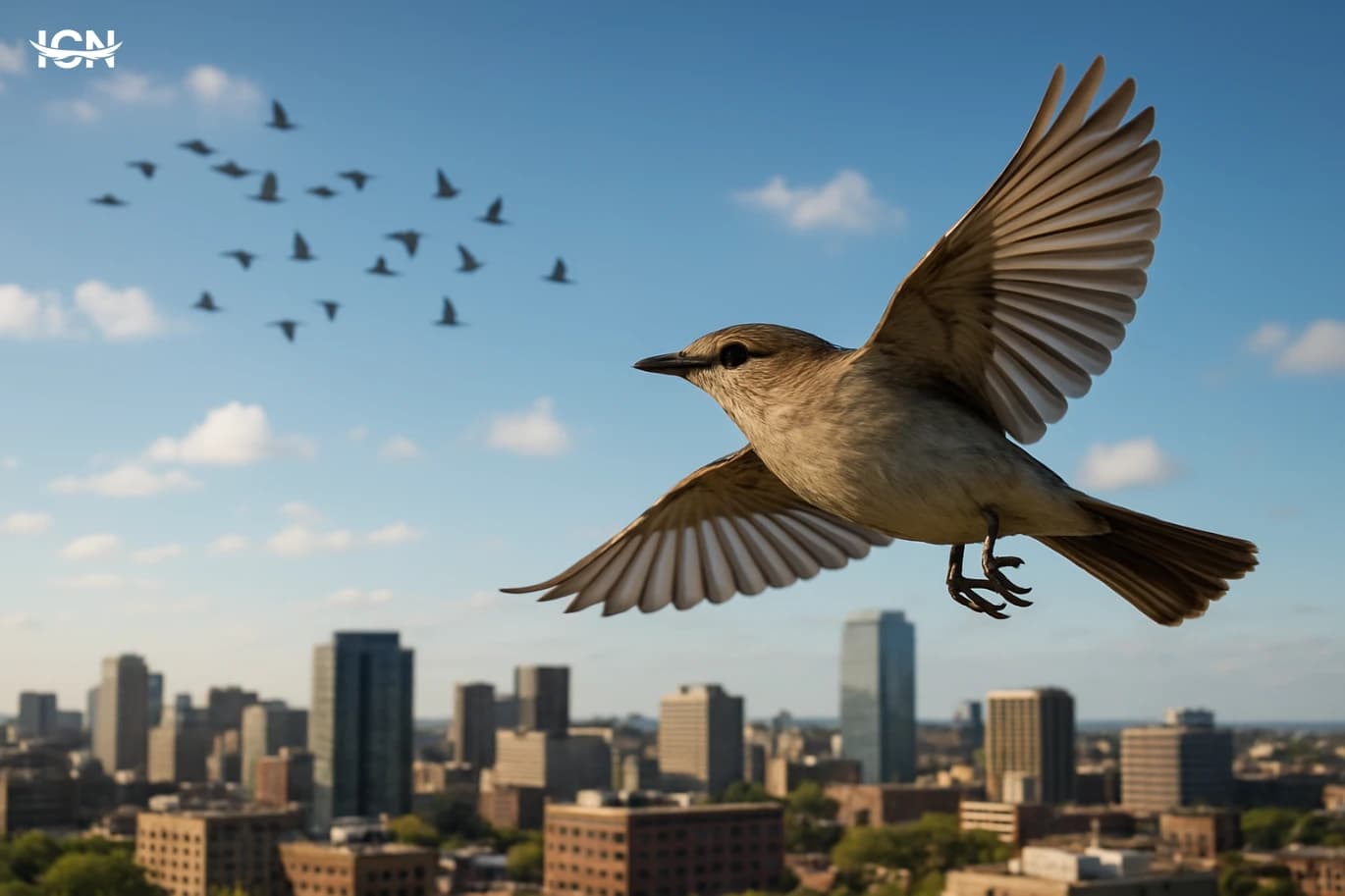
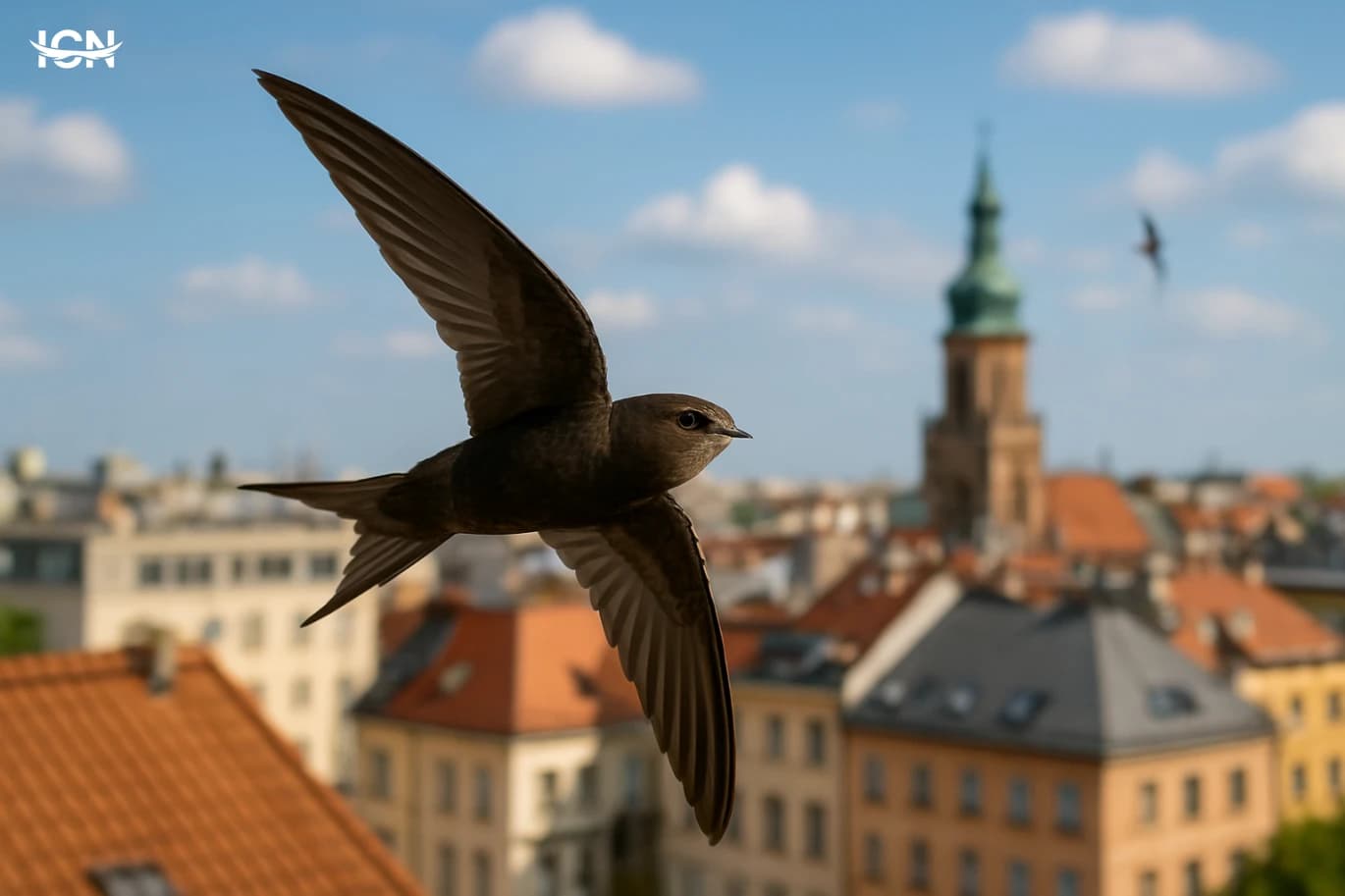
Swifts are among the most urban-adapted birds on the planet, yet many city residents rarely notice them until a warm evening when they slice through the air in fast, high arcs. Their presence is more than a pleasant soundtrack to summer. Swifts consume large numbers of flying insects, including midges and mosquitoes, and they do it without needing gardens or feeders. They also act as a practical indicator of how well a city supports wildlife: if swifts can find nesting sites and enough insects, other less mobile species often benefit too. Unlike pigeons or sparrows, swifts depend heavily on specific nesting cavities, traditionally gaps under roof tiles, holes in old masonry, and spaces behind wooden eaves. Modern construction and renovation practices have reduced these opportunities. When buildings are sealed for energy efficiency, cavities disappear. The result is a quiet decline that can happen block by block, even in cities that still have parks and street trees. Understanding this tight link between swifts and buildings is the first step toward bringing them back.
Where swifts used to nest and what changed
For decades, older neighborhoods provided swifts with a reliable network of small cavities. A single street of pre-war buildings might have offered dozens of entry points under tiles or behind fascia boards. Swifts are faithful to nesting sites and often return to the same location year after year. That loyalty becomes a weakness when the cavity is removed. A renovation that replaces a roof, repoints brickwork, or installs new cladding can eliminate multiple nests in one project. Energy upgrades are a major driver. External insulation systems and tight roof membranes are designed to stop drafts and moisture, and they often do so by sealing the very gaps swifts use. New builds can also be a problem when they are designed with smooth façades and minimal ledges. Even when a city adds green roofs and street trees, swifts may still struggle if they cannot access nesting spaces. Another change is timing. Renovations frequently happen in spring and summer, exactly when swifts are breeding. Disturbance at the wrong moment can cause nest failure, and once a site is lost, the local population may not quickly relocate because suitable cavities are scarce. The practical takeaway is that swift-friendly cities need both the right building details and the right construction schedules.
Designing swift-friendly buildings and renovations
The most effective way to support swifts is to build nesting opportunities into the fabric of the city. This can be done in new construction by specifying integrated swift bricks or nest cavities placed high on the building, typically under the eaves, with a clear flight path. These features are small, inexpensive relative to overall project costs, and they do not create mess on balconies because swifts enter and exit at speed and spend much of their time in the air. For renovations, the key is to identify existing nest sites before work begins. A simple survey during the breeding season can reveal entry points and flight patterns. If a roof must be replaced, contractors can retain access by leaving suitable gaps or installing purpose-made boxes under the eaves. The goal is continuity: keeping the same general location so returning birds can find it. Good practice also includes avoiding reflective or obstructive elements near entrances, such as certain types of netting or tight mesh used for pest control. Where exclusion is necessary for other reasons, it should be targeted and paired with alternative nesting provision nearby. Cities that publish clear guidance for architects and builders, and that include swift measures in planning conditions, tend to see better outcomes than those relying on voluntary action alone.
Food supply: insects, lighting, and green space
Nesting sites are only half the story. Swifts need a steady supply of aerial insects, and urban conditions can either support or suppress that food base. Pesticide use in parks, private gardens, and roadside management reduces insect abundance. Even when chemicals are not used, overly tidy landscaping can limit flowering plants and damp areas where insects breed. City lighting is another factor. Bright, poorly directed lights can disrupt insect behavior and concentrate insects in ways that change where swifts forage. While swifts can exploit insect swarms, a city that relies on intense lighting everywhere may reduce overall insect diversity. Practical measures include using warmer, shielded lighting that focuses on the ground, dimming during low-traffic hours, and maintaining dark corridors near rivers and larger parks. Green space planning can be more insect-friendly without sacrificing public use. Mixed planting with native flowering species, leaving some areas to grow longer between cuts, and protecting wetlands and ponds all increase insect availability. Street trees matter too, especially when a city diversifies species and avoids routine spraying. For swifts, the best urban habitat is not a single large park but a connected network of insect-rich spaces within flying distance of nesting buildings.
Community monitoring and simple citizen actions
Cities that successfully support swifts often combine building measures with community monitoring. Residents can record swift sightings, note nesting entrances, and share information with local nature groups or municipal biodiversity teams. Consistent observations help identify which buildings host nests and which areas have lost them after renovations. Homeowners and building managers can take practical steps. Installing a swift box high under the eaves is one option where local rules allow it. Another is timing maintenance work outside the breeding season and asking contractors to preserve existing access points. For apartment blocks, a small number of integrated boxes can make a difference because swifts are social and respond to suitable clusters of sites. Schools and community centers can also play a role by running short monitoring projects during late spring and summer, when swifts are most visible. The aim is not to handle birds but to collect reliable, simple data: dates of first arrival, number of birds seen, and locations of repeated entry and exit. When this information is shared with planners, it strengthens the case for swift-friendly conditions in future building permits and public works.
A practical city checklist for swift recovery
A swift recovery plan works best when it is treated as routine urban management rather than a one-off campaign. First, map existing nesting sites using reports from residents and targeted surveys of older buildings. Second, adopt a standard requirement for new developments above a certain height to include a small number of integrated swift cavities, placed with clear guidance on height and orientation. Third, update renovation guidance so that roof and façade projects check for nesting activity and avoid sealing entrances during the breeding season. Where closure is unavoidable, require like-for-like replacement nearby. Fourth, improve insect availability by reducing pesticide use, diversifying planting, and protecting wet features such as ponds and river edges. Fifth, adjust public lighting with shielding and warmer tones, and preserve darker corridors that support insect movement. Finally, measure progress. Track the number of occupied sites, not just the number of boxes installed, and review results every two to three years. Swifts are long-lived and slow to change nesting habits, so success is usually visible over multiple seasons. With consistent building standards, better insect habitat, and basic monitoring, cities can bring back the distinctive high-speed flocks that signal a healthier urban environment.